
9 Arkansas Towns Losing Residents As Their Populations Keep Getting Older
You can learn a lot about a town by watching what happens around noon. In some places, the diner fills up even when the sidewalks outside stay quiet.
That contrast is showing up in several Arkansas communities where population counts have fallen and residents are getting older. Younger adults often leave for work or school, while longtime locals remain connected to the places they know best.
The result can feel bittersweet. Downtowns may have fewer open doors, yet familiar traditions still bring people together.
Old landmarks keep their stories, and festivals can still draw a crowd. These nine towns offer a closer look at how change reshapes daily life without wiping away local identity.
You may recognize a few names. Others might be completely new.
Either way, their histories show how much can remain even after the population starts moving in another direction for years.
1. Dumas
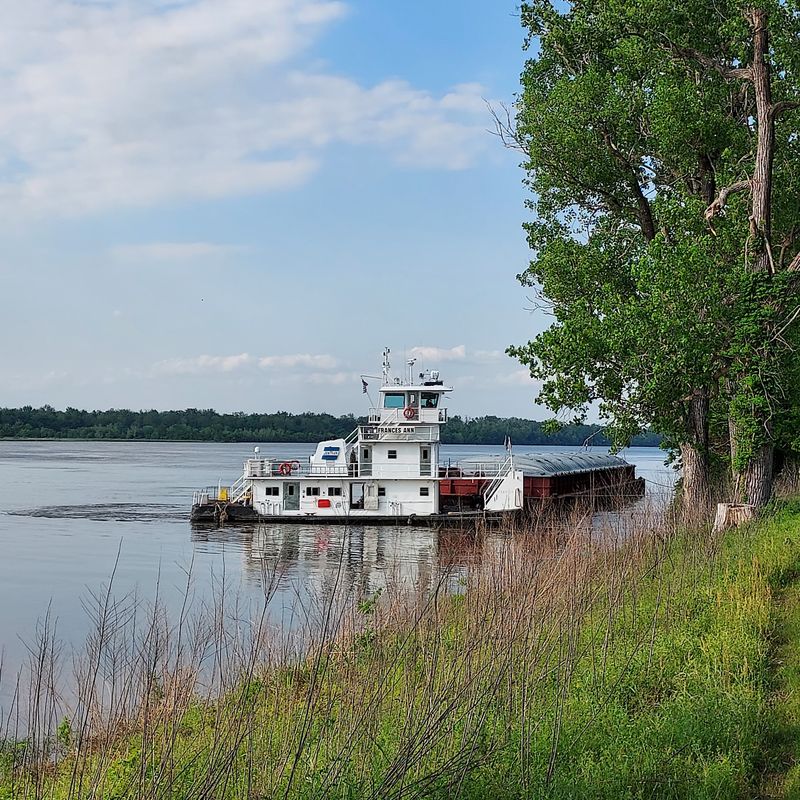
Ever heard of a town with its own catchy song? Dumas, Arkansas 71639, sits in Desha County in the southeast Delta, and its name inspired the old tune known as the Ding Dong Daddy of Dumas.
Locals still smile about that musical claim to fame.
Farming built this town, and it still shapes daily life. Wide fields of cotton, rice, and soybeans stretch out in every direction, and big equipment rumbles down the roads during harvest.
When crops became more machine-driven, fewer workers were needed, and many families moved away to find jobs elsewhere.
Today, the people who stayed tend to be older, with deep roots and long memories. Churches, school ball games, and small local businesses act as the glue that holds the community together.
I find it pretty charming that a town this size can still get loud and proud over a Friday night football game.
For visitors, Dumas works well as a stop on a Delta road trip along U.S. Highway 65.
The flat land makes for huge sunsets, and the open sky feels endless. Birdwatchers often enjoy the nearby farmland and wetlands, where flocks of geese and ducks pass through in the cooler months.
The challenges here are real. Shops close when customers dwindle, and keeping young people around is a constant puzzle for town leaders.
Still, community events and local pride help keep the spirit alive.
Dumas is a good reminder that a small town can be shrinking on paper and still feel full of life in person. The song may be old, but the tune of this place keeps playing.
2. Helena-West Helena
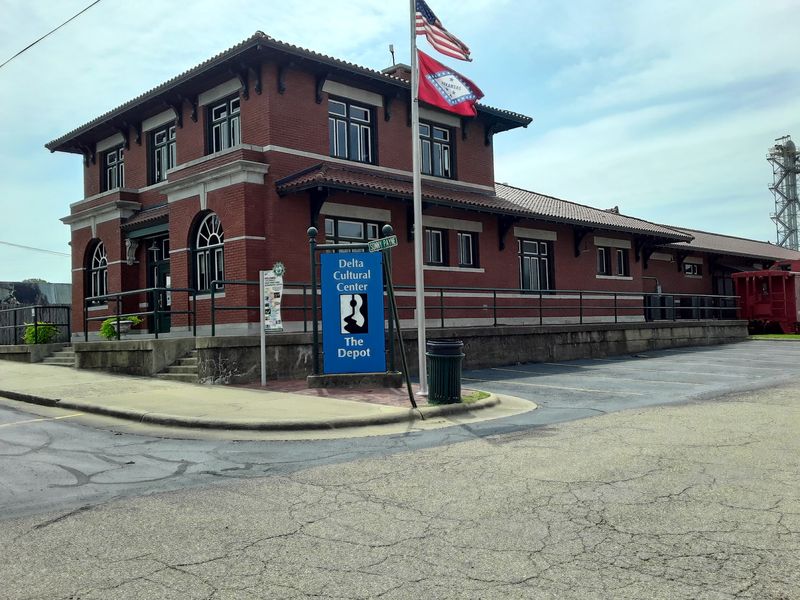
Blues fans know this river town by heart. Helena-West Helena, Arkansas 72342, sits on the banks of the Mississippi River in Phillips County, and it has one of the richest music histories in the entire South.
Back in the day, the town was a busy river port packed with workers, traders, and musicians. The radio show King Biscuit Time began broadcasting here and helped spread the Delta blues to listeners far and wide.
The Delta Cultural Center now tells that story with exhibits about music, farming, and river life.
Over time, river traffic slowed and farm jobs faded. Many younger residents moved away, and the people who remain skew older.
Walking down historic Cherry Street, you see beautiful old buildings, though some sit empty and waiting for a second act.
That second act shows up every fall during the King Biscuit Blues Festival, when music fills the streets and the town suddenly feels crowded again. Honestly, I love that a festival can make a quiet downtown hum like it did decades ago.
The levee walk also offers a peaceful view of the mighty river rolling past.
History buffs can explore Civil War sites around town, including Fort Curtis, a reconstructed fort tied to the Battle of Helena. Interpretive signs around the area explain how the fight shaped the region.
Life here moves at a slower pace, and that can be part of the appeal. The town may have fewer people, but the stories are still big.
Helena-West Helena keeps singing the blues, though not always in a sad key.
3. Marianna
Barbecue lovers sometimes plan entire road trips around this little town. Marianna, Arkansas 72360, is the seat of Lee County in the eastern Delta, and it is home to Jones Bar-B-Q Diner, which earned a James Beard America’s Classics award.
The town grew around farming and the nearby L’Anguille River. Cotton fields once employed huge numbers of workers, but machines took over many of those jobs.
As work disappeared, younger families moved to cities, leaving an older population behind.
Downtown centers on a classic courthouse square with historic buildings. Some shops are still open, while others stand quiet.
The square still has a calm, front-porch feeling, and people tend to wave at strangers.
Nature lovers have another reason to come. Mississippi River State Park sits nearby, offering lakes, trails, and campgrounds in the St. Francis National Forest.
Bear Creek Lake and Storm Creek Lake are popular for fishing, paddling, and peaceful picnics under tall trees.
I have to admit, the idea of a famous barbecue joint in such a small town makes me grin. It shows how one local spot can put a whole place on the map.
Visitors who come for lunch often stay to explore the forest and the old streets.
Marianna faces the same struggles as many Delta towns, including closed businesses and fewer students in local schools. Even so, its natural beauty and food history give it a strong identity.
Small, smoky, and full of quiet charm, Marianna proves that a town does not need crowds to have flavor.
4. Blytheville
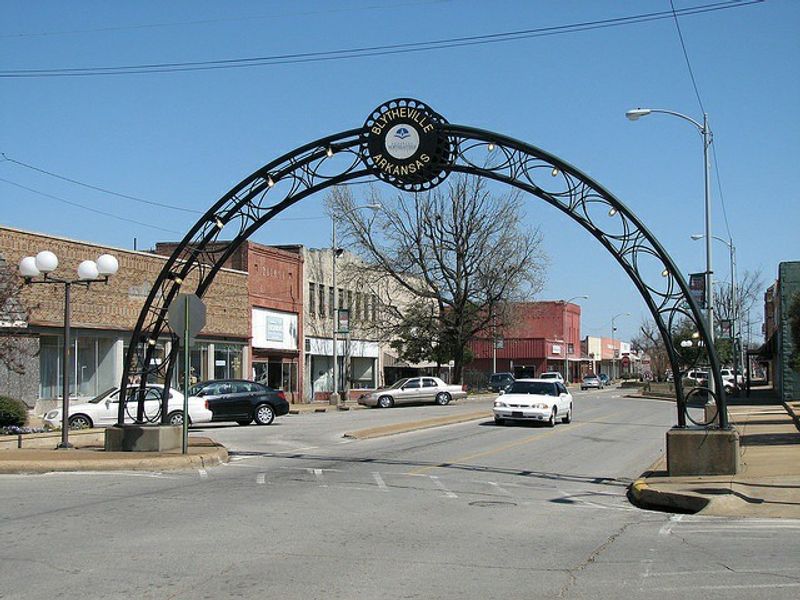
Bright curves and shiny trim make one downtown building impossible to miss. Blytheville, Arkansas 72315, in Mississippi County near the Missouri line, is home to a restored Greyhound bus station built in the sleek Streamline Moderne style.
The town once buzzed with activity, partly thanks to Eaker Air Force Base, which brought service members and their families to the area. When the base closed, many people left, and the population began shrinking.
The residents who stayed have grown older together.
Steel mills nearby have brought some new jobs, which is a hopeful sign. Still, the town feels quieter than it once did, especially along Main Street, where historic storefronts share space with empty windows.
The old bus station now serves as a museum and visitor stop, and its blue and white design looks like something out of an old postcard. I think it is one of the coolest little buildings in the whole Delta.
Nearby, the former air base has turned into an aviation history site, with displays that tell the story of the base and the people who served there.
Blytheville also has a strong farming background, with cotton and soybeans covering the land around town. Big skies and flat fields make the drive in feel wide open.
Community groups have worked hard to save historic buildings and bring new life downtown. Those efforts matter in a place where every shop and every family makes a difference.
Blytheville may be a smaller dot on the map today, but its retro style still turns heads.
5. Dermott
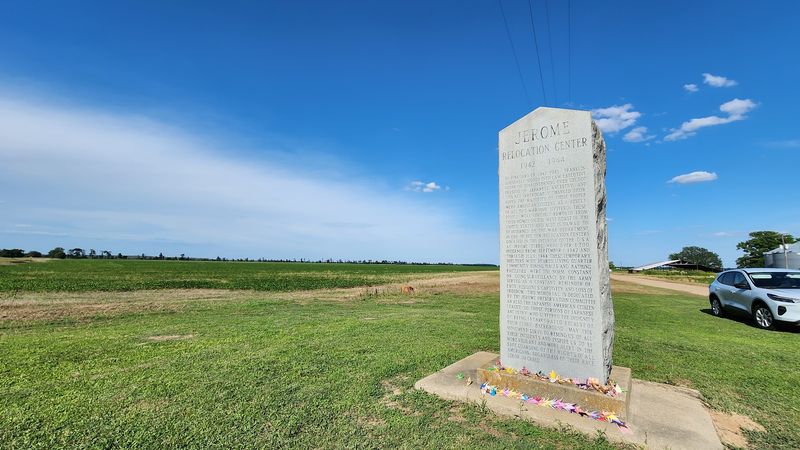
Crawfish season brings a big burst of energy to this tiny Delta town. Dermott, Arkansas 71638, sits in Chicot County in the southeast corner of the state, and it is known for hosting the Dermott Crawfish Festival each spring.
During the festival, the streets fill with music, games, food stands, and families who have come home to visit. For a few days, the town feels busy again.
When the crowds leave, everyday life returns to its slower rhythm.
Dermott grew as a railroad and farming town. Trains carried cotton and timber out of the area, and local businesses served the workers.
As railroads changed and farms needed fewer hands, jobs dried up and many younger people moved away.
The people who remain often have lived here for decades. Front porches, church gatherings, and small-town friendships shape the daily scene.
It strikes me that a festival centered on mudbugs can bring so many people back home each year.
The landscape around Dermott is classic Delta, with flat fields, bayous, and big trees. Bayou Bartholomew, one of the longest bayous in the country, runs through the region and gives the area a peaceful, watery charm.
Anglers and paddlers enjoy its slow-moving water.
Empty buildings and shrinking schools are real concerns here. Even so, local pride stays strong, and longtime residents keep traditions going.
Dermott shows how a small town can lean on a single celebration to stay connected. When the crawfish pots start boiling, everyone seems to remember the way home.
6. DeWitt
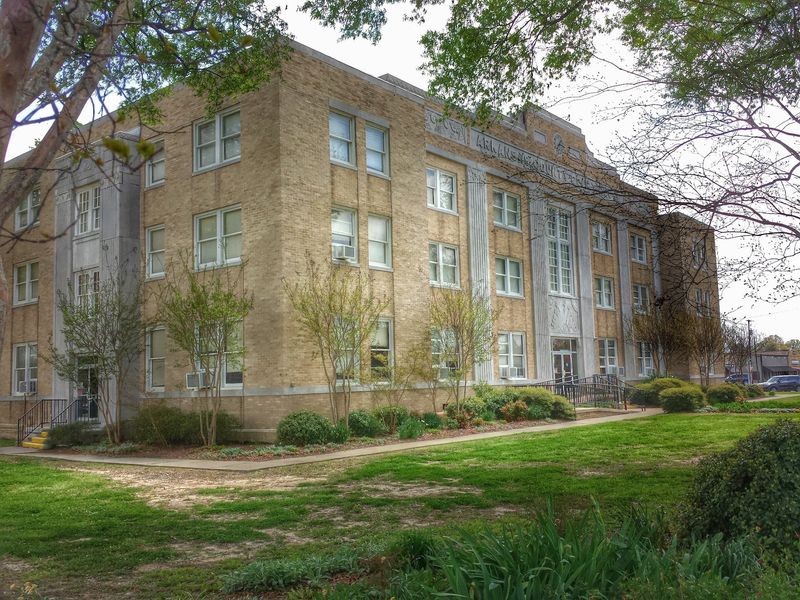
Rice fields shimmer around this town like a giant green carpet in summer. DeWitt, Arkansas 72042, is one of two county seats in Arkansas County, a region known as one of the top rice-growing areas in the nation.
Farming has always been the heartbeat here. Rice, soybeans, and other crops cover the flat land, and grain bins rise up like silver towers along the roads.
Modern equipment allows fewer workers to farm more land, which means fewer jobs for young people who want to stay.
As a result, many families have moved toward bigger cities, and the town has grown older. Downtown still has a classic courthouse that anchors the square, and local shops and diners give it a homey feel.
Duck hunters know this region well. Every winter, ducks fly over the flooded fields and wetlands, and hunters arrive in camouflage ready for early mornings.
That seasonal visitor traffic gives local businesses a welcome boost. I find it fascinating how the same water that grows rice also draws flocks from far away.
Nature lovers can also explore nearby wildlife areas along the White River, where tall trees and quiet water create a peaceful escape. Birdwatchers can spot herons, egrets, and plenty of waterfowl.
DeWitt faces familiar small-town hurdles, including shrinking schools and quiet storefronts. Still, farm families and longtime residents keep the community steady through good years and tough ones.
When the fields glow at sunset and ducks cross the sky, DeWitt feels anything but empty.
7. Crossett
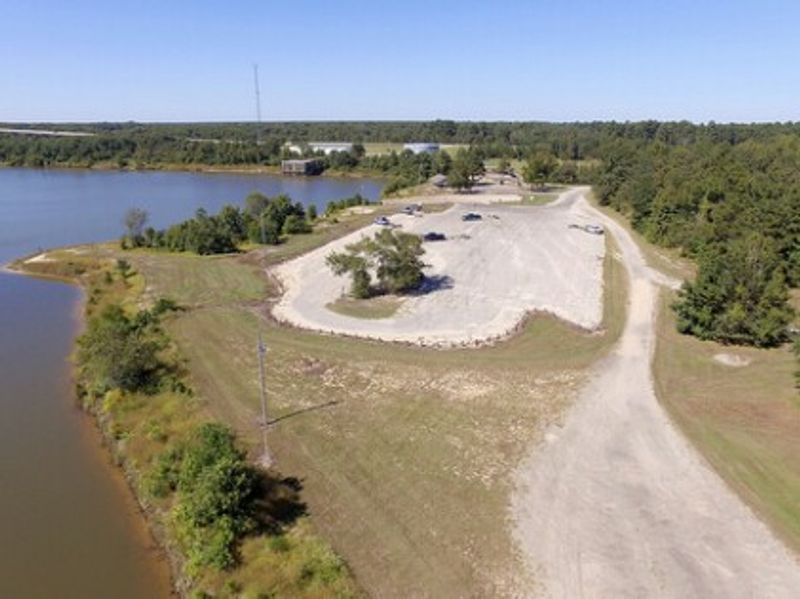
Pine trees rule the landscape in this corner of south Arkansas. Crossett, Arkansas 71635, sits in Ashley County near the Louisiana border, and it has long been known as a timber and paper town.
The town actually began as a company town for a lumber business, with homes, stores, and schools built around the mill. For years, the mill provided steady work, and families stayed for generations.
As the industry changed and jobs were cut, younger workers began moving away.
The result is a community that is shrinking and getting older. Many residents remember when the mill shifts kept the streets busy.
Today, the pace is calmer, and neighbors still know each other by name.
Outdoor fans have plenty to enjoy nearby. The Felsenthal National Wildlife Refuge offers bottomland forests, lakes, and some of the best fishing and birding in the region.
Lake Georgia-Pacific, part of the Ouachita River system, is a favorite spot for anglers chasing bass and crappie.
The forests around town also hold a quiet history of research. Crossett Experimental Forest, run by the U.S.
Forest Service, has studied how to grow and manage pine trees for many years. I think it is pretty neat that a small town played a part in shaping how forests are cared for.
Crossett keeps working to attract new businesses and give young people reasons to stay. Its strong sense of community is a real asset.
With tall pines all around, Crossett stands firm even as its numbers bend.
8. Hope
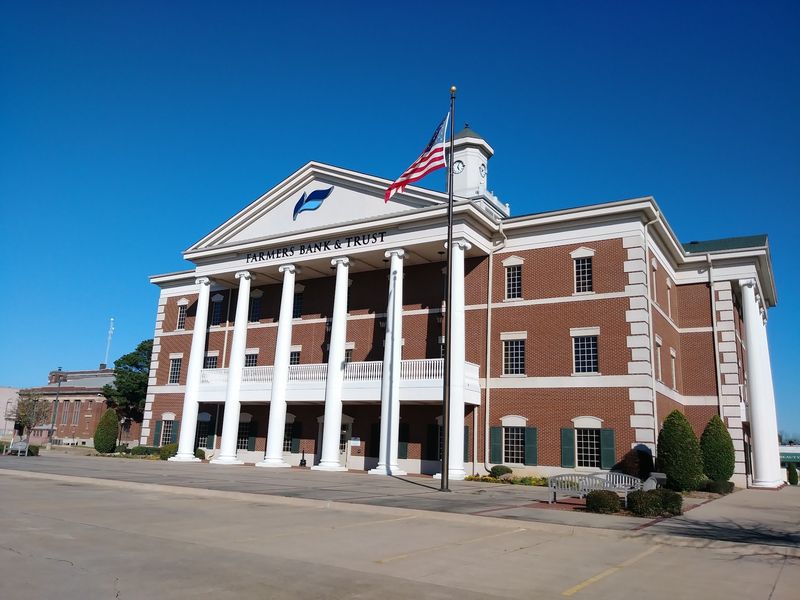
Giant watermelons put this southwest town on the map. Hope, Arkansas 71801, the seat of Hempstead County, is famous for growing huge melons, and its yearly Watermelon Festival celebrates that juicy reputation every summer.
Hope is also known as the birthplace of former President Bill Clinton. The President William Jefferson Clinton Birthplace Home National Historic Site lets visitors tour the house where he spent his early childhood.
The restored Hope train depot doubles as a museum and visitor center.
Like many small towns, Hope has seen younger residents leave for bigger cities and better-paying jobs. The population has grown older, and some downtown buildings sit quiet.
Still, the town has a friendly, easygoing vibe that feels welcoming.
The Watermelon Festival is the highlight of the year. Families enjoy seed-spitting contests, melon eating, music, and crafts.
You can tell a town has its priorities straight when the biggest party revolves around fruit, and I am fully on board with that.
Nature lovers can head to nearby Old Washington Historic State Park, a restored pioneer town with old buildings and blacksmith demonstrations. It offers a fun look back at frontier life in the region.
Hope works hard to attract new businesses and keep its traditions alive. Local leaders know that good schools and jobs are key to bringing families back.
Hope has a name that fits its spirit. Even with fewer residents, the town keeps planting seeds for a sweeter future.
9. Corning
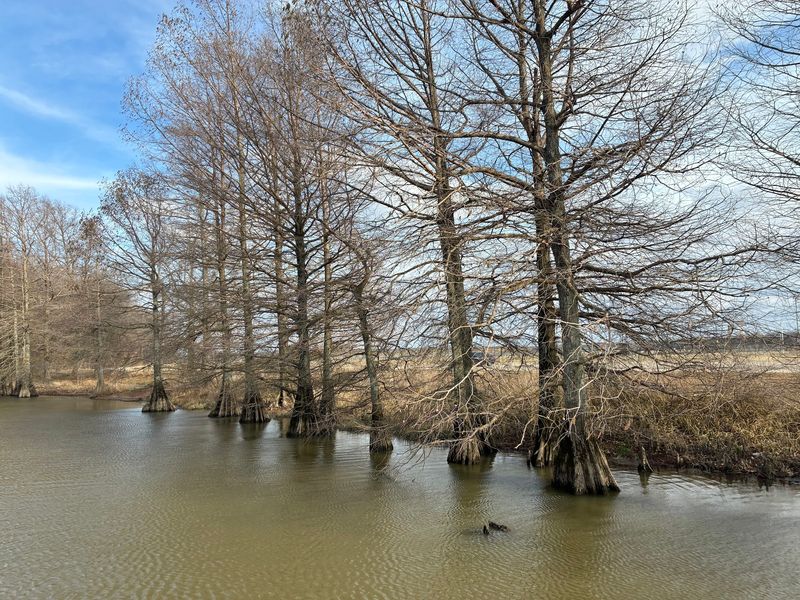
Way up in the northeast corner of the state, a railroad town keeps its quiet charm. Corning, Arkansas 72422, is one of two county seats in Clay County, close to the Missouri border.
The town grew up along the railroad, which brought timber, farm goods, and travelers through the area. As rail traffic slowed and farm work changed, fewer jobs stayed local.
Many young people left for bigger cities, and the town’s population has steadily aged.
Corning still has a classic small-town feel. Brick buildings line the main streets, and friendly faces greet folks at local diners and shops.
Church gatherings and school events remain important ways for people to connect.
The nearby Black River gives outdoor lovers a lot to enjoy. Fishing, boating, and duck hunting are popular here, and the river bottoms fill with wildlife.
Lake Frierson State Park is not far away, offering calm water and colorful dogwoods in spring.
Part of the town’s quirky charm comes from its location near the Crowley’s Ridge area, a strip of higher land rising above the flat Delta. It gives the region a slightly different look than the wide-open fields farther south.
I find that small change in scenery surprisingly refreshing.
Corning faces the usual challenges of shrinking towns, including fewer students and closed storefronts. Still, longtime residents work to keep their hometown clean, safe, and welcoming.
Corning wraps up this list as a reminder that small places can still run on big hearts.