
7 Arkansas Towns So Changed By Tourism That Locals Avoid The Center
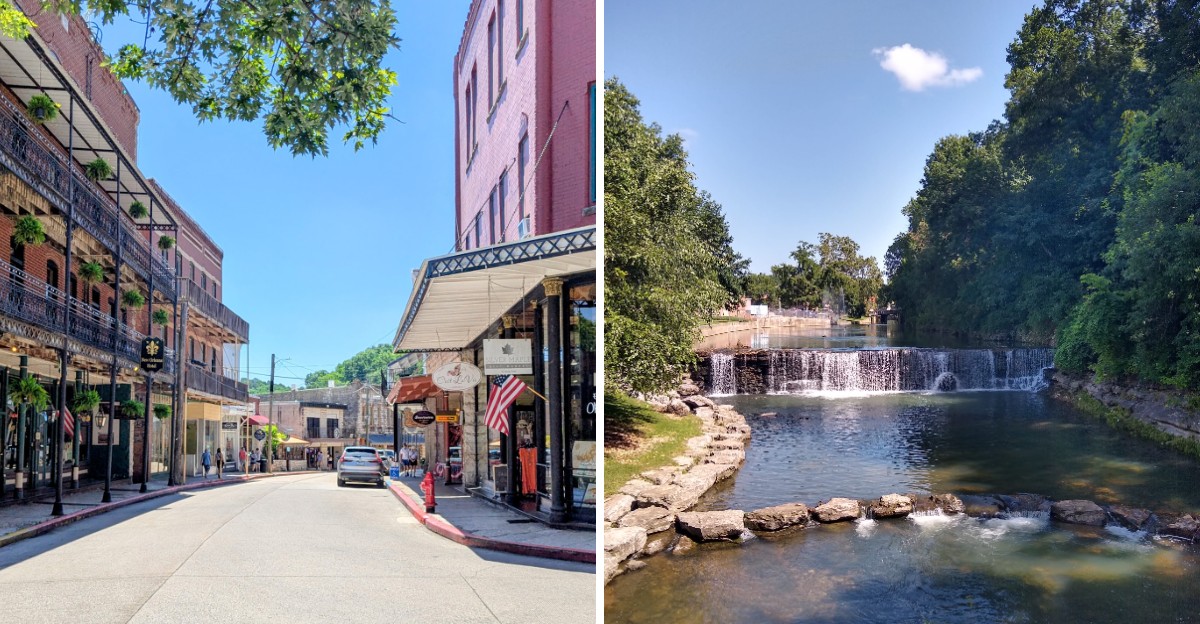
Some downtowns can feel like completely different places depending on when you arrive. Catch them on a quiet weekday morning, and the streets may feel easygoing.
Come back during a fall weekend, and suddenly parking gets harder, sidewalks fill up, and locals know exactly which blocks to avoid. That shift has become familiar in several Arkansas towns where tourism now shapes the pace of the center.
Visitors head straight toward the action, while residents often learn when to take another route or wait until things settle down. The interesting part is how quickly the mood can change.
A place that feels calm at breakfast can be packed by afternoon. Timing matters here, but so does knowing where the crowds gather and when they thin out.
Visit at the right moment, and you can still enjoy the character that made these towns worth the drive in the first place.
1. Hot Springs
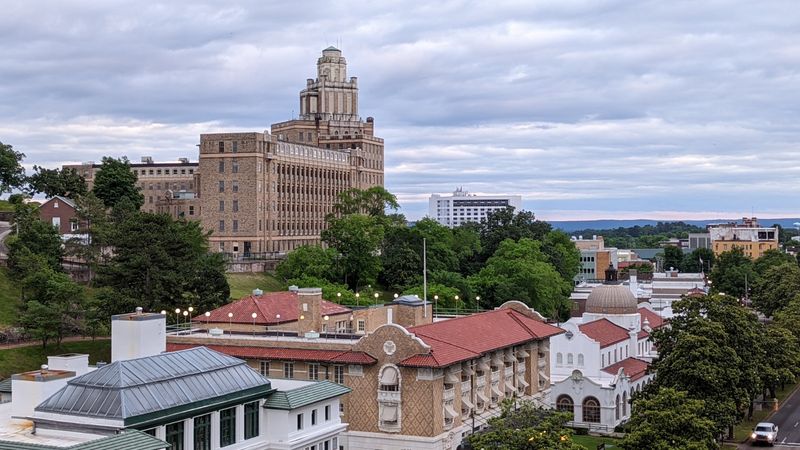
Steam rising from the ground has drawn people to Hot Springs, Arkansas, for generations. The town in Garland County wraps around Hot Springs National Park, one of the few national parks with a downtown built right into it.
Central Avenue and its famous Bathhouse Row sit at the center of the buzz.
The grand old bathhouses line one side of the avenue, each with its own style. Some still offer thermal baths, while the Fordyce Bathhouse serves as the park visitor center and museum.
Across the street, shops, candy stores, and restaurants keep tourists busy until evening.
For residents, though, Central Avenue can be a slow crawl. The National Park Service notes that Central Avenue can be heavily trafficked.
Plenty of locals use routes around downtown and save the historic strip for quiet weekday visits.
Visitors who want a calmer taste of the springs have good options. The Grand Promenade, a brick walkway behind the bathhouses, offers shady strolls above the crowd.
Early mornings bring soft light on the old buildings and fewer people at the public fountains, where folks fill jugs with spring water.
Hot Springs Mountain Tower rises above the town and gives wide views of the Ouachita Mountains. The trails on the mountain feel miles away from busy Central Avenue, even though they sit just uphill.
I love that a short climb can swap traffic noise for birdsong.
Lake Hamilton and Lake Ouachita sit nearby, and many residents spend free time out on the water instead of downtown. Boating, swimming, and lakeside parks give a relaxed side of the area that visitors often miss.
The lakes feel especially welcoming on hot summer afternoons.
Fun fact for the road: the water bubbling from the springs fell as rain thousands of years earlier. That is one seriously patient drink of water.
2. Eureka Springs
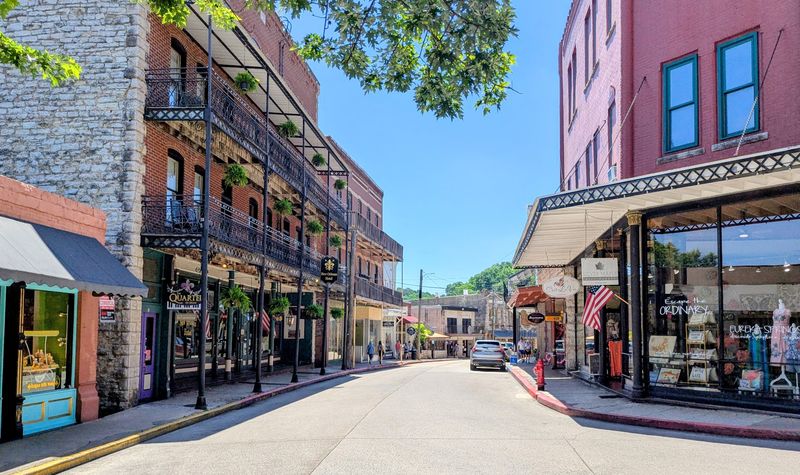
Streets in Eureka Springs never seem to go straight. The historic downtown in Carroll County curls up and down the Ozark hillsides, with Victorian buildings stacked like they are trying to peek over one another.
On busy weekends, those narrow lanes fill fast with cars, trolleys, and walkers.
Spring Street and Main Street form the heart of the action. Shops, galleries, and cafes line the sidewalks, and the town has long welcomed artists and free spirits.
That creative mix is a big reason visitors keep coming back, and it is also why parking downtown can feel like a treasure hunt with no map.
Many residents simply steer clear of the center during festival weekends and fall color season. They stick to the highway side of town, where grocery runs and errands move along without a traffic jam.
Honestly, I can see why, since those hairpin streets were never built for a parade of SUVs.
Visitors can borrow that local wisdom. The town runs a trolley system that loops through the historic district, so leaving the car at your lodging saves plenty of stress.
Weekday mornings bring a calmer feel, with shopkeepers sweeping steps and the springs tucked into little stone grottoes looking peaceful.
Outside the core, there is plenty to see. The Thorncrown Chapel sits in the woods west of town, a glass and wood structure that seems to float among the trees.
Lake Leatherwood City Park offers trails and water views far from the shopping crowds.
The historic Crescent Hotel watches over everything from its hilltop perch, famous for its ghost tours and grand old halls. Even if you only stroll the grounds, the view across the rolling hills is worth the climb.
Spooky stories are optional, but the scenery comes free.
In this town, the side streets often tell the best stories.
3. Bentonville
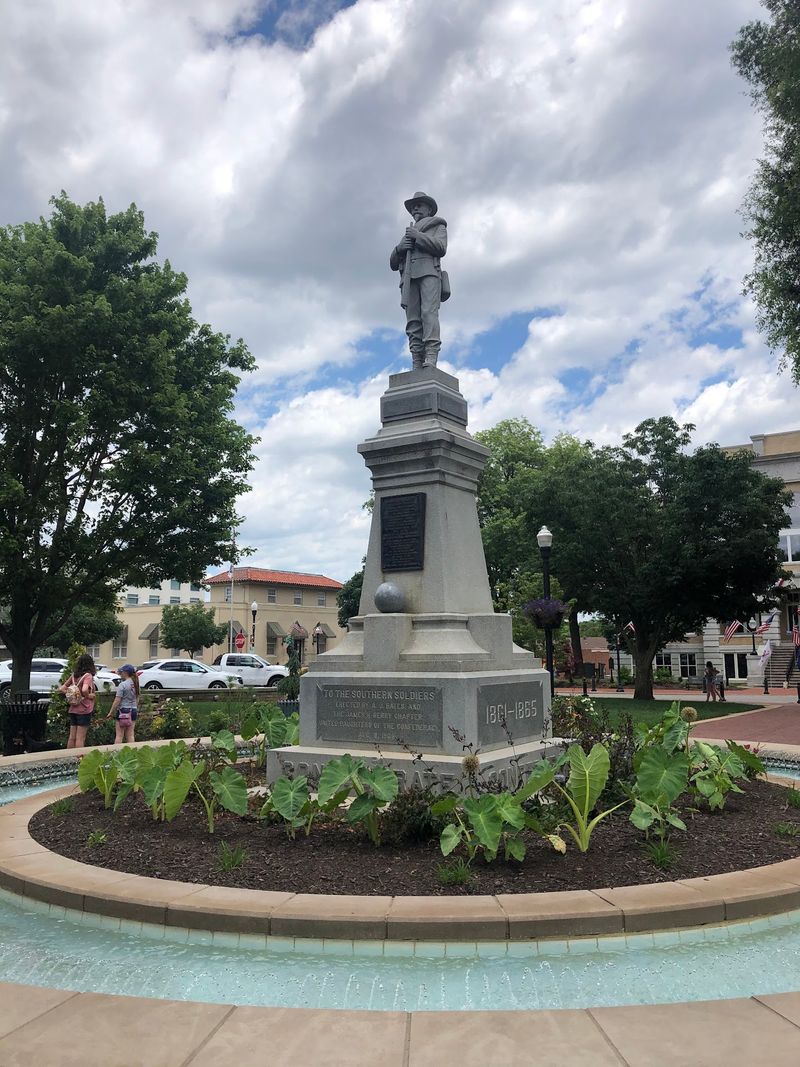
Bikes rule the road in Bentonville, and that is not much of an exaggeration. This Benton County town has become a top mountain biking destination, with trails weaving right into neighborhoods and downtown.
Add a world class art museum and the original Walton five and dime, and the crowds make sense.
The downtown square once had a sleepy small town pace. Today it hums with restaurants, coffee shops, and the Walmart Museum, which tells the story of the retail giant that started here.
On weekends, finding a parking spot near the square can test anyone’s patience.
Many residents now handle daily life away from the busy core. Growth has spread shops and services across the region, so locals can skip downtown traffic when big events roll into town.
I find it pretty amusing that a town famous for one store now has residents avoiding its own shopping square on busy days.
Crystal Bridges Museum of American Art sits in a wooded ravine near downtown. The building curves over spring fed ponds, and walking trails lead through forest dotted with sculptures.
Admission to the permanent collection is free, which makes it easy to pop in for a short visit.
The museum grounds connect to bike and walking trails, so visitors can leave cars behind. Coler Mountain Bike Preserve offers trails for many skill levels, plus open green space for picnics.
Bike rental shops around town make it simple to join the two wheeled crowd.
Timing matters a lot here. Weekday mornings bring quieter trails and an easier time at popular eateries.
Spring and fall weather tends to be ideal for riding, so those seasons draw the biggest groups.
Big city energy, small town roots, and a whole lot of pedaling.
4. Mountain View
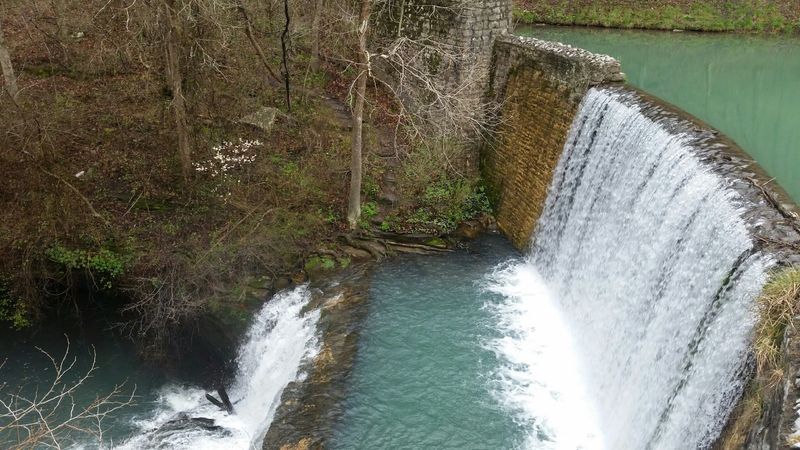
Banjos usually announce the weekend in Mountain View. This Stone County town is known as a folk music capital, where musicians gather around the courthouse square to play old songs in casual jam sessions.
Visitors arrive with lawn chairs and open ears.
Those impromptu concerts are the town’s biggest charm. Players of all ages bring fiddles, guitars, dulcimers, and mandolins, and anyone who can carry a tune might join in.
On warm evenings, the square becomes an outdoor stage with no tickets required.
That popularity brings bumper to bumper moments on festival weekends. The spring folk festival and fall events fill the square, and locals often plan errands around them.
Some residents swing by the edges and let the visitors enjoy the center spotlight.
The Ozark Folk Center State Park sits just north of town, celebrating mountain crafts and music. Artisans demonstrate skills like blacksmithing, weaving, and pottery, and an auditorium hosts live shows.
I appreciate how the place keeps old traditions feeling alive rather than dusty.
Nature lovers have plenty to explore too. Blanchard Springs Caverns, in the nearby Ozark National Forest, offers guided tours through underground rooms full of glittering formations.
The White River flows close by, famous for trout fishing and peaceful float trips.
Visitors hoping for a quieter version of the square can try weeknight evenings outside the festival calendar. Smaller jam circles still form, and conversations come more easily when crowds thin out.
Local shops selling handmade crafts also feel more relaxed midweek.
The town keeps a friendly, down home feel even at its busiest. Musicians tend to welcome curious listeners, and a simple nod of appreciation goes a long way.
Just remember the golden rule of jam sessions: clap at the end, not during the fiddle solo.
Here, the soundtrack comes free with the scenery.
5. Siloam Springs
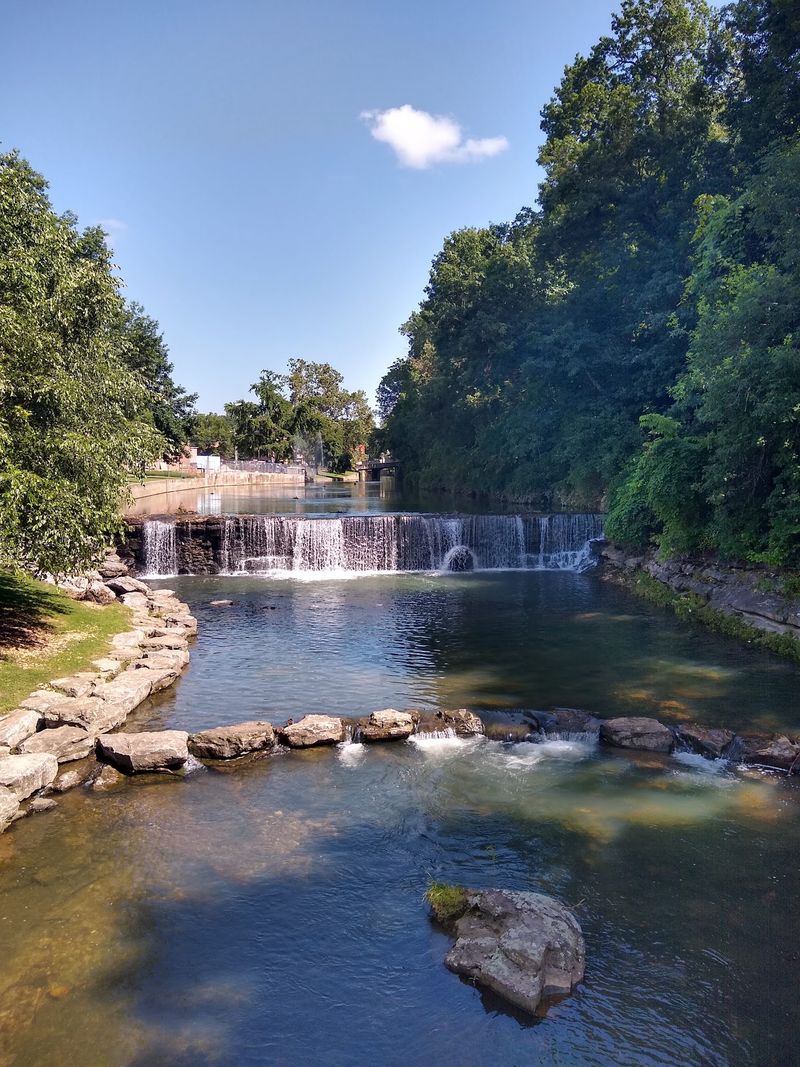
A creek runs right through the middle of Siloam Springs, and it sets the whole mood. Sager Creek winds past downtown in this Benton County town near the Oklahoma line, framed by parks, footbridges, and old brick buildings.
It feels like the town was built around a picnic spot.
Downtown has seen a big revival in recent years. Shops, coffee houses, and restaurants have filled historic storefronts, and community events bring out families from all over the region.
Twin Springs Park and the downtown area host gatherings that pack the sidewalks.
Event weekends can make the center feel crowded for residents who just want a quick errand. Many simply head to stores along the main highway corridors instead.
Few things test patience like circling a full parking lot during a festival.
For visitors, the creek walk is a lovely way to see the town. Paths follow the water past gardens and small bridges, offering shady spots to rest.
Kids tend to enjoy watching ducks and splashing near the shallow edges.
The Siloam Springs Museum shares local history in a cozy setting. Exhibits cover the town’s early days as a health resort, when people came hoping the spring water would help them feel better.
I find it neat that the town’s healing water legend still shapes its friendly, laid back character.
John Brown University sits nearby, adding a youthful energy to the town. Campus events and concerts sometimes open to the public, offering another reason to visit.
The school’s presence also helps keep local cafes lively through the week.
Weekday afternoons are often the best time for a calm stroll. Shops are open, parking is easy, and the creek sounds clearer without the weekend chatter.
Spring brings blooming trees along the banks, which adds plenty of color.
Sometimes a small creek makes the biggest splash.
6. Jasper
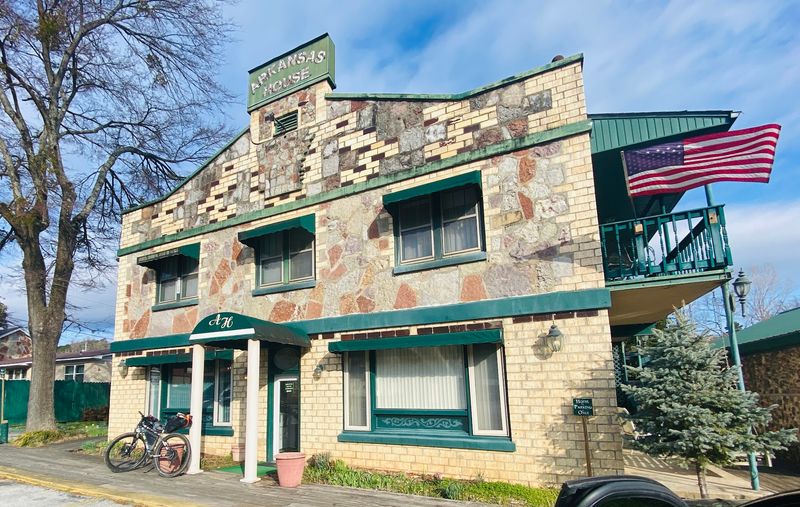
Jasper sits surrounded by some of the most dramatic mountains in the state. As the seat of Newton County, it serves as a gateway to the Buffalo National River.
Paddlers, hikers, and motorcycle riders all pass through its small square.
The Buffalo River draws huge crowds for floating in spring and early summer. Canoe outfitters run shuttles, and nearby hiking trails lead to waterfalls and towering bluffs.
Jasper becomes a natural pit stop for supplies, meals, and gas.
Because the town is so small, even a modest crowd fills the square quickly. Scenic highways nearby are popular with motorcyclists, especially on warm weekends.
Some residents time their trips into town around those rushes, choosing early mornings or quiet weekdays.
Visitors heading to the river can take a cue from those habits. Arriving early helps beat the line at outfitters and the busy trailheads.
Popular hikes like the trail to Hawksbill Crag fill parking areas fast on pleasant days.
The Ponca area, close by, is famous for elk sightings. Herds often graze in open fields near the river valley, especially at dawn and dusk.
I can’t think of a better reason to set an alarm than spotting an elk munching breakfast in the fog.
The Arkansas Grand Canyon overlook sits along a scenic highway south of town, offering sweeping views of the Boston Mountains. Fall color turns the valley into a patchwork of red and gold.
Leaf watchers arrive in big numbers then, so expect company.
Jasper keeps its small town personality despite the seasonal rush. Simple cafes and local shops give the square a friendly, old fashioned feel.
Visitors who slow down and show patience tend to fit right in.
Big mountains, little town, and a river that steals the spotlight.
7. Hardy
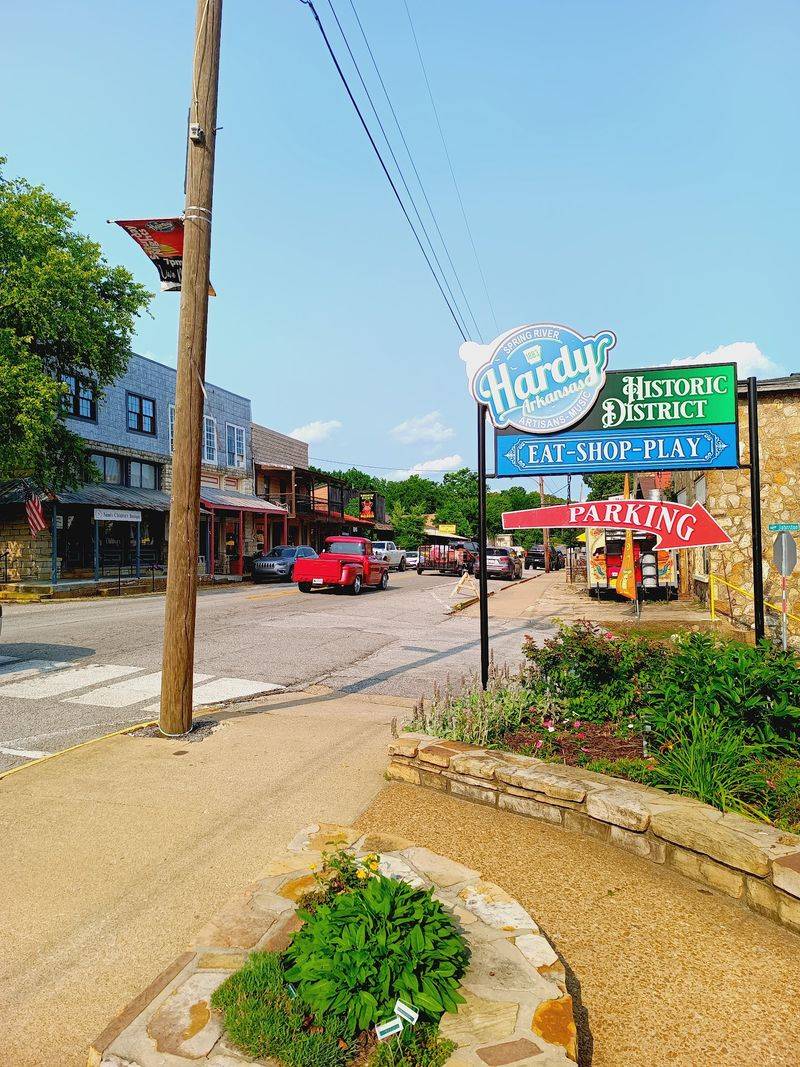
Cool water is the main attraction in Hardy, Arkansas. The Spring River flows past this Sharp County town, fed by a massive spring that keeps it chilly all year.
Canoeists and kayakers flock here when summer heat settles over the region.
Old Town Hardy is the historic heart of the place. Stone and brick storefronts line the main street, filled with antique shops, craft stores, and small eateries.
On summer weekends, visitors stroll from shop to shop while river traffic buzzes nearby.
Residents know the rhythm well. Busy weekends bring parked cars along every curb and slow traffic through the old downtown.
Many locals stick to roads outside the historic district when the river crowds arrive.
The Spring River offers a mix of calm stretches and small rapids, making it popular with families. Outfitters rent canoes, kayaks, and tubes, and many offer shuttle service upstream.
The water stays cold even in July, which surprises plenty of first time floaters.
Loberg Park sits along the river near town, offering a spot to picnic and dip toes in the water. Fishing is popular too, with trout swimming in the cool currents.
I find it delightful that a river can stay this refreshing when the air feels like an oven.
Antique hunters will find lots to browse in the old shops. Each store seems to hold its own collection of vintage signs, glassware, and quirky treasures.
Shopping on a weekday makes it easier to linger and chat with shopkeepers.
Spring and fall offer a quieter side of Hardy. The river still flows beautifully, but crowds thin and the pace slows down.
Autumn leaves along the banks add a colorful backdrop to any paddle.
Hardy proves that a cold river can warm up a whole town.