
12 Beautiful Florida Towns Where Walking Is The Best Way To Explore
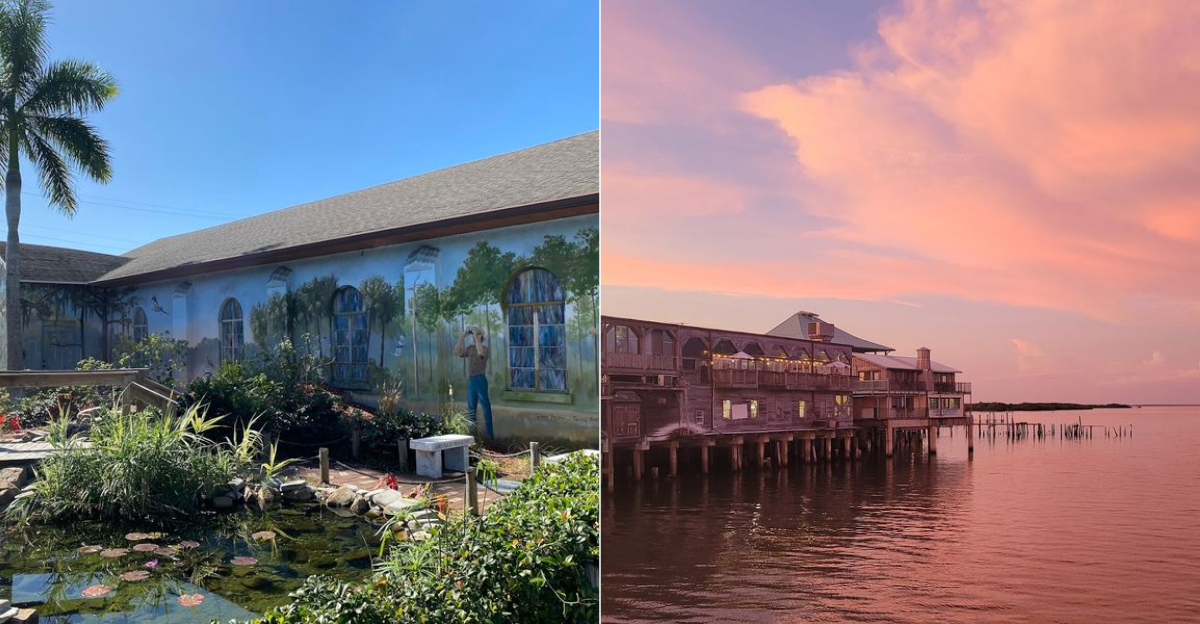
Some places in Florida feel like they were designed by someone who said, “cars can sit this one out.” Walking is not just an option here. It’s the whole point, even if nobody explicitly tells you that upfront.
What starts as “just a quick loop” has a funny way of turning into an ongoing negotiation with time, distance, and whatever looked interesting five minutes ago. Suddenly, stopping to look at a café menu feels less like a decision and more like fate.
There’s no real urgency in the air. Just sidewalks that seem to know more than they’re letting on, and streets that keep offering one more reason to keep going.
And somehow, the longer you walk, the less it feels like exploring. And the more it feels like the place is slowly introducing itself on its own terms.
1. St. Augustine
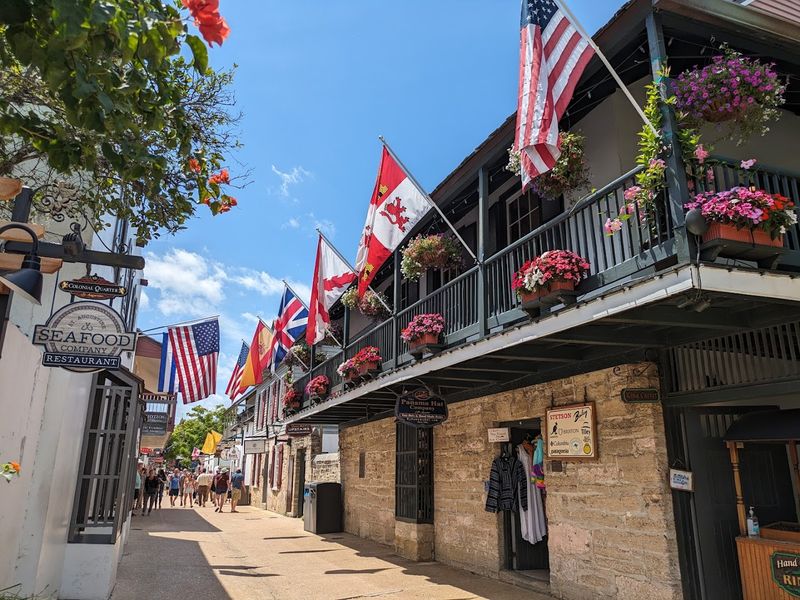
America’s oldest city doesn’t just have history. It practically wears it on every street corner, lamppost, and centuries-old stone wall.
St. Augustine was founded in 1565, making it older than the United States itself. Walking here feels like stepping through a living museum that forgot to put up velvet ropes.
St. George Street is the crown jewel of the historic district. It’s a pedestrian-only stretch lined with boutiques, galleries, and small eateries tucked inside buildings that predate the American Revolution.
The Castillo de San Marcos, a 17th-century Spanish fort, looms dramatically over Matanzas Bay and is absolutely worth the short walk from downtown.
The city is compact enough that nearly everything worth seeing is within comfortable walking distance. Flagler College’s stunning architecture, the old city gates, and the Bridge of Lions all connect seamlessly on foot.
St. Augustine rewards the slow traveler with details you’d completely miss from behind a windshield. This town doesn’t just tell history.
It makes you feel it.
2. Mount Dora
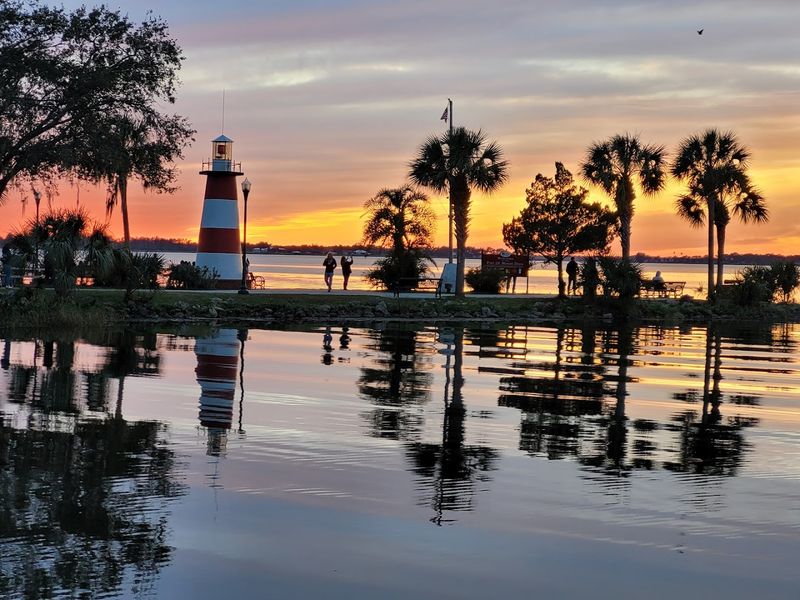
Perched on a gentle hill overlooking Lake Dora, this small Central Florida gem has the kind of Main Street energy that makes you want to cancel your afternoon plans immediately. Mount Dora sits about 30 miles northwest of Orlando, but it feels like it exists in an entirely different universe, one where time slows down and every shop window tells a story.
The downtown area is wonderfully walkable. Antique hunters will feel like they’ve struck gold here, with dozens of shops packed into a compact, shaded district that’s easy to explore on foot.
Art galleries, independent bookstores, and cozy cafes fill in the gaps between the antique stores, giving every block a new reason to linger.
The lakeside setting adds another layer of beauty to the walking experience. Donnelly Park offers a lovely spot to rest and take in views of the water, and the historic Royellou Museum sits nearby for a quick cultural stop.
Mount Dora also hosts some of Florida’s most beloved festivals throughout the year, drawing visitors who always end up staying longer than planned.
3. Dunedin
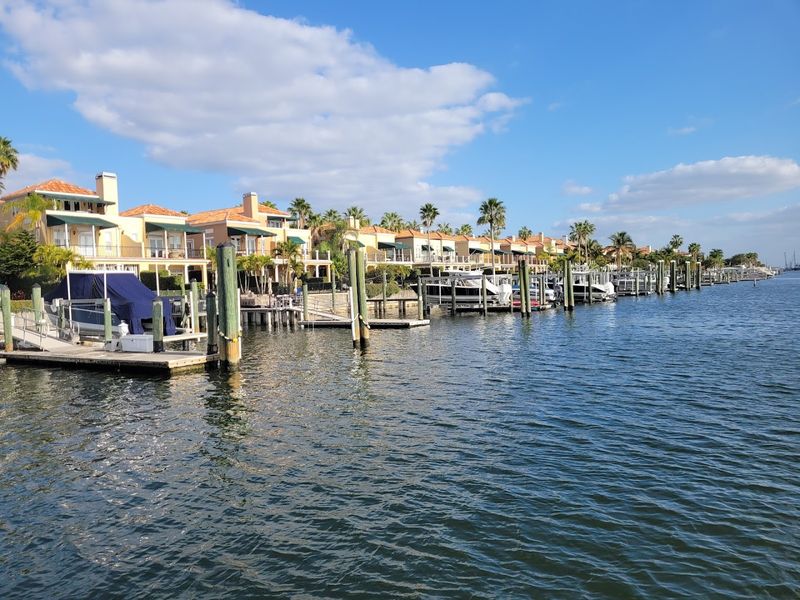
Yes, there is a Scottish town in Florida, and it is every bit as delightful as that sounds. Dunedin, pronounced dun-EE-din, was settled by Scottish merchants in the 1870s and proudly carries that heritage through its street names, festivals, and general good-spirited charm.
The downtown strip along Main Street is one of the most walkable, lively corridors on the Gulf Coast.
Restored early 20th-century buildings house an eclectic mix of boutiques, chocolatiers, and casual restaurants with outdoor seating that practically dares you to sit down and stay awhile.
The Pinellas Trail runs right through town, connecting Dunedin to miles of paved paths along the coast and inland areas. It’s perfect for a longer walk if you want to stretch your legs beyond the downtown core.
Honeymoon Island State Park is just a short walk or bike ride from downtown, offering beach access that feels almost impossibly close to an urban center.
Dunedin manages to feel both festive and laid-back at the same time, which is a rare and wonderful combination. Every block here feels like a small reward for choosing to explore on foot.
4. Fernandina Beach
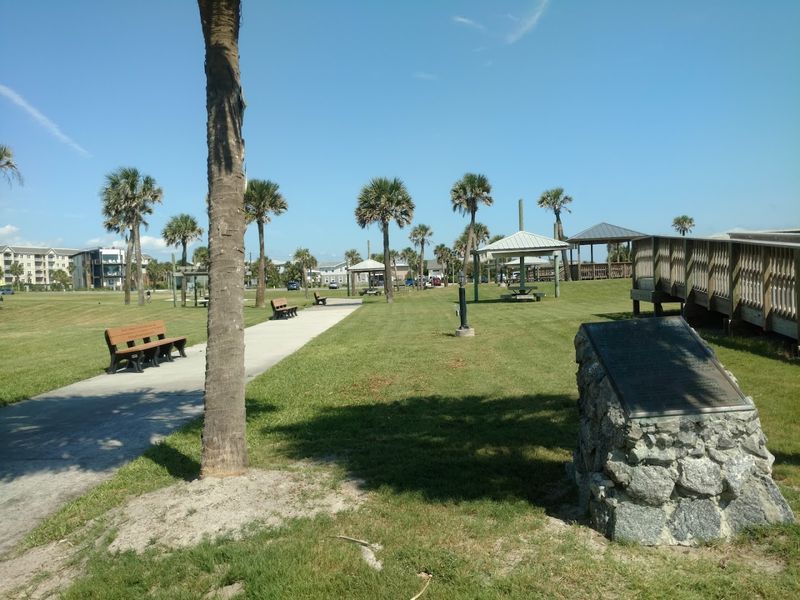
Fernandina Beach sits on the northern tip of Amelia Island, and it carries itself with the quiet confidence of a town that knows exactly how good it is.
The historic downtown is anchored by Centre Street, a brick-paved corridor lined with Victorian buildings that house independent bookstores, ice cream shops, and local restaurants. It’s the kind of street you walk down twice just to make sure you didn’t miss anything.
The town has flown eight different flags throughout its history, earning it the nickname “Isle of Eight Flags.” That rich, layered past is visible everywhere you walk, from the ornate facades of 19th-century storefronts to the old shrimp boat docks near the waterfront.
The Palace Saloon, built in 1878, is the oldest bar in Florida and a fascinating architectural landmark worth pausing in front of.
Fort Clinch State Park is an easy walk or short drive from downtown and offers another dimension of history with its well-preserved Civil War-era fort. The Amelia Island Museum of History sits right in the heart of the walkable district.
Fernandina Beach rewards curious walkers with layers of stories hidden in plain sight around every corner.
5. Cedar Key
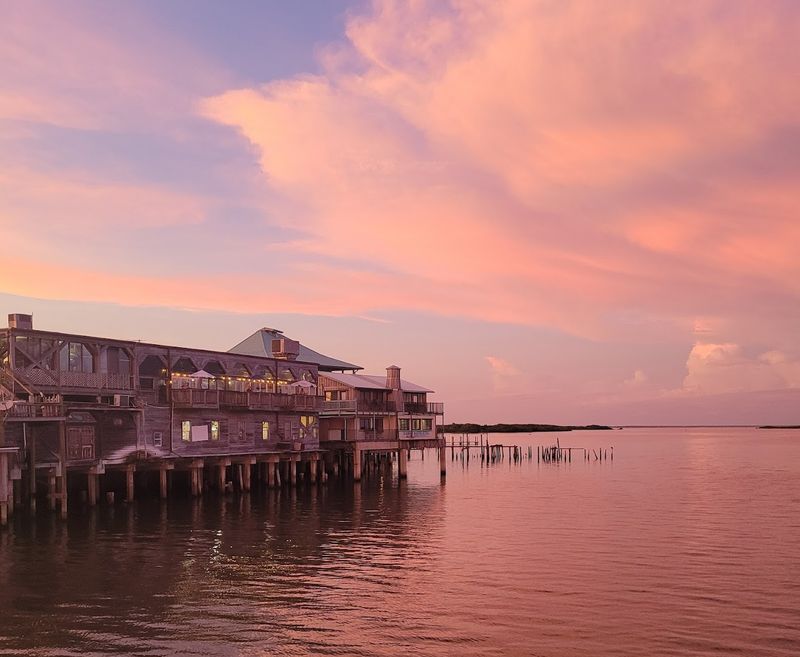
Cedar Key is the kind of place that makes you put your phone away. Sitting on a cluster of small islands off Florida’s Nature Coast, this remote fishing village operates at a pace that feels almost meditative.
The entire town is small enough to walk end to end in under 20 minutes, which means you’ll spend most of your time doubling back just to look at things again.
Second Street is the main drag, lined with art galleries, seafood shacks, and gift shops inside weathered wooden buildings that look like they grew naturally from the Gulf breeze.
The Cedar Key Historical Society Museum gives a fascinating look at the town’s past as a 19th-century pencil manufacturing hub. Yes, pencils.
Cedar Key’s red cedar trees once supplied the entire country with pencil wood.
The waterfront area offers unobstructed views of the Gulf and the surrounding nature preserves. Sunsets here are legendary among those who’ve made the pilgrimage.
Cedar Key doesn’t have traffic lights, and that’s not an accident.
The town is designed for slowness, for wandering, for noticing small things. It’s a place that quietly changes how you think about what a perfect day looks like.
6. Sanford
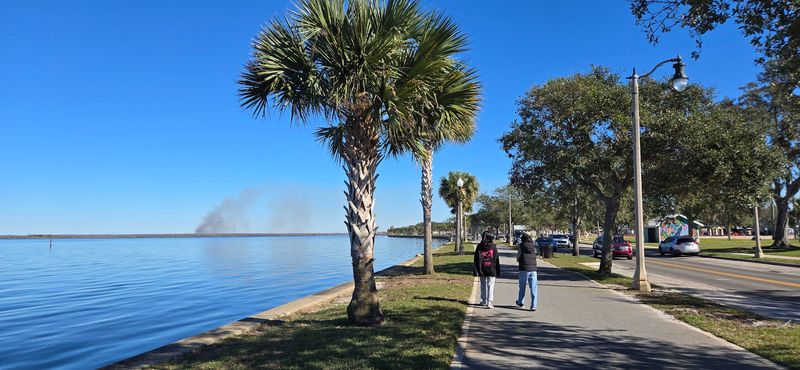
Sanford has had quite the glow-up. Once overlooked in favor of flashier Central Florida destinations, this lakeside town on the shores of Lake Monroe has transformed its historic downtown into one of the most exciting walking districts in the region.
First Street is the heartbeat of the revival, packed with murals, boutiques, breweries, and restaurants inside beautifully restored brick buildings.
The Sanford Historic District is listed on the National Register of Historic Places, and walking through it feels like flipping through a beautifully illustrated history book. Victorian storefronts sit alongside art deco buildings, creating a visual timeline that stretches across several blocks.
The Sanford Welcome Center, housed in a gorgeous historic building near the waterfront, is a great starting point for any walking tour.
The Riverwalk along Lake Monroe is a paved waterfront path that stretches for miles and connects the downtown area to marinas, parks, and green spaces. Watching the sun reflect off the lake while strolling the Riverwalk is a genuinely peaceful experience.
Sanford also hosts a vibrant farmers market and regular art events that bring the streets to life on weekends. This town earned its comeback, and walking through it feels like being in on a wonderful secret.
7. DeLand
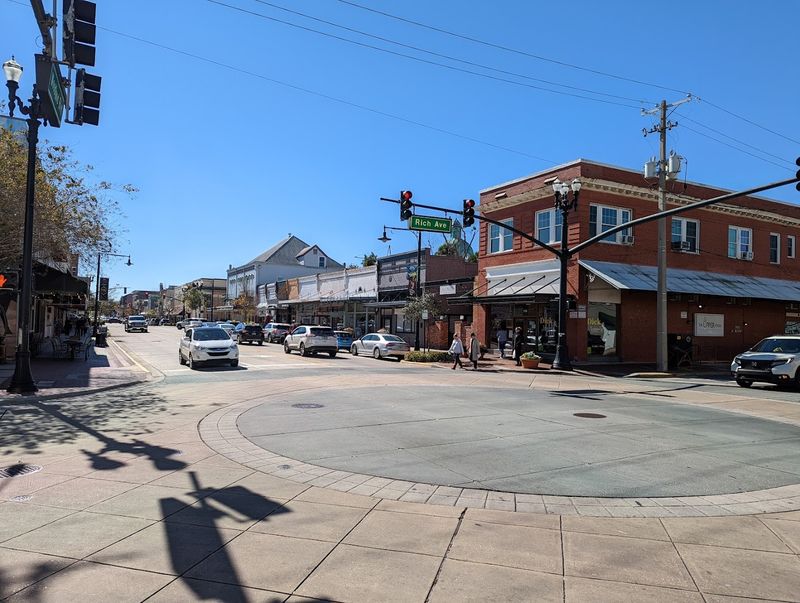
DeLand calls itself the Athens of Florida, and after a walk through its downtown, you might agree that the title fits. This Volusia County gem is home to Stetson University, Florida’s oldest private university, and that academic energy spills into the streets in the best possible way.
The downtown district along Woodland Boulevard is lively, artsy, and incredibly easy to explore on foot.
Independent art galleries sit beside vintage clothing stores, farm-to-table restaurants, and specialty coffee shops. The Athens Theatre, a beautifully restored 1922 venue, anchors the cultural scene and is worth stopping to admire even from the outside.
DeLand’s tree canopy is genuinely impressive, with massive oaks shading the sidewalks and making every walk feel cooler and more cinematic than it has any right to be.
The Gillespie Museum of Minerals at Stetson University is a quirky, delightful free attraction just a short walk from the main strip.
The university campus itself is gorgeous and open for wandering. DeLand’s walkable downtown earned it the title of Best Main Street in Florida multiple times, and that recognition is well deserved.
Every block here feels curated, creative, and completely worth your afternoon.
8. Tarpon Springs

You don’t need a passport to experience a little bit of Greece. Tarpon Springs, located just north of Clearwater on the Gulf Coast, is home to the largest Greek-American community in the United States.
The famous Sponge Docks along Dodecanese Boulevard are the epicenter of the action, and walking through this area is unlike anything else in Florida.
The sponge industry put Tarpon Springs on the map in the early 1900s when Greek immigrants arrived with their deep-sea diving expertise.
Today, sponge shops, Greek bakeries, and waterfront restaurants line the docks in a colorful, fragrant stretch that rewards slow exploration. The smell of fresh pastry drifting from a bakery window is reason enough to slow your pace considerably.
Beyond the docks, the historic downtown area along Tarpon Avenue offers a quieter, equally charming walking experience. The Tarpon Springs Cultural Center and the nearby Safford House Museum add historical depth to the visit.
Spring Bayou, a peaceful freshwater spring surrounded by historic homes, is a short walk from downtown and offers a lovely, shaded respite. Tarpon Springs is one of Florida’s most culturally rich small towns, and every step through it proves that point beautifully.
9. Apalachicola
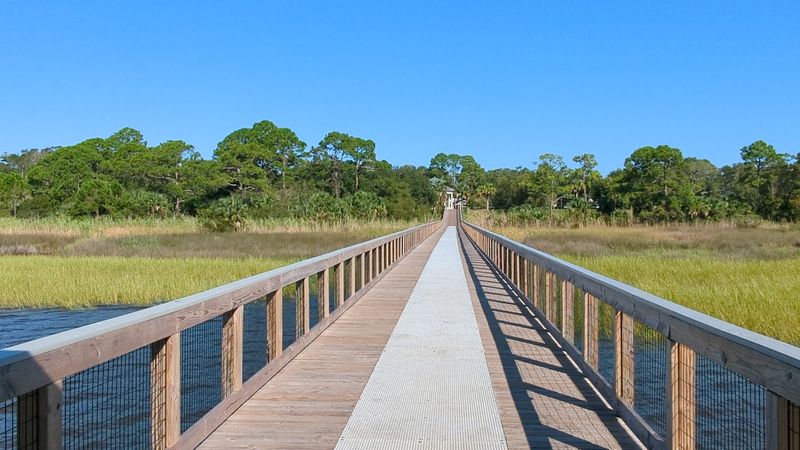
Apalachicola is the kind of town that makes you wonder why you haven’t been coming here your whole life. Tucked into Florida’s Forgotten Coast in the Panhandle, this tiny oyster town moves at a pace that feels almost revolutionary in a world that never stops rushing.
The compact downtown area is entirely walkable and dripping with 19th-century character.
Commerce Street is lined with antique stores, art galleries, and seafood restaurants inside historic buildings that have barely changed their faces in over a century.
The Apalachicola Historic District contains more than 900 buildings listed on the National Register of Historic Places. Walking block by block through this district is like stepping into a perfectly preserved slice of Old Florida that somehow survived the modern world intact.
The John Gorrie Museum State Park commemorates the inventor of artificial refrigeration, who lived and worked in Apalachicola in the 1840s.
The nearby waterfront park along the Apalachicola River is a calm, beautiful place to end a walking tour. Apalachicola doesn’t shout for attention.
It whispers, and somehow that’s far more compelling than anything louder could ever be.
10. Gulfport
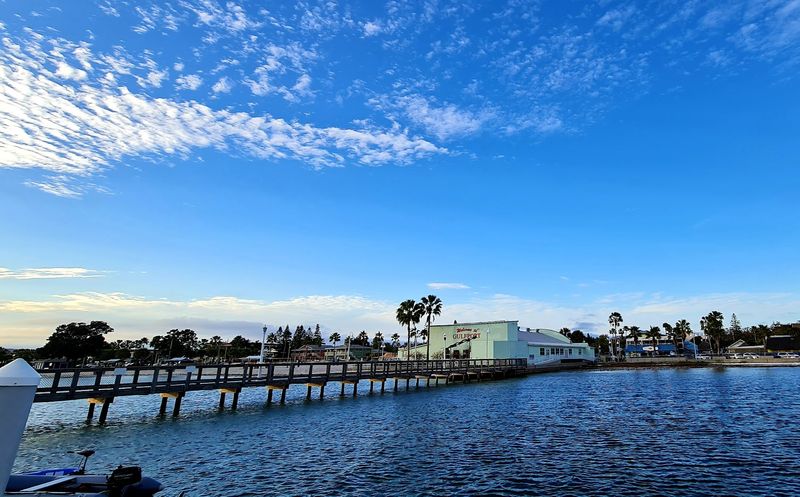
Gulfport is Tampa Bay’s best-kept secret, and people who live there would probably prefer it stayed that way.
This tiny, fiercely independent beach town tucked between St. Petersburg and the Gulf of Mexico has cultivated one of the most vibrant arts scenes in the entire state. The downtown Beach Boulevard district is a two-block stretch that somehow packs in more personality than most full-sized cities manage across miles.
Hand-painted signs, mosaic sidewalks, and murals around every corner make walking Gulfport feel like moving through an outdoor art installation.
Galleries, vintage shops, and eclectic cafes fill colorful storefronts that seem to compete for the title of most eye-catching. The Gulfport Casino Ballroom, a 1941 waterfront dance hall, is a stunning architectural centerpiece right on the waterfront.
Clam Bayou Nature Preserve sits on the edge of town and offers a completely different kind of walking experience, with kayak launches, wildlife, and quiet trails through a coastal ecosystem. Gulfport hosts a weekly Tuesday Fresh Market that transforms the waterfront into a lively open-air gathering.
This town runs on creativity and community, and walking its streets makes both of those things feel genuinely contagious.
11. Micanopy
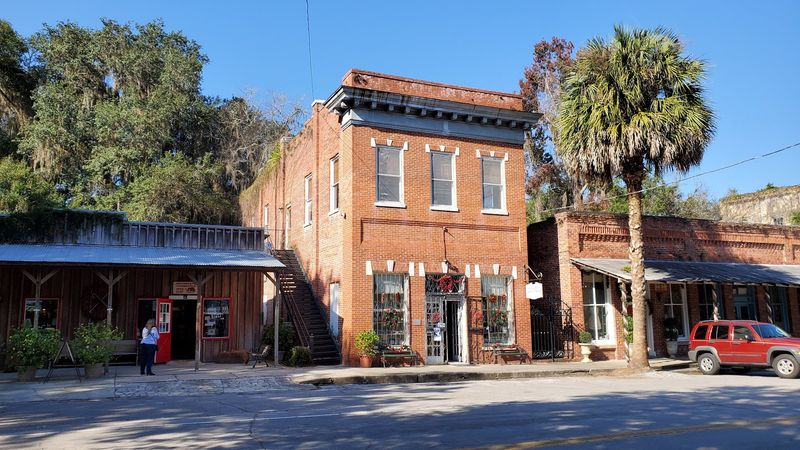
Micanopy might be the smallest town on this list, but it punches well above its weight in charm. With a population of just a few hundred people, this North Florida village sits under a canopy of ancient live oaks draped in Spanish moss so thick it filters the sunlight into something soft and golden.
Walking through Micanopy feels like walking through a painting.
Cholokka Boulevard, the town’s main street, is lined with antique shops and old buildings that have been standing since the 1800s.
Micanopy is actually Florida’s oldest inland town, established in 1821. The Micanopy Historical Society Museum occupies a historic warehouse and tells the story of this remarkable little place with genuine warmth and detail.
The town’s compact size means you can see everything in a single leisurely walk, which is exactly the point. There’s no rush here.
Micanopy was actually used as a filming location for the 1991 movie Doc Hollywood, and that cinematic quality is still completely visible today.
Paynes Prairie Preserve State Park sits just south of town, offering miles of nature trails for those who want to extend their walk into something wilder and more expansive.
12. Lake Placid
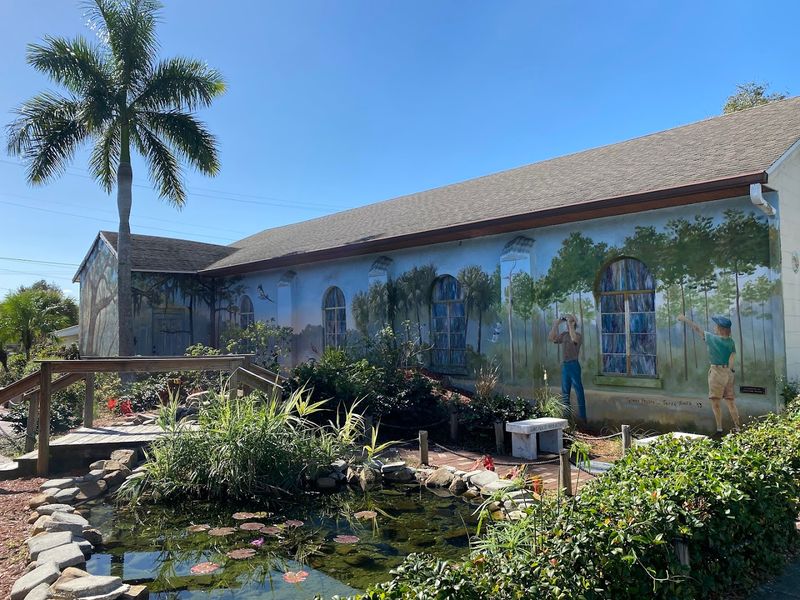
Lake Placid earns its nickname as the Caladium Capital of the World, and if you’ve ever seen a field of caladiums in full bloom, you understand why that title comes with serious bragging rights.
This Highlands County town is a hidden gem in Central Florida’s interior, far from the coastal crowds, and it rewards curious visitors with something genuinely one of a kind.
The town is famous for its outdoor mural program, which has produced over 50 large-scale murals painted on buildings throughout the downtown area.
Walking the mural trail is a self-guided art tour that takes you through the heart of the community and tells the story of Lake Placid’s history, culture, and natural surroundings through vivid, colorful images. No museum ticket required.
Caladium fields surround the town from July through October, and driving or walking the rural roads during peak season is a breathtaking experience. The Lake Placid Town Park and the nearby Highlands Hammock State Park offer beautiful natural walking opportunities.
Lake Placid proves that Florida’s interior holds as much beauty and personality as any coastline, you just have to be willing to wander a little further to find it.