
Believe It Or Not, You Can Walk Through A Former Missile Silo In Arizona
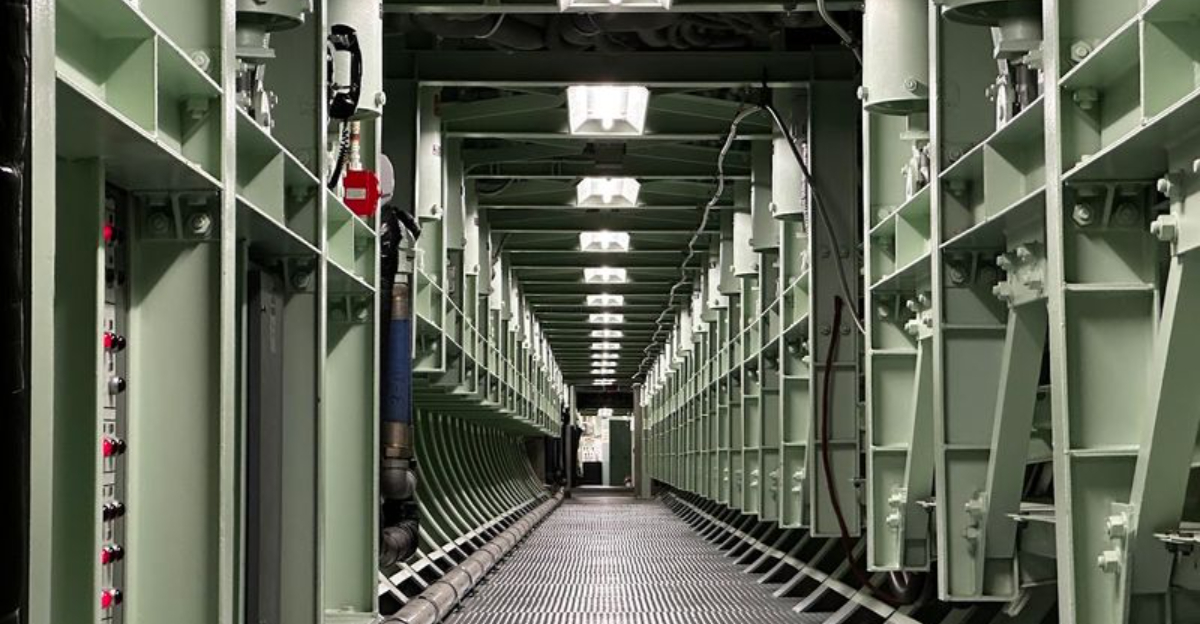
Who knew that poking around a decommissioned nuclear launch site could actually make for a amazing weekend outing? Down in the scorching Arizona desert, there is a secret underground world where you can channel your inner secret agent. Forget boring museum exhibits behind glass.
Here, you get to walk the same metal catwalks where military personnel once sat ready to turn the ultimate key. You can check out the multi-ton blast doors and the rows of vintage buttons that look like they were ripped straight from a 1960s sci-fi flick.
It is the ultimate spot to learn some heavy history while quietly thanking your lucky stars that nobody actually pushed the button.
I visited on a warm weekday morning, and by the time I climbed back out into the desert sunlight, my perspective on history had completely shifted.
The Cold War Origins Of Site 571-7
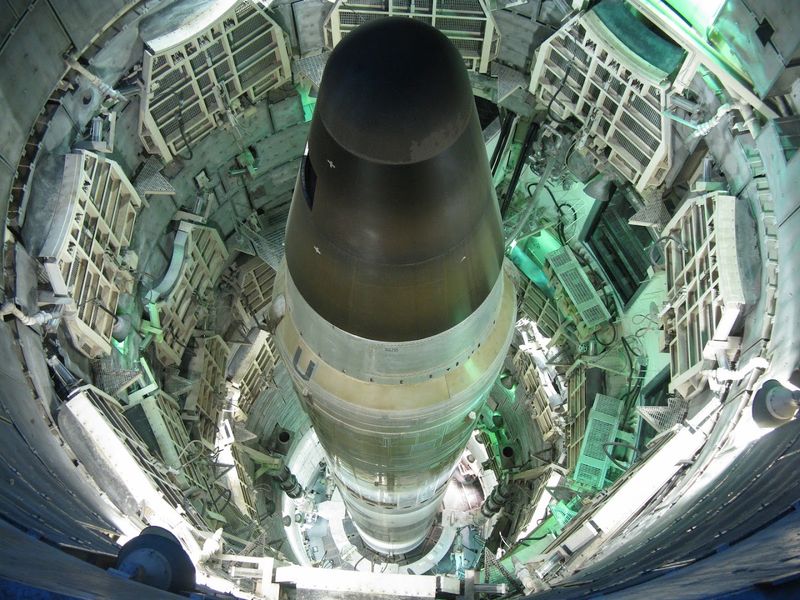
Long before tourists were snapping photos next to a 103-foot missile, this site was one of the most classified addresses in America.
Built in 1963 at the peak of Cold War tensions, Air Force Facility Missile Site 8, officially known as Titan II ICBM Site 571-7, was part of a network of 54 Titan II missile sites spread across the United States.
Each site operated around the clock, every single day, with crews living underground in rotating shifts, always ready to respond within moments.
The Titan II missile stationed here was no small feat of engineering. It stood as the largest land-based nuclear missile ever deployed by the United States, capable of delivering a nine-megaton thermonuclear warhead more than 6,000 miles away in under thirty minutes.
The site was deactivated in 1984 under a Strategic Arms Limitation Treaty with the Soviet Union. In 1994, it earned National Historic Landmark status, ensuring this remarkable piece of history would never be forgotten or bulldozed into the desert sand.
Descending 55 Steps Into History
The moment you start walking down those 55 concrete steps, the desert heat disappears and something else takes over.
The air turns noticeably cooler, the sounds of the outside world fade away, and you suddenly feel the weight of what this place once represented. There is no elevator access, so comfortable walking shoes are genuinely important, not just a polite suggestion from the museum staff.
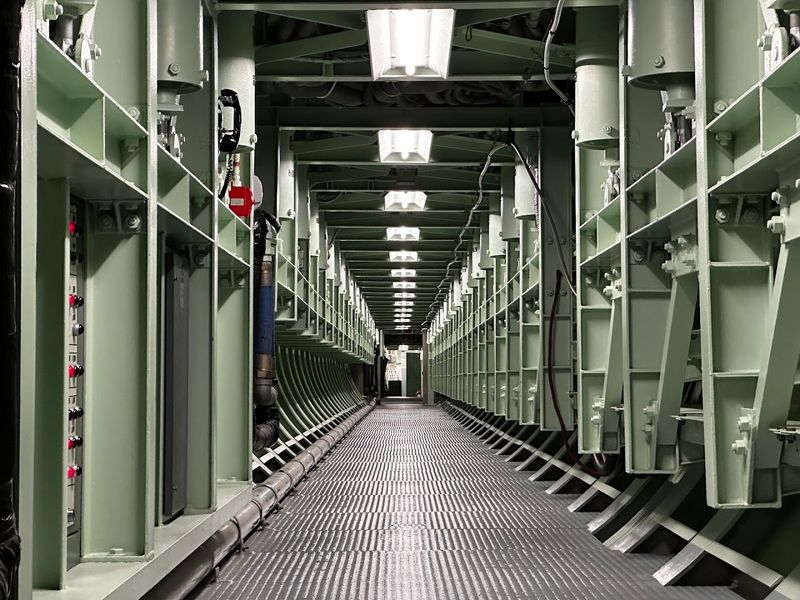
The walls down here are reinforced concrete up to eight feet thick, and the massive three-ton blast doors you pass through are not decorative props.
They were engineered to withstand a nearby nuclear impact, and they look every bit as serious as that sounds. Green paint covers most of the interior surfaces, a deliberate design choice meant to create a calming environment for the crews who lived and worked here under enormous psychological pressure.
Antique telephones, rubber suits, and hand-lettered “No Smoking” signs line the corridors, all perfectly preserved. Walking through these cableways genuinely feels like the clock stopped in 1984 and nobody told the building.
The Launch Control Center Experience
About 35 feet below the surface sits the launch control center, and standing inside it is one of the most surreal moments I have ever experienced as a traveler.
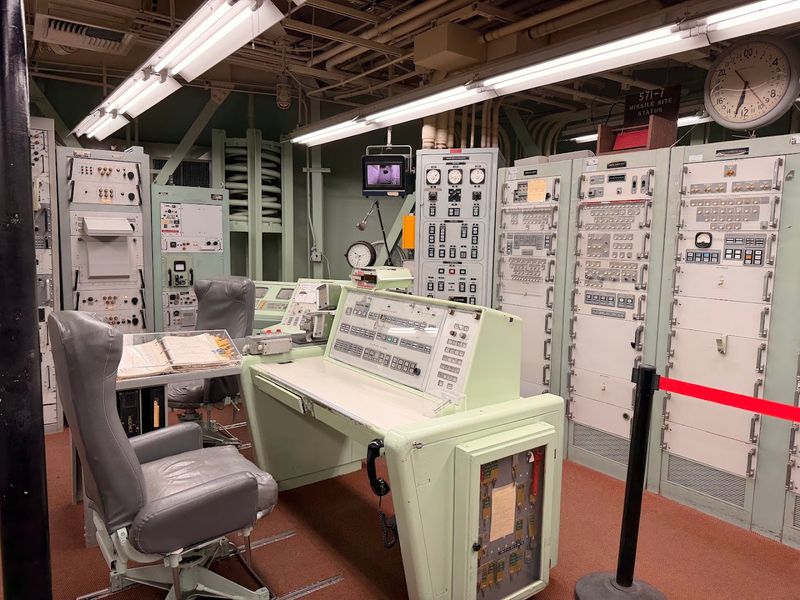
Two chairs face a wall of authentic consoles, switches, and monitoring equipment, all preserved exactly as they were during active service.
During the guided tour, visitors actually get to participate in a simulated missile launch sequence, which means sitting in the commander or deputy seat and turning those launch keys on the count.
The simulation is theatrical, educational, and genuinely unsettling in the best possible way. Your guide explains every step with precision, and the weight of what this room once represented hits you somewhere around the moment the countdown begins.
The crews stationed here carried a level of responsibility that most people will never fully comprehend, and this room makes that responsibility feel very real and very human.
Booking your spot on this guided tour well in advance is strongly recommended, especially during busy travel seasons. Spots fill up faster than you might expect for an underground bunker in the middle of the desert.
Face To Face With The Titan II Missile
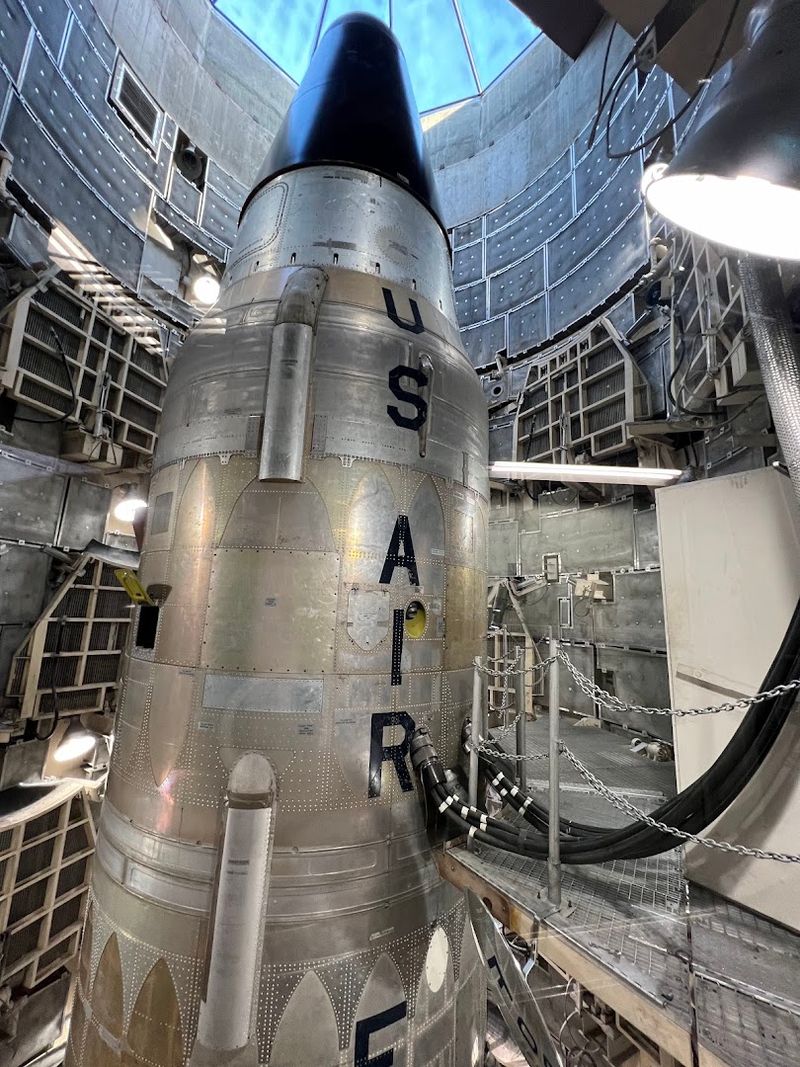
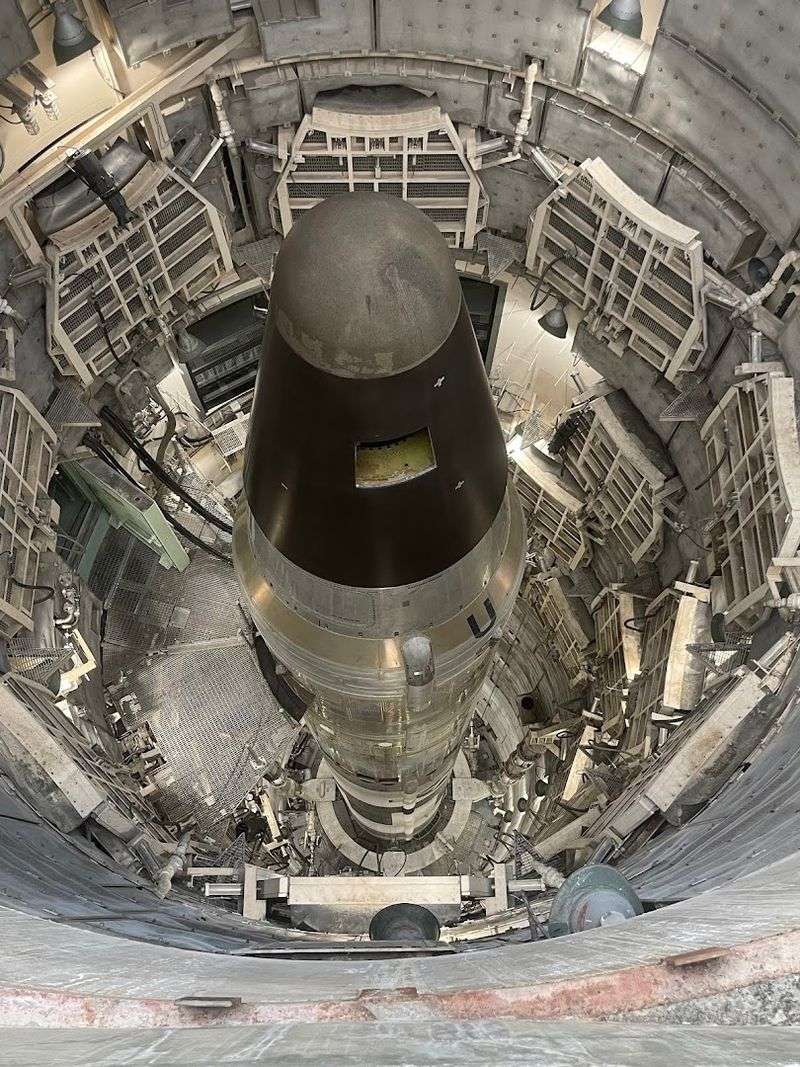
Nothing quite prepares you for the sheer scale of the Titan II missile when you finally see it up close inside the silo.
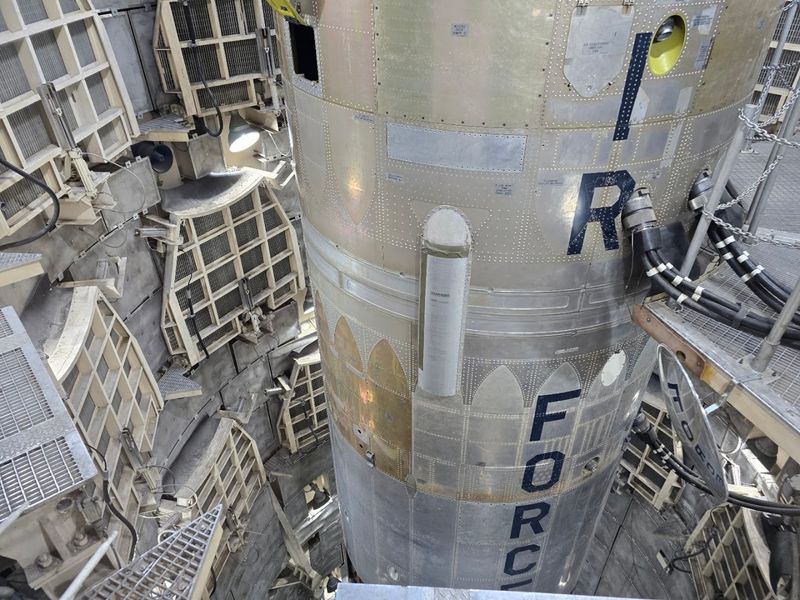
The inert training missile stretches 103 feet tall within its underground chamber, and even without its warhead or fuel, it commands the kind of attention that makes you instinctively take a step back just to take it all in.
This is not a model or a replica. It is the actual missile that once stood ready at this site. The missile was modified to ensure it can never be launched, and its warhead was removed as part of the deactivation process under the arms treaty.
What remains is an engineering artifact of extraordinary scale, a physical reminder of just how far human ambition and Cold War anxiety pushed the boundaries of technology in the mid-twentieth century.
From the observation platform on Level 2 of the silo, you can look up the full length of the missile toward the partially open silo doors above. That upward view, framed by raw concrete and steel, is the kind of image that stays with you long after you have driven back out into the desert sunshine.
Topside Tour And The Open Silo Doors
Not every great moment at this museum happens underground. The self-guided topside tour offers a completely different perspective on the site and rewards anyone willing to spend time exploring the surface level with some genuinely fascinating details.
You can walk around the exterior of the complex, observing the alarm systems known as tipsies that once formed part of the site’s security perimeter, and get a closer look at vehicles and equipment used during the operational years.
One of the most striking features of the topside experience is peering down through the partially open silo doors into the silo itself. Looking down at the Titan II missile from above, framed by those enormous blast doors, gives you a totally different appreciation for the scale of the whole operation.
An audio guide device is available to enhance the self-guided portion of the visit with extra historical context and behind-the-scenes details that bring the site to life.
The topside tour pairs beautifully with the underground experience, giving you a complete picture of how this facility operated as a whole, from the surface security systems all the way down to the missile waiting quietly in the earth below.
Junior Missileers And Family-Friendly Features
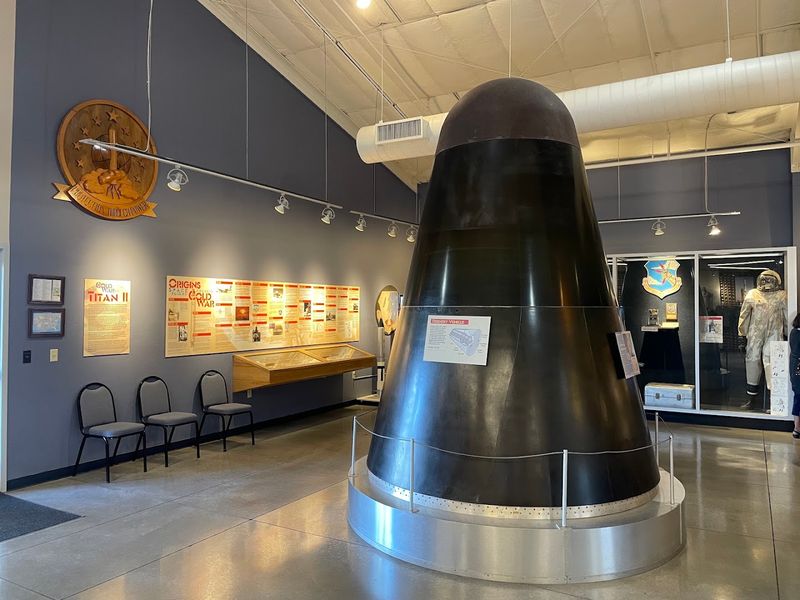
Bringing kids to a Cold War nuclear missile site might sound like an unusual family outing, but the Titan Missile Museum handles it with impressive thoughtfulness.
The Junior Missileer program is designed specifically for younger visitors, offering age-appropriate activities and games that connect children to the history of the site without overwhelming them with the heavier geopolitical context. It turns a history lesson into something genuinely interactive and memorable.
Younger visitors tend to be especially captivated by the sheer mechanical drama of the place, the giant blast doors, the enormous missile, and the idea that real people once lived underground doing a very important job.
The museum staff are skilled at reading their audience and adjusting explanations to suit different age groups, which makes the guided tour accessible for a wide range of visitors.
For families planning a visit, arriving a little early gives kids time to explore the outdoor exhibits before heading underground, which helps them build context and excitement before the main event.
The address is 1580 W Duval Mine Rd, Sahuarita, Arizona, and the drive through the surrounding desert landscape is a pleasant bonus to the whole adventure.
Planning Your Visit: Tips, Tickets, And What To Expect
Getting the most out of a trip to the Titan Missile Museum starts well before you arrive in the parking lot. Reserving your spot on the guided underground tour online in advance is genuinely important, not just a casual recommendation.
The tours fill up quickly, particularly on weekends and during school holiday periods, and showing up without a reservation risks missing the most compelling part of the experience entirely.
Wear comfortable, closed-toe shoes because you will be navigating stairs, metal grating, and uneven surfaces throughout both the underground and topside portions of the visit.
The underground temperature stays consistently cool, so a light layer is worth tucking into your bag even during the hottest Arizona summer months.
Photography is allowed in most areas, and you will absolutely want your camera ready. The museum is located at 1580 W Duval Mine Rd in Sahuarita, roughly 25 minutes south of downtown Tucson.
Plan to spend at least two hours on site to experience both the guided tour and the self-guided topside exploration without feeling rushed. This is one of those rare places where every minute you invest pays back in perspective and genuine amazement.