
13 Beloved ’80s Michigan Fast-Food Sandwiches That Made After-School Runs Legendary
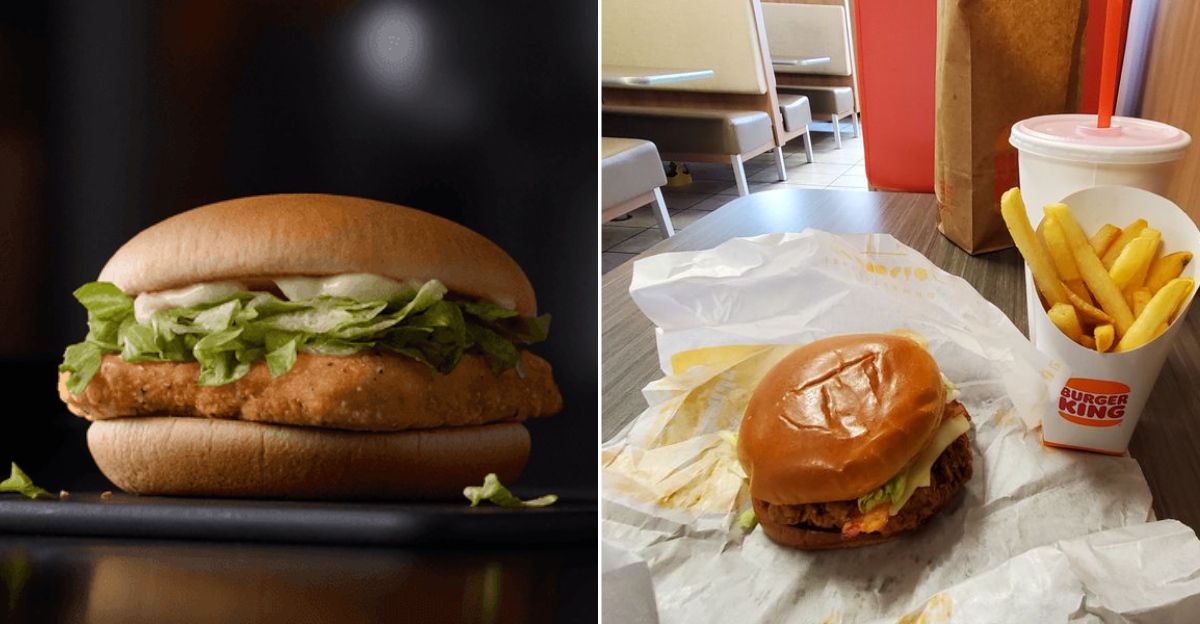
Bell tones from school lockers meant one very specific thing in Michigan during the 1980s, a quick, almost instinctive detour to chase sandwiches that felt like small rituals carved out of borrowed time.
I remember how those moments began before the food even showed up, the rush down the hallway, keys in hand, the shared understanding that lunch was less about sitting and more about moving.
You could smell the nostalgia before the bag hit your lap, fries fogging up the car windows, paper wrappers warm and slightly greasy, the radio clicking through Top 40 while someone watched the clock and someone else argued about the best order.
None of it was gourmet, and no one expected it to be, but those stops quietly taught us preferences we still carry, how bread should feel, how much crunch mattered, how a sandwich could satisfy without slowing you down.
There was joy in the limits, short menus, familiar counters, and the pressure of knowing you had to be back before the bell rang again.
Looking back now, I realize how much those quick meals trained our sense of taste and time at once, grounding us in the present while teaching us what we liked and why.
Settle in for what follows, because each bite below comes with real addresses, bits of history, and the kind of practical tips you only learn by showing up hungry, slightly rushed, and paying attention to what sticks long after the wrappers are gone.
1. Olly Burger, Mr. Fables
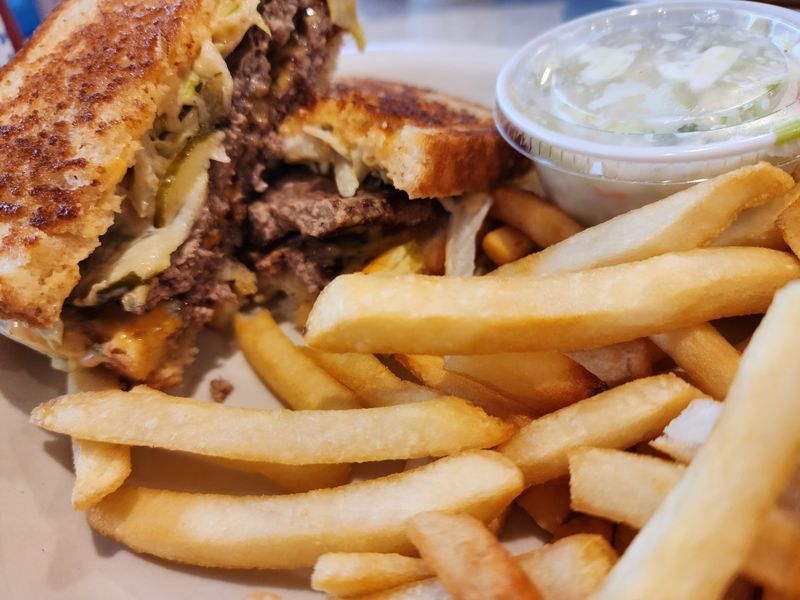
Walking into a Mr. Fables in the 1980s felt like entering a familiar loop, where carpeted dining rooms, softly humming lights, and the faint sweetness of griddled beef created a sense of neighborhood comfort that made the Olly Burger feel less like fast food and more like a dependable routine.
The sandwich itself leaned heavily on contrast, with a seasoned beef patty carrying warmth and salt while the olive-studded mayonnaise delivered sharp brine, cooling fat, and just enough bitterness to make shredded lettuce and pickles feel purposeful rather than decorative.
Mr. Fables began in Grand Rapids and spread across Michigan by earning trust rather than hype, relying on consistent griddle technique and that unmistakable olive sauce to distinguish itself from national chains chasing uniformity.
The Olly Burger worked because nothing fought for dominance, with bun softness absorbing juices, olives waking up the palate, and beef staying present without needing size theatrics.
Regulars learned quickly that fries were not optional, since the loose olive mayo practically invited dipping and turned the tray into a secondary course once the burger was gone.
Even years later, former locations still surface in conversation, because the flavor taught a generation that salt and fat could be playful rather than blunt.
You finished the Olly Burger with the quiet certainty that it had done exactly what it promised, and that certainty is why it still gets talked about.
2. Olive Burger, Hot ‘N Now

Hot ’n Now announced itself less with atmosphere and more with urgency, a bare-bones drive-thru box where headlights lined up after school and the Olive Burger became the fastest way to turn loose change into immediate satisfaction.
The build was simple almost to the point of defiance, with a thin beef patty, soft bun, chopped olives folded into mayonnaise, and lettuce added mainly to keep fingers cooler rather than to impress anyone nutritionally.
Born in Michigan, Hot ’n Now thrived on speed and price, proving that local chains could survive by understanding exactly how little decoration hungry teenagers required.
Because the patty was modest, the olive spread carried the sandwich, delivering salt, tang, and creaminess that lingered far longer than the cost suggested it should.
Veterans of the chain learned to park before eating, not out of leisure but necessity, because the sauce had no interest in staying contained once pressure met bun.
The Olive Burger here felt democratic, accessible, and slightly rebellious, as if good flavor had slipped past the rules of what fast food was supposed to be.
You drove away smelling faintly of olives and fries, surprised that something so cheap could leave such a specific memory.
3. McDLT, McDonald’s
The McDLT was less a sandwich and more a lesson in engineered anticipation, arriving in its divided container with the clear promise that temperature, texture, and timing could be controlled if you followed the rules.
On one side waited the hot beef patty and bottom bun, releasing steam and salt, while the other side held lettuce, tomato, cheese, and sauce, crisp and cool as if daring you to rush the moment.
Introduced in the mid-1980s, the McDLT captured the era’s faith in clever design, where packaging itself became part of the eating experience rather than an afterthought.
The ritual mattered as much as the bite, because combining the halves too early punished you with wilted lettuce, while waiting rewarded you with a clean crunch that felt almost scientific.
Teenagers treated the merge like a magic trick, flipping the container open and snapping the halves together at the last second, proud of mastering the system.
Flavor-wise, it was familiar McDonald’s beef and fixings, but the separation sharpened awareness, making each component feel newly important.
You didn’t just eat a McDLT, you assembled it, and that small act of control made it feel smarter, fresher, and oddly empowering for its time.
4. McRib, McDonald’s
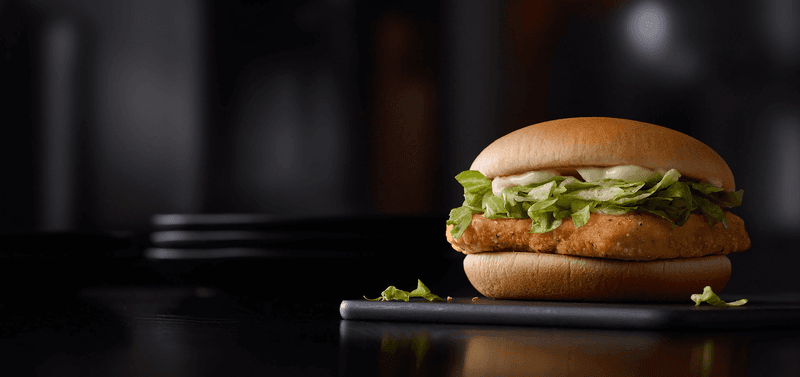
The McRib never behaved like a normal menu item, because its power came from absence and return, drifting in and out of Michigan McDonald’s locations during the 1980s like a rumor that suddenly became edible when the sign outside confirmed it was back.
What landed in your hands was a formed pork patty molded into rib-like grooves, soaked in sweet barbecue sauce, layered with onions and pickles, and tucked into a soft roll that immediately began surrendering to steam and sauce.
Its origins sit squarely in the early 1980s, when McDonald’s experimented with regional tastes and seasonal demand, discovering that scarcity could create loyalty faster than permanence ever could.
The sandwich demanded logistical awareness, because holding it at the wrong angle guaranteed sauce on wrists and sleeves, teaching a generation to eat carefully even when excitement was high.
Flavor lived in contrast, with smoke-sweet sauce meeting sharp pickle acid and onion bite, all softened by bread that absorbed just enough to keep things cohesive but never tidy.
Fans learned to order extra napkins without embarrassment, understanding that mess was not a flaw but part of the agreement you made when you said yes to a McRib.
You finished it sticky and satisfied, already aware that you might not see it again for months or years, which only deepened the strange affection people still carry for it.
5. Cheddar Melt, McDonald’s
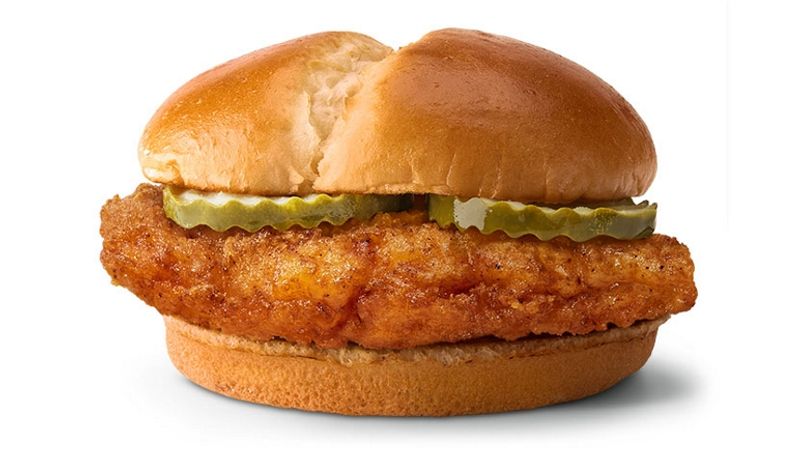
The Cheddar Melt announced itself before the wrapper opened, because the smell of grilled onions and warm cheese sauce carried across tables and parking lots in a way few other McDonald’s sandwiches ever managed.
Built around a beef patty topped with sautéed onions, a Swiss-style cheddar sauce, and a rye-style bun, it leaned closer to deli logic than drive-thru minimalism, especially by late-1980s standards.
This sandwich emerged during a period when McDonald’s was flirting with richer, more regional flavors, testing whether customers wanted comfort food that nodded toward something older and heavier.
The bun mattered here more than usual, because its darker flavor and softer crumb absorbed onion oils and cheese without collapsing, at least if you ate it quickly.
Veterans of the Cheddar Melt learned speed was essential, since lingering too long turned the bun from supple to soggy, collapsing the careful balance the sandwich briefly achieved.
The flavor payoff was warmth rather than punch, with sweetness from onions, mellow cheese, and beef combining into something closer to diner food than fast food.
It was the kind of sandwich that felt especially right on cold Michigan afternoons, when comfort mattered more than crunch and nobody was counting napkins afterward.
6. McLean Deluxe, McDonald’s
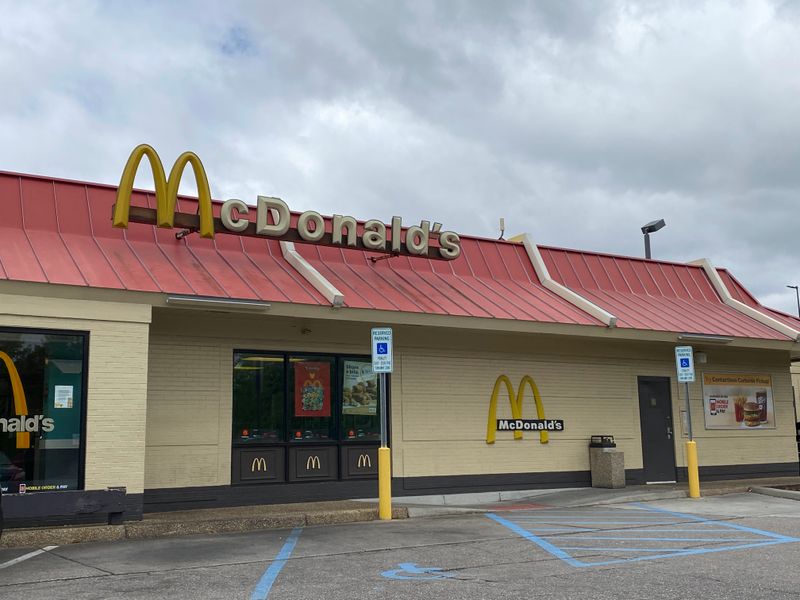
The McLean Deluxe arrived carrying the weight of expectation, because it promised something radical for its time, a burger that claimed to be leaner while still belonging in the fast-food universe.
Its beef patty used carrageenan derived from seaweed to retain moisture, paired with lettuce, tomato, and a sesame bun in an attempt to reassure diners that lighter eating did not require leaving the drive-thru lane.
Developed at the end of the 1980s and rolling into the early 1990s, the McLean reflected a growing national conversation about fat, health, and responsibility that had not yet figured out how it should taste.
The texture confused people first, registering as springier and less forgiving than standard patties, which made each bite feel noticeably different even before flavor entered the discussion.
Seasoning and condiments became essential coping tools, with mustard and tomato acidity doing their best to compensate for what the patty lacked in richness.
Some appreciated its cleanliness and restraint, especially between classes or practices, while others quietly wished it would just admit defeat and taste indulgent.
The McLean Deluxe stands as a reminder that not every innovation survives appetite, and that honesty about pleasure often matters more than promises printed on menu boards.
7. Whaler, Burger King
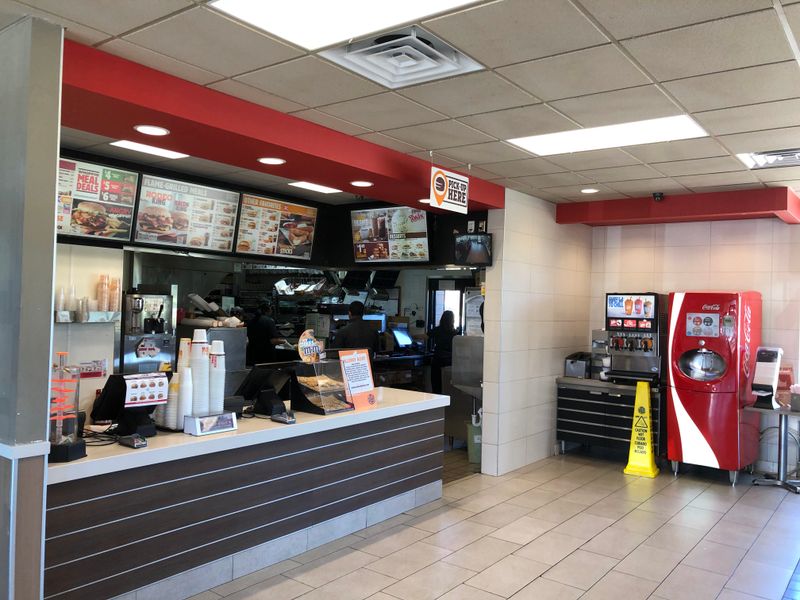
The Whaler occupied a calmer lane in the fast-food universe, offering Michigan teenagers an alternative that felt almost responsible, even if the decision was still made at a drive-thru speaker with friends arguing in the back seat.
Its mild white fish fillet arrived breaded and fried to a careful crunch, layered with lettuce and tartar sauce on a soft bun that never tried to compete with the filling for attention.
Burger King leaned into fish sandwiches earlier than many chains, and by the 1980s the Whaler had become a familiar standby during Lent, sports seasons, and days when burgers felt too heavy.
The flavor profile was intentionally restrained, letting salt, oil, and gentle acidity do the work rather than chasing spice or novelty.
Regulars learned that the sandwich rewarded patience, because a brief rest let steam escape and preserved the breading’s structure.
Eating a Whaler felt quieter than ordering a burger, less triumphant and more steady, like choosing reliability over bravado.
You finished it with clean hands and a neutral palate, ready to head wherever the afternoon still had room to take you.
8. Long Fish, Burger King
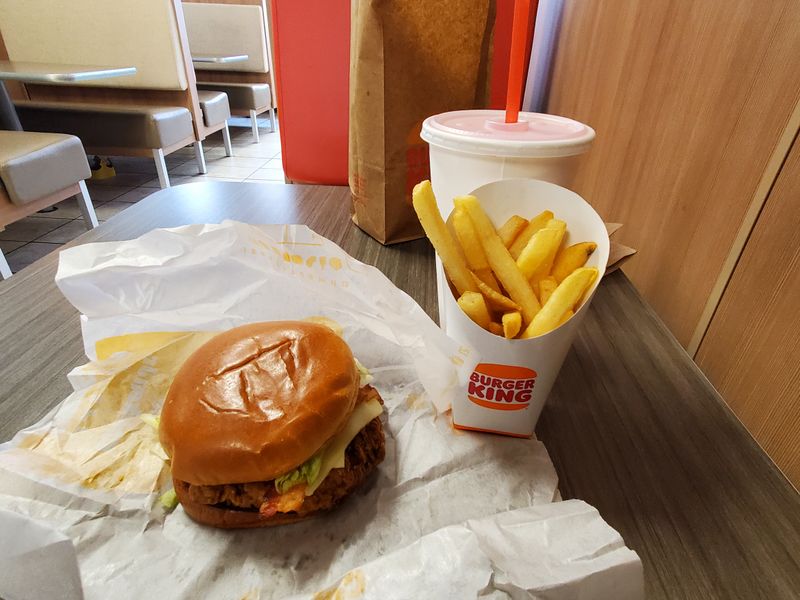
The Long Fish made its point immediately through sheer geometry, stretching conspicuously past the bun in a way that felt humorous, excessive, and oddly satisfying to anyone measuring value by visual evidence.
Its elongated fillet delivered a thicker ratio of breading to fish, which created a louder crunch and a sense of abundance that mattered deeply during cash-light after-school hours.
Burger King positioned it as proof that size itself could be a selling point, especially when novelty fatigue set in across burger menus.
The sandwich demanded a specific eating strategy, because the tail end tended to escape sauce coverage unless folded back deliberately.
Tartar sauce and lettuce functioned more as structural support than garnish, helping manage heat and grease rather than transforming flavor.
The Long Fish was not elegant, but it was honest about its purpose, which was to fill you up quickly and visibly.
You walked out feeling properly fed, aware that length alone had somehow translated into satisfaction.
9. Veal Parmigiana Sandwich, Burger King
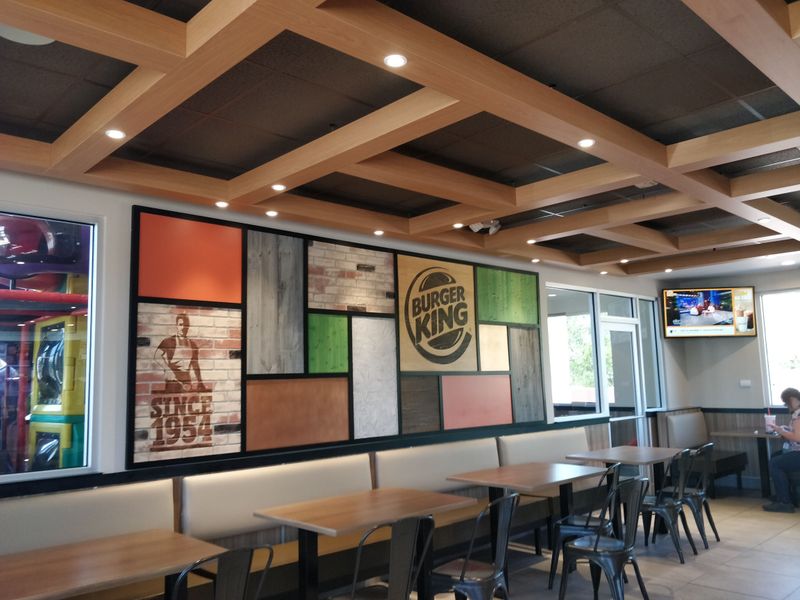
The Veal Parmigiana Sandwich felt almost mischievous in its ambition, introducing Italian-American comfort food logic into a fast-food environment that usually avoided such specificity.
A breaded veal cutlet met marinara sauce and melted cheese inside a soft roll, creating a sandwich that borrowed heavily from neighborhood pizzerias without pretending to replace them.
Burger King’s late-1980s experimentation phase allowed items like this to exist briefly, before operational complexity and shifting tastes pushed them aside.
The key to enjoying it was speed, because the sauce softened the bread almost immediately, threatening collapse if you hesitated too long.
Flavor leaned sweet and familiar, with tomato acidity cutting through fried coating just enough to feel balanced.
It surprised many people by working at all, which may be why it remains so vividly remembered.
You finished the sandwich impressed rather than ecstatic, aware you had eaten something slightly out of place but oddly comforting.
10. Yumbo, Burger King
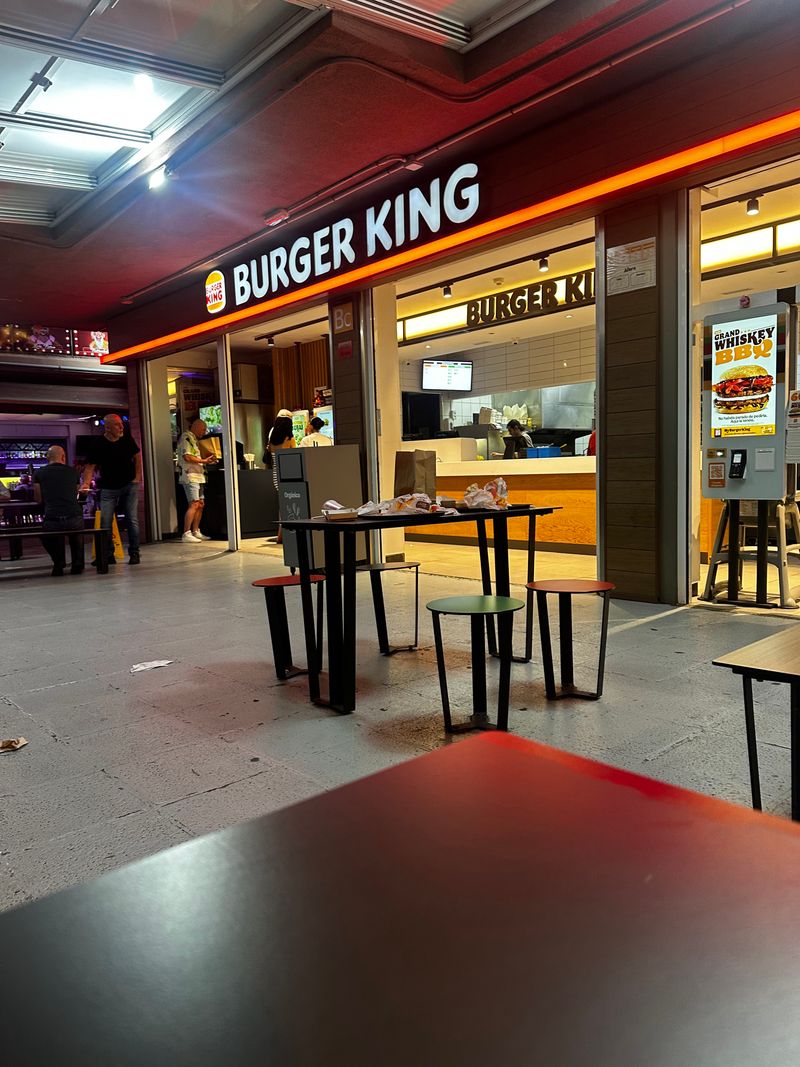
The Yumbo moved quietly through menus, offering a warm ham-and-cheese sandwich that felt closer to a lunch counter than a burger joint, especially during slower afternoon hours.
Stacked sliced ham and melted American cheese rested inside a toasted bun, with lettuce adding a cooling note that softened the salt without challenging it.
Originally a 1970s item that resurfaced intermittently, the Yumbo proved that repetition and familiarity could outlast trend chasing.
Its simplicity demanded nothing from the eater, no napkin strategies or structural planning, just a willingness to accept warmth and mildness.
Many added mustard instinctively, understanding that acidity was the missing hinge holding the flavors together.
The sandwich encouraged relaxed eating, making it ideal for quiet conversations or solo meals between obligations.
You finished quickly, not because it was small, but because it asked nothing dramatic from you.
11. Chicken Littles, KFC

Chicken Littles felt engineered for motion rather than ceremony, arriving as compact, peppery fried chicken sandwiches that fit easily into one hand, the other already reaching for the next wrapper before the first bite had fully landed.
Each soft bun cradled a crisp, pressure-fried cutlet with just enough grease to perfume the paper, paired with mayo and pickles that sharpened the edges without interrupting the rhythm of fast eating.
In Michigan towns where KFCs doubled as post-practice gathering points, these sandwiches became a shared currency, ordered in multiples and eaten in parked cars while windows fogged lightly from warmth and chatter.
The genius lay in scale, because shrinking the sandwich intensified contrast, making crunch louder, seasoning clearer, and satisfaction oddly quicker.
They were not meant to linger, but to stack, trade, and disappear in neat, confident bites.
By the time the box was empty, the memory was already forming, tied less to flavor specifics than to repetition and ease.
Chicken Littles taught a generation that abundance could arrive in small, deliberate units.
12. Bell Beefer, Taco Bell
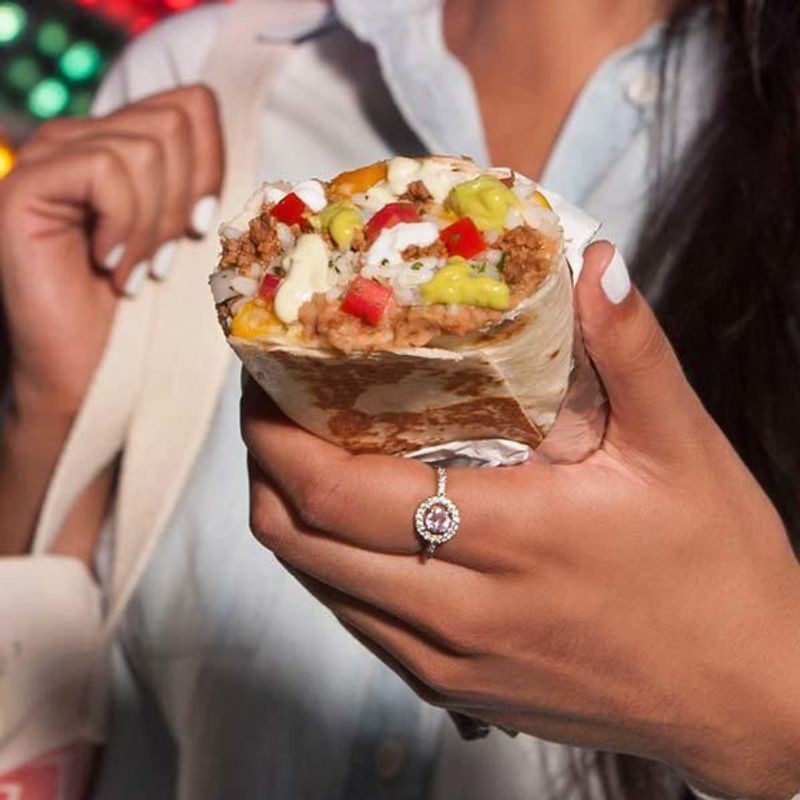
The Bell Beefer sat squarely in the category of ideas that should not have worked, yet did, offering taco-seasoned ground beef spooned generously onto a hamburger bun, warm, saucy, and unapologetically hybrid.
Lettuce wilted slightly on contact with the meat, cheese melted into the spice, and the bun absorbed cumin and chili the way tortillas usually would, translating Tex-Mex flavor into a format Midwestern drive-thru habits already understood.
In the 1980s, this sandwich quietly solved indecision for teenagers who wanted Taco Bell taste without crunchy shells collapsing mid-drive.
Its success relied on moisture management, keeping the beef juicy enough to bind everything together without dissolving the bread entirely.
Adding hot sauce pushed it from novelty into something bolder, sharpening the finish and waking up the softer elements.
Eating a Bell Beefer felt playful, messy, and faintly rebellious, like bending rules without breaking them.
You finished amused, slightly surprised, and convinced that categories mattered less than satisfaction.
13. Arby Q Sandwich, Arby’s
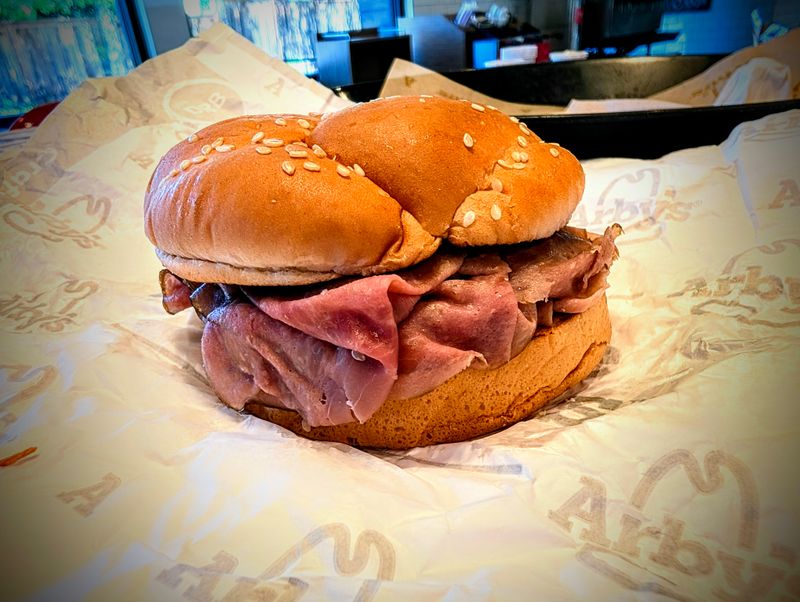
The Arby Q embraced restraint by doing very little, stacking chopped roast beef under a generous pour of sweet barbecue sauce and trusting heat and softness to carry the experience.
Unlike flashier barbecue sandwiches, it avoided smoke bravado, leaning instead on sugar, tang, and the familiar chew of Arby’s beef folded into itself.
The bun absorbed sauce quickly, becoming an active participant rather than a container, which meant timing mattered if you wanted structure to hold.
This was a sandwich designed for booths and laminated tables, not dashboards, because sticky fingers were inevitable and oddly welcomed.
Pairing it with horseradish sauce introduced a necessary counterpoint, slicing through sweetness and restoring balance with sinus-clearing heat.
The atmosphere around it was slower, quieter, encouraging lingering rather than rushing.
You left smelling faintly of barbecue, satisfied by how little complexity was required to feel properly fed.