
13 Breathtaking Arkansas Spots You’ll Want To See In 2026
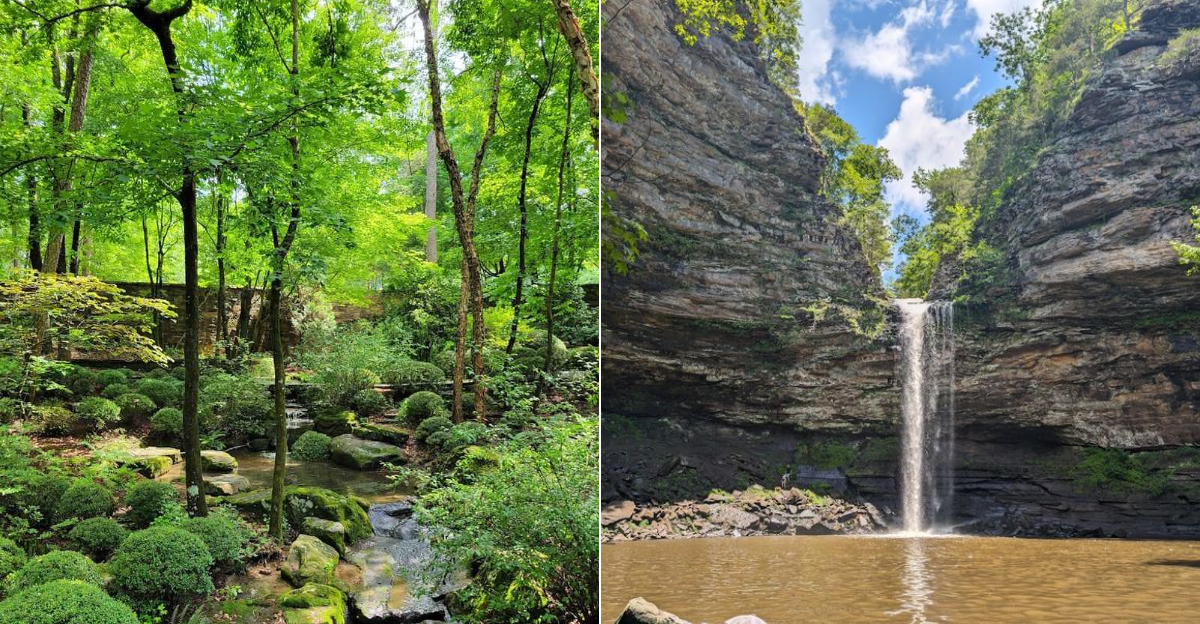
Finding the right pace for a trip through Arkansas means looking past the usual roadside stops. The state changes quickly when you leave the main highway, shifting from flat delta land into steep, green ridges that seem to go on forever.
Most people expect the trees, but the actual variety here is what sticks with you after the drive is over. You might spend one morning walking through a quiet, modern gallery and the next standing in a field where you can actually keep the diamonds you find in the dirt.
It is a place that rewards anyone who isn’t in a hurry to get to the next destination. I have noticed that the best spots usually require a little extra time to really see.
These Arkansas spots represent the best destinations for your 2026 travels. Each one offers a different reason to pull over and stay a while.
Hot Springs National Park, Hot Springs
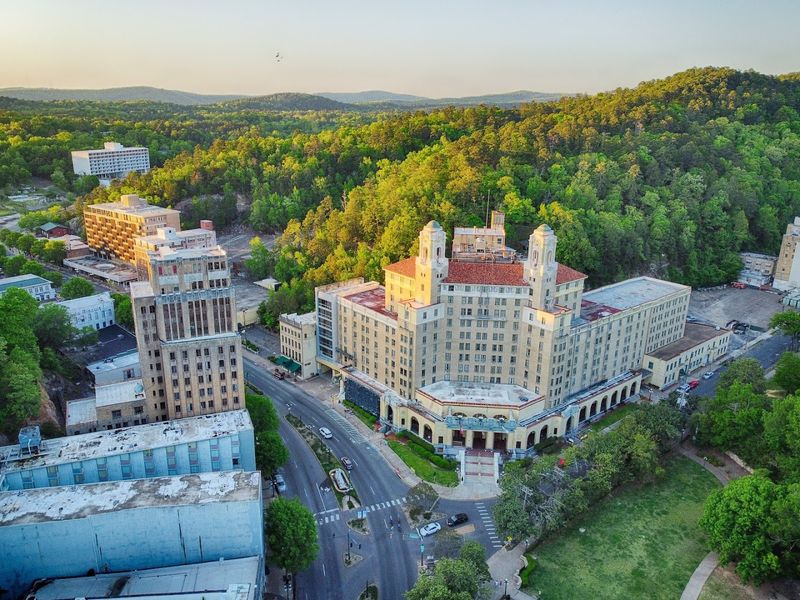
Walking along Bathhouse Row for the first time felt like entering a living history book. Hot Springs, Arkansas is home to this one-of-a-kind national park, where natural thermal springs have drawn visitors for well over a century.
The bathhouses lining Central Avenue are stunning examples of early 20th-century architecture. Several have been beautifully restored so you can actually step inside and learn what it was like to “take the waters” back in the day.
The park sits right inside the city, which makes it incredibly easy to explore on foot. I spent a morning walking the Grand Promenade, a brick pathway that winds behind the bathhouses and up into the forested hillside.
The trail connects to longer hiking routes if you want to spend more time outdoors.
One of the coolest things about this park is that you can drink the thermal water straight from free public fountains along the street. Many locals fill up jugs regularly.
The Fordyce Bathhouse serves as the visitor center and is packed with fascinating exhibits about the springs and the culture they created. Hot Springs National Park is unlike any other national park in the country, and that alone makes it worth the visit.
Garvan Woodland Gardens, Hot Springs
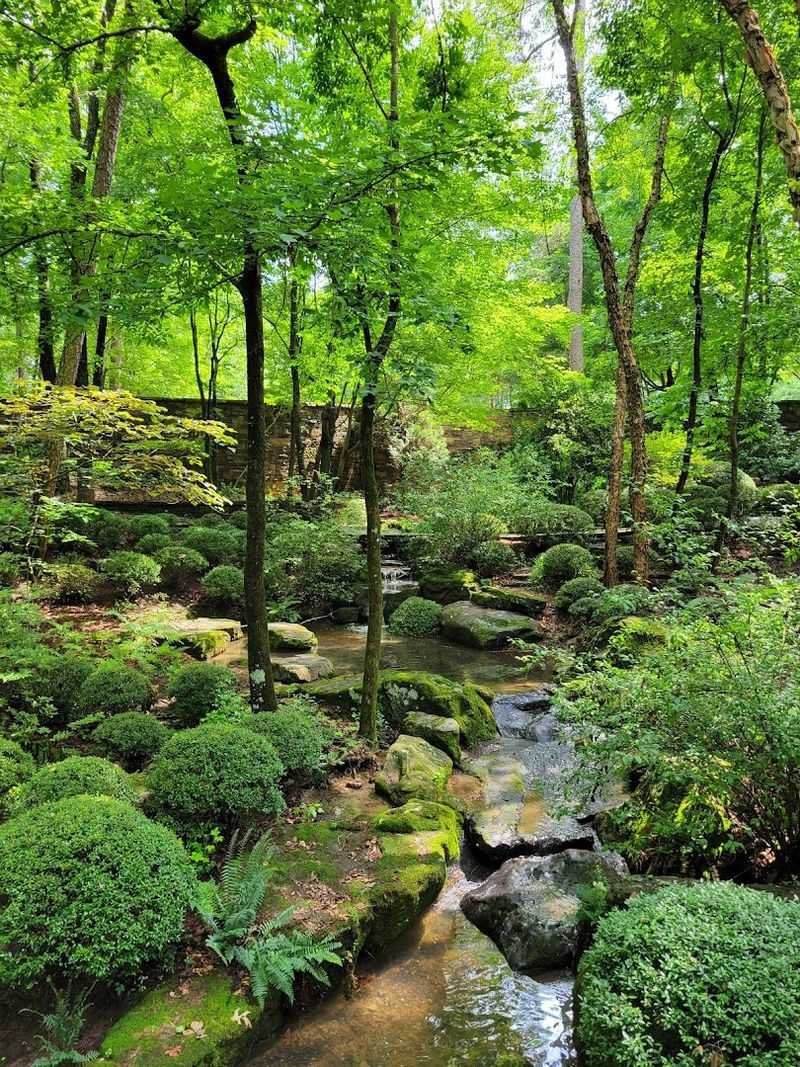
Set along the shores of Lake Hamilton, Garvan Woodland Gardens is the kind of place that makes you slow down and truly notice the world around you. This stunning 210-acre botanical garden is located in Hot Springs.
It’s owned by the University of Arkansas and rests among towering pines and hardwood trees that beautifully frame every view.
I visited during late spring when the azaleas and native wildflowers were in full bloom, and the colors were honestly breathtaking. The winding pathways guide you naturally from one garden area to the next, each section offering something a little different.
There are bridges, waterfalls, and quiet overlooks where you can sit and take it all in without feeling rushed.
The Anthony Chapel, a stunning wood-and-glass structure set among the trees, is one of the most photographed spots in the entire state. It genuinely feels like something out of a storybook.
The garden also hosts seasonal events throughout the year, including a popular holiday lights display in winter that draws crowds from across the region. Whether you love plants or simply enjoy a peaceful outdoor walk, Garvan Woodland Gardens delivers a visit that stays with you long after you leave.
Crater of Diamonds State Park, Murfreesboro
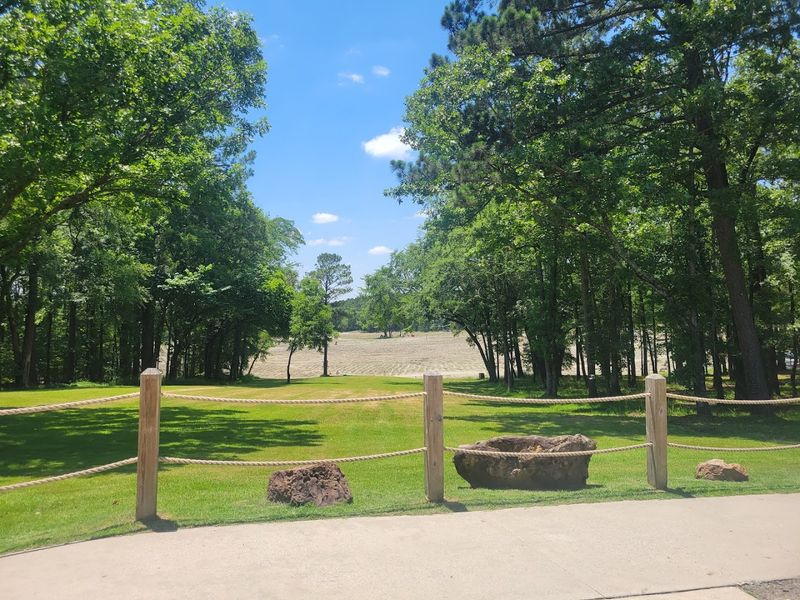
There are not many places in the world where you can dig in a field and legally keep whatever gemstones you find, but Crater of Diamonds State Park in Murfreesboro is exactly that kind of place. This 37-acre plowed field sits over a volcanic crater and is the only diamond-producing site in the world open to the public for digging.
Real diamonds have been found here by everyday visitors, including one of the largest ever discovered in North America.
When I visited, the park staff explained that rain actually helps surface new finds by washing away loose soil. You can rent tools right at the park or bring your own.
Most people spend a few hours sifting through the dirt, chatting with fellow hunters, and enjoying the outdoor experience even if they do not strike it rich.
The park also has a visitor center where staff will identify any stones you find and certify diamonds for free. Kids absolutely love this place because the treasure-hunting element keeps them engaged for hours.
Beyond diamonds, the field also yields other semi-precious stones like amethyst, garnet, and jasper. Even if you leave empty-handed, the experience of hunting for real diamonds in the Arkansas soil is something you will not forget anytime soon.
Petit Jean State Park, Morrilton
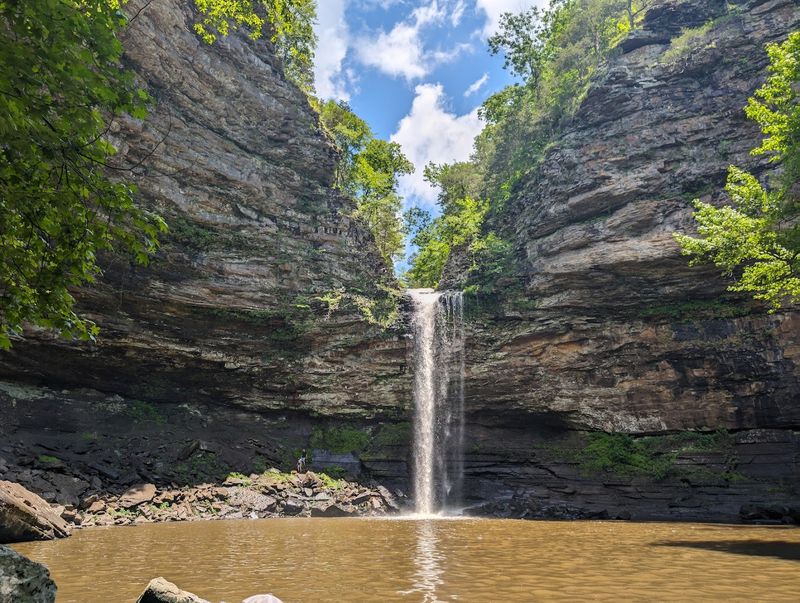
Arkansas’s oldest state park carries a legendary reputation, and after spending a day exploring it, I understood exactly why. Petit Jean State Park sits atop Petit Jean Mountain near Morrilton and offers some of the most dramatic natural scenery in the entire state.
The park is named after a French girl from the 1700s who, according to local legend, disguised herself as a boy to follow her explorer fiance to the New World.
Cedar Falls is the crown jewel of the park, a 95-foot waterfall that drops into a beautiful rock-lined pool at the base of a canyon. The hike down to the falls is moderate and well-maintained, with wooden stairs and railings in the steeper sections.
Standing at the bottom looking up at the cascading water is one of those moments that makes you genuinely grateful you made the trip.
The park also has a lodge, cabins, a restaurant, and a museum dedicated to the geology and history of the area, so you can easily turn this into a multi-day stay. Fishing, swimming, and birdwatching are all popular here too.
The views from the overlooks across the Arkansas River Valley stretch for miles on a clear day, making every lookout stop along the trail feel like a reward in itself.
Mount Magazine State Park, Paris
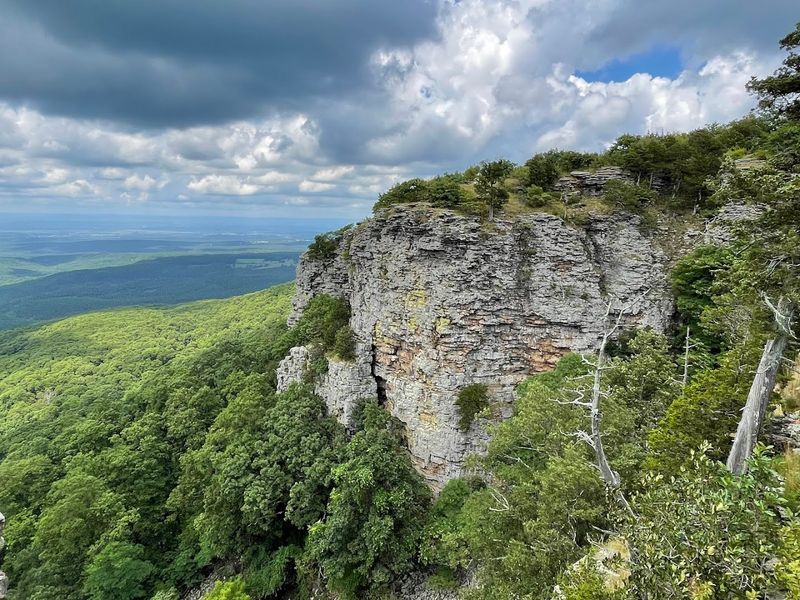
Standing at 2,753 feet above sea level, Mount Magazine is the highest point in Arkansas, and the views from the top are the kind that make you stop mid-sentence and just stare. The park sits near Paris, Arkansas, and draws hikers, hang gliders, mountain bikers, and nature lovers who want to experience the state from its most elevated vantage point.
I tackled the Signal Hill Trail to reach the summit, and while the climb requires some effort, the payoff is absolutely worth it. The trail winds through a mix of open meadows and dense forest before opening up to sweeping panoramic views of the Arkansas River Valley below.
On a clear morning, you can see for what feels like forever in every direction.
The park lodge is perched right at the top and offers comfortable rooms with balconies that look out over the valley, making it a fantastic base for a weekend trip. Butterflies are a surprisingly big draw here too.
Mount Magazine is one of the best butterfly-watching spots in the region, and enthusiasts travel from several states away just for that experience. The combination of rugged terrain, wildlife, and sky-high views makes this park one of Arkansas’s most rewarding outdoor destinations.
Devil’s Den State Park, West Fork
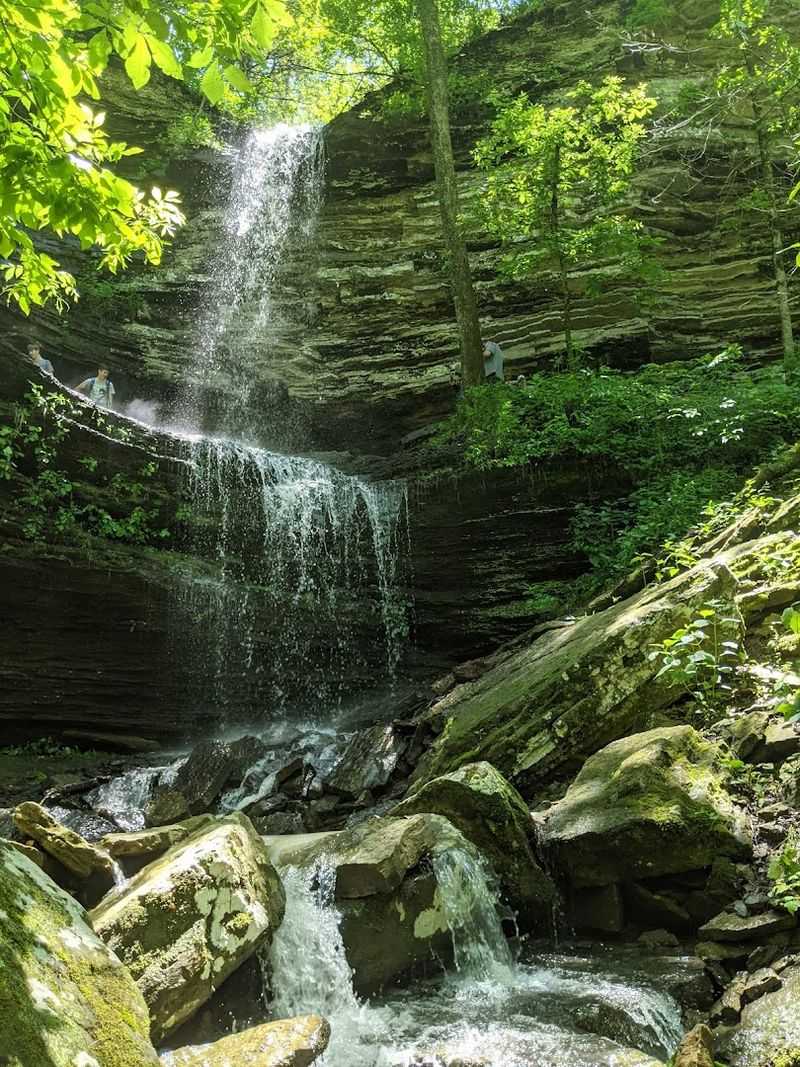
Devil’s Den State Park has a personality all its own. Located near West Fork in the Boston Mountains of the Ozarks, this park is built around a series of unusual sandstone crevices, caves, and bluffs that give the landscape a rugged, ancient feeling that is hard to describe until you are actually standing in it.
The name fits perfectly once you see the jagged rock formations rising out of the forest floor.
The Crevice Trail is the most popular route and takes you through narrow passages between massive sandstone slabs. Some of the gaps are tight enough that you have to turn sideways to squeeze through, which kids find absolutely thrilling.
The trail is short but genuinely memorable, and most visitors end up doing it twice just because it is so fun to navigate.
The park also has a beautiful lake for swimming and fishing, along with mountain biking trails that are considered some of the best in the state. The cabins and campgrounds here were built by the Civilian Conservation Corps in the 1930s and still carry a rustic charm that feels perfectly in tune with the surroundings.
Devil’s Den is the kind of place that rewards visitors who like their nature a little rough around the edges and full of character.
Buffalo National River, Harrison Area
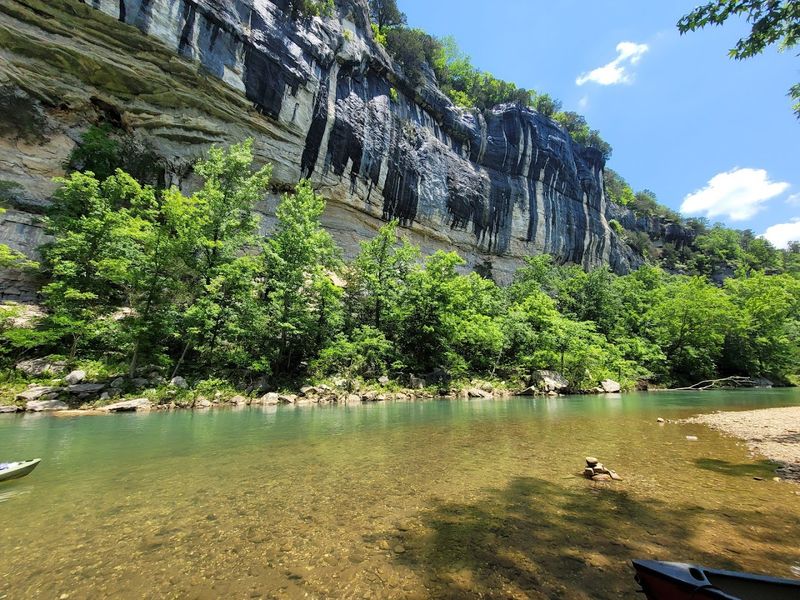
The Buffalo National River was the first river in the United States to be designated a national river, and once you float a stretch of it, you understand why it earned that honor. Running through the Ozark Mountains near the Harrison area, the Buffalo flows freely without dams for 135 miles, offering some of the clearest water and most dramatic bluff scenery in the entire country.
I spent a full day canoeing a section of the upper river, and the experience was genuinely peaceful in a way that is hard to find elsewhere. The towering limestone bluffs, some reaching 500 feet high, rise straight up from the water’s edge and create a sense of being completely enclosed by nature.
Deer, herons, and even elk are commonly spotted along the riverbanks.
The surrounding national river area also has excellent hiking trails, historic homesteads, and swimming holes that are popular with families in the summer months. The Tyler Bend area is a great starting point for first-time visitors, with a well-equipped campground and a visitor center that offers maps and ranger programs.
Floating the Buffalo is one of those experiences that feels completely unhurried and restorative, the kind of day trip that resets your perspective in the best possible way.
Whitaker Point, Kingston Area
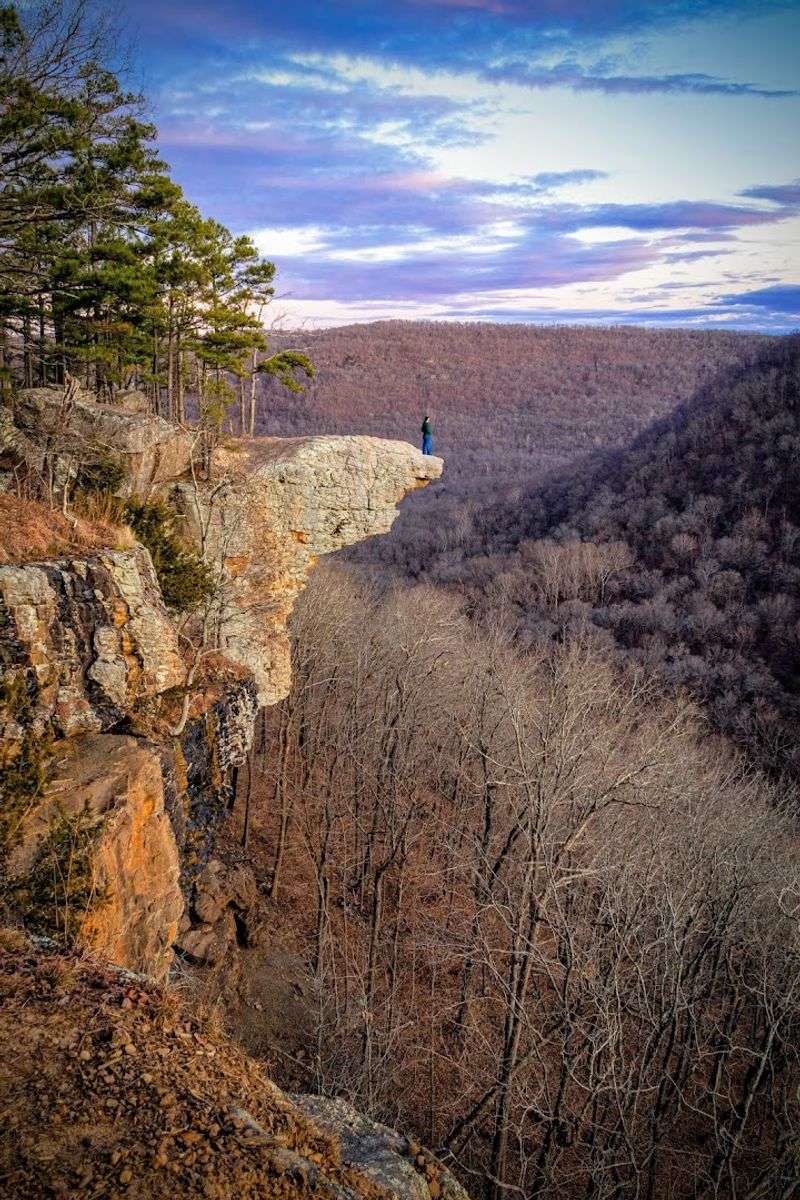
Few hikes in Arkansas deliver a more jaw-dropping payoff than the trail to Whitaker Point, also known as Hawksbill Crag. It’s located in the Ozark National Forest near Kingston.
This rocky outcrop juts out dramatically over a deep forested canyon, creating one of the most photographed natural views in the entire state. The image of that narrow crag extending into open sky has appeared on countless magazine covers and travel features.
The trail itself is about three miles round trip and winds through a beautiful hardwood and pine forest before arriving at the overlook. I went on a cool October morning when the fall foliage was near its peak, and the colors spread across the canyon below were absolutely stunning.
The crag itself feels almost surreal when you step out onto it and look down at the tree canopy far below.
Because of its popularity, the trailhead can fill up quickly on weekends, so arriving early is a smart move. The area around Whitaker Point is also part of the Upper Buffalo Wilderness, which means the surrounding landscape is protected and wonderfully undeveloped.
If you only have time for one hike during your Arkansas trip, this is the one that most people end up talking about for years afterward.
Crystal Bridges Museum Of American Art, Bentonville
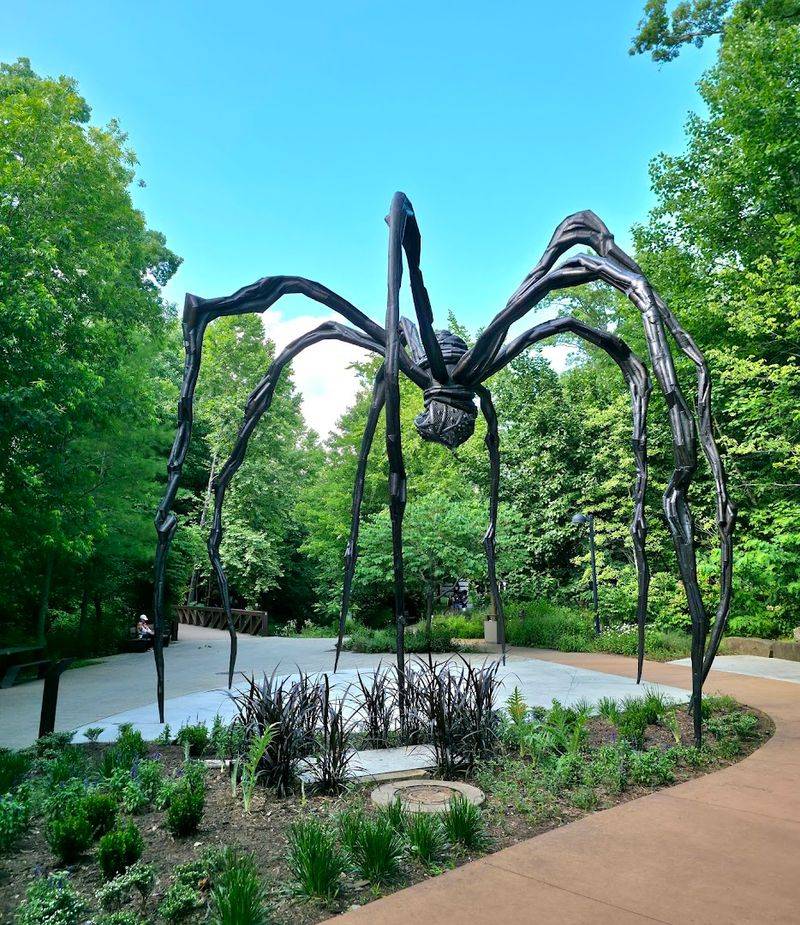
Crystal Bridges Museum of American Art in Bentonville is one of those places that genuinely redefines what you expect from a museum visit. The museum was founded by Alice Walton and opened in 2011.
It houses an extraordinary collection of American art spanning five centuries, displayed inside a series of stunning pavilions designed by architect Moshe Safdie. The museum sits within a forested ravine, with a spring-fed creek flowing through the grounds.
Walking through the galleries felt effortless because the architecture itself draws you forward. The building and the landscape are so beautifully integrated that at times you are not quite sure where the art ends and the surroundings begin.
Works by Georgia O’Keeffe, Norman Rockwell, Winslow Homer, and Andy Warhol are among the highlights of the permanent collection.
Admission to the permanent collection is always free, which is remarkable given the quality and scale of what is on display. The museum also has miles of walking trails through the surrounding forest that connect to the broader Bentonville trail system, so you can spend time outdoors before or after exploring the galleries.
The on-site restaurant and cafe are excellent, and the museum shop is one of the best I have visited anywhere. Crystal Bridges is a world-class cultural destination that happens to be located in northwest Arkansas.
The Momentary, Bentonville
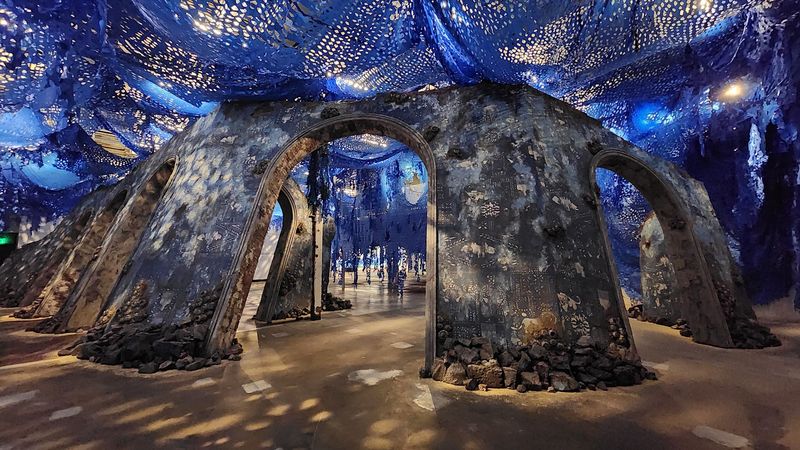
Just a short walk from Crystal Bridges, The Momentary brings a completely different energy to Bentonville’s already impressive arts landscape. This contemporary art space opened in 2020 inside a converted 63,000-square-foot former cheese factory, and it has quickly become one of the most exciting cultural venues in the region.
The industrial bones of the original building have been preserved and reimagined in a way that feels genuinely cool rather than forced.
The Momentary focuses on living artists and rotating exhibitions, which means every visit offers something different from the last. When I was there, the main gallery featured an immersive installation that used light and sound to completely transform the space.
The programming here extends well beyond visual art and includes live music, film screenings, culinary events, and performances throughout the year.
The outdoor plaza and rooftop terrace are popular gathering spots and host events during warmer months. The building’s exterior walls are covered in large-scale murals by local and international artists, making the outside just as visually interesting as the inside.
Admission to The Momentary is free for the permanent collection, with some special exhibitions and events ticketed separately. It is a lively, creative space that feels very much alive and in conversation with the world around it, which is exactly what great contemporary art should do.
Turpentine Creek Wildlife Refuge, Eureka Springs
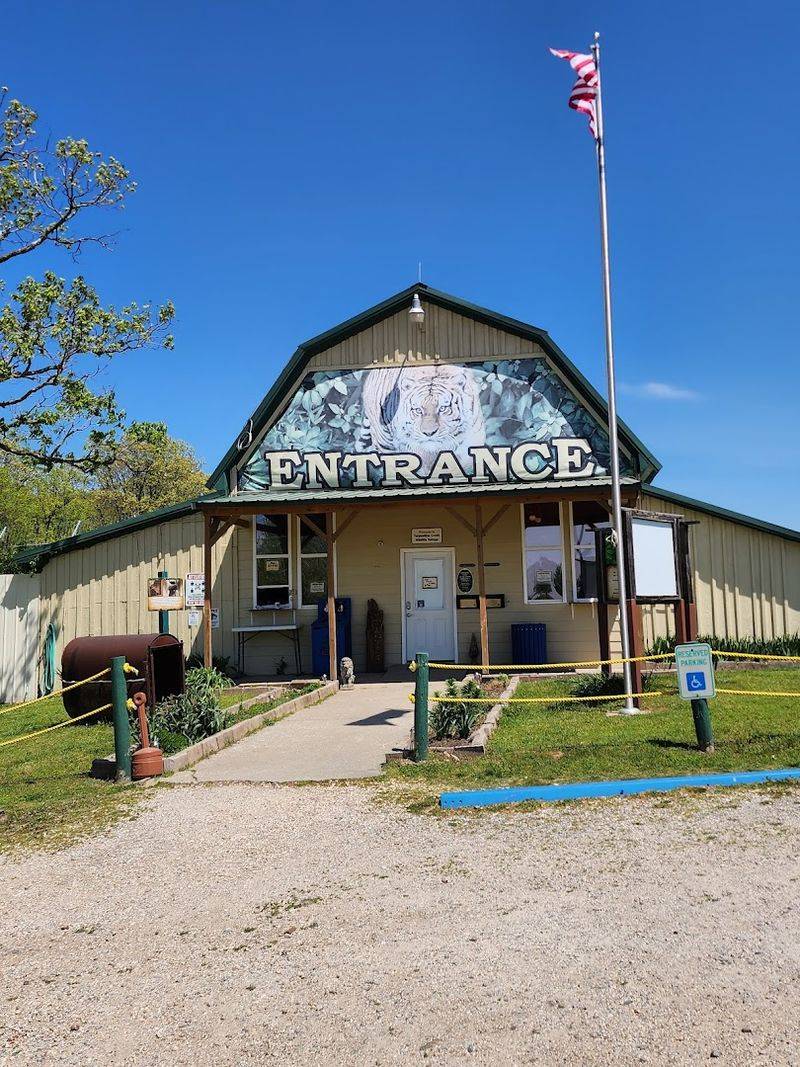
Turpentine Creek Wildlife Refuge near Eureka Springs is not your typical roadside attraction. It is a fully accredited big cat sanctuary that has been rescuing lions, tigers, leopards, and other large exotic cats since 1992.
The refuge sits on 459 acres in the Ozark Mountains and is home to more than 100 animals, most of which were rescued from illegal ownership situations, roadside zoos, or facilities that could no longer care for them properly.
Walking through the refuge with a guided tour gave me a completely different perspective on these animals. The guides are deeply knowledgeable and clearly passionate about the welfare of every resident, sharing each animal’s backstory and what makes their personality unique.
Seeing a 400-pound tiger up close while learning about its history is a genuinely moving experience.
The refuge is also an educational facility and works hard to raise awareness about the exotic animal trade and the challenges these animals face. Visitors can book overnight stays in cabins or tree houses right on the property, which means you can wake up to the sounds of lions calling in the early morning, which is an experience unlike anything else in Arkansas.
Turpentine Creek is a place that changes how you think about wildlife, conservation, and what it means to give animals a second chance.
Arkansas Museum Of Fine Arts, Little Rock
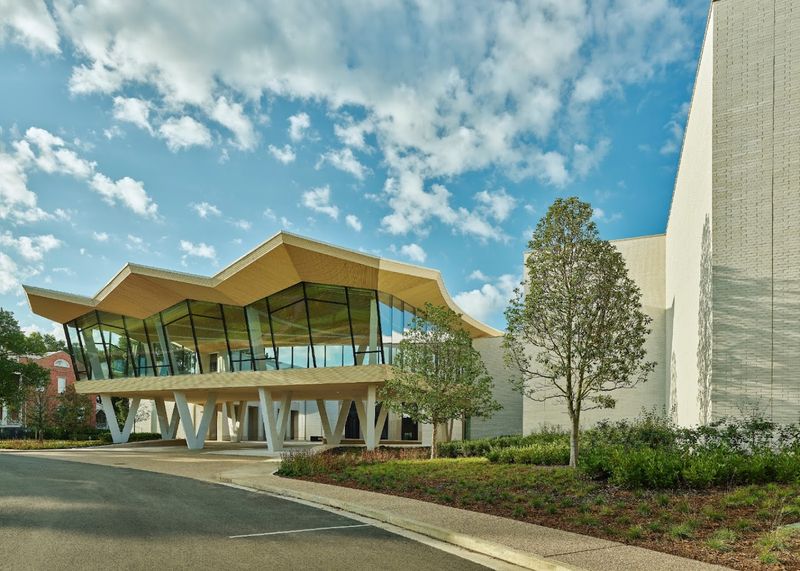
After a major transformation that took years of planning and construction, the Arkansas Museum of Fine Arts reopened in Little Rock in 2023 with a completely reimagined campus that has quickly become one of the city’s most talked-about destinations. The new building, designed by Studio Gang architects, is a striking piece of contemporary architecture that sits beautifully within MacArthur Park and feels like it belongs to both the city and the landscape at the same time.
The museum’s collection spans more than 14,000 works covering drawings, prints, craft, and design from around the world. The focus on works on paper is particularly strong and sets this institution apart from many regional art museums.
The galleries are thoughtfully organized and easy to navigate, with excellent lighting that lets you really spend time with individual pieces.
There is also an art school on-site that offers classes for all ages, a children’s theater, and a restaurant designed to be a destination on its own. The surrounding park has been redesigned as part of the museum’s expansion, creating beautiful outdoor spaces that invite visitors to linger before and after their gallery time.
Admission prices are reasonable, and the museum regularly offers free community days. For anyone spending time in Little Rock, this museum is an essential stop on any itinerary.
Little Rock Central High School National Historic Site, Little Rock
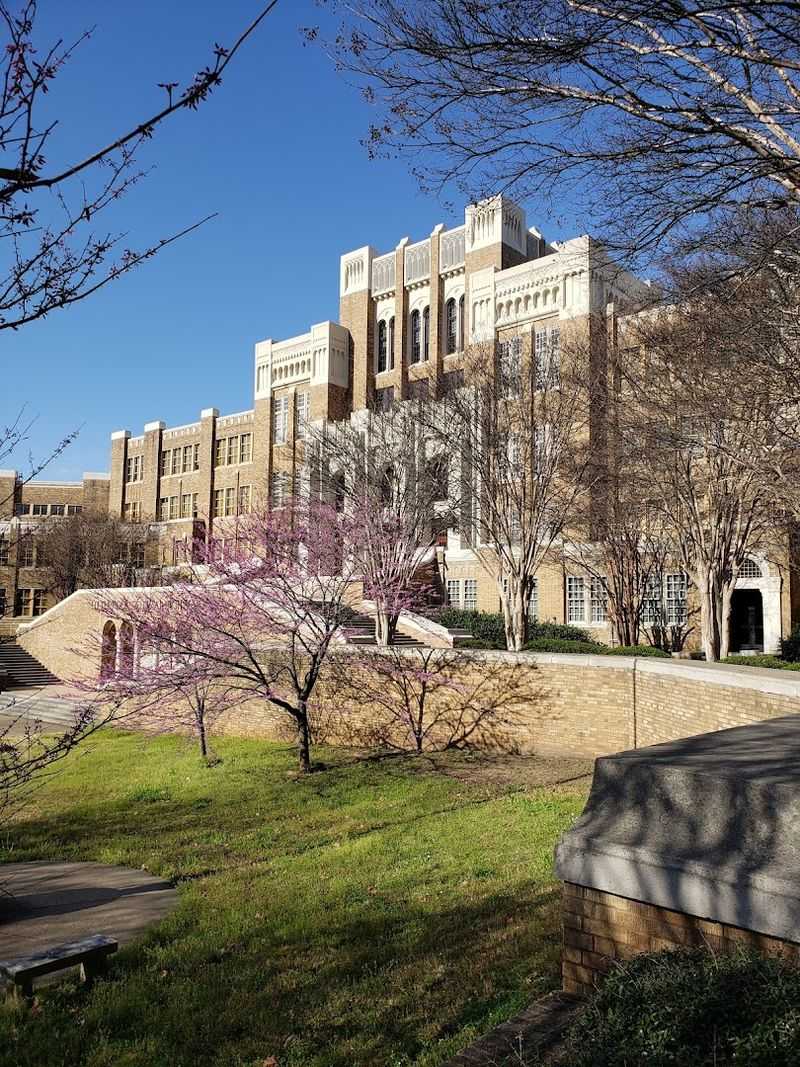
Some places carry the weight of history in a way that you feel the moment you arrive, and Little Rock Central High School is absolutely one of them. This National Historic Site commemorates the 1957 desegregation crisis when nine Black students, now known as the Little Rock Nine, bravely enrolled at the previously all-white school amid intense opposition.
Their courage helped shape the course of the American civil rights movement.
The visitor center across the street from the school is the best place to start. The exhibits there tell the full story of what happened in 1957 with remarkable depth and honesty, using photographs, recorded testimonies, and personal artifacts that make the history feel immediate and real rather than distant.
The building itself is still an active high school, which adds a layer of meaning to the entire visit.
Ranger-led tours are available and highly recommended because the stories shared bring the site to life in ways that printed text simply cannot. Visiting this place left me with a deep respect for the nine students who walked through those doors under extraordinary pressure and changed history in the process.
This is one of the most important historic sites in the entire country, and spending time here is both educational and genuinely inspiring for visitors of all ages.