
10 Breathtaking Natural Wonders In Utah That Prove This State Is Pure Magic
If Utah were a movie character, it would be the one that quietly steals the entire film. No effort. Just presence. Utah doesn’t feel real at times.
It feels built for imagination. Sandstone arches balance like they shouldn’t.
Canyons drop so deep the sky turns into a narrow strip above you. Entire landscapes look carved, not formed. Then everything shifts again. Strange rock spires.
Endless desert plains. Valleys that feel like they belong on another planet.
This is a place shaped by five massive geological regions colliding in one state. That’s why nothing looks the same for long.
Every turn of the road feels like a new world. Every stop feels bigger than you expected. And somehow, it all feels natural.
1. Arches National Park
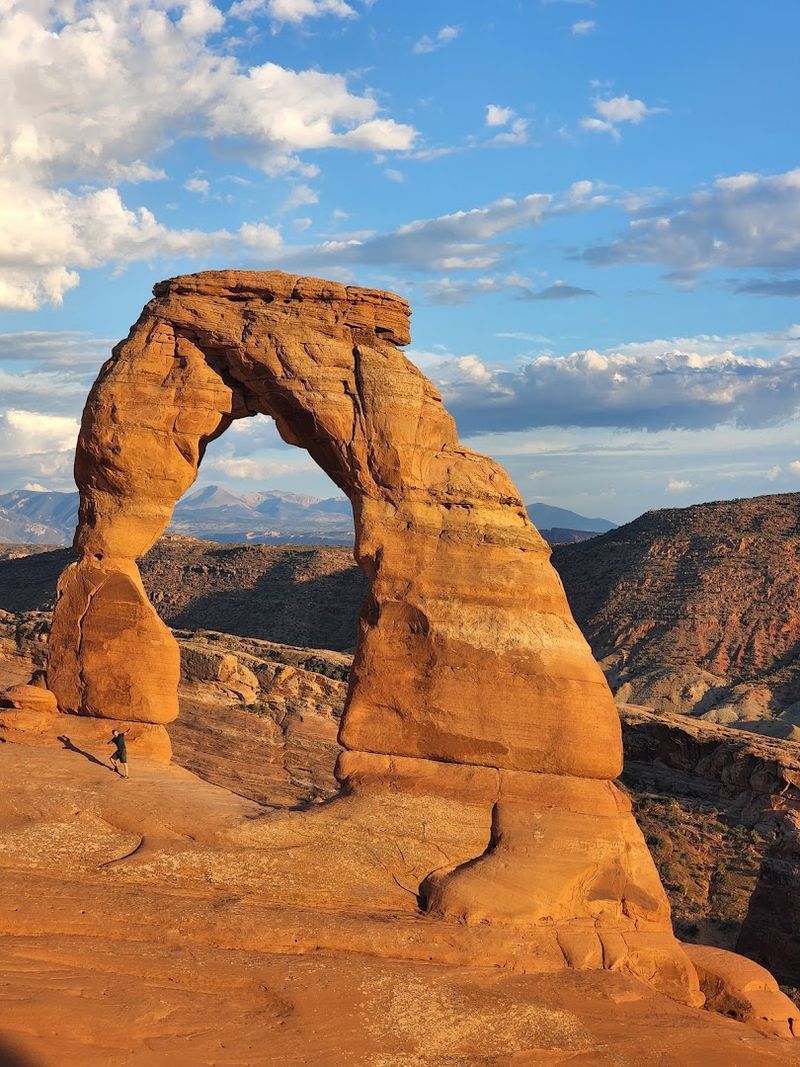
Standing beneath Delicate Arch for the first time feels like the earth decided to show off. Located near Moab, Utah, Arches National Park is home to over 2,000 natural stone arches, making it the densest concentration of arches on the planet.
That is not a typo. Over two thousand.
Delicate Arch itself stands 52 feet tall and is carved from Entrada Sandstone. Millions of years of wind, water, and freeze-thaw cycles sculpted these formations into something that looks almost too perfect to be real.
The arch is so iconic it lives on Utah license plates.
The hike to Delicate Arch is a 3-mile round trip with a 480-foot elevation gain. It is moderate in difficulty and completely worth every step.
Sunrise and sunset light the sandstone in shades of copper, amber, and deep red that no filter can improve.
Beyond Delicate Arch, Landscape Arch stretches an incredible 306 feet across, making it one of the longest natural arches in the world.
The park also offers stargazing opportunities that will genuinely take your breath away. Utah skies are no joke.
Arches is proof that nature has always been the greatest architect, and it never needed a blueprint to build something extraordinary.
2. Bryce Canyon National Park
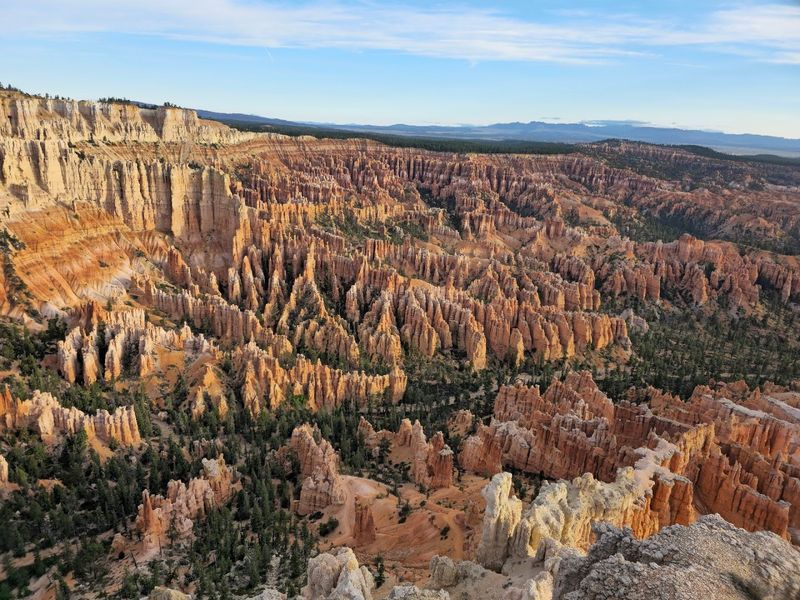
Bryce Canyon looks like someone took a paintbrush dipped in every shade of orange, red, and white, then went absolutely wild on a canyon wall. Located in Bryce, Utah, this park holds the largest collection of hoodoos in the entire world.
Hoodoos are those tall, skinny, mushroom-shaped rock spires that look like they belong in a fairy tale.
Here is the twist: Bryce Canyon is not actually a canyon. It is a series of natural amphitheaters carved into the eastern edge of the Paunsaugunt Plateau.
Frost weathering and stream erosion are the artists responsible for this masterpiece. The elevation ranges from 8,000 to 9,000 feet, which means the air is crisp and the views stretch for miles.
Winter brings a completely different kind of magic. Snow dusts the red and white limestone spires, creating a contrast so striking that photographers practically weep with joy.
The Navajo Loop Trail winds through the heart of the hoodoos and gives you an up-close look at formations that took millions of years to create.
Bryce Canyon also ranks among the best dark sky destinations in North America. On a clear night, the Milky Way arches directly over those ancient spires.
Nature does not repeat itself, and Bryce Canyon is the clearest proof of that statement.
3. Zion National Park
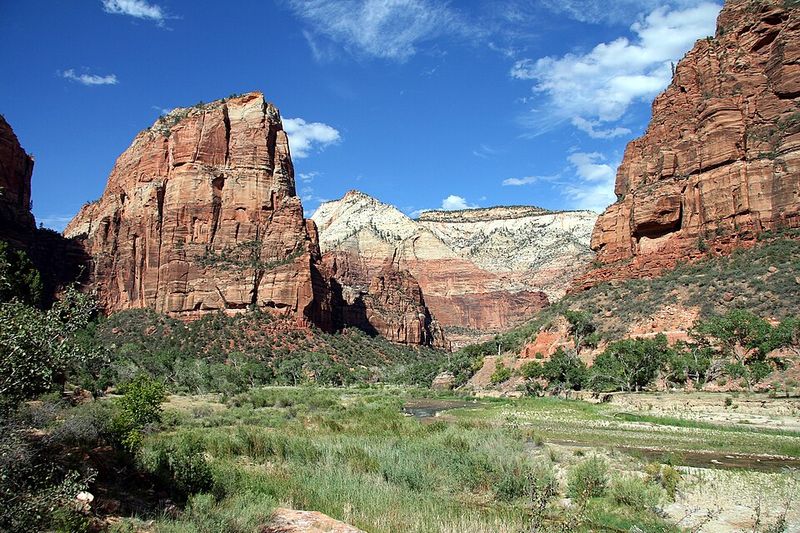
Zion Canyon has a way of making you feel wonderfully insignificant. Situated near Springdale, Utah, Zion National Park was Utah’s very first national park, established in 1919.
The Virgin River carved this canyon over millions of years, cutting through sandstone to create walls that rise up to 2,640 feet above the canyon floor.
Angels Landing is the park’s most famous hike, rising 1,488 feet above the river below. The final stretch involves gripping chains bolted into the rock face, and the payoff is a panoramic view that genuinely makes your heart race.
The Narrows is equally legendary: a slot canyon just 20 to 30 feet wide where you wade directly through the Virgin River between towering walls.
The park sits at the meeting point of the Colorado Plateau, Great Basin, and Mojave Desert. That geological intersection creates an extraordinary diversity of plants and animals.
Zion supports 289 bird species, 75 mammal species, and 32 reptile species within its boundaries.
The Zion-Mount Carmel Highway tunnels through solid rock and emerges into sweeping desert vistas that stop traffic in the best possible way.
Whether you are hiking, photographing, or simply sitting by the river listening to the water move, Zion has a rhythm that settles into your bones and stays there long after you leave.
4. Canyonlands National Park
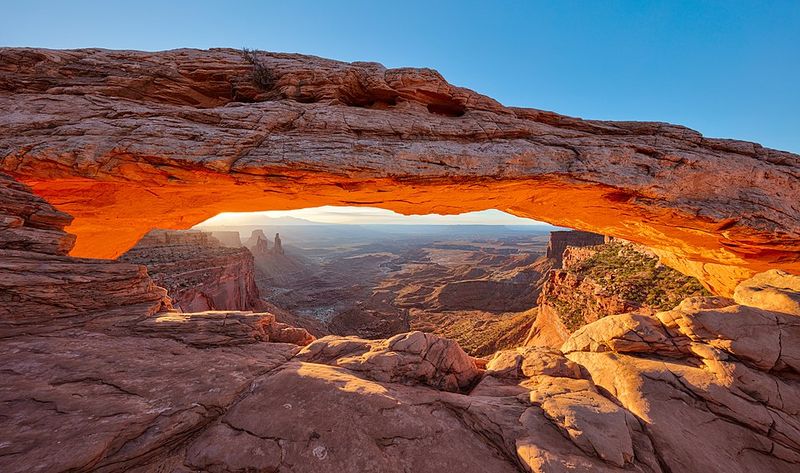
If Canyonlands were a soundtrack, it would be something epic and sweeping with drums that shake the ground.
Located near Moab, Utah, Canyonlands is the largest national park in Utah, covering over 337,000 acres of dramatic canyon country carved by the Colorado and Green Rivers.
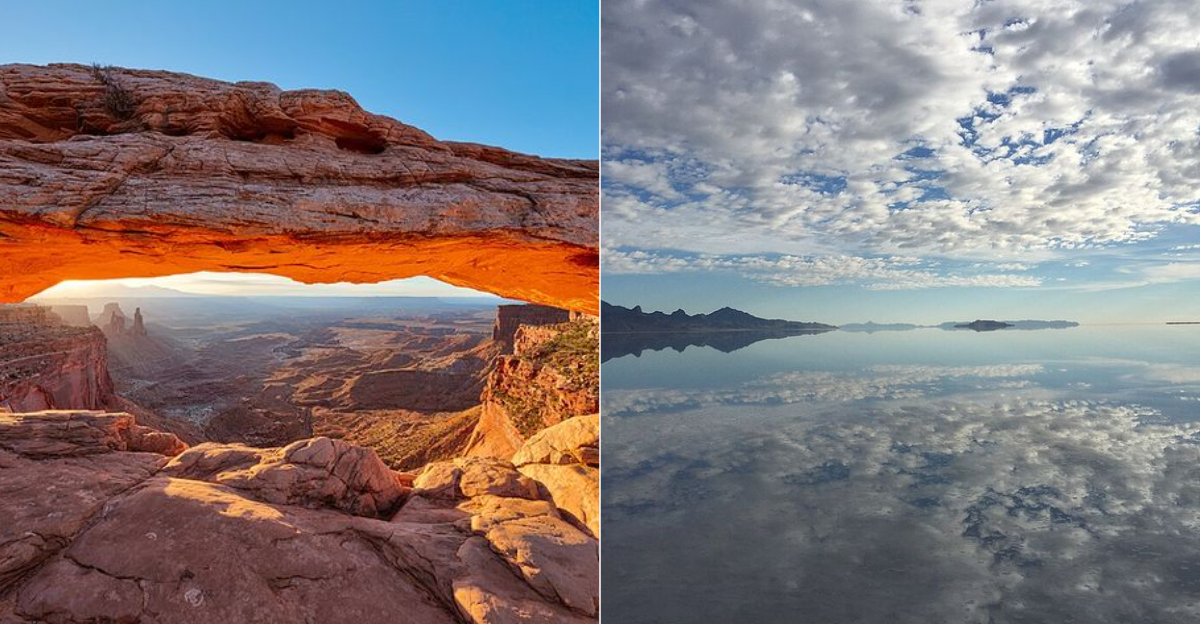
Mesa Arch is the park’s most photographed spot, and for good reason. Perched at the edge of a cliff on the Island in the Sky mesa, this arch frames a jaw-dropping view of canyons and the distant La Sal Mountains.
At sunrise, light reflects off the canyon walls beneath the arch in a glowing orange burst that photographers chase from all over the world.
The park is divided into four distinct districts: Island in the Sky, The Needles, The Maze, and the rivers themselves. Each district has its own personality and terrain.
The Maze is one of the most remote and challenging wilderness areas in the continental United States, not for the faint of heart.
Canyonlands also preserves ancient rock art left by Indigenous peoples thousands of years ago. These petroglyphs and pictographs tell stories that stretch back further than written history.
Standing at the edge of one of those canyon overlooks, you feel the full weight of geological time pressing gently against your chest. That feeling is irreplaceable.
5. Capitol Reef National Park
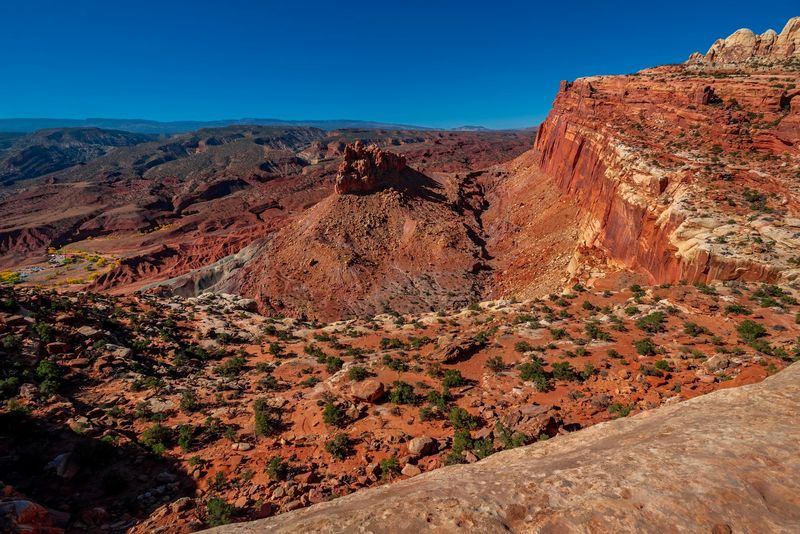
Capitol Reef is the underrated gem of Utah’s national park system, and honestly, it deserves way more attention than it gets. Tucked near Torrey, Utah, this park is defined by the Waterpocket Fold, a nearly 100-mile long geological wrinkle in the Earth’s crust formed 50 to 70 million years ago during the Laramide Orogeny.
The Waterpocket Fold is essentially a giant step-up in the rock layers where one side tilted steeply upward. Erosion along this fold created colorful cliffs, massive domes, soaring spires, twisting canyons, and graceful arches.
The name comes from small water-catching depressions eroded into the sandstone, which historically provided crucial water sources in this arid landscape.
The white sandstone domes resemble the U.S. Capitol building, which is how the park got its name.
The reef part refers to the rocky barrier the fold created for early travelers crossing the terrain. Capitol Reef also contains a historic pioneer orchard with fruit trees that visitors can actually pick from during harvest season.
Petroglyphs left by the Fremont people decorate canyon walls throughout the park, adding layers of human history to an already rich landscape.
Capitol Reef rewards those who slow down and actually look. Every canyon turn reveals something unexpected, and that sense of discovery never gets old.
6. Monument Valley Navajo Tribal Park
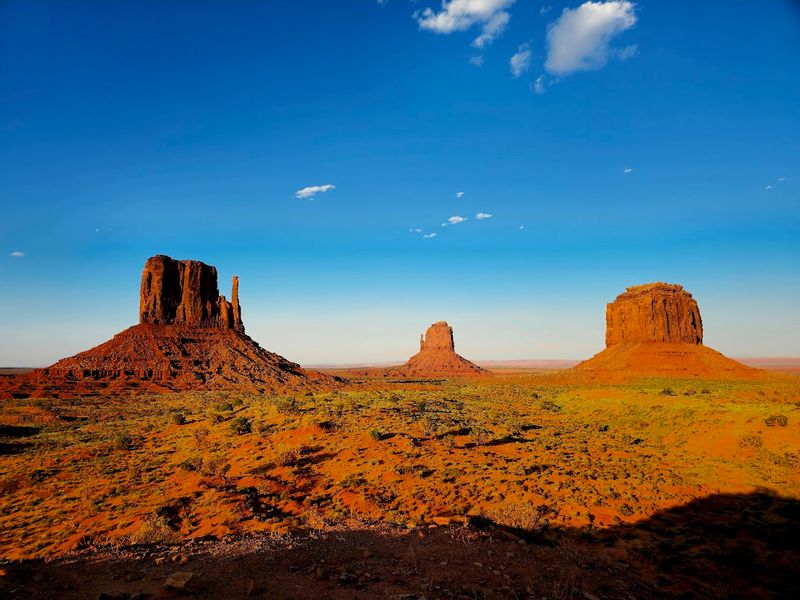
Monument Valley is the landscape your brain pictures when someone says “the American West.” Located in Oljato-Monument Valley, Utah, within the Navajo Nation, this park has been the backdrop for countless films and photographs since the 1930s.
Those towering sandstone buttes rising between 400 and 1,000 feet above the desert floor are burned into the collective imagination of an entire culture.
The Navajo name for this place is Tse Bii Ndzisgaii, meaning Valley of the Rocks. The buttes are remnants of ancient rock layers that once covered the entire region.
Wind, water, and time eroded everything around them, leaving these dramatic formations standing like sentinels over the desert.
The 17-mile scenic loop road winds through the valley floor, offering close-up views of formations with names like The Mittens, Merrick Butte, and the Three Sisters. The road is unpaved but accessible to most vehicles.
Sunrise and sunset transform the buttes into something almost supernatural, bathing them in deep reds and purples.
The park encompasses over 90,000 acres of sacred Navajo land. Visiting here carries a sense of cultural weight alongside the visual spectacle.
Monument Valley does not just look cinematic because movies were filmed here. It looks cinematic because it is genuinely one of the most visually powerful places on Earth.
7. Goblin Valley State Park
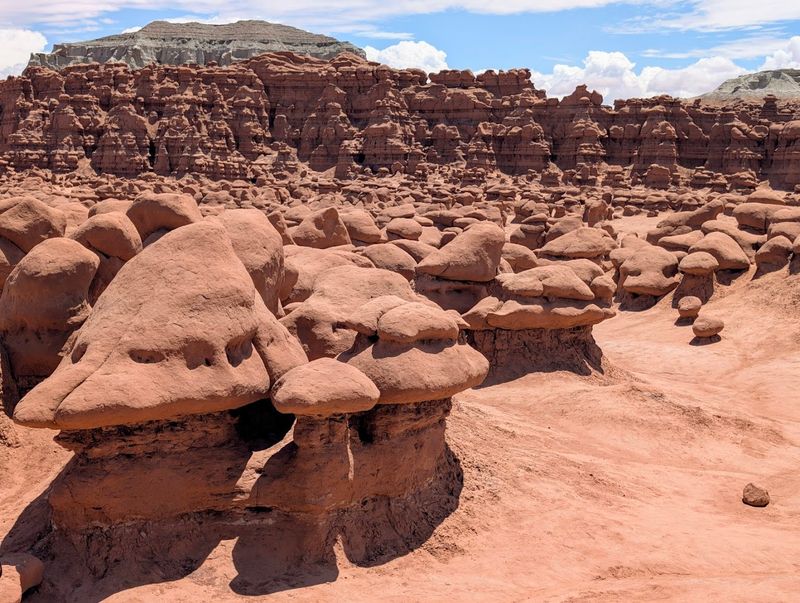
Goblin Valley is what happens when erosion has a sense of humor. Situated near Green River, Utah, this state park is filled with thousands of mushroom-shaped rock formations called goblins, and walking among them feels like wandering through a scene from a science fiction film.
The goblins are formed from Entrada Sandstone, where harder erosion-resistant rock caps softer sandstone beneath it.
Over time, the softer rock erodes away while the cap protects the column below, creating those unmistakable rounded, bulging shapes. No two goblins look exactly alike, which makes exploring the valley endlessly entertaining.
Designated a state park in 1964, Goblin Valley sits within the San Rafael Desert and covers about 3,654 acres. The valley floor is open for exploration, meaning visitors can wander freely between the formations rather than staying on a fixed trail.
That freedom to roam makes the experience feel genuinely adventurous.
At night, Goblin Valley transforms into something even more spectacular. The park holds certification as an International Dark Sky Park, and the star density overhead on a clear night is staggering.
The Milky Way stretches across the sky above thousands of alien-shaped rocks below. It is the kind of scene that makes you wonder whether Utah is actually on another planet entirely, and somehow that thought is completely welcome.
8. Dead Horse Point State Park
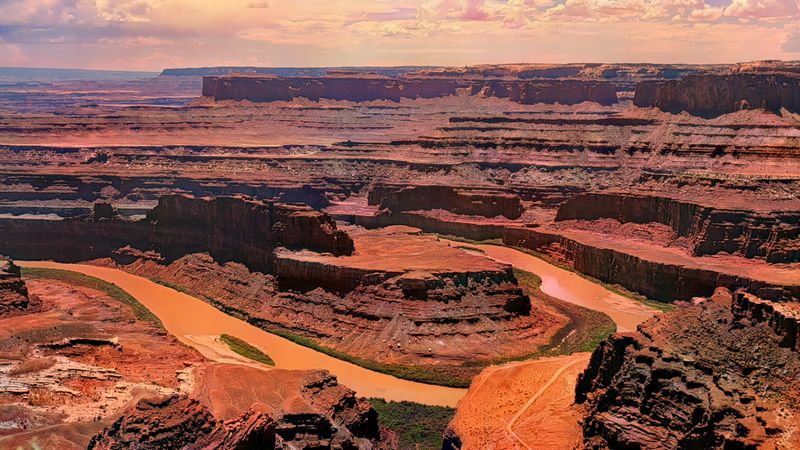
The name sounds ominous, but Dead Horse Point delivers one of the most breathtaking overlooks in the entire American Southwest. Located near Moab, Utah, this state park sits at the tip of a narrow mesa rising 2,000 feet above the Colorado River.
The view from the overlook is the kind that makes you grip the railing and just stare.
The story behind the name is genuinely wild. In the late 1800s, the narrow neck of the mesa was used as a natural corral for wild horses.
Cowboys would drive mustangs onto the point and block the entrance. According to legend, a group of horses was left stranded on the point and died of thirst within sight of the river far below.
The Colorado River loops around the base of the mesa in a horseshoe bend that stretches for miles. From the overlook, you can see the river, the canyon walls, and the distant mesas of Canyonlands all in one sweeping glance.
At sunrise, the canyon fills with golden light from the bottom up.
Dead Horse Point is also a certified International Dark Sky Park, and the nighttime views rival anything you will find at a major observatory.
Potash evaporation ponds visible from the overlook glow in vivid turquoise and blue, adding a surreal pop of color to the rust-red landscape below. Few places earn their dramatic reputation this completely.
9. Bonneville Salt Flats
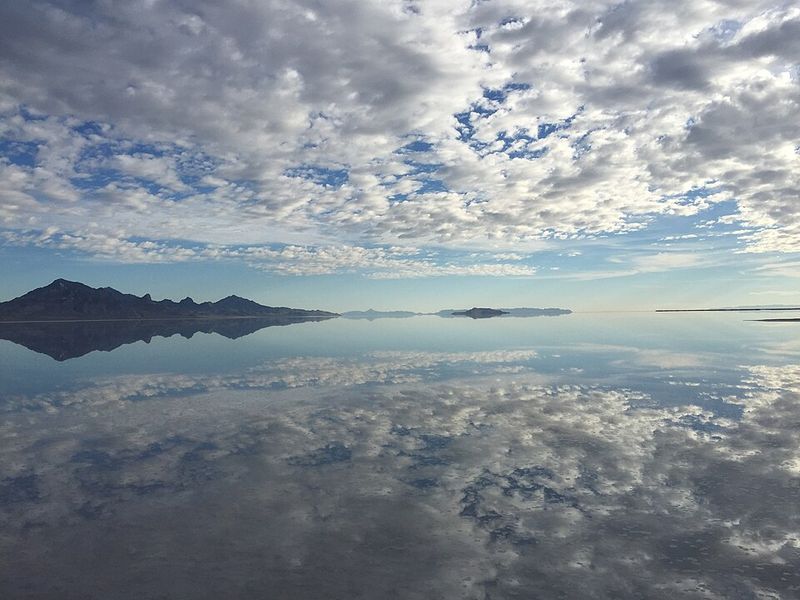
There is nothing quite like standing on the Bonneville Salt Flats and realizing the horizon is so perfectly flat and distant that you can actually see the curvature of the Earth.
Located near Wendover, Utah, this surreal landscape covers roughly 30,000 acres of blindingly white salt crust left behind by ancient Lake Bonneville, a massive prehistoric freshwater lake that dried up thousands of years ago.
The salt crust ranges from one inch to six feet thick depending on location. During dry conditions, the surface is hard and reflective.
After rainfall, a thin layer of water creates a mirror effect so perfect that the sky and the ground become indistinguishable from each other. Photographs taken here look like visual illusions.
The Flats are world-famous for land speed records. The hard, flat surface is ideal for racing, and vehicles have broken multiple world speed records here since the early 20th century.
The annual Speed Week event draws enthusiasts from around the globe to push the limits of what machines can do on an open stretch of earth.
Visiting outside of racing season gives you something rarer: absolute silence and absolute space. The emptiness is not lonely here.
It is liberating. Standing at the center of the Bonneville Salt Flats with nothing but white in every direction is one of those experiences that genuinely resets something inside you.
10. Coral Pink Sand Dunes State Park
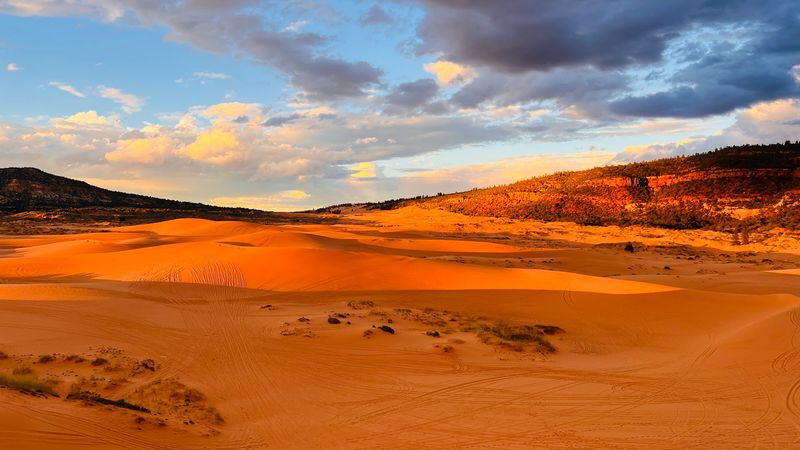
Most people do not expect to find sand dunes in Utah, let alone ones that are literally pink. Coral Pink Sand Dunes State Park, located near Kanab, Utah, is one of those places that makes you stop and genuinely question what you thought you knew about the American Southwest.
The dunes get their distinctive coral-pink color from the iron oxide in the surrounding Navajo Sandstone formations.
Wind funnels through a notch in the cliffs of the Vermilion Cliffs, picks up sand particles, and deposits them in this valley, continuously building and reshaping the dunes over time. The tallest dunes reach heights of up to 190 feet.
The park covers about 3,730 acres and offers a rare combination of desert beauty and tactile fun. Visitors can climb, roll down, and explore the dunes on foot.
The contrast between the warm pink sand and the deep blue Utah sky creates a color palette that feels almost artificial in its perfection.
Sunrise and sunset are the golden hours here, when the low light deepens the pink tones into something closer to rose and amber.
Wildlife including kangaroo rats, kit foxes, and tiger beetles make their home in and around the dunes. Coral Pink Sand Dunes is Utah in miniature: unexpected, vivid, and impossible to forget once you have seen it with your own eyes.