
12 Breathtaking Natural Wonders You Can Only See In Stunning Colorado
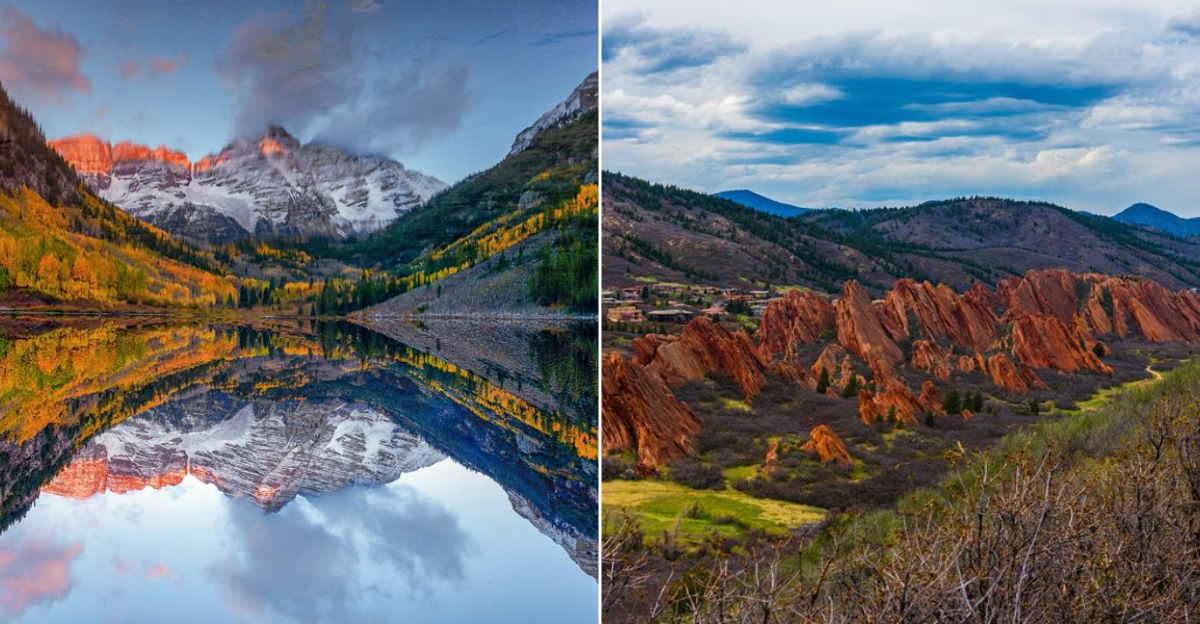
Some landscapes do not simply impress you, they stage a full theatrical performance the second you arrive. This wildly beautiful state has a talent for serving up scenes so dramatic they almost feel invented, with rolling giants, carved stone corridors, and wind shaped wonders that seem to belong in a fantasy novel instead of real life.
Colorado makes ordinary weekend plans feel instantly epic, whether you are piling into the car with family, chasing a little wonder on your own, or hunting for that rare view that resets your whole brain. The magic is in the variety.
One stop can feel ancient and otherworldly, while the next feels playful, surreal, and almost too striking to process in one glance.
For anyone craving adventure without the hassle of crossing borders, Colorado’s natural showstoppers prove that unforgettable beauty can be bold, accessible, and packed into one spectacular state for curious travelers everywhere today.
1. Great Sand Dunes National Park and Preserve
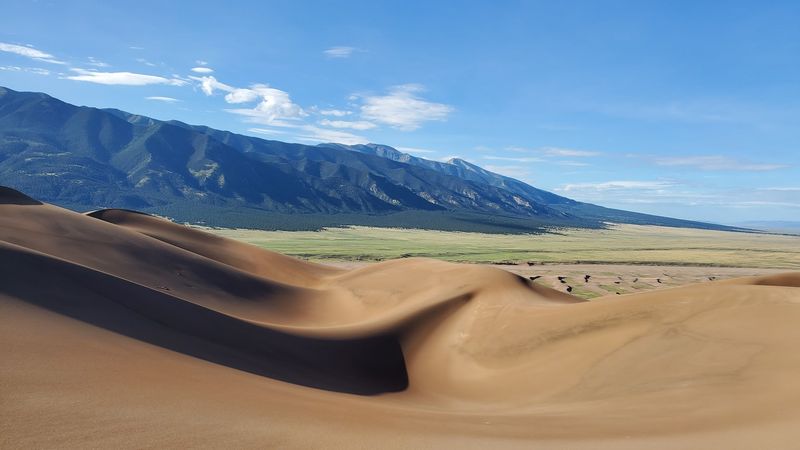
Standing at the base of the Great Sand Dunes, you half-expect a camel to wander past the horizon. These are the tallest dunes in North America, rising over 750 feet from the floor of the San Luis Valley, and nothing quite prepares you for the sheer scale of the thing.
The dunes sit in a strange, beautiful contradiction — surrounded by mountains and grasslands, they feel like a geographical prank pulled off by nature with tremendous confidence. Medano Creek runs along the eastern edge of the dune field in spring and early summer, giving families a shallow, sandy stream to splash through before tackling the climb.
The park is open year-round, which means you can visit in winter when the dunes are dusted with snow for an almost surreal landscape. Early mornings offer the best light and cooler sand temperatures for barefoot trekking.
Bring plenty of water, sunscreen, and sand sleds if you want to make the descent genuinely memorable. Few places in Colorado reward the effort of simply showing up quite as generously as this one does.
2. Black Canyon of the Gunnison National Park
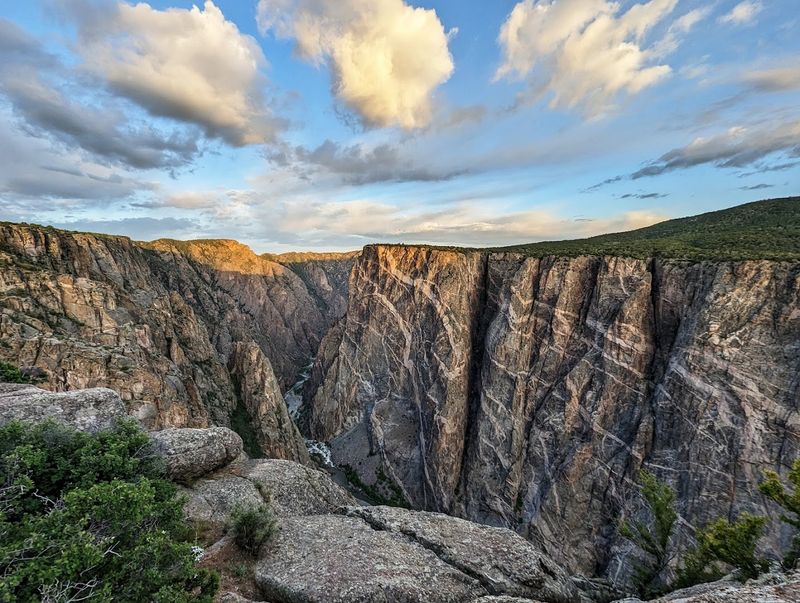
There are canyons, and then there is the Black Canyon of the Gunnison — a place so steep and shadow-filled that parts of it receive less than 33 minutes of sunlight per day. That detail alone should tell you something about the personality of this place.
The Painted Wall, Colorado’s tallest cliff face at over 2,250 feet, looms over the canyon with pale pegmatite streaks cutting through dark schist like brushstrokes on a geology textbook. Standing at one of the South Rim overlooks and peering down to the silver thread of the Gunnison River far below is the kind of experience that recalibrates your sense of scale entirely.
The park stays open year-round, though winter access on the North Rim road closes seasonally. South Rim Drive offers twelve overlooks that each frame the canyon differently, so even a single visit feels layered with new perspectives.
Sunrise and sunset light transforms the dark walls into something almost amber and alive. This is a park that rewards patience and punishes rushing — slow down, linger at the edge, and let it sink in properly.
3. Maroon Bells
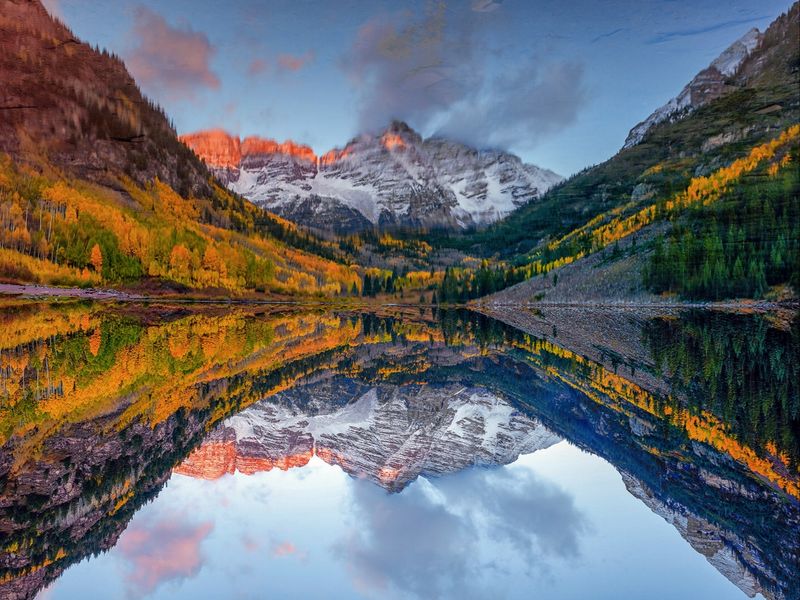
If Colorado had a postcard it sent to every other state just to make them feel a little envious, it would feature the Maroon Bells. These twin 14,000-foot peaks near Aspen are almost aggressively beautiful — the kind of scene that makes photographers question whether they’ve accidentally wandered into a screensaver.
The reflection of the Bells in Maroon Lake on a calm morning is one of those images that looks digitally enhanced until you’re actually standing in front of it. Autumn turns the surrounding aspen groves into a blaze of gold and orange, making the already dramatic scene feel genuinely cinematic.
Access requires reservations during the main season, typically from late June through mid-October, when a shuttle system runs from Aspen Highlands. Planning ahead is essential — this is not a place where showing up unannounced works reliably.
Early morning visits reward you with calmer light, fewer crowds, and the best chance at a mirror-flat reflection on the lake. The Maroon Bells-Snowmass Wilderness surrounding the peaks offers serious hiking for those who want more than the shoreline view.
Few mountain scenes in America hit quite this hard.
4. Garden of the Gods
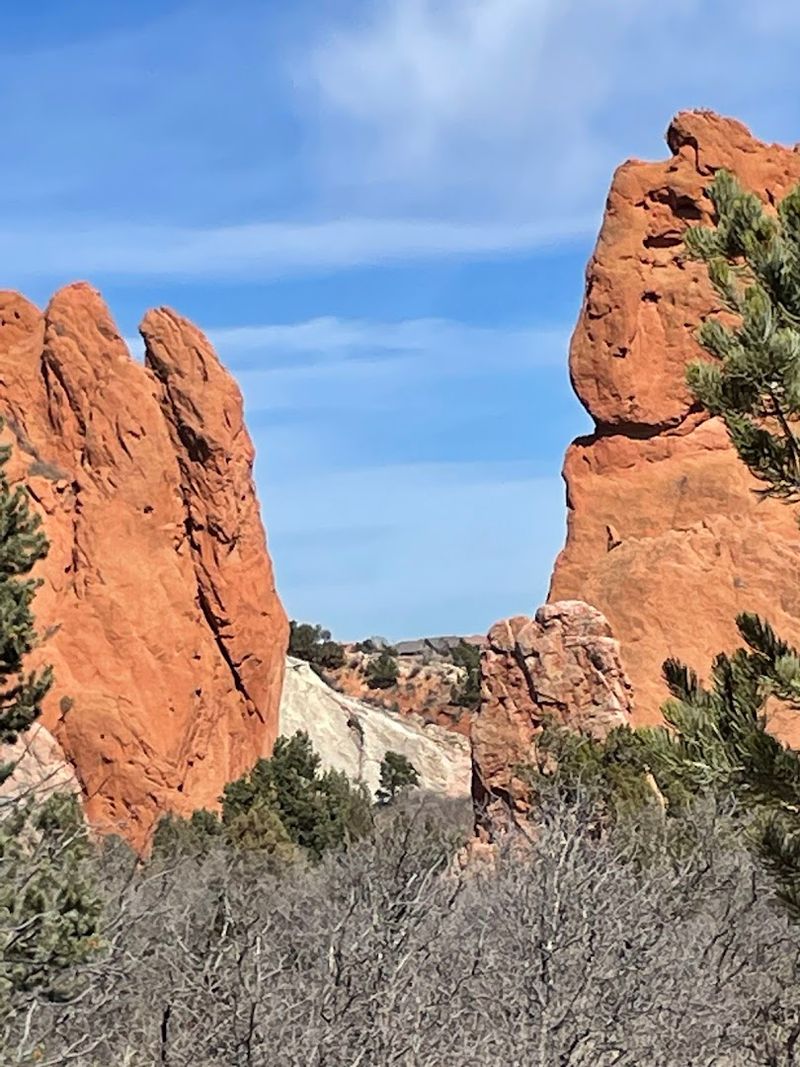
The name Garden of the Gods sounds like something a mythology professor invented on a dramatic afternoon, but standing among these 300-foot sandstone fins, the title feels entirely earned. These formations were created over millions of years, and they carry themselves with the quiet authority of something that has absolutely nothing to prove.
Located in Colorado Springs, the park offers free public access every single day, which makes it one of the most generous natural wonders on this list. Paved and unpaved trails wind between the formations, with Pikes Peak framing the background in a way that turns every casual snapshot into a composed landscape photograph.
The visitor center provides geological context and maps, and it’s worth a short stop before heading out on the trails. Early mornings on weekdays tend to offer the most peaceful experience, though the park handles crowds gracefully given its size and trail variety.
Rock climbers with proper permits enjoy the formations from a completely different angle. Whether you’re walking the Central Garden Trail for a leisurely hour or pushing further into the backcountry, Garden of the Gods delivers consistent, reliable wonder without asking for a reservation or an entry fee.
5. Colorado National Monument
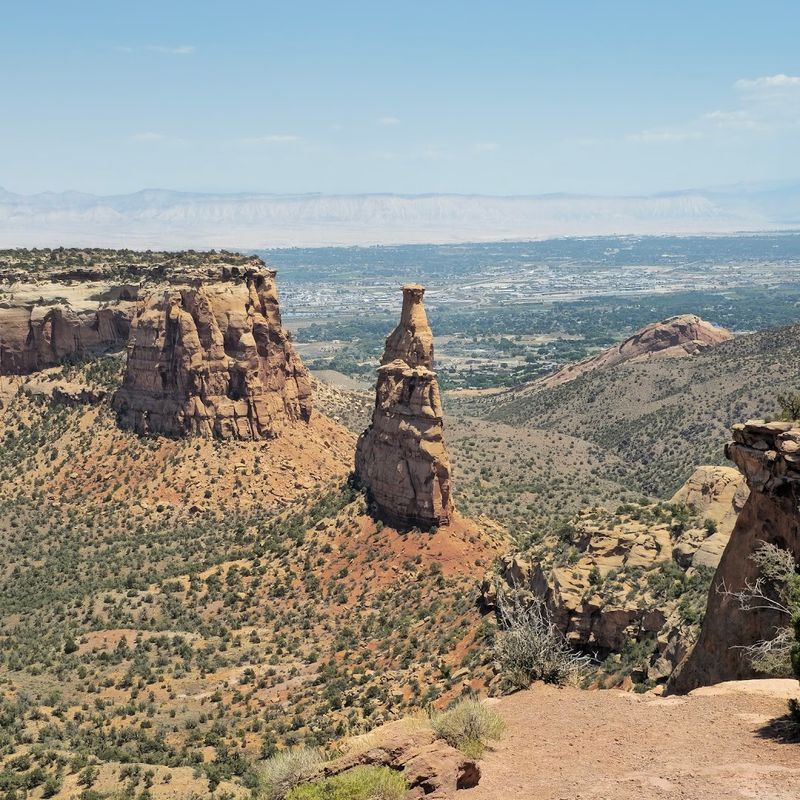
Colorado National Monument has the energy of a place that knows it’s spectacular but hasn’t quite gotten around to telling everyone. Tucked near Grand Junction in the western part of the state, it sits in the shadow of more famous parks while quietly offering some of the most striking red-rock scenery in the American West.
Rim Rock Drive is the spine of the experience — a 23-mile road that threads along canyon rims and past monoliths with names like Independence Monument and the Coke Ovens. The scale of these formations hits differently from a car window than from a trailhead, and the drive itself qualifies as a legitimate attraction.
The park is open year-round, and the lack of mega-crowds that sometimes overwhelm Utah’s red-rock parks makes Colorado National Monument feel like a well-kept regional secret. Hiking trails descend into the canyons for closer looks at the geology, and the Monument Canyon Trail to Independence Monument is a particular standout.
Sunsets along Rim Rock Drive turn the canyon walls a deep rust and amber that photographers chase specifically. If your western road trip skips this one, you’ll spend the drive home quietly regretting it.
6. Hanging Lake
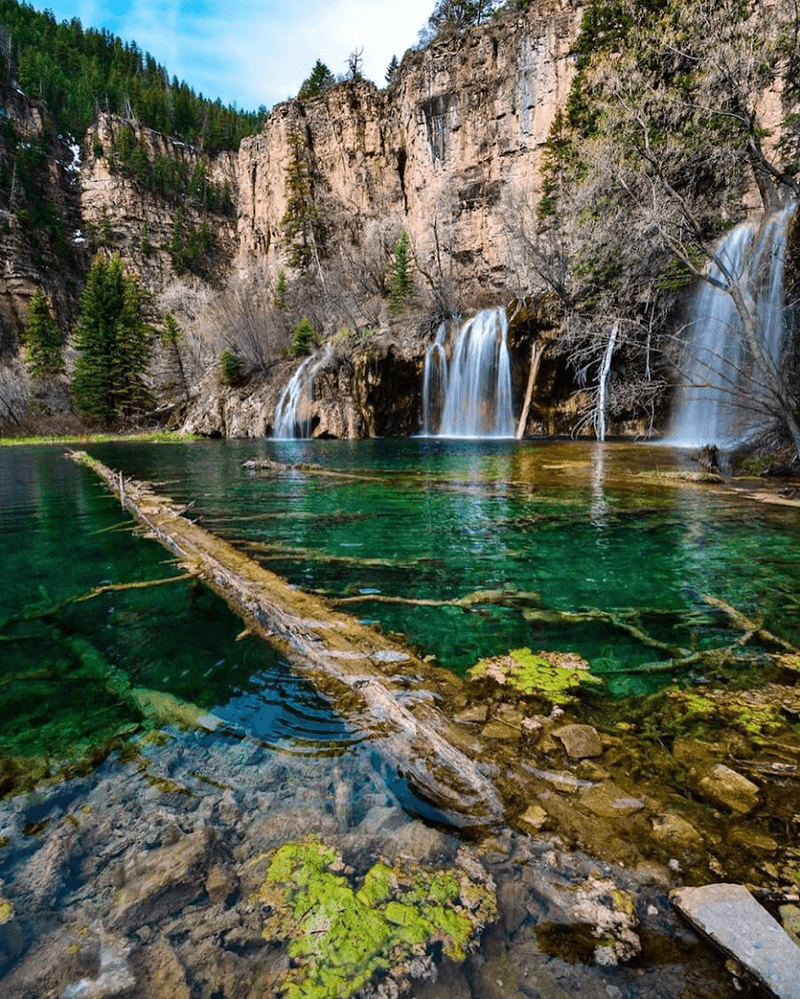
Hanging Lake defies the basic logic of where lakes are supposed to be. Perched on a ledge partway up the walls of Glenwood Canyon, fed by waterfalls that tumble over travertine deposits, it looks less like a natural feature and more like something a set designer built for a fantasy film on a generous budget.
The water is an almost unreal shade of turquoise, colored by dissolved minerals, and the surrounding vegetation clings to the canyon walls with a lushness that feels out of place against the surrounding high desert. Getting here requires a permit — the site uses a reservation system to protect the fragile ecosystem, and walk-up access is not available during peak season.
The trail is roughly 2.4 miles round trip with about 1,000 feet of elevation gain, which is more of a genuine workout than a casual stroll. Log footbridges over the lake are built to keep foot traffic off the fragile travertine formations, so the view from them is the primary reward.
Plan the permit booking well in advance, especially for summer and fall visits. The effort and logistics are completely justified — Hanging Lake is one of the most visually distinctive natural sites in Colorado, full stop.
7. Roxborough State Park
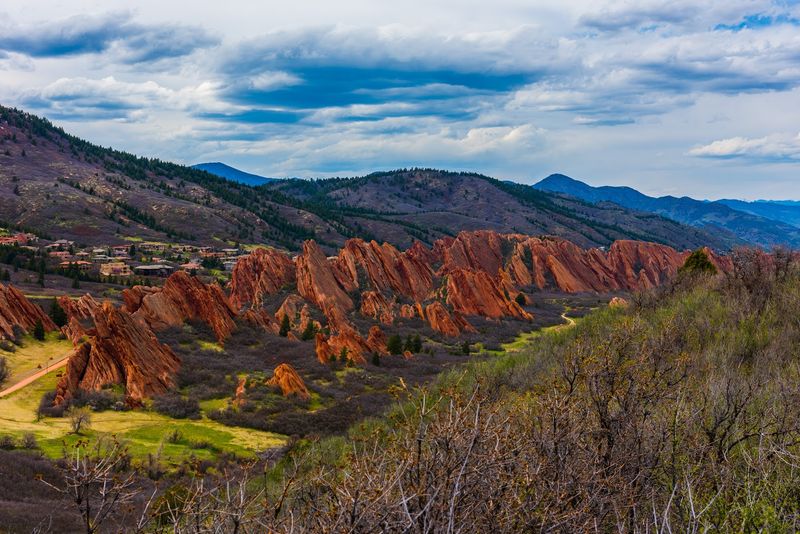
Roxborough State Park operates like a quieter, slightly more personal version of Garden of the Gods — less famous, no entry fee waiver, but equally dramatic in the way its tilted red-rock formations burst from the earth at improbable angles. Located about 30 miles south of Denver, it carries the casual accessibility of a Front Range day trip with the visual payoff of something much further afield.
The Fountain Valley Trail loops through the heart of the formations and gives walkers a close-up relationship with the geology that drive-through parks simply cannot match. Mule deer move through the meadows with comfortable regularity, and the birdwatching here is genuinely rewarding for those who pay attention.
The park is open daily with posted hours, and a small visitor center near the entrance provides trail maps and natural history context. Because it sits within a Colorado State Park, dogs are not permitted on the trails — a detail worth knowing before loading up the car.
Morning visits tend to catch the red rocks in the warmest, most saturated light. Roxborough is the kind of place that Front Range locals treat as their reliable, low-maintenance answer to anyone who asks where to spend a spare Sunday afternoon well.
8. Paint Mines Interpretive Park
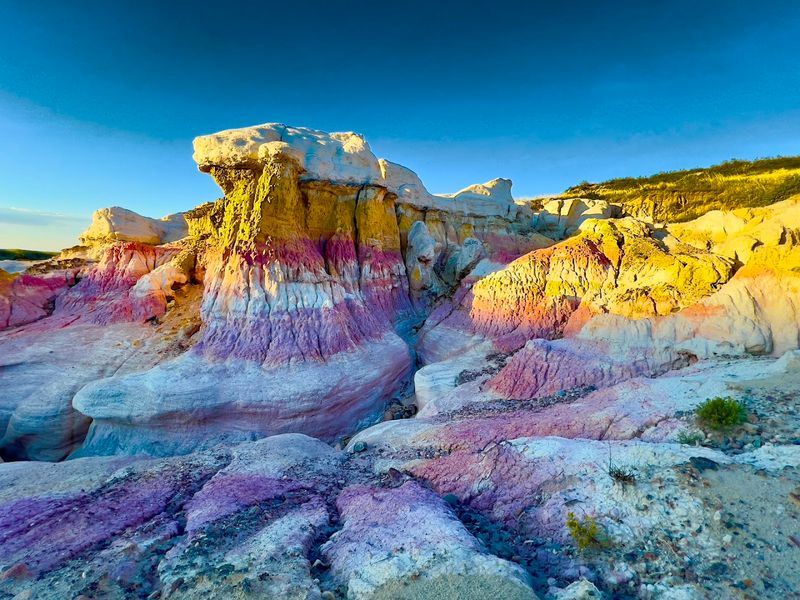
Driving across the flat eastern plains of Colorado toward Calhan, nothing in the surrounding landscape hints at what is waiting at Paint Mines Interpretive Park. Then the ground simply opens up into a gulch filled with pink, orange, purple, and white clay formations that look like they belong on a different planet entirely.
These hoodoos and banded clay walls were shaped by millions of years of erosion, and the color comes from iron and other mineral deposits in the clay. The site has been used by humans for thousands of years — the pigment-rich clay was historically used by Indigenous peoples for pottery and body paint, which gives the landscape a layered significance beyond its visual drama.
The park is free, open year-round from dawn to dusk, and managed by El Paso County. Trails are relatively flat and easy to navigate, making it a genuinely accessible option for families with younger kids.
The formations are fragile, so staying on designated paths matters here more than at some other parks. Visiting after rain can intensify the colors dramatically, turning the already vivid landscape into something almost fluorescent.
For a natural wonder that most people have never heard of, Paint Mines punches well above its weight class.
9. Rifle Falls State Park
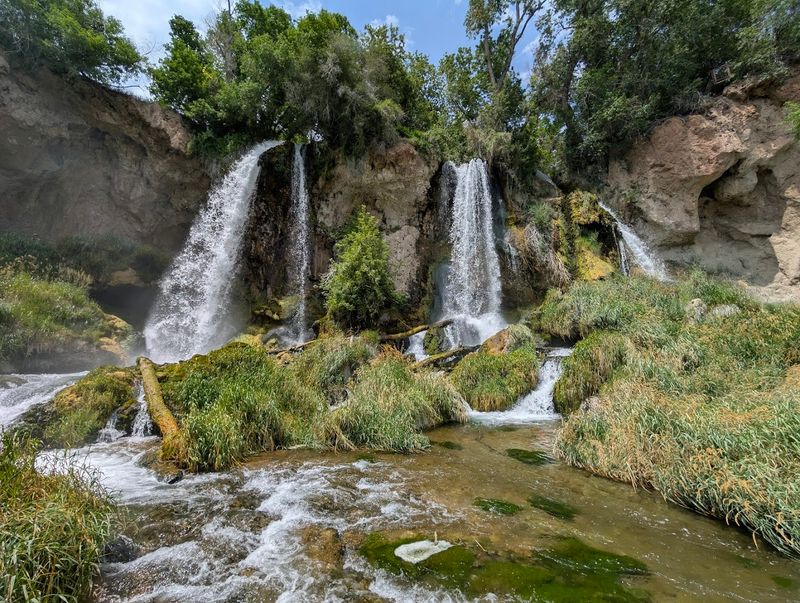
Most Colorado scenery leans hard into red rock, high alpine drama, or wide-open plains. Rifle Falls State Park does none of those things, which is precisely what makes it so disarming.
A triple waterfall drops about 70 feet over a moss-covered limestone cliff into a cool, green pool below, and the surrounding vegetation is so lush it genuinely feels like a different climate zone.
The falls are fed by East Rifle Creek, and the limestone formations around the base include small caves that are accessible on foot. The whole scene has an almost tropical energy that surprises visitors expecting standard Colorado high-desert aesthetics.
It is a legitimately unexpected pocket of the state.
The park lists daily hours and requires a Colorado State Parks pass or daily fee for entry. The main trail to the falls is short and easy, making this a strong option for families with young children or anyone who wants maximum visual payoff for minimal hiking effort.
Weekday visits in late spring or early summer, when the water flow is strongest, tend to be the most rewarding. Camping is available within the park for those who want to extend the stay.
Rifle Falls earns its place on this list by simply being unlike anything else in Colorado.
10. Florissant Fossil Beds National Monument
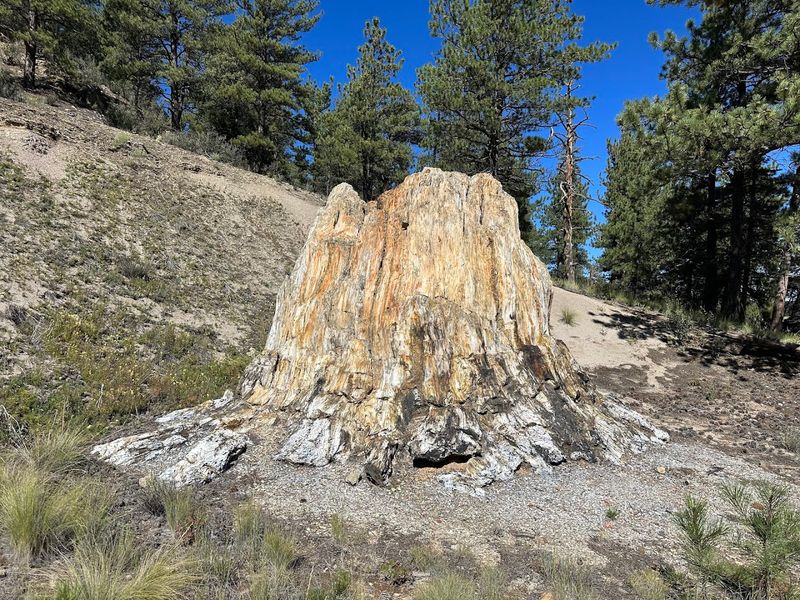
Thirty-four million years ago, a volcanic eruption buried a thriving forest and lake ecosystem in ash, and what remained became one of the most fossil-rich sites in the world. Florissant Fossil Beds National Monument, tucked in the mountains west of Colorado Springs, preserves that ancient moment with an almost startling intimacy.
The petrified redwood stumps are the headline attraction — some stand over ten feet tall and fifteen feet wide, and walking up to one and placing your hand on its surface creates a genuinely strange connection to deep geological time. The shale layers here have yielded over 1,700 species of fossils, including insects, plants, and fish, making this a site of serious scientific significance rather than just scenic interest.
The monument is active with current hours and conditions posted by the National Park Service. Paved and unpaved trails wind through the site, with the Petrified Forest Loop being the most direct route to the major stumps.
The visitor center houses fossil displays that add crucial context to what you see outdoors. Unlike some natural wonders that reward only the physically fit, Florissant is accessible and unhurried.
It rewards curiosity above all else, and it leaves most visitors quietly astonished at what the earth quietly holds.
11. Dinosaur National Monument
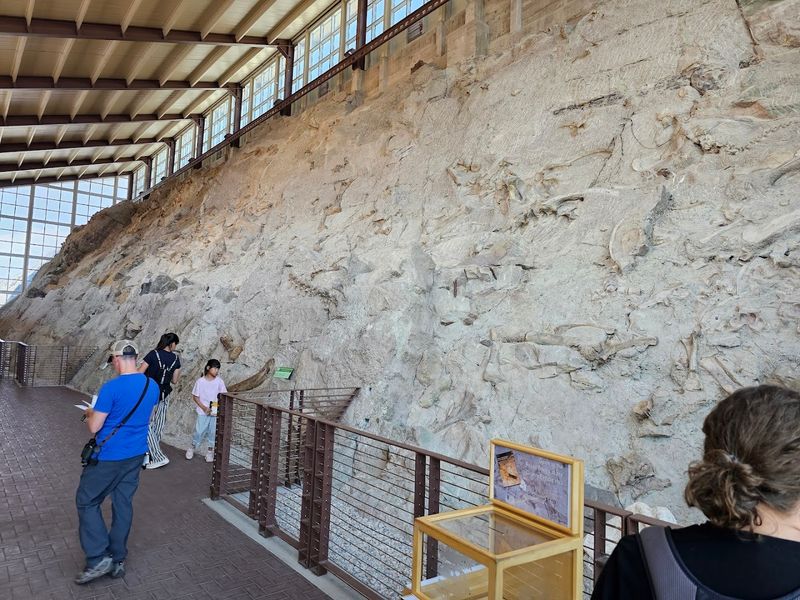
The name Dinosaur National Monument sets expectations high, and the place meets them with the confidence of somewhere that has been delivering on its promise since 1915. Colorado’s portion of the monument gives you dramatic canyon country carved by the Green and Yampa rivers, combined with one of the most famous fossil landscapes anywhere in the region.
The Quarry Exhibit Hall on the Utah side of the monument — accessible from the Colorado entrance — shelters an exposed cliff face containing over 1,500 dinosaur bones still embedded in the rock, exactly where they were found. It is the kind of exhibit that makes children go completely silent for a few seconds before the questions start arriving in rapid succession.
Canyon country on the Colorado side offers hiking, river access, and scenic drives that feel genuinely remote without requiring serious backcountry preparation. The monument is active with current conditions posted, and the drive out to Dinosaur from the Front Range is itself a journey through increasingly wild and open western Colorado landscape.
River trips along the Yampa and Green are available for those wanting a more immersive experience. This is a monument that works equally well as a geology lesson, a family adventure, and a reminder of how old and strange the world truly is.
12. Zapata Falls
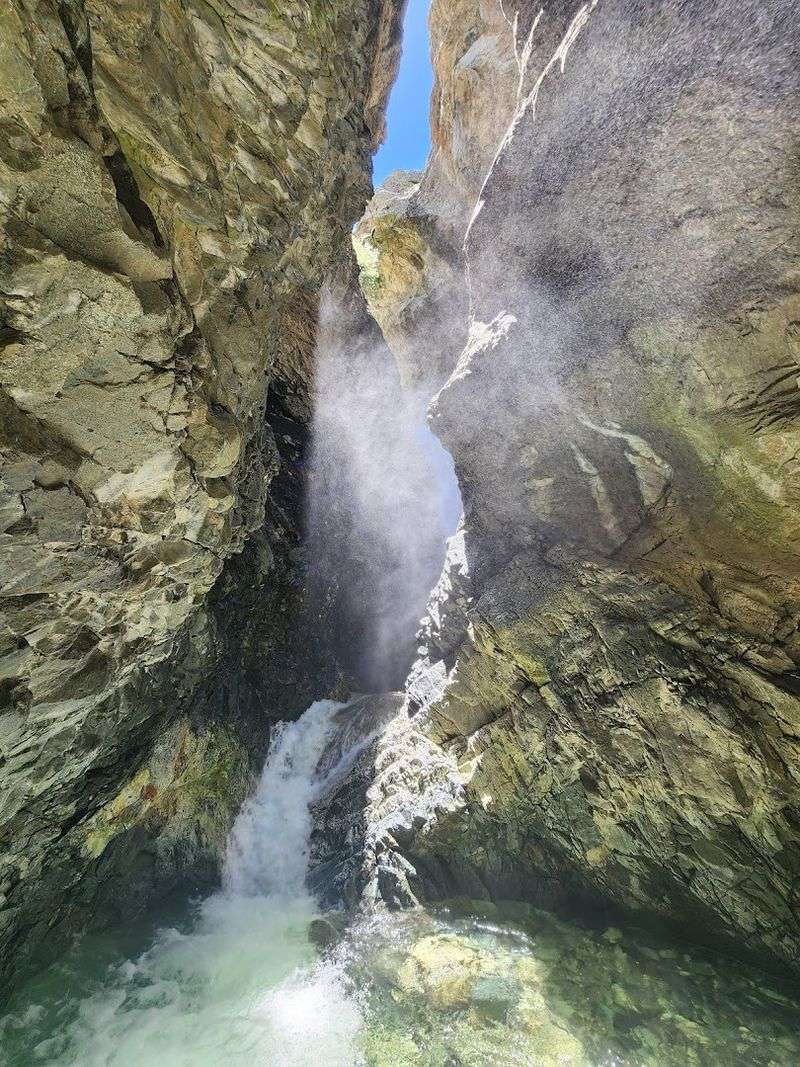
Zapata Falls keeps a low profile for something genuinely spectacular. Located just a few miles from the Great Sand Dunes, it sits off a short but rocky trail that ends at a narrow slot in the cliff face — and inside that slot, a 30-foot waterfall crashes through the darkness with surprising force and volume.
Reaching the falls requires wading through a shallow, ice-cold stream that runs through the canyon entrance, which adds a small physical commitment to the visit. That minor obstacle is part of the appeal — it keeps the experience from feeling passive, and the payoff of stepping into the cool, shadowed cave and seeing the falls up close is disproportionately rewarding for the effort involved.
The Bureau of Land Management describes the surrounding recreation area as a year-round destination, and the short approach trail offers wide views of the San Luis Valley and the Sangre de Cristo Range that are worth pausing for on the way back down. Combining Zapata Falls with a visit to the Great Sand Dunes on the same day makes for one of the most varied and satisfying natural double-headers in the state.
Wear shoes you don’t mind getting wet, and bring a light jacket for the cave — the temperature drop inside is immediate and noticeable.