
15 Breathtaking Sacred Sites To Explore In South Carolina This Summer
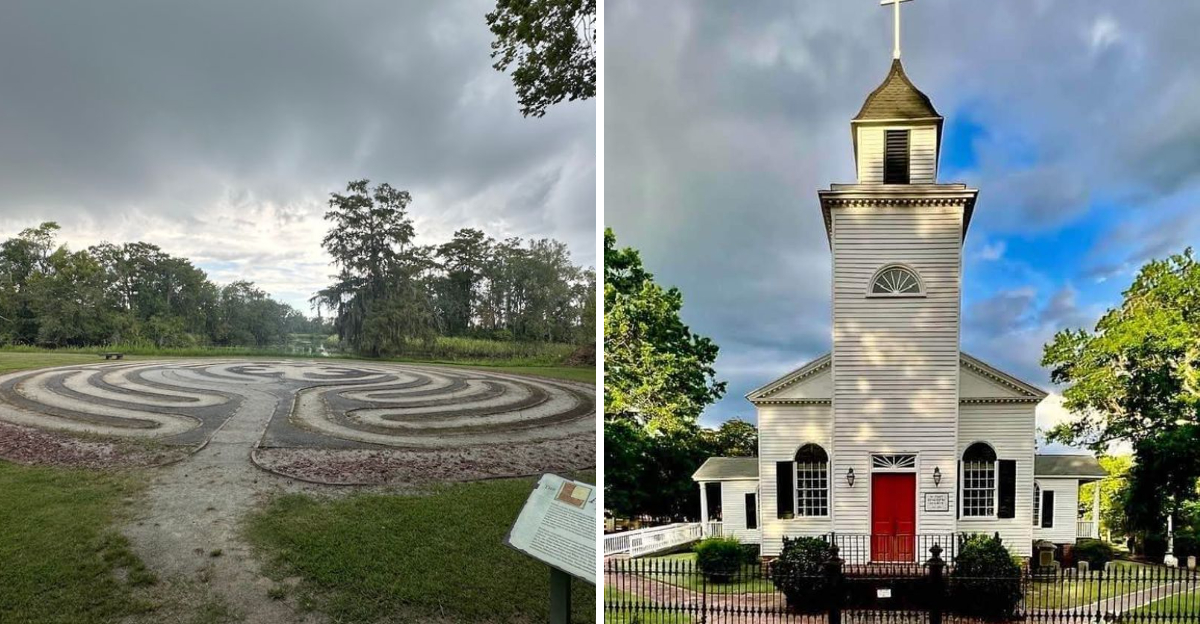
South Carolina is known for its beaches and charming small towns.
Some of its most unforgettable places are the quietest ones of all.
Step through the gates of a centuries-old church, wander beneath towering live oaks draped in Spanish moss, or pause in a peaceful abbey garden where the only sound is birdsong carried on the breeze. These are not just beautiful places to visit.
They are places that invite you to slow down, reflect, and connect with the rich history that shaped the Palmetto State.
That is what makes this journey so rewarding.
Scattered across South Carolina are remarkable sacred sites that blend breathtaking architecture, natural beauty, and centuries of history into unforgettable experiences. Some have welcomed worshippers for generations.
Others have become treasured landmarks for travelers seeking peace, beauty, and a deeper understanding of the state’s past.
Whether you come for the history, the architecture, or the quiet atmosphere, these South Carolina sacred sites prove that some of the state’s greatest treasures are found in places where silence says the most.
1. St. Philip’s Church, Charleston
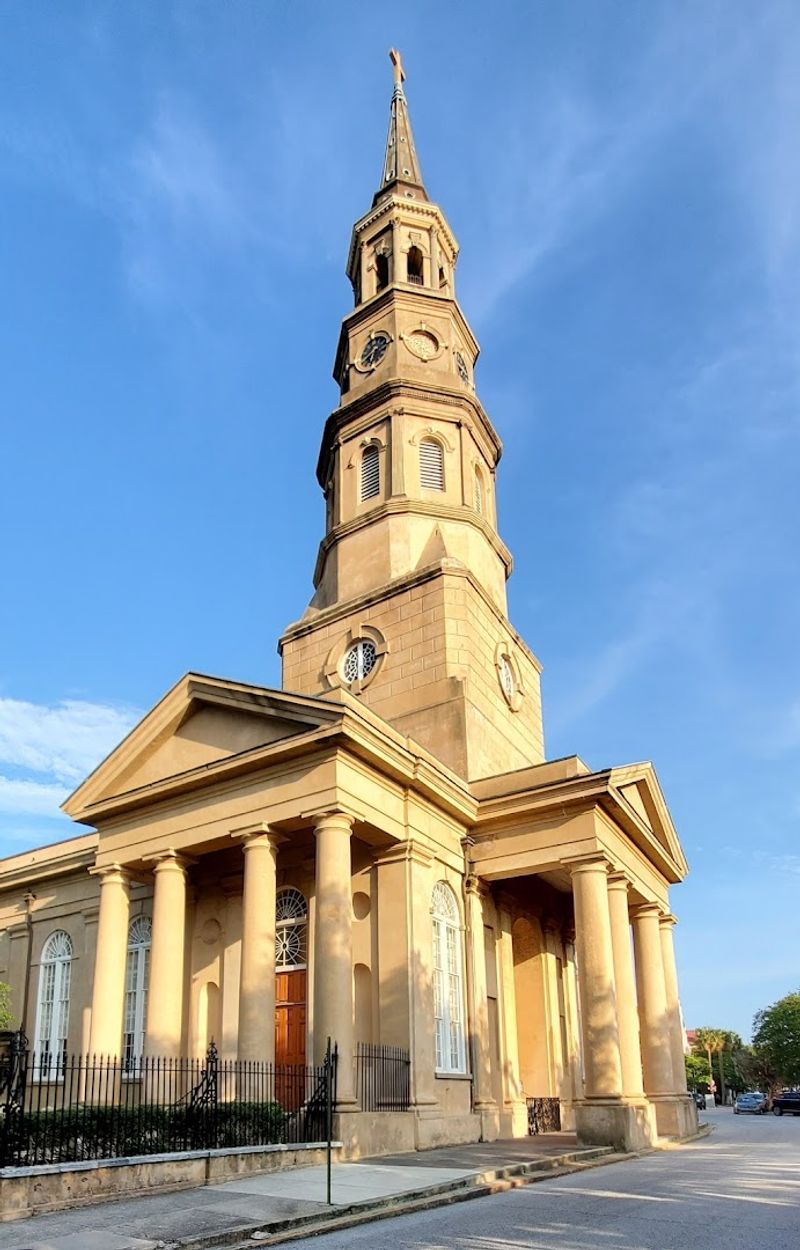
Walking down Church Street in Charleston, the towering white steeple of St. Philip’s Church stops you mid-step before you even realize it.
Founded in 1680, St. Philip’s holds the distinction of being the oldest Anglican congregation in South Carolina, and its current building, completed in 1838, still commands the skyline with quiet authority.
The church sits at 142 Church Street in the heart of the historic district, and the surrounding graveyard reads like a who’s who of early American history, with notable figures such as John C. Calhoun buried just steps from the entrance.
Inside, the architecture balances grandeur with warmth, featuring curved balconies, tall windows, and a hushed atmosphere that feels genuinely reverential.
Summer visits offer the added bonus of long golden light pouring through the windows during late afternoon services and tours.
St. Philip’s remains an active Episcopal parish, so visitors should check the schedule before arriving to respect ongoing worship.
Few places in Charleston carry this much layered meaning in a single address.
2. Cathedral of St. John the Baptist, Charleston
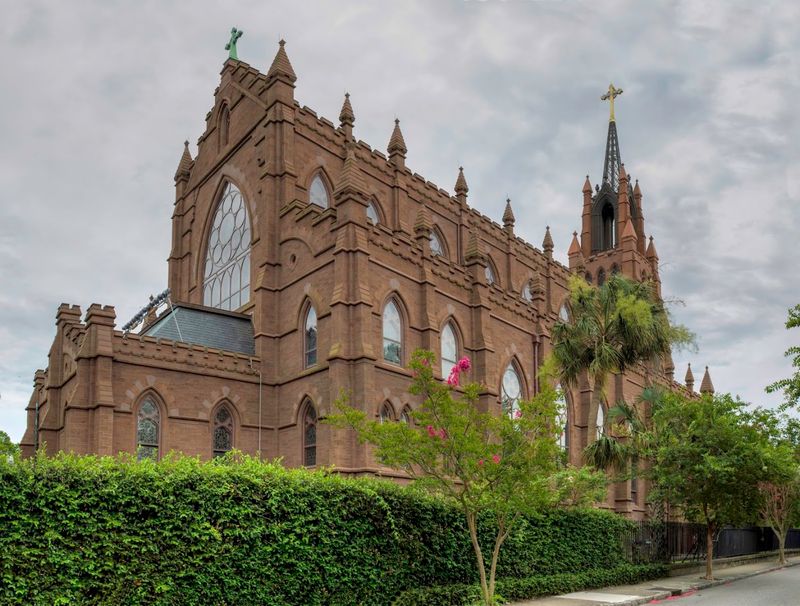
There is something quietly theatrical about the Cathedral of St. John the Baptist rising above the busy streets of downtown Charleston.
Its Gothic Revival facade, complete with pointed arches, delicate stonework, and a striking rose window, feels almost unexpected in a city better known for its pastel row houses and waterfront views.
Located at 120 Broad Street, this Roman Catholic cathedral has served the Charleston community since its original construction in the mid-1800s, though fire and rebuilding shaped much of what visitors see today.
Stepping inside reveals soaring vaulted ceilings, richly colored stained glass windows, and an altar that draws the eye immediately toward the front of the nave.
The cathedral is the mother church of the Diocese of Charleston, making it a significant spiritual anchor for Catholics across the entire state.
Guided tours are occasionally available, and the church hosts regular masses that welcome respectful visitors throughout the summer months.
Bring a moment of stillness here, and the cathedral will reward you generously for it.
3. Old Sheldon Church Ruins, Yemassee
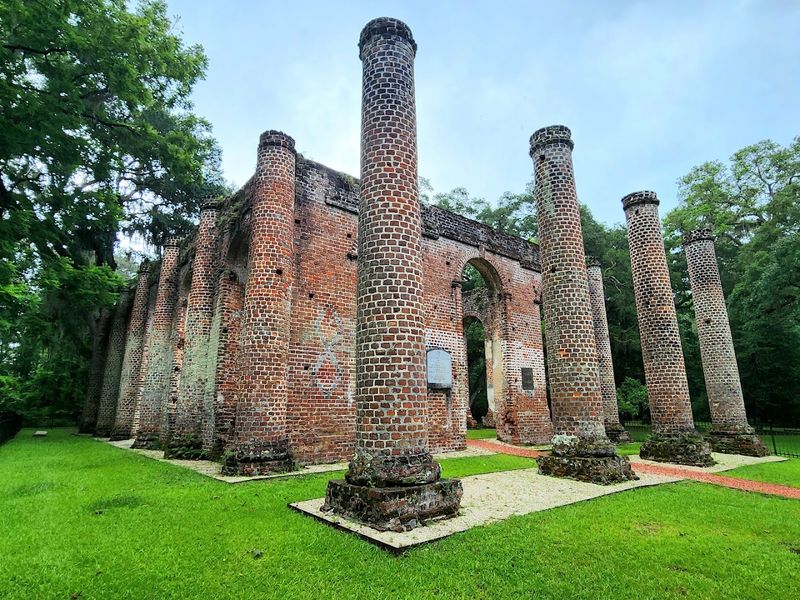
Moss-draped columns rising from the earth without a roof above them create one of the most hauntingly beautiful scenes in all of South Carolina.
The Old Sheldon Church ruins, located near Yemassee in Beaufort County, are what remain of Prince William’s Parish Church, originally built around 1745 and burned twice, first by British troops during the Revolutionary War and again by Union soldiers during the Civil War.
What survived is a series of elegant brick arches and columns standing in a clearing surrounded by ancient oaks, and the effect is nothing short of stunning.
The site sits off Old Sheldon Church Road and is open to the public year-round, drawing photographers, history enthusiasts, and anyone who appreciates the quiet drama of time-worn architecture.
Local tradition holds a springtime pilgrimage service here, but summer visits offer lush green surroundings that make the ruins look even more dramatic against the foliage.
Wear bug spray, bring your camera, and give yourself at least an hour to wander and absorb every crumbling detail of this unforgettable place.
4. Mepkin Abbey, Moncks Corner
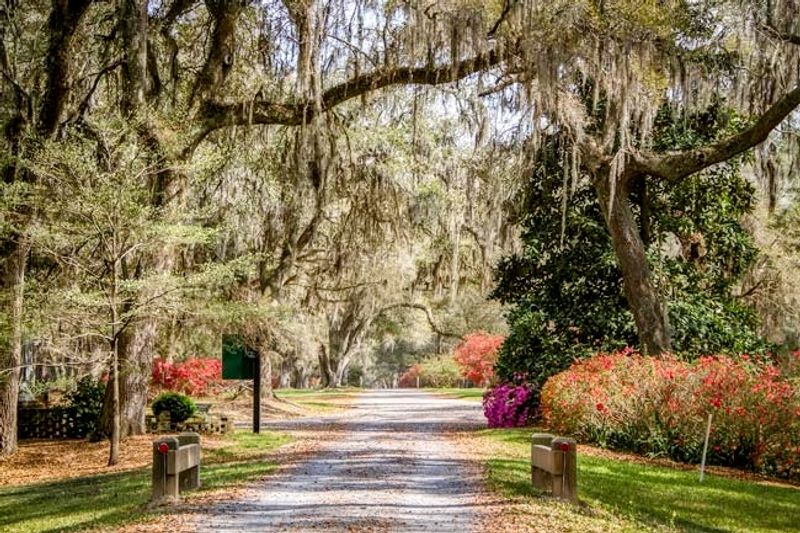
Tucked along the banks of the Cooper River near Moncks Corner, Mepkin Abbey offers a kind of stillness that is genuinely rare in the modern world.
This working Trappist monastery was established in 1949 on land that once belonged to the estate of Henry Luce, the founder of Time magazine, and the grounds reflect that legacy with sweeping gardens, towering live oaks, and a chapel that sits in peaceful harmony with the surrounding landscape.
The monks of Mepkin Abbey welcome visitors for day retreats, guided tours, and overnight stays in their retreat house, making it one of the most accessible monastic experiences in the Southeast.
The abbey’s gardens are especially beautiful in summer, with crepe myrtles blooming alongside the river walk that stretches through the property.
A small gift shop sells items made by the monks, including their well-known mushroom products and other handcrafted goods.
Visitors are asked to maintain a spirit of quiet and respect, which honestly feels natural the moment you step through the gate.
Mepkin Abbey is the kind of place that changes your pace whether you plan for it to or not.
5. Chapel of Ease, St. Helena Island
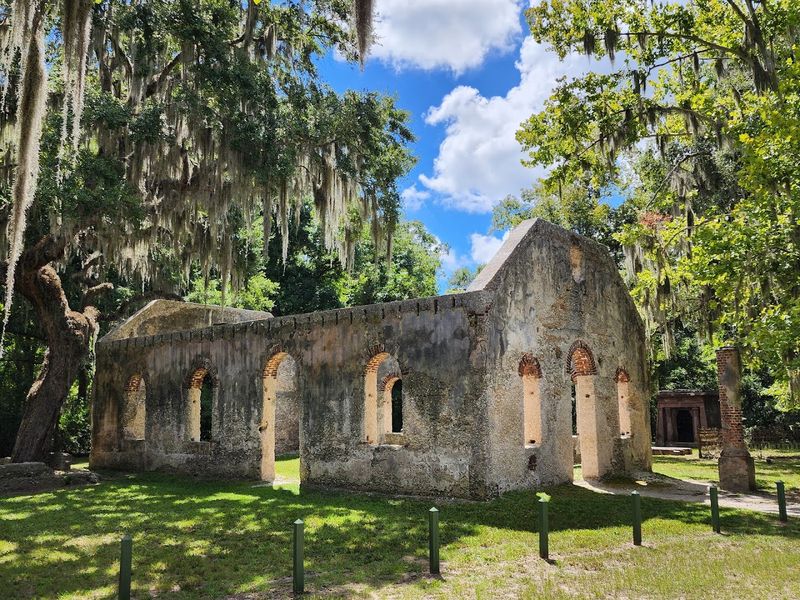
Hidden among the live oaks of St. Helena Island, the Chapel of Ease ruins carry the kind of quiet gravity that only centuries of history can produce.
Built in the mid-1700s from tabby, a building material made from oyster shells, lime, sand, and water, the chapel served the plantation families of St. Helena Parish who lived too far from Beaufort for regular worship.
The structure was gutted by fire in 1886, but its thick tabby walls and arched openings still stand in a wooded clearing just off Land’s End Road, creating a scene that photographers and history lovers return to again and again.
The site is managed as part of the broader St. Helena Island community, and access is generally open during daylight hours throughout the summer.
Nearby St. Helena’s Episcopal Church in Beaufort provides helpful historical context if you want to understand the full story of this congregation’s long arc.
The combination of natural beauty and architectural ruins here is genuinely hard to find anywhere else in the Lowcountry.
Plan to linger, because the moss-filtered light at midday turns the whole scene into something almost painterly.
6. St. Michael’s Church, Charleston
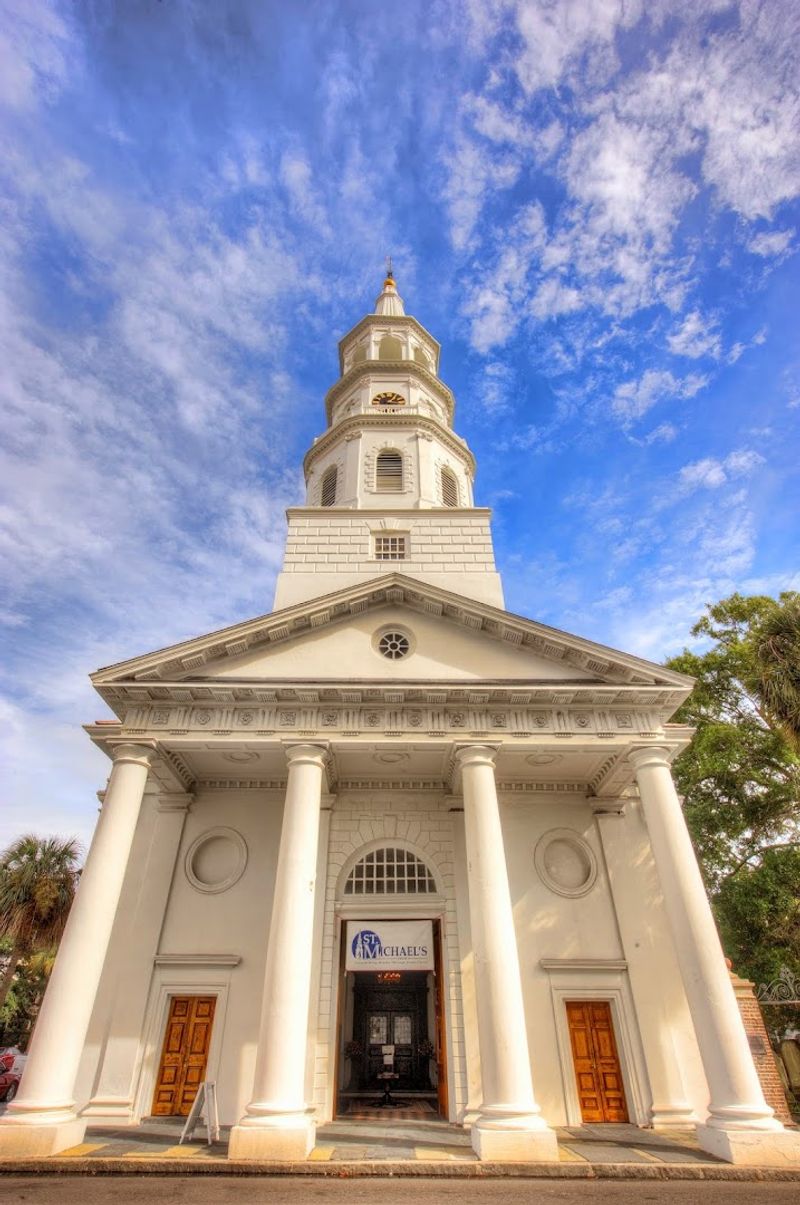
Standing at the corner of Meeting and Broad Streets in Charleston, St. Michael’s Church is so architecturally confident that it practically dares you to walk past without stopping.
Built between 1752 and 1761, it is the oldest surviving church building in South Carolina and one of the finest examples of Georgian ecclesiastical architecture in the entire country.
The white-painted facade, tall columned portico, and soaring steeple have made St. Michael’s one of the most photographed landmarks in Charleston, and for good reason.
During the Revolutionary War, the steeple was painted black to avoid serving as a navigation target, a detail that always gets a reaction from first-time visitors on the church’s guided tours.
Inside, box pews, a grand chancel, and a set of historic bells imported from England create an atmosphere that feels both formal and deeply human.
The church remains an active Episcopal parish, and summer services are open to visitors who wish to worship alongside the congregation.
St. Michael’s is the kind of landmark that rewards a second and even third visit as you notice new details each time.
7. St. Helena’s Anglican Church, Beaufort
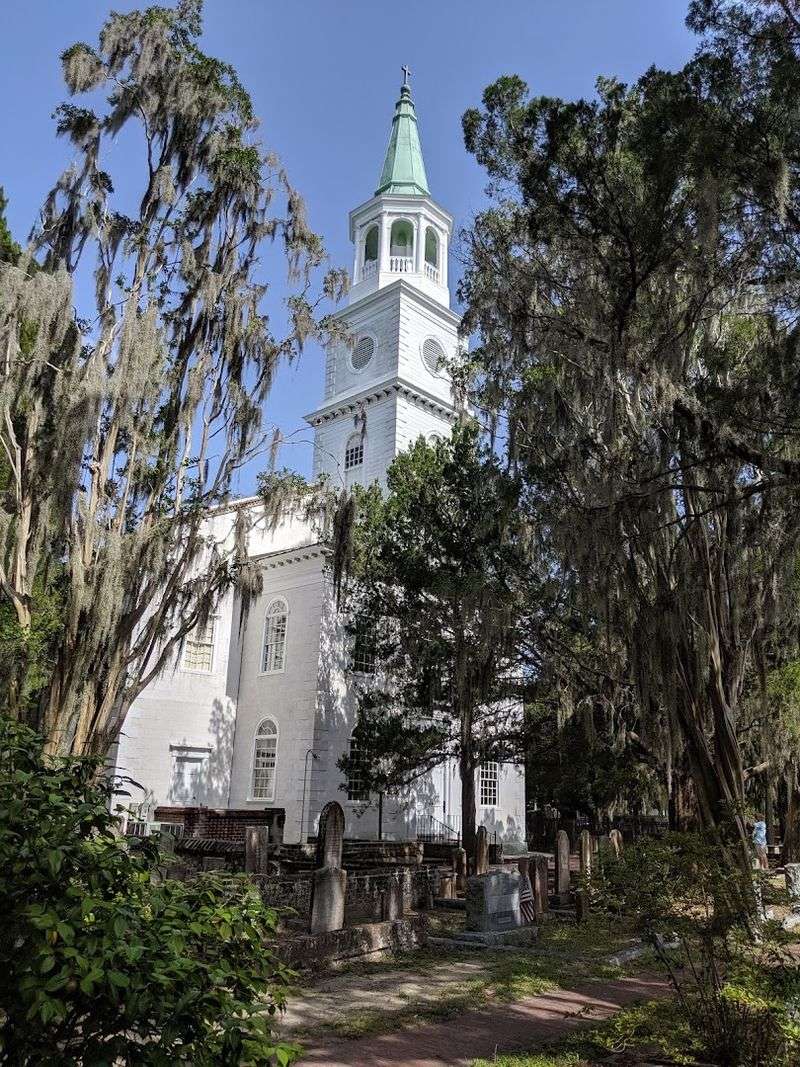
Beaufort has no shortage of beautiful old buildings, but St. Helena’s Anglican Church has a way of centering the entire historic district around itself.
Founded in 1712, the church at 505 Church Street is one of the oldest continuously operating congregations in South Carolina, and its grounds include a graveyard where tombstones dating back to the early 1700s rest beneath the shade of massive live oaks.
During the Civil War, Union forces used the church building as a hospital, and some of the pew boxes were reportedly used as operating tables, a sobering detail that adds another layer to an already storied place.
The white clapboard exterior and tall steeple give the church a classic Lowcountry elegance, while the interior features simple wooden furnishings that have been maintained with evident care over the generations.
Beaufort’s compact historic district makes it easy to combine a visit to St. Helena’s with a walk along the waterfront and a stop at nearby antebellum homes.
Tours of the church and graveyard are available, and the knowledgeable guides here genuinely bring the history to life in ways a brochure simply cannot match.
8. Trinity Episcopal Church, Columbia
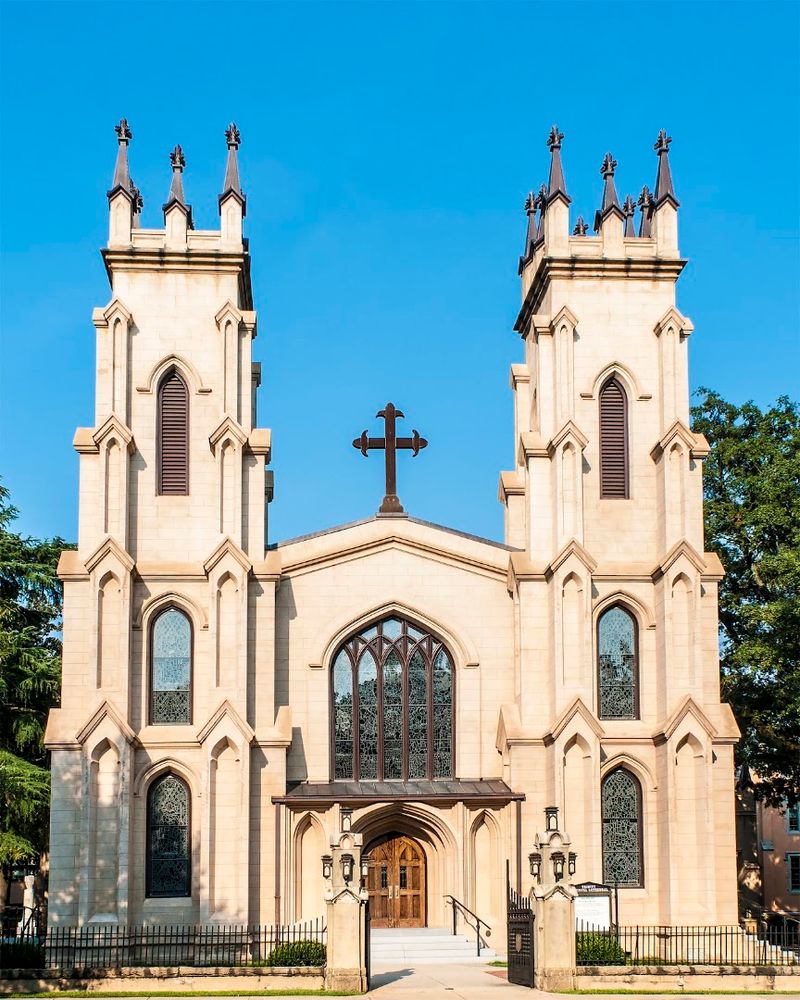
Columbia’s Trinity Episcopal Church has watched the state capital grow and change around it for well over two centuries, and it still holds its ground with unmistakable dignity.
Established in 1812, the church at 1100 Sumter Street is often called the Mother Church of the Diocese of Upper South Carolina, and its Gothic Revival brick building, completed in 1846, remains one of the most striking religious structures in the entire midlands region.
The church graveyard is the final resting place of six South Carolina governors, which gives the site a historical weight that goes far beyond its architectural appeal.
Inside, beautiful stained glass windows and a warm wooden interior create an atmosphere that feels both dignified and welcoming to visitors of all backgrounds.
Trinity is an active parish with a full calendar of summer services, concerts, and community events that are open to the public.
Its central location in downtown Columbia makes it easy to pair a visit with a walk through the nearby South Carolina State House grounds.
History, architecture, and living faith all converge here in a way that makes Trinity genuinely worth your afternoon.
9. The Oratory of St. Philip Neri, Rock Hill
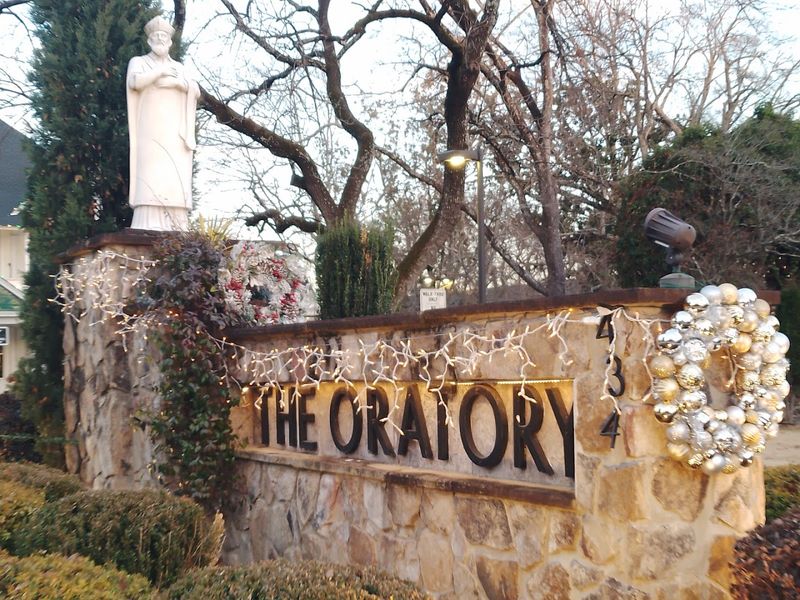
Rock Hill does not always make the top of South Carolina’s sacred site lists, but the Oratory of St. Philip Neri deserves a much higher profile than it typically receives.
Founded by the Fathers of the Oratory, a congregation established by St. Philip Neri in 16th-century Rome, this Rock Hill community represents one of the few Oratorian presences in the American South, which makes it genuinely distinctive among the state’s religious landmarks.
The church building itself is a carefully maintained example of traditional Catholic architecture, and the interior features devotional artwork and a reverent atmosphere that reflects the Oratorian charism of community, music, and prayer.
The Oratory regularly hosts sacred music events and liturgical celebrations that draw visitors from across the Carolinas, particularly during summer.
Rock Hill sits in York County in the northern part of South Carolina, just south of Charlotte, making it an easy destination for a day trip from either city.
The Fathers of the Oratory are known for their hospitality and their commitment to classical liturgy, which gives every visit here a sense of warmth alongside the formality.
If you appreciate the intersection of music, tradition, and faith, this is a stop you will not regret making.
10. Brookgreen Gardens Labyrinth and All Saints Church, Murrells Inlet
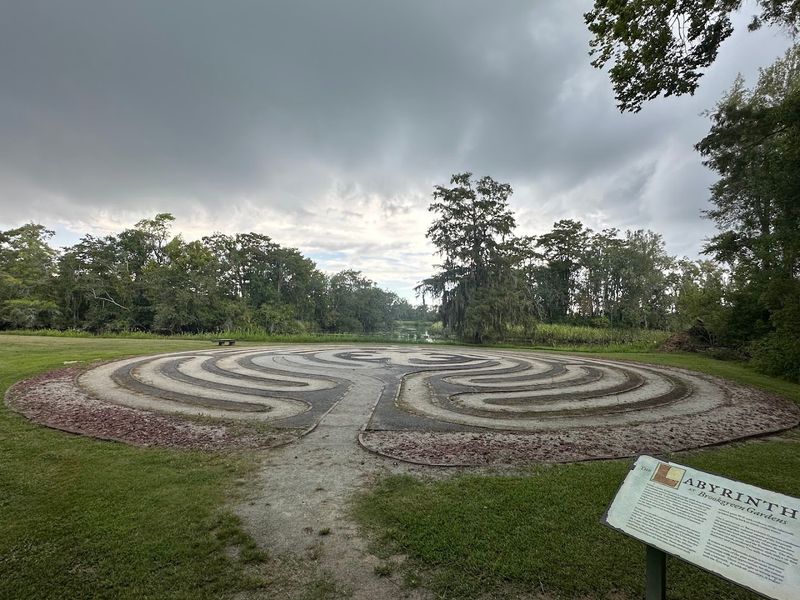
Murrells Inlet might be best known for its seafood, but Brookgreen Gardens and the nearby All Saints Church ruins offer a completely different and deeply moving kind of experience.
Brookgreen Gardens, located at 1931 Brookgreen Drive, spans more than 9,000 acres and houses the oldest public sculpture garden in the United States, with a labyrinth tucked within its grounds that invites visitors to slow down and walk mindfully through its winding path.
The labyrinth sits within a landscape of ancient live oaks, reflecting pools, and carefully tended native plantings that make even the walk between exhibits feel meditative.
All Saints Church, established in 1767 and located nearby on Pawleys Island Road, adds a historical layer to the area’s spiritual character, with ruins and a historic cemetery that speak to the Waccamaw Neck’s deep colonial past.
Summer at Brookgreen means longer hours, outdoor concerts, and evening events that let you experience the garden under golden light and eventually under a canopy of stars.
The combination of living art, natural beauty, and sacred history in this stretch of the Grand Strand is genuinely one of South Carolina’s most underrated experiences.
Budget at least half a day here, and you will still leave wishing you had more time.
11. First Baptist Church, Charleston
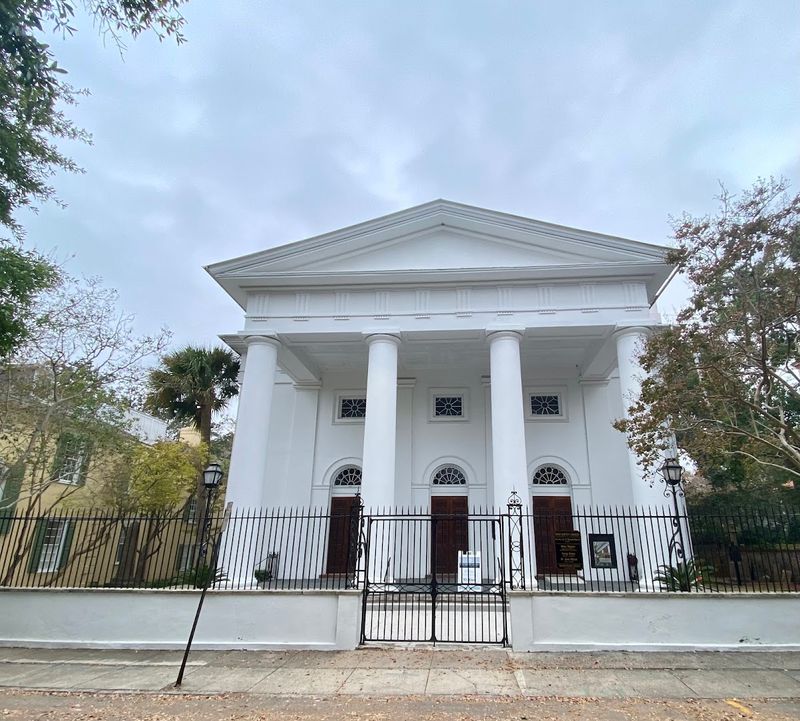
Church Street in Charleston is practically a greatest hits collection of American religious architecture, and First Baptist Church holds a particularly important chapter in that story.
Founded in 1682, First Baptist is the oldest Baptist church in the American South, a claim that carries real historical weight when you consider how central the Baptist tradition has been to Southern culture and community life for more than three centuries.
The current building, completed in 1822, showcases a handsome Greek Revival design with a tall columned portico that gives the church a commanding presence along Church Street, just a short walk from St. Philip’s and St. Michael’s.
Inside, the sanctuary maintains a relatively simple aesthetic that reflects the Baptist theological emphasis on scripture and congregational worship over elaborate decoration.
The church’s history is intertwined with major moments in American religious and political life, and the on-site historical materials help visitors connect those dots in a meaningful way.
First Baptist remains an active congregation, and summer visitors are welcome to attend services or arrange a tour through the church office.
Standing here, you can almost feel the full weight of three centuries pressing gently against your back.
12. St. Mary’s Catholic Church, Greenville
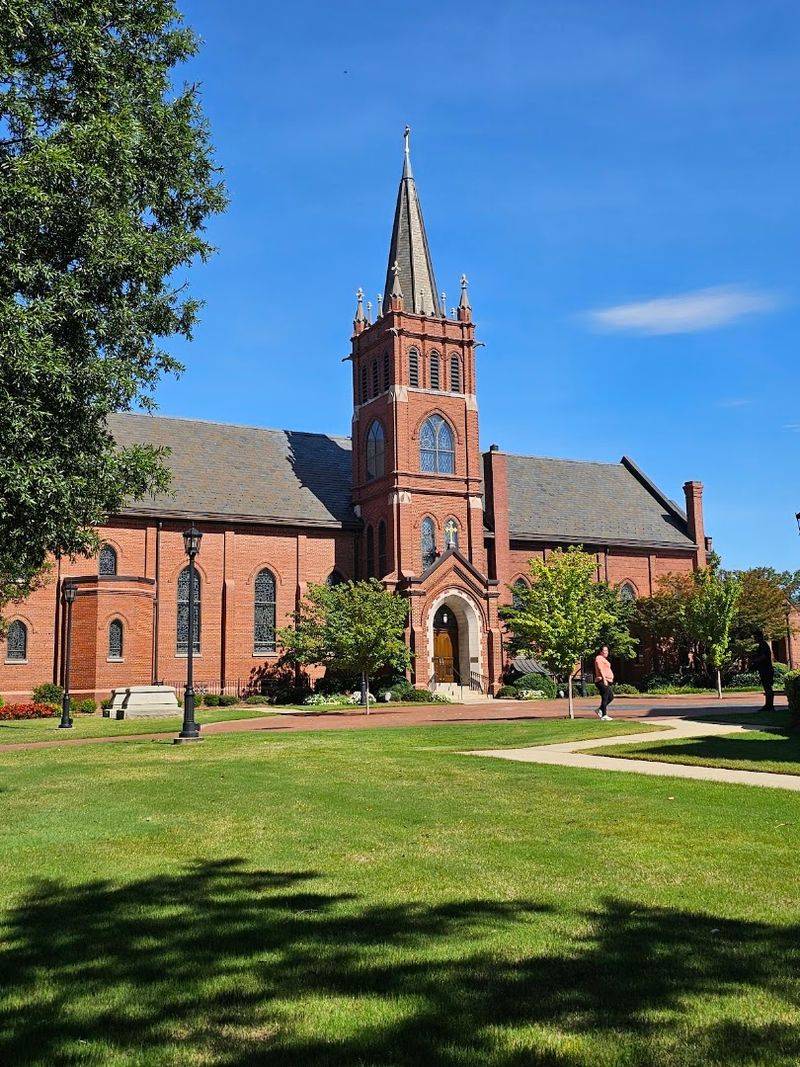
Greenville’s downtown has transformed dramatically over the past two decades, but St. Mary’s Catholic Church has remained a steady and welcoming presence through all of it.
Established in 1833, St. Mary’s is the oldest Catholic parish in the Upstate region of South Carolina, and its location at 111 Hampton Avenue places it within easy walking distance of the city’s celebrated Falls Park and the Swamp Rabbit Trail.
The church building reflects a traditional Catholic aesthetic with a brick exterior, arched windows, and an interior that balances the warmth of an active urban parish with the dignity of a historic congregation.
St. Mary’s serves a diverse and growing community, and its programming reflects the multicultural character of modern Greenville, with masses offered in multiple languages throughout the week.
Summer visitors who time their trip well may catch one of the parish’s community events or outdoor gatherings, which tend to spill onto the surrounding streets with genuine festivity.
The church’s proximity to Greenville’s thriving restaurant scene and the beauty of Falls Park makes it an easy anchor for a full day of exploration in the city.
St. Mary’s proves that a sacred site and a vibrant neighborhood can not only coexist but genuinely strengthen each other.
13. Temple Sinai, Sumter
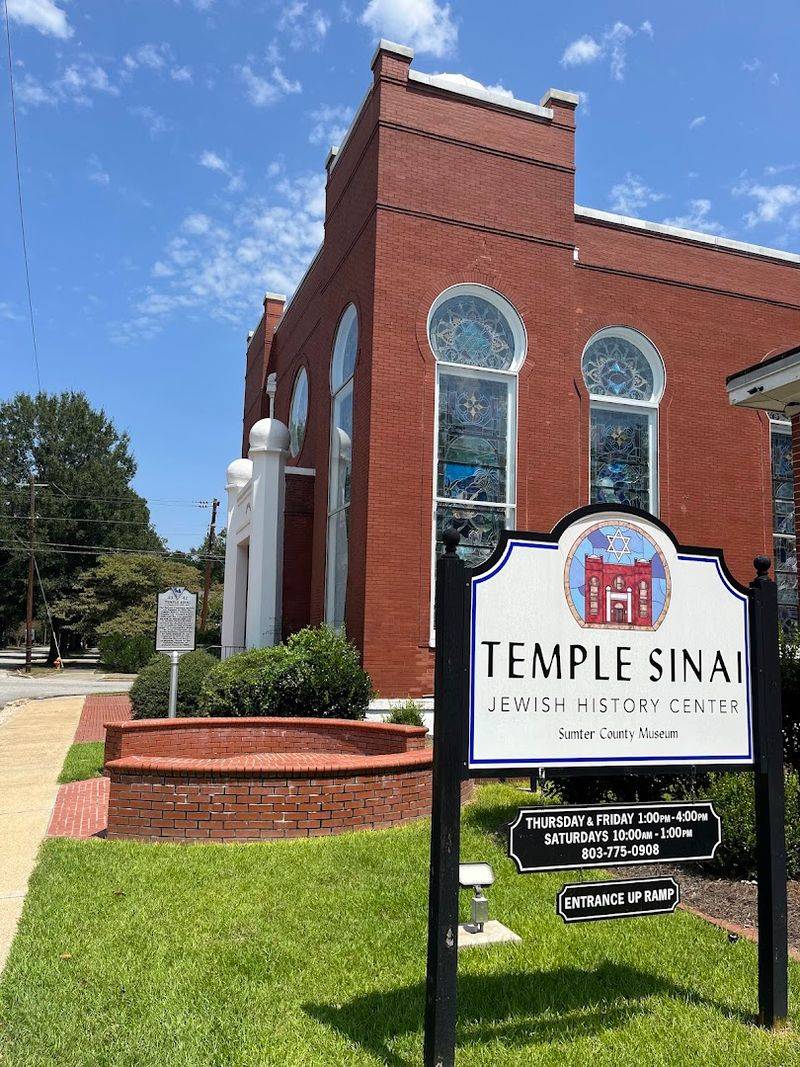
Sumter is not a city that typically appears on sacred site itineraries, but Temple Sinai makes a compelling case for adding it to yours.
Founded in 1890, Temple Sinai at 11 Law Range in downtown Sumter is one of the oldest Jewish congregations in South Carolina, reflecting the long and often underappreciated history of Jewish communities in the American South.
The congregation has deep roots in Sumter’s civic and commercial life, with Jewish families playing significant roles in the city’s development throughout the late 19th and early 20th centuries.
The synagogue building itself features distinctive architectural details that set it apart from the surrounding streetscape, including arched windows and decorative elements that reflect the congregation’s heritage and pride.
Temple Sinai is a Reform congregation, and its commitment to community engagement has kept it vibrant even as the broader Jewish population of small Southern towns has shifted over the decades.
Visitors interested in the Jewish history of the South will find the Sumter County Museum nearby to be a valuable complement to a visit here.
Temple Sinai is a quiet reminder that South Carolina’s spiritual landscape has always been more varied and layered than most people expect.
14. BAPS Shri Swaminarayan Mandir, Greenville
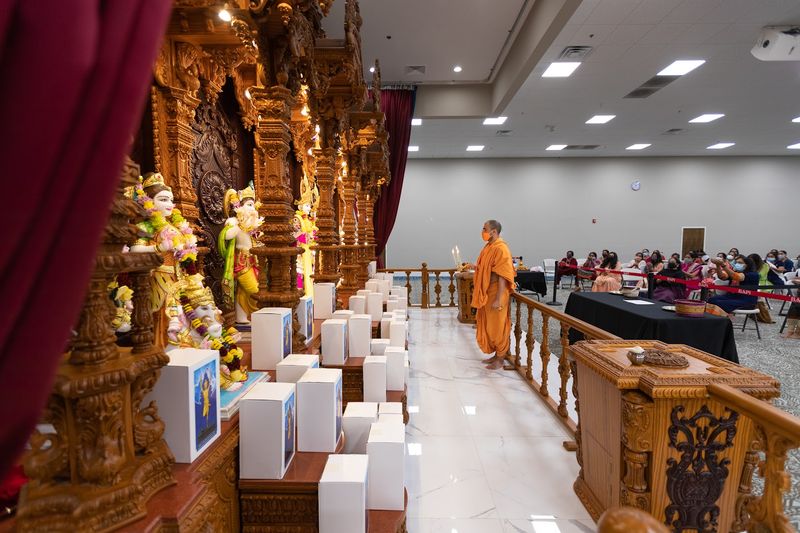
Arriving at the BAPS Shri Swaminarayan Mandir in Greenville for the first time, the intricacy of the carved stone facade genuinely stops you in your tracks.
This stunning Hindu temple, located in the growing Upstate region of South Carolina, is part of the global BAPS Swaminarayan Sanstha organization and represents one of the most architecturally remarkable religious buildings in the entire state.
The mandir is built according to traditional Vedic architectural principles, with hand-carved stone and intricate relief sculptures that take skilled artisans years to complete, resulting in a structure that feels simultaneously ancient and alive.
Inside, the atmosphere is serene and welcoming, with shrines dedicated to various Hindu deities arranged in a way that guides visitors through a visual and spiritual journey.
The temple is open to visitors of all backgrounds and faiths, and the volunteers on-site are exceptionally knowledgeable and enthusiastic about sharing the traditions and philosophy behind what you are seeing.
Summer festivals at the mandir can draw large crowds and offer a genuine window into Hindu cultural celebrations that most South Carolina visitors have never experienced before.
A visit here broadens your understanding of South Carolina’s spiritual diversity in the most visually spectacular way possible.
15. St. Paul’s Episcopal Church, Pendleton
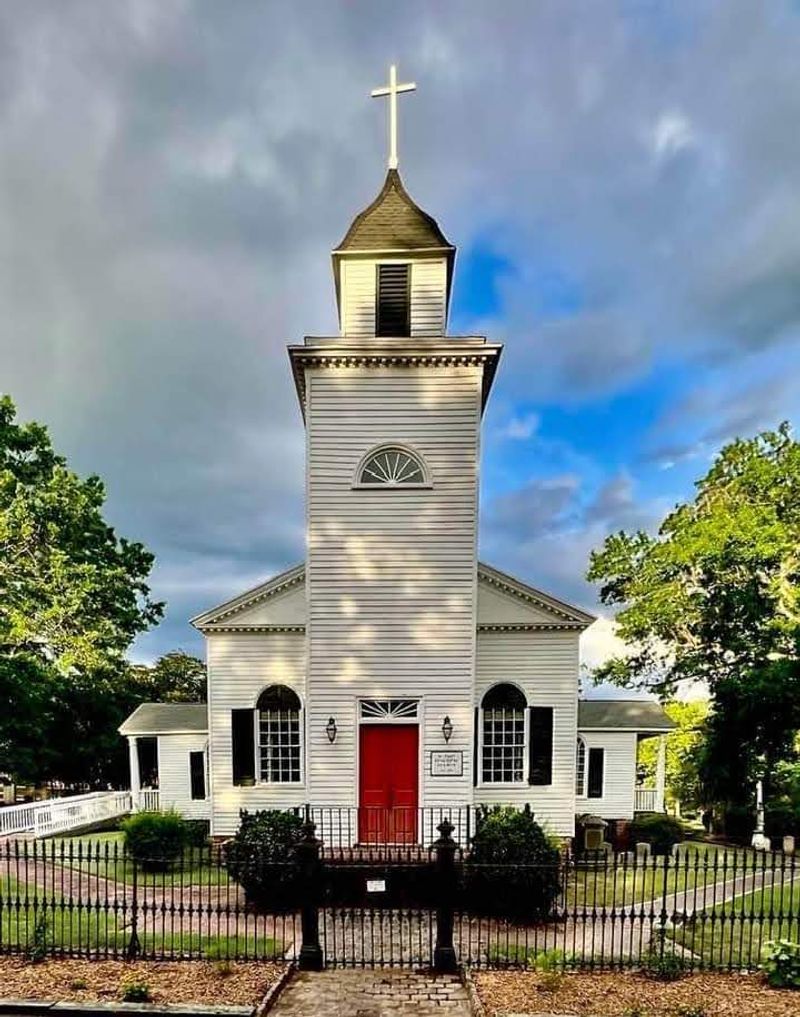
Pendleton is one of those small South Carolina towns that rewards slow exploration, and St. Paul’s Episcopal Church sits right at the heart of what makes it worth the trip.
Located on the historic Pendleton Village Green in Anderson County, St. Paul’s was established in 1819 and its modest white wooden building has a quiet elegance that feels entirely at home in this carefully preserved Upstate village.
The surrounding graveyard contains the remains of several prominent figures from South Carolina’s early statehood period, and reading the inscriptions on the oldest stones offers an unexpectedly personal connection to the region’s past.
The church is part of Pendleton’s broader historic district, which includes Federal Hill, Ashtabula Plantation, and Hunter’s Store, all of which can be explored in a single afternoon.
St. Paul’s remains an active congregation, and the parish’s warm community spirit is evident in the well-maintained grounds and the welcoming tone of the signage and printed materials available to visitors.
The Pendleton Historic District is managed in part by the Pendleton District Commission, which offers tours and resources that provide excellent context for everything you see here.
St. Paul’s is the kind of sacred site that makes a quiet afternoon in a small town feel like a genuinely meaningful use of your summer.