
10 California Coastal Towns Locals Say Have Lost Their Classic Beach Vibe
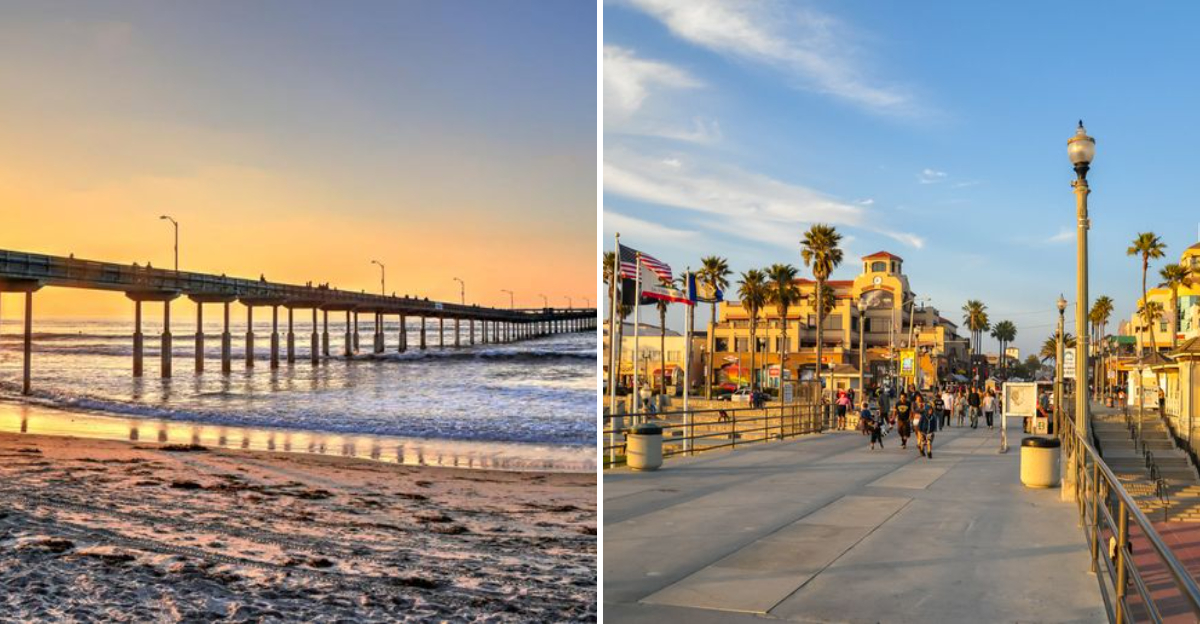
It breaks my heart, but I can’t deny it. Towns that once felt like hidden gems, like parts of Laguna Beach, are now overrun. The charm I remember – quiet mornings, local artists at work – is buried under overwhelming crowds and tour buses.
Every corner is a selfie op, not a place to just breathe in the ocean air. I miss when you could still catch a genuine conversation with a local fisherman, not just navigate through throngs of visitors.
1. Venice (Los Angeles)
Graffiti-covered walls and street performers once defined this bohemian paradise where artists lived cheaply and creativity thrived. Tech workers and developers have since moved in, driving up property values and transforming the gritty boardwalk into something polished and expensive.
Longtime residents watch as quirky mom-and-pop shops get replaced by upscale boutiques and chain restaurants. Walking along Abbot Kinney Boulevard now feels more like window shopping in Beverly Hills than exploring an artist colony.
The murals remain, but the soul behind them seems harder to find. Gentrification has brought cleaner streets and fancier amenities, but many locals argue the neighborhood has lost its authentic, rebellious spirit in the process.
2. Santa Monica
Tourists flood the famous pier year-round, snapping selfies on the Ferris wheel and packing the beachfront restaurants. What used to be a relaxed seaside community where locals could enjoy ocean breezes without battling crowds has morphed into a commercial hub.
High rents have pushed out longtime businesses, replacing them with corporate chains that could exist anywhere. Third Street Promenade, once a charming outdoor shopping district, now feels like an outdoor mall crammed with visitors.
Parking has become a nightmare, and finding a quiet spot on the sand requires arriving at dawn. Many residents feel the authentic beach lifestyle has been traded for tourist dollars, leaving them longing for simpler times.
3. Laguna Beach
Art galleries and cozy cottages once gave this Orange County gem its creative, bohemian reputation. Skyrocketing home prices and upscale development have transformed the landscape, pushing out the artists who made the town famous.
Small galleries have closed or been replaced by high-end boutiques selling designer goods that most locals cannot afford. I remember visiting Laguna as a kid and feeling like every corner held a new artistic surprise. Now the focus seems to be on luxury rather than creativity.
The natural beauty remains stunning, with coves and tide pools still drawing nature lovers. However, longtime residents mourn the loss of the tight-knit artist community that once defined this coastal treasure.
4. Santa Cruz
Surfers and college students gave this Northern California town its relaxed, counterculture vibe for decades. The boardwalk still draws massive crowds, but visible homelessness and infrastructure problems have changed the atmosphere dramatically.
What was once a sleepy surf haven now struggles with overcrowding and the pressures that come with popularity. Downtown streets that used to feel safe and welcoming now make some visitors uneasy after dark. Local businesses face challenges from rising costs and shifting demographics.
The waves remain world-class, and the redwood forests nearby still inspire awe. Yet many residents feel the town has lost its way, caught between preserving its laid-back roots and managing modern urban challenges.
5. Carmel-By-The-Sea
Quirky rules like no street addresses and no chain restaurants once protected this fairytale village from commercialization. Growth pressures and modern demands have slowly chipped away at these unique protections.
Developers push for changes that would bring more visitors and revenue but potentially erode the old-world charm that makes Carmel special. Storybook cottages still line the streets, and the white sand beach remains pristine. However, some residents worry that relaxing the town’s strict codes will open the floodgates to generic development.
The village has always balanced tourism with preservation, but that balance feels increasingly fragile. Locals debate whether protecting tradition means resisting all change or adapting thoughtfully to new realities.
6. Huntington Beach
Surf City USA earned its nickname through decades of world-class waves and a small-town surfing culture. Bigger hotels and commercial developments have steadily replaced local hangouts and modest beach bungalows.
The competitive surf scene remains strong, but the community vibe that once united locals has been diluted by rapid growth. I spent a summer volunteering at a surf camp here, and even then I heard old-timers complaining about how things had changed.
New high-rise buildings block ocean views that were once accessible to everyone. Main Street has more polished restaurants and fewer dive bars where surfers used to gather after dawn patrol. Progress brings economic benefits, but longtime residents argue the soul of Surf City is fading.
7. Pismo Beach
Clam chowder and quiet sunsets defined this Central Coast hideaway for generations of Californians seeking escape. Rapid popularity has brought spring-break crowds and tourism infrastructure that strain the town’s resources and character.
Hotels and vacation rentals have multiplied, filling the beaches with visitors who may not understand the local culture.
The famous pier still stands, and you can still dig for clams when the season allows.
But finding parking has become a competitive sport, and the relaxed atmosphere feels rushed during peak times. Local restaurants struggle to serve both tourists seeking Instagram moments and residents wanting their neighborhood spot. n.
8. Capitola
Colorful Venetian-style buildings and a tiny village atmosphere made this Santa Cruz County gem feel like a secret hideaway. Storm damage in recent years has required extensive rebuilding, changing the historic waterfront that residents cherished.
Waves of tourists discovered Capitola through social media, overwhelming the small-town infrastructure never designed for such crowds. The famous esplanade still charms visitors, but locals notice how packed it gets compared to years past.
Rebuilding efforts have modernized some structures, which improves safety but sometimes sacrifices historic character. Parking was always tight, but now it feels impossible on weekends. Residents appreciate that people love their town, yet they miss when Capitola felt like their own special place rather than a tourist destination.
9. Ocean Beach (San Diego)
OB locals have always prided themselves on their community’s funky, independent spirit and resistance to corporate culture. Pier closures and shifting demographics have altered the neighborhood dynamics that made Ocean Beach unique.
Small businesses that gave the area its character have struggled or closed, replaced by ventures that feel less connected to the community. The Wednesday farmers market still draws crowds, and the sunset cliffs remain breathtaking. However, longtime residents notice the loss of gathering spots where everyone knew each other’s names.
Rising rents have pushed out artists and service workers who contributed to the neighborhood’s diverse fabric. Many OB veterans feel their beloved beach town is slowly becoming just another San Diego neighborhood rather than the quirky enclave it once was.
10. Malibu
Celebrity mansions and exclusive beach clubs have long been part of Malibu’s identity, but the town once balanced glamour with surf culture. Increasingly restrictive beach access and astronomical property values have made this stretch of coast feel less welcoming to regular Californians.
Public beaches exist, but finding parking and navigating access points can feel like solving a puzzle designed to discourage visitors. Surfrider Beach still hosts world-class waves, and the natural beauty remains stunning. Yet the sense that Malibu belongs only to the ultra-wealthy has intensified over the years.
Local surfers remember when the community felt more inclusive and less guarded. Wildfires and rebuilding have also changed the landscape, replacing some historic structures with modern fortresses that emphasize privacy over the communal beach vibe that once existed.