
16 California Italian Places You Can Stroll Into Without A Reservation (As Long As You Beat The Rush)
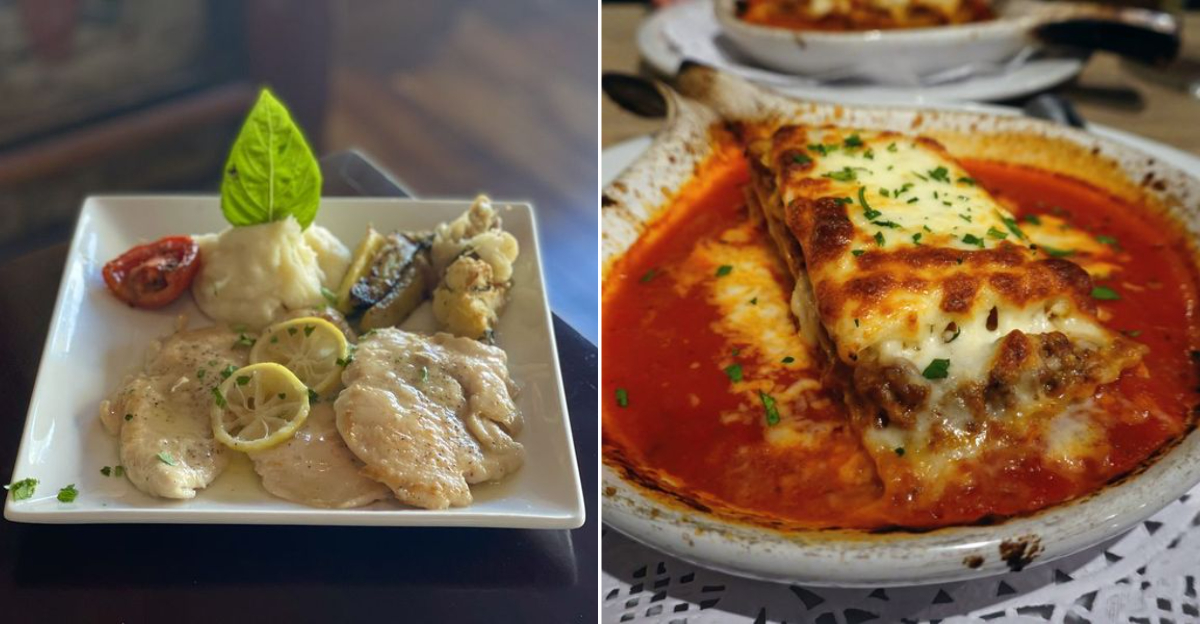
California rewards the early bird in a very specific way, especially when pasta is rolling off the line and wood smoke is just beginning to settle into the air, because arriving before the dinner swell means slipping into rooms while they’re still breathing evenly instead of bracing for impact.
I’ve learned that if you time it right, you can still find a seat at beloved Italian spots that locals defend fiercely, those kitchens where flavor consistently outpaces fuss and no one feels the need to explain themselves once the plates start landing.
Across the state, these moments exist in pockets: brick ovens humming softly as dusk approaches, sauces finishing their last quiet minutes, and servers moving with that calm efficiency that only shows up before a dining room fills to capacity.
What makes these early windows special isn’t just convenience, but clarity. You notice details you might miss later: the way dough behaves under heat, the scent of garlic warming rather than rushing, the comfort that settles in before the rush changes the room’s energy.
From Northern California spaces with cobblestone patios that feel improbably smuggled from Italy, to coastal spots where sea air threads through open doors, the experience stays grounded and generous.
Come curious, arrive a little ahead of schedule, and let the plates do the talking, because in California’s Italian kitchens, timing is as important an ingredient as anything on the menu.
1. Tommaso’s Ristorante Italiano, San Francisco
Warm air from a century-old brick oven drifts into the narrow room on Kearny Street in a way that softens voices and slows movements, creating the sense that dinner here is meant to be savored rather than rushed, even when the room fills early.
Amber light settles over small tables where couples lean close, and the sound of thin pizza crust cracking under a knife mixes with garlic, tomato, and faint smoke in a combination that feels older than the surrounding neighborhood itself.
That oven, which has been firing continuously since the 1930s, leaves its signature in every blistered edge and charred bubble, proving through texture alone that longevity comes from repetition and consistency rather than reinvention.
Classic toppings like sausage and onion taste grounded and confident, while the clam pie hides pockets of brine that arrive unexpectedly and remind you that restraint can be more expressive than excess.
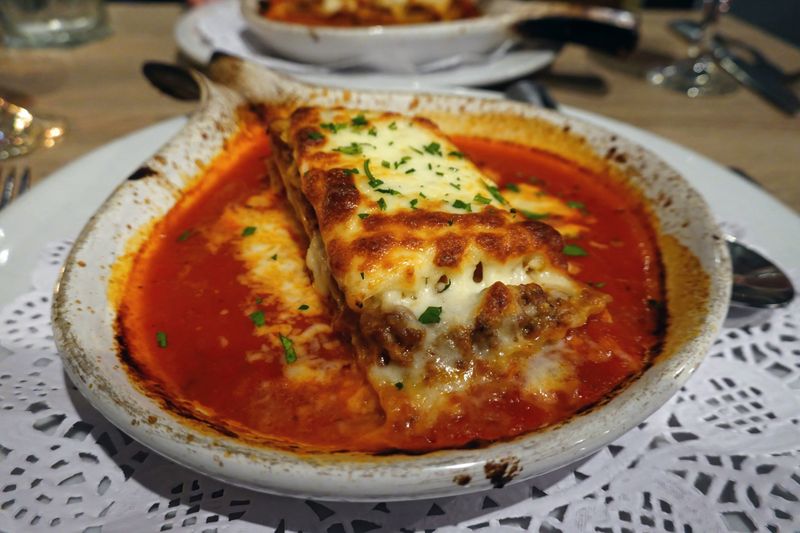
Lasagna lands bubbling and heavy at the corners, its caramelized edges pulling against the fork just enough to signal proper timing, filling the table with a slow, comfortable quiet that only arrives when food demands attention.
Arriving by 5:30 almost always means walking straight in without negotiating for space, a small reward for planning that lets you choose your seat deliberately rather than taking what is left.
Sitting closer to the oven brings chatter, heat, and motion into sharper focus, while tables along the edge offer calm and distance, letting you watch the doorway and measure the evening’s pace as the room steadily fills behind you.
2. Nob Hill Cafe, San Francisco
Climbing the steep stretch of Taylor Street puts a quiet demand on your ankles, so stepping inside this compact room feels like a pause button, where warmth, steady conversation, and the low hum of service immediately recalibrate the pace of the evening.
The space carries a lived-in calm rather than staged charm, and the scent of freshly grated cheese drifting from the counter settles into the air slowly, signaling that the kitchen values habit and rhythm over spectacle.
Carbonara arrives pepper-forward and tight, refusing creaminess in favor of structure, with the sauce clinging closely to each strand in a way that rewards patience rather than aggressive twirling.
Thin-crust pizzas move quickly from oven to table, basil lifting the tomato just enough to stay aromatic without dominating, while the timing keeps every slice hot enough to fold without collapsing.
Dessert stays modest, with tiramisu showing restraint through clean espresso flavor and a light hand on sweetness, offering relief instead of indulgence at the end of the meal.
Opened in the 1990s, the cafe learned early how to operate within a small footprint, and that discipline shows in how efficiently tables turn without ever making diners feel hurried.
Sliding in before six usually avoids the line that curls downhill later in the evening, and choosing a window seat brings cable-car clangs into rhythm with your fork, giving the meal a distinctly San Francisco cadence.
3. Sodini’s Green Valley Restaurant, San Francisco
Low red booths and a softly glowing bar immediately communicate that this is a room designed for conversation and continuity rather than novelty, where the light stays just bright enough to read a chalkboard special without exposing anyone to the full scrutiny of the evening.
Music drifts in familiar tones that suggest affection rather than performance, allowing the dining room to feel settled in its own skin while plates arrive at an unforced pace that mirrors the surrounding North Beach streets.
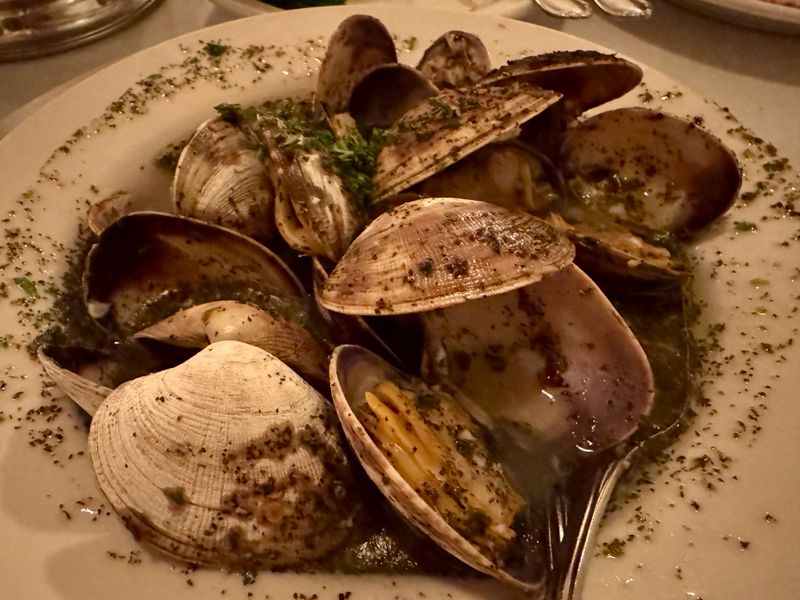
Linguine with clams shows a careful hand with garlic and oil, letting briny shellfish speak first while the pasta carries sauce evenly instead of pooling, which keeps each bite coherent until the bowl is empty.
Cioppino leans into regional storytelling through fennel, tomato, and the ocean, offering depth without heaviness and reinforcing the idea that tradition works best when ingredients are allowed to remain legible.
Chicken piccata sharpens the meal with lemon and caper brightness, its restraint preventing palate fatigue and keeping the table engaged instead of overwhelmed.
Family stewardship since the 1990s has insulated the kitchen from trend-chasing, which becomes apparent in how nothing on the plate rushes for attention or relies on excess to justify itself.
Arriving early on a weeknight often makes a walk-in feasible, especially at the bar, and ordering bread becomes less optional than it sounds once the sauces begin to gather and leave behind persuasive evidence.
4. Roma Antica, San Francisco
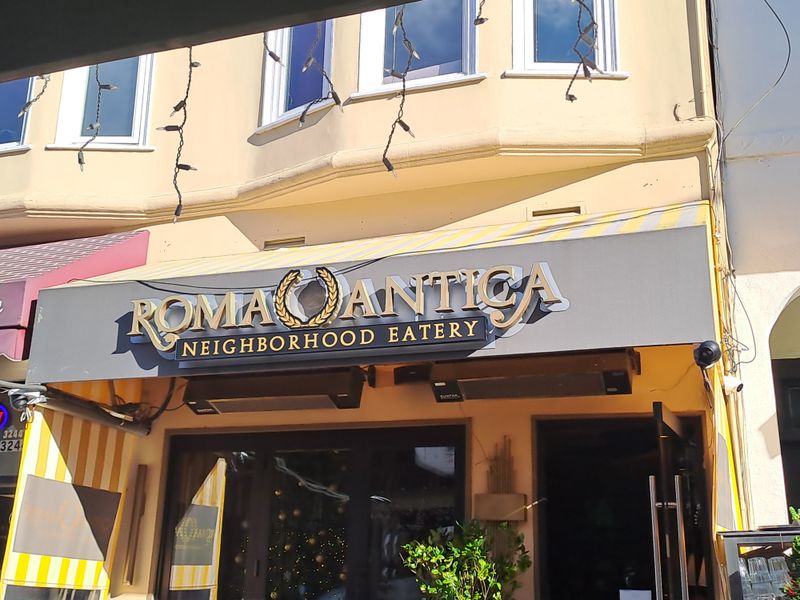
Foot traffic from the Marina glides past the windows in steady waves that never quite break into noise, creating a sense of motion without pressure as the dining room absorbs the outside energy and softens it into conversation, clinking glass, and the quick, practiced movements of servers who clearly understand timing as a form of hospitality.
The atmosphere feels airy rather than hushed, helped along by the way plates arrive with confidence and leave just as quietly, allowing the room to breathe and keeping attention where it belongs, which is on the food rather than the choreography of service.
Cacio e pepe arrives glossy and tightly bound, with pecorino clinging obediently to each strand and black pepper asserting itself gradually, so the dish reads as precise rather than indulgent and never slides into cheese paste territory.
Roman-style pinsa shows up oval and deceptively light, its crisp exterior giving way to an airy interior that holds toppings without sagging, while meatballs deliver a careful balance of sweetness and acidity that lets tomato support rather than smother.
The kitchen’s Roman roots surface in technique rather than nostalgia, with dishes that prioritize texture, salt balance, and heat control over decorative gesture, making the menu quietly instructional if you are paying attention.
Founded by Roman transplants who understood how much flavor restraint matters, the restaurant sidesteps trend cycles by cooking as if longevity were the primary spice, which keeps repeat visits interesting without requiring reinvention.
Arriving close to opening often results in an easy walk-in, and choosing sidewalk seating when Scott Street cooperates adds a layer of golden-hour warmth and passing dog parades that stretch the meal into something pleasantly unhurried.
5. Pizzaiolo, Oakland
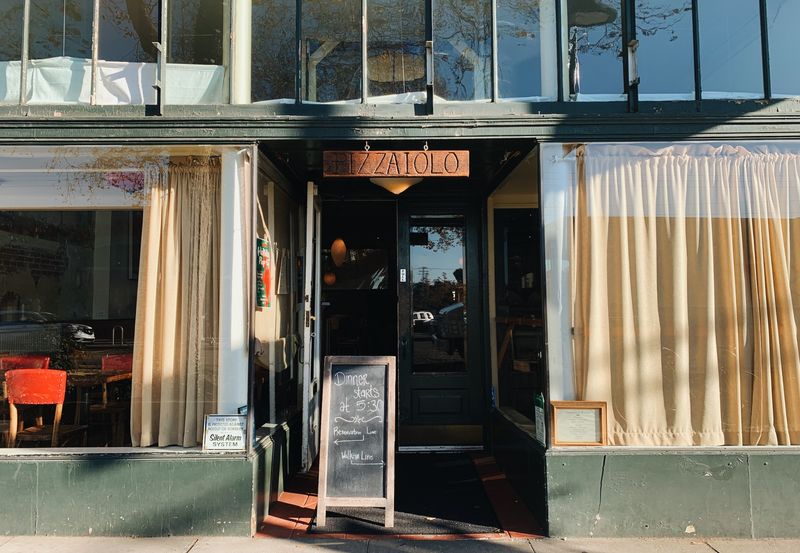
Early evening light filters into the space in a way that makes the dining room feel gently alert rather than busy, with high ceilings and a steady conversational thrum signaling a place that expects people to show up hungry, curious, and willing to linger just long enough for the oven to work its rhythm.
Seasonal market influence shows itself quietly, not through chalkboard fanfare but in the way topping combinations feel inevitable rather than clever, as if they were decided earlier that day by what looked best when crates were unpacked a few hours before service.
Pizza arrives with a softly blistered cornicione and a measured smokiness that frames the acidity of tomato instead of competing with it, while house-made fior di latte melts into the surface with restraint, staying distinctly milky rather than disappearing into grease.
Vegetable toppings behave with discipline, adding texture and sweetness without overcrowding the pie, and when anchovies appear on the menu they sharpen the entire table’s attention by pulling salt, fat, and heat into sharper alignment.
The kitchen’s mid-2000s role in shaping East Bay seasonal pizza culture still echoes in how confidently it avoids excess, trusting technique, ingredient quality, and timing to carry the meal rather than leaning on novelty.
Sitting at the bar offers a front-row view of pies lifting from the oven like small, controlled events, each one landing with just enough pause to let aromas gather before plates move outward into the room.
Arriving on the early side reliably secures a walk-in seat, and lingering over a single drink while watching the oven cycle makes the pacing feel intentional, as though dinner were unfolding on its own terms rather than being rushed into shape.
6. L’Oro Di Napoli, Petaluma
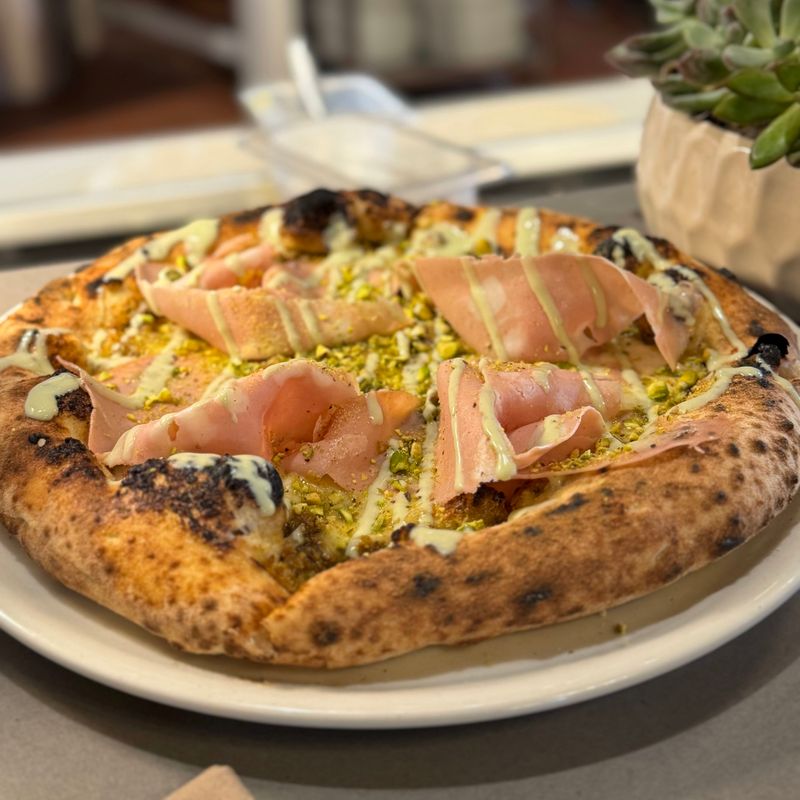
The first impression comes through scent rather than sight, as fermenting dough and wood smoke spill from the oven area and immediately signal that this is a room where heat, timing, and repetition matter more than decor or theatrical presentation.
The dining space keeps distractions minimal, letting the oven act as the anchor, while families and regulars move through the room with an ease that suggests this stop has folded itself into everyday routines rather than positioning itself as a special-occasion destination.
Neapolitan pizzas arrive with soft, pliable centers and spotted rims that collapse gently under their own steam, delivering a margherita whose balance of tomato acidity and basil fragrance feels precise without needing correction at the table.
Diavola carries a lively but controlled heat that never overwhelms the dough’s structure, while calzones hide a restrained richness of ricotta that reveals itself slowly instead of spilling out in dramatic fashion.
Ownership by Naples natives shows up less as nostalgia and more as discipline, particularly in how quickly pies move from oven to table and how confidently the menu avoids unnecessary variation.
Hours here quietly reward early arrivals, since showing up just before opening often means stepping straight into service without waiting, while latecomers tend to gather outside watching dough being shaped through the window.
Saving the crusts for olive oil is not merely suggested but practical, because the final bites retain enough structure and warmth to make that simple combination feel intentional rather than like an afterthought to a finished plate.
7. Ètra, Los Angeles
A composed calm settles over the room as soon as you step inside, created by pale wood surfaces, carefully spaced tables, and an open kitchen that hums steadily without ever tipping into noise or spectacle, making it clear that this is a place organized around focus rather than frenzy.
Light pools across counters and tabletops in a way that emphasizes movement rather than décor, so your attention drifts naturally toward the cooks plating pasta and finishing sauces with the kind of restraint that suggests confidence in repetition rather than a need to impress.
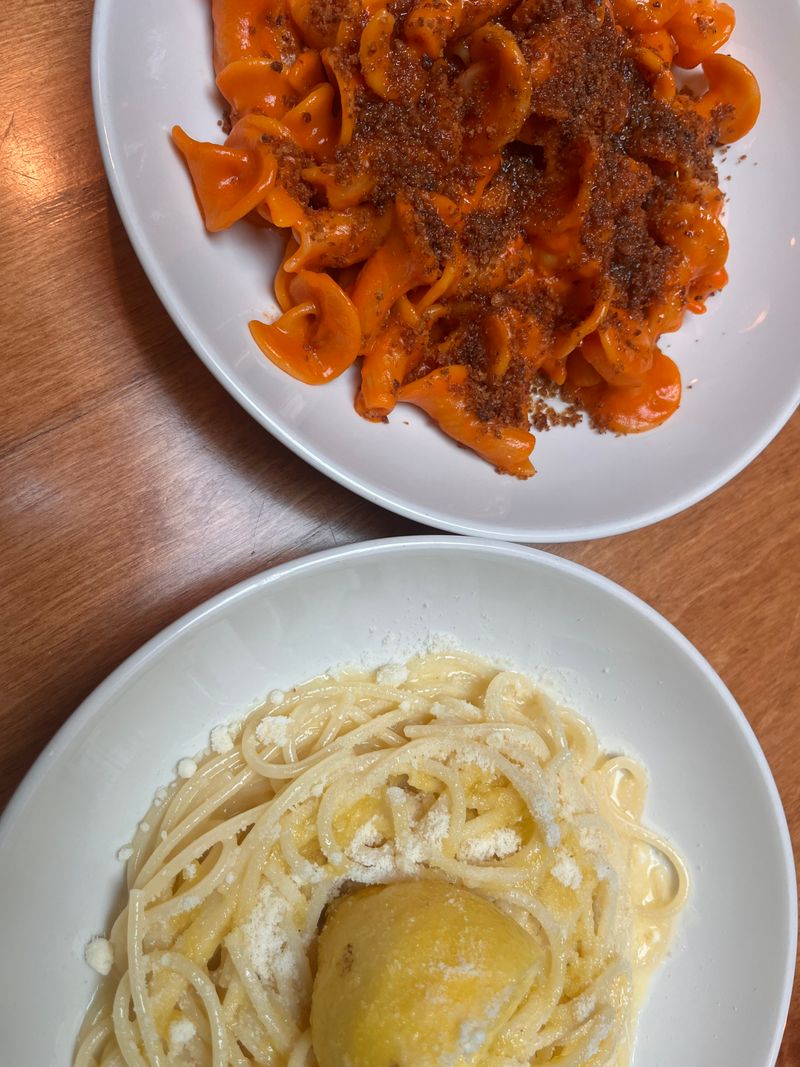
Pastas arrive cooked with exacting timing, al dente without stiffness, carrying sauces that cling rather than flood, from deeply savory ragùs to sharper, citrus-leaning preparations that stay bright all the way through the bowl.
Grilled vegetables and crudo selections extend that same philosophy, delivering smoke, salt, and herb in carefully measured proportions so no single element dominates or distracts from the overall balance of the plate.
The menu’s flexibility reflects a market-driven mindset, shifting quietly with season and supply, which rewards diners who return and notice subtle changes rather than expecting a fixed list of signatures.
Walk-in seats are most realistically claimed early in the evening, particularly along the bar, where solo diners or pairs can settle in comfortably and watch service unfold without feeling hurried or peripheral.
As the evening progresses, the room maintains its measured rhythm, allowing each course to land without interference, and making it easy to linger just long enough to appreciate how much intention can live inside food that never once asks for your attention.
8. Cafe Angelino, Los Angeles
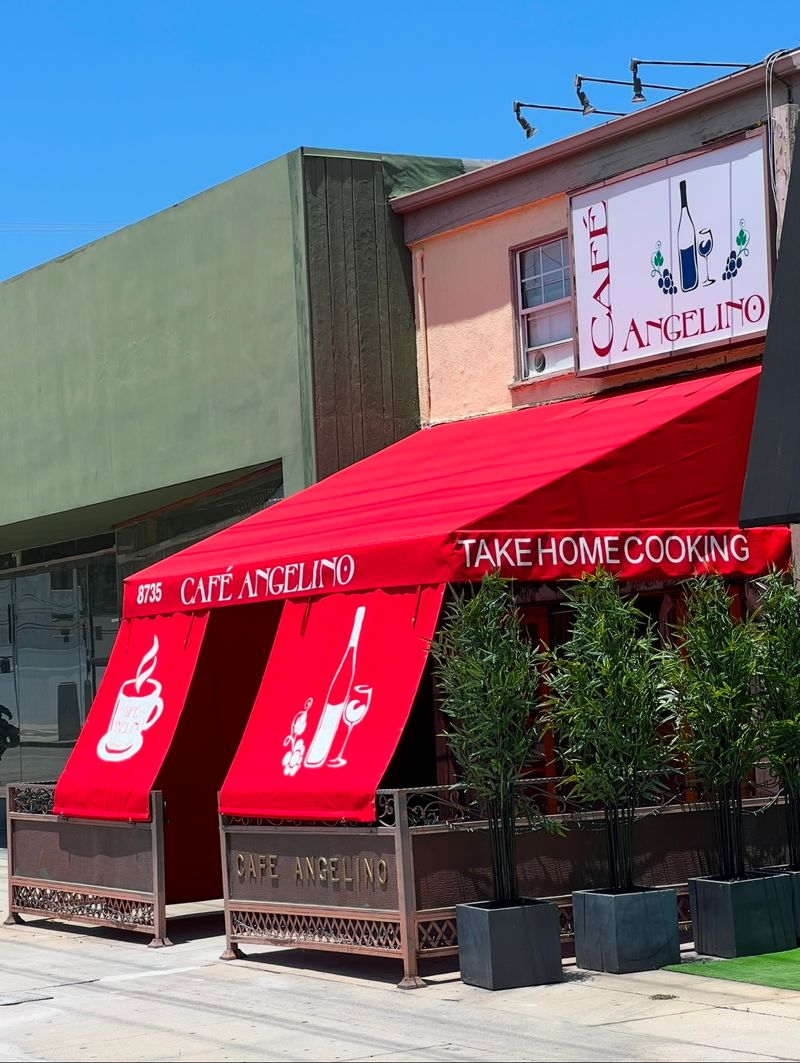
The room carries a quiet, old-school steadiness that becomes noticeable only after a few minutes of sitting still, as the low murmur of conversation, the soft scrape of chairs, and the familiar cadence of servers moving between tables establish a rhythm that feels settled rather than staged.
Warm light reflects off framed photographs and pale walls in a way that suggests time passing gently rather than rushing forward, encouraging diners to slow their pace and let the meal unfold without the pressure of spectacle or trend-chasing presentation.
Plates arrive with a sense of continuity, not surprise, as pastas lean on clean technique and well-judged seasoning, allowing garlic, olive oil, lemon, and cheese to speak clearly without turning any single component into a performance.
Seafood dishes, particularly those built around shellfish, maintain a careful balance between brine and fat, ensuring that each forkful tastes of the coast without ever drifting into excess or heaviness that would weigh down the rest of the meal.
Desserts follow the same logic, restrained in sweetness and portion, designed to close the meal rather than compete with it, which makes it easier to finish feeling satisfied instead of dulled by sugar.
Arriving before the main dinner rush increases the likelihood of a relaxed walk-in experience, especially for smaller parties willing to take a quieter table and let the room fill gradually around them.
By the time you step back outside, the experience registers not as a highlight reel of individual dishes but as a cohesive memory of comfort and consistency, the kind that earns loyalty through repetition rather than revelation.
9. Ristorante Per L’Ora, Los Angeles
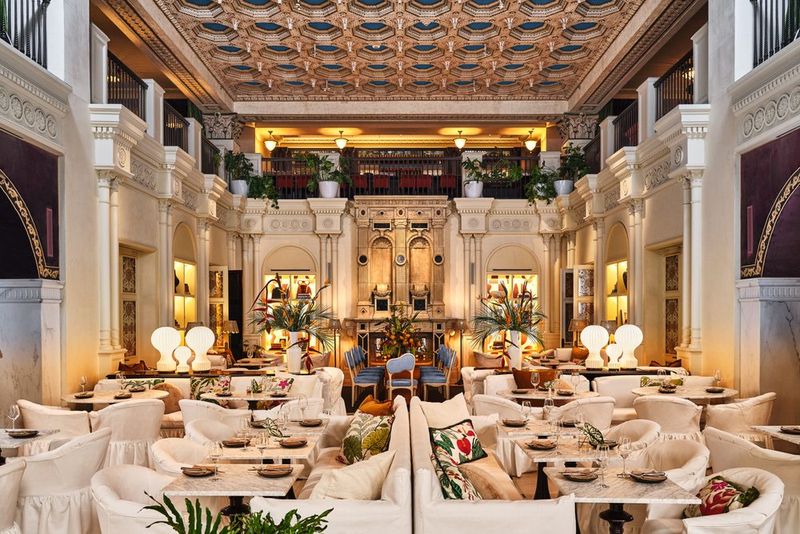
Stepping into the dining room feels like crossing into a calmer register of downtown, where Art Deco curves, muted gold accents, and generous spacing between tables soften the city’s urgency and invite you to settle into the evening without tracking the clock.
Low light moves across marble and brass surfaces in a way that feels deliberate rather than theatrical, giving the room a composed atmosphere where conversations stay intact and the background never competes for attention.
The menu reflects that same sense of control, drawing on Italian fundamentals while allowing seafood, seasonal produce, and gentle spice to shape plates that feel polished without drifting into formality.
Pastas arrive with careful structure, sauces clinging instead of pooling, while fish dishes stay crisp at the skin and light underneath, signaling a kitchen more interested in timing and restraint than dramatic flourish.
Because the restaurant sits within a large hotel footprint, the flow of the room naturally absorbs walk-in diners earlier in the evening, especially those willing to sit near the bar or accept a slightly quieter corner.
Ordering with confidence comes from trusting the room’s intelligence, choosing one pasta, one main, and allowing the pacing of service to guide the rest rather than loading the table all at once.
When you leave, the impression that lingers is not of a single standout bite but of a space that understands how to slow a meal down gracefully, making it possible to enjoy Italian cooking in Los Angeles without planning weeks ahead.
10. Il Forno, Santa Monica
Just inland from the ocean air, the room settles into an easy neighborhood rhythm where terracotta walls, framed photographs, and gently worn tables suggest habitual dinners rather than special occasions, setting expectations for comfort before a menu is even opened.
The soundscape stays friendly and lived-in, built from overlapping conversations, clinking plates, and the steady movement of servers who clearly know the room and its regulars well enough to move without hesitation or performance.
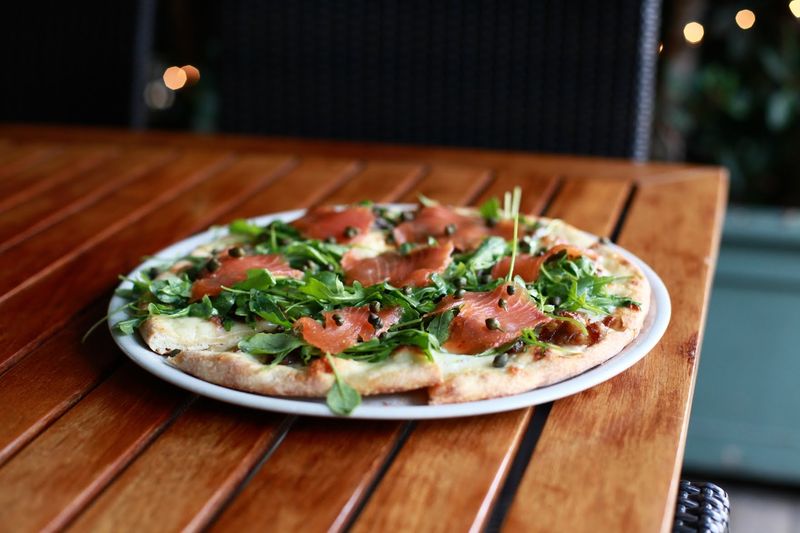
Thin pizzas arrive quickly from the oven with blistered edges and balanced browning, while pastas favor clarity over excess, letting chile heat, tomato acidity, or olive oil richness take turns rather than competing on the same forkful.
Eggplant parm holds together without slipping into sogginess, penne arrabbiata keeps its spice honest instead of theatrical, and salads crunch with bitterness that cleans the palate instead of padding the plate.
Because the neighborhood tends to eat early, walk-ins who align with that rhythm are often rewarded with a table before the dinner swell, especially on weeknights when locals breeze in without ceremony.
Choosing how to order becomes easier when you mirror the room’s restraint, sticking to one pizza or one pasta and allowing the rest of the table to emerge naturally rather than rushing to cover every category at once.
By the time plates are cleared, it becomes clear that this is a place sustained not by novelty but by repetition done correctly, where arriving early feels less like strategy and more like understanding how the room actually lives.
11. Elephante, Santa Monica
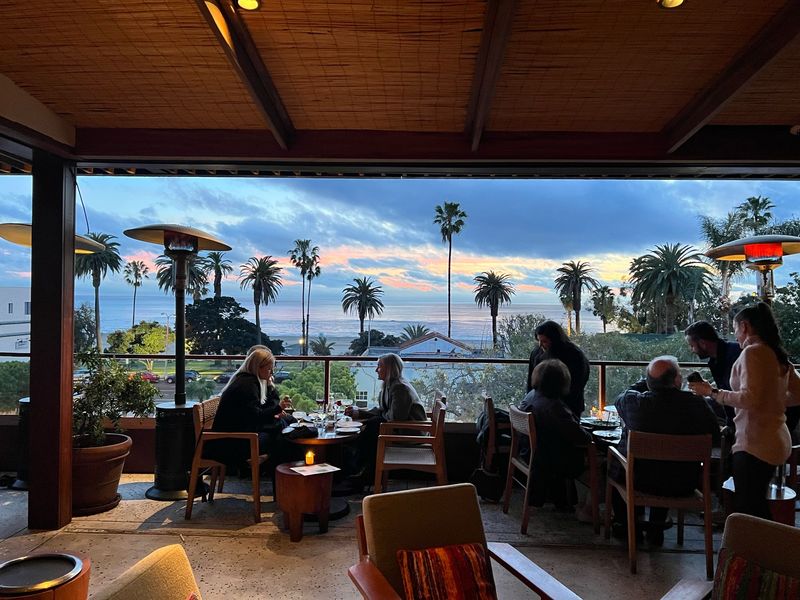
Sunset light pours across the rooftop in long, forgiving bands that soften terracotta floors and pale furniture, creating a setting where the boundary between dining room and horizon dissolves just enough to slow everyone’s pace.
Music hums at a volume designed to energize without demanding attention, while conversations braid together into a steady murmur that makes the space feel social rather than staged, even as phones briefly rise to catch the view.
Italian flavors here lean coastal and modern, with crisp pizzas, restrained pastas, and vegetable-forward plates that prioritize freshness and texture over overt richness, allowing the setting to amplify rather than mask the food.
Cacio e pepe keeps its bite without turning gluey, whipped eggplant spreads smoothly under warm bread, and salads rely on citrus and bitterness to keep the palate alert instead of weighed down.
Because demand builds fast once the sun drops, early walk-ins who settle at the bar often succeed where later arrivals stall, finding themselves fed while others still hover near the host stand.
Ordering works best when paced to the room’s rhythm, beginning with one shared plate and letting the next decision follow naturally rather than stacking courses in anticipation of a long wait.
As the sky dims and the terrace hums more urgently, the meal finishes with the sense that timing, light, and restraint mattered just as much as the menu itself.
12. Francoli Gourmet, Orange
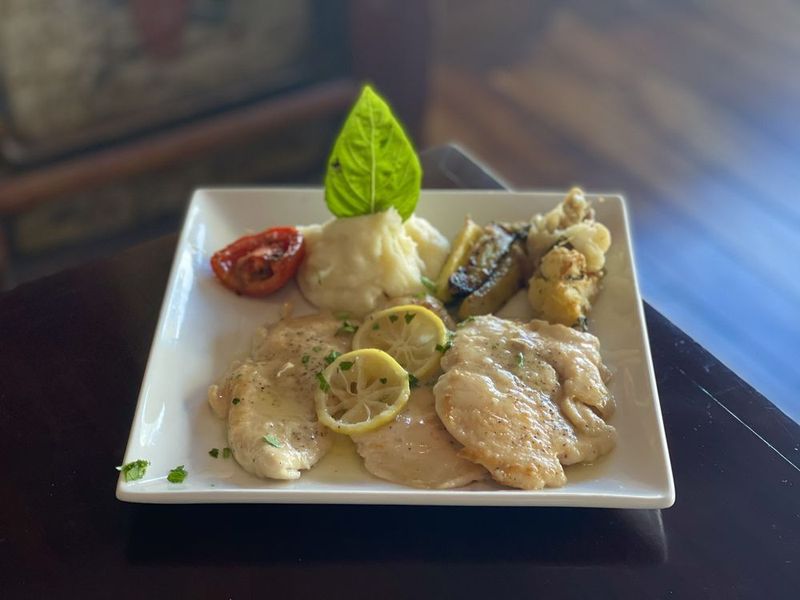
Centered on a sunlit plaza where brick walkways and antique storefronts encourage a slower wander, the dining room opens outward rather than inward, framing the meal as part of the town square’s everyday rhythm instead of a destination sealed off from it.
Light moves easily through the space, carrying with it the low murmur of conversations from neighboring tables and the subtle clink of glassware, creating an atmosphere that feels composed but never formal, as if the room expects you to stay a while.
Pasta dishes lean into patience rather than showmanship, with tagliatelle bolognese clinging evenly to ribbons of dough that taste developed and elastic, the sauce clearly built over time rather than rushed for intensity.
Second courses follow the same logic, whether it is osso buco separating gently under the fork beside saffron risotto or a salumi plate arranged to highlight contrast between fat, salt, and texture instead of abundance.
Because the kitchen balances polish with consistency, arriving just before the dinner rush often allows walk-ins to be seated without negotiation, especially for couples willing to adapt to either a small table inside or the patio’s shifting shade.
Deciding what to order becomes simpler when you treat the menu as a sequence rather than a checklist, selecting one anchor dish and allowing a well-paired plate or pour to extend the meal instead of overwhelm it.
By the end, the experience reads less as a special occasion restaurant and more as a reliable local constant, one that quietly rewards guests who understand that timing and restraint are part of the appeal.
13. Dominick’s Italian Restaurant, Oxnard
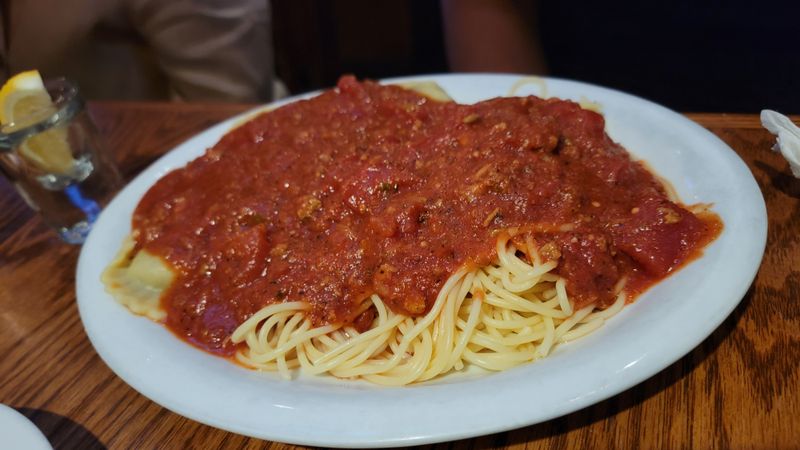
The rhythm here is immediately apparent in the way families slide into booths with practiced ease and servers move between tables carrying heavy plates with the confidence that comes from decades of repetition rather than choreography.
The room settles into a familiar warmth created by the overlap of oregano, baked cheese, and tomato sauce, a combination that does not surprise so much as reassure, signaling that the kitchen values continuity over reinvention and knows exactly who it is feeding.
Pizzas arrive broad and generous, their edges blistered just enough to curl, while pasta plates follow with sauces that lean into richness and garlic-forward comfort without chasing refinement for its own sake.
Multiple generations have passed through this dining room ordering the same standards, and that continuity shows up in how the food is portioned, seasoned, and presented without apology or update.
Walking in earlier in the evening remains the smartest strategy for securing a table, especially if you are flexible about seating and willing to accept that the experience moves at the pace of the room rather than the clock.
Ordering becomes an exercise in embracing abundance responsibly, choosing one centerpiece plate and letting shared bites create contrast instead of stacking multiple heavy dishes that compete for attention.
What lingers afterward is not a single standout bite but the collective weight of familiarity, the sense that this is the kind of place built to stay open as long as people keep bringing family through the door.
14. Allegro, San Diego
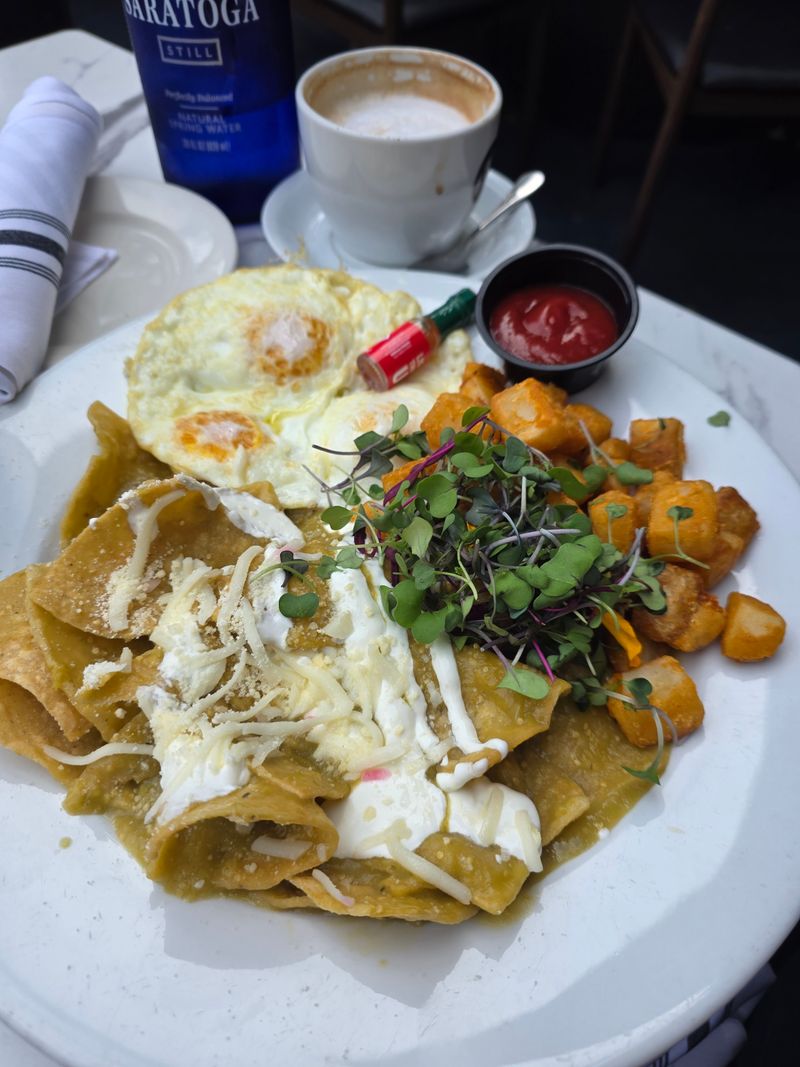
Even before the first plate appears, the constant flow of people along India Street outside the windows sets a lively backdrop that makes the dining room feel connected to the neighborhood’s evening rhythm rather than sealed off as a destination restaurant.
Inside, the space balances date-night warmth with neighborly ease, helped by low lighting, an open bar, and servers who read the room well enough to know when conversation should be paced slowly and when plates should arrive without delay.
Pappardelle with short rib carries the quiet confidence of a long braise, the sauce lacquered enough to cling without heaviness, while seafood pastas lean bright and citrus-edged, clearly built for a coastal city that expects freshness rather than bravado.
The kitchen’s style reflects years of cooking for both locals and visitors, blending Italian structure with Southern California sourcing in a way that feels natural rather than trend-driven or overly conceptual.
Arriving either early in the evening or after the first rush gives walk-ins the best chance, especially for bar seating, which offers a clear view of plates landing and cocktails being mixed with steady, unhurried precision.
Ordering works best when you commit to one substantial pasta and let smaller shared starters handle variety, allowing the table to build interest without crowding flavors or overwhelming attention.
What stays with you afterward is the sense that this restaurant understands its place in the city, using food, pacing, and atmosphere to invite people in briefly or keep them lingering, depending entirely on how the night unfolds.
15. Paluca Trattoria, Monterey
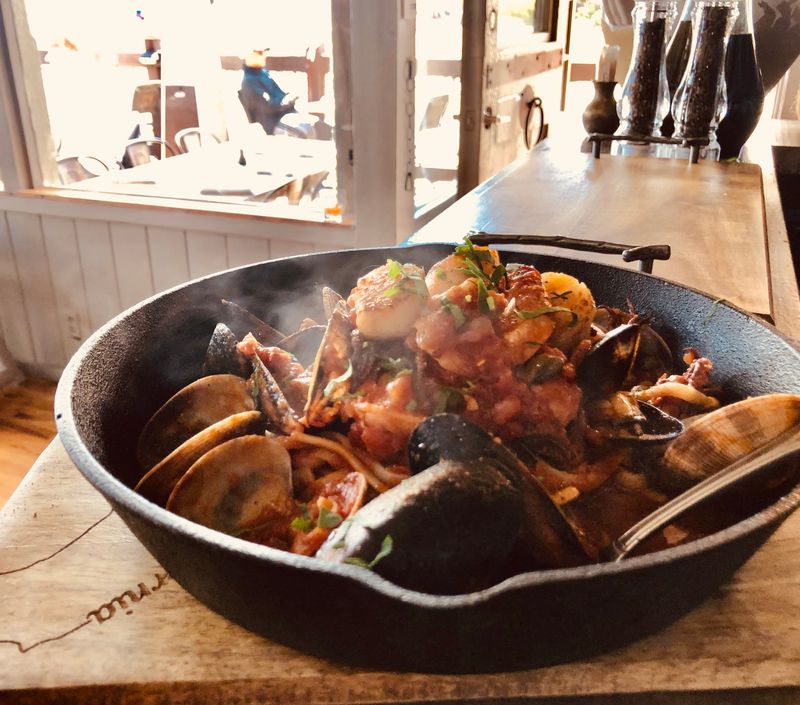
Harbor air and the soft clatter of masts outside create a mood that immediately slows the body down, making the patio feel like a natural pause between shoreline wandering and dinner rather than a stop you have to consciously plan.
From the tables near Custom House Plaza at 6 Custom House Plz, Monterey, CA 93940, the view of boats bobbing and tourists drifting by becomes part of the meal, gently competing with seagull commentary and the low murmur of conversation drifting through open doors.
Cioppino reliably anchors the menu, its tomato broth bright and briny with clams, mussels, and fish that taste of careful sourcing, while other seafood pastas keep garlic present but restrained enough to let ocean sweetness remain intact.
The cooking reflects a long-standing relationship with the waterfront, shaped by decades of serving people who expect seafood to taste clean and familiar rather than dressed up for theater or novelty.
Timing matters here more than most places, since walk-ins are far easier before peak tourist hours, when the dining room can still offer water-adjacent seats without the pressure of a built-up queue.
Ordering works best when you lean into the setting, choosing one defining dish like cioppino and letting lighter plates support it, rather than treating the menu as a checklist that risks dulling the experience.
What lands strongest is the way warm broth, cool air, and unhurried pacing align, leaving you with the sense that you ate exactly where you were supposed to, at the right moment, without forcing anything to happen.
16. Bettina, Montecito
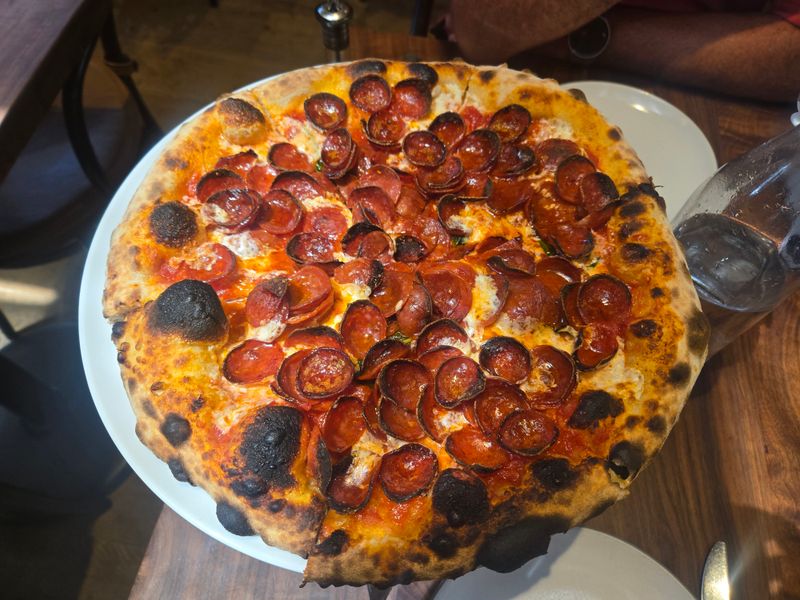
Sunlight sliding across the Country Mart courtyard creates a gentle sense of arrival that makes the dining room feel calm but alert, as if everything has been timed to catch the hour when heat softens and conversation becomes easier to hold without leaning in.
From just inside the glass at 1014 Coast Village Rd, Montecito, CA 93108, the oven’s steady glow anchors the space, quietly reminding you that whatever else is happening on the menu will ultimately pass through flame, fermentation, and patient attention.
Long-fermented dough defines the pizzas here, stretching into a tender, airy rim with a smoky blush that supports seasonal toppings like roasted squash with sage or mushrooms threaded with thyme rather than overwhelming them.
That focus reflects a kitchen shaped by coastal California sensibilities, where Italian technique meets ingredient restraint, and the goal is clarity of flavor instead of accumulation or spectacle.
Walking in earlier than peak dinner remains the most reliable strategy, particularly if you are comfortable taking a bar seat and letting the room’s low hum set the pace of the meal instead of steering it yourself.
Ordering benefits from a measured approach, starting with a bitter salad to sharpen the palate before committing to a pizza that lets the dough speak just as loudly as whatever crowns it.
What tends to linger after the plates clear is a sense of quiet satisfaction, the feeling that nothing was rushed or forced and that you were allowed to notice texture, light, and flavor without being prompted to do so.