
9 California Slang Words Foodies Actually Use (And What They Mean)
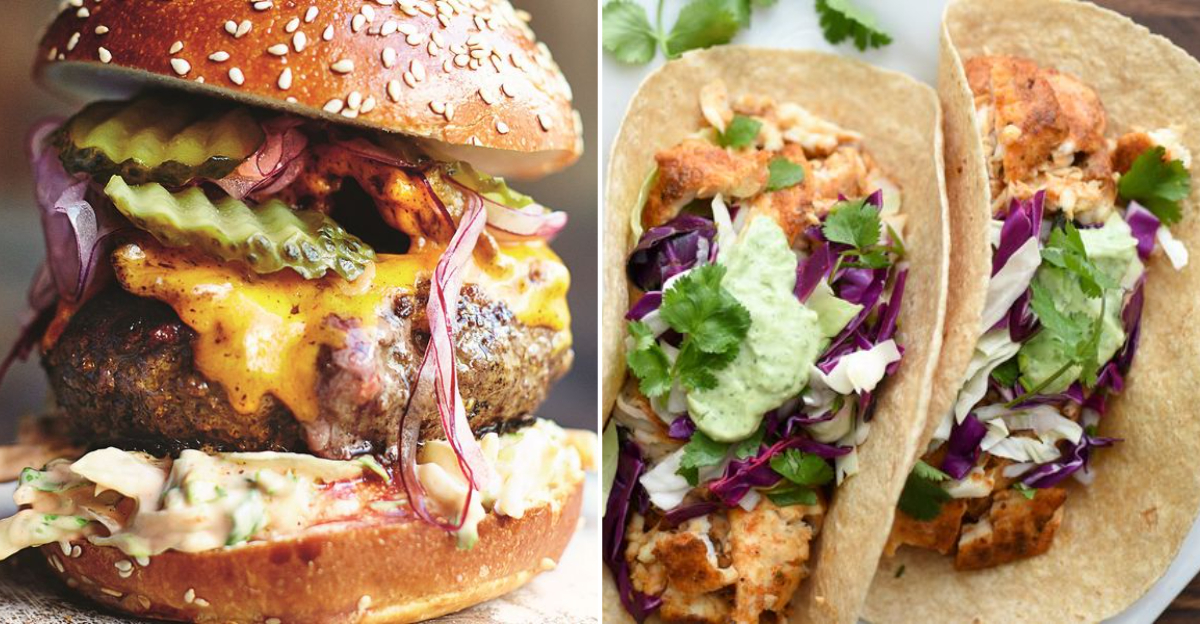
California has always been a trendsetter when it comes to food culture, and the lingo that comes with it is just as colorful as the dishes themselves.
If you spend enough time in California kitchens or dining rooms, you’ll hear words and phrases that might sound like a completely different language.
These terms have become part of everyday conversation among food lovers, chefs, and restaurant-goers across the Golden State.
Understanding this slang helps you connect with the local food community and makes ordering at trendy spots a whole lot easier.
1. Hella
You’ll hear this word constantly in Northern California, especially around the Bay Area.
Hella simply means “very” or “a lot,” and foodies use it to describe anything that’s impressive or abundant. When someone says the burrito was hella good, they’re telling you it was incredibly delicious.
I remember ordering tacos at a San Francisco food truck, and the guy behind me kept saying everything looked hella fresh. The word adds emphasis without sounding too formal or stuffy.
It’s casual, fun, and perfectly captures the laid-back California vibe that makes eating here so enjoyable and memorable.
2. Bomb
Bomb is the ultimate compliment in California foodie vocabulary. When something is bomb, it means it’s absolutely fantastic, top-tier, and worth every penny you spent on it.
This term has been around for decades and continues to be a favorite among food enthusiasts statewide.
Last month, I tried a new ramen spot in Los Angeles, and my friend kept insisting the broth was bomb. She wasn’t exaggerating one bit. The rich, savory flavor was unforgettable.
Using bomb shows genuine enthusiasm and appreciation for quality food, making it a staple expression for anyone serious about their meals in California.
3. Slaps
Slaps is a newer addition to California food slang, and it means something tastes amazing or hits just right.
Originally used in music culture to describe great songs, foodies adopted it to express how satisfying a dish can be. When food slaps, it exceeds expectations and leaves you wanting more.
Picture biting into perfectly seasoned fish tacos on a sunny San Diego afternoon. That first bite slaps because the flavors are bold and balanced.
The term conveys excitement and immediate satisfaction, making it perfect for describing meals that deliver an instant wow factor without needing lengthy explanations.
4. Fire
Fire is California slang for something exceptionally good, particularly when talking about food quality and taste. Calling a dish fire means it’s outstanding, flavorful, and cooked to perfection.
This term has crossed over into mainstream foodie language across the country, but it remains especially popular in California.
Chefs love hearing their creations described as fire because it signals they’ve nailed every element. I once posted a photo of my pasta dish online and captioned it “this carbonara is straight fire,” and the restaurant actually reposted it.
The word captures intensity and excellence in one simple, powerful expression.
5. Dank
Dank originally had negative connotations, but California foodies completely flipped its meaning.
Now it describes food that’s incredibly rich, indulgent, and satisfying in the best possible way. Think of the most decadent dessert or the juiciest burger you’ve ever had, and you’ll understand dank.
The term works especially well for comfort foods and treats that feel almost sinfully good. Heavy, flavorful dishes that stick to your ribs earn the dank label.
It’s not about being healthy or light but about pure, unapologetic deliciousness that makes you close your eyes and savor every bite with complete satisfaction.
6. Clutch
Clutch describes something that comes through exactly when you need it most. In foodie terms, it’s that perfect meal that saves the day or the restaurant that’s open late when you’re starving. Clutch food hits differently because it arrives at the ideal moment.
Finding a clutch taco stand after a long day exploring San Francisco saved my entire evening once. The timing was perfect, and the food was exactly what I craved.
Californians use this term to acknowledge when food or service exceeds expectations during critical moments, showing appreciation for reliability and quality when it matters most in everyday life.
7. Lit
Lit means exciting, amazing, or incredibly good, and it’s become a favorite among younger California foodies.
When a restaurant or dish is lit, it’s not just good but creates an entire experience worth talking about. The term captures both quality and energy in one catchy word.
A lit brunch spot might have incredible food, great music, and a buzzing atmosphere that makes the whole experience memorable. The word works for describing both the food itself and the overall vibe.
It’s enthusiastic without being over the top, making it perfect for expressing genuine excitement about discovering something truly special and worth sharing.
8. Bussin
Bussin is one of the newest terms in California foodie slang, meaning something tastes absolutely incredible.
When food is bussin, it’s so good that you can’t help but tell everyone about it. The word has quickly spread through social media and restaurant reviews statewide.
I first heard someone use bussin while eating Vietnamese food in Orange County, and it perfectly captured how amazing the pho tasted. The broth was rich, the noodles were perfect, and everything came together beautifully.
Bussin conveys immediate, undeniable deliciousness that needs no further explanation or justification for why you’re ordering seconds.
9. Smacks
Smacks is similar to slaps but carries a slightly different energy. When something smacks, it hits hard with flavor and leaves a lasting impression on your taste buds.
California foodies use this term for dishes that deliver bold, memorable tastes that you can’t stop thinking about.
Spicy foods often get described as smacking because they make such a strong impact. Tangy, sour, or intensely savory dishes also earn this label.
The word suggests power and intensity, making it ideal for describing meals that don’t hold back on seasoning or creativity, giving you an unforgettable culinary experience worth repeating.