
California’s Most Misunderstood Menu Words (And What You’re Actually Getting)
If California menus were a mixtape, half the tracks would be bangers you know and the other half would be remixes you swear you’ve heard, but not like this.
Think of it like ordering “the special” in a teen movie montage and realizing the special comes with a backstory, a fan club, and a secret handshake.
Out here, a single word on a chalkboard can mean a whole culinary scene, a neighborhood’s pride, or a decades-long ritual made famous by lines that wrap the block.
So let’s decode the buzzwords, dodge the confusion, and make sure you get exactly what you came for, with zero menu FOMO and maximum flavor victory.
1. Animal Style
Say it with confidence: Animal Style. This is not just extra sauce or some vague heat upgrade.
In California fast food lore, it refers to a very specific build popularized by In-N-Out that changes both flavor and texture in a way you can taste instantly.
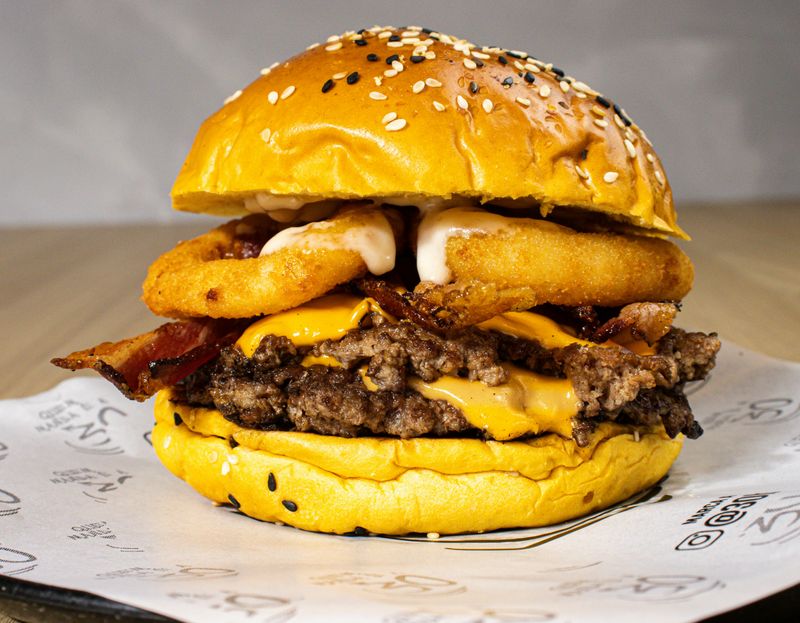
Here is what you are actually getting: mustard-grilled patties that hiss on the griddle, a generous layer of melty American cheese, a tangle of sweet grilled onions, sharp pickles, and extra spread.
That spread is creamy, tangy, a touch sweet, and designed to seep into every crag of the bun. Order Animal Style fries and you get a similar party on top of a bed of fries, turning them into a loaded, fork-worthy situation.
Why it matters is predictability. If a menu nods to Animal Style, you should expect something in that blueprint, not a random mashup.
The mustard sear brings a slightly smoky tang, the onions add sweetness, and the spread ties it together so each bite hits high and low notes.
One tip: this is big energy food, and structural integrity can wobble. Eat promptly to preserve texture.
If you see a local spot riff on Animal Style, check whether they are honoring the basics, especially the mustard-grilled element and the grilled onions.
So when you spot Animal Style, you are stepping into a California institution. It is shorthand for a specific, beloved configuration.
Order it when you want maximum savory, messy joy, and use the fries version when you want the sauce to do the heavy lifting.
2. Mission-Style Burrito
Let’s unwrap the legend: Mission-style burrito. When a menu claims Mission or SF burrito, it is not pitching a random big wrap.
It is signaling a tightly rolled, foil-wrapped icon with layered fillings and clean structure that traces back to San Francisco’s Mission District.
Expect a large tortilla steamed or warmed to be pliable, then stacked with rice, beans, meat, salsa, maybe sour cream, guacamole, and cheese, placed in a way that avoids chaos. The hallmark is how it is packed.
It should feel substantial but still neat enough to eat on the move, a detail that helped make it a city staple.
Rice in the burrito is common here, which can surprise those used to minimalist formats.
Layering brings balance, so each bite catches a bit of everything rather than pockets of mush or dryness. Some shops char the tortilla a touch for flavor, though foil usually keeps steam in and the burrito hot.
Why you care: it is a meal engineered for consistency. If a place sells Mission-style and the wrap is sloppy or thin, you are not getting the real deal.
The burrito should sit heavy in your hand and hold together to the final bite.
Scan the board for options like super, which often implies extra add-ons and heft. And remember, Mission-style is about form as much as filling, a California burrito architecture lesson wrapped in shiny foil.
3. California Burrito
File this under SoCal greatest hits. The California burrito.
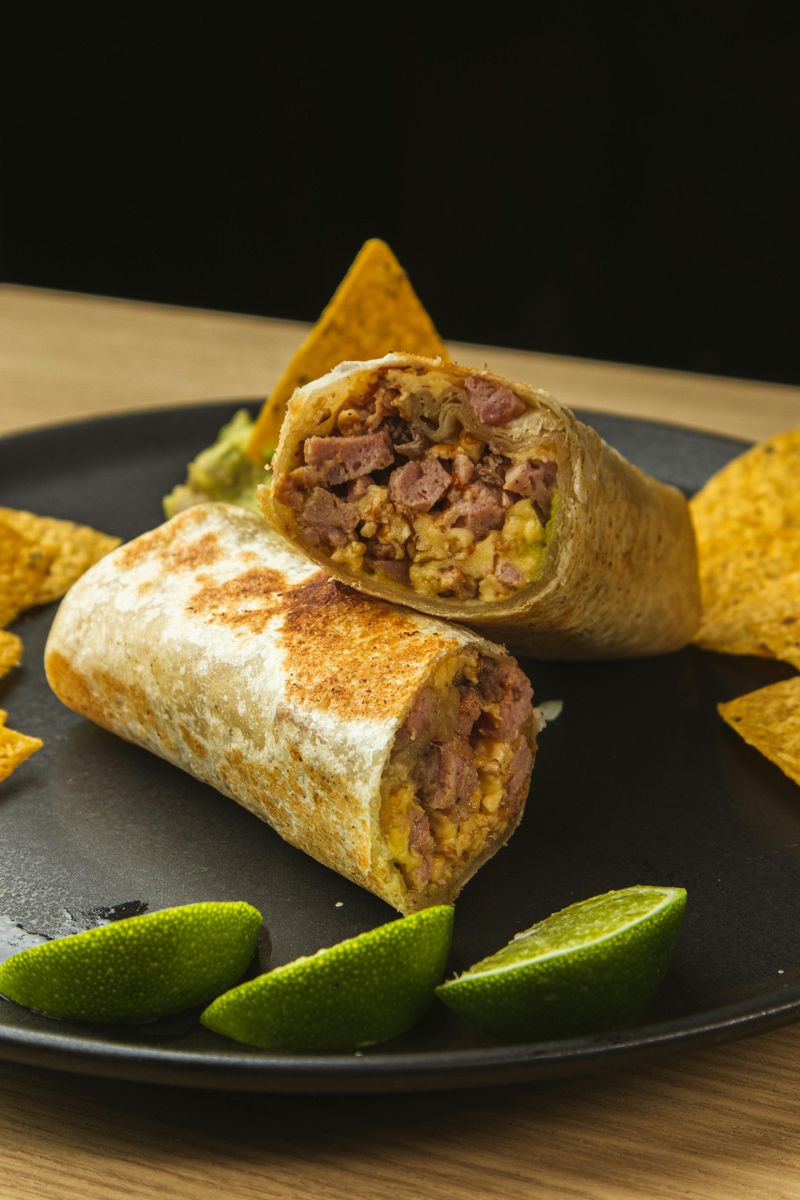
It is not just big, it is bold, and yes, it has fries inside. That one twist sends it into comfort territory that reads like late night, beach day, and taco shop classic rolled in one.
Here is the blueprint you should expect: carne asada as the main protein, French fries tucked in as a starchy backbone, plus cheese, salsa, and usually guacamole or sour cream to keep everything lush.
The tortilla wraps it up without foil gimmicks needed to hold it together, but you may still get foil for warmth. When it is right, you get beefy bites with crispy-soft fries that hold their own.
This burrito is heavily linked to San Diego, where taco shop culture runs deep and the move to add fries evolved into a signature. The fries are not a side, they are the structure.
They soak up juices and create a satisfying heft while adding a salty crunch if freshly fried.
Beware of versions that skimp on carne asada or swap in limp potatoes. The balance is critical.
You want fries that play nice with the meat, not weigh the burrito down like paste.
Order a California burrito when you crave a complete, no utensil meal that hits protein, carbs, and creamy elements in one package. It is a love letter to San Diego’s laid back appetite and a clear signal you are in California taco territory.
4. Carne Asada Fries
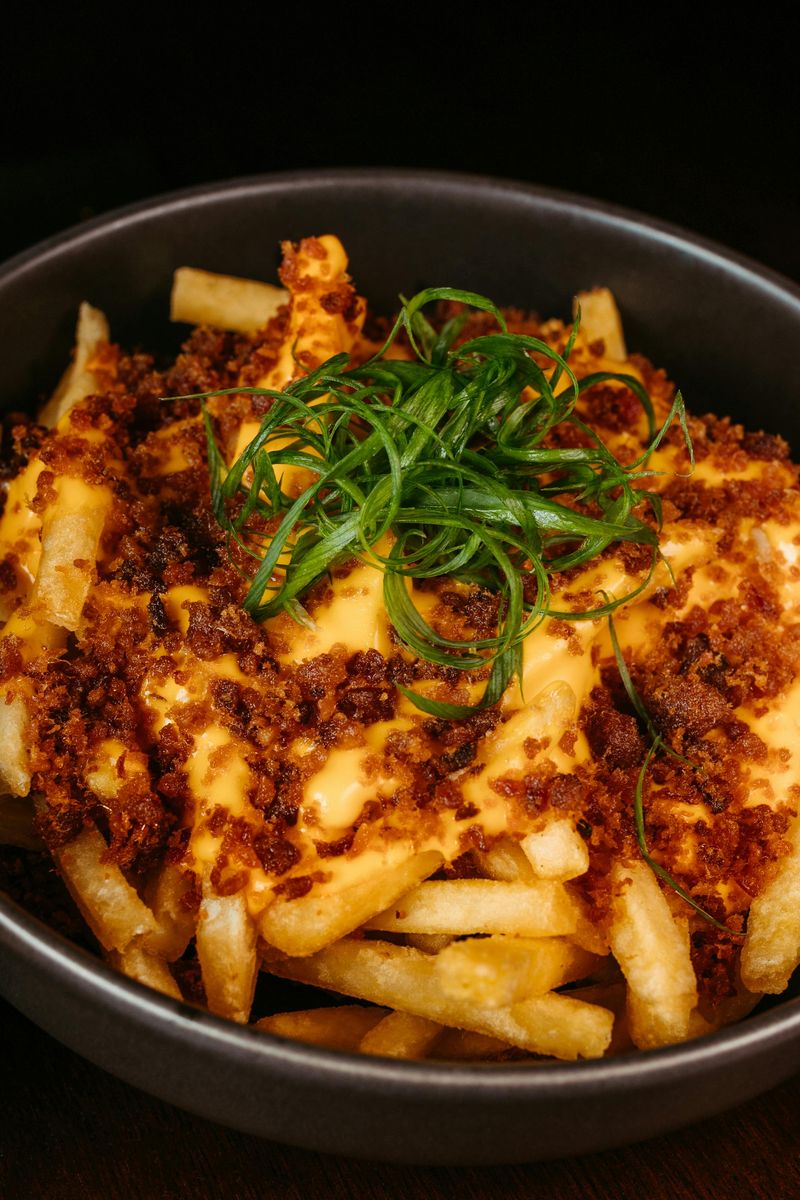
Pull up a tray, because carne asada fries are a whole scene. Think nachos swapped for fries and topped with taco shop greatest hits.
This is classic San Diego comfort food, but you will find it across California where late night cravings run loud.
The base is fries, ideally hot and crisp enough to carry toppings without surrendering. Over that lands chopped carne asada, melted cheese, guacamole, sour cream, and pico de gallo or salsa.
Some shops drizzle a house sauce for tang or heat.
Done right, it is a fork and napkin situation. The fries should hold texture long enough to catch bites of beef and dairy without going soggy in a minute.
If a place promises carne asada fries and hands you unseasoned potatoes under a pile of lukewarm cheese, you did not get the point.
It is about balance and timing. Hot fries, freshly cut steak, and cool toppings that melt and mingle as you go.
Each scoop should hit salty, creamy, bright, and charred edges from the beef.
They capture California’s love for remixing street food with pure appetite logic. And yes, they are messy, but that is the magic.
5. Baja-Style Fish Taco
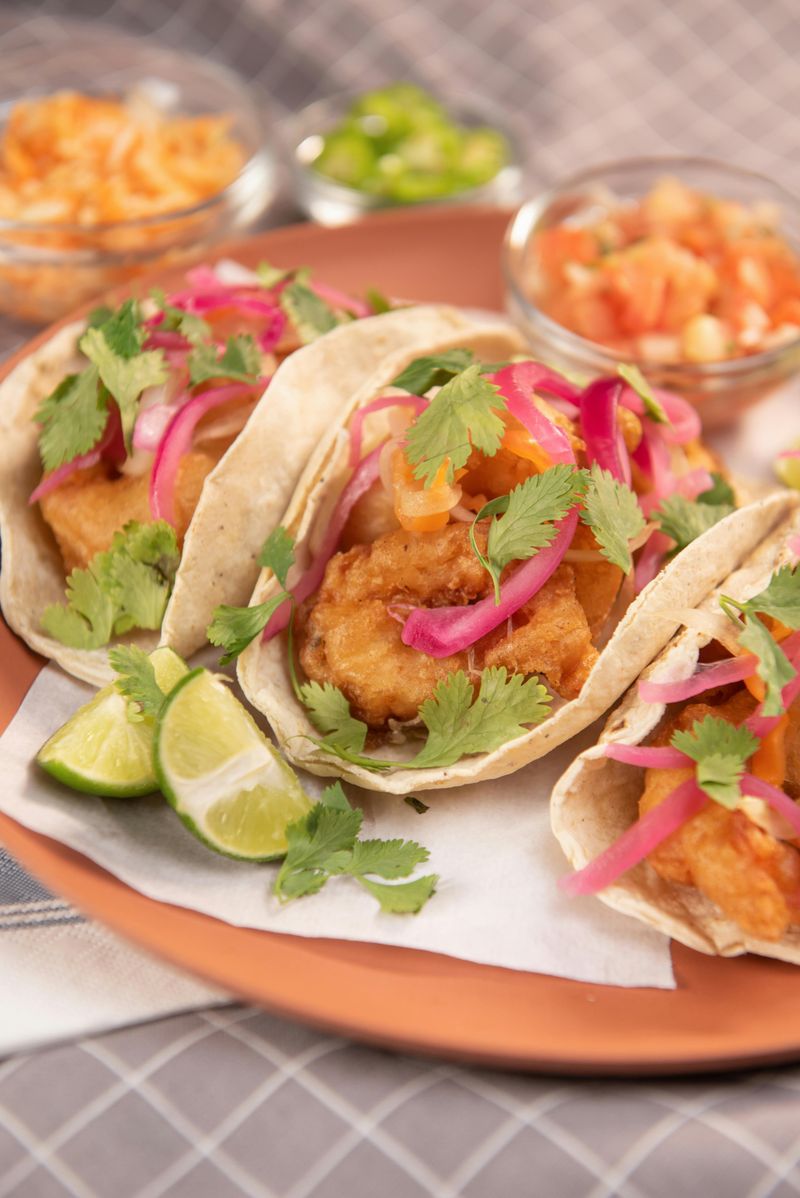
Close your eyes and hear waves: Baja-style fish tacos bring the beach to your plate. When a menu says Baja-style, you are looking at fried fish, shredded cabbage or slaw, a creamy sauce, and a lime squeeze to brighten every bite.
It is simple, sunny, and built for texture.
The fish is usually mild and battered so the crunch carries the flavor. Cabbage gives that essential snap, while the sauce, often crema based with citrus or spice, smooths the edges.
A fresh tortilla holds it together without stealing the show.
What matters is the lightness and contrast. You want crisp batter, not oil-logged heaviness.
The cabbage should be fresh and the sauce dotted or drizzled, not drowning the fish.
Some shops add pico, pickled onions, or extra chilies. Those are supporting players, not the main event.
Baja-style is a lane, not a free for all, so fried fish plus slaw plus creamy zip remains the core.
Order these when you want unfussy pleasure that still feels coastal. If you bite and the batter shatters, the lime pops, and the sauce sighs into the fish, you nailed the order.
That is the Baja promise.
6. Korean Taco
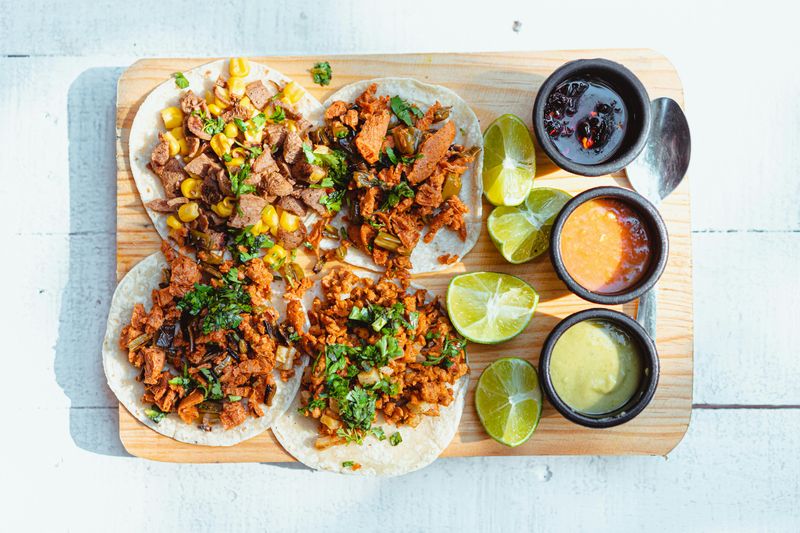
Here comes the mashup that launched a thousand lines: the Korean taco. On California menus, especially around Los Angeles, this signals Korean flavors translated through taco form.
Think marinated beef, punchy heat, and bright toppings that snap.
The usual suspects include bulgogi or short rib style meats, kimchi or pickled veg for acid, scallions, sesame, and sometimes a gochujang crema to cool and ignite at the same time. A small corn or flour tortilla cradles it all.
The point is contrast: sweet, savory, spicy, and tangy in a few big bites.
This style took off with the city’s food truck wave and spread to brick and mortar menus. The term Korean taco should not mean random chili sauce on beef.
It is about Korean marinades, fermented brightness, and taco-friendly assembly.
Look for char on the meat and freshness in the toppings. Soggy tortillas can tank the experience fast.
A quick griddle warm gives chew and a hint of toast that supports the fillings.
When you want energy and edge, order the Korean taco. It is California’s fusion confidence on full display, a street-born idea that now reads like a staple.
Two or three, and you get a full tour of flavor.
7. Dutch Crunch
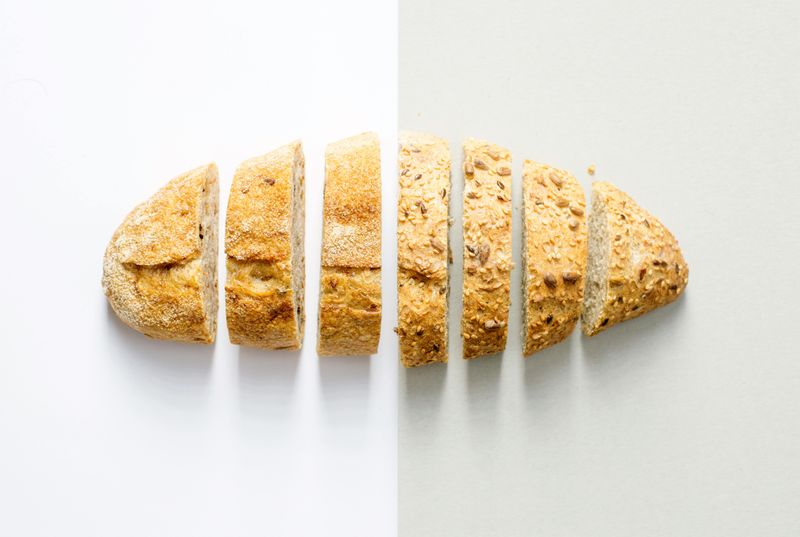
Crackly top, soft heart: that is Dutch Crunch. In Northern California, especially around the Bay Area, this mottled, crunchy-topped roll is the not-so-secret handshake for sandwich lovers.
It is beloved because it balances texture without ripping the roof of your mouth.
The top is made from a rice flour paste that bakes into a crackled shell, delivering a light crunch and a toasty vibe. Inside, the crumb stays pillowy, ready to hug deli meats, saucy fillings, or roasted veg.
Order Dutch Crunch and expect audible texture with each bite.
Why it matters: some breads dominate the fillings. Dutch Crunch supports them.
You get structure for juicy layers without going jaw workout, and the contrast keeps simple sandwiches interesting.
When a menu boasts Dutch Crunch and hands you a plain roll, that is a miss. The visual is unmistakable: a tiger-like pattern on top.
If it looks smooth, it is not Dutch Crunch.
Pair it with turkey and avocado, a meatball hero, or a saucy chicken cutlet. The top crust soaks up drips without caving.
It is a Bay Area signature that turns a solid sandwich into a craveable one.
8. Santa Maria-Style BBQ
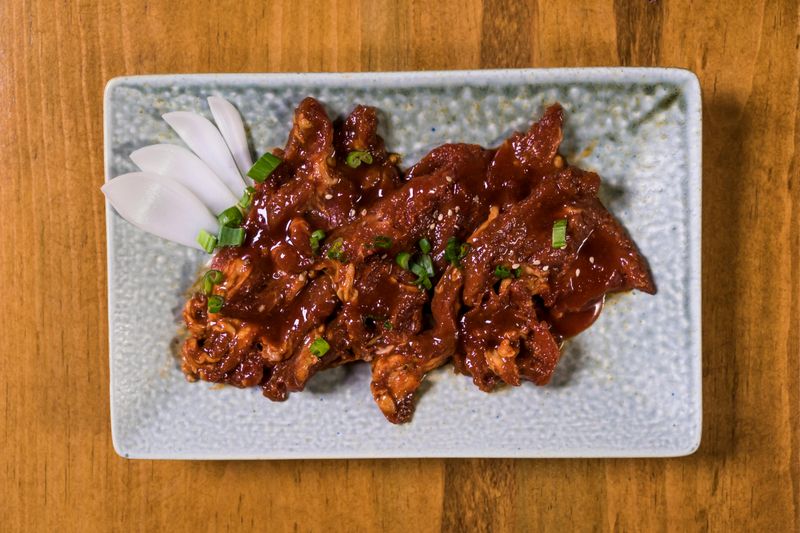
Fire, oak, and patience define Santa Maria-style barbecue. When a menu promises this Central Coast classic, expect tri-tip cooked over red oak coals with a simple seasoning and a clean, beef-forward flavor.
It is tradition first, trend second.
The meat is typically seasoned with salt, pepper, and garlic, then grilled on a distinctive adjustable grate that rides the heat. The result is a rosy interior, a smoky crust, and slices cut across the grain to keep tenderness front and center.
Sides often include pinquito beans, salsa, salad, and grilled or toasted bread.
The key is restraint. Sauces do not lead here.
The oak imparts a recognizable aroma that feels both rustic and precise, and the cut is sliced to showcase texture without hiding behind heavy glaze.
Look for pink warmth through the center and juices that glisten rather than run wild. If a place claims Santa Maria-style but lacks oak character or thoughtful slicing, it is borrowing the name without the craft.
The grill itself, with its hand crank and chain, is a calling card.
Order it when you crave honest barbecue that leans on technique and wood. You will taste the region in every bite, a Central Coast signature that speaks quietly but carries power.
Simplicity is the flex.
9. Tri-Tip (Santa Maria Steak)
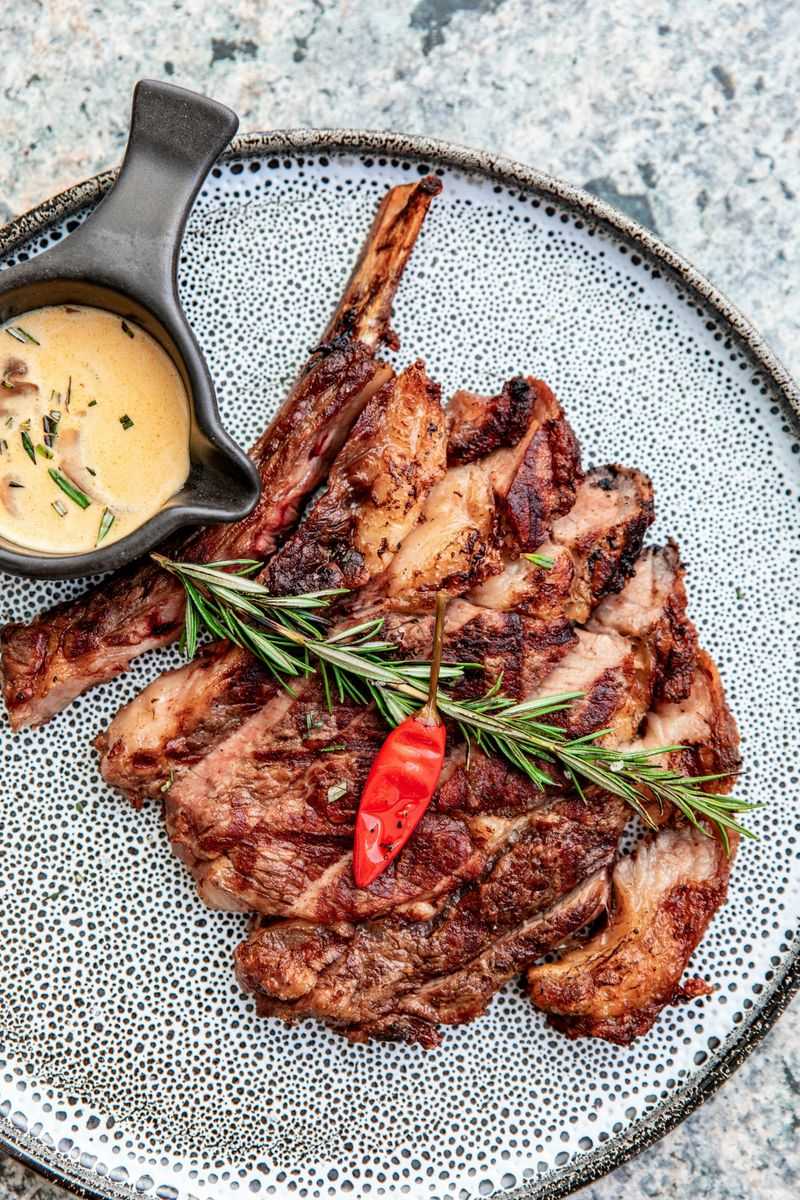
Order tri-tip in California and you are reading a Central Coast accent. This triangular cut is beefy, lean in parts, and best when sliced against the grain to protect tenderness.
It earned fame through Santa Maria-style barbecue, but you will see it beyond that scene too.
On a menu, tri-tip can appear grilled, roasted, or smoked, often with simple seasoning to keep the profile clean. The sweet spot is a medium rare center and a savory crust, followed by careful slicing to keep chew friendly.
If the slices run long and stringy, the grain was ignored.
What you want is a cut that tastes like steak without heavy sauce makeup. A quick rest after cooking preserves juices, and thin slices make sandwiches shine.
Tri-tip’s shape means edges cook a touch more, giving bites of variety across the roast.
When done Santa Maria-style, expect red oak smoke, pinquito beans, and salsa on the side. Outside that context, you might see tri-tip in salads, tacos, or baguette sandwiches.
The constant is that dense, satisfying beef flavor that stays bright instead of muddy.
It is California’s quiet star, a cut that rewards attention to grain and heat. Get it sliced right, and every bite lands.
10. Green Goddess
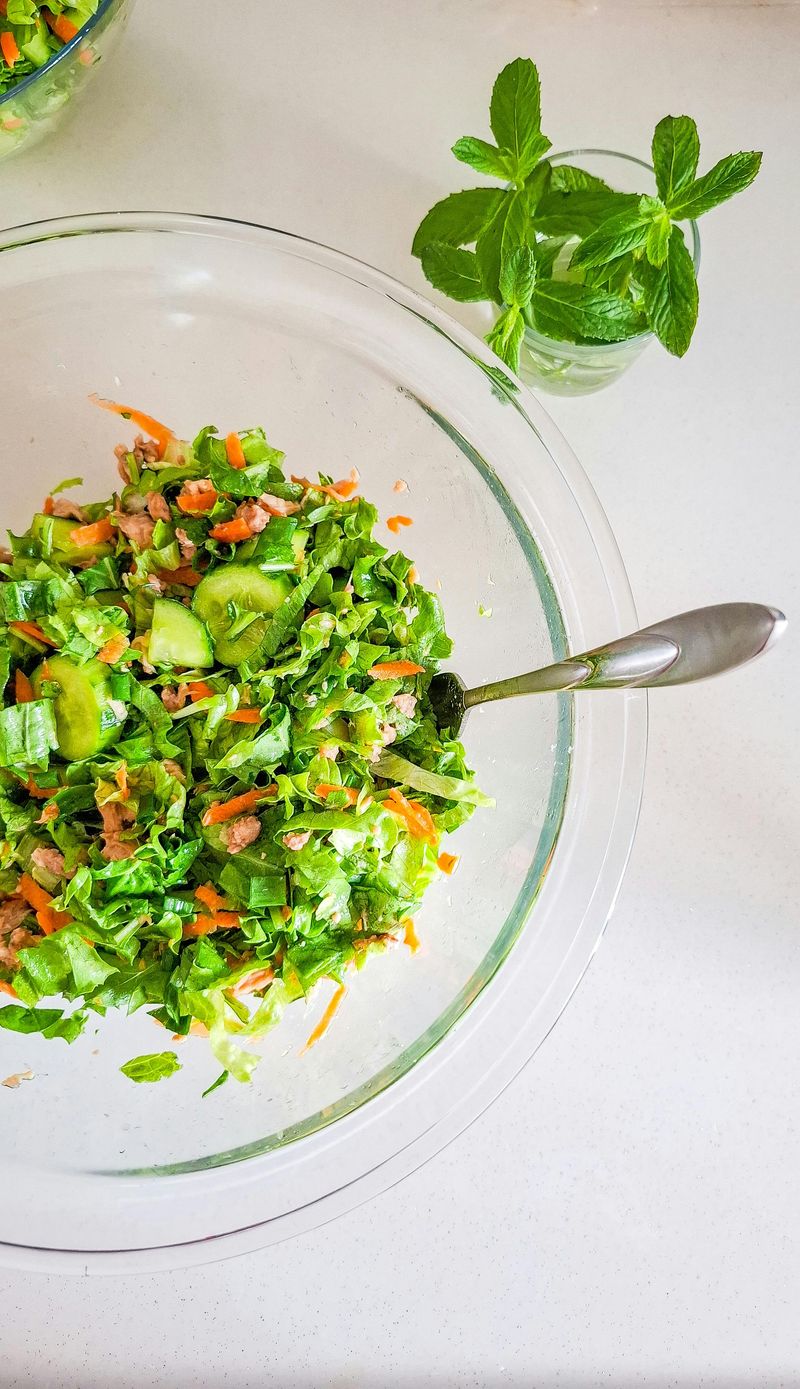
Order green goddess and you are invoking a San Francisco classic. It is a creamy, herb-forward dressing or dip with a backstory tied to the Palace Hotel.
The color is not a garnish trick, it comes from real herbs that bring perfume and bite.
Typical ingredients include fresh tarragon, parsley, chives, lemon, and often anchovy for depth, rounded by mayonnaise or a creamy base. Expect a balanced tang, herbal zip, and a texture that clings to lettuce or vegetables without heaviness.
It is bright in a way ranch only dreams of.
Menus may use it as a salad dressing, a dip for crisp veg, or a drizzle for sandwiches and bowls. The key is freshness; herbs should taste alive.
If the dressing looks dull or gray-green, it probably sat too long.
Ask yourself what you want from the plate. Green goddess should wake up greens and cut through richness without blowing out subtle flavors.
It is best on crunchy lettuces, seafood, or roasted vegetables that welcome a lift.
11. Garlic Noodles (SF-Style)
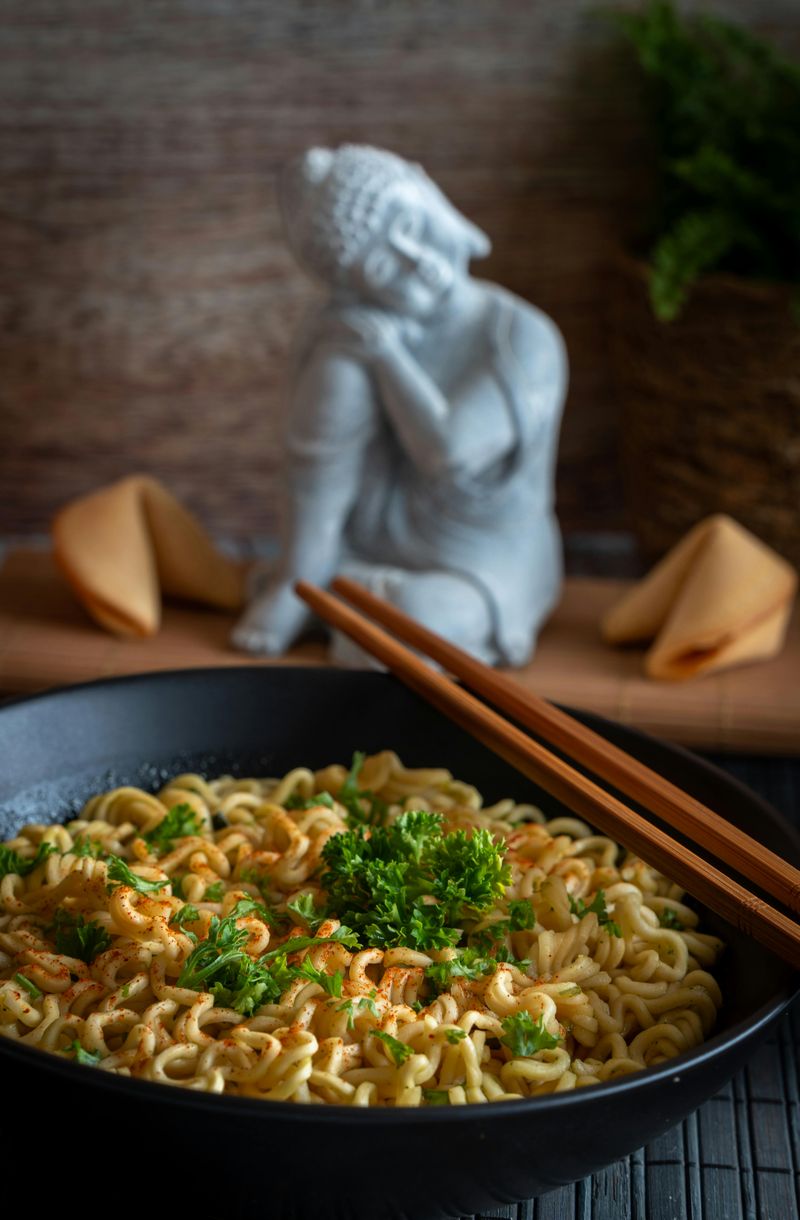
Lean in, the aroma tells the story: San Francisco-style garlic noodles. On Bay Area menus, this often nods to a famous local version that marries buttery richness with sharp garlic and a sweet-salty backbeat.
The result is comfort with swagger.
The noodles are usually egg noodles, slicked with butter or oil, garlic, and a touch of umami from sauces that may include oyster, fish, or soy, plus a pinch of sugar to round edges. Scallions add freshness, and the texture skews springy, not soft.
Expect a glossy finish that clings to each strand.
What separates great from average is balance and heat control. Garlic should bloom, not burn, and the sauce should coat without pooling.
When a place just tosses noodles with raw garlic and calls it a day, you lose that integrated, savory depth.
These noodles often show up alongside seafood or as a shared side, but they stand alone as a craveable bowl. If you are sensitive to garlic, know that the flavor is not shy.
This dish wears its name honestly.
Order it when you want an instant hit of flavor and a satisfying chew. There is a reason this style became a regional signature.
One forkful and you understand the hype.
12. Cioppino
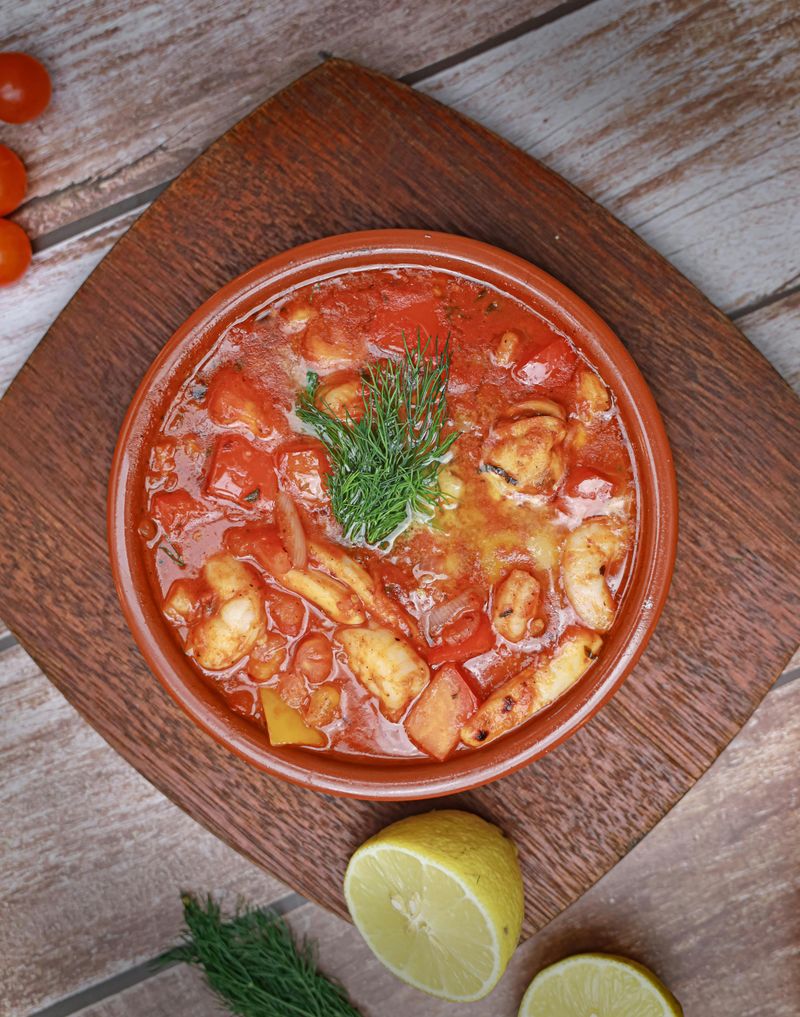
Warm bowl, ocean story, that is cioppino. In San Francisco, this Italian American seafood stew is a tradition that tastes like the docks and the bustle of old North Beach.
It is hearty without feeling heavy, designed for bread swipes and slow sips.
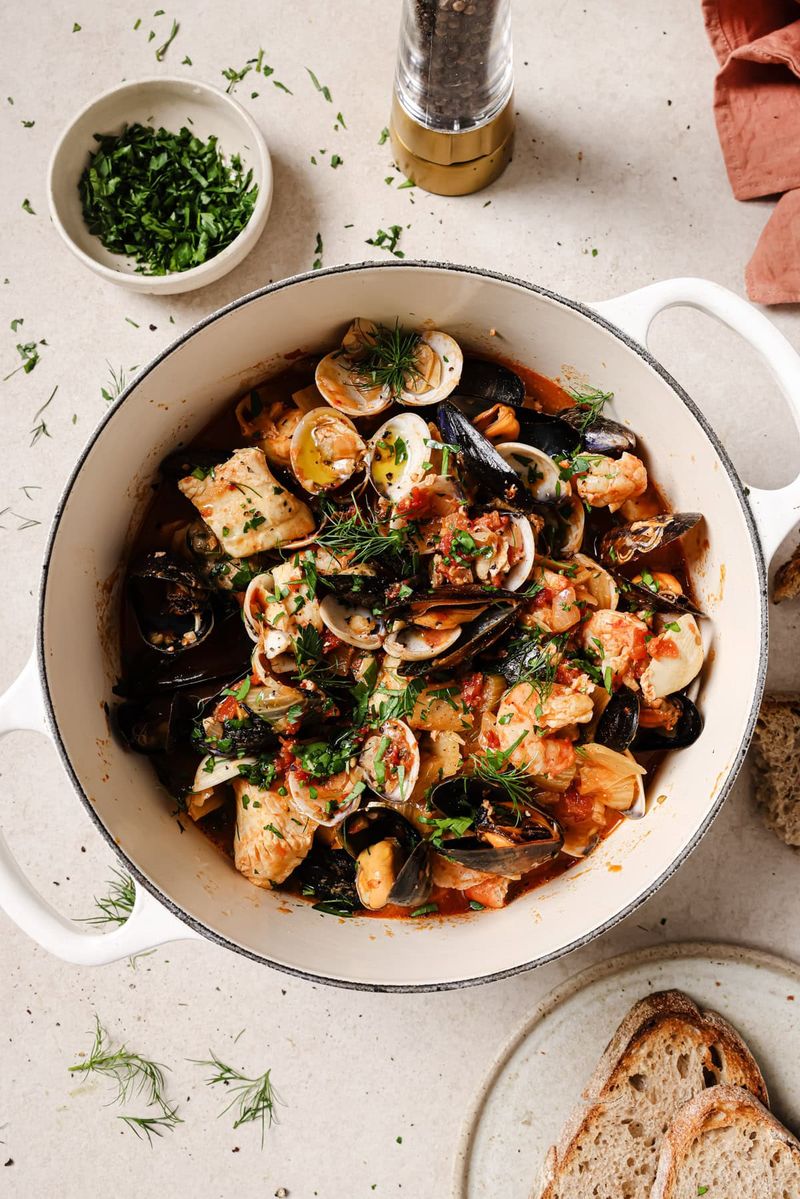
Expect a tomato based broth with aromatics, garlic, and herbs, layered with fresh seafood like clams, mussels, shrimp, crab, and chunks of firm fish. The broth should taste bright and briny, kissed with spice and rounded by olive oil.
Sourdough on the side is standard for dunking and catching every last drop.
What matters is timing. Seafood cooks fast, and each piece should be tender, not rubbery.
If the soup looks muddy or the shellfish are tight shut, something is off.
Menus sometimes list cioppino for two, and that is not a gimmick. It is a generous dish that invites sharing.
The aroma alone can turn heads as it arrives at the table.
It is San Francisco hospitality in a bowl, a stew that lets high quality seafood shine. Bring the bread and savor the tide.
13. California Roll

Say hello to the gateway roll, the California roll. It is not trying to be fancy, it is trying to be friendly.
Avocado, crab or imitation crab, and cucumber come together to offer creamy, sweet, and crisp in approachable bites.
On menus, it is often inside out, with rice on the outside, sometimes dotted with sesame seeds or tobiko. The roll is built to be balanced and mild, an easy entry that still satisfies.
You are not here for wasabi fireworks, you are here for smooth harmony.
The origin story is debated between California and Vancouver, but the name stuck and the vibe fits the state’s embrace of avocado and roll culture. Freshness is key.
The cucumber should snap, the avocado should be ripe but not mushy, and the crab element should taste sweet and clean.
If a place leans on the California roll for novelty, something got lost. This roll shines in its simplicity.
Pair it with a brighter or spicier roll and you get a solid plate.
This is the roll that teaches your palate the rhythm before the solos start. Simple, steady, and dependable.
14. San Francisco Sourdough
Tangy and proud, San Francisco sourdough sells you on heritage with every chew. When a menu calls out SF sourdough, expect a distinct sour note, a glossy crust with some blister, and a sturdy crumb that stands up to soup, stew, or a piled sandwich.
This is not soft white bread wearing a fancy name.
The character comes from wild yeast and bacteria in a well kept starter, coaxing flavor over time. A long ferment builds acidity and complexity, while high heat creates that crackling crust.
Done right, it is both chewy and crisp, leaving a clean lactic twang at the finish.
Do a quick texture check. The slice should have some bounce and an airy interior, not dense sponge.
If it chews like cake, you did not get the SF experience.
This bread shows up everywhere: chowder bowls, breakfast toasts, deli towers. It carries butter and jam as easily as it holds roast beef and greens.
The sourness lifts rich fillings instead of fighting them.
SF sourdough is the city’s edible calling card, and it makes nearly everything it touches taste a little sharper, a little brighter. One slice and you get why it travels so well in stories.
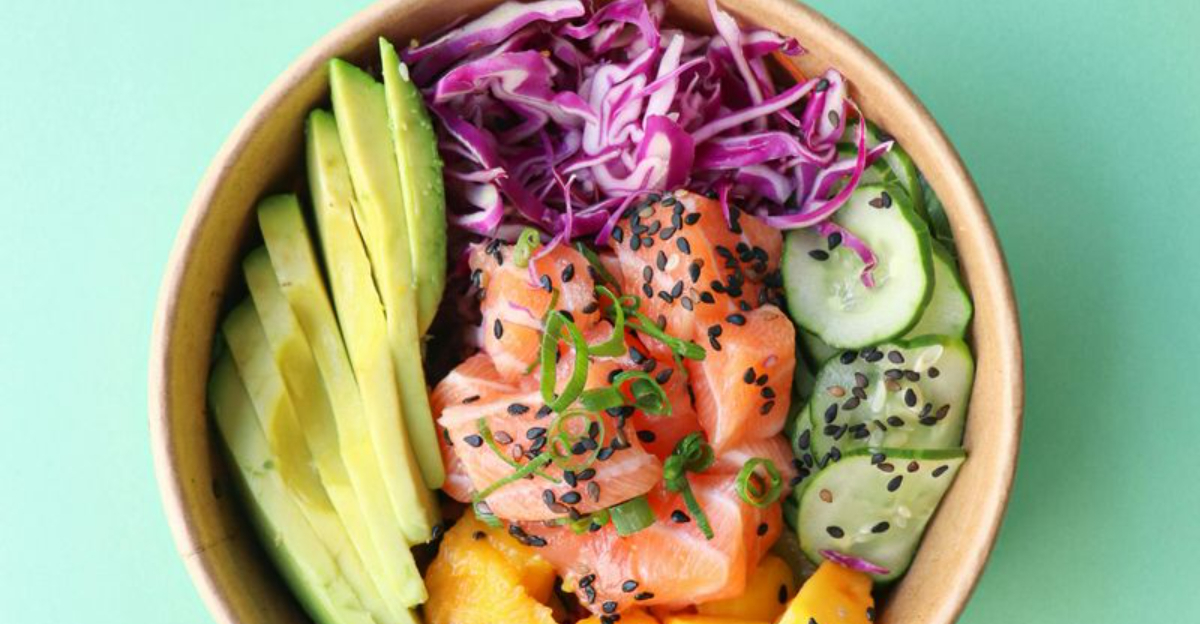
15. Poke Bowl
Build it, bowl it, love it! Poke has gone mainstream in California.
The word poke refers to cut pieces, usually of raw fish, and a poke bowl stacks those cubes over rice with toppings you choose. It is Hawaiian in root, California in customization.
Expect ahi or salmon most often, marinated lightly in soy, sesame, or citrus based dressings. Add-ons might include seaweed salad, cucumber, edamame, avocado, scallions, sesame seeds, and crunchy bits for texture.
Brown rice, white rice, or greens form the base, and sauces range from classic shoyu to spicy blends.
The key is freshness. Fish should look glossy and smell clean.
If the cubes feel mushy or the sauce tastes flat, you are missing the mark.
California shops lean hard into build-your-own, which can create overload. Aim for balance instead of piling everything under the sun.
A smart bowl hits creamy, crisp, salty, and bright without drowning the fish.
Order a poke bowl when you want a cool, satisfying meal that still feels light. It is easy to personalize while staying true to the poke idea.
Keep it simple, and the fish gets to sing.