
Arizona’s Longest Mountain Coaster Lets You Control The Brakes For An Entire Mile
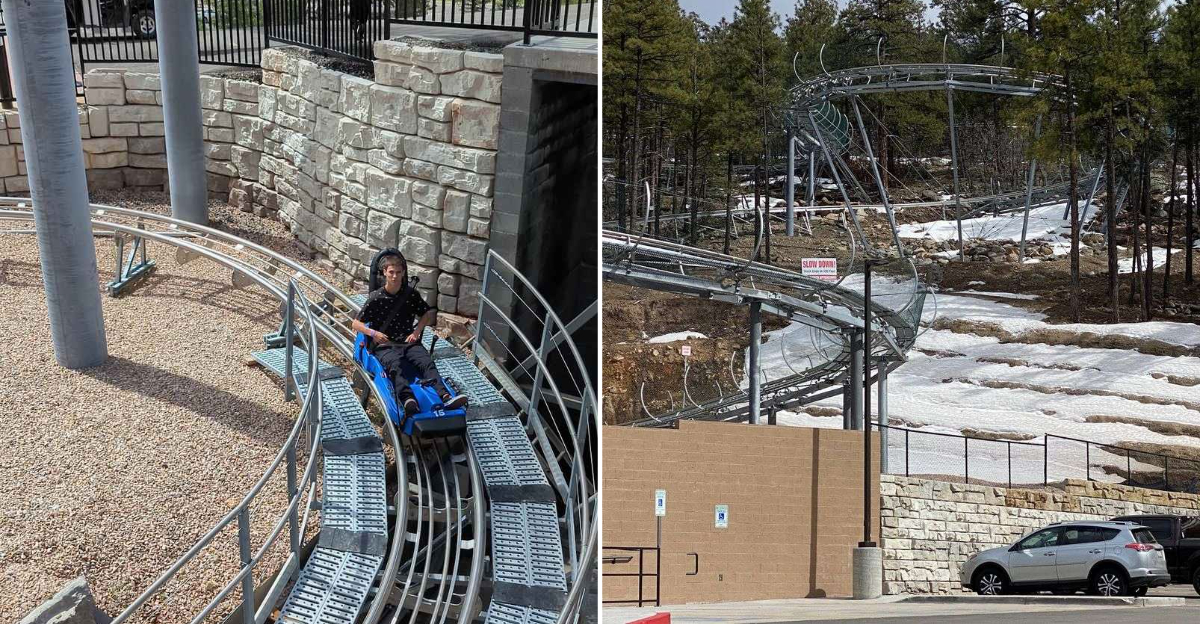
I’ve always considered myself a responsible adult. I pay my taxes, I floss, and I generally follow the rules. But put me in control of a gravity-powered cart hurtling down a mountainside, and my inner adrenaline junkie takes the wheel.
Recently, I visited Arizona’s longest mountain coaster, a wild, mile-long track that puts your life quite literally in your own hands. The best part? You get to control the brakes.
Naturally, my initial plan was to cruise down at a sensible, leisurely speed to enjoy the scenery. But who are we kidding?
Within three seconds, I channeled my inner racecar driver, pushed the lever all the way forward, and screamed like a toddler on a sugar rush. If you need a quick thrill, this is it. I came for one ride and stayed most of the day.
If you are heading toward the Grand Canyon and want something with a pulse before or after all that scenery, keep reading. I will walk you through the ride itself, the tubing, the food, the ticket details, and the small tips that made my visit smoother.
A Mile Of Track Where Your Hand Sets The Pace
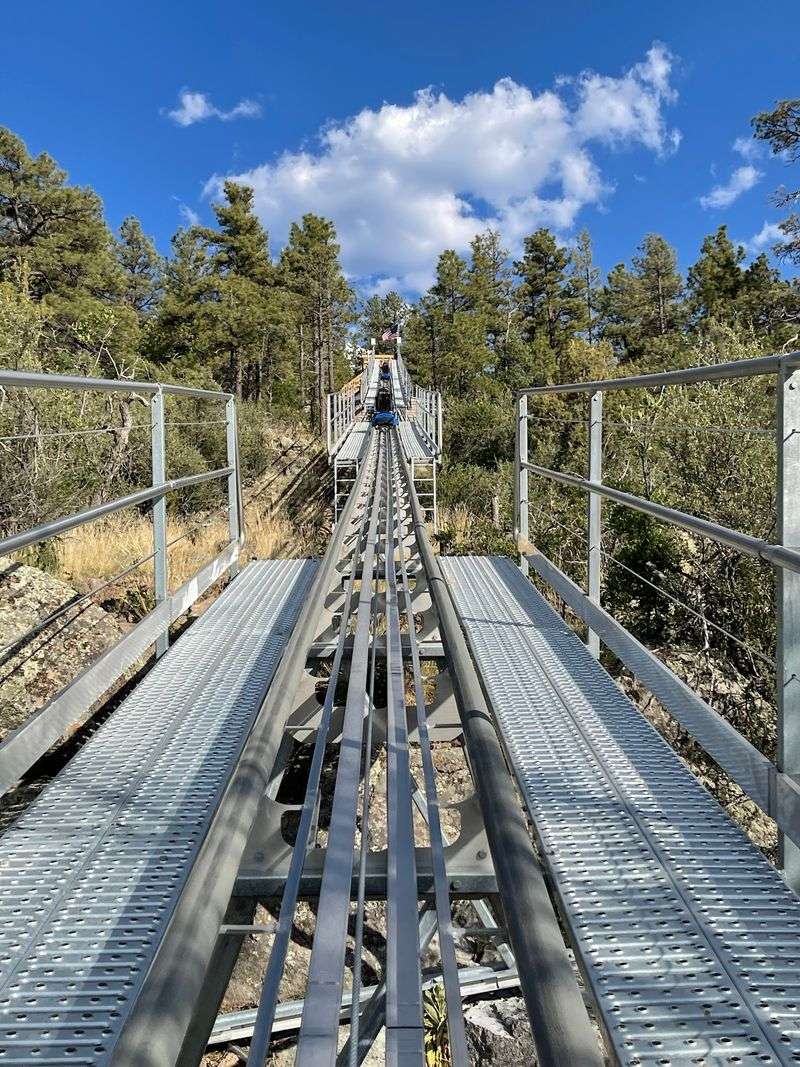
Most rides decide your fate for you. Here, a simple hand lever puts you in charge, and I found that oddly thrilling.
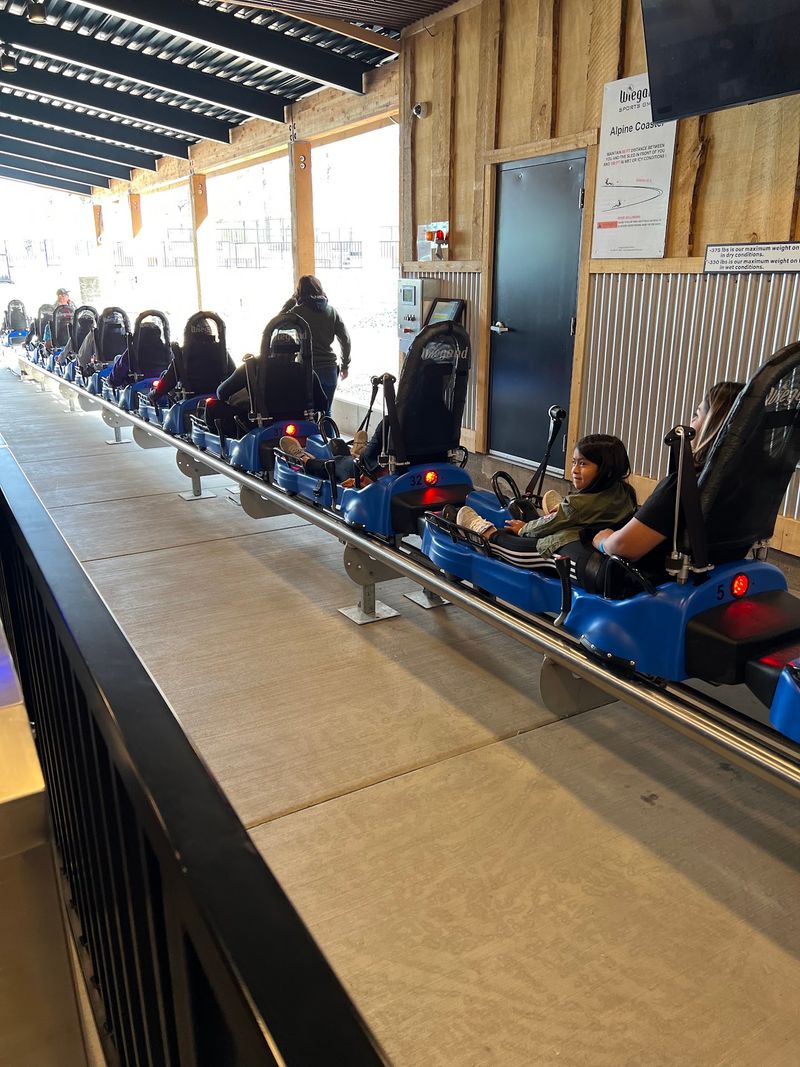
The Canyon Coaster is Arizona’s first and longest mountain coaster, running a full mile on a stainless steel tube track anchored right into the mountainside. Pull the lever back and you slow down for photos of the pines. Push it forward and gravity does the rest.
Steep drops, quick dips, twists, hairpin turns, and 360-degree corkscrews all show up along the way, with the track reaching about 35 feet at its tallest point. A conveyor lift carries you and your cart uphill first, which gives you a quiet minute to size up what is coming.
My advice after several laps: take the first run at a relaxed speed so you learn where the sharp corners hide. Then ride again and let it fly. The second trip felt twice Ts fast, even though the track never changed.
Tubing That Refuses To Take The Summer Off
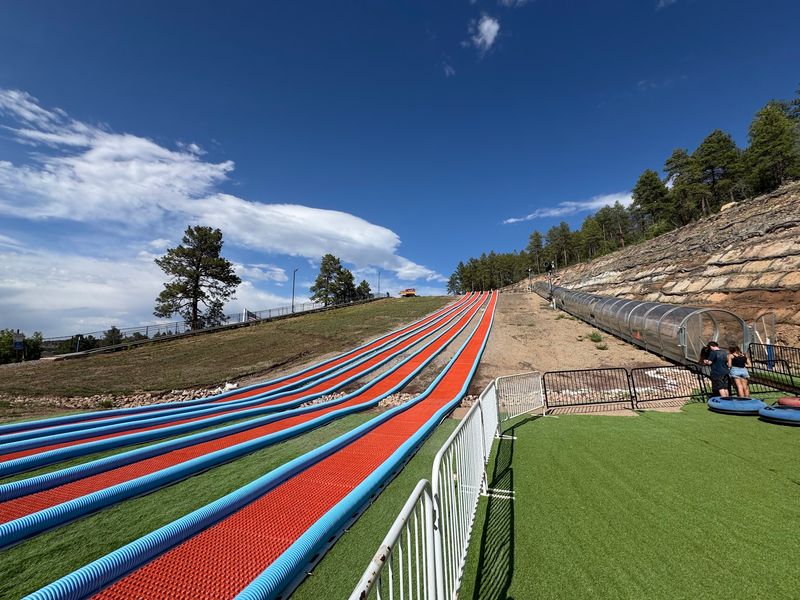
Snow tubing in Arizona sounds like a stretch until you see the snowmakers doing their job.
Winter season generally runs from November through April, and the park guarantees snow on its lanes using serious snowmaking equipment, so a warm week does not cancel your plans. I watched kids stack up two and three tubes deep, spinning down the hill while the lift hummed beside them.
Come summer, the same slopes get covered with slick plastic mats, and tubing keeps right on going. Two uphill conveyor lifts serve both seasons, which means you spend your energy riding instead of hiking back up.
What I appreciated was how little skill it takes. There is no balancing, no gear rental drama, no learning curve. You sit, you hold on, you laugh.
Bring gloves and a warm hat in winter, and expect a bit of snow down your collar. In July, sunglasses and sunscreen matter more than layers.
Glow Tubing Turns The Hill Into A Light Show
Nighttime is when the park stops being a daytime attraction and turns into something closer to a party on a hill.
On Friday, Saturday, and holiday nights, the tubing lanes light up with an array of LED lights for what the park calls Glow Tubing. Colors wash across the snow, the lift keeps rolling, and the whole hillside takes on a glow you can see from the lodge patio.
Sessions are priced around fifty dollars, with small child tickets closer to thirty-five, so plan for it as the main event of your evening rather than a quick add-on.
I would book ahead if your dates fall on a holiday weekend, since these sessions fill quickly and space is limited by time slot.
Dress warmer than you think you need to. Once the sun drops behind the pines at this elevation, the temperature falls fast, and dry gloves make a bigger difference than a heavy coat.
The Base Lodge, Home Of Burgers And Mini Bowling
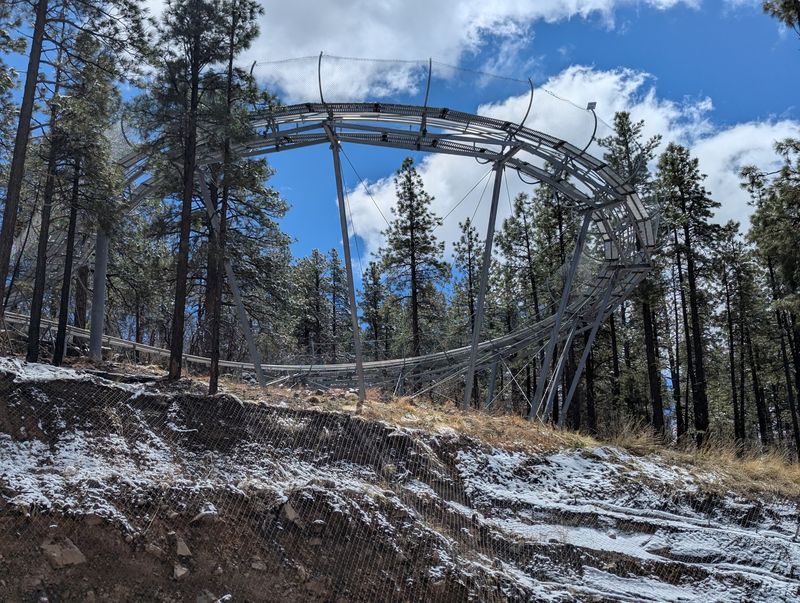
Hungry after four coaster laps? The base lodge sits right where you land, and it became my unofficial headquarters.
The grill turns out burgers, pizza, sandwiches, and salads, which covers just about everyone in a group with different appetites. A wide patio wraps around outside, and on a bright afternoon those tables are the best seats in Williams for watching carts fly down the mountain.
Inside, mini bowling lanes and an arcade give restless kids somewhere to burn energy while the adults finish eating. I lost a bowling match to a nine-year-old and have made peace with it.
Practical note: the lodge is also where you regroup between activities, so pick a table and use it as your meeting spot.
Order food during off-peak hours if you can. Around noon on a Saturday, the line grows, and mid-afternoon is far calmer for both the counter and the coaster queue.
Grand Canyon Detour With Perfect Timing
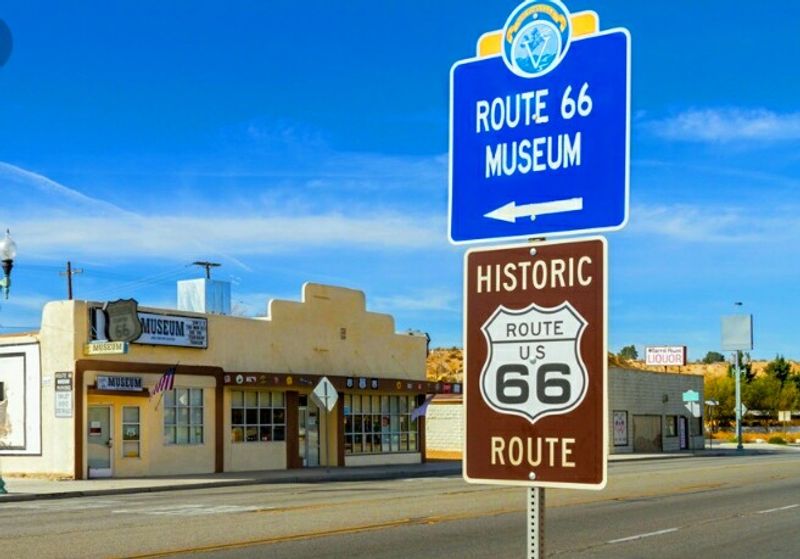
Location does a lot of the work here. You will find the park at 700 E Route 66 in Williams, Arizona, United States, roughly an hour’s drive from the Grand Canyon’s South Rim and about thirty minutes from Flagstaff.
That placement makes it a natural stop on a canyon road trip. I rode the coaster in the morning, then drove north for sunset at the rim, and the day felt twice as full as it would have otherwise.
Williams sits high enough that summer temperatures stay noticeably cooler than Phoenix or Sedona, which is why locals treat the town as a warm-weather escape. In winter, that same elevation brings real snow.
Founded in 2022 and soft-opened that April, the park is still new enough that many canyon visitors drive past without noticing it.
Fuel up in Williams before heading toward the rim. Services thin out quickly once you leave town on Highway 64.
Rules, Heights, And Who Can Ride Solo
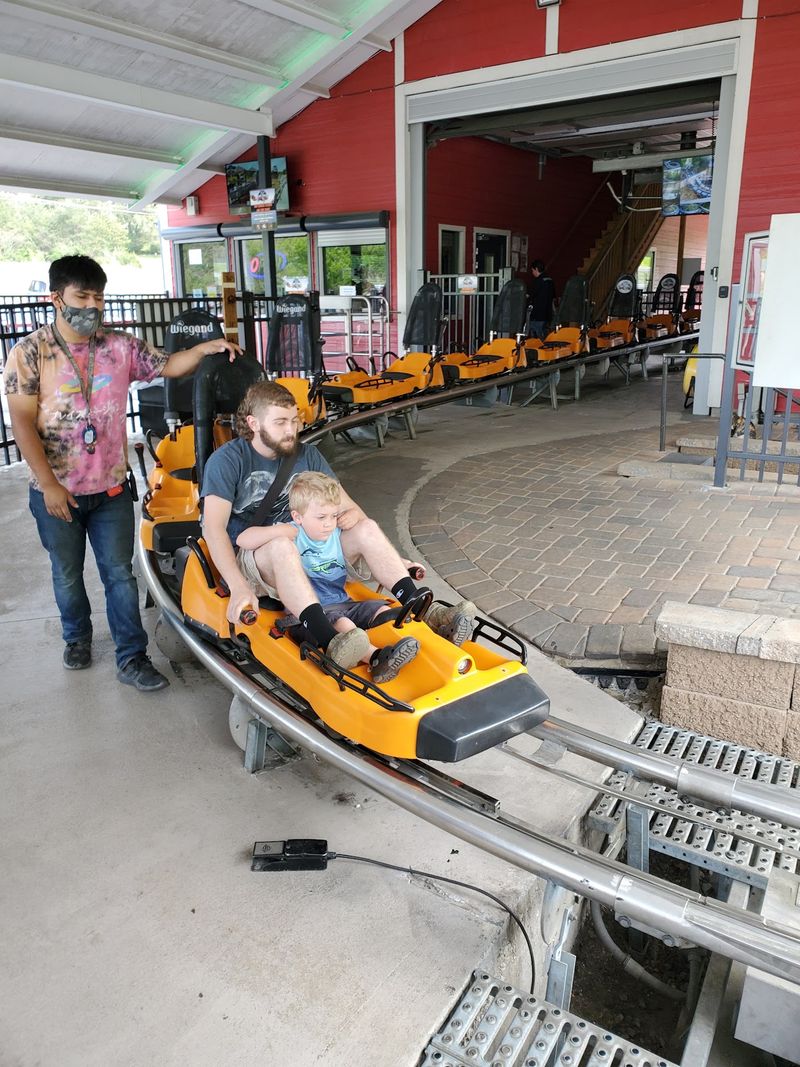
Families ask about age limits more than anything else, so here is the short version.
Riders as young as nine can take the mountain coaster solo, which is younger than many similar attractions allow.
Smaller kids can still join in a tandem cart with an adult who is eighteen or older, as long as the child is at least three years old and 38 inches tall, and the combined weight stays within the posted limit.
Staff check restraints before every launch, and they explain the brake lever clearly enough that first-timers catch on fast.
Closed-toe shoes are required, and comfortable clothes beat anything loose or flowing. Secure your phone or camera before you roll out, because a dropped device on a mile of track is not coming back easily.
One thing I noticed: kids riding tandem often want their own turn afterward. Budget for that second ticket, and you will avoid a small negotiation at the bottom of the hill.
Tickets, Timing, And Weather Watching
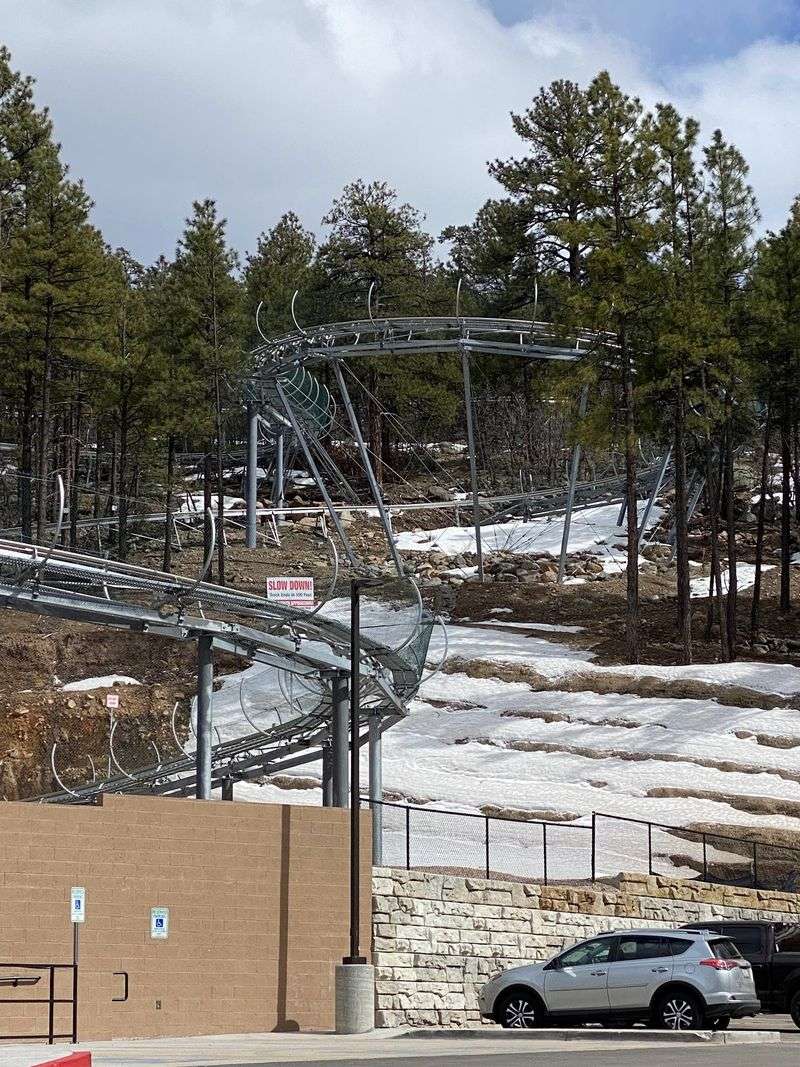
Planning ahead saved me a good chunk of standing around.
A single mountain coaster ride runs about twenty dollars, and a child ride-along adds roughly ten. That pricing makes it easy to buy a couple of laps without much hesitation, which is exactly what most people end up doing.
The park operates year-round, weather permitting, but rain can pause ride operations. I checked the forecast the night before and again that morning, and I would do the same thing again.
Arriving early on weekends and holidays is the single best tip I can offer. Lines build through the late morning, and the first hour after opening feels almost private.
Pack sunscreen, sunglasses, and a water bottle for sunny days, since the elevation makes strong sun sneak up on you even when the air feels cool.
Between the coaster, the tubing lanes, and a burger on the patio, this stop earned its place on my Arizona map, and I suspect it will earn a spot on yours.
Pine-Scented Views You Actually Have Time To Notice
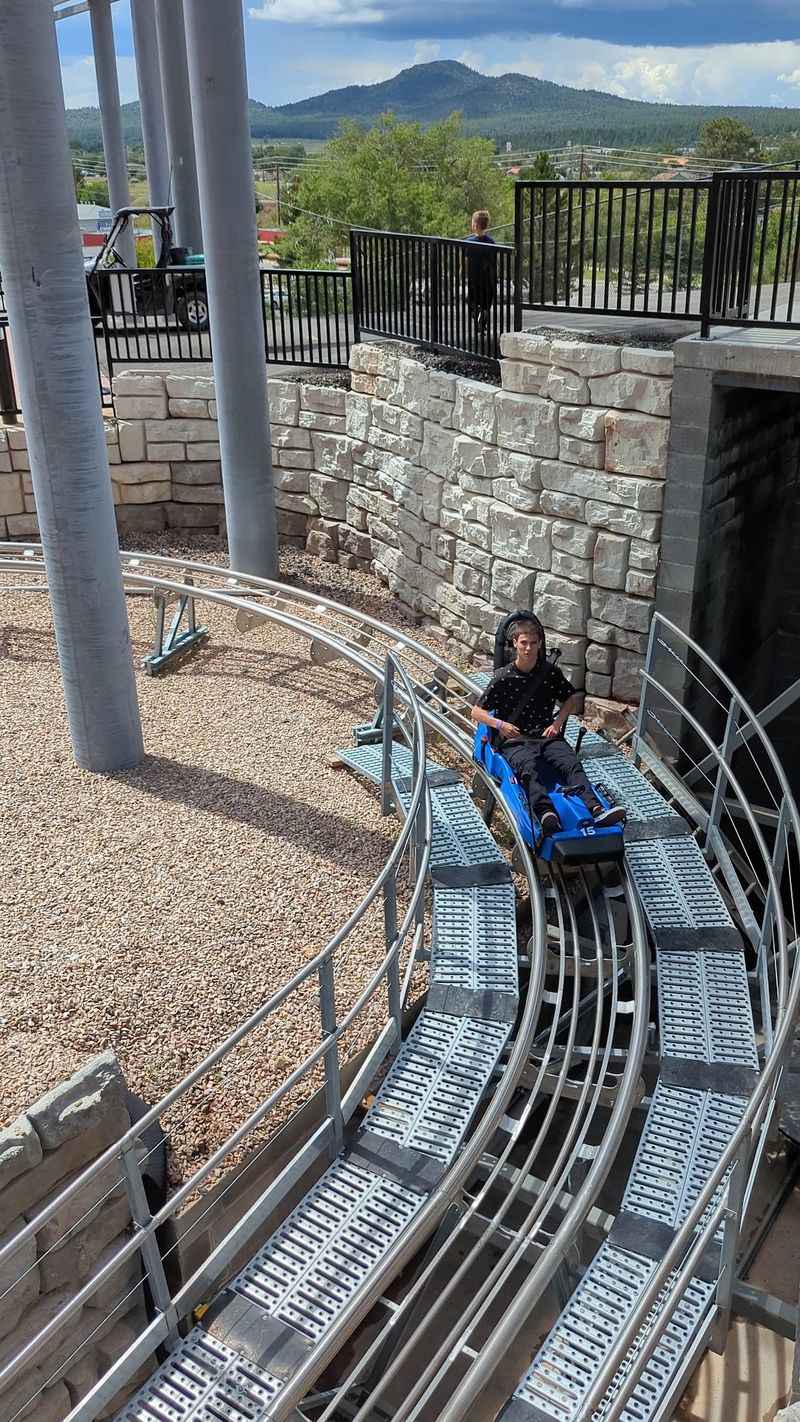
Slow riders get the better deal here, and that surprised me. Because you decide the speed, you can ease off the lever and let the ponderosa pines slide past instead of blurring by.
The track sits at roughly 7,000 feet, so the air smells like warm bark and feels noticeably cooler than Phoenix or Sedona. Look uphill and you will spot the tubing lanes; look out and the forest rolls toward the horizon.
Fun detail: Williams once billed itself the Gateway to the Grand Canyon, and these same woods have drawn travelers for over a century. On a slower run, the ride becomes part thrill and part sightseeing trip through the trees.
The higher elevation also makes this a welcome break when lower parts of Arizona are still baking in summer heat.
Those cooler temperatures can make an afternoon outside feel much easier. Families can take the ride at different speeds, which keeps it from becoming an all-or-nothing adrenaline experience.
The forest setting adds plenty to look at between turns. Even the quieter stretches feel memorable when the track opens toward broader mountain views.
Sometimes the best part is realizing you do not have to rush to enjoy it.