
9 Charming Arkansas River Towns Made For A Summer Day Trip
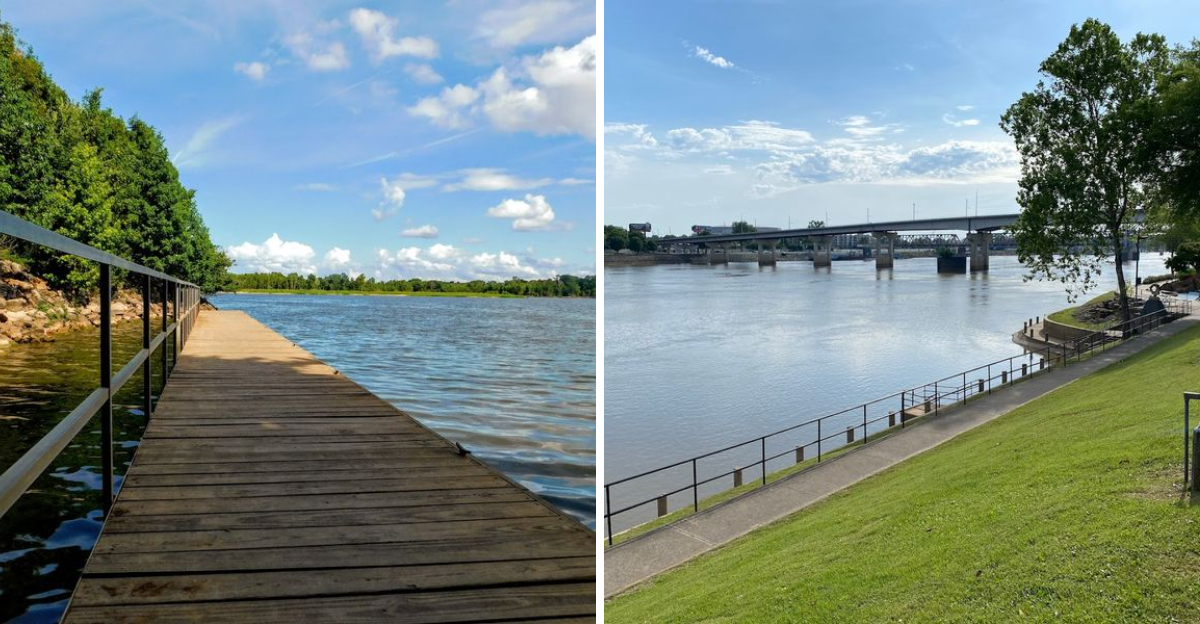
Grab the day bag and point the car toward the river because this route has the kind of small-town energy that plays well on a sunny afternoon. Arkansas does river towns with real character.
You get old streets that still feel lived in, bridges glowing over the water, murals that turn downtown walls into storyboards, and parks where the view does half the talking. Some stops lean historic.
Some feel creative. Others are best enjoyed with a slow walk and no strict plan.
That mix is what keeps the drive from feeling predictable. You can spend the morning near a landmark, chase a lake breeze after lunch, and still have time for a golden-hour stroll before heading home.
These nine towns are not trying too hard. They give you enough scenery, history, and local color to make a summer day feel bigger than it looked on the calendar.
1. Fort Smith
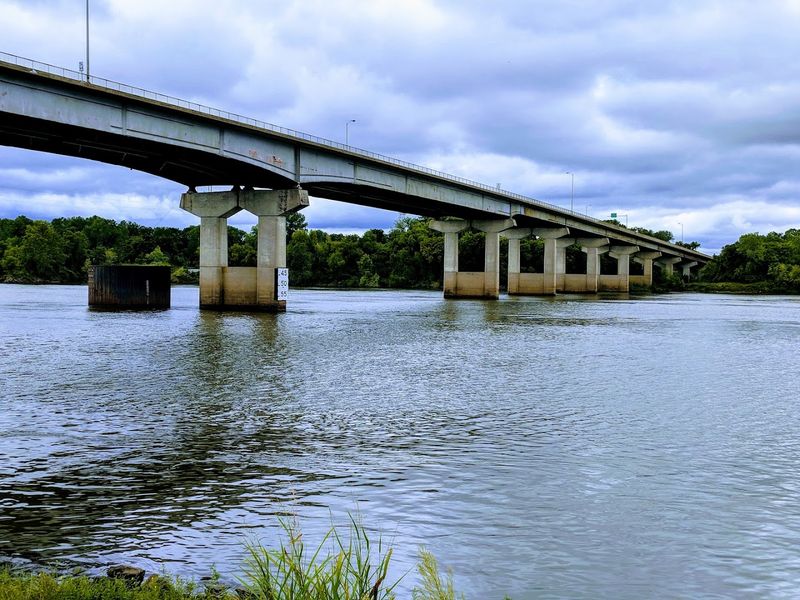
Fort Smith hits differently when you realize the ground beneath your feet was once the edge of the American frontier.
This historic city in Sebastian County, Fort Smith, Arkansas, 72901, sits where the Poteau River meets the Arkansas River, and that geography alone tells you something about its strategic importance through the centuries.
The Fort Smith National Historic Site anchors any visit here, giving you a look at the reconstructed gallows used by Judge Isaac C. Parker, whose courtroom handled some of the roughest cases in Western history.
I spent a slow morning wandering the Belle Grove Historic District, where block after block of 19th-century architecture stands remarkably well-preserved, each building carrying its own story if you take the time to look closely.
The Fort Smith Museum of History adds even more depth to what you have already seen on the streets, with artifacts and exhibits that trace the city from military outpost to thriving river town.
Street art and murals have quietly transformed several downtown walls, giving the city a creative energy that balances beautifully with its deep historical roots.
Local restaurants near the riverfront serve up Southern comfort food that will have you loosening your belt and rethinking your afternoon plans.
Fort Smith rewards the curious traveler who is willing to slow down, look up at the old facades, and listen to what the buildings are quietly saying.
2. Van Buren
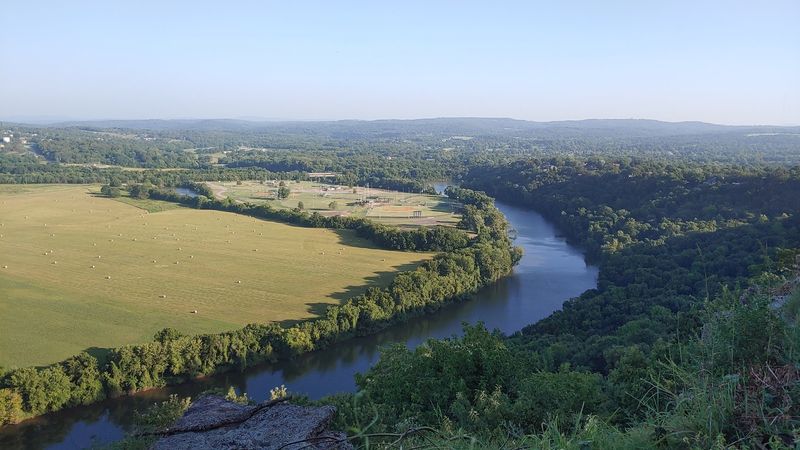
Victorian charm has a street address, and in Crawford County it is simply called Main Street.
Van Buren, Arkansas, 72956, sits just a short drive from Fort Smith, and the moment you step onto its six-block historic corridor, the pace of modern life seems to quietly dial itself back a notch.
Every storefront along this stretch is listed on the National Register of Historic Places, and the collection of art galleries, antique shops, and local boutiques inside those restored buildings makes for one of the most satisfying afternoon strolls I have had in the state.
The historic King Opera House has been entertaining crowds for well over a century, and catching a performance there feels like stepping into a time when live entertainment was the main event of any evening.
History enthusiasts will want to seek out the Drennen-Scott Historic Site, an 1838 restored home perched above the Arkansas River with direct ties to the Trail of Tears and the Civil War.
Excursion train rides departing from the beautifully preserved 1901 Frisco Train Depot add a genuinely fun and unexpected element to the day, especially if you have kids in tow.
The Crawford County Courthouse, visible from several points downtown, adds a stately backdrop to photos that practically frame themselves.
Van Buren is the kind of town that makes you wish you had booked a longer stay instead of just a day trip.
3. Ozark
Few towns earn their name quite as poetically as Ozark does.
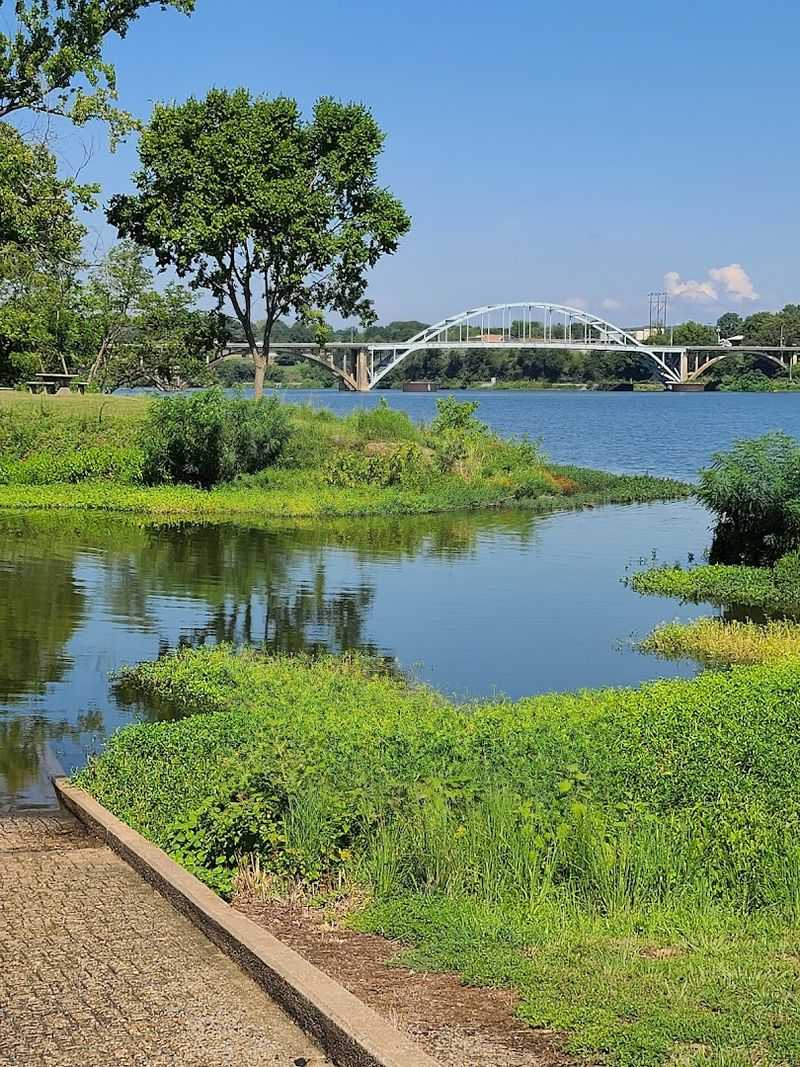
Derived from the French phrase meaning at the bend, Ozark, Arkansas, 72949, sits in Franklin County right where the Arkansas River curves in a way that makes the landscape feel almost theatrical, especially at dusk when the lights on the bridge begin to glow above the water.
That lighted bridge is one of only a handful of its kind spanning the Arkansas River, and watching it flicker on as the sky shifts color is one of those simple pleasures that sticks with you long after you have driven home.
The Ozark History Museum, tucked inside a beautifully restored train depot, walks visitors through the town’s layered past in a way that feels personal rather than academic.
I found myself lingering longer than expected, reading handwritten notes and examining old photographs that made the community feel vivid and real.
Nearby Altus and Wiederkehr Village offer a pleasant detour through rolling countryside, with quiet roads, historic stops, and hillsides that look almost too picturesque to be real.
Ozark also serves as the southern entry point to the Pig Trail Scenic Byway, a winding road through dense forest that is worth at least a short drive even if you are not heading all the way through.
Ozark is small, quiet, and completely worth the detour on your summer road trip.
4. Clarksville
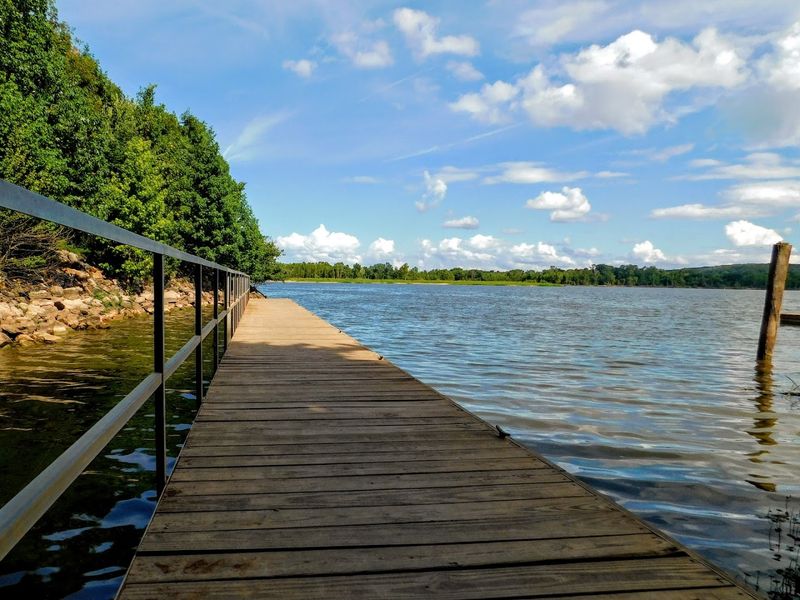
Peach season in Johnson County is basically a local holiday, and Clarksville is the town throwing the party.
Clarksville, Arkansas, 72830, sits near the Arkansas River and proudly calls itself the southern gateway to the Ozarks, a title it backs up with rolling green hills, a welcoming downtown, and a university campus that gives the town a youthful, creative energy year-round.
The University of the Ozarks has been part of the community since 1834, and its grounds include the Raymond Munger Memorial Chapel, a nationally recognized historic landmark that is quietly stunning up close.
When summer rolls around, the annual Johnson County Peach Festival transforms downtown into a celebration of locally grown fruit, live music, and community pride that draws visitors from well beyond the county line.
The Johnson County Historical Society maintains exhibits that trace the region’s story from its earliest settlements through the present day, offering context that makes the surrounding landscape feel even more meaningful.
I made a point of tracking down the large train mural on a downtown wall, which turned out to be one of those unexpected highlights that no travel guide had prepared me for.
The surrounding countryside rewards anyone willing to take a slow drive along the back roads, where orchards and farmland stretch out in every direction under a wide summer sky.
Clarksville is proof that the best summer memories often come from the towns you almost skipped.
5. Russellville
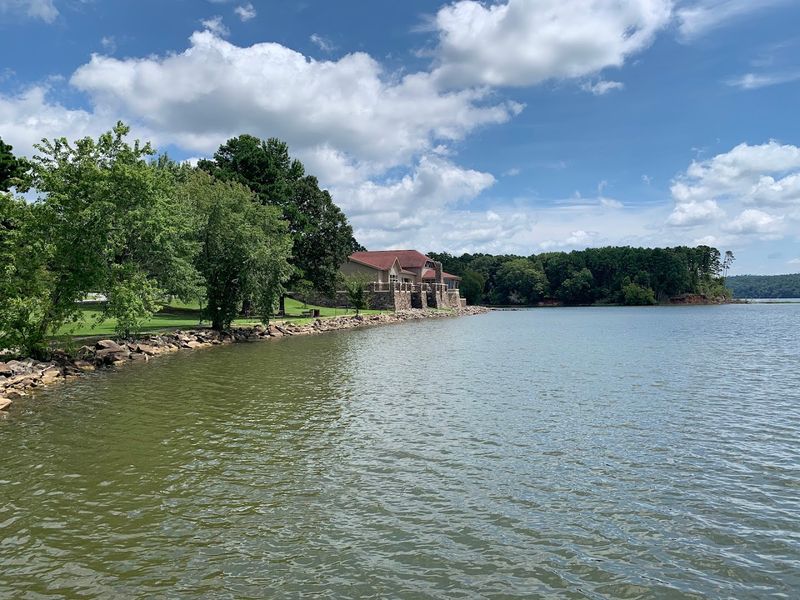
Right in the middle of everything is exactly where Russellville wants to be.
Positioned roughly halfway between Little Rock and Fort Smith, Russellville, Arkansas, 72801, serves as the county seat of Pope County and sits comfortably along the shores of Lake Dardanelle, a body of water that draws anglers, paddlers, and picnickers in serious numbers every summer.
Lake Dardanelle State Park offers one of the best lakeside experiences in the region, with fishing spots, hiking trails, and open-air pavilions that make a full day outdoors feel effortless rather than exhausting.
I spent a long afternoon at the Arkansas River Visitor Center watching massive barges work their way through the Lock and Dam system, which sounds like a niche interest until you are actually standing there and realize how genuinely impressive the whole operation is.
The 1917 train depot in town has been thoughtfully converted into a visitor center and railroad museum, and it regularly serves as the backdrop for local festivals that give the city its lively, community-driven personality.
History seekers will want to carve out time for the Potts Inn Museum, a remarkably well-preserved stagecoach station from the old Butterfield Overland mail route that feels like a living snapshot of 19th-century travel.
Downtown Russellville has a growing restaurant and coffee shop scene that makes it easy to refuel between stops without sacrificing quality.
Once you visit Russellville, the middle of the map starts looking like the best possible place to land.
6. Dardanelle
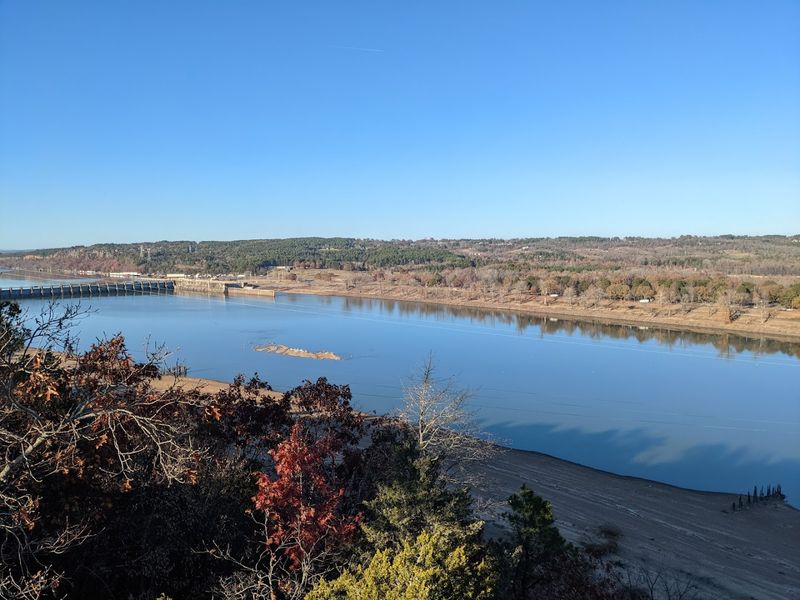
Some towns look like they were painted into existence, and Dardanelle is absolutely one of them.
Framed by the Arkansas River on one side and Arkansas River Valley ridges nearby, Dardanelle, Arkansas, 72834, in Yell County offers a visual backdrop that stops first-time visitors mid-sentence and reaches for their phones.
As one of the oldest incorporated cities in the state, Dardanelle carries a sense of permanence that you can feel in the texture of its streets and the layout of its historic downtown.
Mount Nebo State Park rises above the river valley nearby, offering hiking trails with panoramic views that stretch far enough to make you feel like you are standing on top of the whole region, and adventurous visitors can even find hang gliding launch points up there.
Dardanelle Rock is a legendary natural formation that served as a navigational landmark for river travelers and a lookout point for both Native American communities and Confederate soldiers during the Civil War.
Council Oaks Park preserves a massive white oak tree that marks the site of an 1823 treaty signing, and standing beside it gives you a quiet, almost reverent appreciation for how much history one tree can witness.
The riverfront area is ideal for an early evening walk when the light hits the water at just the right angle and the mountains in the distance take on a deeper, richer color.
Dardanelle is one of those rare places that looks better in person than in any photograph.
7. Little Rock
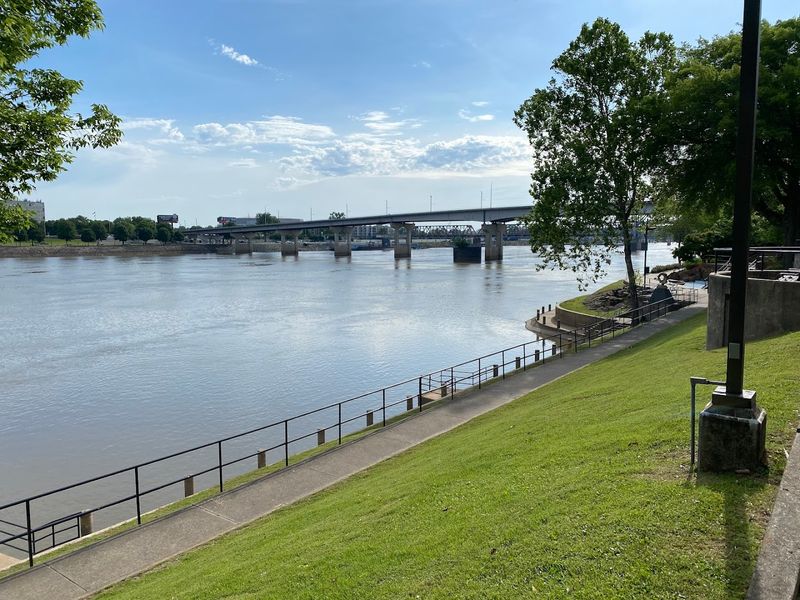
Little Rock carries the weight of history with a kind of quiet confidence that makes the city fascinating to explore on foot.
As the capital of Arkansas and the county seat of Pulaski County, Little Rock, Arkansas, 72201, draws its very name from a small rock outcropping along the Arkansas River that early explorers used as a landmark, which is a modest origin story for a city that has grown into something genuinely significant.
The William J. Clinton Presidential Center and Park sits along the river and offers one of the most thoughtfully designed presidential libraries in the country, complete with a replica of the Oval Office and exhibits that cover a pivotal era in American politics.
Little Rock Central High School National Historic Site stands as one of the most emotionally powerful landmarks I have visited anywhere in the United States, telling the story of the 1957 desegregation crisis with honesty and clarity that leaves a lasting impression.
The Historic Arkansas Museum preserves some of the oldest structures in the city within a walkable campus downtown, weaving together the cultural and artistic heritage of the state in a way that feels cohesive and engaging.
The River Market District buzzes with local vendors, open-air markets, and riverside trails that make spending an afternoon outdoors both easy and genuinely enjoyable.
Riverfront Park offers a long, scenic stretch along the water where cyclists, joggers, and casual walkers share the path without any sense of rush.
Little Rock rewards the visitor who arrives with curiosity and leaves with a much fuller picture of what this state is all about.
8. North Little Rock
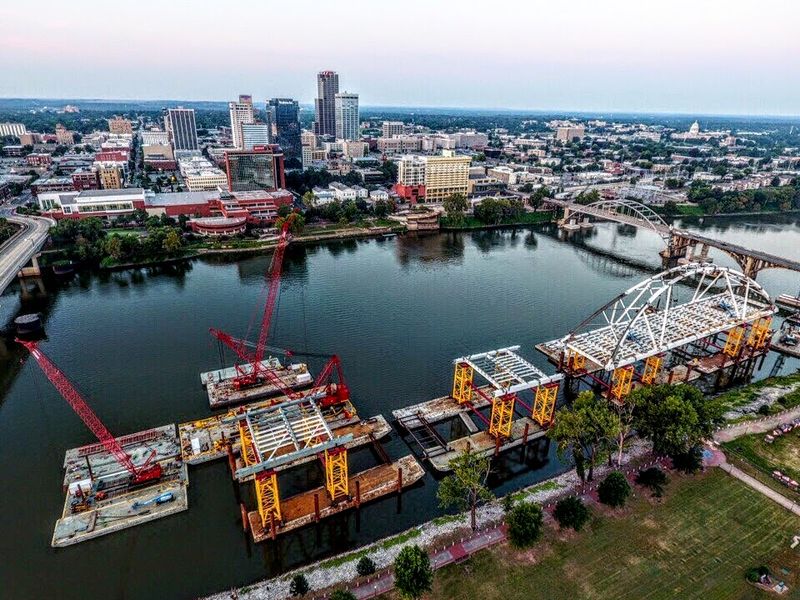
Cross the bridge and you land in a city with its own distinct rhythm, its own creative energy, and absolutely no interest in being overshadowed by its famous neighbor.
North Little Rock, Arkansas, 72114, sits in Pulaski County directly across the Arkansas River from the state capital, and while the two cities share a skyline, their personalities are refreshingly different from each other.
The Argenta Arts District is the heartbeat of North Little Rock’s cultural scene, a walkable stretch of galleries, performance venues, and local shops housed inside beautifully restored historic buildings that feel lived-in rather than curated.
Burns Park is a legitimately impressive urban green space, one of the largest of its kind in the country, offering disc golf, equestrian trails, baseball fields, and enough open space to make a full day outdoors feel completely natural.
The Arkansas Inland Maritime Museum is home to the USS Razorback, a submarine with a decorated history that visitors can actually board and explore, which is the kind of unexpected experience that makes a day trip feel like a genuine adventure.
I was completely unprepared for how charming The Old Mill at T.R. Pugh Memorial Park would be, with its faux bois concrete sculptures and mossy waterwheel creating a setting that appeared in the opening scenes of Gone with the Wind.
The Two Rivers Park area connects to a trail system that bridges both sides of the river, making it perfect for a long morning walk before the summer heat peaks.
North Little Rock is the kind of place that surprises you and then quietly makes you plan a return visit.
9. Pine Bluff
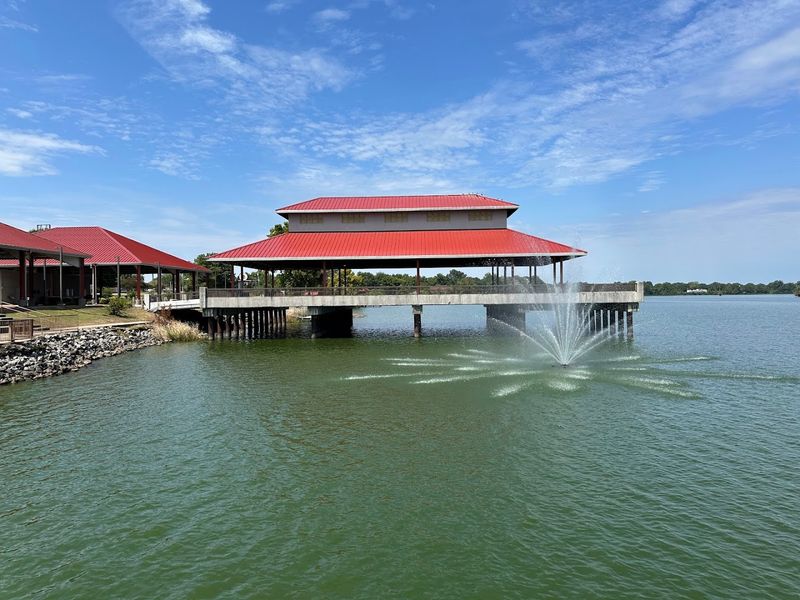
Pine Bluff is a city that tells its own story directly on its walls, and the storytelling is extraordinary.
Located in Jefferson County, Pine Bluff, Arkansas, 71601, has invested in an outdoor mural project called Murals on Main that stretches through the downtown area with large-scale artworks depicting roughly two centuries of local history, culture, and community pride.
Walking that route feels less like a casual stroll and more like a guided tour through time, with each mural pulling you deeper into the fabric of the city.
The Arkansas Railroad Museum is a hands-on history experience that showcases vintage locomotives and train cars in a setting that feels authentic rather than staged, and the fact that you can often climb aboard and explore makes it particularly memorable for visitors of all ages.
The Governor Mike Huckabee Delta Rivers Nature Center takes a thoughtful approach to environmental education, with exhibits focused on the river and delta ecosystems of Arkansas and the wildlife that depends on them, all presented in a way that is engaging for both kids and adults.
I spent a good stretch of time at the ARTx3 Campus, a creative hub that brings together visual arts, performing arts, and sciences under one roof in a way that feels forward-thinking and community-centered.
The downtown area has a handful of locally owned spots worth exploring for lunch or a mid-afternoon snack before you head back on the road.
Pine Bluff sends you home with full eyes and a story worth telling.