
9 Charming Colorado Mountain Towns That Feel Frozen In Time
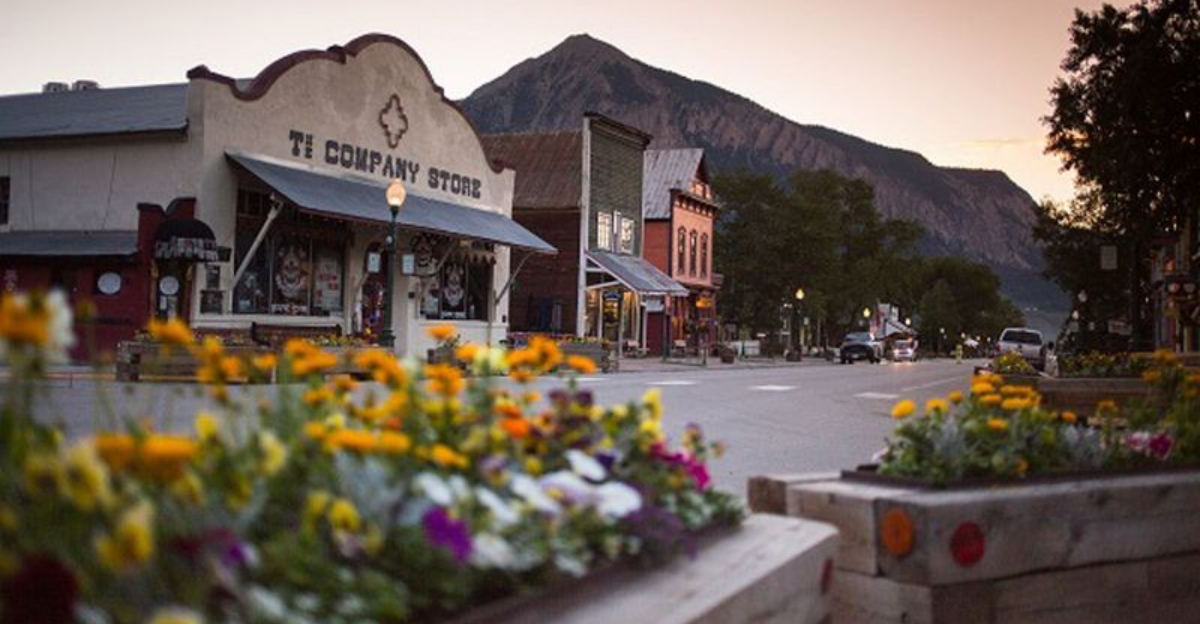
Hidden among Colorado’s majestic peaks are small towns where time seems to stand still. These mountain communities preserve their rich mining heritage through carefully maintained historic districts, vintage architecture, and old-world charm.
No matter if you’re a history buff or simply seeking a nostalgic escape from modern life, these nine Colorado gems offer a glimpse into the past while surrounded by breathtaking natural beauty.
1. Telluride: Where Victorian Elegance Meets Alpine Grandeur
Nestled in a box canyon surrounded by 14,000-foot peaks, Telluride captivates visitors with its perfectly preserved National Historic Landmark District.
Victorian-era buildings line Colorado Avenue, housing art galleries, boutiques, and farm-to-table restaurants.
The free gondola connecting downtown to Mountain Village offers spectacular views year-round. During my visit last winter, I watched skiers glide down slopes while sipping hot chocolate in what felt like a snow globe come to life.
2. Silverton: The Silver Boom Town That Time Forgot
Rugged and authentic, Silverton sits isolated at 9,318 feet, surrounded by pristine wilderness. The entire town earned National Historic Landmark status thanks to Greene Street’s remarkably intact 19th-century storefronts and saloons.
Arriving via the Durango & Silverton Narrow Gauge Railroad truly transports you back to the 1880s. The vintage steam locomotive chugs through spectacular mountain passes before delivering passengers directly into Silverton’s living museum of the American West.
3. Ouray: The Switzerland of America’s Perfect Mountain Bowl
Dramatic red cliffs cradle Ouray’s grid of Italianate and Victorian buildings in a natural amphitheater that earned its “Switzerland of America” nickname. The 1983 Historic District designation protects the town’s architectural treasures from modern development.
I’ll never forget soaking in the sulfur-free hot springs after hiking Box Canyon Falls, watching sunset paint the surrounding peaks gold while imagining miners doing the same after long days underground.
The historic Beaumont Hotel stands as a testament to the town’s enduring elegance.
4. Crested Butte: A Rainbow of Victorian Storefronts
Summer wildflowers blanket the meadows surrounding Crested Butte’s candy-colored downtown. The historic district’s false-front shops along Elk Avenue showcase the town’s transition from coal mining outpost to outdoor recreation paradise.
Each building tells a story, with vibrant paint schemes reflecting the town’s artistic spirit. Walking the historic district feels like stepping into a watercolor painting where modern amenities hide discreetly behind century-old facades, preserving the mountain town’s authentic character.
5. Leadville: America’s Highest Incorporated City
Standing proudly at 10,152 feet above sea level, Leadville boasts one of America’s largest National Historic Landmark Districts.
Grand Victorian mansions and the ornate Tabor Opera House reflect the incredible wealth generated during the silver boom. The crisp mountain air carries whispers of Horace Tabor and Baby Doe’s legendary romance.
During my summer visit, I bundled up against the perpetual mountain chill while exploring Harrison Avenue’s impressive 1880s architecture, marveling at how these buildings have withstood harsh alpine winters for over a century.
6. Georgetown: A Silver Queen’s Perfect Preservation
Georgetown’s pristine collection of Victorian buildings earned its place in the Georgetown-Silver Plume National Historic Landmark District.
The immaculately maintained downtown showcases elaborate wooden trim, brick storefronts, and period details that transport visitors to the 1870s silver boom.
The Georgetown Loop Railroad offers the quintessential experience, crossing high wooden trestles between Georgetown and neighboring Silver Plume.
Mining history comes alive through guided tours of the Lebanon Silver Mine, where you can venture into the mountain that made Georgetown prosperous.
7. Creede: A Theater Town Carved Into Canyon Walls
Creede defies expectations with its dramatic setting, where canyon walls meet historic architecture. The seven-block downtown preserves the character of its 1890s silver boom heyday, with wooden structures that seem to grow from the rock itself.
The historic Creede Repertory Theatre anchors cultural life just as it has since 1966.
I spent an unforgettable afternoon driving the Bachelor Loop past abandoned mine structures, where the ghosts of silver prospectors seem to watch from crumbling headframes and weathered cabin remains.
8. Lake City: An Alpine Hamlet Untouched by Time
Lake City’s remote location preserved its historic character while other mining towns modernized. Over 200 historic structures earned National Historic District designation in 1978, creating one of Colorado’s most authentic 19th-century townscapes.
The courthouse square anchors a grid of streets lined with period homes, churches, and shops. Walking through Lake City feels like stepping into a sepia photograph, with Hinsdale County’s isolation creating a time capsule effect that modern developers simply couldn’t reach.
The crystal-clear Lake Fork of the Gunnison River frames this mountain gem.
9. Victor: The City of Mines’ Brick-Lined Legacy
Gold built Victor, and its downtown historic district preserves that legacy through unbroken blocks of turn-of-the-century architecture.
Unlike its flashier neighbor, Cripple Creek, Victor maintains a working-class authenticity that feels genuinely unchanged since its mining heyday. Massive gold mining headframes still dot the surrounding hillsides on the Trails of Gold walking path.
Victor Avenue features intact brick commercial buildings where miners once spent their earnings, creating a streetscape that Hollywood producers would pay millions to recreate but could never quite capture perfectly.