
10 Charming River Towns In Mississippi Full Of Southern History
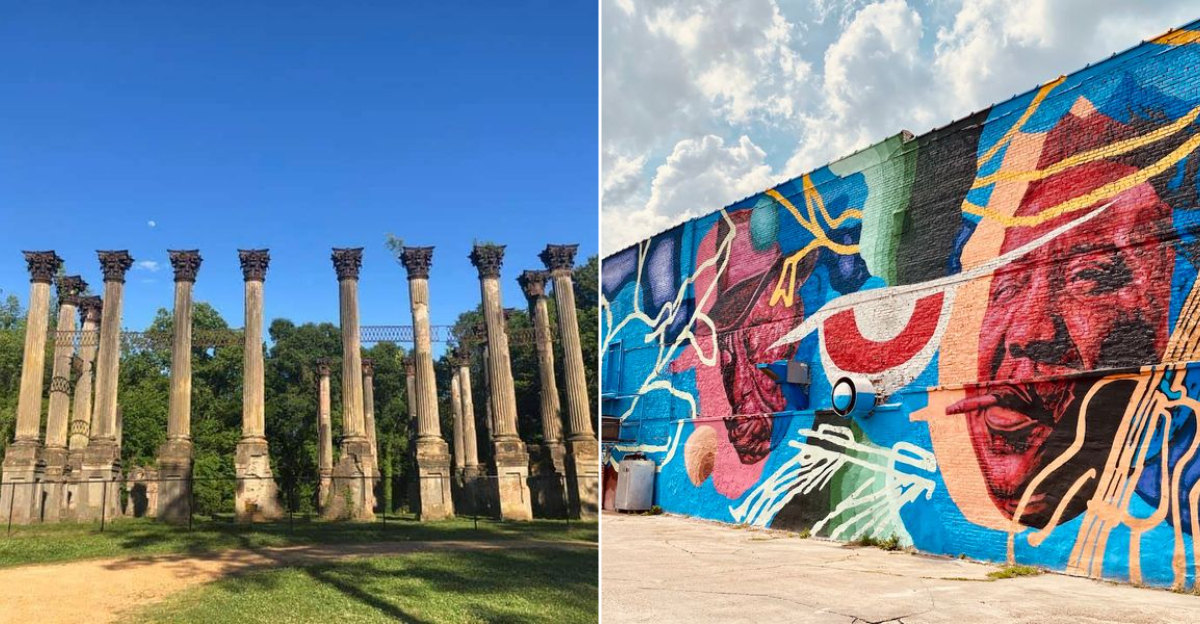
Mississippi has a talent for hiding its best stories in places that don’t shout for attention.
Follow the river, and you’ll find towns where an old brick building might have a century of secrets, a quiet street might have shaped a piece of American history, and a local shop owner might know more stories than any museum display.
These river communities weren’t built overnight. They were carved out by changing tides, hardworking families, and generations of people who stayed connected to the water that gave them life.
The charm here isn’t about flashy attractions or crowded streets.
It’s in the little moments: a sunset over the river, a conversation with a stranger, a historic corner that makes you wonder what happened there years ago.
These Mississippi river towns are the kind of places that make you slow down and look a little closer.
1. Natchez
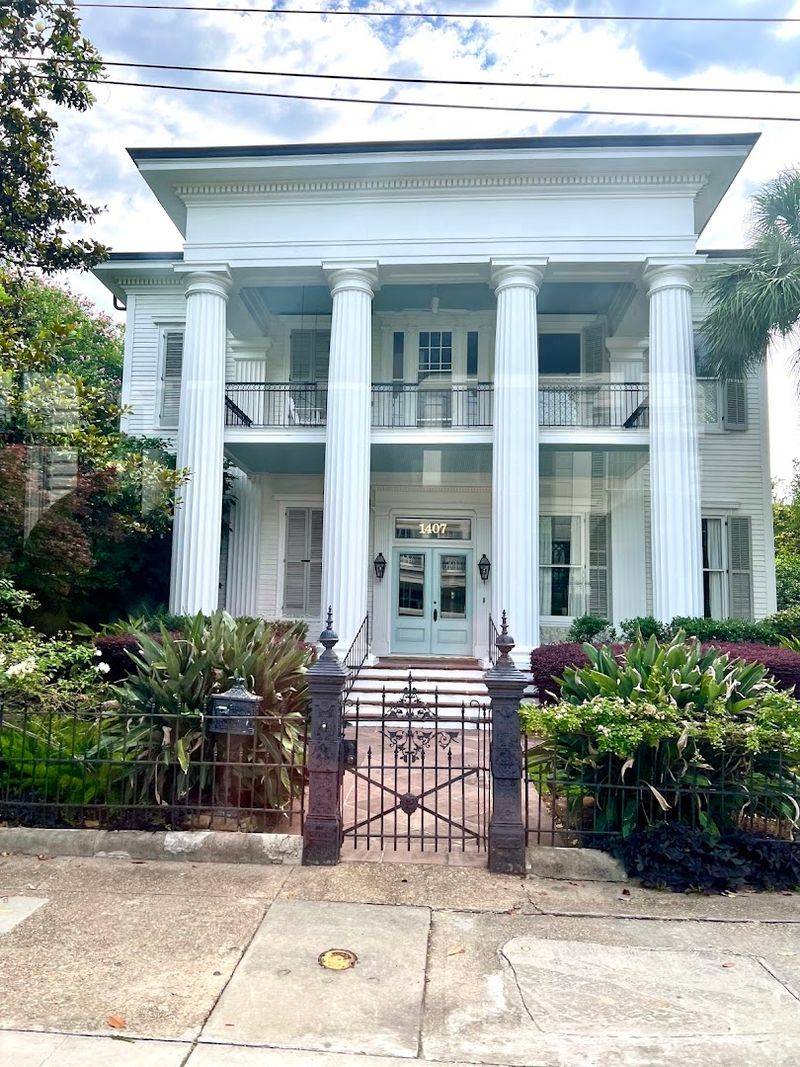
Natchez does not just whisper history at you. It practically shouts it from the rooftops of over a thousand listed historic sites.
This town was miraculously spared during the Civil War, which means its stunning antebellum architecture survived almost completely intact. Walking its streets feels like flipping through the most beautifully illustrated history book ever written.
The Natchez National Historical Park anchors the experience beautifully. Melrose Estate offers a fascinating window into the planter class era, complete with original furnishings that make the past feel remarkably close.
The Forks of the Road site carries deep significance in African American history, representing one of the largest domestic slave markets in the South. It is a sobering, important, and ultimately powerful place to visit.
The Natchez Bluff Trail rewards you with sweeping panoramic views of the Mississippi River that genuinely stop you in your tracks.
Natchez Under-the-Hill, the old riverfront district, is packed with charming boutiques and local character. The town also hosts an annual Pilgrimage tour each spring, when historic homes open their doors to visitors.
Natchez is the kind of place that stays with you long after you have left its beautiful, storied streets behind.
2. Vicksburg
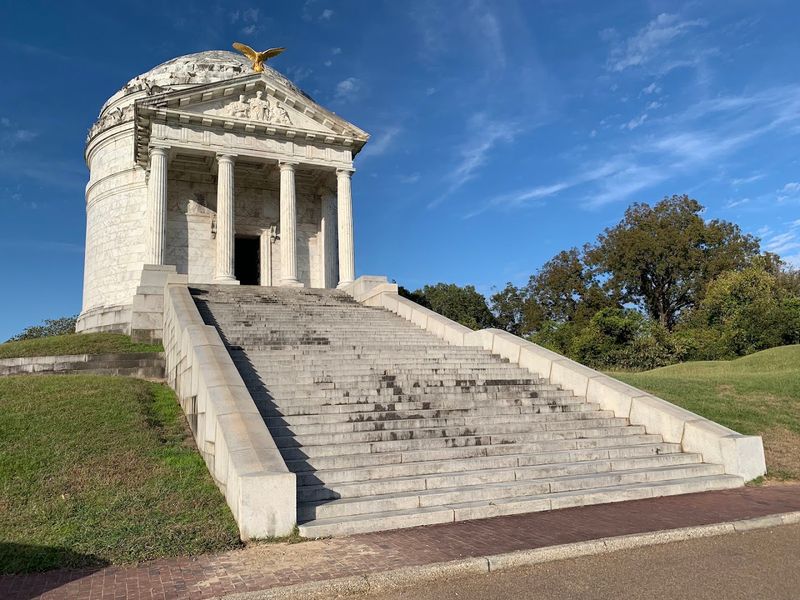
Perched dramatically on its bluffs above the Mississippi River, Vicksburg carries the weight of history with remarkable grace.
Once called the Gibraltar of the Confederacy, this city was the site of one of the Civil War’s most pivotal campaigns. The Vicksburg National Military Park stretches across 1,800 acres of preserved battlefield, filled with monuments, trenches, and stories that genuinely move you.
Beyond the battlefield, Vicksburg’s historic downtown pulses with 19th-century architecture that has aged beautifully.
The Old Court House Museum sits high on a hill, housing an impressive collection of Civil War artifacts and local memorabilia. Then there is the Biedenharn Coca-Cola Museum, which tells the sweet story of where Coke was first bottled in 1894.
Yes, you read that correctly, and yes, it is as delightful as it sounds.
The riverfront murals stretching along the levee walls are another highlight, depicting Vicksburg’s colorful evolution through vivid, large-scale artwork.
The city also celebrates its river heritage through the Lower Mississippi River Museum, where interactive exhibits make history accessible and genuinely fun.
Vicksburg proves that a town can carry immense historical significance while still feeling vibrant, welcoming, and very much alive today.
3. Greenville
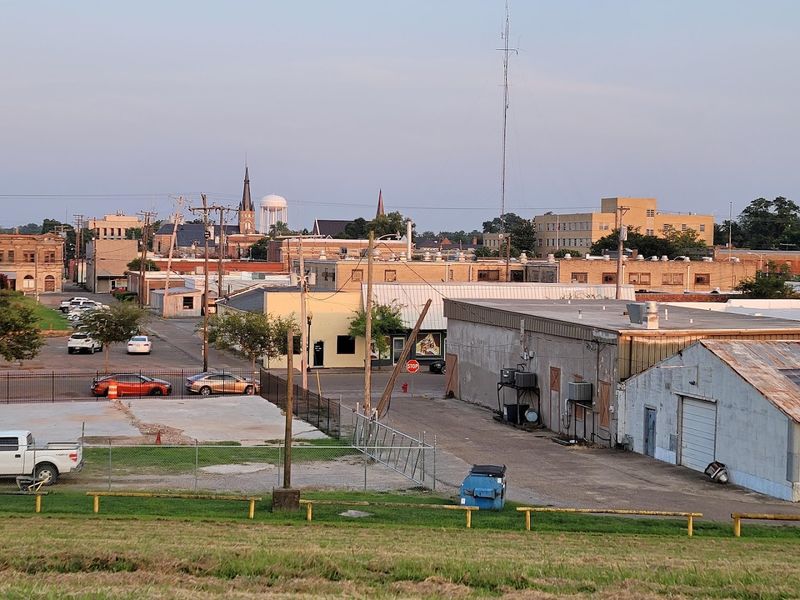
Greenville wears its nickname, the Queen City of the Mississippi Delta, with absolute confidence. Surrounded by some of the most fertile agricultural land in the world, this town grew up alongside cotton fields and the deep cultural roots that came with them.
The Delta Blues was born in this region, and Greenville carries that musical legacy with tremendous pride.
The Greenville History Museum offers a rich overview of the community’s layered past, from its Indigenous roots through the cotton era and beyond.
The 1927 Flood Museum is particularly compelling, detailing the catastrophic Mississippi River flood that reshaped the entire region and displaced thousands of families. Walking through those exhibits, you genuinely feel the magnitude of what this community endured and survived.
Here is a fun fact that surprises nearly everyone: Jim Henson, the creative genius behind the Muppets, was born in Greenville in 1936.
The city celebrates that connection with genuine warmth. The Greenville Blues Walk honors the legendary musicians who shaped American music from this very ground.
Greenville is a town where creativity, resilience, and cultural depth all live together on the same block, making every visit feel unexpectedly rich.
4. Greenwood
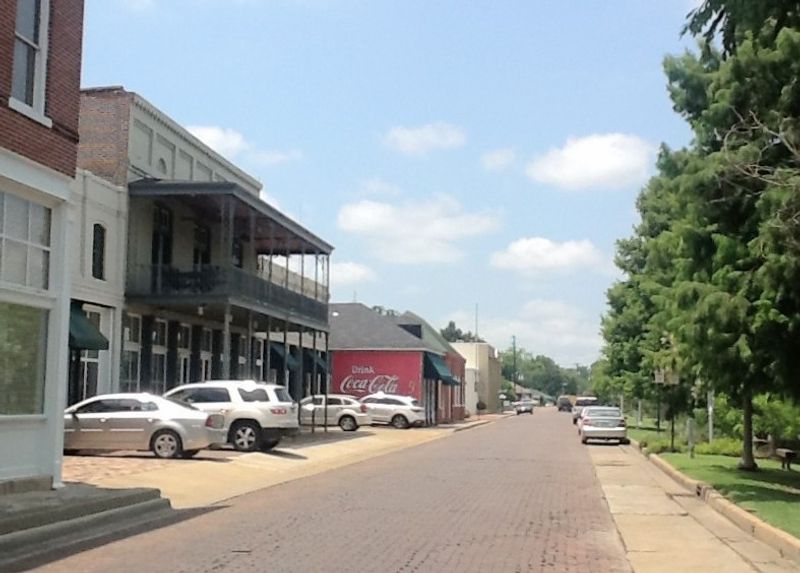
Greenwood sits at the confluence of the Yazoo River and the Tallahatchie River, and that geographical detail alone tells you something important about this town.
Water has shaped everything here, from the fertile Delta soil to the deep cultural currents running through its streets. This city radiates a unique blend of blues heritage and refined Southern grace that is genuinely hard to find anywhere else.
The Mississippi Blues Trail markers scattered throughout Greenwood guide you through a musical landscape that shaped American culture.
The Robert Johnson gravesite, located just outside town, draws pilgrims from around the world who come to pay respects to the legendary Delta bluesman. Walking those grounds feels quietly significant, like standing at the edge of something enormous in music history.
Downtown Greenwood has experienced a remarkable revival, with boutique shops and restored historic buildings creating a genuinely charming streetscape.
The Museum of the Mississippi Delta provides fascinating context for the region’s agricultural and cultural history.
The Alluvian Hotel anchors the downtown scene with elegant, locally inspired design. Greenwood is the kind of place that earns its reputation through quiet confidence rather than loud proclamation, and that restraint makes it all the more compelling to explore.
5. Clarksdale

If there is one town in Mississippi that sounds like a song, it is Clarksdale. Known as the Birthplace of the Blues, this place has a creative energy that hums right through the pavement beneath your feet.
The legendary Crossroads, where Highway 61 and Highway 49 intersect, is one of the most mythologized spots in all of American music history. Standing there genuinely gives you chills.
The Delta Blues Museum is the crown jewel of Clarksdale’s cultural offerings. It houses extraordinary artifacts, including the reconstructed cabin of Muddy Waters, one of the most influential musicians in the history of American music.
Spending time inside that museum is not just educational, it is genuinely emotional. The stories on those walls feel alive in a way that most museums simply cannot replicate.
For a truly one-of-a-kind overnight experience, the Shack Up Inn lets guests sleep in beautifully restored sharecropper shacks, each one decorated with local art and musical memorabilia.
Ground Zero Blues Club brings live music into the mix on weekends, filling the night air with the raw, soulful sound that made this town famous. Clarksdale does not imitate its history.
It lives it every single day, and that authenticity is what makes it unforgettable.
6. Yazoo City
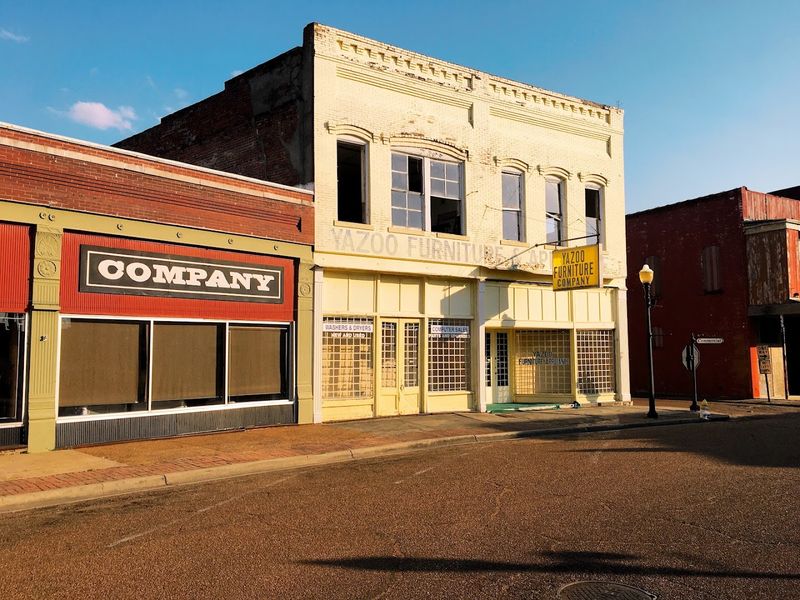
Yazoo City has a story that no novelist could have invented and gotten away with. This town is home to the famous Witch’s Grave in Glenwood Cemetery, where a local legend claims a woman placed a curse on the town before her passing in the 1800s.
According to the tale, she promised to return and burn Yazoo City to the ground. In 1904, a massive fire destroyed much of downtown, and the legend has been captivating visitors ever since.
Beyond the folklore, Yazoo City offers genuine historical substance.
The Casey Jones Railroad Museum and Park celebrates the legendary engineer whose story became one of America’s most beloved folk songs. The Triangle Cultural Center, housed in a former school building dating to 1904, contains the Yazoo Historical Society Museum, which chronicles the town’s layered past with care and thoroughness.
Historic churches add another dimension to the town’s character. Bethel A.M.E.
Church, the oldest African American congregation in Yazoo City, stands as a powerful symbol of community and perseverance through generations of change.
The town sits along the Yazoo River, which gives it a quiet, atmospheric beauty that perfectly complements its colorful history. Yazoo City rewards the curious traveler who looks just a little bit deeper than the surface.
7. Columbus
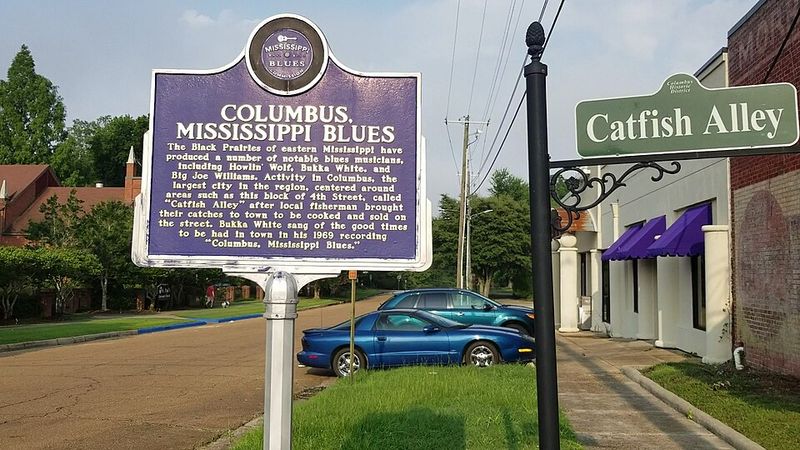
Columbus calls itself the Friendly City, and after spending any time there, you will understand why that title fits so perfectly.
Unlike many Southern towns where historic homes exist only as museums, Columbus has antebellum houses that are still privately occupied and lovingly maintained by families who have called them home for generations. That living connection to the past gives tours here an intimacy you simply cannot manufacture.
The Spring Pilgrimage, held each March, is when Columbus truly shines. Historic homes open their doors, costumed guides bring the antebellum era to life, and the whole town takes on a warm, celebratory atmosphere.
The Ole Homestead, built around 1825, ranks among the oldest surviving homes in all of Mississippi. The Stephen D.
Lee Home and Museum offers another beautifully preserved window into 19th-century life in the South.
Columbus also claims two remarkable firsts. Tennessee Williams, one of the greatest American playwrights of the 20th century, was born here in 1911.
And Mississippi University for Women, founded in Columbus in 1884, was the first state-supported college for women in the entire United States. Columbus is the kind of town that makes you realize how much extraordinary history can be quietly tucked into one small, charming corner of the South.
8. Aberdeen
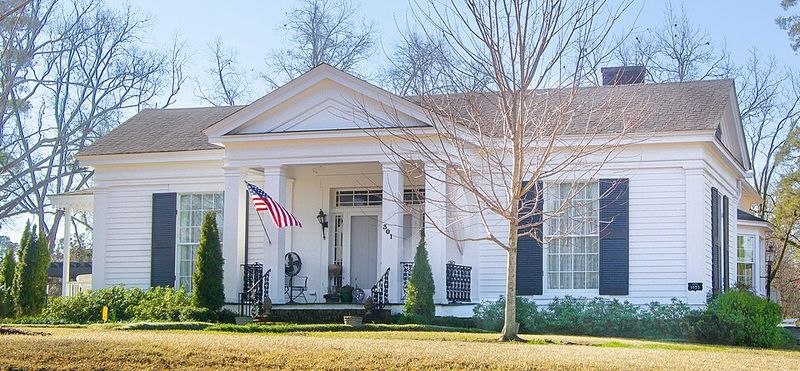
Aberdeen goes by the nickname the Magnolia City, and one look at its streets tells you exactly why. This town contains more antebellum and Victorian homes per capita than almost any comparable community in Mississippi.
Wandering through Aberdeen’s historic neighborhoods feels like walking through an open-air architectural museum, except the homes are real, the gardens are blooming, and nobody is rushing you along.
The Magnolias, an 1850 antebellum masterpiece, serves as a house museum and offers guided tours that bring the mid-19th century vividly to life.
The Reuben Davis House is another standout, a beautifully preserved Greek Revival mansion named after a prominent local figure from Mississippi’s political history. Each home has its own personality, its own set of stories, and its own particular way of stopping you mid-stride to stare in admiration.
The Aberdeen Black History Trail highlights significant sites connected to the African American community’s contributions and experiences throughout the town’s history.
Old Aberdeen Cemetery provides a poignant and beautifully maintained resting place, where Civil War soldiers lie alongside generations of local families.
The Annual Pilgrimage opens many of these private homes to visitors each spring. Aberdeen is proof that great architecture and genuine history can coexist in the most unexpected, quietly magnificent places.
9. Port Gibson
Port Gibson carries one of the most memorable nicknames in all of Mississippi. General Ulysses S.
Grant reportedly called it too beautiful to burn during his Civil War campaign, and that decision preserved a collection of historic buildings so remarkable that the town has been celebrating ever since.
Chartered in 1803, Port Gibson is Mississippi’s third oldest settlement, and every corner reflects that deep, layered age.
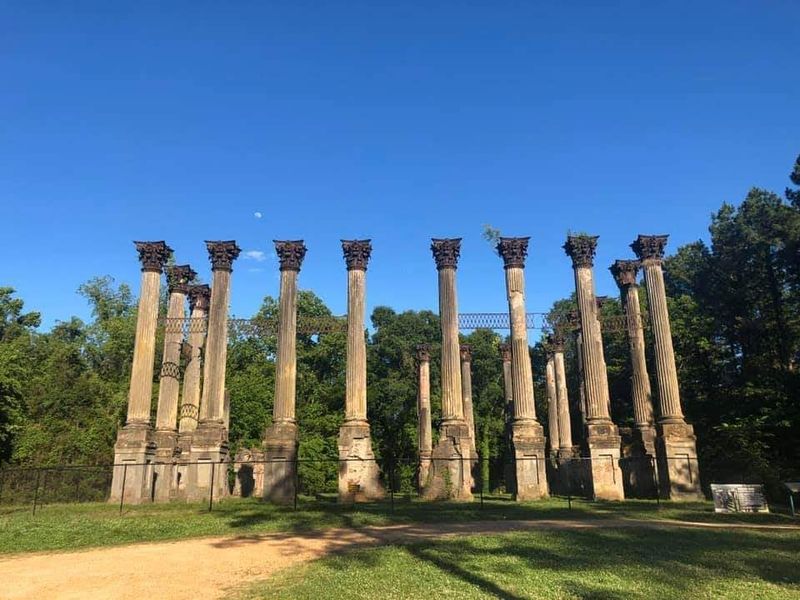
The Windsor Ruins are the town’s most dramatic attraction, and dramatic is genuinely the right word. Twenty-three towering Corinthian columns rise from the ground where a grand antebellum mansion once stood before it was lost to fire in 1890.
Those columns standing alone against the Mississippi sky create one of the most hauntingly beautiful images in the entire South. Photographers and history lovers make special trips just to see this spot.
Grand Gulf Military Park offers another compelling chapter of Civil War history, with earthworks, a museum, and stunning river views all in one location.
The First Presbyterian Church, built in 1859, features a unique golden hand steeple with one finger pointing heavenward, making it one of the most photographed church steeples in the state.
Port Gibson is a hidden gem that rewards travelers who venture off the main highway and take their time discovering what genuine Southern preservation really looks like.
10. New Albany
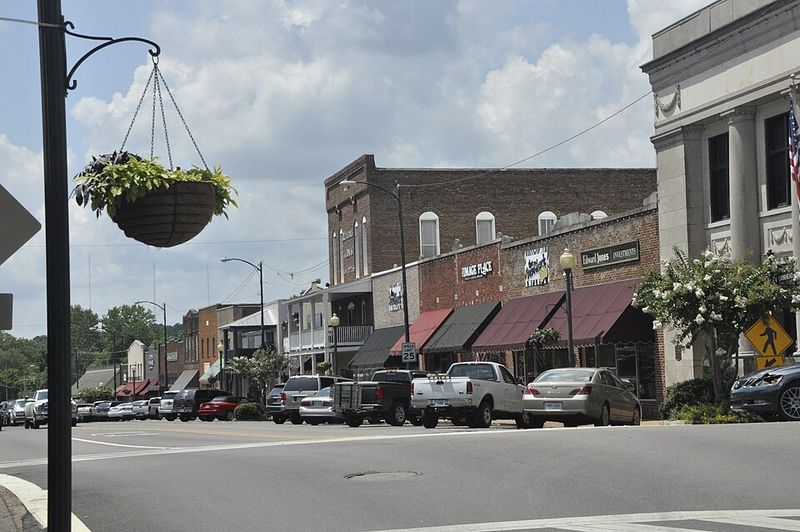
New Albany earned a serious bragging right when USA Today voted it the Best Southern Small Town, and honestly, spending even a short afternoon here makes that honor feel completely justified.
Sitting along the Tallahatchie River in Union County, this town blends outdoor recreation, literary history, and small-town Southern warmth into one genuinely satisfying package.
Its historic downtown is listed on the National Register of Historic Places, which gives the main street a sense of purpose and pride.
The Tanglefoot Trail is one of New Albany’s most beloved features.
Stretching 43 miles through the Mississippi hills, it represents the longest rails-to-trails conversion in the state and draws cyclists, walkers, and nature lovers from across the region.
The trail begins right in town, making it incredibly easy to lace up your shoes and explore the surrounding countryside at whatever pace suits you best.
The Union County Heritage Museum anchors the town’s cultural life beautifully. It includes the William Faulkner Literary Garden, honoring the Nobel Prize-winning author who was born in New Albany in 1897 before his family moved to nearby Oxford.
The Park Along the River and the Mississippi Arboretum add natural beauty to an already charming setting. Which river town are you adding to your Mississippi itinerary first?