
12 Charming Small Towns In Florida That Feel Like A Movie Set
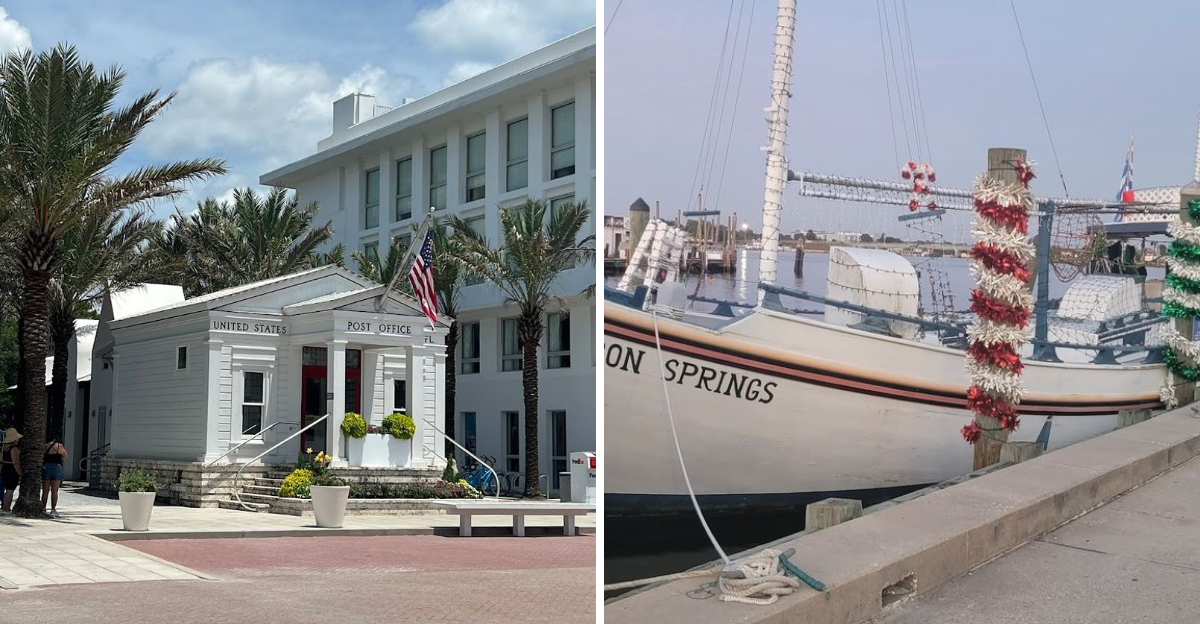
Florida is often defined by its larger attractions, but there are smaller towns across the state that offer a very different perspective. These places tend to move at a steadier pace, shaped by local routines, familiar streets, and a sense of continuity that is easy to settle into.
Spending time in them reveals details that are easy to miss elsewhere. Waterfront views, walkable centers, and everyday moments that feel consistent rather than curated all contribute to the overall experience.
Over time, these visits begin to feel less like individual stops and more like a way of seeing another side of Florida, one that is quieter but no less memorable.
What stands out is how naturally these towns hold their character, without needing to compete for attention.
These are some of the places that continue to offer that experience across the state.
1. Mount Dora, Central Florida
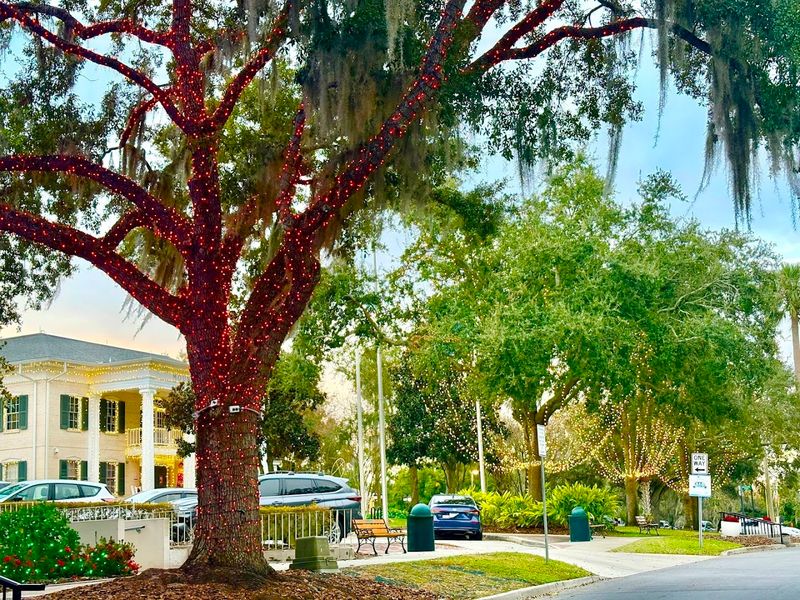
Perched on a gentle hill overlooking Lake Dora, this Central Florida town carries itself with the quiet confidence of a place that knows exactly how beautiful it is.
Mount Dora sits about 25 miles northwest of Orlando, yet it feels like it belongs to a completely different century.
The downtown district is packed with antique shops, art galleries, and cozy cafes lining streets shaded by ancient oak trees dripping with Spanish moss.
Every October, the town hosts one of Florida’s most beloved craft fairs, drawing artists and collectors from across the Southeast.
The waterfront district along Lake Dora offers boat tours, kayak rentals, and a lighthouse that dates back to 1888, making it one of only a handful of inland lighthouses in the entire state.
Spring is arguably the best season to visit, when azaleas bloom in brilliant pink and purple along the brick sidewalks.
Mount Dora rewards slow walkers, curious browsers, and anyone willing to spend an afternoon completely off schedule.
2. Seaside, Florida Panhandle
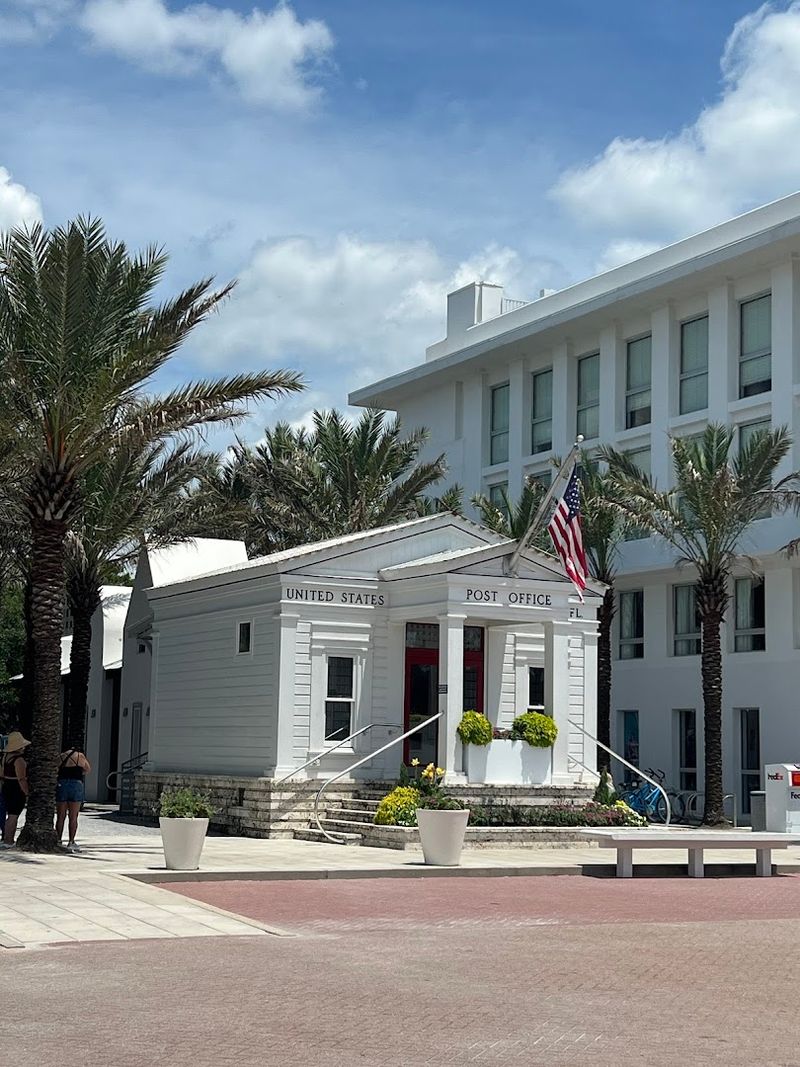
Most people know Seaside as the filming location for The Truman Show, and honestly, standing in the middle of its color-coded pastel town center, it is easy to understand why a movie director picked it.
Located along Scenic Highway 30A on the Florida Panhandle, Seaside was purpose-built in the 1980s as a model of New Urbanist community design, with every detail planned down to the mailbox style and porch width.
The sugar-white sand beaches here are some of the finest along the entire Gulf Coast, with water so clear and green it almost looks artificially enhanced.
Airstream trailers parked at the town center serve everything from grilled fish tacos to fresh-squeezed lemonade, creating an outdoor food court that feels festive even on a Tuesday.
Cyclists and pedestrians rule the narrow streets, which means the whole place moves at a blissfully unhurried pace.
Visiting in late spring before peak summer crowds arrive gives you the full Seaside experience without the elbow-to-elbow beach towel situation.
3. St. Augustine, Northeast Florida
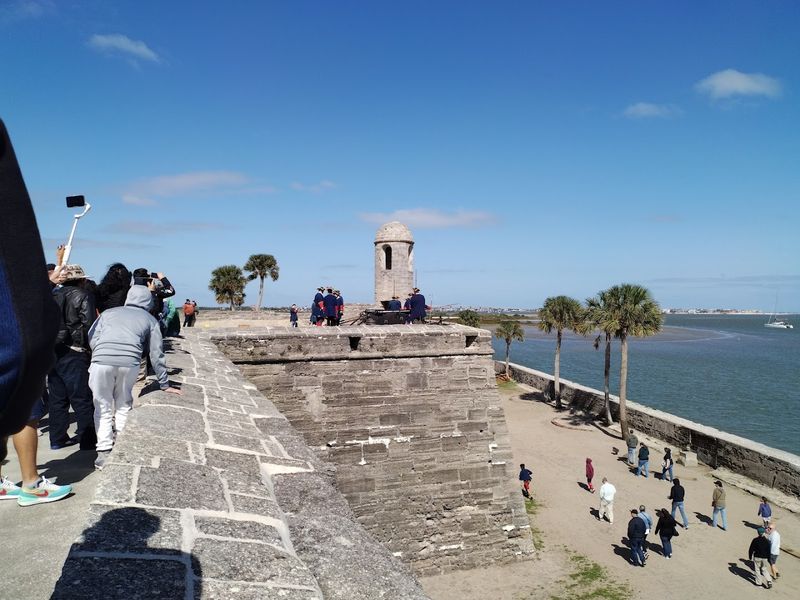
Founded in 1565, St. Augustine holds the title of the oldest continuously occupied European settlement in the entire United States, and it wears that distinction with tremendous style.
Positioned along the northeast Florida coast between Jacksonville and Daytona Beach, this town delivers layers of history on practically every street corner.
The Castillo de San Marcos, a 17th-century Spanish stone fortress overlooking Matanzas Bay, is the kind of landmark that makes your jaw drop before you even read the information placard.
St. George Street, the pedestrian-only main drag, is lined with colonial-era buildings housing local boutiques, bakeries, and galleries that somehow manage to feel authentic rather than touristy.
The Lightner Museum, housed inside the former Alcazar Hotel built by Henry Flagler in 1888, showcases an extraordinary collection of Gilded Age art and oddities.
Ghost tours after dark are wildly popular here, and given the town’s age, the stories told on those lantern-lit walks feel entirely plausible.
St. Augustine is the kind of place that turns a weekend trip into a standing annual tradition.
4. Cedar Key, Gulf Coast Florida
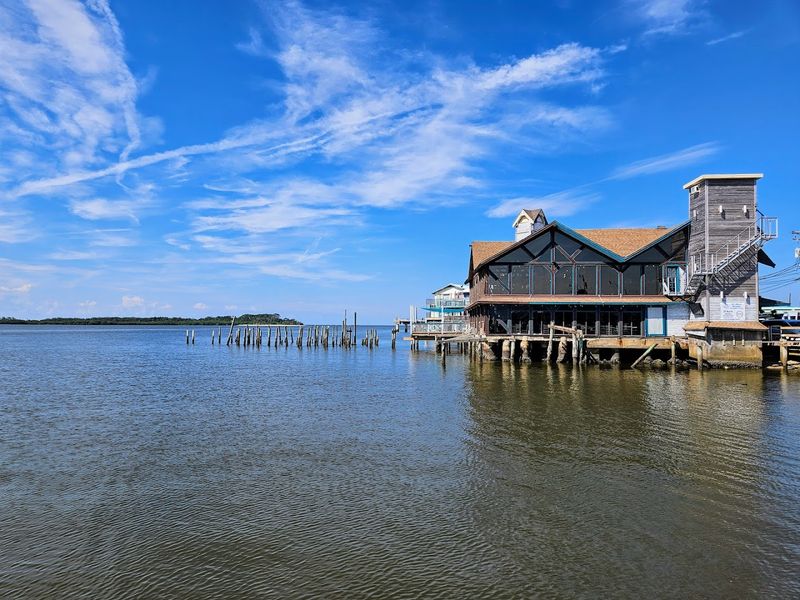
Getting to Cedar Key requires commitment, since it sits at the end of State Road 24, a long two-lane road that cuts through marshland and feels like it is gently nudging you away from ordinary life.
This tiny island community on Florida’s Gulf Coast, roughly 50 miles southwest of Gainesville, has a permanent population of fewer than 800 people and operates on a schedule that prioritizes fishing tides over deadlines.
The town’s clam farming industry is a source of real local pride, and the seafood restaurants clustered along Dock Street serve those clams in every imaginable preparation.
Cedar Key was once a bustling pencil-manufacturing hub in the 1800s, using red cedar harvested from the surrounding forests, which explains the town’s peculiar name and its collection of weathered historical buildings.
The surrounding Cedar Keys National Wildlife Refuge protects thousands of acres of estuary habitat, making kayaking through the back channels an extraordinary experience for wildlife watchers.
Sunsets here are genuinely otherworldly, painting the water in deep orange and violet while pelicans glide silently overhead.
5. Anna Maria, Anna Maria Island
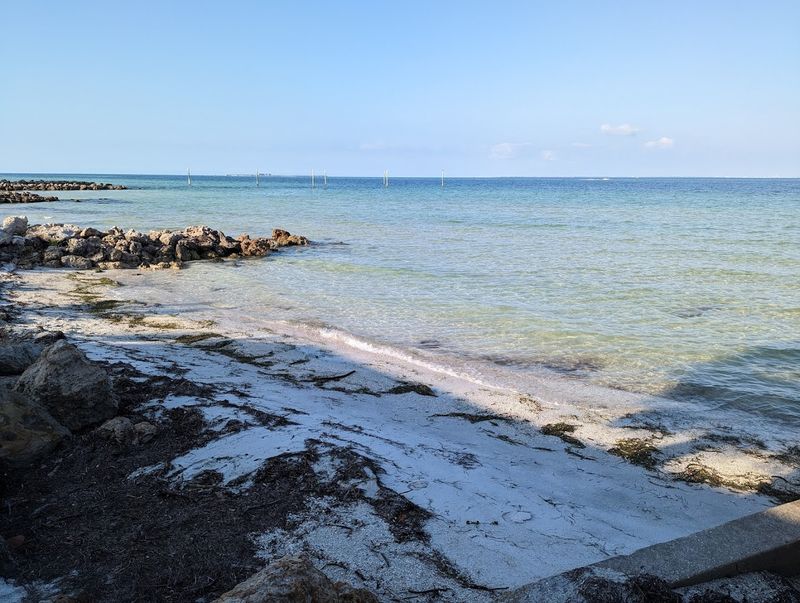
Anna Maria occupies the northern tip of Anna Maria Island, a seven-mile barrier island just off the Bradenton coast on Florida’s Gulf side, and it radiates a 1950s beach town energy that feels genuinely rare in modern Florida.
Golf carts are the preferred mode of transportation here, giving the whole island a relaxed, carnival-ride quality that makes even grocery runs feel like a mini adventure.
Pine Avenue, the town’s historic main street, is lined with bungalows converted into boutiques, ice cream shops, and restaurants, many of them operating out of buildings that have stood for nearly a century.
The Anna Maria City Pier stretches out over Tampa Bay and is a favorite spot for locals to fish, watch manatees, and catch the kind of sunrises that make you forget your phone exists.
The beaches on the Gulf side feature the famously soft, powdery white sand that the Suncoast region is celebrated for, but Anna Maria’s stretch tends to feel less crowded than nearby Siesta Key.
Visiting in early May hits a sweet spot between the snowbird season and the summer rush.
6. Apalachicola, Florida Panhandle
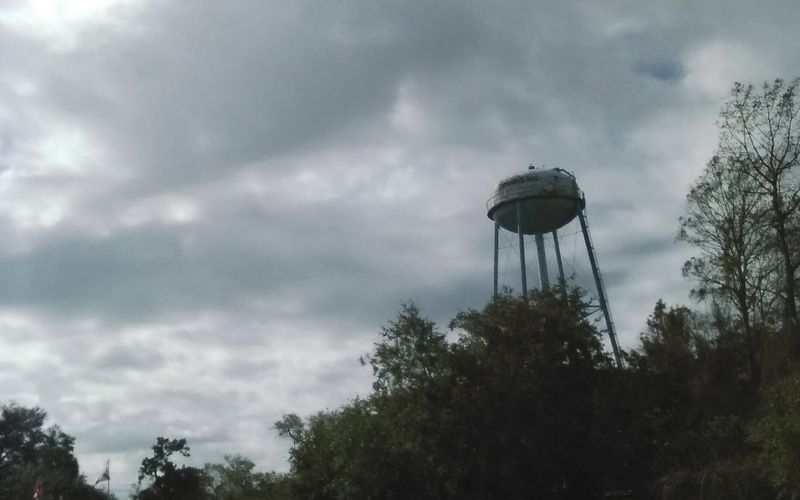
Apalachicola sits at the mouth of the Apalachicola River on the Florida Panhandle, and it has the look of a town that peaked gloriously in the 1800s and then simply decided to preserve that peak forever.
Victorian-era commercial buildings line the downtown streets, many of them housing independent shops, oyster bars, and small inns that operate with a warmth chain establishments can never replicate.
The town was once one of the busiest cotton-shipping ports in the South, and that prosperous past left behind an architectural legacy that filmmakers and photographers regularly travel here to capture.
Apalachicola Bay produces some of the most prized oysters in the United States, and locals will tell you, with complete sincerity, that no oyster anywhere else compares.
The John Gorrie Museum State Park commemorates the local physician who invented an early ice-making machine in the 1840s, a contribution to human comfort that deserves far more recognition than it typically receives.
November brings the Florida Seafood Festival, when the small downtown fills with crowds, live music, and the irresistible smell of fresh-shucked oysters on the half shell.
7. Fernandina Beach, Amelia Island
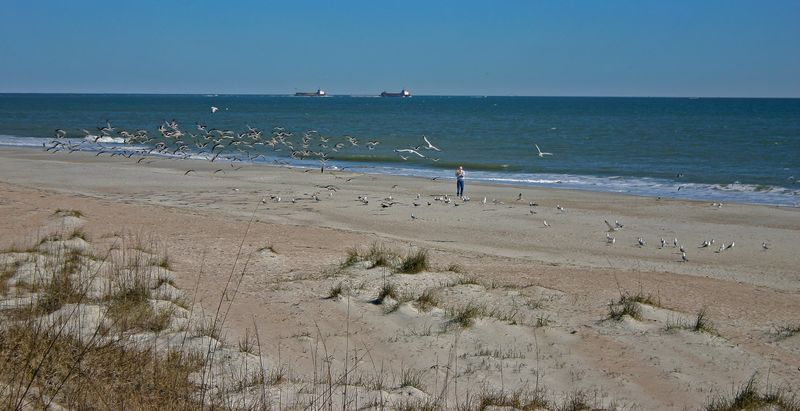
Amelia Island’s main town, Fernandina Beach, packs more personality per square block than almost anywhere else in Florida, combining a Victorian downtown with working shrimp docks and one of the state’s most beautiful natural beaches.
Located at the northeastern tip of Florida, just south of the Georgia border, Fernandina Beach holds the unusual distinction of having flown eight different flags over its history, earning it the nickname “Isle of Eight Flags.”
Centre Street is the town’s social spine, lined with locally owned restaurants, craft breweries, and shops selling everything from hand-thrown pottery to fresh-caught shrimp.
The Palace Saloon, which opened in 1903, claims to be Florida’s oldest continuously operating bar, and its ornate carved mahogany bar and pressed tin ceilings make it worth stepping inside regardless of your order.
Fort Clinch State Park, located at the northern end of the island, offers a remarkably preserved Civil War-era brick fortification where costumed interpreters bring 19th-century military life to vivid detail.
The shrimping fleet still operates out of the harbor, and watching those boats head out at sunrise is one of those quietly cinematic moments that Fernandina Beach delivers without even trying.
8. Tarpon Springs, Tampa Bay Area
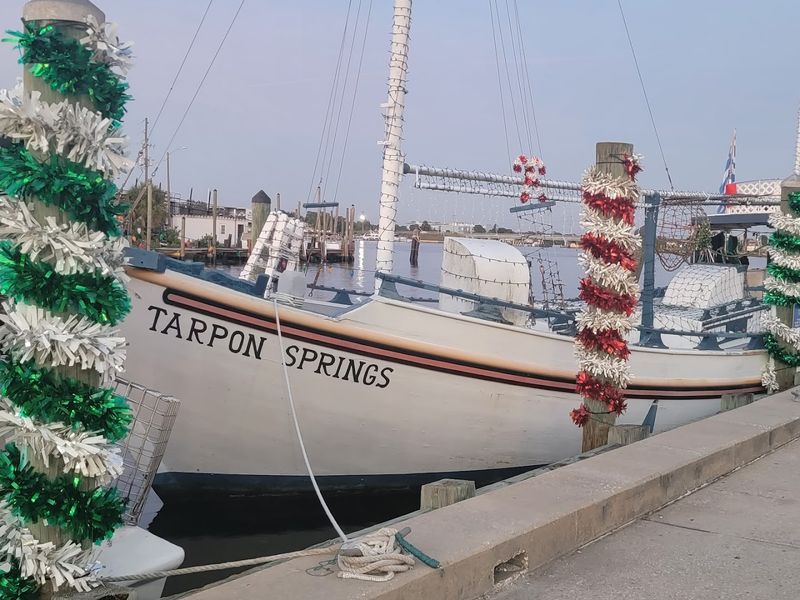
Walking along the Sponge Docks in Tarpon Springs, you might momentarily forget you are in Florida and wonder if you have somehow been transported to a small Greek port town.
Situated about 30 miles northwest of Tampa on the Gulf Coast, Tarpon Springs has the largest percentage of Greek Americans of any city in the United States, a demographic legacy rooted in the late 19th-century sponge diving industry that Greek immigrants built here.
The docks along Dodecanese Boulevard are lined with boats still loaded with natural sea sponges, shops selling Greek pastries, and restaurants serving slow-roasted lamb and fresh-caught fish prepared with recipes brought over generations ago.
St. Nicholas Greek Orthodox Cathedral, modeled after the Hagia Sophia in Istanbul, anchors the spiritual heart of the community and is open to visitors who want to admire its extraordinary Byzantine-style interior.
The annual Epiphany celebration in January draws thousands of visitors to watch young men dive into Spring Bayou to retrieve a ceremonial cross, a tradition that has continued here since 1903.
Tarpon Springs proves that Florida’s most fascinating stories are often written by the communities that chose to make it home.
9. Winter Park, Central Florida
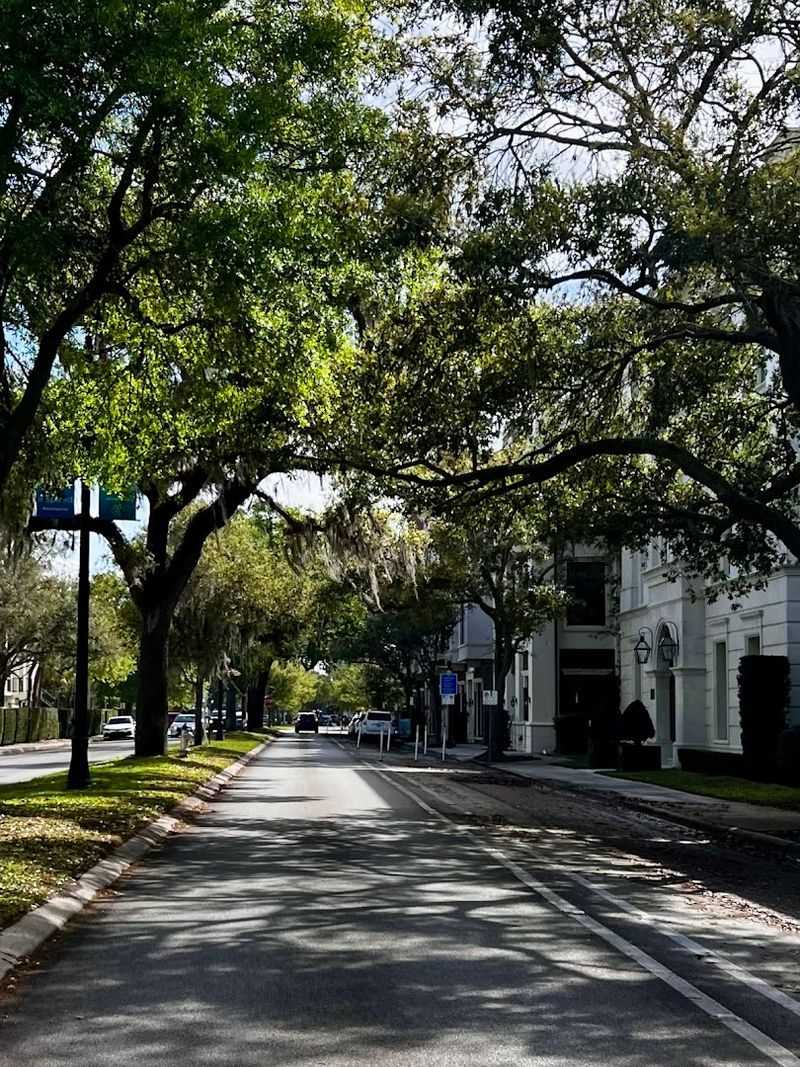
Park Avenue in Winter Park might be the most effortlessly elegant street in all of Central Florida, with its shaded brick sidewalks, independent boutiques, and cafe tables spilling out under ancient oak canopies.
Located just north of Orlando, Winter Park was founded in the 1880s as a winter retreat for wealthy Northerners, and that refined sensibility is still very much embedded in its character today.
The Charles Hosmer Morse Museum of American Art houses the world’s most comprehensive collection of works by Louis Comfort Tiffany, including architectural elements salvaged from his Long Island estate, and it is genuinely one of the finest small museums in the country.
The Winter Park Scenic Boat Tour has operated continuously since 1938, gliding visitors through a chain of lakes and narrow canals lined with waterfront mansions and ancient cypress trees.
Rollins College, a private liberal arts school founded in 1885, adds a collegiate energy and cultural programming to the town through its Cornell Fine Arts Museum and outdoor amphitheater.
Winter Park manages to feel simultaneously sophisticated and approachable, which is a balance most places spend decades trying to strike.
10. Dunedin, Pinellas County
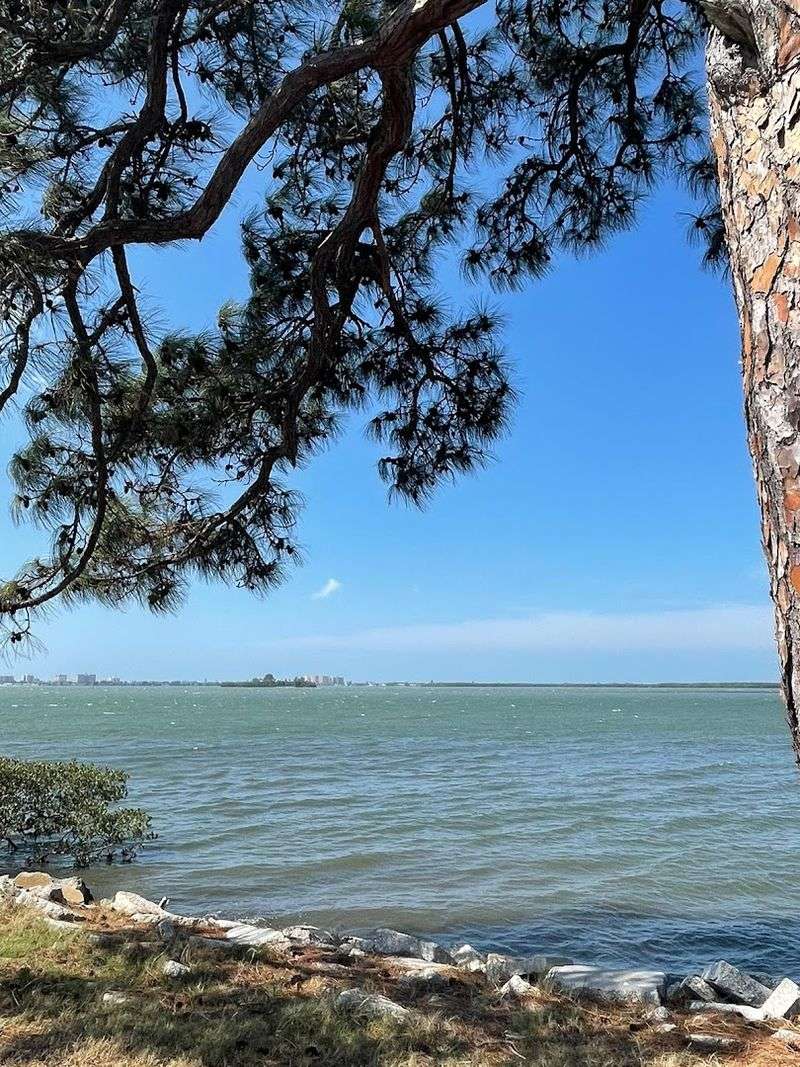
Dunedin carries a distinctly festive energy year-round, and that spirit is rooted in its Scottish heritage, its proximity to Honeymoon Island, and a downtown scene that manages to feel genuinely lively without ever feeling overwhelming.
Positioned on the Gulf Coast just north of Clearwater in Pinellas County, Dunedin was settled by Scottish merchants in the 1870s and named after the Scottish city of Edinburgh, which explains the kilts, bagpipes, and Highland Games that still pop up with regularity.
Main Street is lined with colorful storefronts, murals, and outdoor dining patios that stay busy from late morning until well into the evening, especially during the cooler winter months when snowbirds arrive in full force.
The Pinellas Trail, a 75-mile paved rail-trail, passes directly through downtown, making Dunedin a favorite stop for cyclists exploring the county.
Honeymoon Island State Park, just a short drive from downtown, offers some of the finest undeveloped beachfront in the Tampa Bay region, along with osprey nests and a nature trail through a rare virgin slash pine forest.
Dunedin is the kind of town that grows on you faster than you expect and stays with you longer than you plan.
11. Venice, Sarasota County
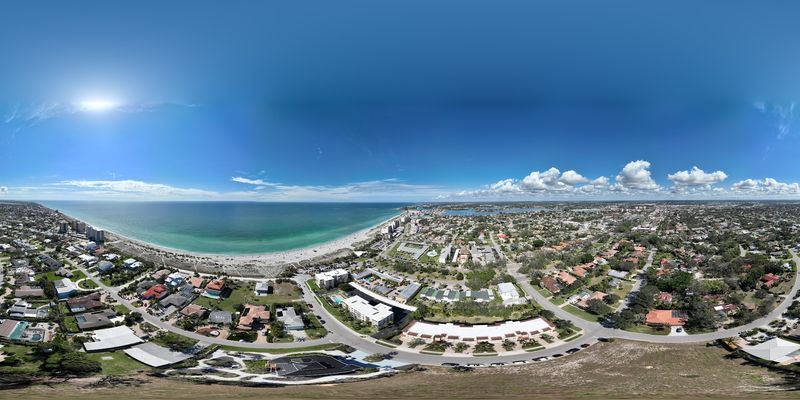
Venice earns its Italian-inspired name with a downtown built almost entirely in the Mediterranean Revival style, giving its streets an architectural consistency that feels more like a planned film backdrop than an organic Florida town.
Situated about 20 miles south of Sarasota along the Gulf Coast, Venice was developed in the 1920s according to a master plan that prioritized wide boulevards, arcaded storefronts, and a walkable town center, and that vision has held up remarkably well.
Venice Avenue serves as the main commercial corridor, lined with independent restaurants, jewelry shops, and galleries housed inside buildings with terracotta roofs and arched colonnades that cast perfect shade in the afternoon sun.
The town is world-famous among fossil hunters because its beaches regularly yield fossilized shark teeth washed in from an ancient offshore deposit, earning Venice the title of “Shark Tooth Capital of the World.”
Caspersen Beach, at the southern end of town, is the top spot for tooth hunting, and watching families comb the shoreline with sand scoops is one of those charmingly quirky Florida rituals.
Venice feels like a place where the 1920s planners got almost everything right.
12. Micanopy, North Central Florida
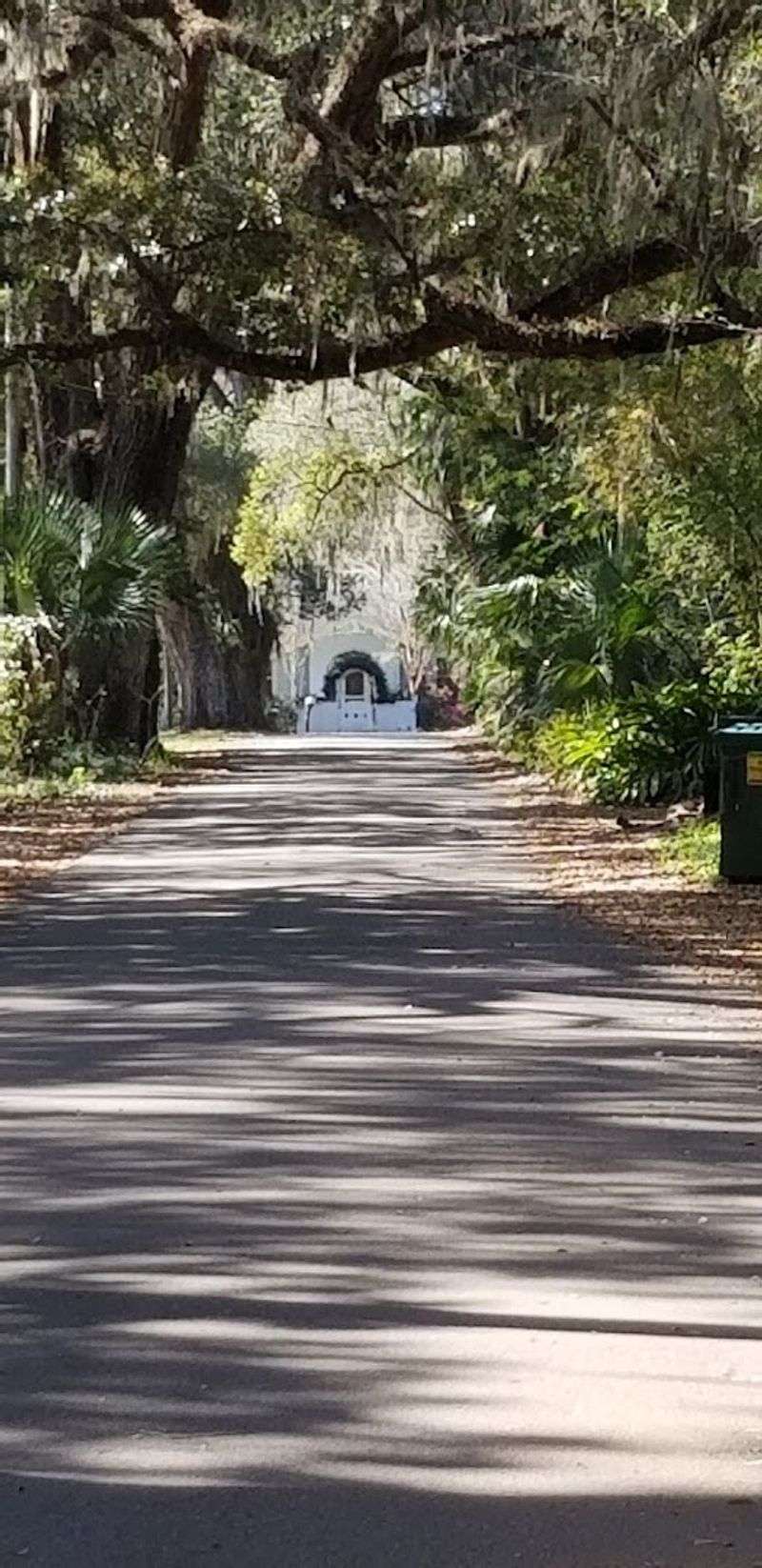
Micanopy is the kind of place where time seems to have politely agreed to slow down and wait outside while you browse through another antique shop.
Located about 10 miles south of Gainesville in North Central Florida, Micanopy is one of the oldest inland towns in the state, with a history stretching back to a Seminole village that occupied the site long before European settlement arrived.
The main street, Cholokka Boulevard, is canopied by enormous live oaks draped in Spanish moss, creating a green tunnel effect that feels cinematic in the late afternoon light.
Nearly every building along the street houses an antique dealer, vintage bookshop, or small gallery, making a stroll through town feel like a slow treasure hunt with no particular deadline.
The 1998 film “Doc Hollywood” starring Michael J. Fox was filmed here, and the town embraces that piece of pop culture history with good-natured pride.
Micanopy’s surrounding landscape of longleaf pine forest and spring-fed creeks makes it a natural base for exploring Paynes Prairie Preserve State Park just up the road.
Quiet, shaded, and full of stories, Micanopy rewards visitors who arrive without a schedule and leave without wanting to.