
11 Chicago Parks That Bloom In The Most Unexpected Ways
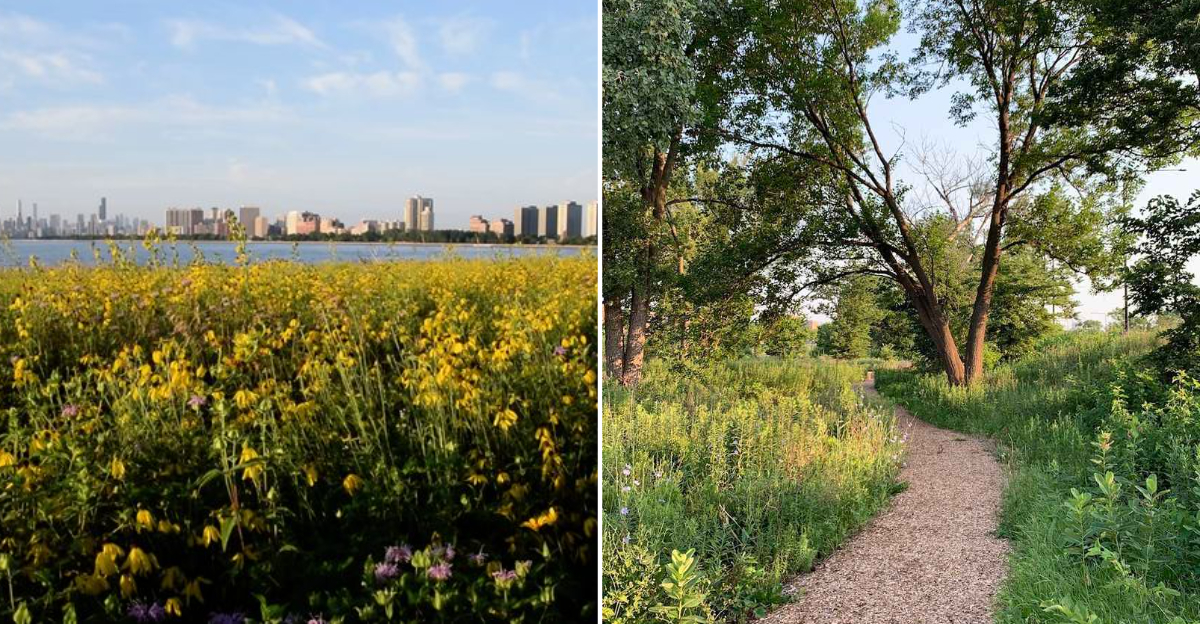
Chicago, Illinois gets a lot of attention for its skyline and deep-dish pizza, but its parks tell a quieter, more colorful story. Hidden lily pools and lakefront bird sanctuaries still manage to surprise even longtime locals.
Time out in these spaces reveals something a little different on every visit, with new blooms, birdsong, or soft morning light shifting the mood. Some places feel carefully designed, others almost wild, but all of them offer a break from the city’s usual pace.
What if the most memorable side of Chicago, Illinois isn’t the skyline at all, but the quiet corners where nature takes over?
1. Alfred Caldwell Lily Pool
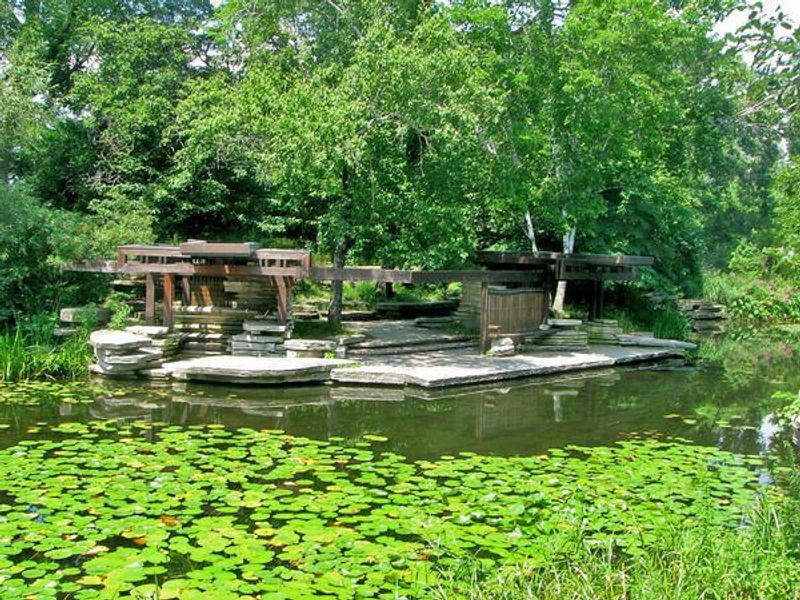
Few places in Chicago feel as quietly theatrical as the Alfred Caldwell Lily Pool, a Prairie-style landscape hidden within Lincoln Park at 125 West Fullerton Parkway.
Designed by landscape architect Alfred Caldwell in 1936 and later restored in 2002, the pool is a National Historic Landmark that most passersby completely miss.
The design draws from the Prairie School movement, using native limestone, council rings, and meandering pathways to create a space that feels ancient and intentional at the same time.
In late spring and early summer, water lilies carpet the surface of the pool while tall grasses and native wildflowers frame the edges. Herons occasionally wade in the shallows, completely unbothered by visitors.
The pool is open seasonally, generally from May through October, and admission is free. Morning visits reward you with the best light and the fewest crowds.
If you have only ever passed through the main Lincoln Park Zoo area, this tucked-away landmark will genuinely change how you think about Chicago’s green spaces. It is a masterpiece of landscape design hiding in plain sight.
2. Lincoln Park Conservatory
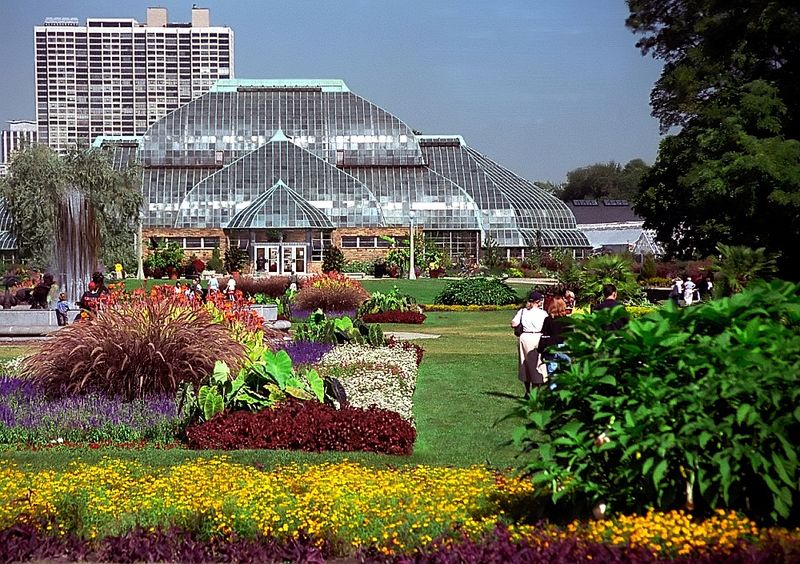
Built in 1895 and still going strong, the Lincoln Park Conservatory at 2391 North Stockton Drive is one of those places that stops you in your tracks the moment you walk through its glass doors.
Outside it might be a grey Chicago February, but inside, tropical palms stretch toward the ceiling and orchids bloom in extravagant clusters.
The conservatory is divided into four main houses: the Palm House, the Fern Room, the Orchid House, and the Show House. Each room has its own climate and personality.
The Fernery feels prehistoric, dripping with moisture and layered greenery, while the Cactus House offers a surprising desert calm.
Seasonal flower shows transform the Show House throughout the year, with spring and holiday displays drawing some of the biggest crowds.
Admission is free, which makes this one of the best no-cost escapes in the entire city. On a cold weekend afternoon, the warmth and color inside the conservatory feel like a genuine gift.
Families with kids, photographers, and anyone craving a mid-winter mood boost all find something to love here. Plan to spend at least an hour so you can soak in every room properly.
3. Garfield Park Conservatory
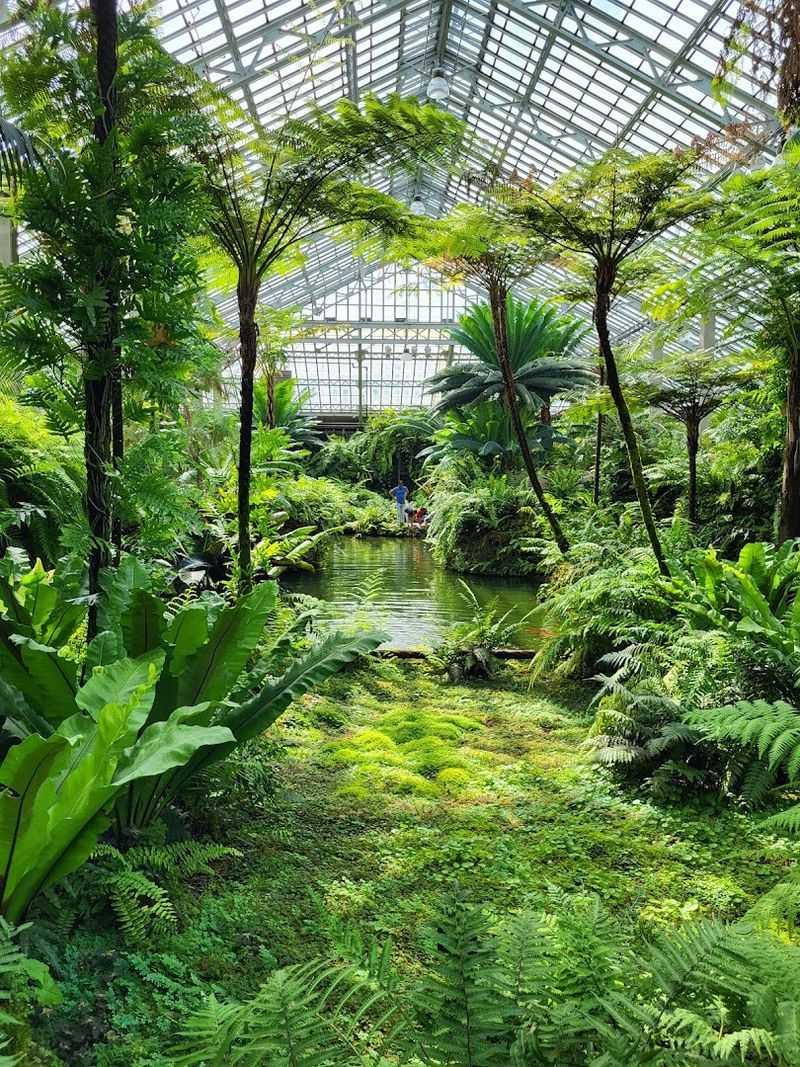
Garfield Park Conservatory, located at 300 North Central Park Avenue in the Garfield Park neighborhood, is one of the largest conservatories in the entire United States.
Designed by Jens Jensen and opened in 1908, the building itself looks like a giant green hill rising from the West Side, and the interior delivers on that dramatic promise.
The conservatory houses thousands of plant species displayed across eight major rooms. The Fern Room alone is worth the trip, featuring a lagoon surrounded by ancient-looking tree ferns that feel straight out of a nature documentary.
The Palm House soars overhead with towering royal palms, and the Aroid House holds a dense collection of tropical plants with enormous, sculptural leaves.
Free admission makes this an incredibly accessible cultural destination, though donations are always appreciated. The conservatory also hosts hands-on workshops, children’s programming, and rotating seasonal flower shows throughout the year.
After a major renovation following a 2011 hailstorm, the facility has never looked better. For anyone with a genuine love of plants or a curiosity about the natural world, this West Side landmark is an absolute must-visit destination in Chicago.
4. Osaka Garden
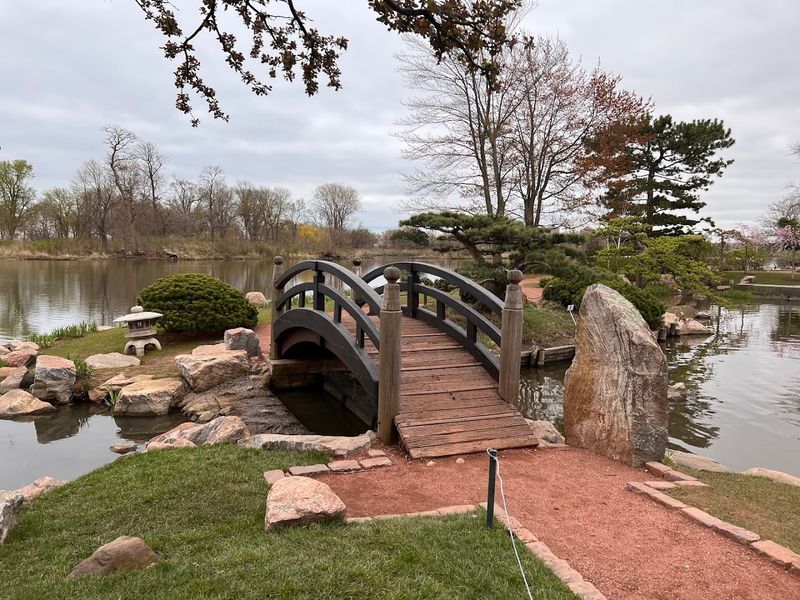
Right in the middle of Jackson Park on the South Side, Osaka Garden sits on a small island connected by a short bridge, and crossing that bridge genuinely feels like stepping into another world.
The garden, located within Jackson Park at 6401 South Stony Island Avenue, was originally created for the 1893 World’s Columbian Exposition and has been lovingly maintained ever since.
Chicago’s sister-city relationship with Osaka, Japan, inspired the garden’s current name and its ongoing restoration work. Stone lanterns, a wooden pavilion, and carefully shaped trees anchor the landscape, while the surrounding lagoon reflects the changing sky above.
In spring, cherry blossoms provide a soft pink canopy, and in summer, the water is dotted with lily pads and lotus blooms.
The garden is open year-round and free to visit, making it one of the most rewarding spots on the South Side for a slow, reflective walk. Early mornings here are especially peaceful, with mist rising off the lagoon and birds calling from the surrounding trees.
It is the kind of place that makes you forget you are in a major American city, which is honestly one of the best things a city park can do.
5. North Park Village Nature Center
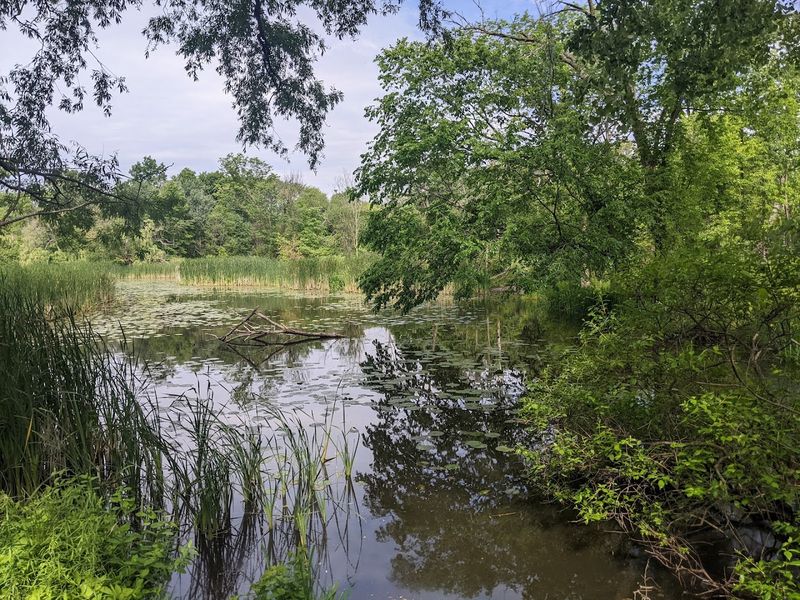
Most people drive past North Park Village Nature Center without realizing it exists, which is a real shame because the more than 58-acre nature preserve at 5801 North Pulaski Road is one of the most ecologically rich spots in the entire city.
The center sits within a former tuberculosis sanatorium campus, and the grounds have been transformed into a thriving mosaic of restored habitats.
You will find oak savanna, wetlands, a seasonal pond, and native prairie all within walking distance of each other. Spring is especially rewarding here, when woodland wildflowers like trout lilies, wild ginger, and bloodroot emerge under the oak canopy before the leaves fill in above.
The trails are easy and well-marked, making this a great option for families with younger children or anyone new to nature walking.
The nature center building offers environmental education programs, and volunteers run regular guided walks throughout the year. Migratory birds pass through in impressive numbers during spring and fall, making this a reliable birding spot on Chicago’s Northwest Side.
Admission to the trails is free, and the peaceful atmosphere feels miles away from the surrounding urban grid. It is the kind of restorative outdoor experience the city genuinely needs more of.
6. Montrose Point Bird Sanctuary
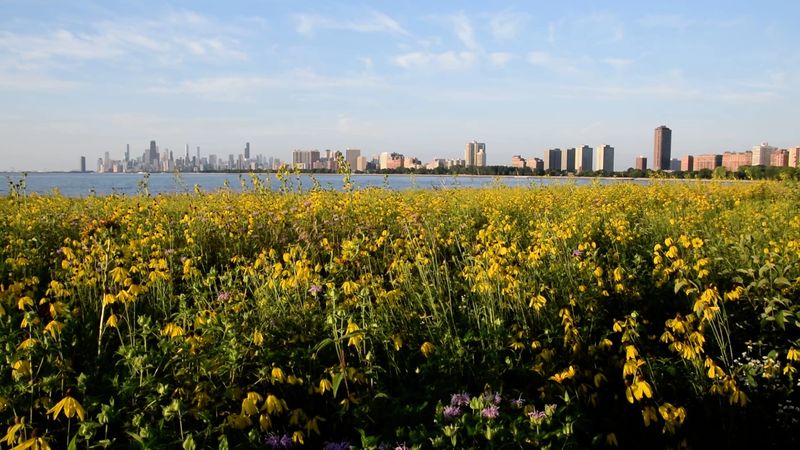
Known affectionately among birders as “the Magic Hedge,” Montrose Point Bird Sanctuary at 4400 North Lake Shore Drive is one of the most extraordinary wildlife stops in Chicago.
The dense thicket of shrubs and native plantings at the tip of Montrose Point acts like a magnet for migratory birds crossing Lake Michigan each spring and fall.
On a peak migration morning in May, it is not unusual to spot dozens of warbler species in a single hour, flitting through the foliage just inches from the path.
The sanctuary also features a restored dune and swale habitat with native wildflowers, beach grasses, and low-growing prairie plants that bloom in waves from early spring through late summer.
The surrounding Montrose Beach and harbor add to the experience, giving you open water views alongside the intimate scale of the sanctuary itself. Bring binoculars if you have them, but even without them, the sheer density of bird activity during migration is remarkable.
Access is free and the area is open year-round. Sunrise visits during May are the gold standard here, and once you have experienced a spring morning at Montrose Point, you will understand exactly why Chicago birders call it magic.
7. Burnham Nature Sanctuary
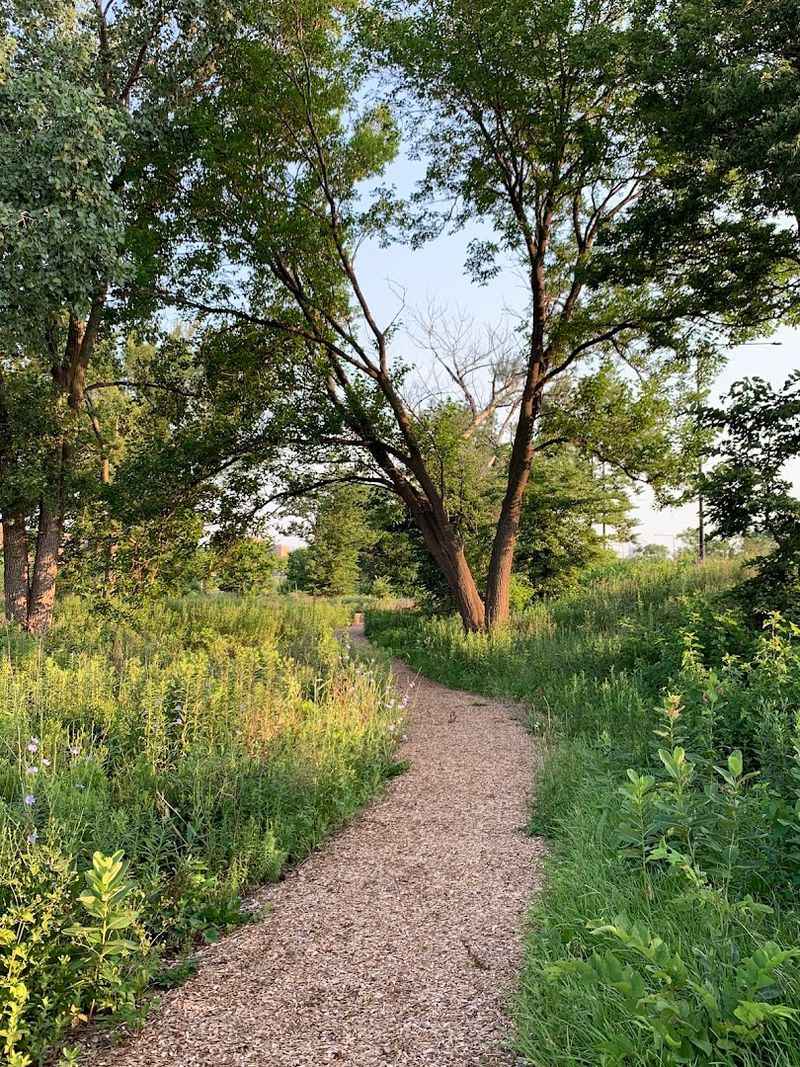
Burnham Nature Sanctuary occupies a stretch of restored lakefront habitat along 47th Street within the Burnham Wildlife Corridor on Chicago’s South Side.
It is a relatively young restoration project, but the native plantings have taken hold beautifully, creating a surprisingly lush corridor of prairie and savanna habitat right along the water.
Switchgrass, prairie dropseed, and native wildflowers like black-eyed Susans and prairie blazing star fill the space with texture and color from midsummer into fall.
The sanctuary is specifically designed to support pollinators, and on a warm August afternoon, the number of butterflies and native bees working the flowers is genuinely impressive. Monarch butterflies pass through in noticeable numbers during their fall migration south.
The location along the lakefront trail makes Burnham Nature Sanctuary easy to fold into a longer bike ride or walk along the Chicago shoreline. It sits close enough to downtown that the skyline stays visible in the background, creating a striking visual contrast between the city and the prairie.
For a place that receives relatively little fanfare, it consistently delivers one of the most photogenic and ecologically interesting experiences on the entire lakefront. Give it at least thirty minutes of your time.
8. Northerly Island Natural Area
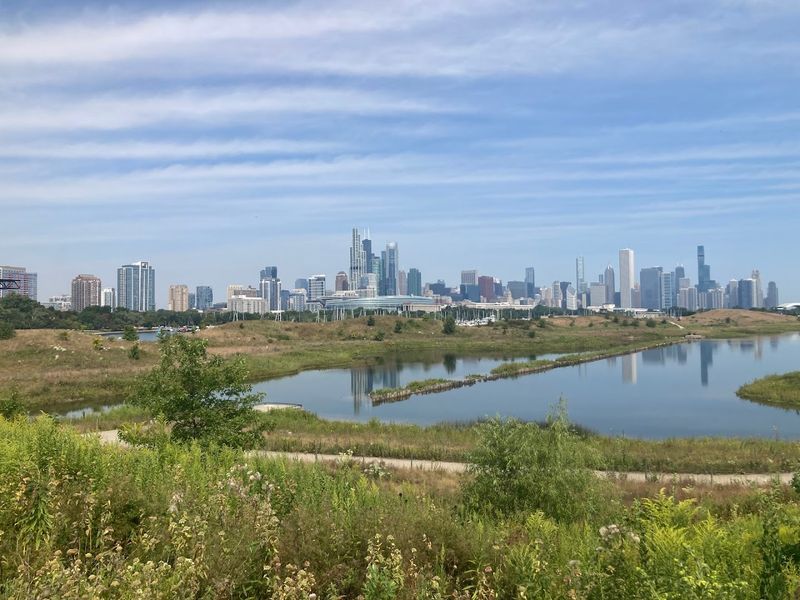
Northerly Island is one of Chicago’s most dramatic reinventions. What was once Meigs Field, a small airport on a man-made peninsula south of the Museum Campus, was transformed after 2003 into a large lakefront park and natural area featuring restored prairie, wetlands, and lakefront habitat with sweeping views of the downtown skyline.
The prairie plantings here are extensive and genuinely impressive, covering large swaths of the peninsula with native grasses and flowering plants that shift in color and height throughout the growing season.
In July and August, the landscape turns gold and purple with coneflowers, prairie clovers, and blazing star. Migratory birds use the island heavily in spring and fall, and the open water on both sides makes it a prime spot for watching waterfowl.
Walking the loop trail around the island takes about forty-five minutes at a leisurely pace, and the views change constantly as you move between the lakefront, the prairie interior, and the city-facing side.
The nearby Pavilion offers restrooms and event space, and the Huntington Bank Pavilion concert venue sits at the northern tip.
Even on concert days, the natural area remains peaceful and accessible, which says a lot about how well the space was designed.
9. Ping Tom Natural Area
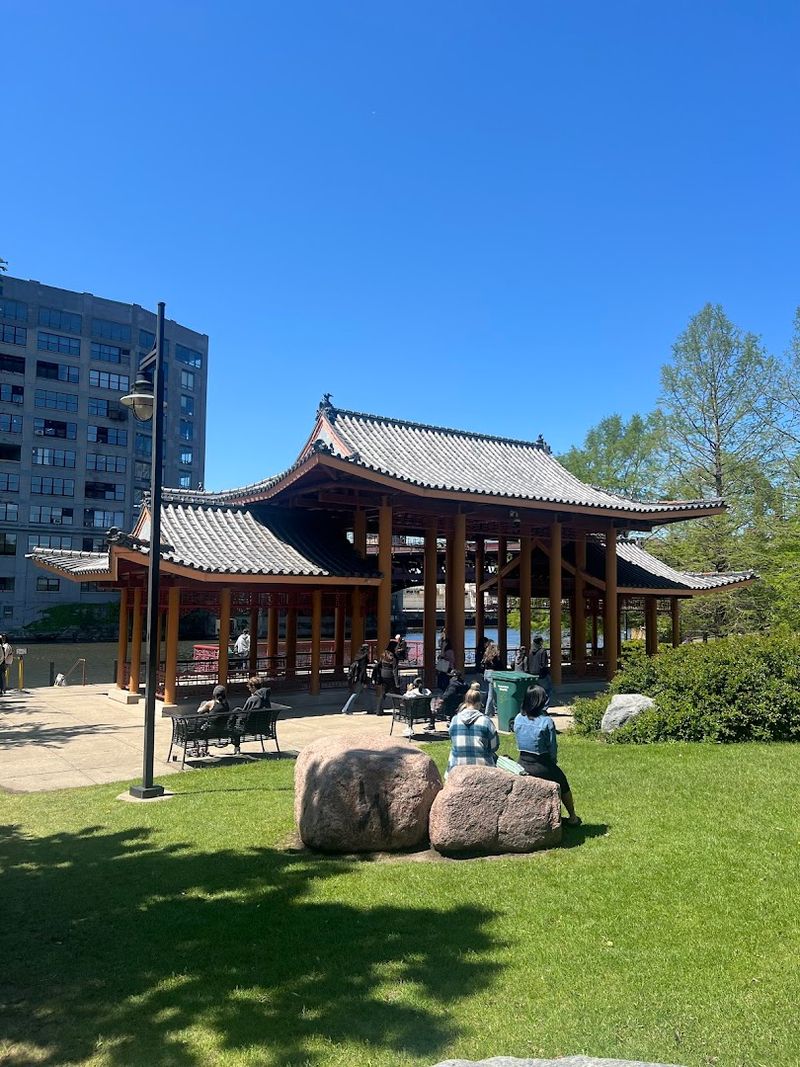
Ping Tom Memorial Park in Chinatown is already well known for its pagoda-style field house and river views, but the natural area along the Chicago River’s edge near 300 West 18th Street is a quieter chapter of the same story that most visitors skip right past.
The native riparian plantings along the riverbank create a green corridor that feels genuinely wild despite sitting in the middle of a dense urban neighborhood.
Willows, native sedges, and moisture-loving wildflowers line the riverbank, attracting pollinators and songbirds in numbers that surprise first-time visitors. The wooden boardwalk that runs along the water gives you an up-close look at the plantings while keeping the natural habitat intact beneath your feet.
In spring, the combination of blooming riverside plants and the park’s ornamental cherry trees creates a layered floral display that is one of the most photogenic scenes on the South Side.
The park connects to local riverfront paths and serves as a key stop along the South Branch of the Chicago River. Kayak and canoe launches are available nearby, so the water is not just scenery here.
Visiting on a weekday morning gives you the most peaceful experience, with the river quiet and the plantings catching the early light in a way that feels genuinely cinematic.
10. Cancer Survivors’ Garden
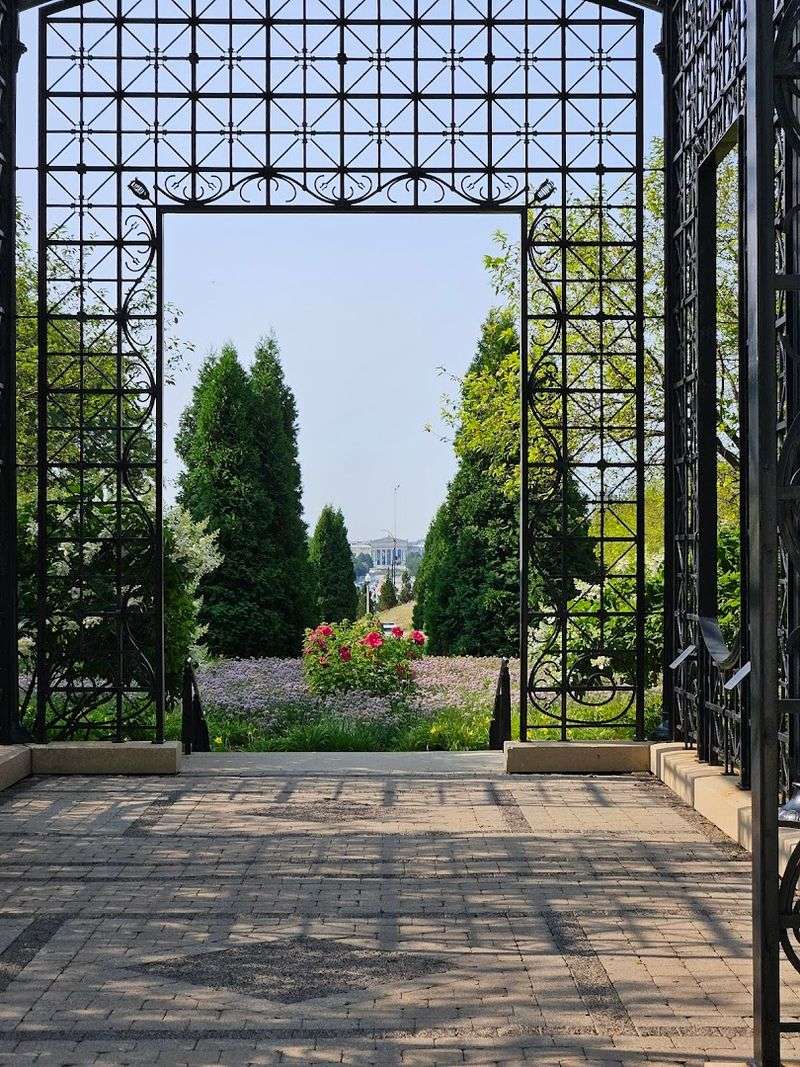
The Cancer Survivors’ Garden sits just east of Grant Park at 337 East Randolph Street within Maggie Daley Park, tucked between Lake Shore Drive and the lakefront in a way that makes it feel like a private discovery even though it is completely open to the public.
Created in 1996 as a place of reflection and celebration, the garden is maintained by the Cancer Survivors’ Garden Foundation and is free to visit year-round.
The formal design features symmetrical beds filled with seasonal blooms, a central fountain, and manicured hedges that create a sense of enclosure and calm within the open lakefront landscape.
Spring brings tulips and flowering annuals in bold color combinations, while summer transitions into roses, salvia, and ornamental grasses. The overall effect is polished and purposeful, with every planting choice contributing to the garden’s atmosphere of quiet strength.
Benches throughout the garden invite you to sit and stay a while, and many visitors use the space for quiet reflection or simply as a beautiful break during a longer lakefront walk. The garden is a short walk from Millennium Park and the Art Institute, making it easy to include in a broader downtown itinerary.
For a space devoted to resilience and renewal, it blooms with remarkable consistency and grace every single season.
11. South Shore Formal Garden
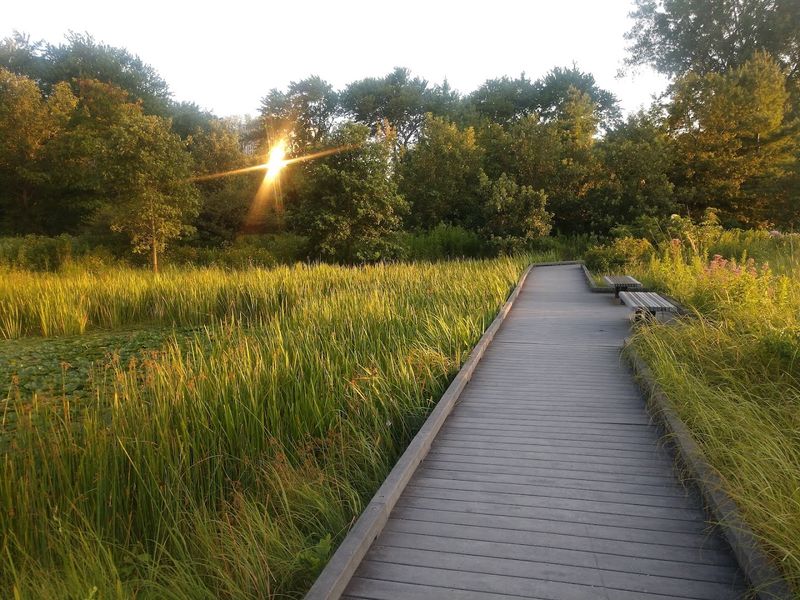
The South Shore Cultural Center at 7059 South South Shore Drive sits right on Lake Michigan, and its formal garden is one of the most underrated outdoor spaces in the entire city.
Framed by a Mediterranean-style building that once served as a private country club, the garden combines classical landscape design with a lakefront setting that is hard to match anywhere else in Chicago.
Restored pergolas, manicured lawn panels, and seasonal flower beds fill the formal garden area, which faces the lake and catches the afternoon light beautifully.
The plantings shift with the seasons, moving from spring bulbs through summer annuals to fall perennials, keeping the garden visually interesting from April through October.
Peacocks have historically roamed the grounds here, adding an unexpected and delightful layer of character to the experience.
The surrounding South Shore neighborhood gives the cultural center a community energy that feels warm and welcoming, with events, weddings, and weekend programming drawing a diverse mix of visitors throughout the year.
The beach adjacent to the center offers a natural extension of the visit, and the combination of formal garden, historic architecture, and lakefront access makes this one of the most complete park experiences on Chicago’s South Side. A Saturday morning visit here is genuinely hard to beat.