
11 Colorado Campgrounds Hidden So Well Even Locals Don’t Know About Them
The best campsites are not always the ones splashed across postcards or booked six months before summer. Colorado may be known for famous peaks, resort towns, and national parks with entrance lines, but its quieter camping corners tell a more personal kind of story.
These are the places reached by extra patience, a full tank, and the willingness to trade crowds for cricket noise, open sky, and morning coffee with nobody rushing the view. You might end up beside a still reservoir, along a lonely forest road, or near canyon walls that glow like fire when the sun drops low.
That is the reward: not luxury, not hype, but the rare feeling of having found room to breathe. Bring a cooler, a map you trust, and a little curiosity.
In Colorado’s less-advertised wild spaces, the best souvenir is the silence you did not know you needed.
1. Jumbo Reservoir SWA – Sedgwick County
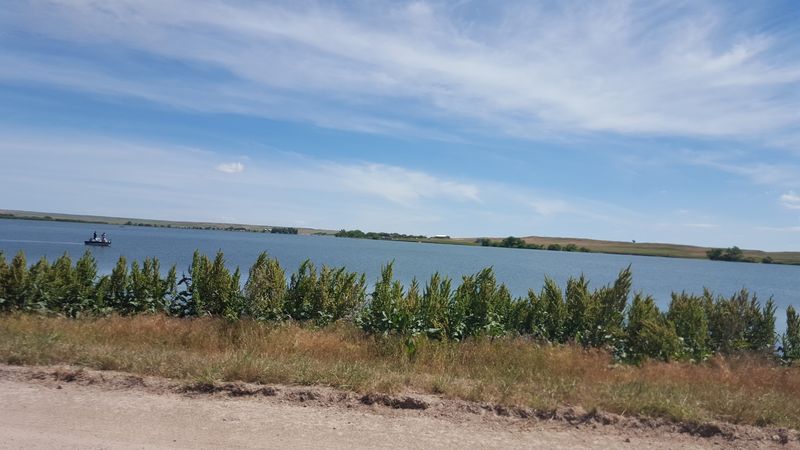
Most Colorado campers spend their whole lives staring at mountain peaks and never once consider that the Eastern Plains have something worth stopping for. Jumbo Reservoir SWA in Sedgwick County is exactly the kind of place that proves them wrong.
Out here, the sky is the main attraction, and it is enormous.
Colorado Parks and Wildlife lists camping in designated numbered sites with restrooms and a boat ramp available. Anglers especially appreciate the lack of crowds, and the flat, open terrain gives the whole visit a deeply unhurried quality.
Sunrise over a plains reservoir hits differently than any alpine lake I have ever visited.
Getting here requires a real commitment to driving northeast, past Julesburg and into the quieter corners of the state. That distance is the feature, not the inconvenience.
Bring your own firewood, pack enough food for two nights, and resist the urge to check your phone. The Eastern Plains do not get the Instagram attention they deserve, and honestly, that is what makes this reservoir feel like a reward for the road-trip faithful.
2. Karval Reservoir SWA – Lincoln County
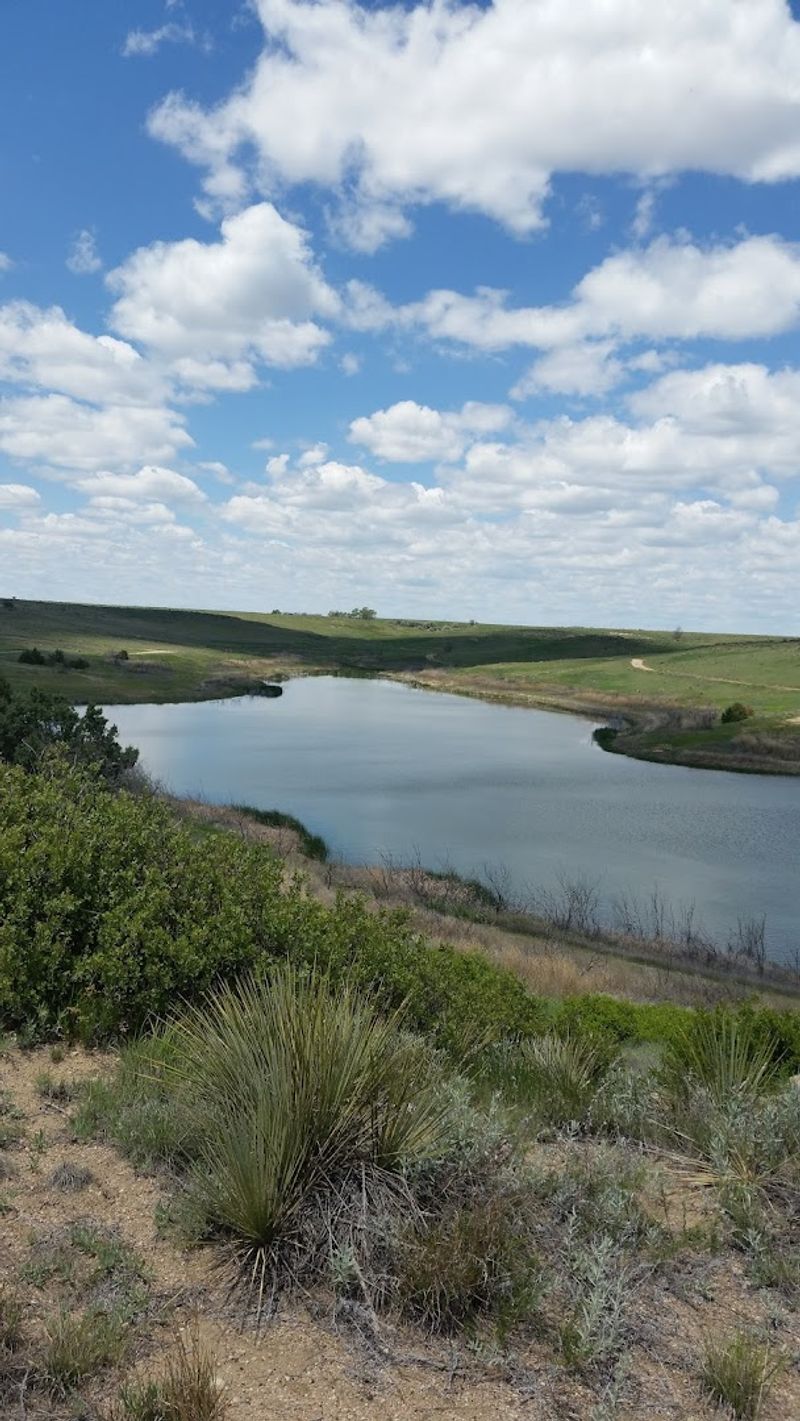
Karval Reservoir SWA sits in Lincoln County so far off the usual tourist routes that even a dedicated Colorado road-tripper could drive through the state a dozen times without stumbling across it. That obscurity is its greatest selling point.
There is something almost conspiratorial about knowing it exists.
Colorado Parks and Wildlife notes that camping here is allowed for licensed hunters during applicable seasons or while actively fishing, and facilities include restrooms. The setup is deliberately simple, which suits the landscape perfectly.
East-central plains camping is a different rhythm entirely: slower, quieter, and surprisingly restorative.
Karval itself is a tiny community, which means you should arrive self-sufficient and ready to enjoy the solitude on its own terms. No camp store, no ranger station handing out maps, no line of RVs waiting for a spot.
Just a reservoir, a fishing rod, and the honest satisfaction of being somewhere most people cannot find on a casual scroll through camping apps. If the Eastern Plains were a hidden menu item, Karval would be the one the regulars order without ever telling anyone else about it.
3. Lake John SWA — Jackson County, North Park
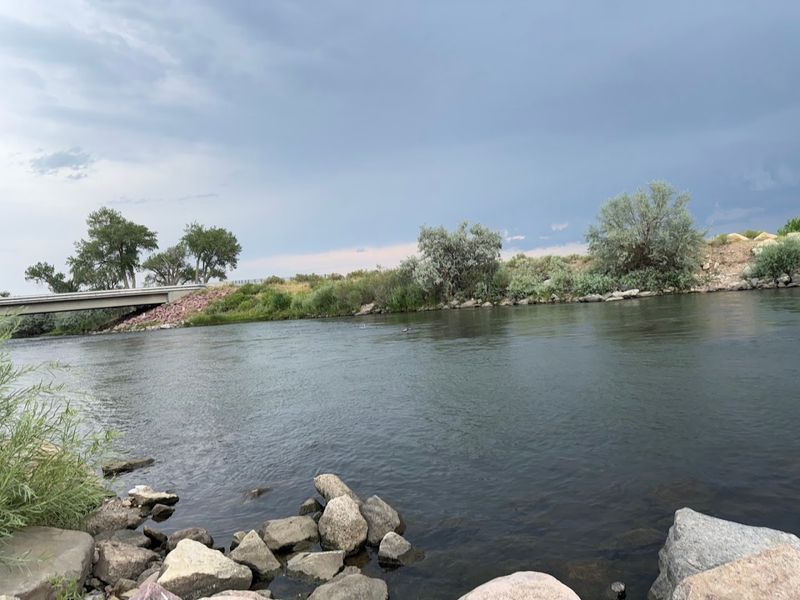
North Park has a reputation for being Colorado’s best-kept secret basin, and Lake John SWA is the version of that secret that even North Park regulars tend to underplay. Camping is allowed west of the dam, with restrooms and a boat ramp provided by Colorado Parks and Wildlife.
The setting trades glossy alpine drama for something quieter and more honest.
Jackson County gets genuinely cold nights even in summer, so packing layers here is not optional. But that chill is part of the appeal.
Mornings at Lake John feel like the kind of thing you would describe to people back home and watch their expressions shift from polite interest to actual envy.
The fishing-camp atmosphere here is refreshingly low-key. Nobody is performing for an audience.
Anglers show up before dawn, set up without ceremony, and spend the day doing exactly what they came to do. I find that kind of focused simplicity rare and worth chasing.
North Park does not pretend to be anything other than wide, wild, and wonderfully uncrowded. Lake John SWA is the best argument for pointing your car toward Walden instead of every other direction.
4. Hidden Lakes Campground – Routt National Forest, Buffalo Pass
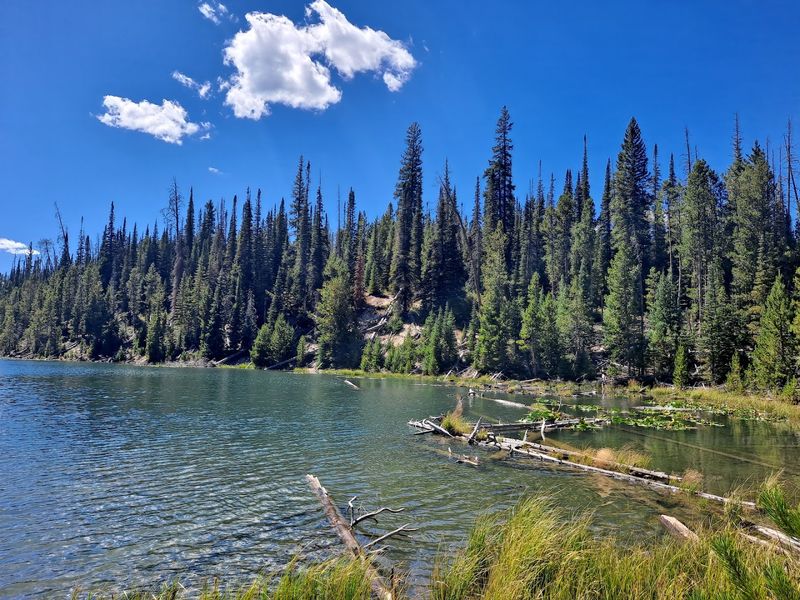
The name does most of the heavy lifting here, and Hidden Lakes Campground absolutely earns it. Located in Routt National Forest near Walden and Buffalo Pass, this small Forest Service site offers just nine single campsites, which means the crowd problem solves itself before it even starts.
The season runs mid-June to mid-October, so timing matters.
Facilities are minimal by design: a vault toilet, no potable water, and pack-it-in-pack-it-out trash policy. That last detail weeds out the casual campers and leaves the site to people who actually mean business.
Bring water, bring patience, and bring a genuine appreciation for forest silence at elevation.
Buffalo Pass country is the kind of place where the drive in is already part of the experience. The road climbs through meadows and timber that feel genuinely remote, and by the time you reach camp, the rest of the world has already started to feel theoretical.
I have never heard the phrase “no cell service” delivered with as much relief as I have in spots like this one.
Hidden Lakes Campground is the reward for everyone who looked at a Steamboat Springs resort brochure and thought, “there has to be something better nearby.”
5. Lost Park Campground – South Park, Lost Creek Wilderness Edge
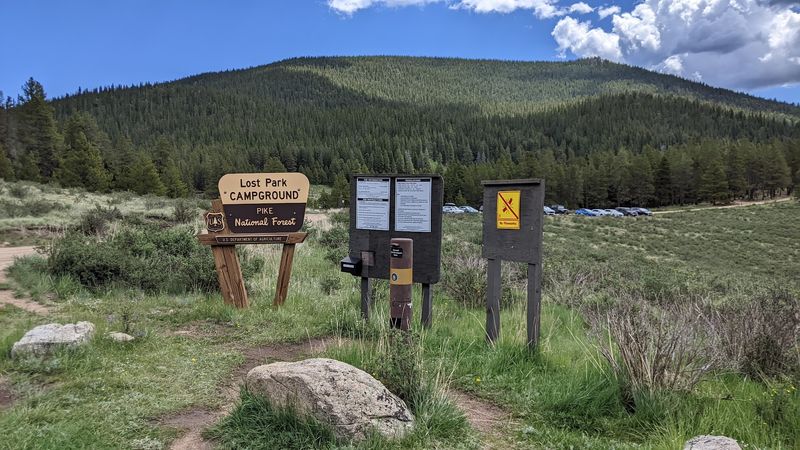
Lost Park Campground has a name that sounds like a challenge and a location that delivers on it. Sitting at the edge of the Lost Creek Wilderness in South Park, this first-come, first-served site listed on Recreation.gov offers 12 campsites with tables, fire rings, toilets, and water available.
The season stretches from May through the first serious snowfall.
South Park is not the tourist version of Colorado. It is the ranching, wide-open, genuinely rugged version, and Lost Park Campground fits that character perfectly.
The proximity to Lost Creek Wilderness means hikers can walk from camp into some of the most geologically unusual terrain in the state, all those twisted granite formations and disappearing streams.
What I appreciate most about places like this is the first-come, first-served format. It rewards the people who plan ahead in the old-fashioned way: by showing up early on a Friday with firewood and no backup plan.
There is no reservation window to stress over, no cancellation fee to calculate. You either get a site or you try again.
That simplicity feels refreshing in an era of six-month booking windows and campsite lotteries. Lost Park is genuinely worth the gamble.
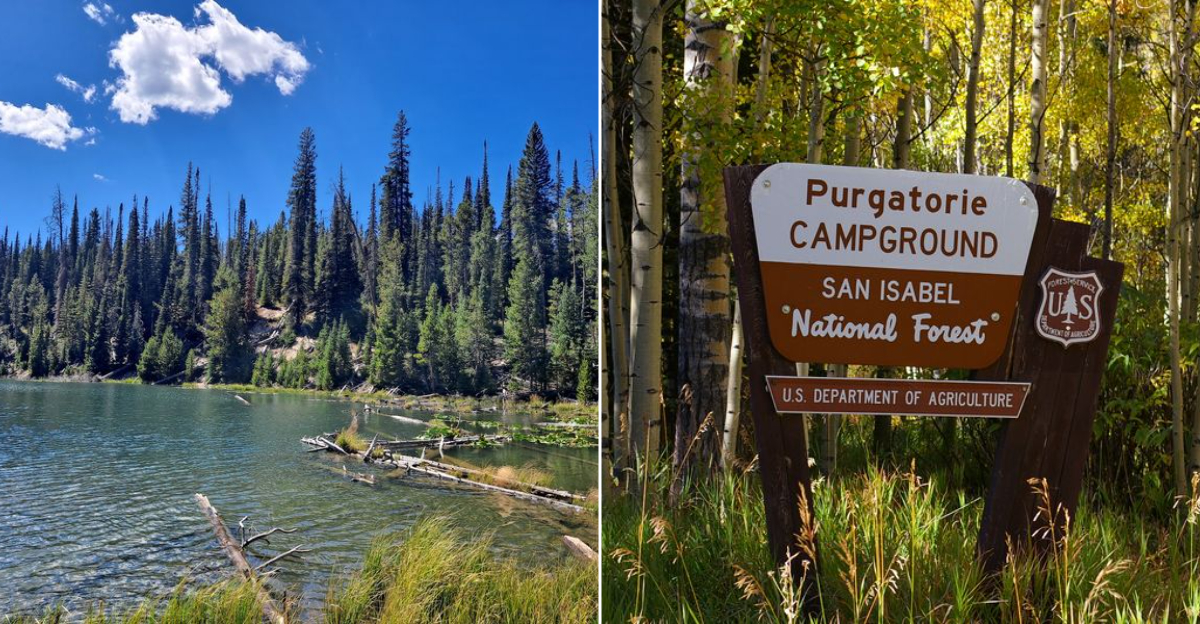
6. Purgatoire Campground – Spanish Peaks, Near La Veta And Cuchara
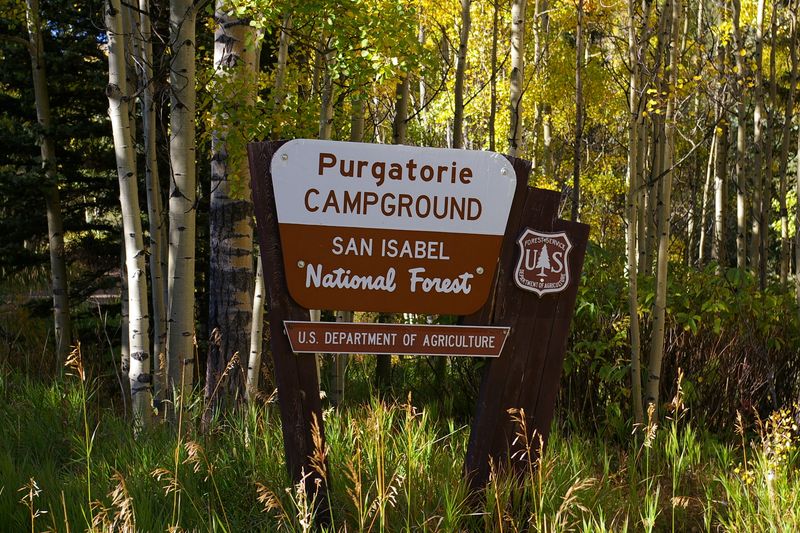
Southern Colorado camping often gets overshadowed by the northern peaks, which is exactly why Purgatoire Campground near La Veta and Cuchara deserves more attention than it receives.
The Forest Service lists it as a developed campground open from early May to late September, weather dependent, with restrooms, potable water, picnic tables, and fire rings included.
Stream fishing, hiking, bicycling, and horseback riding are all listed as available activities, which means this is not a one-note destination. The Spanish Peaks loom beautifully in the background and provide a visual anchor that never gets old over a multi-night stay.
Cuchara is a genuinely charming small community worth exploring before or after camp.
What sets Purgatoire apart from the crowded southern Colorado options is that it sits well outside the Garden of the Gods orbit, attracting visitors who came specifically for this area rather than as an afterthought.
The name alone carries a certain dramatic flair that feels fitting for a campground tucked into such characterful terrain.
Pack good hiking boots, a fishing license, and enough supplies to stay two nights minimum. One night here always feels like it ended too soon.
7. Mountain Home Reservoir SWA – Costilla County, San Luis Valley
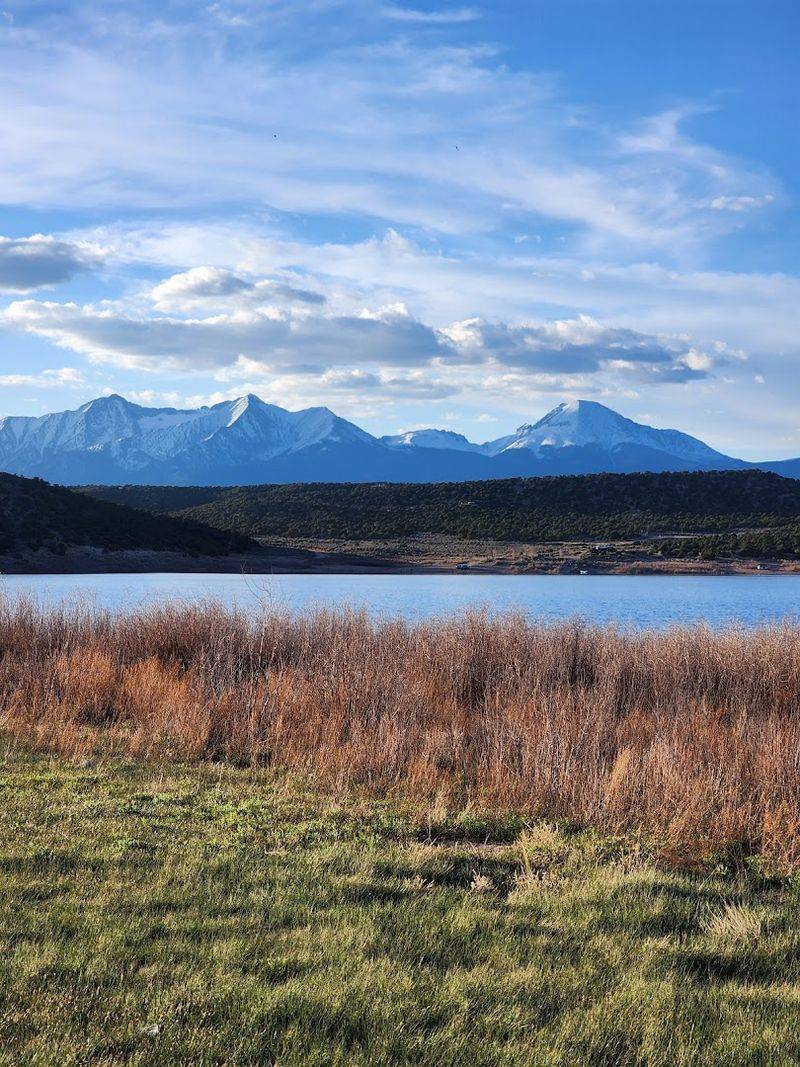
The San Luis Valley is already one of Colorado’s most underappreciated regions, and Mountain Home Reservoir SWA sits at its southern edge in Costilla County like a quiet footnote that deserves its own chapter. Colorado Parks and Wildlife confirms that camping and restrooms are available, with camping restricted to designated areas only.
This is high-desert reservoir camping at its most unpretentious. The landscape around Costilla County feels ancient and unhurried, and the reservoir fits right into that mood.
Birdwatchers will find the open water and surrounding terrain particularly productive, especially during migration periods when the valley channels a remarkable variety of species.
Getting to Mountain Home Reservoir means committing to a drive that most Colorado campers simply never make. The San Luis Valley is not on the standard highlight reel, which is its own kind of magic.
I have found that the places requiring the most driving tend to deliver the most genuine sense of discovery. Arrive self-sufficient, follow the designated camping rules, and give yourself at least a full day to absorb the scale and silence of the southern valley.
It is the kind of stop that resets your perspective on what Colorado actually looks like beyond the ski towns.
8. Transfer Campground – San Juan National Forest, Near Mancos
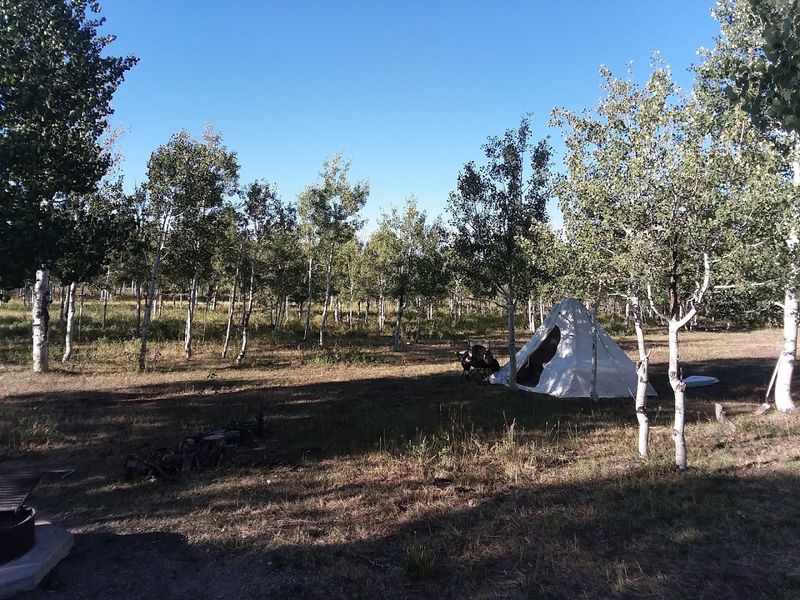
Forget the obvious Mesa Verde-area campgrounds for a moment and consider Transfer Campground in San Juan National Forest near Mancos. Recreation.gov lists 12 first-come, first-served family sites plus one overnight group site, set among aspens at roughly 8,500 feet.
Nearby trails make this a legitimate base camp for exploring the southwest corner of Colorado.
The aspen setting is the visual hook that gets people, and rightfully so. In late September, when the leaves turn, this campground becomes the kind of place that makes you wonder why you waited so long to visit.
The elevation keeps summer temperatures comfortable, and the forest provides the shade that exposed canyon campgrounds simply cannot offer.
Mancos itself is a quietly appealing small town worth an afternoon wander before setting up camp. Good coffee, local character, and a genuine sense that tourism has not yet steamrolled the personality out of the place.
Transfer Campground benefits from that proximity without being overwhelmed by Mesa Verde crowds, since most visitors to the national park never think to look for camping alternatives just down the road. Pack your hiking layers and arrive Thursday or Friday to secure a spot before the weekend fills the forest with happy competition.
9. Burro Bridge Campground – West Dolores Road, Near Dunton
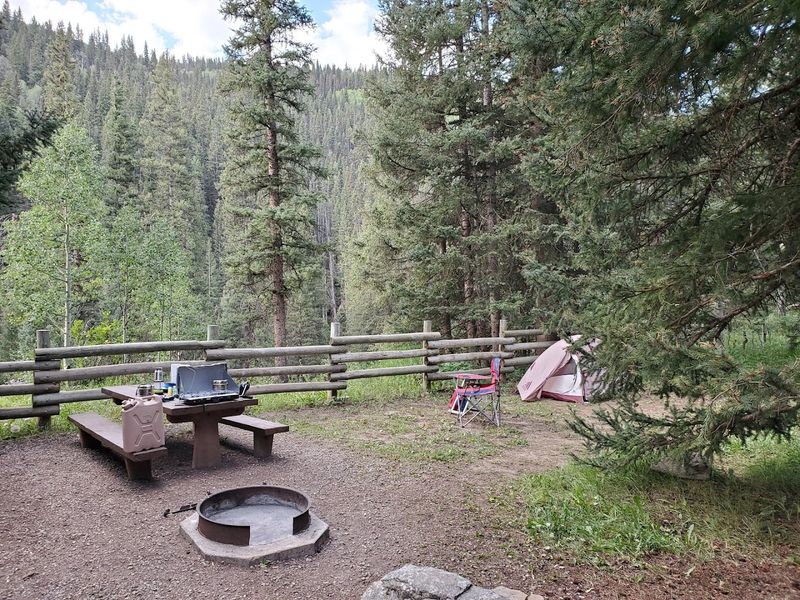
Burro Bridge is the kind of campground that rewards people who enjoy exploring roads that are not on the standard itinerary. Located on West Dolores Road near Dunton, Recreation.gov lists 14 first-come, first-served sites positioned above the West Dolores River, with vault toilets, picnic tables, and fire grates on-site.
Shoulder-season services are limited, so plan accordingly.
The West Dolores River corridor is genuinely beautiful in a rugged, unpolished way that feels nothing like the groomed campgrounds near better-known Colorado destinations.
Dunton itself is one of those Colorado ghost-town-turned-curiosity spots that adds an interesting layer of history to the surrounding landscape without requiring much extra effort to appreciate.
Arriving at Burro Bridge requires navigating a forest road that filters out anyone unwilling to commit to the adventure. That natural selection process is the reason the campground stays quiet and the river stays peaceful.
I would recommend arriving with a full water supply, a willingness to be genuinely off-grid, and a fishing rod if you have one. The West Dolores River does not disappoint on that front.
Small, remote, and easy to miss on a map, Burro Bridge is exactly the kind of find that makes a camping season feel memorable rather than merely adequate.
10. Big Blue Campground – Gunnison National Forest, Near Lake City
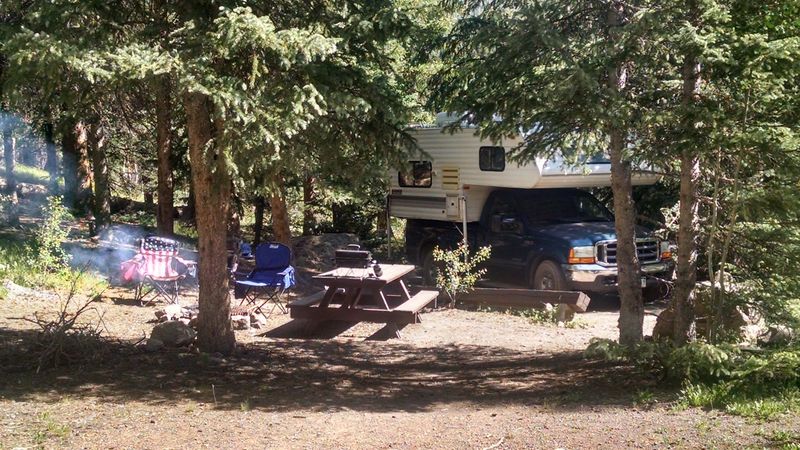
The Forest Service’s own description of Big Blue Campground calls it a “real jewel of a secluded campground,” which is not the kind of language federal land managers typically use unless they really mean it.
Located in Gunnison National Forest near Lake City and the edge of the Uncompahgre Wilderness, this first-come, first-served site is open while roads remain accessible, generally mid-June through October.
Restrooms are available but potable water is not, so arrive with enough to cover your full stay. Lake City is one of Colorado’s most endearing small mountain towns and sits close enough to make a supply run feel like a pleasant errand rather than a logistical headache.
The combination of wilderness access and town proximity is genuinely rare.
What makes Big Blue stand out beyond the Forest Service’s own enthusiasm is the Uncompahgre Wilderness at its doorstep. The hiking options range from satisfying afternoon walks to multi-day backcountry routes that require real preparation.
Most campers who discover Big Blue become repeat visitors, which tells you everything you need to know about whether the drive is worth it.
Near Lake City, surrounded by some of Colorado’s most dramatic high-country terrain, this campground is the open secret the Gunnison region has been keeping quietly to itself for years.
11. Big Dominguez And Potholes Campgrounds – Dominguez-Escalante NCA
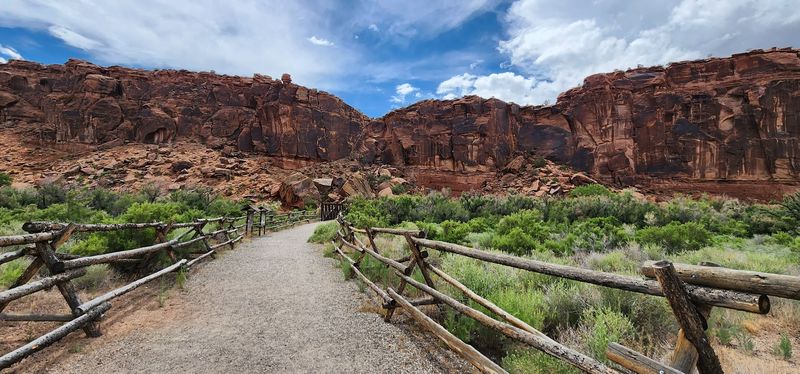
Colorado camping does not have to mean alpine lakes and pine forests, and Big Dominguez and Potholes campgrounds in Dominguez-Escalante National Conservation Area make that argument more convincingly than almost anywhere else in the state.
The BLM lists both campgrounds as available for overnight stays, with camping along the Gunnison River remaining first-come, first-served until further notice.
The western slope canyon country setting is a genuinely different Colorado experience. Red rock walls, desert light, and the Gunnison River create a visual palette that has nothing to do with the mountain cliches that dominate most Colorado travel content.
That distinction alone makes this area worth the drive from wherever you are starting.
Dominguez-Escalante NCA is a relatively young designation, which means infrastructure is still developing and the visitor numbers have not yet caught up to the quality of the landscape. That window of relative obscurity is exactly the right time to visit.
Pack desert camping essentials: extra water, sun protection, and an awareness that temperatures swing dramatically between afternoon heat and cool nights. The canyon country rewards slow exploration and patient attention to the landscape.
First-come, first-served availability keeps the energy honest and the experience genuinely spontaneous, which is exactly the point of a place like this.