
12 Colorado Campgrounds So Secluded Even Longtime Locals Miss Them
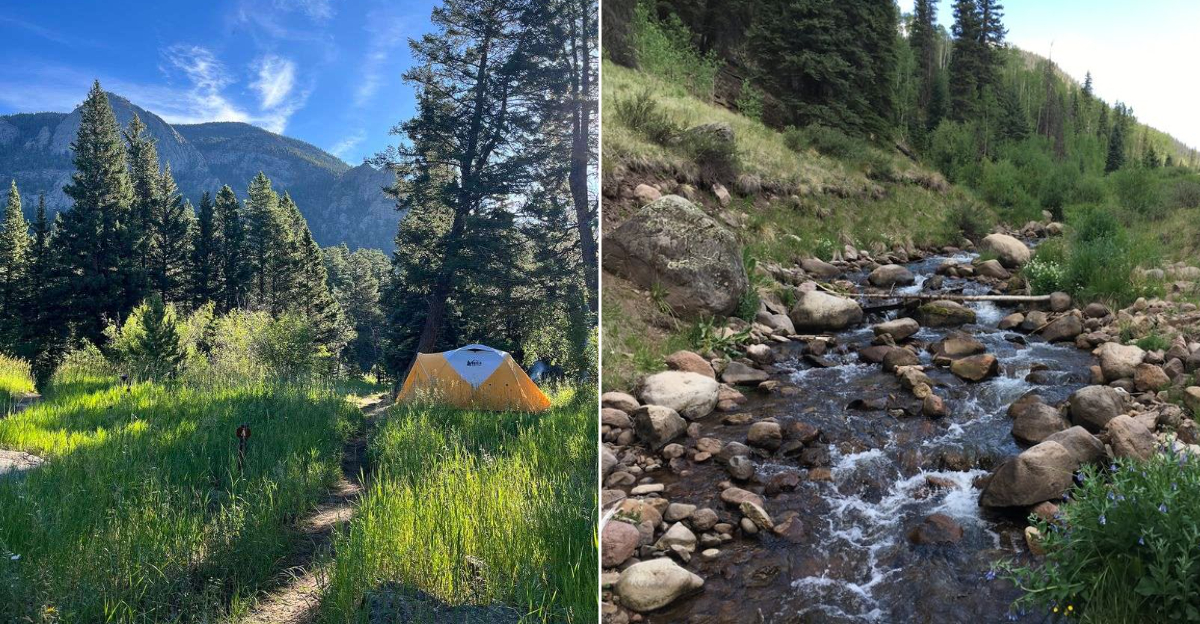
The best camping weekends sometimes begin where the pavement gets quieter and the cell signal starts losing the argument.
Far from the busiest recreation corridors, there are still campgrounds across Colorado where the soundtrack is more likely to be wind through the trees than doors slamming three sites over.
That kind of solitude changes the whole rhythm of a trip. Dinner can take as long as it takes, mornings do not need an itinerary, and nobody is racing to beat a crowd to the next overlook.
These are the places for campers who would rather trade packed loops and constant activity for a little breathing room and a sky that actually feels big. Finding them may require an extra turn, a rougher road, or some advance research, but that is part of the appeal.
For anyone craving a quieter weekend outside, some of Colorado’s most satisfying campsites are the ones many travelers simply drive past.
1. Big Blue Campground
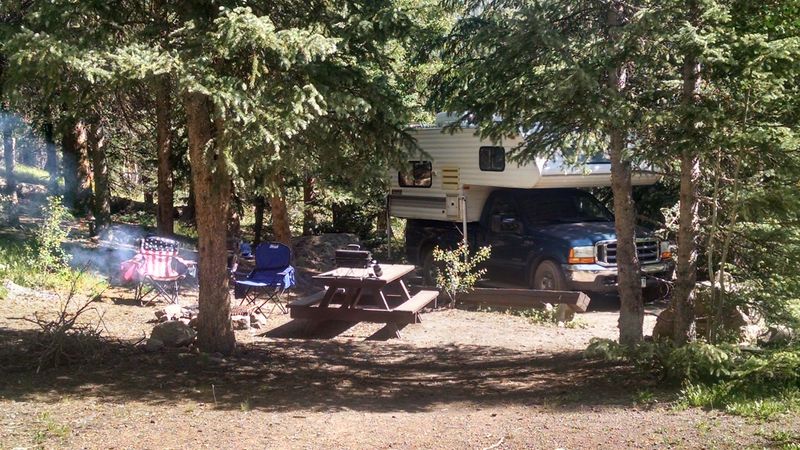
Big Blue Campground sounds like the name of an old pickup that still starts on the second try, and that is part of its charm. Set on Forest Road 868, about 10 miles north of Lake City off Colorado Highway 149, it gives weekend campers a clean break from the more obvious stops.
The location matters because it asks for a little intention. You do not simply trip over this campground while chasing a crowded roadside view.
You choose it, pack with care, and let the drive do some of the work of slowing your brain down.
I like places like this because they make planning feel smaller. Bring the basics, check road conditions before leaving Lake City, and arrive with daylight to spare.
Families can treat it as a quiet base, while couples may find the rare pleasure of hearing their own camp chairs creak.
For a low-stress trip, keep meals simple, fuel up before heading out, and resist the urge to overfill the schedule. Big Blue rewards campers who understand that doing less is sometimes the whole point.
2. Angel Creek Campground
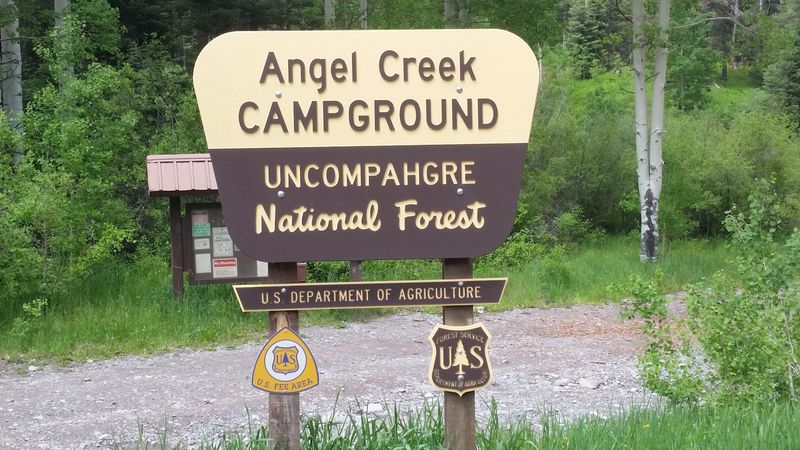
Angel Creek Campground has the kind of name that makes you lower your voice, as if the place might be listening. Found off County Road 361 on Forest Service Road 853.1A near Ouray, it feels wonderfully removed without sounding impossible.
Ouray draws plenty of attention, so the trick here is stepping just far enough away from the familiar path. That small move can change the whole mood of a trip.
Instead of competing for elbow room, you get a campground that feels more like a whispered tip from someone who packed a paper map.
My advice is simple: do not make arrival your hardest chore. Check the route ahead of time, watch the weather, and give yourself a soft landing before dinner.
A late scramble into a secluded campground can turn even calm people into raccoons in hiking shoes.
Angel Creek works best for campers who want Ouray nearby in spirit but not right at their tent flap. Bring layers, simple food, and patience for mountain roads.
The payoff is that old-fashioned camping feeling, where the evening stretches out and nobody is rushing you toward the next attraction.
3. Ivy Creek Campground
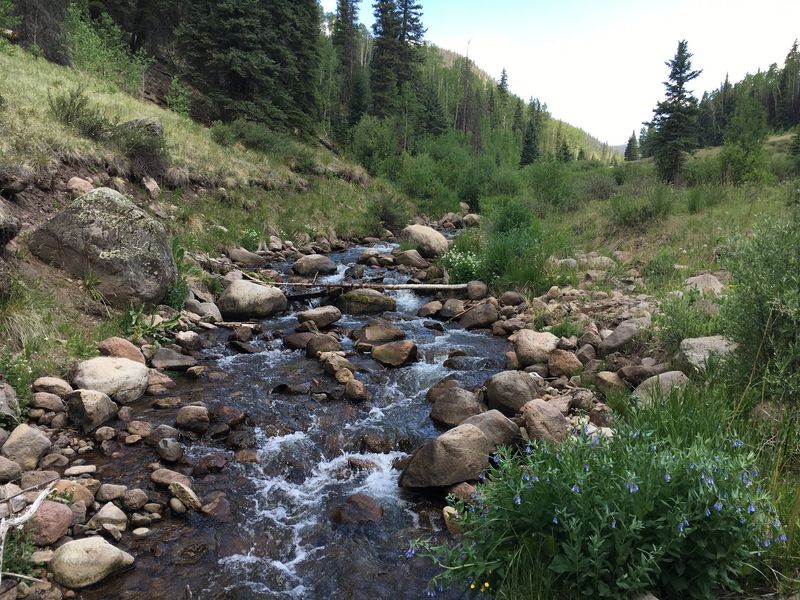
Ivy Creek Campground feels like the sort of place a person remembers in small pieces: a mug warming both hands, a zipper on a tent, the sudden quiet after the car door shuts. Located in Rio Grande National Forest about 16 miles southwest of Creede, it is close enough to name and far enough to feel earned.
Creede already carries that end-of-the-road feeling many travelers crave, and Ivy Creek nudges it a little farther. That is useful for planners who are tired of scrolling through endless options.
The location itself becomes the filter: if you want busy, choose somewhere else.
Pack as though conveniences may not be waiting around the bend. Bring water, food, warm layers, and a backup plan, especially if weather changes.
The smartest campers are not dramatic about preparation. They are just the ones eating dinner calmly while everyone else searches for a missing lighter.
I would use Ivy Creek for a simple reset trip, not a packed itinerary. Read, wander nearby where allowed, cook something easy, and let the Rio Grande National Forest do the heavy lifting.
The pleasure is plain, practical, and surprisingly rare.
4. Comstock Campground
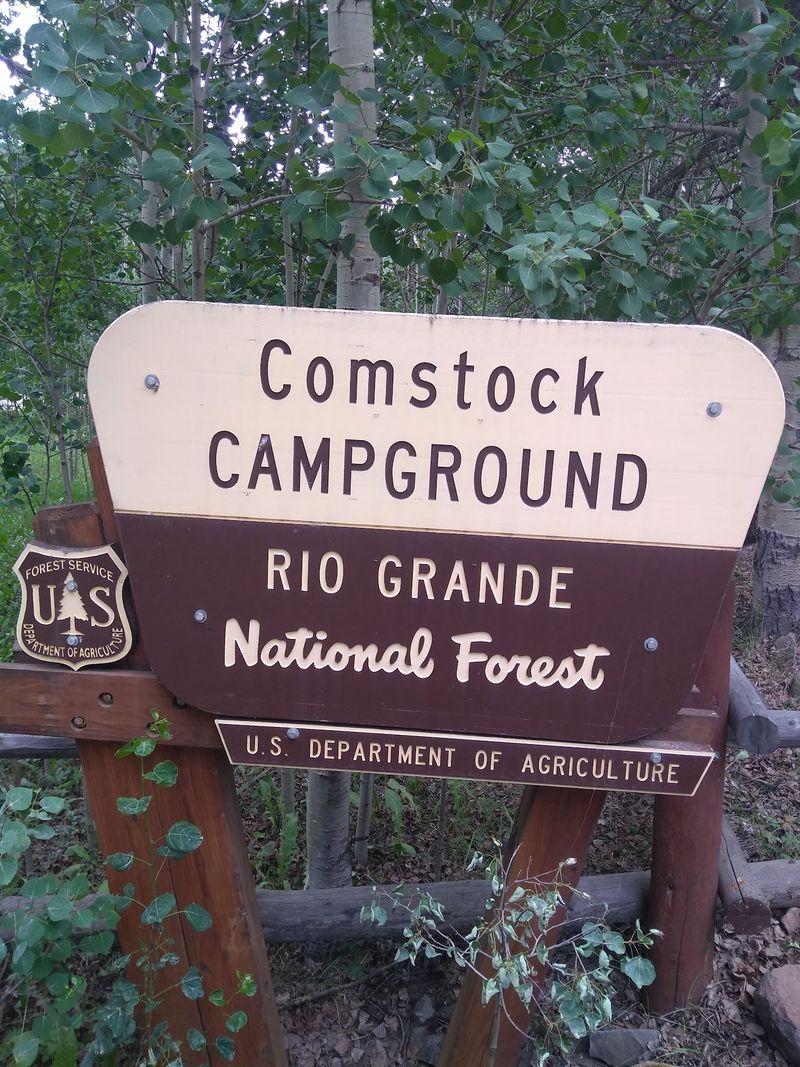
Comstock Campground has an old Colorado ring to it, like a name printed on a faded sign beside a road most people meant to take someday. Sitting in the Rock Creek Drainage about 18 miles southwest of Monte Vista, it offers the satisfying feeling of choosing the side road.
Monte Vista is the practical anchor, which helps if you like trips that begin with a full tank and a clear plan. From there, the campground becomes a quieter chapter.
Nothing about the location begs for attention, and that is exactly why it belongs on a list for campers who prefer calm over commotion.
Before going, look up current access information and keep expectations sensible. Secluded campgrounds are not stage sets.
They are real places where roads, weather, and available space can shape the weekend. Arriving early gives you more daylight, more patience, and fewer marital discussions about whether that turn was definitely the turn.
Comstock suits people who enjoy a humble base camp. Bring a sturdy cooler, a printed route, and games for slow evenings.
I think its appeal is the absence of performance. You camp, you eat, you look around, and somehow that becomes plenty.
5. Snowslide Campground
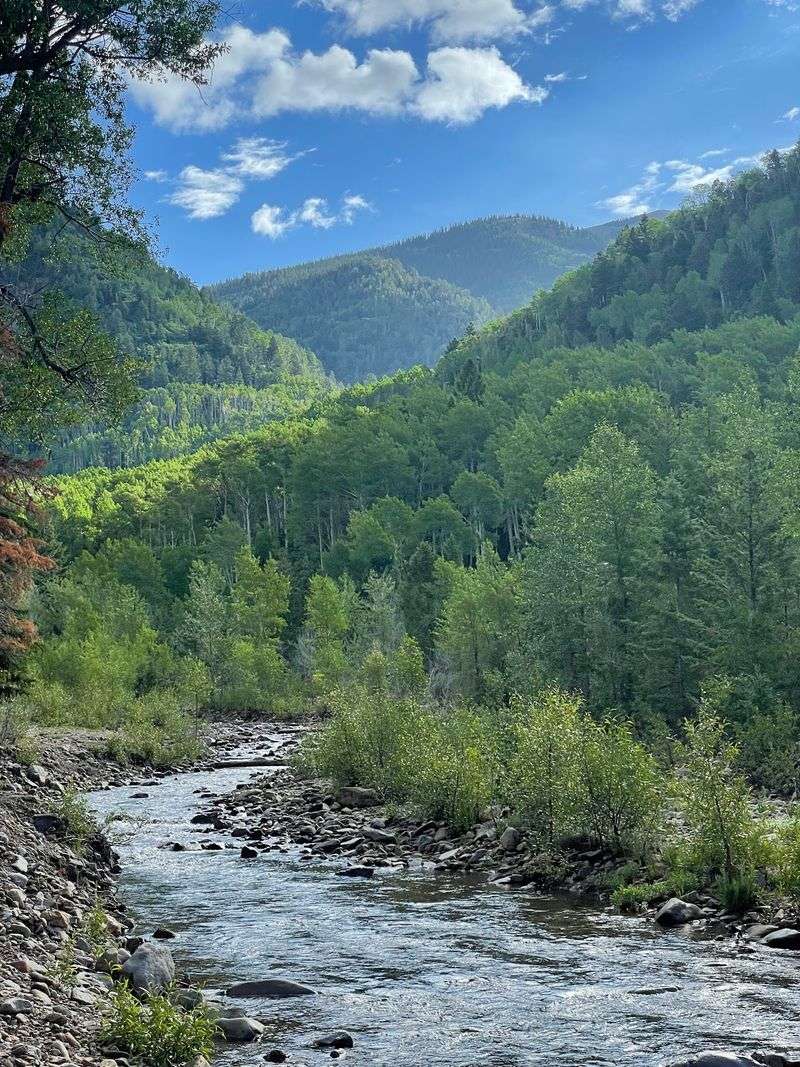
Snowslide Campground sounds slightly theatrical, as though Colorado looked at a quiet canyon and decided it needed a more dramatic title. Found along La Plata Canyon Road, also County Road 124, north of Hesperus, it is the kind of place that makes a short trip feel longer in the best possible way.
The Hesperus location gives travelers a clear starting point without turning the campground into an obvious stop for everyone passing through. That balance is useful.
You want enough information to reach it, but not so much bustle that the campground feels like a parking lot with trees.
Take the road seriously and keep the plan flexible. Canyon routes can make time feel elastic, especially when everyone in the car has an opinion about snacks.
Leave earlier than you think you need to, and do not build the whole day around a tight arrival window.
Snowslide is a good choice for campers who like their weekends with a little frontier flavor but not a grand production. Pack warm clothing, simple meals, and a sense of humor.
The reward is a quieter corner of southwest Colorado where the evening can settle in without asking permission.
6. Big South Campground
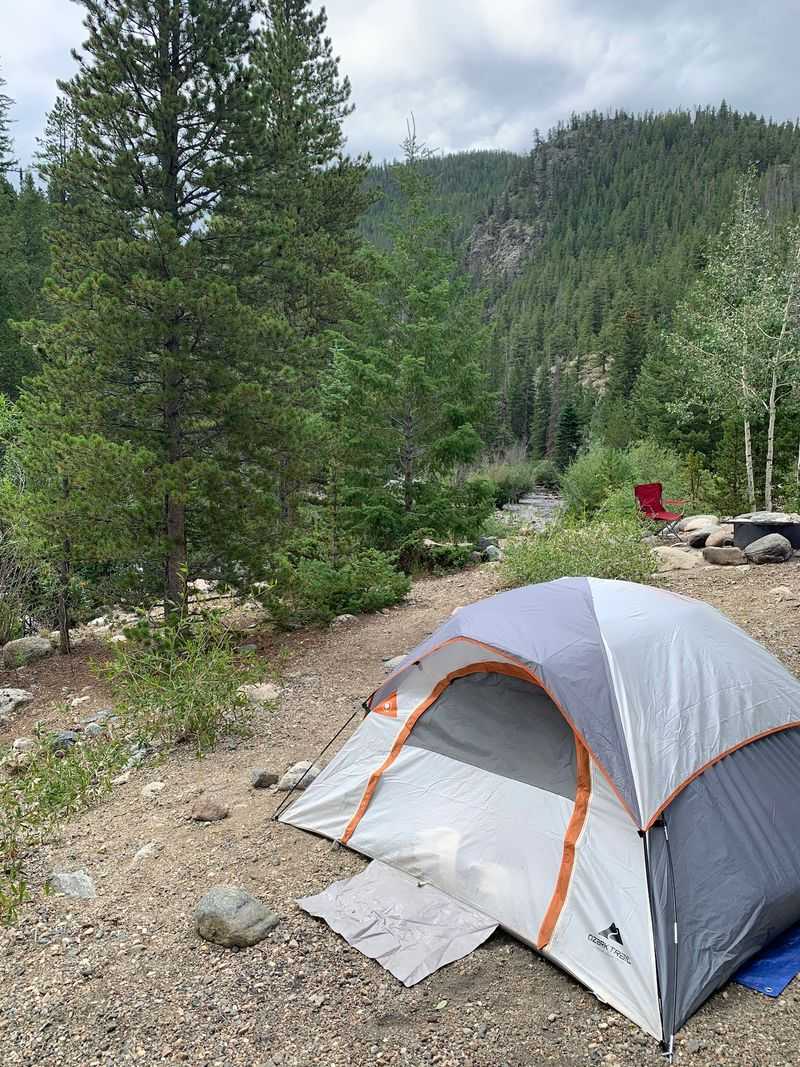
Big South Campground feels like a reward for people who keep driving after the easy choices have already waved from the roadside. Located on Colorado Highway 14, approximately 47 miles west of U.S.
Highway 287 in Larimer County, it sits far enough out to thin the crowd and quiet the calendar.
That distance is not a problem if you treat it as part of the trip. Put on music, pack snacks that do not create a family crisis, and let the miles reset everyone’s mood.
Sometimes the best campground is not the closest one, but the one that gives your shoulders time to drop.
Because the setting is more remote, preparation matters. Confirm conditions, bring what you need, and avoid counting on last-minute fixes.
A printed or saved map is a small thing until service disappears and your phone becomes an expensive flashlight with opinions.
Big South works well for campers who want a real break without turning the weekend into an expedition. Keep the itinerary loose and the meals easy.
I like its straightforward promise: drive west, slow down, and let Larimer County’s quieter side remind you that not every good trip needs a crowd.
7. Aspen Glen Campground
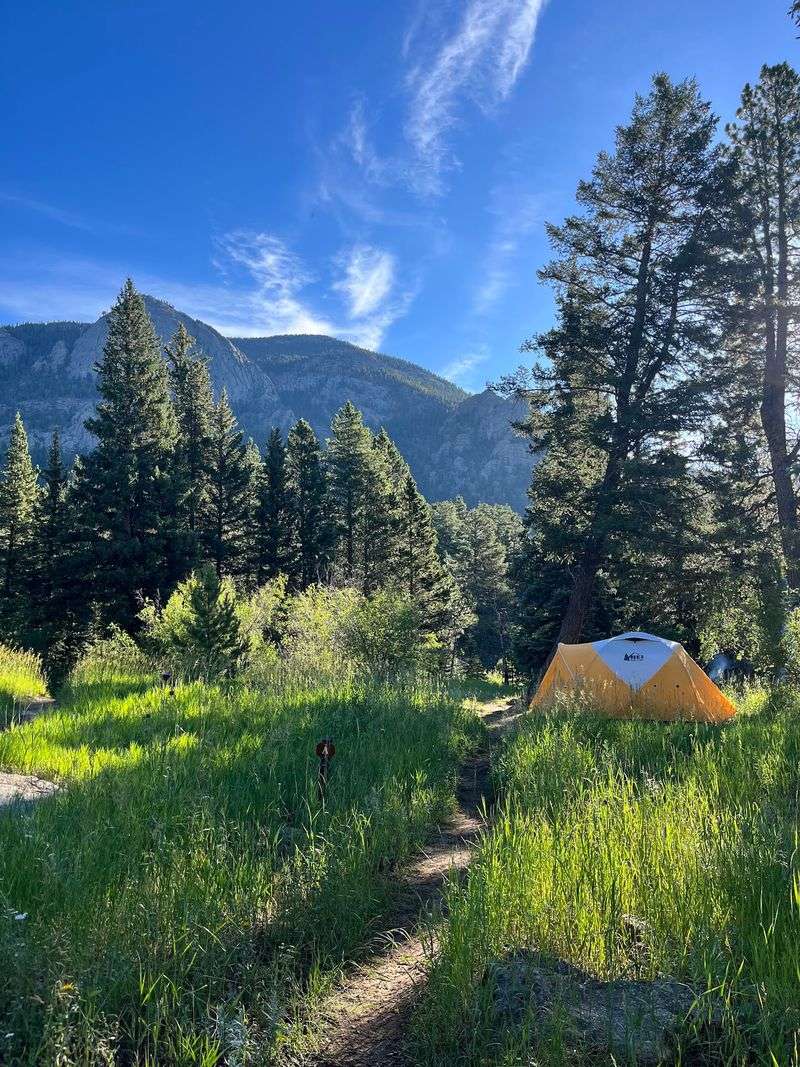
Aspen Glen Campground has a friendly name, almost too friendly, like a neighbor who returns your rake cleaner than when he borrowed it. Yet its spot on Colorado Highway 14 at Joe Wright Creek in upper Poudre Canyon gives it a tucked-away feel that can surprise people who think they know the area.
Upper Poudre Canyon has a way of stretching ordinary weekend time. The road, the creek name, and the higher canyon setting all help create a sense of leaving the weekly noise behind.
For planners, that means less hunting for spectacle and more trusting the place to be enough.
Go in with practical habits. Check availability and conditions, pack for changing mountain weather, and give yourself time to settle before dark.
Campground calm evaporates quickly when someone is trying to pitch a tent by headlamp while pretending not to be irritated.
Aspen Glen is especially appealing for people who want seclusion without a complicated story. The route is defined, the setting is clear, and the mood is quietly generous.
My ideal visit would include an unhurried breakfast, a slow morning, and absolutely no heroic checklist. Sometimes the best plan is a second cup of coffee.
8. Fulford Cave Campground
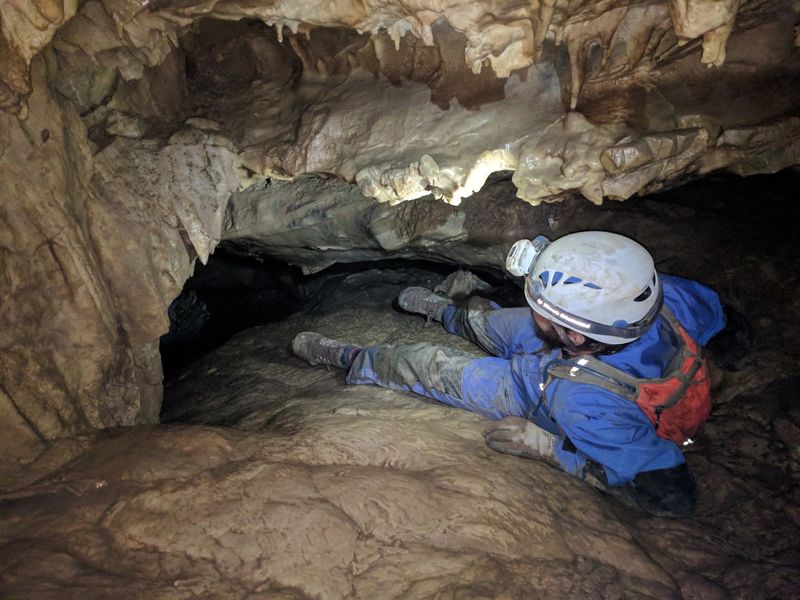
Fulford Cave Campground carries a name with built-in mystery, the kind that makes children sit up straighter and adults pretend they are not equally curious. Located in the East Brush Creek area of White River National Forest near Eagle, it gives a camping trip a little storybook crackle before the tent is even unpacked.
The key fact is the location, not a bundle of promises. East Brush Creek, White River National Forest, near Eagle: that is enough to sketch the shape of the escape.
It is not a glossy resort pitch. It is a real campground in a real forest area, which is often better for people who simply want to get outside.
Plan carefully and avoid winging the final details. Check current access, bring supplies, and make sure everyone in your group knows the trip is about quiet time, not constant entertainment.
Secluded places reward patience, which is a polite word for not needing a new activity every nine minutes.
I would choose Fulford Cave Campground for a weekend with curious people and low expectations in the healthiest sense. Eat well, sleep warmly, and enjoy a location that sounds like it belongs in a campfire tale.
9. Cement Creek Campground
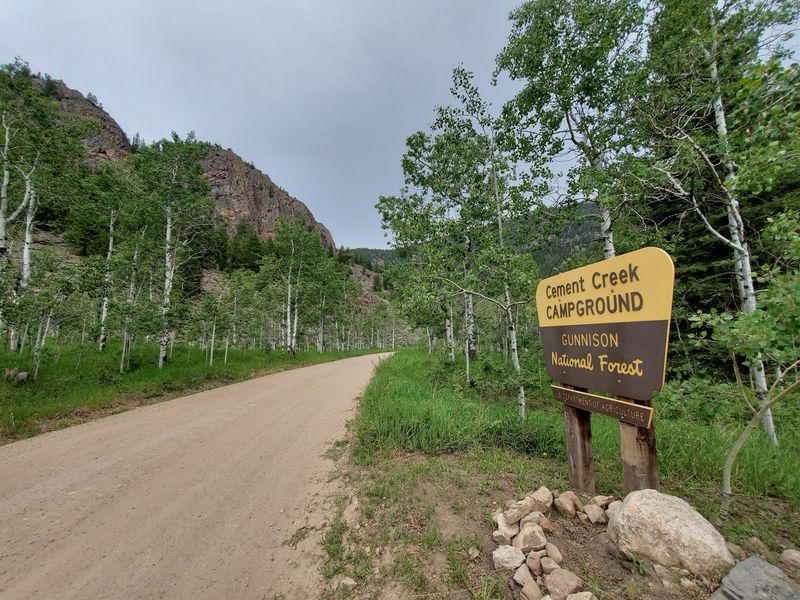
Cement Creek Campground has a wonderfully plain name, which I admire. It does not try to sell you moonlight or magic.
It simply sits on Cement Creek Road, Forest Road 740, about 15 miles southeast of Crested Butte, and lets the setting make the argument.
Crested Butte is well known, so finding a campground away from the obvious swirl can feel like discovering the side door at a busy bakery. You are still near a beloved mountain town, but the camping mood shifts toward quieter routines.
That is useful for families and couples who want the area without feeling pulled into constant motion.
Give the drive room in your schedule. Forest roads and mountain weather can make confident plans wobble, and nobody wins a prize for arriving frazzled.
Bring food, water, layers, and a route you can use offline. Small preparations create big comfort when the campground is not surrounded by quick errands.
Cement Creek is best for travelers who want a grounded, unfussy weekend. Cook something simple, listen to the evening, and let Crested Butte stay nearby rather than center stage.
I like that bargain. It feels like Colorado without the need to announce itself every five minutes.
10. Big Creek Campground
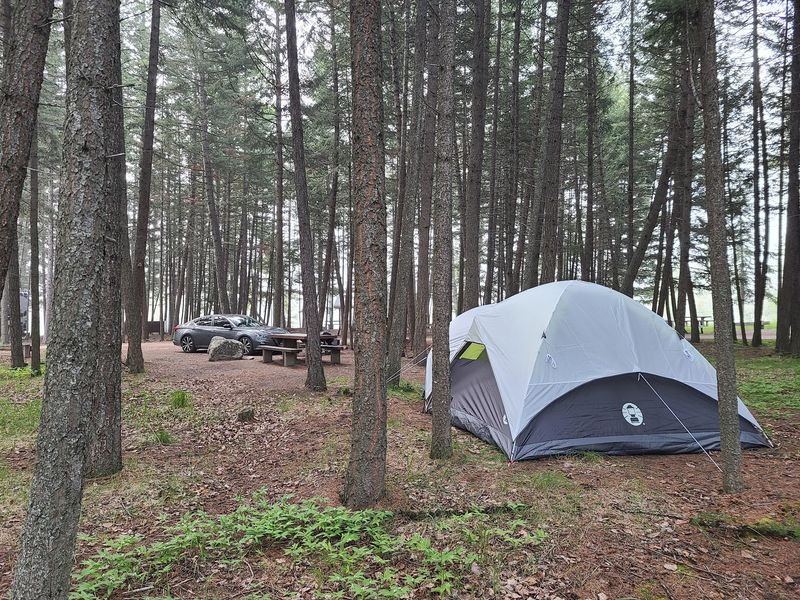
Big Creek Campground has the sturdy confidence of a place that does not need a brochure writer breathing heavily over it. Set in Grand Mesa National Forest near Collbran, it offers that appealing Colorado mix of simple directions and a mood that feels pleasantly removed.
Near Collbran is the phrase to keep in mind. It gives you a practical point on the map while still leaving room for the campground to feel like a small discovery.
That is exactly what tired planners need: not another puzzle, just a clear lead worth following.
Bring the weekend down to basics. Check road and campground information before leaving, pack dependable food, and arrive with enough daylight to choose your site without turning it into a lantern-lit committee meeting.
If traveling with kids, set expectations early. Quiet campgrounds are more fun when everyone knows boredom is allowed to become imagination.
Big Creek suits campers who enjoy a steady, no-fuss kind of beauty. Grand Mesa National Forest provides the broader setting, while the campground gives you a place to stop making decisions.
My personal vote is for an easy dinner, a long sit outside, and the rare luxury of not checking the time.
11. Mix Lake Campground
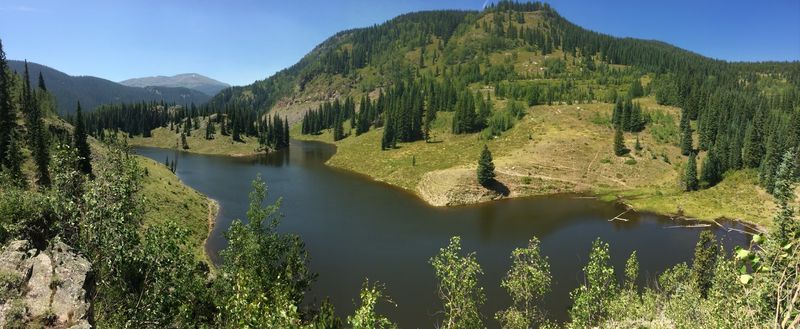
Mix Lake Campground sounds like a place where the map folded itself wrong and accidentally revealed something useful. Located in the Platoro Reservoir area of Rio Grande National Forest near Platoro, it has the kind of address that tells you right away to slow down and prepare.
Near Platoro is not the same as near everything. That is part of the point.
For campers who crave a quieter weekend, distance can be a gift rather than a hurdle. It gives the trip a sense of occasion without requiring luxury, velvet ropes, or a suitcase full of matching outdoor gear.
Preparation should be practical and calm. Confirm current road conditions, bring enough supplies, and do not depend on quick fixes nearby.
A remote-feeling campground is charming when you have what you need and somewhat less charming when dinner depends on a forgotten can opener.
Mix Lake is a strong choice for people who want the Rio Grande National Forest to feel wide around them. Keep the schedule light, travel during daylight, and let the Platoro Reservoir area set the pace.
I would not overdecorate the plan. A quiet site, a warm meal, and a good night’s sleep are the souvenirs.
12. Cimarron Campground
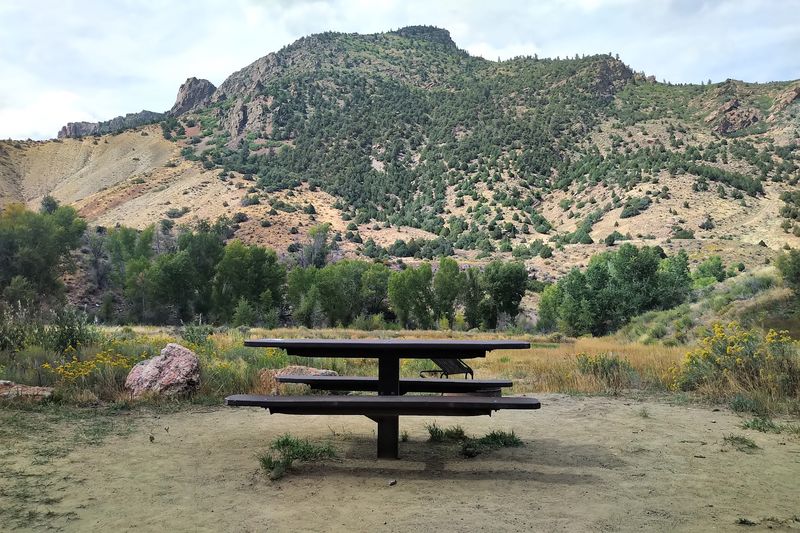
Cimarron Campground is proof that seclusion does not always require a treasure map and a heroic hat. Sitting on U.S.
Highway 50, approximately 20 miles east of Montrose in Cimarron, it gives travelers a defined approach while still feeling like a quieter pause between bigger plans.
That location is useful for weekend campers who want less guesswork. Montrose provides an easy reference point, and Highway 50 keeps the route understandable.
The campground, though, offers a chance to step out of the travel stream and let the day stop bossing everyone around.
As with any lesser-known campground, check current information before you commit. Bring the usual camping basics, plan to arrive before dark, and keep a flexible attitude.
The best secluded trips are not fragile. They can survive a slower drive, a changed meal, or a child announcing that socks are suddenly unbearable.
Cimarron works nicely as a low-risk discovery for people who want a quieter Colorado night without building an epic around it. I like its practicality.
You can point to it on a map, pack with confidence, and still feel as if you have slipped into a calmer pocket of the state.