
10 Colorado Day Trips Within Two Hours Of Denver That Are Actually Worth Taking In 2026
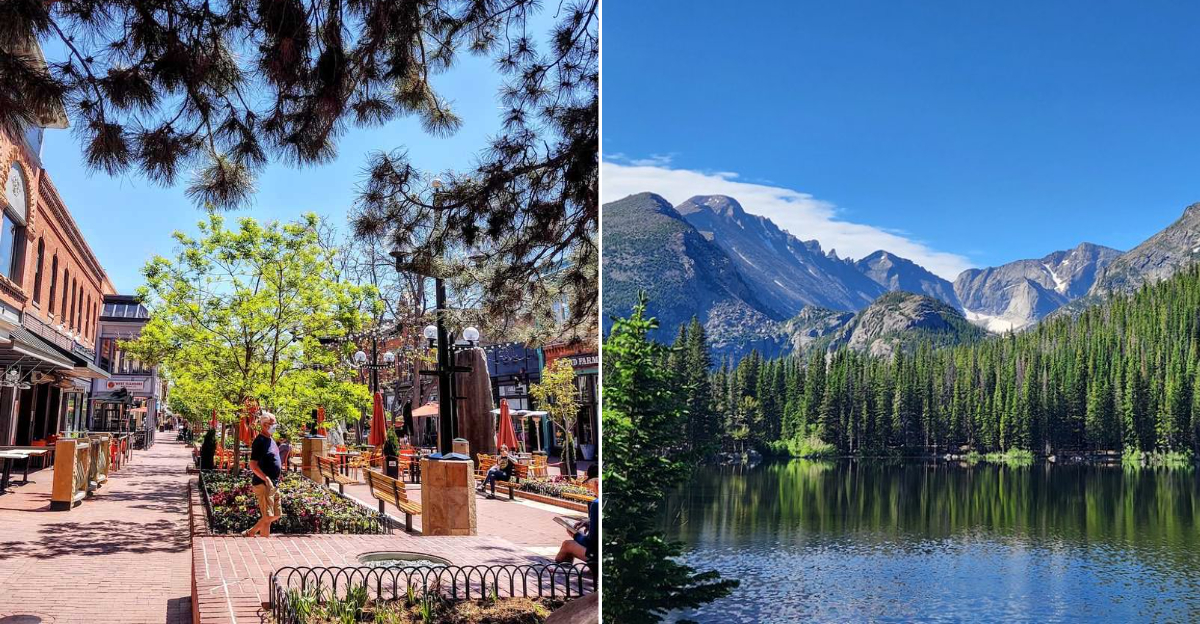
The best day trips are the ones that make you forget how close you still are to home. A couple of hours can take you from city streets to red rock formations, historic mining towns, mountain main streets, and viewpoints that deserve more than a quick photo through the windshield.
That range is part of what makes exploring beyond Denver so rewarding, especially when Colorado keeps changing the scenery before the day has a chance to feel repetitive. The key is choosing stops that give you something to actually do once you arrive.
Walk around. Grab lunch.
Browse a few shops. Follow a short trail.
Stay long enough for the place to register. These outings are close enough for an easy morning departure and relaxed return, but varied enough to shake up a familiar weekend.
When the usual routine starts feeling stale, a short drive through this part of Colorado can completely reset the day.
1. Georgetown, Colorado
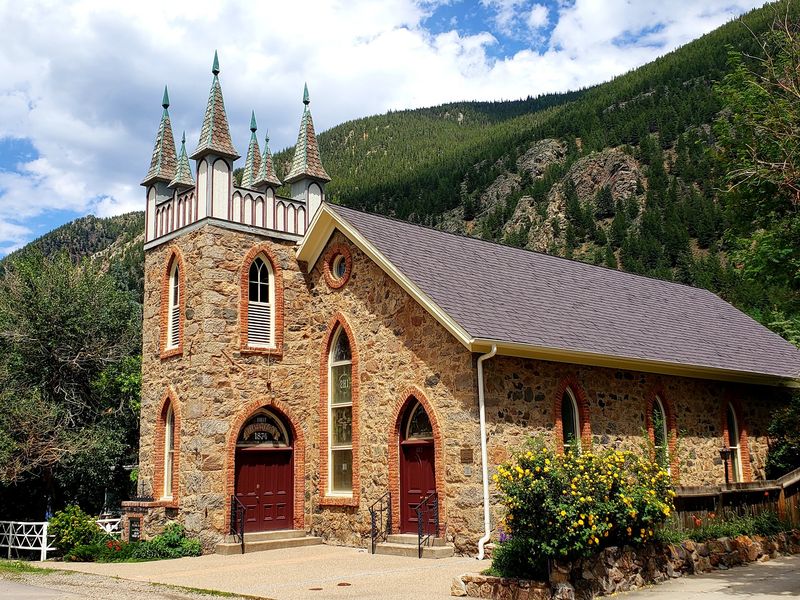
A narrow valley can make a small town feel theatrical, and Georgetown uses that stage well. About 45 miles west of Denver along Interstate 70, Georgetown grew during Colorado’s silver boom and still has a large historic district with 19th century buildings that give the town more texture than a quick gas stop.
Georgetown’s most famous visitor draw is the Georgetown Loop Railroad, a narrow gauge heritage railroad that operates seasonal rides between Georgetown and Silver Plume. The route includes the Devil’s Gate High Bridge, which is the kind of engineering detail that makes even train skeptics glance up from their phones.
Check the railroad’s current calendar before building a day around it, since schedules vary by season and special event.
The town also works without a train ticket. The Hotel de Paris Museum, once run by French immigrant Louis Dupuy, preserves a remarkably detailed 1870s hotel setting.
Pair that with a short walk through the compact historic area, and Georgetown becomes a polished little history lesson with better mountain framing than most classrooms ever manage.
2. Idaho Springs, Colorado
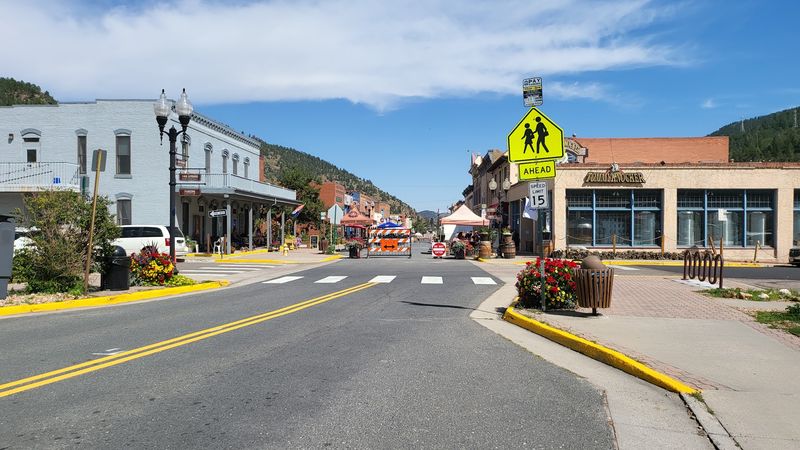
Gold rush history gets very practical in Idaho Springs: it is close, compact, and not shy about explaining why it exists. The town sits along Clear Creek roughly 30 miles west of Denver, and its mining story began in 1859 when gold discoveries helped launch a rush into the region.
The Argo Mill and Tunnel is the heavyweight stop here. The tunnel was driven more than four miles into the mountains to drain and access mines, and the mill processed ore from area operations.
Today, tours focus on mining equipment, tunnel history, and the hard math of turning rock into money, which is less glamorous than frontier posters suggest and much more interesting.
Idaho Springs is also useful because it does not demand an all day commitment. A traveler can build a half day around the Argo site, historic Miner Street, and a meal, then still return to Denver before evening plans become a negotiation.
In 2026, verify tour times before leaving, especially outside peak travel months, because old industrial sites tend to run on calendars rather than wishful thinking.
3. Nederland, Colorado
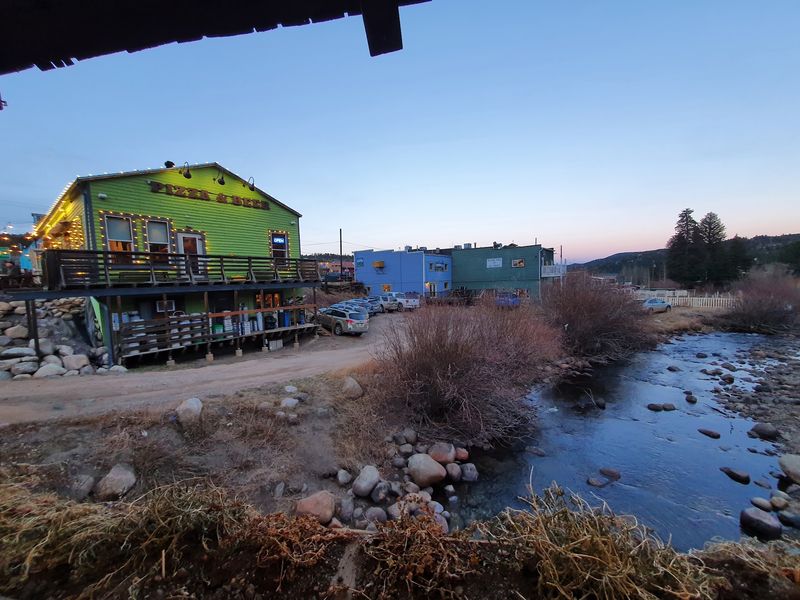
Nederland has the satisfying oddness of a mountain town that refuses to be only one thing. It sits west of Boulder near Barker Meadow Reservoir, close enough for a Denver day trip but high enough in the foothills to feel like the city has been put on mute.
The Carousel of Happiness gives Nederland its most memorable indoor stop. The nonprofit carousel features hand carved animals created by Scott Harrison, who restored a 1910 Looff carousel frame and filled it with figures that are far more imaginative than the standard horse parade.
It is whimsical, yes, but not flimsy.
For outdoor time, nearby Mud Lake Open Space and Caribou Ranch Open Space are managed by Boulder County and offer established trails when conditions allow. That matters because Nederland’s elevation and mountain weather can change a casual plan quickly, especially in shoulder seasons.
Check current trail conditions and seasonal closures before assuming every path is ready for sneakers. The payoff is a day with a little art, a little altitude, and enough personality to avoid feeling like another interchangeable foothills stop.
4. Estes Park, Colorado
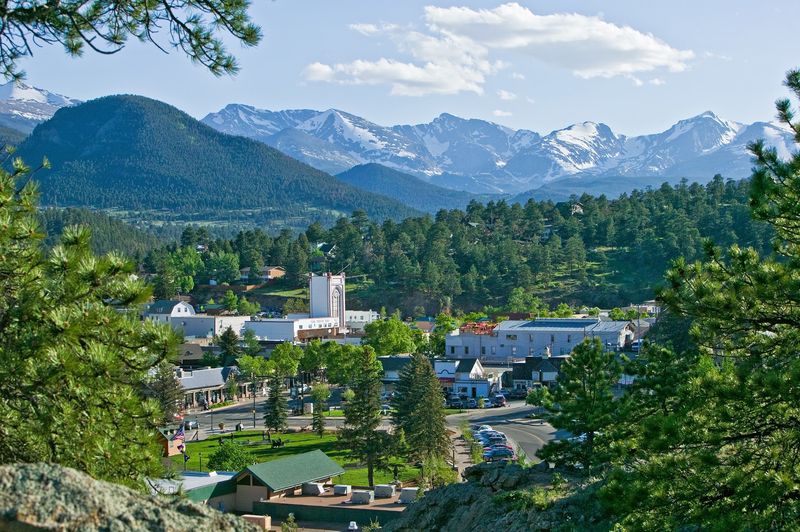
Some towns become famous because of where they sit, and Estes Park has one of the better seats in Colorado. Located at the eastern entrance area of Rocky Mountain National Park, the town gives day trippers mountain views, visitor services, and a clear sense that the Front Range has shifted into vacation mode.
The Stanley Hotel is the landmark many travelers recognize first. Opened in 1909 by F.O.
Stanley, co inventor of the Stanley Steamer automobile, the hotel is known for its white facade, hilltop position, and its connection to Stephen King’s inspiration for The Shining. Even travelers who skip a tour can understand why the building dominates local postcards.
Downtown Estes Park follows the Big Thompson River corridor and has shops, casual food stops, and the Riverwalk in the central area. It is a practical base if your group includes people who like mountain scenery but do not want a full trail day.
In 2026, treat Estes Park as a real destination, not only a park gateway. Parking, weather, and park entry rules can shape the day more than enthusiasm does.
5. Rocky Mountain National Park, Estes Park
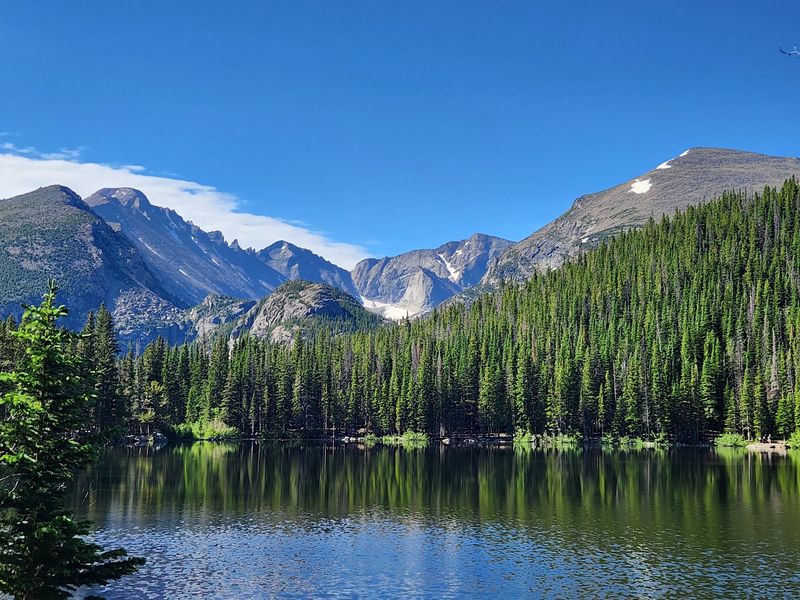
Rocky Mountain National Park is the big name on this list, and for once the big name earns the extra planning. The park covers more than 415 square miles and protects terrain ranging from montane meadows to alpine tundra, all within a long but reasonable day trip from Denver when roads and entry rules cooperate.
Trail Ridge Road is the park’s signature drive, crossing the Continental Divide and reaching elevations above 12,000 feet. It is usually a seasonal road because snow and high elevation weather do not care about vacation calendars.
For 2026, check the National Park Service site for timed entry requirements, road status, and any construction notices before leaving.
Bear Lake Road is another major planning point, with trailheads for popular short walks and longer hikes. Shuttle operations and parking rules can change by season, so assuming you can improvise at the busiest trailheads is a bold strategy, and not the fun kind.
Rocky Mountain National Park rewards visitors who choose one area, learn the current rules, and resist the urge to see an entire mountain range before lunch.
6. Eldorado Canyon State Park, Eldorado Springs
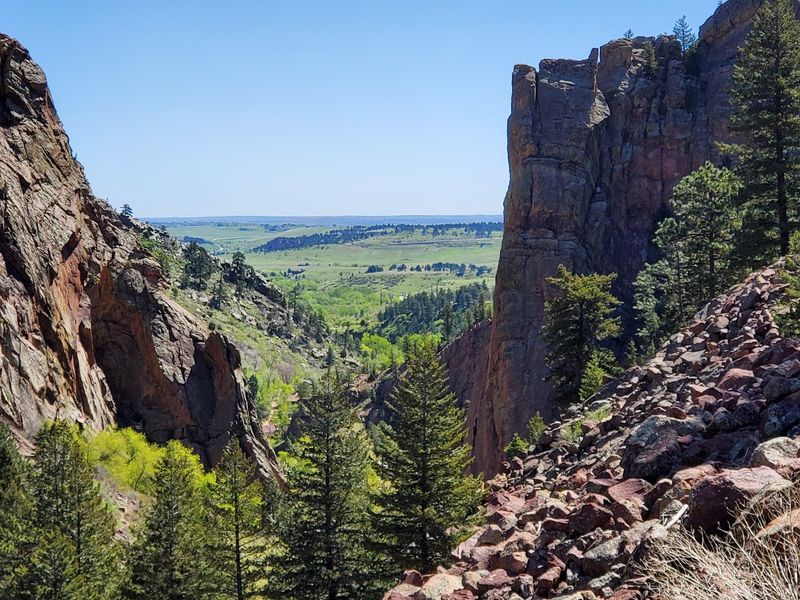
Eldorado Canyon State Park proves a place does not need to be far from Denver to feel dramatically different. Located at 9 Kneale Road in Eldorado Springs, the park is known for steep sandstone walls, South Boulder Creek, and some of the most recognized technical rock climbing routes in Colorado.
The Rattlesnake Gulch Trail is a popular hiking option with views toward the Continental Divide and the remains of the Crags Hotel site, a resort that burned in 1912. That one detail gives the canyon a strange second layer: natural drama below, old resort ambition above.
Climbers come for routes on the canyon walls, while non climbers can stick to trails, picnic areas, and creekside views where access is allowed.
Because Eldorado Canyon State Park has limited parking and a narrow entrance road, current park guidance matters. Colorado Parks and Wildlife has used timed vehicle reservations during high demand periods, so check the official page before treating the visit like a casual roll up.
The canyon is close enough for a half day plan, but it asks for better manners than a roadside overlook.
7. Golden Gate Canyon State Park, Golden
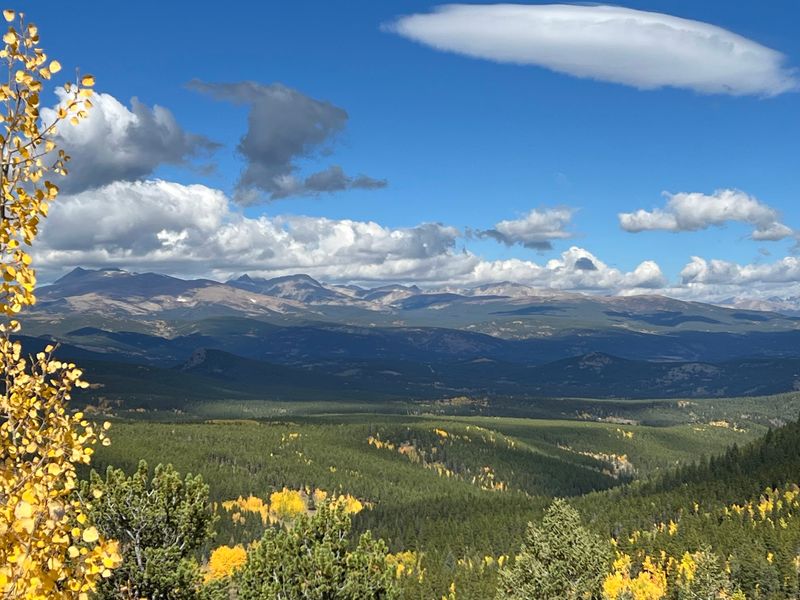
Golden Gate Canyon State Park is where the Front Range starts acting like a proper mountain retreat without making Denver drivers commit to an epic expedition. The park covers about 12,000 acres northwest of Golden and includes forests, meadows, rocky ridges, and more than 35 miles of trails.
Panorama Point is the easy headline because it offers a signed overlook with views toward the Continental Divide. The park also has named trails such as Raccoon, Horseshoe, and Mule Deer, giving visitors options that range from modest walks to longer outings.
Since trail difficulty and conditions vary, checking the Colorado Parks and Wildlife map before picking a route is more useful than trusting someone’s heroic social media caption.
Golden Gate Canyon State Park also has cabins, yurts, and campgrounds, but day users can keep things simple with a picnic area, overlook stop, or carefully chosen hike. Weather can shift with elevation, and winter conditions may affect roads and trails.
For planners who want forest and foothill space without crossing half the state, this park sits in a very convenient middle ground.
8. Garden of the Gods, Colorado Springs
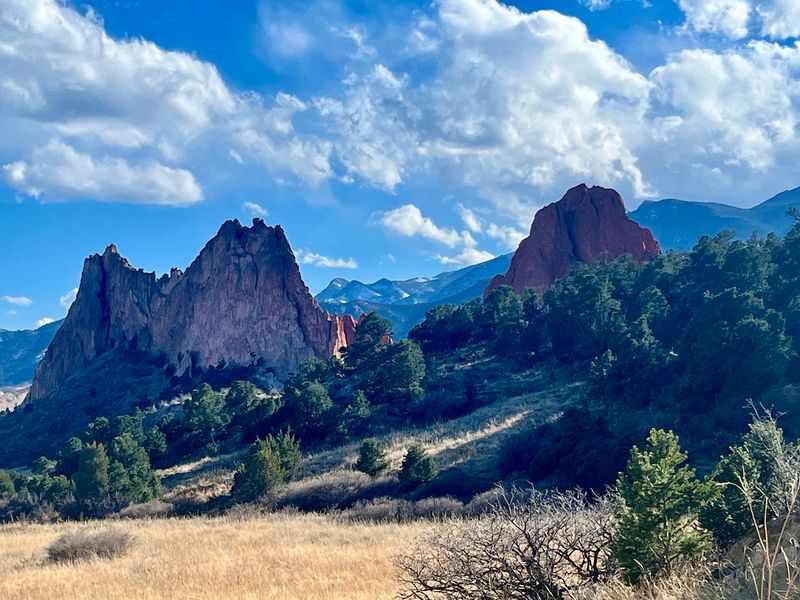
Red sandstone has a way of making even organized adults point at rocks like excited field trip students. Garden of the Gods in Colorado Springs earns that reaction with tall fins and balanced formations set against views of Pikes Peak, about 70 miles south of Denver.
The park is a registered National Natural Landmark, and admission to both the park and visitor and nature center has traditionally been free because of the terms set when the land was given to the city in 1909. That origin story is refreshingly direct: public land, public access, spectacular geology.
Visitors can use paved and natural surface trails, including the Central Garden area where several major formations are close together. Rock climbing is allowed only with proper registration and rules, so casual visitors should admire the climbers without deciding that jeans and confidence count as gear.
Garden of the Gods can anchor a full Colorado Springs day, but it also works as a focused trip for people who want maximum visual payoff with clear paths, official facilities, and geology that does not require a science degree to enjoy.
9. Boulder, Colorado
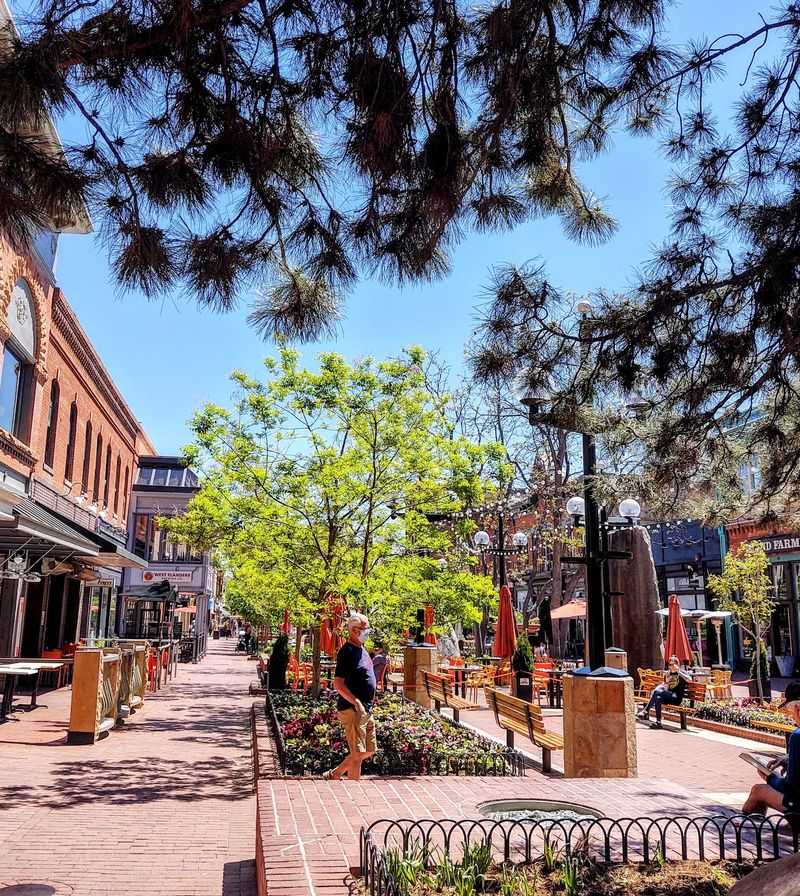
Boulder is close enough to Denver that some people treat it like an errand, which undersells it badly. The city sits at the base of the Flatirons, the slanting sandstone slabs that define its western edge and make even a grocery run look suspiciously outdoorsy.
Pearl Street Mall is Boulder’s central pedestrian zone, officially opened in 1977, and it remains a useful starting point for food, bookstores, street performers, and people watching that requires no special equipment. For a more nature focused plan, Chautauqua Park provides access to trails near the Flatirons, though parking and trail conditions should be checked before assuming an effortless launch.
The University of Colorado Boulder adds museums, architecture, and a campus energy that keeps the city from feeling like a one note mountain postcard. The CU Museum of Natural History and the Fiske Planetarium are two indoor options when weather argues against a full outdoor agenda.
Boulder makes sense in 2026 because it lets a group split the difference: part college town, part trailhead, part lunch debate that somehow lasts 40 minutes.
10. Golden, Colorado
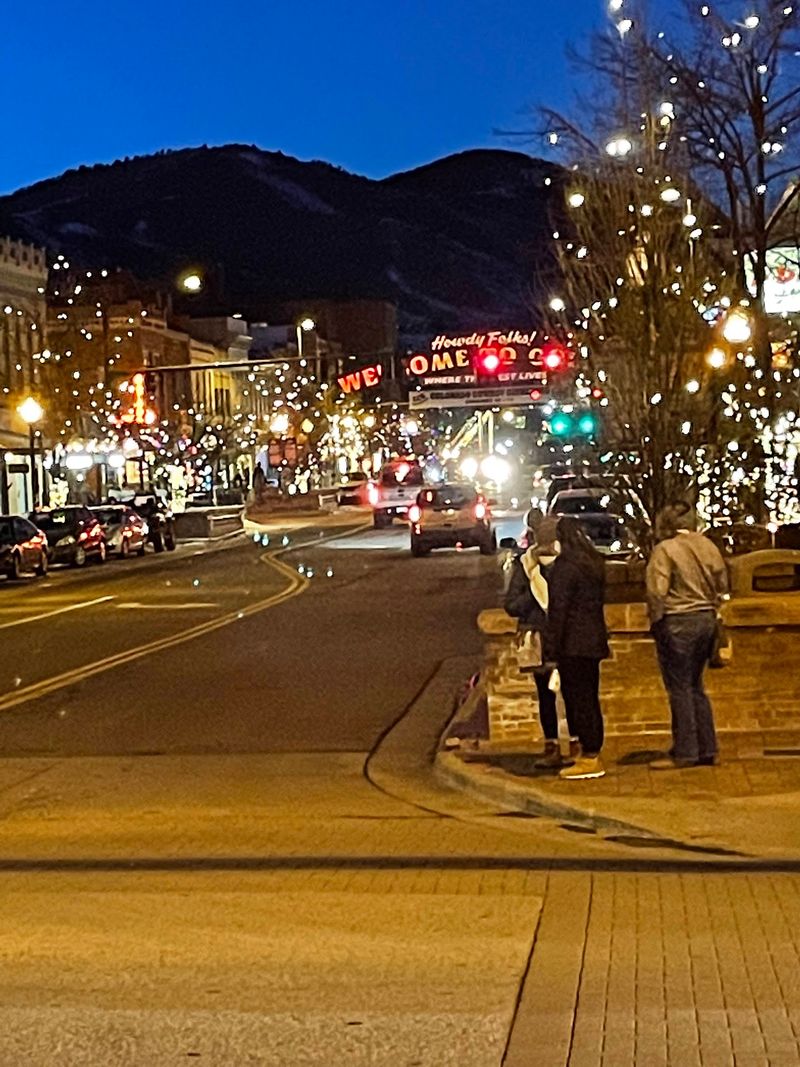
Golden has mastered the art of being nearby without feeling like a suburb wearing hiking boots. Located west of Denver along Clear Creek, the city was the capital of the Colorado Territory from 1862 to 1867, a fact that gives its compact downtown more historical weight than its relaxed pace suggests.
The Colorado School of Mines campus sits in Golden, and the Mines Museum of Earth Science displays minerals, fossils, meteorites, and mining related exhibits. For families, that can turn a short outing into a sneaky science day, the kind where adults learn things and pretend they were mainly supervising.
Clear Creek Trail runs through town and is a practical way to stretch your legs without committing to a mountain hike. The famous Welcome to Golden arch marks Washington Avenue downtown, while Lookout Mountain rises nearby with the Buffalo Bill Museum and Grave operated by the City and County of Denver.
Golden works especially well when time is limited. You can build a day around history, geology, a creekside walk, or a foothill drive, then be back in Denver before anyone starts discussing lodging.