
10 Colorado Experiences That Make Spring Feel Straight Out Of A Dream
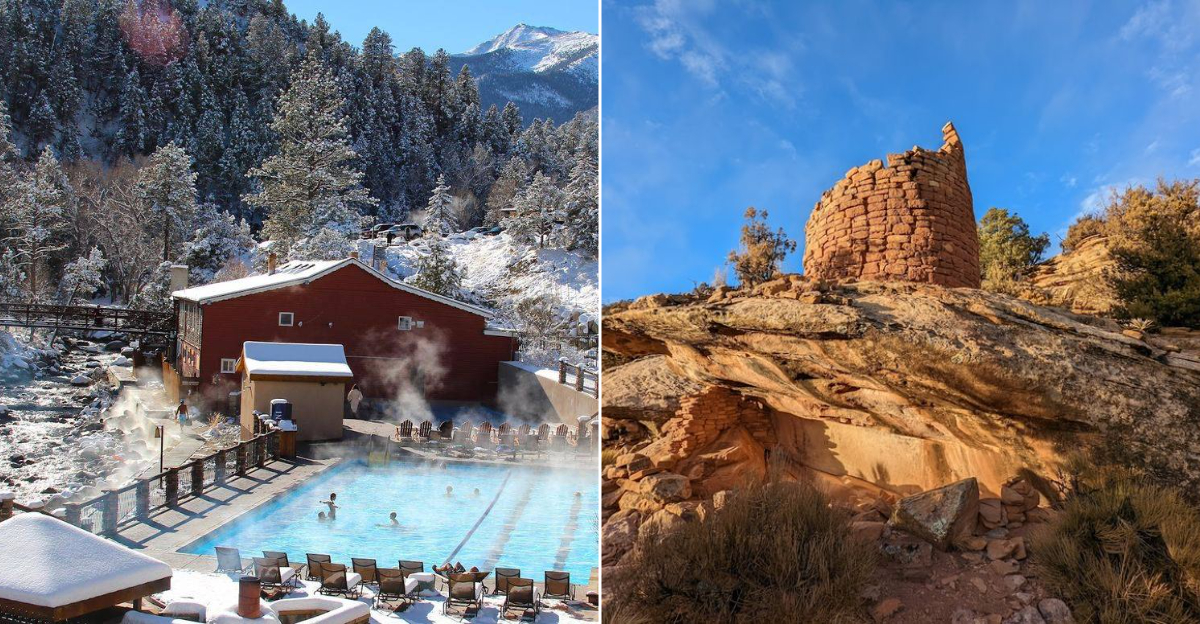
Spring in Colorado feels like the state hitting refresh in the most dramatic way possible. One minute there is snow clinging to the peaks, and the next the landscape is waking up in color, motion, and fresh mountain air.
Wildflowers start showing off, trails begin calling your name, and every view somehow looks even bigger after winter finally loosens its grip. You can spend the day spotting wildlife in wide-open scenery, slipping into a steamy soak with crisp air all around you, or standing at the rim of a canyon wondering how something so massive can look so unreal.
The energy is different this time of year, lighter, brighter, and full of that restless urge to get outside immediately. What makes Colorado spring so addictive is how it mixes adventure with pure awe at every turn.
In Colorado, even a simple roadside stop can suddenly become the moment you remember most. These ten experiences are the kind that make staying home feel like a terrible idea.
1. Wander the Spring Blooms at Yampa River Botanic Park, Steamboat Springs
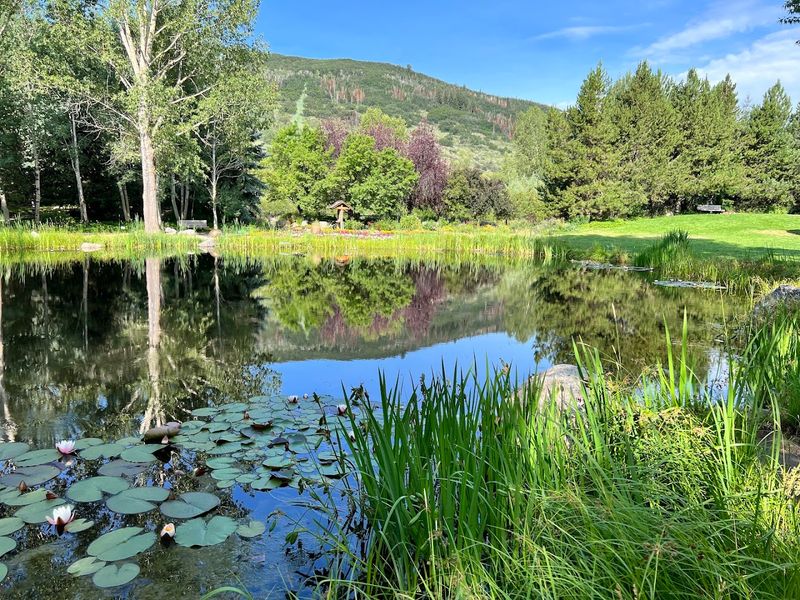
There is something almost sneaky about how good Yampa River Botanic Park is in spring. Most visitors are still thinking ski season when the first blooms start appearing, which means you get this lush, quietly beautiful space almost entirely to yourself.
The park opened for the 2026 season right as the world outside was still shaking off frost, and walking through it feels like finding a secret garden that nobody bothered to lock.
Steamboat Springs has always had that warm, unpretentious personality, and this park fits it perfectly. The paths are easy to follow, the layout is relaxed, and there is no pressure to rush.
You can wander for an hour or linger for three, and both feel like the right call.
Bring a thermos of something warm, because mornings here still carry a chill that makes the blooms look even more dramatic against the cool air. The river runs alongside the park and adds a quiet soundtrack that no playlist could improve on.
For families, couples, or solo wanderers who just need a slow, soft morning, this is exactly where spring should begin.
2. Hike Out to Pawnee Buttes, Pawnee National Grassland Near Grover
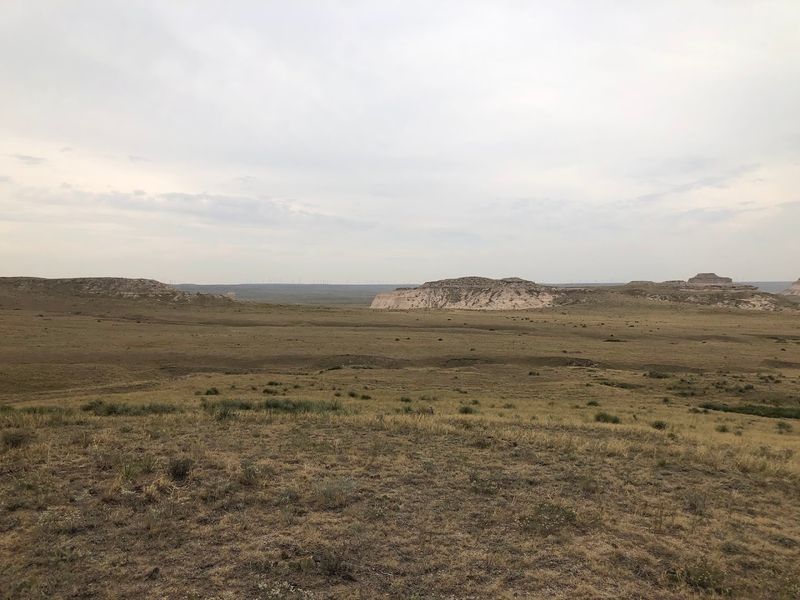
If you have never stood on the Colorado plains and watched two massive rock formations rise out of absolutely nowhere, Pawnee Buttes will rearrange your sense of what this state is capable of. Most people picture mountains when they think Colorado, and that is exactly why the grasslands keep catching first-timers off guard.
The 2-mile trail out to the buttes is straightforward and rewarding, cutting through open prairie that feels ancient and unhurried.
Spring is the season to come, and not just for the green-up. Bird protections go into place around nesting season, which actually works in your favor as a visitor.
The restrictions help keep the area wild and quiet in a way that feels earned rather than managed.
Personally, I think the plains version of Colorado is the state’s most underrated mood. There are no crowds jostling for the same overlook, no parking lot drama, and no cell service to interrupt the view.
Pack a solid lunch, wear sturdy shoes, and give yourself time to just stand still out there. The sky alone is worth the drive from wherever you are coming from.
Wide, unbroken, and completely indifferent to your schedule.
3. Watch Sandhill Cranes at Monte Vista National Wildlife Refuge, San Luis Valley
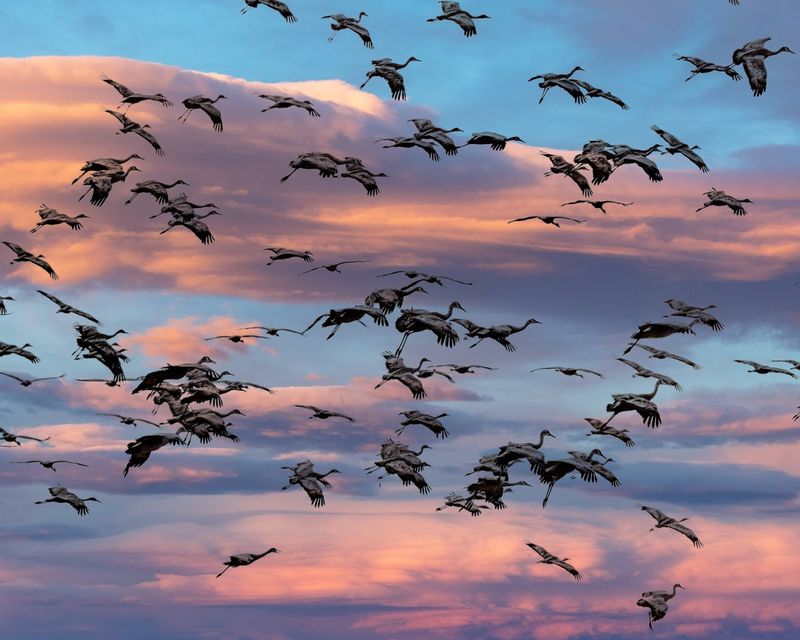
Watching tens of thousands of sandhill cranes fill the sky over the San Luis Valley is the kind of experience that makes you go quiet in the best possible way. Monte Vista National Wildlife Refuge is the stage for one of Colorado’s most spectacular wildlife events, and spring is when the whole production reaches its peak.
The annual crane migration draws birds from a massive range, and the refuge’s wildlife drive lets you take it all in from your car or on foot at your own pace.
The drive is open year-round, which makes logistics easy, but the timing of spring migration is what transforms a pleasant outing into something genuinely unforgettable. Go at dawn if you can manage it.
The cranes lift off in waves as the light changes, and the sound of that many birds in motion is something you will carry around for a long time afterward.
San Luis Valley itself has a wide-open, almost otherworldly quality that complements the experience perfectly. Bring binoculars, dress in layers, and lower your expectations for phone signal.
You will not need it. The refuge does exactly what good wildlife areas should do: it gets out of the way and lets the wild stuff happen.
4. Make the Short Adventure to Zapata Falls, Near Mosca
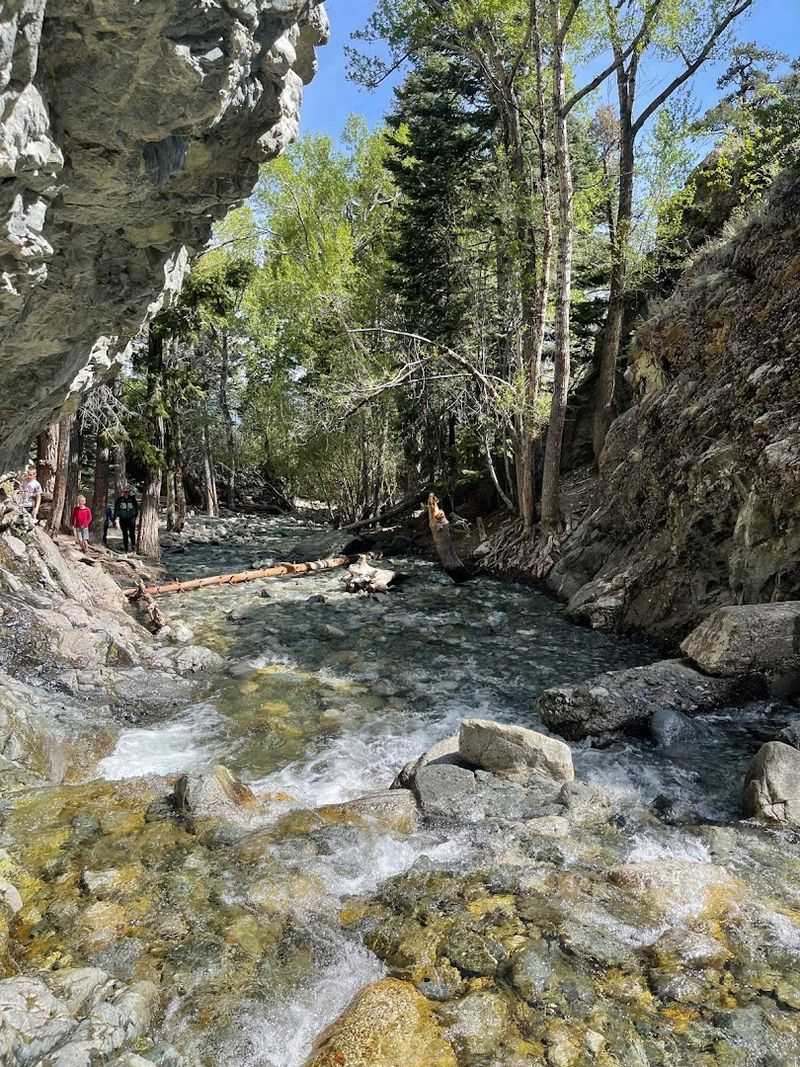
Zapata Falls is the kind of place that rewards a little effort with an outsized payoff. The hike is only about half a mile, but the BLM describes it as mildly steep, and that last section through the creek bed keeps things interesting.
In spring, snowmelt turns the falls into something genuinely dramatic, and the contrast between the rushing water inside the canyon and the enormous open valley stretching out below is the sort of thing that makes you stop mid-step just to take it in.
The falls themselves drop about 30 feet through a narrow slot in the rock, which means you have to wade or hop through a shallow stream to see them up close. Wear shoes you do not mind getting wet, and bring a dry pair for the drive home.
It is a small inconvenience that absolutely pays off.
What makes this stop even better is the proximity to Great Sand Dunes National Park. You can pair the two into one genuinely memorable day without breaking a sweat on the logistics.
Spring light in this part of Colorado has a clarity to it that photographers chase for good reason. Come before the summer crowds discover the area and you will feel like you found it first.
5. Soak in Hot Springs at Mount Princeton, Nathrop
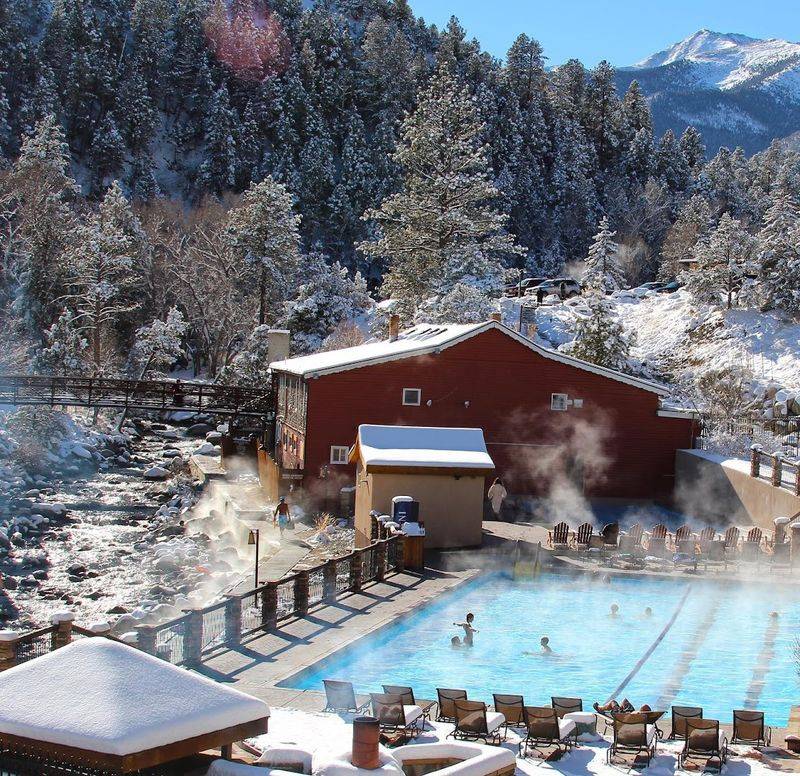
Hot springs and mountain views are two things Colorado does extremely well, and Mount Princeton manages to deliver both at the same time without making you feel like you need a reservation three months out. The springs are open daily year-round to the public, which makes them a reliable spring anchor for a weekend trip to the Chalk Creek area.
Show up, soak, and let the scenery do the rest of the work.
Nathrop sits in the Arkansas River Valley, which in spring starts to green up in a way that makes the surrounding peaks look even more striking by contrast. The combination of warm water, cool mountain air, and that particular smell of mineral springs is the kind of sensory experience that resets whatever stress you dragged in from the week.
Families tend to love this spot because the pools are accessible and the atmosphere is relaxed rather than fussy. Couples who want something a little quieter should aim for weekday mornings, when the crowds thin out and the whole place feels more like a personal discovery than a popular attraction.
Pack a change of clothes, a towel, and something to eat afterward. Buena Vista is close by and has no shortage of good options for a post-soak meal.
6. Spring Rafting or Hiking Day in Browns Canyon National Monument, Near Buena Vista and Salida
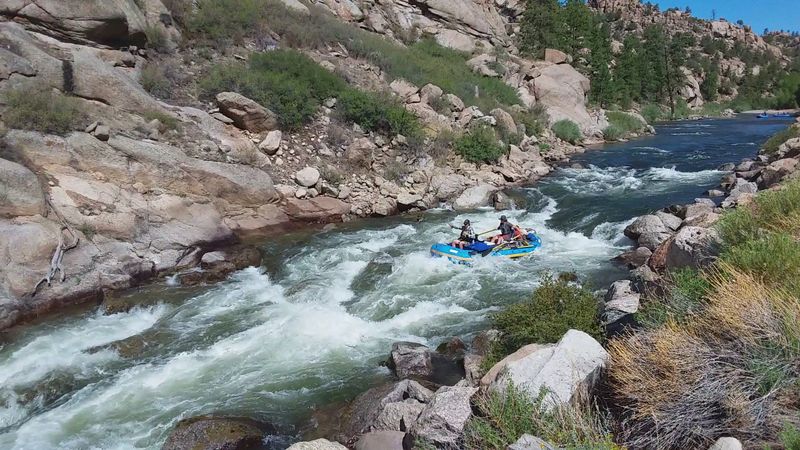
Browns Canyon National Monument earned its national designation for good reasons, and spring is when those reasons become impossible to argue with. The Arkansas River picks up serious momentum from snowmelt, which makes rafting here one of the best shoulder-season adventure choices in the state.
Most outfitters operating out of Buena Vista and Salida run trips through the canyon, so logistics are easier than you might expect for a place this dramatic.
Not a rafter? The monument also has hiking trails and wildlife viewing that hold up on their own.
Canyon walls, big sky, and the sound of moving water make even a slow walk through this landscape feel like an event. Spring bird activity in the canyon adds another layer for anyone who likes to wander with binoculars.
What I appreciate most about Browns Canyon is that it does not feel like a theme park version of adventure. The terrain is real, the river is genuinely powerful in spring, and the monument status means the land is protected from the kind of overdevelopment that has softened other popular Colorado spots.
Pair a morning on the water with lunch in Salida, one of the state’s most quietly charming small towns, and you have a full spring day that requires almost zero improvisation.
7. Catch Wildflowers and Reservoir Views at Ridgway State Park, Ridgway
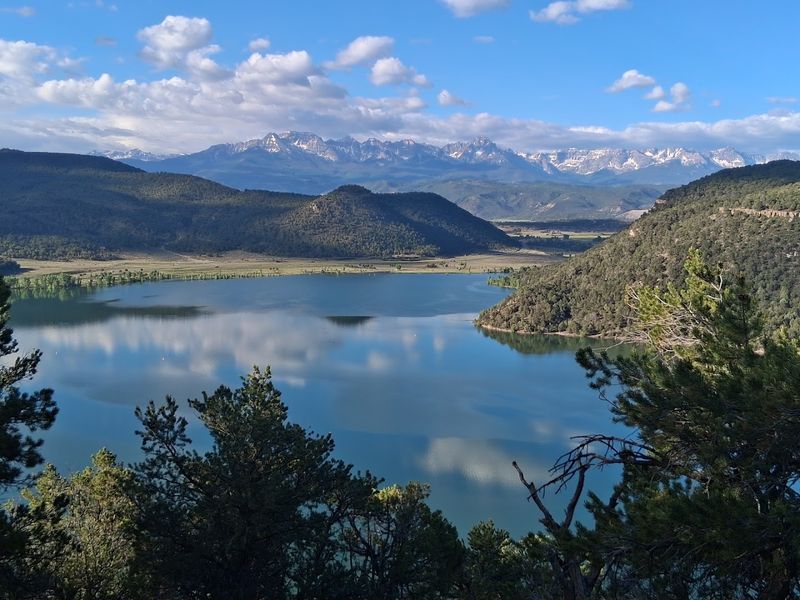
Ridgway State Park has a way of making you feel like you stumbled onto something the rest of the state forgot to put on the list. The reservoir sits beneath a jaw-dropping wall of snowcapped San Juan peaks, and in spring the surrounding hillsides go green in a way that makes the whole scene look slightly too beautiful to be real.
It is fully operating as a Colorado state park, easy to access, and genuinely uncrowded compared to the state’s more famous spring destinations.
Wildflowers start appearing as the season warms, adding color to the shoreline trails and open meadows around the water. Birding is also excellent here in spring, with migratory species passing through in numbers that reward even casual observers.
The park’s easy trail system means you can cover a lot of ground without needing any special gear or serious fitness level.
One of my favorite things about Ridgway is how naturally it fits into a slow spring drive through the Uncompahgre Valley. Pair it with a stop in the town of Ridgway itself, a small, low-key gem with good food and an unpretentious character that feels refreshingly unhurried.
This is the kind of stop that earns a permanent spot on your annual spring rotation after just one visit.
8. Take the Ute Trail Down Toward Gunnison Gorge, Near Delta
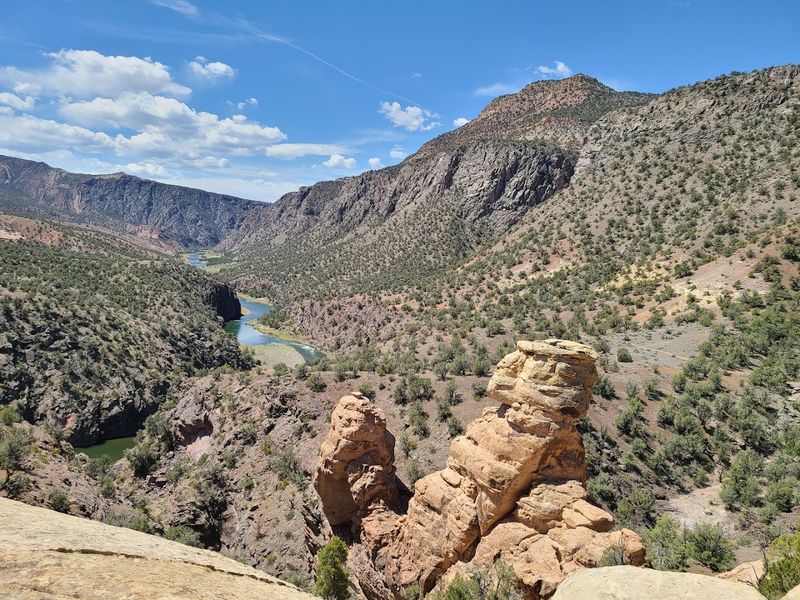
The Ute Trail near Delta is the kind of spring outing that outdoor regulars mention in a lowered voice, not because it is dangerous, but because they would prefer to keep it to themselves. The trail begins on a ridge with broad Western Slope views and then drops toward the Gunnison River through canyon country that feels genuinely remote even though the drive from Delta is not long.
Spring is the right season for this terrain, before the summer heat makes the lower canyon sections less inviting.
This is a more rugged experience than most of the entries on this list, and that is precisely the point. The landscape here is raw and wide, the kind of place where you notice how quiet real quiet actually is.
Wildlife sightings are common, and the river far below adds a visual anchor to an already dramatic descent.
Come prepared with plenty of water, a trail map downloaded offline, and footwear with actual grip. The trail rewards people who show up ready rather than casual.
If you are the type who finds crowded overlooks exhausting and prefers to earn the view, this one will feel like exactly the right fit. The Western Slope in spring has a rough, honest beauty that the mountain towns rarely match.
9. Explore Canyons of the Ancients National Monument, Near Cortez and Dolores
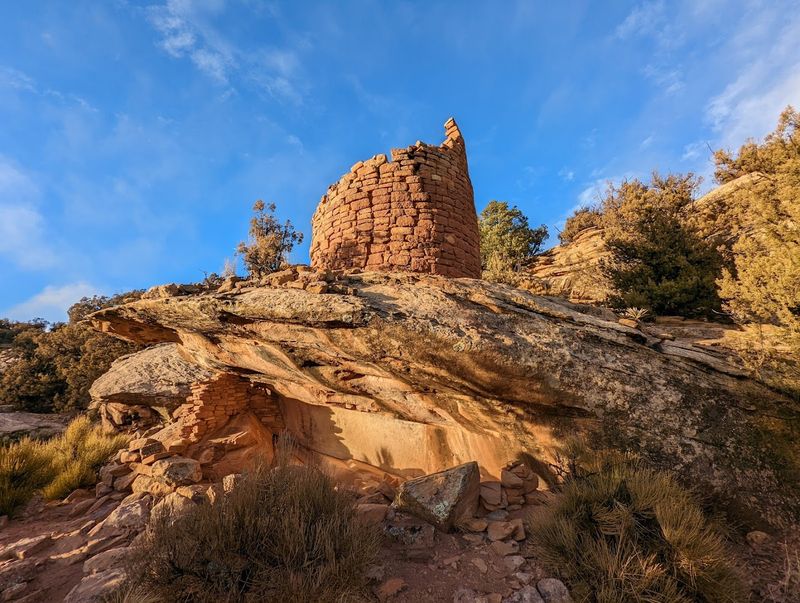
Canyons of the Ancients holds more archaeological sites per square mile than anywhere else in the country, and yet it remains one of the most peacefully uncrowded public lands in Colorado. Spring brings the desert air to a perfect temperature and adds just enough green to the sagebrush and canyon floors to make the ancient ruins look even more striking against the red rock.
Near Cortez and Dolores, this monument sits in a part of the state that most weekend travelers have not yet discovered.
Hiking routes cross the monument in multiple directions, and the scale of what you are walking through takes time to fully register. These are not reconstructed sites or managed visitor experiences.
The ruins are where they have always been, and the land around them is largely undisturbed. That authenticity is rare and worth protecting by showing up responsibly.
For a quieter spring trip that combines archaeology, broad canyon views, and genuine solitude, this is among the best choices in the Southwest. Cortez has practical amenities and a few good local spots for a post-hike meal.
Come with a full tank of gas, a paper map as backup, and enough time to slow down and actually look at what surrounds you. This place rewards patience.
10. Walk the Boardwalks at Rocky Mountain Arsenal National Wildlife Refuge, Commerce City
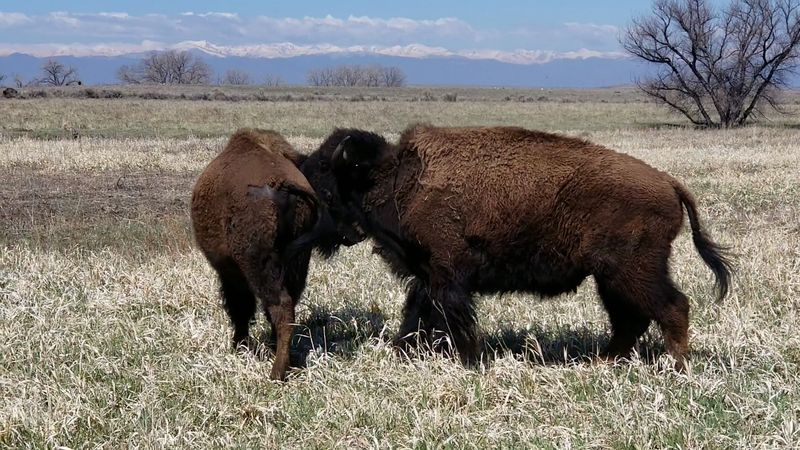
Rocky Mountain Arsenal National Wildlife Refuge is one of those places that surprises people who think they already know what is near Denver. Tucked into Commerce City, it manages to feel genuinely removed from the metro noise, and in spring it becomes one of the best birding spots along the Front Range.
The Lake Mary Loop includes a long boardwalk section that puts you directly over the wetlands, close enough to waterfowl and shorebirds to make even a basic phone camera look impressive.
Most trails at the refuge are open year-round, and spring migration turns up species variety that keeps birders coming back week after week. But you do not need binoculars or a field guide to enjoy this place.
The combination of open water, prairie, and wetland habitat creates a landscape that simply feels alive in a way that city parks rarely manage.
What makes this stop especially appealing for families and couples is the low barrier to entry. No permits, no serious elevation, no long drive.
You can be out on the boardwalk within an hour of leaving central Denver, spend a few unhurried hours watching the spring world go about its business, and be home before dinner. Sometimes the most unexpected nature fix is the one hiding closest to home.