
10 Colorado Food Sayings That Outsiders Never Quite Grasp
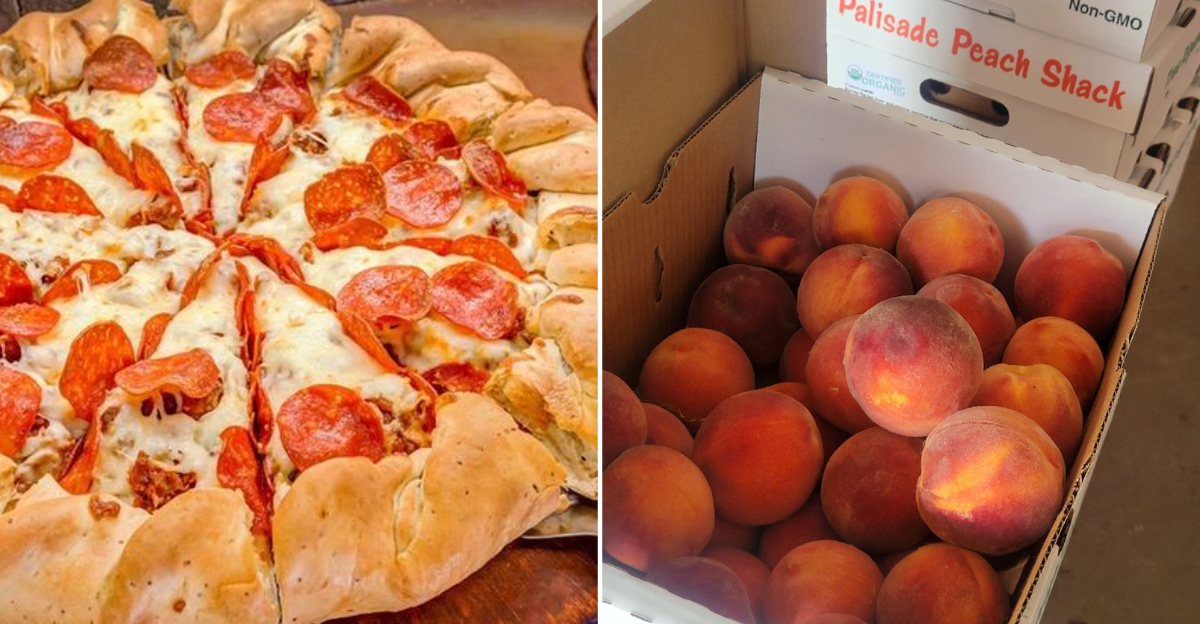
Colorado’s food culture is unlike anywhere else in the country, shaped by high-altitude living, agricultural pride, and a fierce loyalty to local flavors.
Visitors often find themselves nodding along to conversations about food, only to realize they have no idea what people are actually talking about.
From chile-smothered everything to seasonal produce that inspires near-religious devotion, Coloradans speak a culinary language all their own.
Here are ten food sayings that leave outsiders scratching their heads and locals grinning with pride.
1. Smother it in green chile
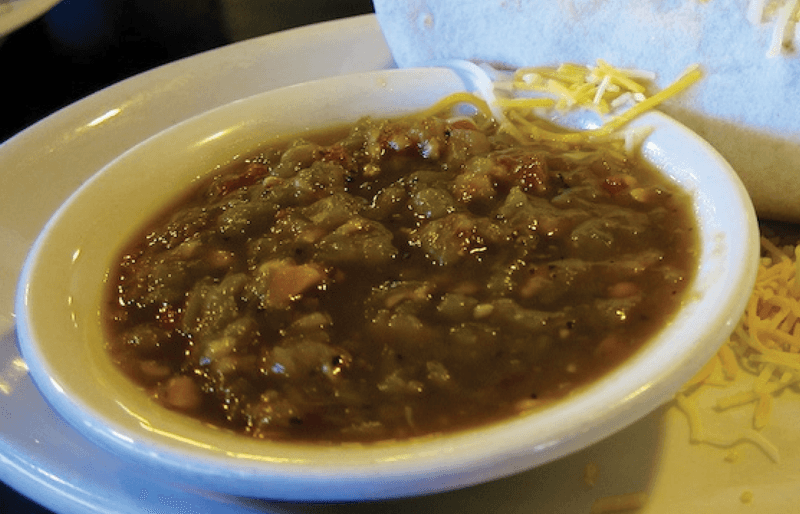
Walking into any Colorado diner, you’ll hear this phrase echoing from nearly every table like a sacred chant.
Green chile isn’t just a condiment here—it’s a way of life, a badge of honor, and quite possibly the state’s unofficial religion.
Locals will smother absolutely everything in this roasted, spicy, flavor-packed sauce: eggs, burritos, burgers, fries, and even pizza if they’re feeling adventurous.
Outsiders might ask for salsa or hot sauce, completely missing the point that green chile is in a league of its own.
Made from roasted Hatch or Pueblo chiles, this sauce brings a smoky heat that transforms ordinary dishes into Colorado masterpieces.
The aroma alone can make a native Coloradan weep with joy.
Restaurants proudly advertise their green chile recipes, and locals debate whose version reigns supreme with the passion of sports fans.
Some prefer it mild and tangy, while others want it hot enough to make their eyes water.
When someone says to smother it, they mean drown it, cover it completely, and don’t be shy about it.
This isn’t a drizzle situation—it’s full submersion.
Newcomers who try it often become instant converts, suddenly understanding why Coloradans can’t imagine breakfast without it.
Green chile isn’t just food; it’s liquid gold that makes everything better.
2. Make mine half-and-half
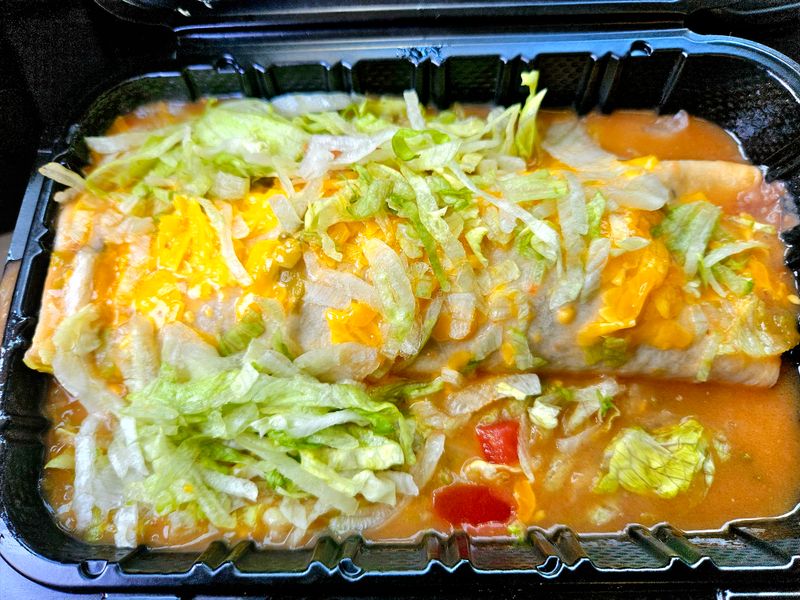
Picture yourself at a Mexican restaurant in Colorado, and the server asks what kind of chile you want on your enchiladas.
Instead of choosing between mild or hot, you boldly declare you want your green chile half-and-half, a mix of the two and at some spots you might even see a separate option called Christmas-style for getting both red and green chile.
This colorful combination gives you the best of both worlds: the earthy, slightly sweet flavor of red chile alongside the bright, tangy kick of green.
This custom combo gives you the best of both worlds: the deeper, slow-building heat of hot green chile alongside the tangy, easygoing warmth of the mild version.
Outsiders stare blankly when they hear this order, wondering if you’re talking about coffee creamer.
Nope… you’re requesting a beautiful split-plate presentation that looks as festive as it tastes.
When a menu does offer red, it’s typically made from dried chiles that bring a deeper, sometimes smokier flavor profile than the fresh-roasted green.
Green chile brings freshness and a sharper heat that wakes up your taste buds.
Together, they create a flavor symphony that makes every bite an adventure.
It’s also a visual treat when you go full Christmas-style, the red and green sauces look like holiday decorations on your plate, which is exactly how that nickname caught on.
First-timers might feel overwhelmed by the decision, but locals know that half-and-half eliminates the need to choose.
Once you’ve experienced this glorious combination, ordering just one kind of chile feels like leaving part of your soul behind.
3. Make it a slopper
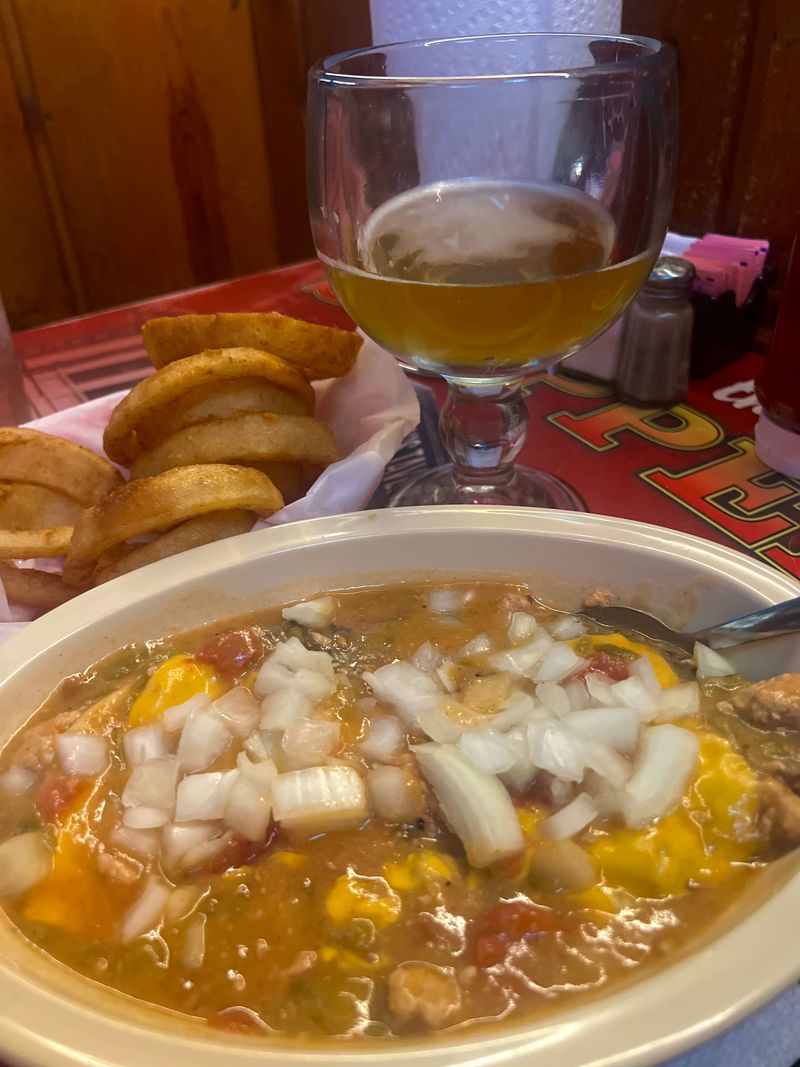
Pueblo, Colorado takes credit for this gloriously messy creation that sounds more like a mistake than a menu item.
A slopper is basically an open-faced burger or cheeseburger drowning, and we mean absolutely swimming, in green chile and cheese.
Forget trying to pick this up with your hands; you’ll need a fork and knife, plus maybe a bib if you value your shirt.
The name perfectly captures the experience: it’s sloppy, it’s drippy, and it’s absolutely delicious.
Outsiders hear this term and imagine something unappetizing, but locals know it’s pure comfort food magic.
The burger patty sits on a bed of French fries or sometimes just a plate, topped with cheese and then completely smothered in that signature green chile.
Every bite delivers a perfect combination of savory beef, melted cheese, crispy fries, and spicy chile goodness.
This dish originated in Pueblo taverns and bars decades ago and has become a point of regional pride.
People drive from all over Colorado just to experience an authentic slopper in its hometown.
Watching someone eat one for the first time is entertainment in itself—they’re never quite prepared for the delicious chaos.
The key is embracing the mess and accepting that you’ll need extra napkins.
A proper slopper should be almost soup-like in its chile coverage, making every forkful a flavor explosion.
4. I’m Team Pueblo chile
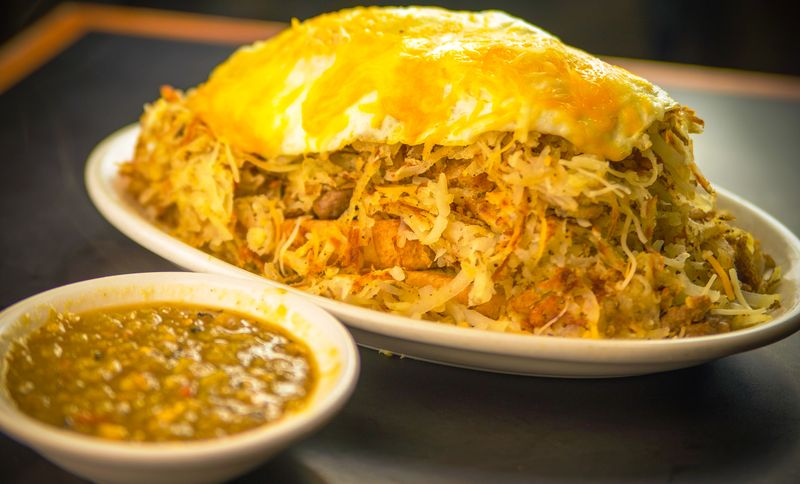
Colorado’s chile loyalty runs deeper than most rivalries, and declaring yourself Team Pueblo is basically choosing a side in a delicious civil war.
Pueblo chiles are grown in the Arkansas River Valley around Pueblo, Colorado, where the unique soil and climate create peppers with distinctive flavor.
These chiles earned official recognition and even have their own trademark, making them the pride of southern Colorado.
When you announce you’re Team Pueblo, you’re saying these locally grown peppers beat out New Mexico’s famous Hatch chiles any day.
Outsiders don’t understand why this matters so much, but to Coloradans, it’s serious business.
Pueblo chiles tend to have a slightly sweeter, more complex flavor with medium heat that doesn’t overwhelm.
Every fall, the aroma of roasting Pueblo chiles fills farmers markets and grocery store parking lots across the state.
People buy them by the bushel, roast them fresh, and freeze enough to last until next season.
The ritual of chile roasting marks the transition from summer to fall like leaves changing color.
Supporting Pueblo chiles means supporting local farmers and Colorado agriculture, adding pride to every spicy bite.
Debates between Team Pueblo and Team Hatch can get heated, with both sides passionately defending their preferred pepper.
Once you pick a team, you’re expected to stay loyal, defending your choice at every cookout and dinner party.
5. It’s not summer until the Palisade peaches hit
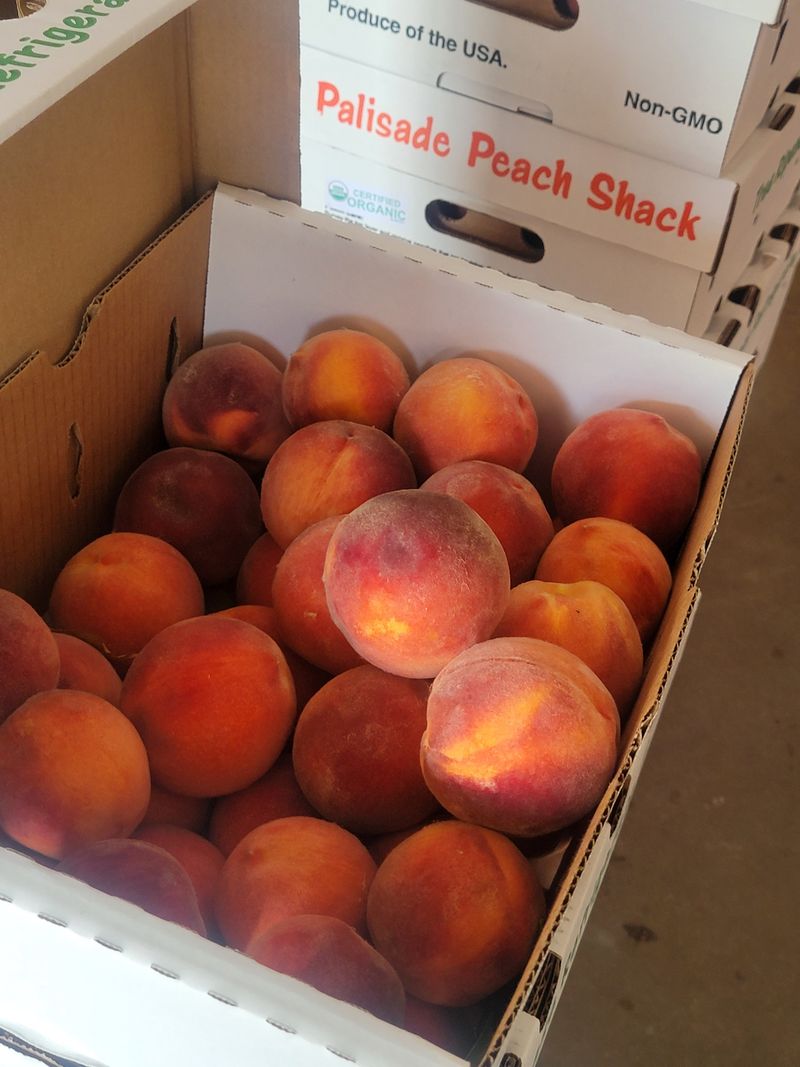
Calendars might say summer starts in June, but Coloradans know the season doesn’t officially begin until Palisade peaches arrive at farmers markets.
These aren’t your average grocery store peaches—they’re legendary fruits grown in the warm, sunny Western Slope town of Palisade.
The combination of hot days, cool nights, and mineral-rich soil creates peaches so juicy and sweet they border on magical.
When someone says the Palisade peaches have hit, it’s like announcing Christmas morning for fruit lovers.
Locals plan their schedules around peach season, making pilgrimages to roadside stands and orchards to stock up.
Biting into a perfectly ripe Palisade peach is an experience that requires napkins and possibly a shower afterward because the juice runs everywhere.
The flavor is intensely peachy—if that makes sense—with natural sweetness that needs no added sugar.
People use them for everything: pies, cobblers, jams, smoothies, or just eating them over the sink like nature’s candy.
Outsiders who try their first Palisade peach often have life-changing moments, suddenly understanding what a real peach should taste like.
The season is short, typically running from mid-July through September, which makes them even more precious.
Coloradans hoard them, freeze them, and treasure every single one because they know winter is coming.
Saying this phrase signals you understand Colorado’s agricultural treasures and respect the seasonal rhythms that define mountain living.
6. That’s 14er fuel
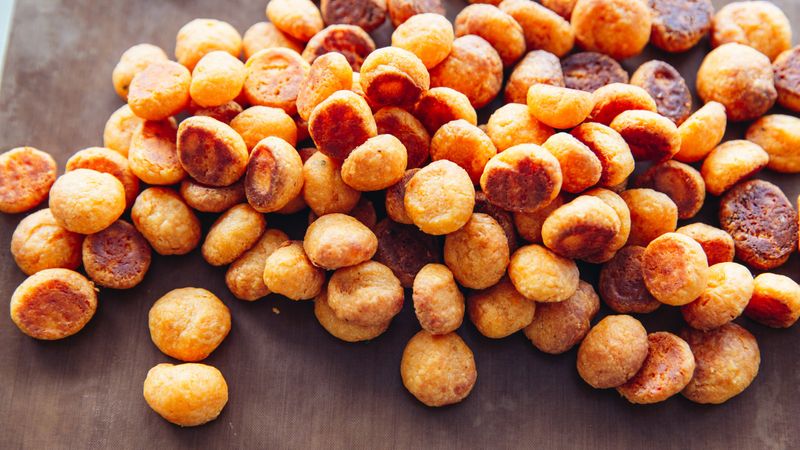
Colorado boasts 58 mountain peaks above 14,000 feet, affectionately called fourteeners or 14ers, and climbing them requires serious energy.
When locals refer to food as 14er fuel, they mean it’s substantial, calorie-dense, and capable of powering you up a mountain.
This isn’t dainty salad territory—we’re talking massive breakfast burritos, stacks of pancakes, hearty oatmeal bowls, and protein-packed meals.
Outsiders might think a granola bar counts as hiking food, but Coloradans know better.
Climbing thousands of vertical feet requires real sustenance, the kind that sticks to your ribs and keeps you going for hours.
Cafes near trailheads specialize in serving 14er fuel, with portions that would make most restaurants look stingy.
A proper pre-hike breakfast might include eggs, bacon, potatoes, toast, and enough coffee to fuel a small army.
Trail snacks also qualify as 14er fuel: energy bars, jerky, nuts, sandwiches, and anything else that provides sustained energy.
The phrase captures Colorado’s outdoor culture, where food serves a functional purpose beyond just tasting good.
It needs to perform, delivering the calories and nutrients necessary for high-altitude adventures.
Saying something is 14er fuel is high praise, indicating it’s hearty enough to support serious physical activity.
Visitors quickly learn that mountain adventures require mountain-sized meals, and skimping on breakfast means bonking halfway up the trail.
7. Colorado-style pizza, with honey for the crust

New York has its thin crust, Chicago has its deep dish, and Colorado has…honey?
Yes, drizzling honey on pizza crust is absolutely a Colorado thing, and locals will defend this sweet-savory combination fiercely.
Several popular Colorado pizza chains started this trend, serving small dishes of honey alongside their pies for crust-dipping purposes.
Outsiders watch in confusion as Coloradans happily drizzle golden honey over their pizza crusts, creating a flavor combination that sounds weird but tastes incredible.
The slight sweetness of honey complements the savory toppings and cuts through rich cheese with surprising effectiveness.
It’s particularly amazing with spicy pizzas, where honey provides cooling sweetness that balances the heat.
This practice has become so ingrained in Colorado pizza culture that many locals can’t imagine eating pizza without it.
Restaurants proudly advertise their honey offerings, and some even provide flavored honey varieties for adventurous diners.
The tradition supposedly started with a pizzeria owner who wanted to offer something unique, and it caught on like wildfire.
Now, Colorado-style pizza means you’ll get honey on the side, no questions asked.
First-timers approach it skeptically, but one bite usually converts them into believers.
The combination hits that perfect sweet-salty-savory trifecta that makes taste buds sing.
Asking for honey with your pizza outside Colorado often earns blank stares, but here, it’s completely normal and absolutely delicious.
8. Let’s get oysters… the Rocky Mountain kind
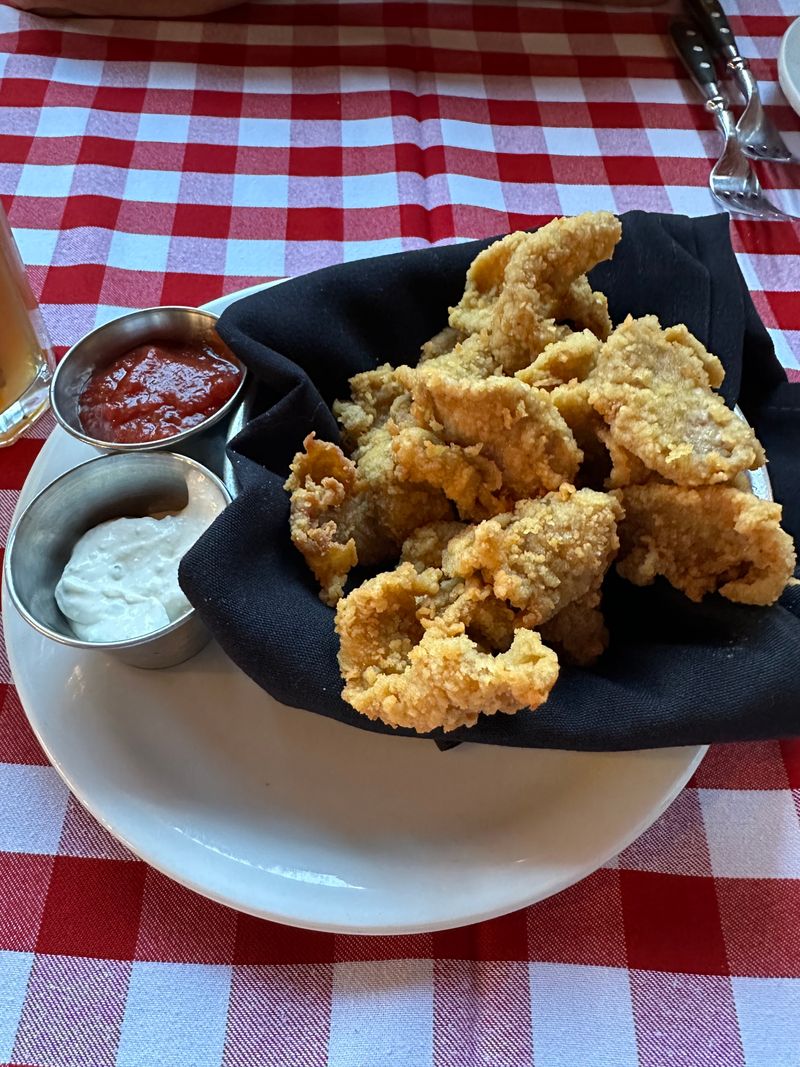
Here’s where things get interesting, because Rocky Mountain oysters contain absolutely zero seafood.
These infamous Colorado delicacies are actually bull testicles, breaded, fried, and served as an appetizer at steakhouses and western-themed restaurants.
The name is a playful euphemism designed to make them sound more appetizing, and it definitely confuses tourists.
Visitors expecting actual oysters are in for quite a surprise when the plate arrives.
Locals enjoy watching outsiders’ faces when they learn what they’re really eating, often waiting until after the first bite to reveal the truth.
Despite the shocking ingredient, Rocky Mountain oysters actually taste pretty good—kind of like fried chicken with a slightly different texture.
They’re usually sliced thin, breaded with seasoned flour, and deep-fried until crispy and golden.
Served with cocktail sauce or ranch dressing, they’re a novelty food that represents Colorado’s ranching heritage.
Eating them has become a rite of passage for both locals and brave visitors willing to embrace the weird.
The tradition comes from practical ranching practices where nothing goes to waste, including parts that might otherwise be discarded.
Annual festivals celebrate these unique treats, with cooking competitions and tasting events drawing curious crowds.
Saying you’re getting Rocky Mountain oysters signals you’re adventurous, open-minded, and ready to embrace Colorado’s quirky food culture with humor and gusto.
9. Grab some Olathe sweet corn while it’s in season
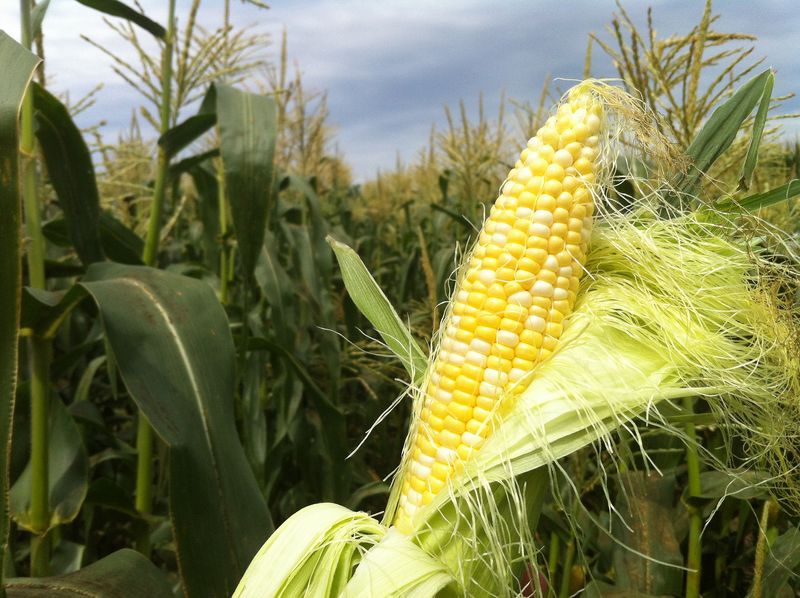
Corn is corn, right?
Wrong—at least according to anyone who’s tasted Olathe sweet corn from Colorado’s Western Slope.
This isn’t your standard corn on the cob; it’s sweeter, more tender, and has achieved near-celebrity status among Colorado produce.
Grown in the small town of Olathe, this corn benefits from the same ideal growing conditions that make Palisade peaches famous.
When locals say to grab some while it’s in season, they mean drop everything and go get it now before it’s gone.
The season runs roughly from mid-July through September, creating a narrow window that makes it even more special.
People drive hours to farmers markets and roadside stands specifically to stock up on this sweet corn.
The kernels are so tender and sweet you can eat them raw, though grilling or boiling brings out even more flavor.
Many Coloradans buy it by the dozen, cutting kernels off the cob to freeze for winter when they’re craving that summer sweetness.
The Olathe Sweet Corn Festival, now held in nearby Montrose, celebrates this agricultural treasure with food, music, and corn-eating contests.
Outsiders might not understand the fuss over corn, but one bite explains everything.
The natural sugars in Olathe sweet corn make it taste almost like candy, requiring nothing but maybe a little butter.
Missing the season means waiting a whole year, so locals take this reminder seriously.
10. Rocky Ford melons are chin-dripping good
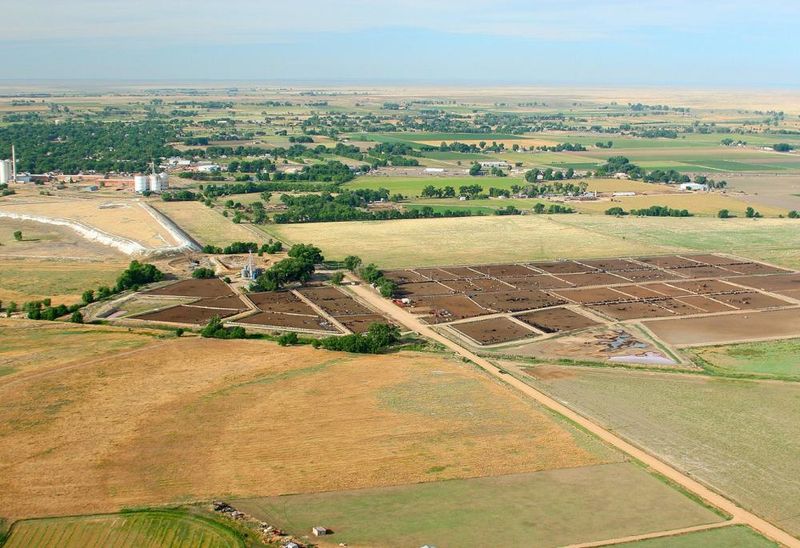
Describing food as chin-dripping good paints a vivid picture, and Rocky Ford melons absolutely earn this messy compliment.
These cantaloupes come from Rocky Ford, a small southeastern Colorado town that’s been growing exceptional melons since the 1880s.
The region’s sandy soil, hot days, and cool nights create melons so juicy and sweet they’re practically legendary.
When someone mentions chin-dripping, they’re acknowledging that eating these melons is an unavoidably messy but utterly worthwhile experience.
The juice runs down your hands, your arms, and yes, your chin, but nobody cares because the flavor is that incredible.
Rocky Ford melons have a distinctive sweetness with hints of honey and a perfectly tender texture that melts in your mouth.
They’re so good that they’ve been shipped nationwide for over a century, though locals insist they taste best eaten fresh in Colorado.
The town proudly claims the title of Melon Capital of the World, hosting festivals and celebrating their agricultural heritage.
Farmers take melon-growing seriously here, with techniques passed down through generations to maintain quality standards.
Outsiders might grab any cantaloupe at the grocery store, but Coloradans specifically seek out Rocky Ford melons during peak season.
The phrase captures both the exceptional quality and the joyfully messy experience of eating fruit at its absolute finest.
Summer in Colorado means many things, but Rocky Ford melons rank high on the list of seasonal treasures worth celebrating and savoring.