
12 Colorado Hidden Gems That Feel Extra Special In Late Spring
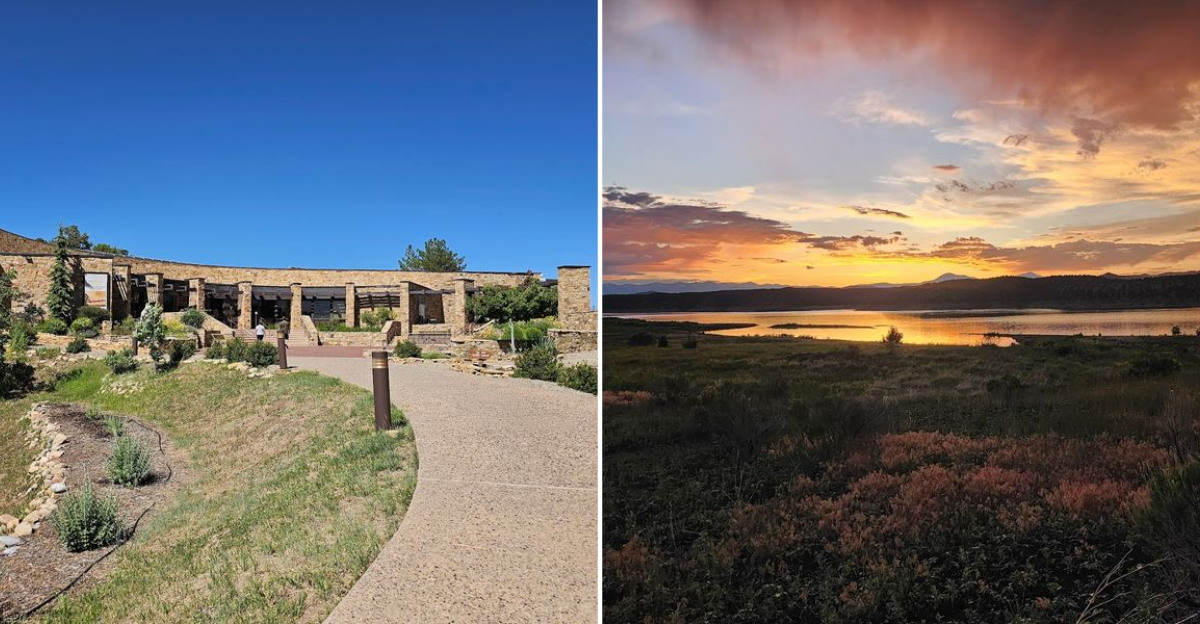
Colorado has a funny way of hiding its best surprises where hurried travelers forget to look, beyond canyon curves, along quiet river bends, and down roads that seem ordinary until the view suddenly steals your breath.
Late spring makes everything feel freshly awakened, with wildflowers showing off, waterfalls roaring louder, and sunshine turning even a simple pullout into a postcard moment.
This is the season for easy little adventures that feel bigger than the effort required. You do not need a complicated plan, just comfortable shoes, a charged phone, a few snacks, and enough curiosity to follow the quieter path.
Across Colorado’s backroads and mountain pockets, the best memories often come from places that feel peaceful, unexpected, and just a little bit secret. These are the stops that make you slow down, look twice, and start planning your next escape before you have even made it home.
1. Yampa River Botanic Park – Steamboat Springs
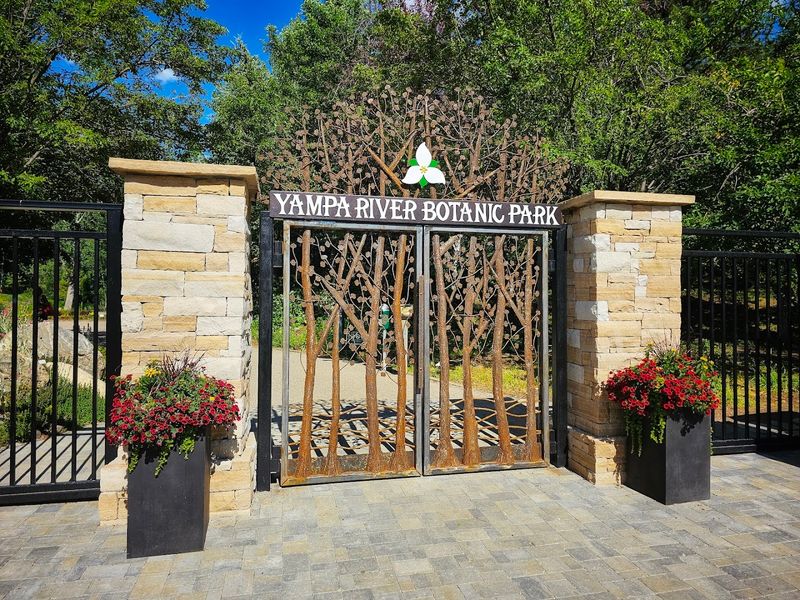
Steamboat Springs has a reputation built on ski slopes and cowboy boots, but come late spring, the Yampa River Botanic Park quietly steals the show. Tucked along the riverbank at 1000 Pamela Lane, this free garden opens at dawn and closes at dusk, which means you can squeeze in a peaceful morning walk before breakfast without spending a dime.
What gets me every time is the contrast: rugged mountain town outside, and then you step through the gate into something almost European in its calm. Dozens of themed garden beds burst with color in May and early June, from ornamental grasses to wildflower clusters that practically glow in the morning light.
The sound of the Yampa running alongside you makes the whole experience feel like a reset button for your brain.
Families with young kids will appreciate the wide, flat paths that stroller wheels actually love. Couples find it romantic without trying too hard.
Bring a thermos of coffee, walk slowly, and read the plant markers. Honestly, this is the kind of place that makes you wonder why you ever paid for a spa day.
Free, unhurried, and genuinely lovely.
2. Vega State Park – Collbran
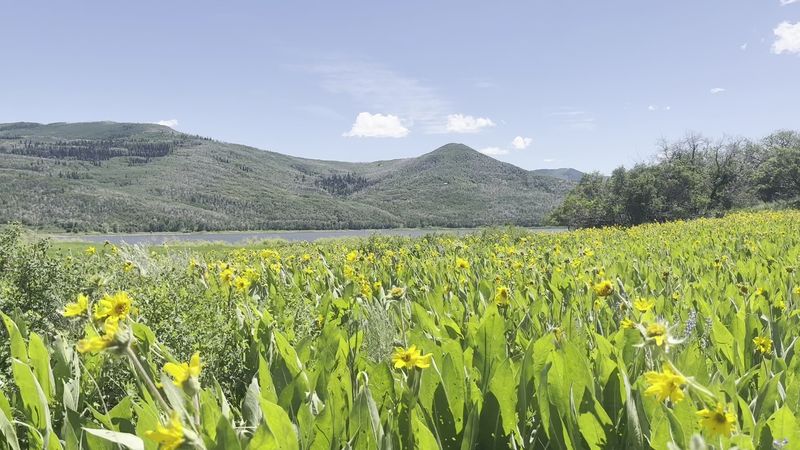
Most people chasing Grand Mesa scenery blow straight through Collbran without stopping, and that is precisely why Vega State Park remains one of Colorado’s most underrated weekend destinations. Located at 15247 North 6/10 Road, this quiet reservoir park sits at elevation with sweeping views that feel earned even though the drive to get there is completely manageable.
Late spring is when Vega really earns its keep. Wildflowers spread across the hillsides in waves of yellow and purple, the reservoir fills up with snowmelt runoff, and the campgrounds are blissfully uncrowded compared to the big-name parks.
Fishing from the shore on a cool May morning, with no one around and the mountains reflected in the water, is the kind of simple pleasure that travel magazines somehow keep overlooking.
The pace here is genuinely slow, and that is the whole point. You are not rushing between attractions or fighting for parking.
Bring a camp chair, a good book, and enough snacks to justify lingering. If you are road-tripping across the Western Slope, Vega fits beautifully into a loop that also hits Grand Junction or Rifle.
Small effort, large reward, zero regrets.
3. Cross Orchards Historic Site – Grand Junction
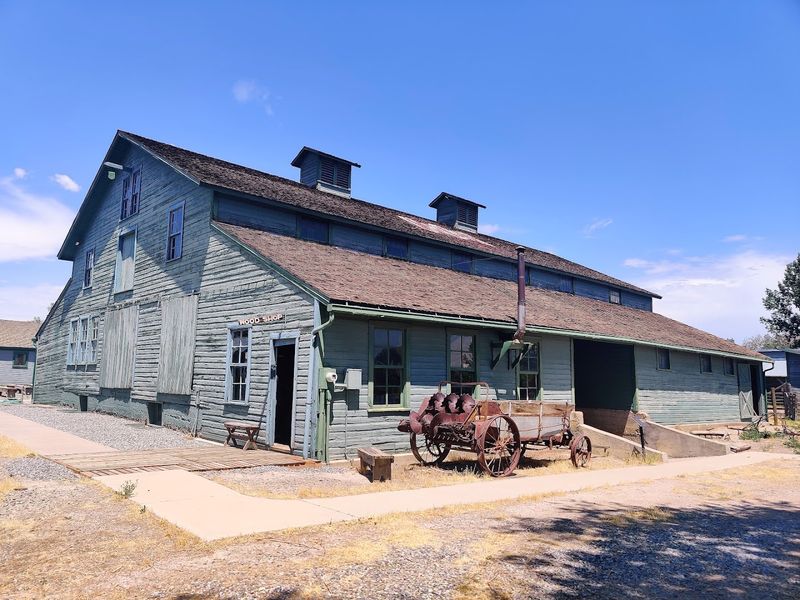
There is something deeply satisfying about walking through a place that tells you exactly how life used to work, and Cross Orchards Historic Site in Grand Junction does that without being stuffy about it. The site at 3073 F Road opens seasonally in May, which makes late spring the ideal window to catch it fresh and uncrowded before summer school groups arrive in force.
The Western Slope has always had a different rhythm from the Front Range, and Cross Orchards captures that spirit beautifully. Old farm buildings, orchard rows, and period equipment give you a vivid picture of what fruit farming looked like in early Colorado.
It is the kind of place that kids find surprisingly interesting and adults find unexpectedly moving, especially if you have any agricultural roots in your own family history.
Grand Junction is worth a full day on its own, and Cross Orchards fits naturally into a morning stop before exploring the downtown strip or heading toward Colorado National Monument. The site is run with genuine care and the staff bring real enthusiasm to the history.
My honest take: this is one of those stops that earns its place on the itinerary every single time you visit.
4. Ute Indian Museum – Montrose
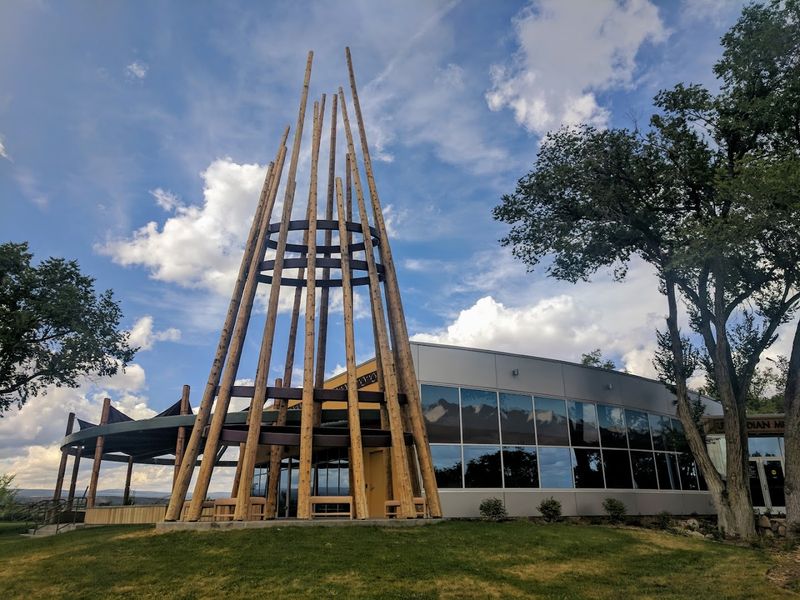
Montrose sits in one of the most geographically dramatic parts of Colorado, wedged between the Black Canyon and the San Juans, and the Ute Indian Museum at 17253 Chipeta Road matches that setting with real depth and dignity. This is not a roadside curiosity.
It is a thoughtfully curated cultural history stop that earns a proper block of time on your itinerary.
The museum centers on the history and culture of the Ute people, who inhabited this region long before it became a Colorado destination. Exhibits are well-organized and genuinely illuminating, covering everything from traditional practices to the painful displacement that reshaped the region.
The outdoor grounds are beautiful in late spring, with the mountains providing a backdrop that feels almost theatrical in its grandeur.
What I appreciate most is the tone of the place. It respects its subject without being heavy-handed, and it treats visitors as adults capable of engaging with complicated history.
Regular weekly hours make it easy to plan around. If you are already making a stop at Black Canyon of the Gunnison, the Ute Indian Museum is close enough to fold into the same trip without doubling your mileage.
Bring curiosity and leave with perspective.
5. Rifle Falls State Park – Rifle
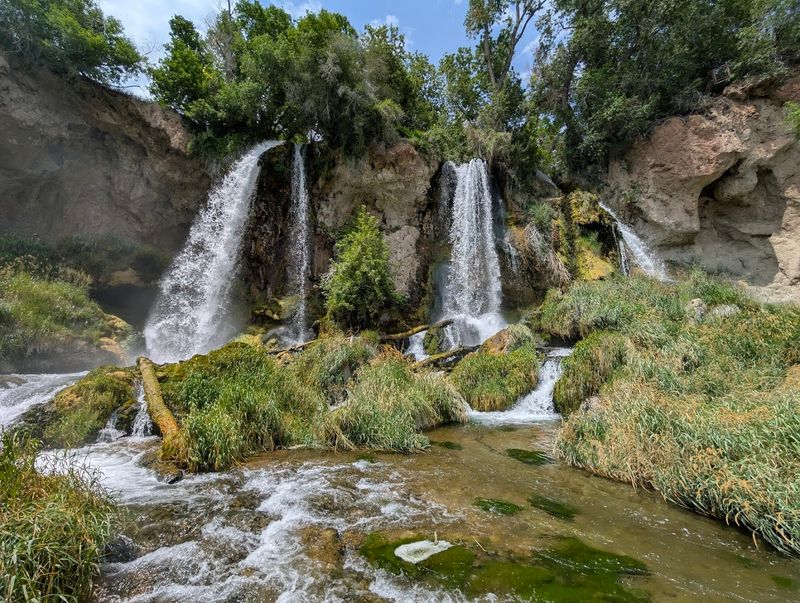
Rifle Falls is one of those places that genuinely surprises people who think they know what Colorado looks like. Most visitors expect red rock and sagebrush when they hear Rifle, and then they turn a corner and find triple waterfalls dropping down mossy limestone cliffs into a green canyon that looks more like the Pacific Northwest than the Western Slope.
Late spring is the absolute best time to visit, and I will defend that opinion firmly. The falls run with full snowmelt force, the caves behind the water are accessible and fascinating, and the surrounding vegetation is explosively green in a way that only lasts a few weeks before the summer heat dials it back.
The park at 5775 Highway 325 opens daily from 6 a.m. to 10 p.m., giving you plenty of flexibility to time your visit around the light.
The hike to the falls is short enough for kids and older adults alike, which makes this an easy family win. Bring waterproof shoes because the trail near the base gets genuinely wet, and that is actually part of the fun.
Pair it with a stop in Rifle for lunch and you have a satisfying half-day loop that punches well above its weight.
6. Canyons of the Ancients Visitor Center & Museum – Dolores
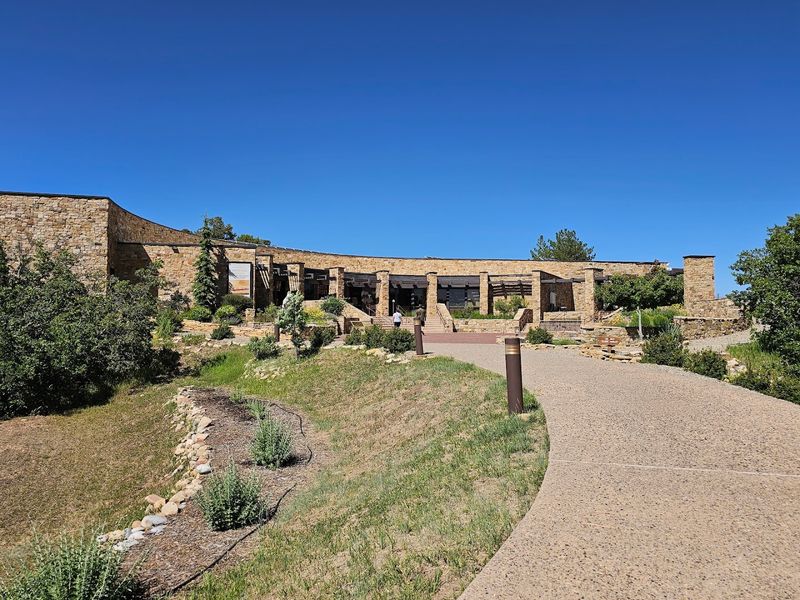
Mesa Verde gets all the attention, and honestly, it deserves most of it. But if you want the same ancestral Puebloan story with a fraction of the foot traffic and a deeper sense of discovery, the Canyons of the Ancients Visitor Center and Museum near Dolores is where you should be heading instead.
Located at 27501 Highway 184, this place serves as the gateway to one of the densest concentrations of archaeological sites in North America.
The museum itself is genuinely excellent, with exhibits that provide real context for the landscape outside the windows. Late spring is ideal because the surrounding terrain is at its most vivid, with desert wildflowers adding color to the canyon views and the temperatures staying comfortable enough for outdoor exploration.
The staff here are knowledgeable and clearly passionate, which makes a real difference in how the information lands.
What makes this stop feel special is the scale of what surrounds it. Thousands of recorded archaeological sites spread across the landscape, most of them unmarked and undeveloped, which creates a rare sense of authentic discovery.
Dolores is a small town with genuine charm, worth a short wander before or after your museum visit. Quiet, meaningful, and quietly spectacular.
7. Colorado Gators Reptile Rescue – Mosca
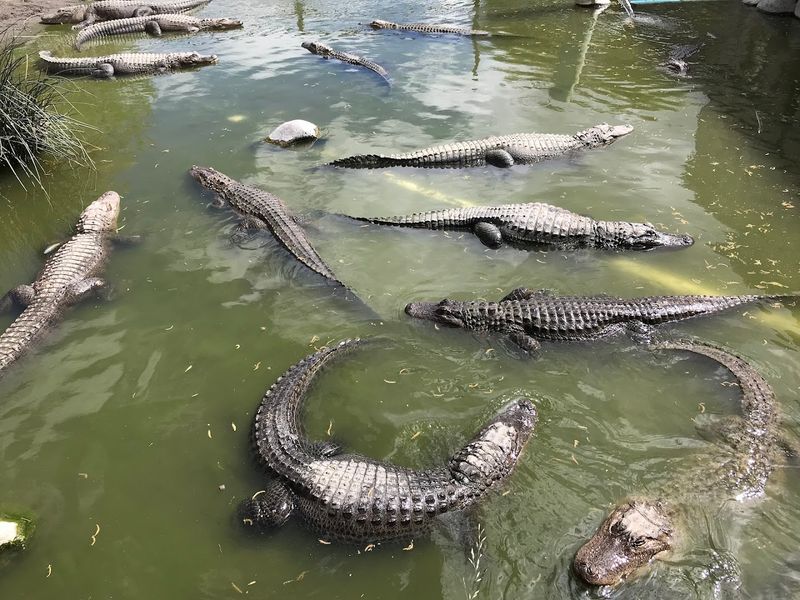
Yes, there are alligators in Colorado. No, I am not making that up.
Colorado Gators Reptile Rescue in Mosca, located at 9162 Lane 9 North, is exactly the kind of wonderfully bizarre detour that makes a road trip feel like a story worth telling at every dinner party for the next decade.
The facility started as a tilapia farm that used geothermal warm water to raise fish, and the alligators were brought in to eat the fish carcasses. One thing led to another, and now it is a fully operational reptile rescue housing hundreds of animals, including alligators, snakes, lizards, and other reptiles that needed a new home.
Open daily from 9 a.m. to 5 p.m. in late spring, it is accessible and genuinely engaging for all ages.
Kids absolutely lose their minds over this place, and adults are not far behind. The handlers are candid, funny, and clearly devoted to the animals in their care.
Mosca sits near Great Sand Dunes National Park, so pairing these two stops makes for an unforgettable day that swings from surreal to sublime and back again. Bring your camera, your sense of humor, and maybe a healthy respect for large reptiles.
8. Zapata Falls Day Use Area – near Mosca
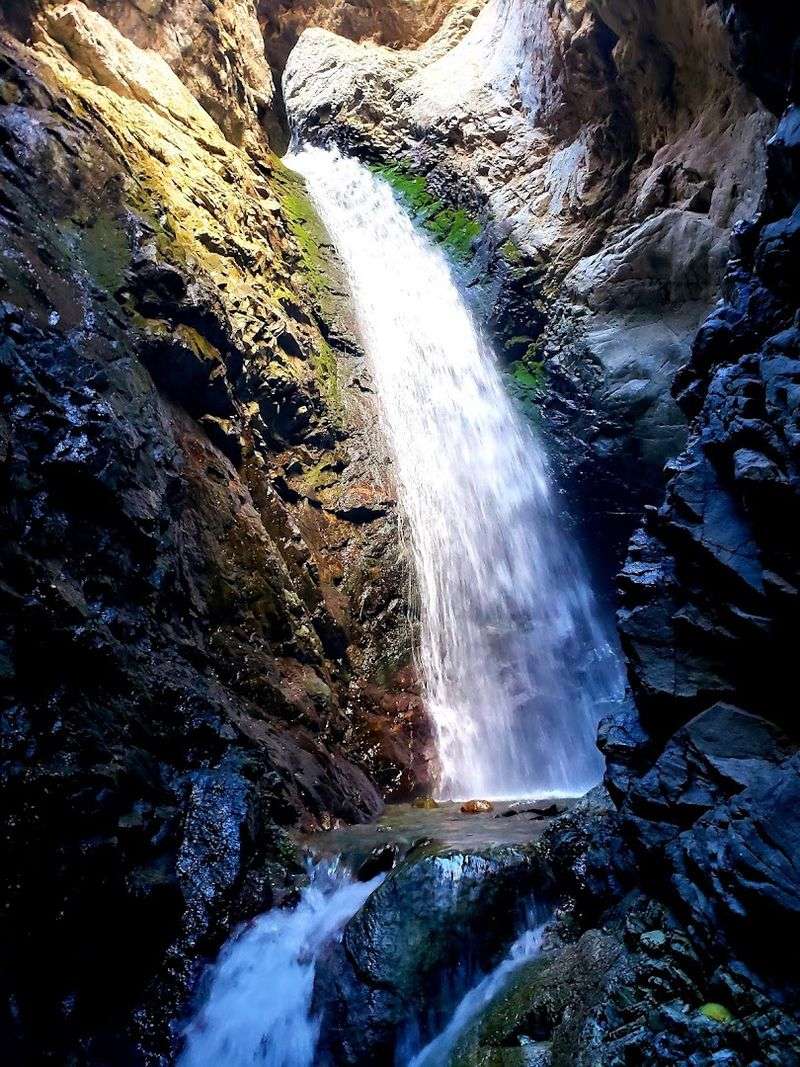
Getting to Zapata Falls requires a short hike and, at the very end, wading through a shallow but icy stream into a narrow slot canyon. That small bit of effort is exactly what keeps the crowds manageable and makes the payoff feel genuinely earned.
The falls near Mosca, accessed via Zapata Falls Road, are especially dramatic in late spring when snowmelt pushes the water flow to its seasonal peak.
The hike itself is only about half a mile round trip, which sounds easy until the terrain reminds you that Colorado does not do flat. The rocky trail climbs quickly, and the canyon entrance requires some careful footing.
Waterproof shoes are not optional here, they are the difference between a great story and a miserable one. Bring them, thank yourself later.
What makes this stop genuinely magical is the setting. You are within sight of the Great Sand Dunes, which means your view on the drive up includes sand dunes, mountains, and high desert scrub all at once, a combination that still makes me question whether I am actually awake.
Pair Zapata Falls with a stop at Great Sand Dunes and Colorado Gators for a full Mosca-area day that covers every possible mood on the emotion spectrum.
9. Fort Garland Museum & Cultural Center – Fort Garland
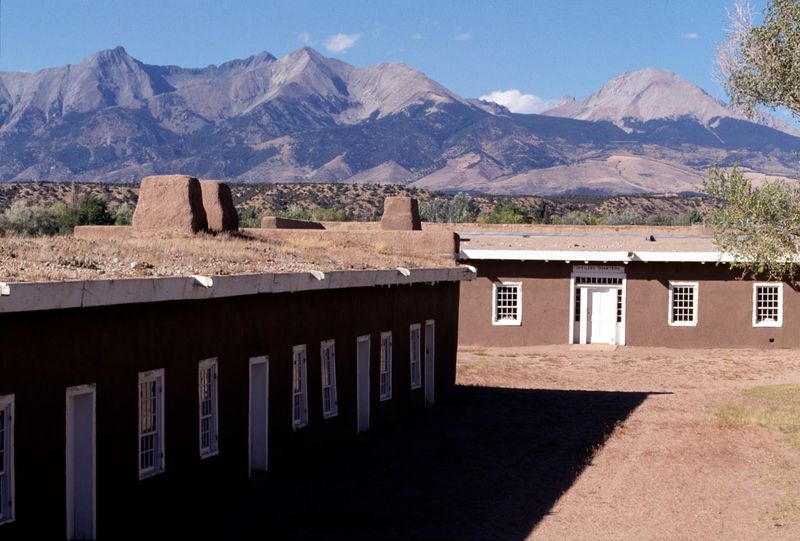
Fort Garland sits in the middle of the San Luis Valley with the Sangre de Cristo Mountains stacked up behind it like a painted backdrop, and the fort itself looks almost exactly as it did when Kit Carson commanded it in the 1860s. The museum and cultural center at 29477 Highway 159 is open daily from March through October, which puts late spring squarely in the sweet spot for a visit.
The history here is layered and genuinely interesting. Fort Garland was established to protect settlers and manage tensions in the region, and its story weaves together military history, Indigenous displacement, and the broader arc of Colorado’s territorial period.
The adobe structures have been preserved with care, and walking through them gives you a physical sense of the past that no exhibit case can fully replicate.
What I find most striking about this stop is the landscape surrounding it. The San Luis Valley is vast and flat in a way that feels almost otherworldly, and the mountains on every horizon give Fort Garland a cinematic quality that photographs beautifully in late spring light.
It pairs naturally with a drive along the Highway 12 Scenic Byway if you are heading south toward Trinidad. History, scenery, and zero pretension.
10. Trinidad Lake State Park – Trinidad
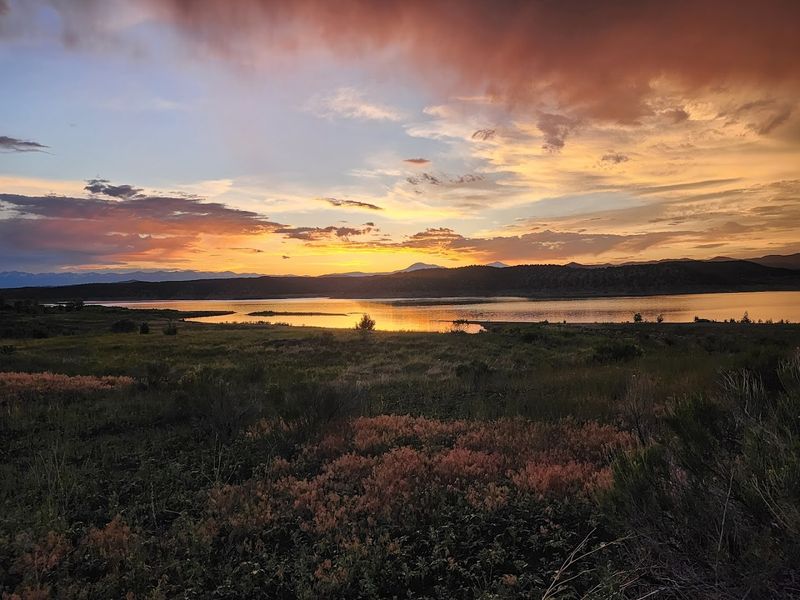
Trinidad has been quietly building a reputation as one of southern Colorado’s most interesting small towns, and Trinidad Lake State Park at 32610 Highway 12 is the natural complement to any time spent exploring the area. The park opens daily from 5 a.m. to 10 p.m., which means early morning hikers and evening strollers both have plenty of room to make themselves at home.
Late spring brings the park to life in the best way. The reservoir fills up, the surrounding hills green out, and the Spanish Peaks loom on the horizon in that specific late-afternoon light that makes you stop mid-sentence and just stare.
Trails wind through a landscape that manages to feel both dramatic and unhurried, which is a combination Colorado does better than almost anywhere else.
Trinidad itself deserves at least an hour of wandering before or after your park visit. The downtown has genuine character, a real arts scene, and some unexpectedly good food options for a town its size.
The park and the town together make a full and satisfying day trip from Pueblo or even Colorado Springs if you do not mind a two-hour drive for scenery this good. My honest verdict: criminally undervisited and entirely worth it.
11. Picket Wire Canyonlands Guided Auto Tour – La Junta
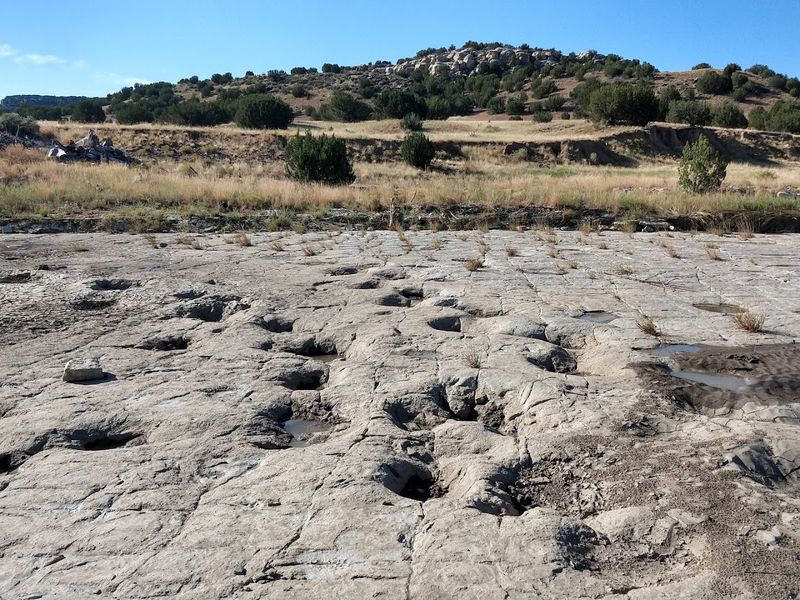
Southeastern Colorado does not get nearly enough credit, and Picket Wire Canyonlands is the best argument I know for changing that. Accessed through the USDA Forest Service Office at 1420 East 3rd Street in La Junta, the guided auto tours available in spring take you into a canyon landscape that holds the largest known dinosaur tracksite in North America.
Let that sink in for a moment.
The tracks are real, remarkably well-preserved, and completely open to the sky, which makes seeing them feel less like a museum visit and more like stumbling onto something the world almost forgot. The canyon itself is striking, carved by the Purgatoire River through layers of rock that shift color with the light throughout the day.
Late spring is ideal because the temperatures are manageable and the landscape holds onto some green before summer turns everything golden and dry.
Tours are guided and require advance planning, which actually works in your favor since it keeps the experience from feeling crowded or rushed. La Junta is a genuine small-town stopover with its own quiet appeal, and combining this with a drive through the surrounding plains gives you a Colorado day that feels completely unlike anything on the mountain side of the state.
Different, surprising, and thoroughly worth the detour.
12. Paint Mines Interpretive Park – Calhan
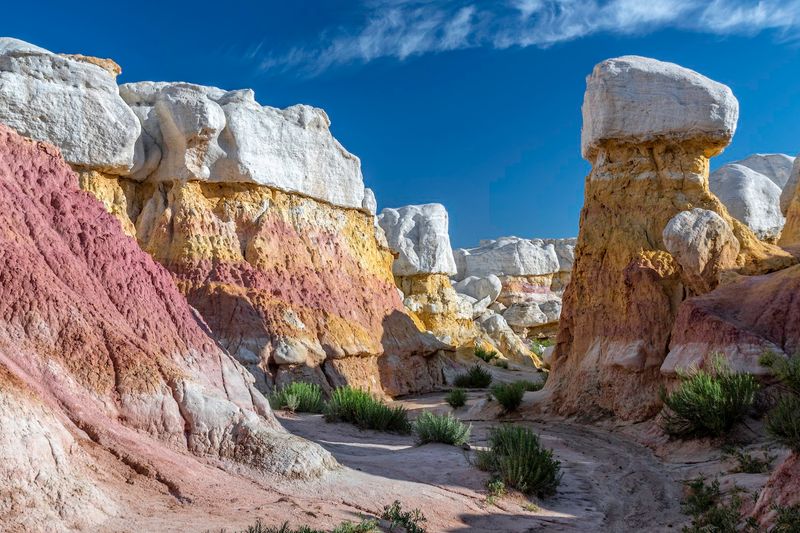
Paint Mines Interpretive Park near Calhan is the kind of place that makes you pull over, get out of the car, and immediately start taking pictures before you have even read a single sign. The clay formations at 29950 Paint Mines Road rise out of the flat prairie in columns of pink, purple, white, and rust, looking like something a very ambitious child built with colored sand and then left to dry in the sun.
Late spring is when this park earns its highest marks. The surrounding grassland fills in with green, wildflowers dot the margins of the trail, and the soft light of May mornings makes the pastel formations practically luminous.
The trails are short and easy, the park is free and open year-round, and the whole experience takes maybe two hours at a relaxed pace. That is an exceptional return on investment by any measure.
Located about an hour east of Colorado Springs, Paint Mines fits naturally into a day trip that swings out onto the Eastern Plains before looping back. Most Colorado visitors never make it out here, which means you will likely have the formations nearly to yourself on a weekday morning.
Bring wide-angle curiosity, comfortable shoes, and a genuine willingness to be caught off guard by something beautiful.