
10 Colorado Hiking Trails Locals Avoid In September Because The Rattlesnakes Are Too Active
September hiking can look harmless right up until the trail starts warming in the sun. Cooler mornings may suggest summer is fading, but rattlesnakes can still be active in rocky, dry terrain, which makes awareness part of the adventure rather than an afterthought.
On certain Colorado trails, the smartest hikers are not nervous, just observant about where they step, sit, and reach. Listen for warning sounds, scan sunlit rocks, and give any snake plenty of room instead of trying to move past quickly.
The goal is not to make the outdoors feel dangerous. It is to keep a beautiful day from becoming unnecessarily complicated.
Water, sturdy shoes, and a map still belong in the pack, but attention deserves a spot too. As September changes the season across Colorado, these routes are reminders that good trail sense can be just as important as strong legs and a great view out there.
1. Reservoir Ridge Trail, Fort Collins
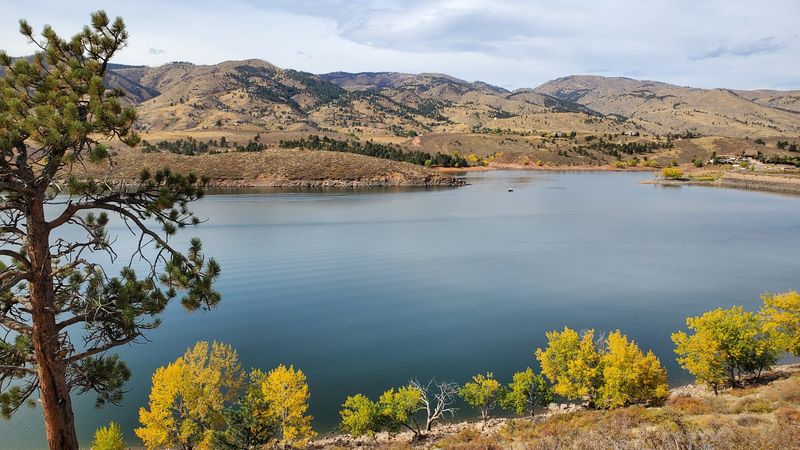
Reservoir Ridge has the kind of foothills terrain that looks harmless until a sunning snake reminds everyone who actually lives there. Fort Collins manages Reservoir Ridge as a natural area, and the city identifies it as one of the places where visitors are more likely to meet rattlesnakes, including during the fall activity period.
The trail system covers about five miles, with rugged paths, open slopes, and views toward Horsetooth Reservoir and the surrounding foothills. Reservoir Ridge Trail is not a deep wilderness trek, which can make people relax too much.
September is exactly when that relaxed mood needs a little editing, because warm rocks and late-season movement can keep prairie rattlesnakes active.
Staying on the trail is the boring advice that actually matters here. Dogs should be leashed where rules require it, and hikers should avoid stepping over rocks or logs without checking the landing spot first.
If a rattlesnake appears, give it room and let the trail ego take the afternoon off. Reservoir Ridge Trail is still a valuable Fort Collins outing, but in September, the smartest local move may be choosing cooler timing or another route.
2. Wild Loop Trail, Devil’s Backbone Open Space, Loveland
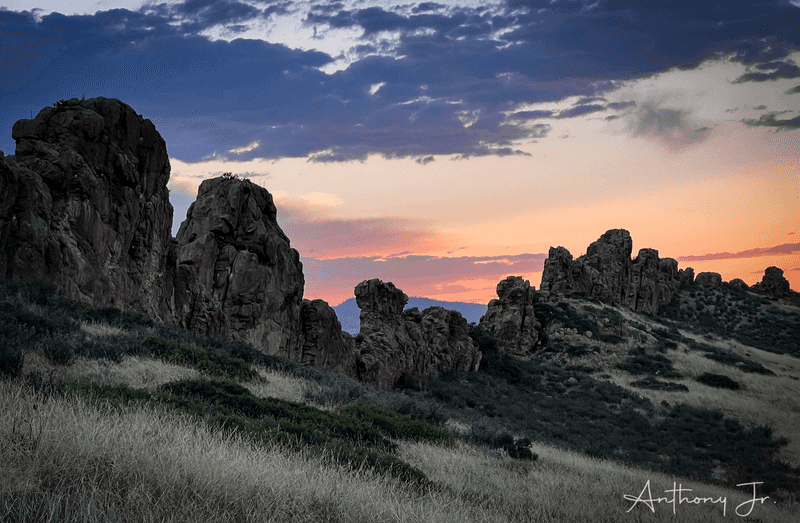
At Devil’s Backbone Open Space, the rocks do not exactly whisper subtlety. Wild Loop Trail passes through exposed foothills country near Loveland, where the famous rock spine gives the open space its name and where snake awareness is not just a tiny sign nobody reads.
Larimer County keeps Devil’s Backbone Open Space open year-round and specifically tells visitors to stay on the trail to avoid disturbing wildlife, including rattlesnakes. The county has even hosted a prairie-rattlesnake education hike here, which is a pretty clear hint that Wild Loop Trail belongs in the cautious September category.
The loop is not long by Colorado standards, but rocky, sunny ground can create good conditions for reptiles looking for warmth.
For hikers, the practical plan is simple: watch the trail ahead, keep hands away from rock cracks, and do not let curiosity turn into a close-up photo session. Children and dogs need extra guidance, because neither group is famous for reading wildlife notices carefully.
Wild Loop Trail can be a fine outing outside peak snake activity, yet in September many careful locals would rather admire Devil’s Backbone from a little more distance and with fewer surprises underfoot.
3. Basalt Cap Loop, South Table Mountain Park, Golden
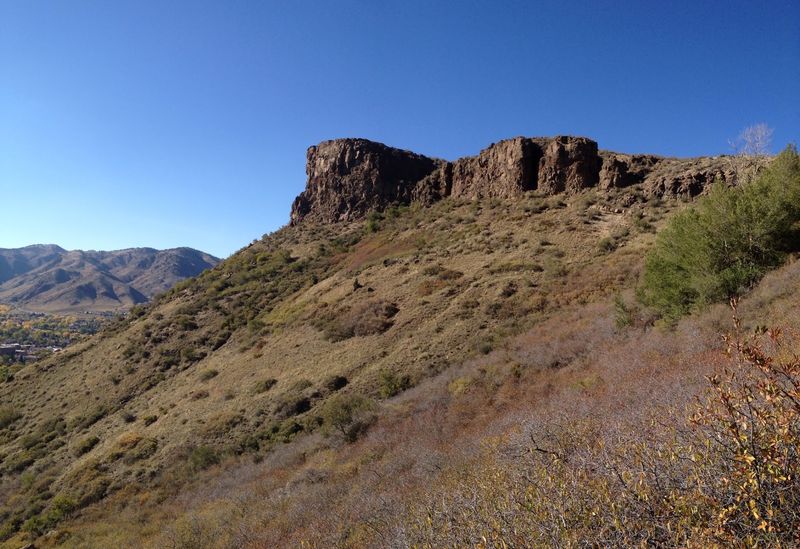
Golden has no shortage of famous hikes, which may be why Basalt Cap Loop feels like the quieter cousin who skipped the group photo. South Table Mountain Park sits on a flat-topped mesa formed by ancient lava flows, and the Basalt Cap Loop explores that dry, rocky upper landscape.
Jefferson County manages South Table Mountain Park, and the area has documented historical rattlesnake activity, especially around the Camp George West side of the mountain. That matters in September because warm days can still bring snakes onto trails, rocks, and grassy edges.
Basalt Cap Loop remains an active hiking route, but its open mesa setting gives rattlesnakes plenty of places to blend in with the scenery.
Anyone considering this trail should think less about mileage bragging and more about foot placement. Step carefully, avoid shortcuts, and pause before sitting on rocks or placing a hand on ledges.
The Colorado foothills often look dry and simple from a distance, but small wildlife details change the whole calculation. Basalt Cap Loop is a useful reminder that a less promoted trail can still carry very real seasonal risks.
In September, locals who know South Table Mountain may save this mesa walk for cooler conditions.
4. Cobalt Trail, Boulder
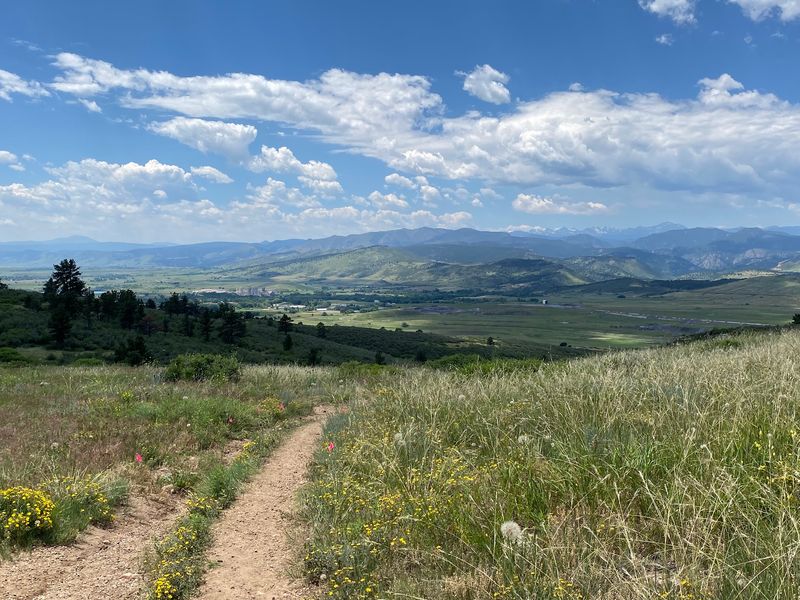
Cobalt Trail is short enough to sound like an after-work stroll, which is exactly how it can sneak under a hiker’s caution radar. Boulder lists Cobalt as an open trail, and the city plainly warns that rattlesnakes inhabit the area.
Unlike the headline Boulder hikes that attract long planning sessions and dramatic snack choices, Cobalt Trail is comparatively low-profile. That does not make it snake-free.
The trail’s dry grasses, open ground, and foothills setting are the kind of habitat where a prairie rattlesnake can be hard to spot until the moment becomes memorable for all the wrong reasons.
September hikers should treat Cobalt Trail with the same respect they would give a longer backcountry route. Stay on the designated path, scan several steps ahead, and avoid wearing earbuds so loud that a warning rattle becomes background music.
Dogs should remain under close control, because a quick nose into brush can create trouble fast.
The useful thing about Cobalt Trail is its simplicity. The risky thing is also its simplicity.
In Colorado, small trails still cross real wildlife habitat, and Boulder says rattlesnakes live here. That is enough reason for many locals to pause before choosing it during active fall conditions.
5. Rimrock Trail, Castlewood Canyon State Park, Franktown
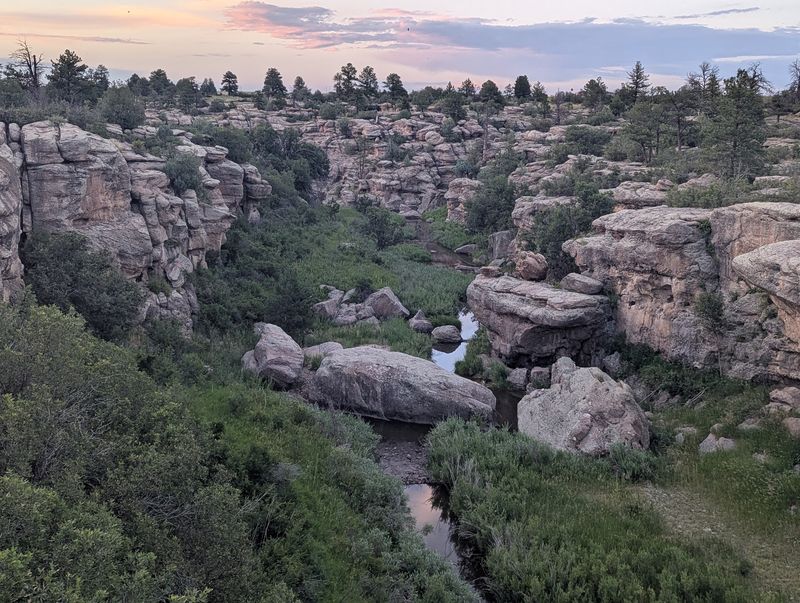
Rimrock Trail sounds like it was named by someone who wanted hikers to picture exactly where their ankles would be tested. At Castlewood Canyon State Park near Franktown, the 2.14-mile trail crosses the drier upper terrain above the canyon, where open ground and rock make snake awareness especially sensible.
Colorado Parks and Wildlife lists Rimrock as an active trail and tells visitors at Castlewood Canyon to be cautious of rattlesnakes along park trails. The park is also known for the remains of the Castlewood Dam, which failed in 1933 and sent floodwater toward Denver.
That history gives the park a bigger story than its mileage suggests, but September hikers still need to pay attention to the living residents, not only the old stonework.
Rimrock Trail is not the place for wandering off route to inspect every ledge like a junior geologist with poor survival instincts. Keep feet where the trail is clear, look before stepping near rocks, and give any snake a wide, calm path to leave.
Families should brief kids before the hike, not after someone hears a rattle. Castlewood Canyon remains a strong Colorado state park, but Rimrock in September asks for careful choices.
6. South Rim Trail, Roxborough State Park, Roxborough
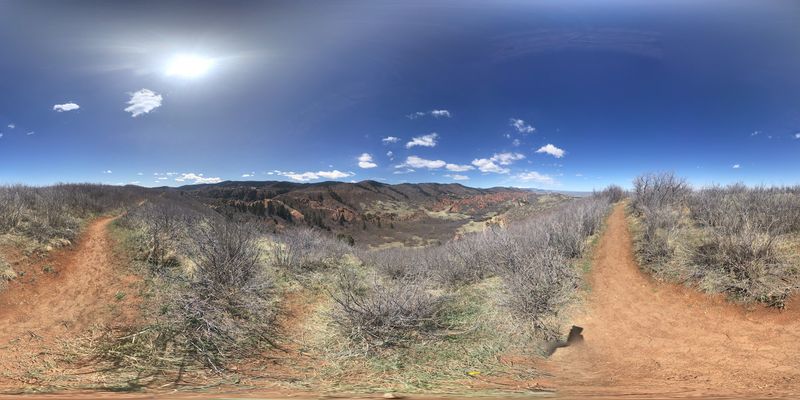
Roxborough State Park is famous for red sandstone formations that seem almost too arranged to be natural, but the wildlife is not decorative. South Rim Trail is a 1.8-mile route in the park, and Colorado Parks and Wildlife currently reports no special trail closures there.
The same agency also warns hikers throughout Roxborough State Park to watch for rattlesnakes. That warning carries weight in September, when warm afternoons can still keep snakes active along sunny trails and near rocks.
South Rim Trail gives visitors a way to see the park’s tilted Fountain Formation, the same rock layer that appears at nearby Front Range landmarks, but the scenery should not pull every bit of attention upward.
Good hiking manners here include giving wildlife space, staying on marked trails, and not stepping into grass or brush for a better camera angle. Roxborough is a state park with rules designed to protect fragile land and the animals using it.
A rattlesnake on or near South Rim Trail is not being rude. It is simply at home.
For September planning, locals often weigh the beauty of the red rocks against the extra alertness the season demands, then make the grown-up choice before lacing boots.
7. Arkansas Point Trail, Lake Pueblo State Park, Pueblo
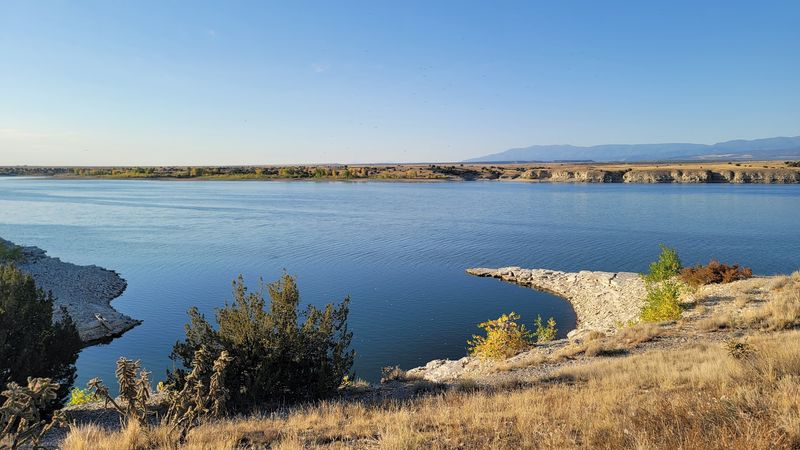
Lake Pueblo State Park can feel more like open southern prairie country than the postcard version of Colorado with snowy peaks hogging the frame. Arkansas Point Trail is a 1.5-mile route at the park, and it sits in habitat where visitors should think carefully about reptiles.
Colorado Parks and Wildlife lists the prairie rattlesnake among the reptiles present at Lake Pueblo State Park. The park also includes a large reservoir on the Arkansas River, with dry slopes, rocky areas, and warm exposed ground nearby.
Arkansas Point Trail remains available, with no park trail closures reported, but September can still offer enough warmth for rattlesnakes to move and bask.
The best advice is practical rather than dramatic. Wear closed-toe shoes, keep pets close, and avoid stepping off the trail into brush because someone spotted a better view.
Watch where you place hands if you stop near rocks, and never try to move a snake.
Arkansas Point Trail earns its place on this list because southeastern Colorado has a different rhythm than the cooler high country. Fall does not arrive everywhere at the same speed.
At Lake Pueblo, September can still feel very much like snake season, even when a calendar insists summer is packing up.
8. Hogback Nature Trail, Lathrop State Park, Walsenburg
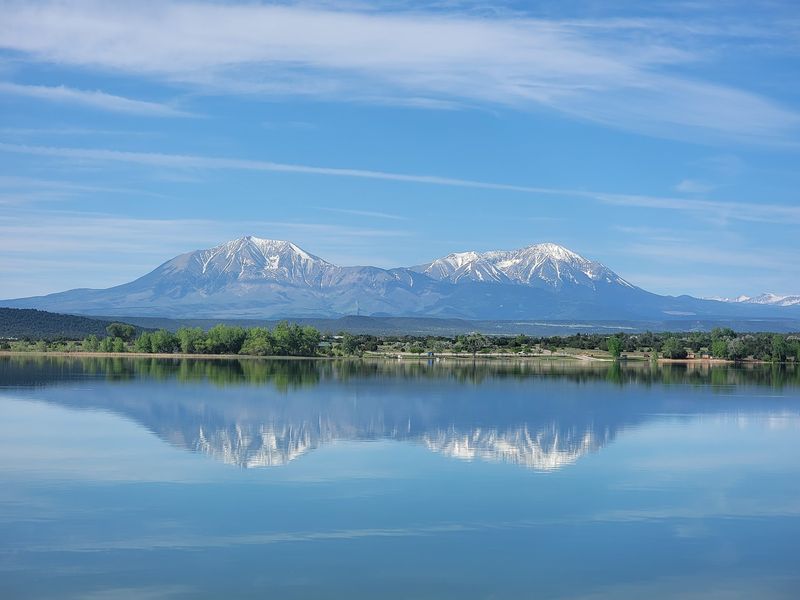
Hogback Nature Trail has a name that sounds friendly, like a trail that might offer a pamphlet and a sensible hat. At Lathrop State Park near Walsenburg, the two-mile unpaved route crosses southern Colorado terrain where prairie rattlesnakes are part of the park’s wildlife list.
Colorado Parks and Wildlife identifies prairie rattlesnakes as residents of Lathrop State Park, which remains open daily. The park is Colorado’s first state park, established in 1962, and sits near the Spanish Peaks, two volcanic mountains that shape the view from the area.
Hogback Nature Trail gets less attention than many Front Range hikes, but lower attention does not mean lower wildlife awareness.
September visitors should keep the pace unhurried and the eyes working. Stay on the trail, avoid tall grass at the edges, and do not treat rocks as casual seats without checking first.
If hiking with children, explain that rattlesnakes should be watched from far away, not studied like a classroom pet with fangs.
The trail’s shorter distance may make it tempting as a quick leg-stretcher during a southern Colorado trip. In rattlesnake season, quick is fine.
Careless is the part locals try to avoid.
9. Reilly Canyon Trail, Trinidad Lake State Park, Trinidad
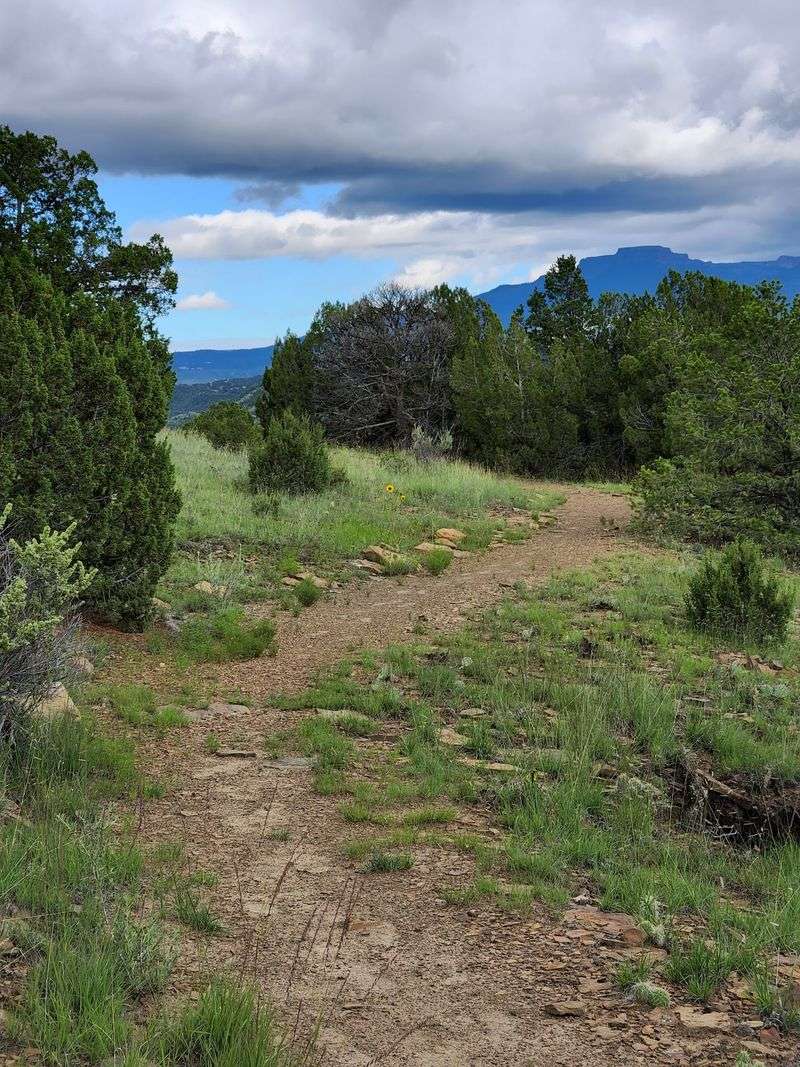
Reilly Canyon Trail is the list’s understated entry, the one not waving from a crowded trailhead brochure. At Trinidad Lake State Park, the four-mile route is officially classified as low use, running through canyon and ridge terrain that asks hikers to be self-aware.
Colorado Parks and Wildlife lists prairie rattlesnakes among the reptiles found at Trinidad Lake State Park. That fact matters because low-use trails can feel peaceful, but they also may place hikers farther from quick help and closer to undisturbed wildlife patterns.
Reilly Canyon Trail remains active, and its canyon setting gives snakes places to shelter, move, and warm themselves during suitable September weather.
Planning here should be a little more deliberate than tossing a granola bar into a pocket and calling it strategy. Carry water, tell someone your plan, and stay on the route.
Watch sunny rocks and trail edges, especially before placing hands or stepping around blind corners.
Reilly Canyon Trail makes sense for hikers who like quieter state park routes, but September is not the month to sleepwalk through it. Trinidad Lake’s reptile list is not trivia.
It is useful trip information, delivered without drama but with enough force to change smart local plans.
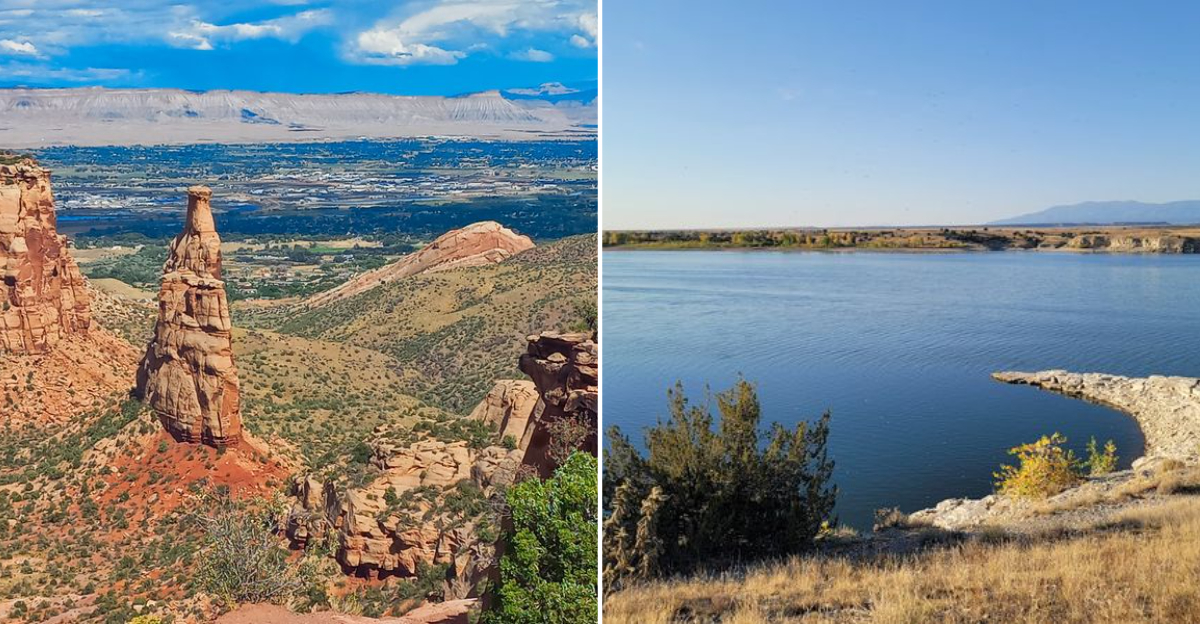
10. Ute Canyon Trail, Colorado National Monument, Near Grand Junction
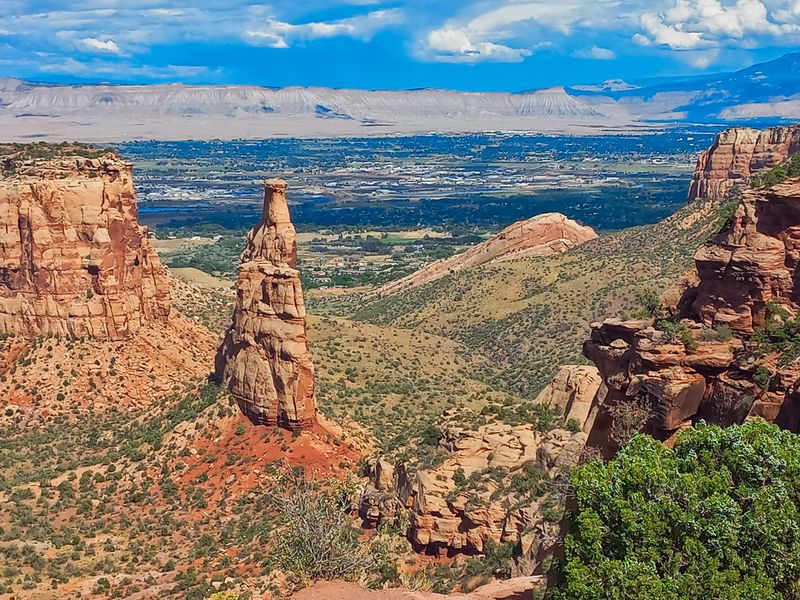
Ute Canyon Trail brings the Western Slope into the conversation, and it does so with no interest in pretending to be casual. In Colorado National Monument near Grand Junction, Ute Canyon is a steep seven-mile one-way backcountry route through desert canyon terrain.
The National Park Service confirms that the venomous midget faded rattlesnake lives in Colorado National Monument. The agency also notes that reptiles there can remain active through late October, which makes September a serious month for snake awareness.
Ute Canyon Trail is not a short interpretive loop with easy exits. Its length, terrain, and desert setting require planning before the first step.
Hikers should check current monument information, carry enough water, and understand the route before committing. Stay alert around rocks, ledges, and shaded pockets where a snake could be resting.
Never reach where you cannot see, which is also fine life advice for motel ice machines, but especially useful in canyon country.
Ute Canyon Trail is included because Colorado’s rattlesnake story is not only a Front Range issue. Out near Grand Junction, warmer desert conditions can stretch reptile activity later into fall.
For September, locals with sense may admire the monument from more forgiving trails or overlooks instead.