
10 Colorado Hiking Trails Locals Skip In October Because The Rattlesnakes Are Too Active
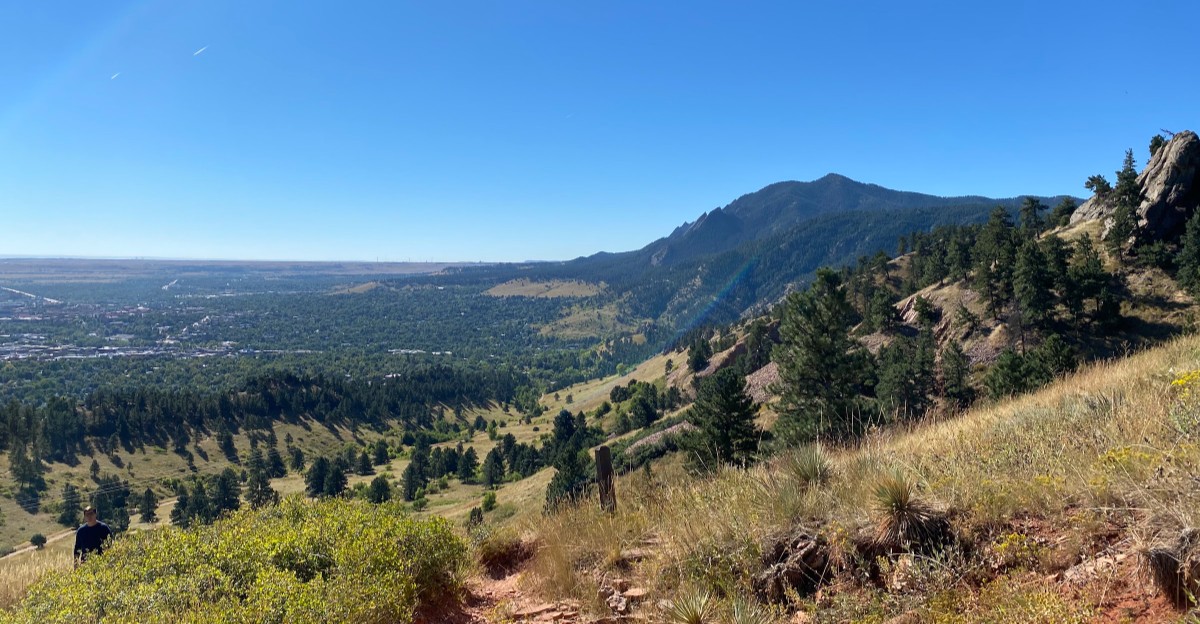
October can fool hikers into thinking the trail has gone quiet for the season. Cool mornings suggest autumn, but a warm afternoon can change the picture quickly, especially where sun-baked rock and open slopes hold heat.
Along parts of the Front Range in Colorado, rattlesnakes may still be active when conditions cooperate, which makes awareness more useful than alarm. There is no good reason to treat every October hike like a snake gauntlet, and there is no solid evidence that locals abandon these routes wholesale once the calendar flips.
The smarter approach is wonderfully unglamorous: watch where you place your hands and feet, give wildlife space, and pay extra attention around rocky edges and sunny stretches. That kind of trail sense matters during fall hiking anywhere, including Colorado when daytime temperatures climb.
October still belongs on the hiking calendar. It simply rewards people who notice what the landscape is doing.
1. Reservoir Ridge Trail, Fort Collins
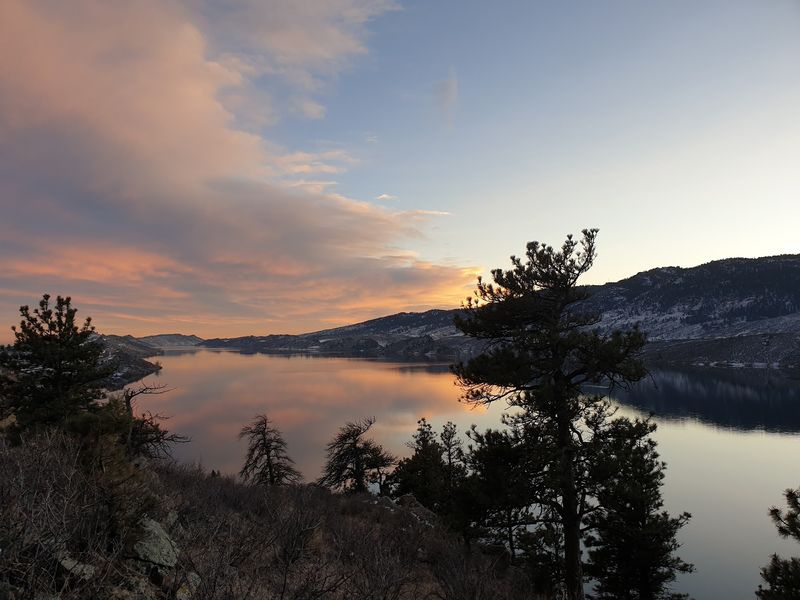
A rocky trail deserves more attention than the calendar on your phone. Reservoir Ridge Trail crosses foothills terrain at Reservoir Ridge Natural Area, a Fort Collins site the city specifically identifies as having a higher likelihood of rattlesnake encounters.
That warning gives this entry firmer footing than a general guess about snake habitat. It does not establish that October encounters are common, or that residents stop hiking here once fall arrives.
On a warm day, keep your eyes on the walking surface and the edges of rocks. Avoid putting your hands into cracks or stepping over a ledge without checking the other side first.
For families, set the rules before leaving the trailhead: stay together, remain on the trail, and leave every snake alone. A short leash helps keep a dog from investigating grass or rock piles beyond your view.
If a rattlesnake blocks the route, stop and give it room rather than trying to hurry it along. Turn back if passing would bring you close.
Check Fort Collins natural area notices before heading out, since trail conditions can change. Reservoir Ridge belongs on a Colorado snake awareness list because of the city’s warning, not because a cool month automatically makes the trail unsafe.
2. Cathy Fromme Prairie Trail, Fort Collins
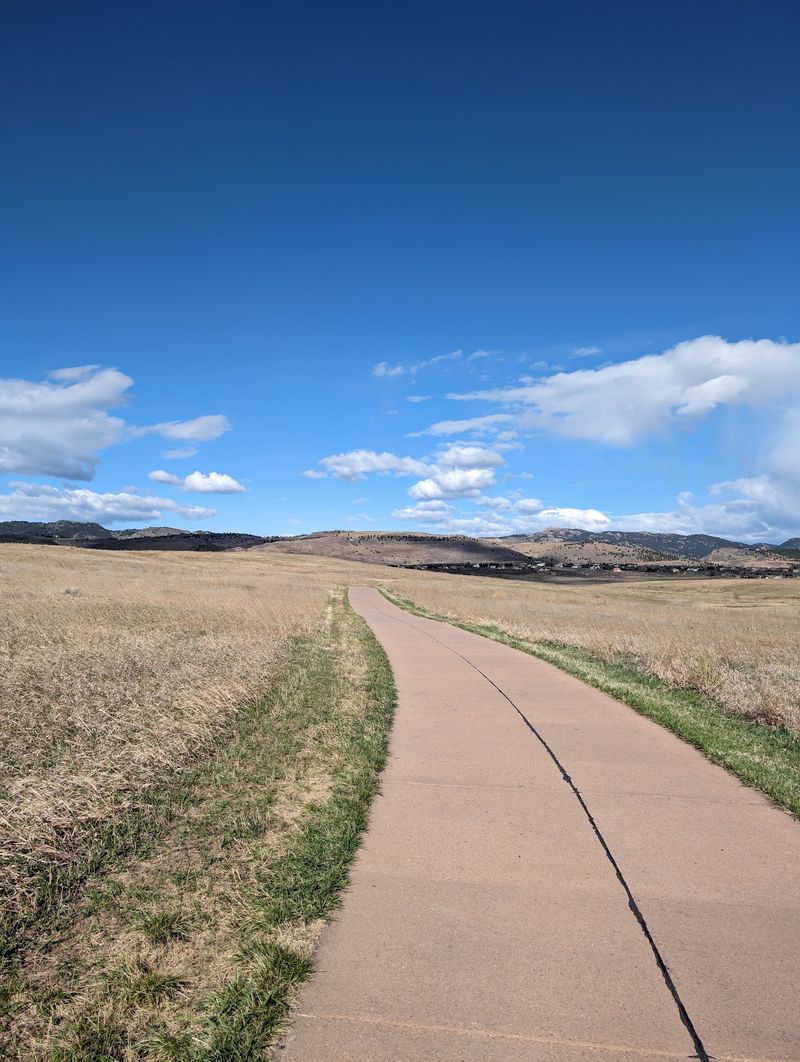
Prairie walks can look reassuringly simple, which makes paying attention surprisingly easy to forget. Cathy Fromme Prairie Trail runs through an open natural area that Fort Collins specifically includes among places with a higher likelihood of rattlesnake encounters.
The city also identifies rattlesnakes at this site, so caution here is grounded in more than the landscape’s appearance. The natural area’s listed hours are 5 a.m. to 11 p.m.; check official notices before relying on those hours for a visit.
Open ground does not mean every animal will be obvious. Grass beside the trail can hide a snake, and a warm October afternoon does not guarantee that reptiles have settled into winter shelter.
Keep children close enough to hear a calm instruction, and give dogs a short leash. Earbuds that block outside sounds are better left in a pocket while crossing habitat where snakes occur.
Should you spot one, stop at a generous distance and let it move without help. No photo is worth stepping closer, and tossing objects at a snake only creates trouble.
Cathy Fromme Prairie Trail offers a reminder: an uncomplicated walking route still passes through wildlife habitat. Plan around the actual conditions rather than treating October as an automatic safety signal.
3. Bobcat Ridge Trails, Fort Collins/Loveland
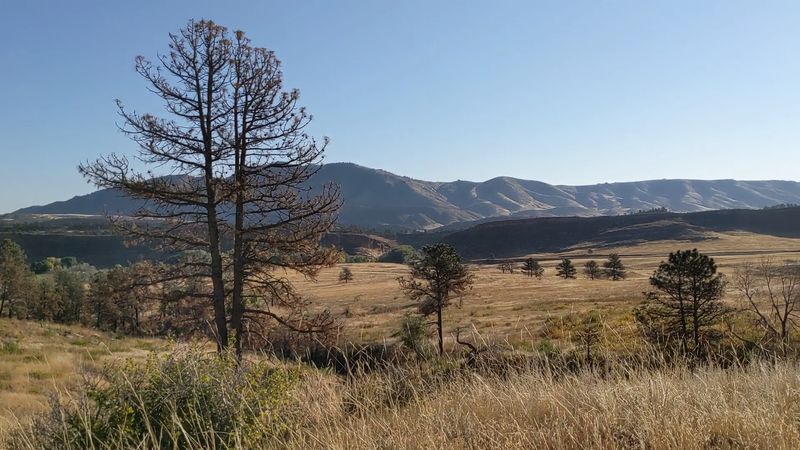
The name points toward one animal, but hikers should remember another. Bobcat Ridge Trails lie within a Fort Collins natural area near Loveland that the city specifically flags for a higher likelihood of rattlesnake encounters.
Its mix of open ground and foothills slopes gives visitors more to consider than a single stretch of path. Snake awareness belongs beside the usual planning for distance, changing weather, water, and the return walk.
October is not a reliable dividing line between active snakes and absent snakes. Warm conditions can allow activity to continue, while colder weather may reduce it; neither situation supports a promise that a route is snake free.
Before choosing among Bobcat Ridge Trails, review the city’s current trail map and alerts. Do not build a trip around a proposed trail opening without confirming that access has actually begun.
At rocky sections, watch where both feet and hands go. Take breaks on clear ground rather than beside a crevice you have not checked.
A snake sighting is a reason to pause, not crowd around for a group photograph. Back away and choose another route if needed.
For Colorado hikers, the useful distinction is simple: Bobcat Ridge has an official caution, not a documented October boycott.
4. North Table Mountain Trails, Golden
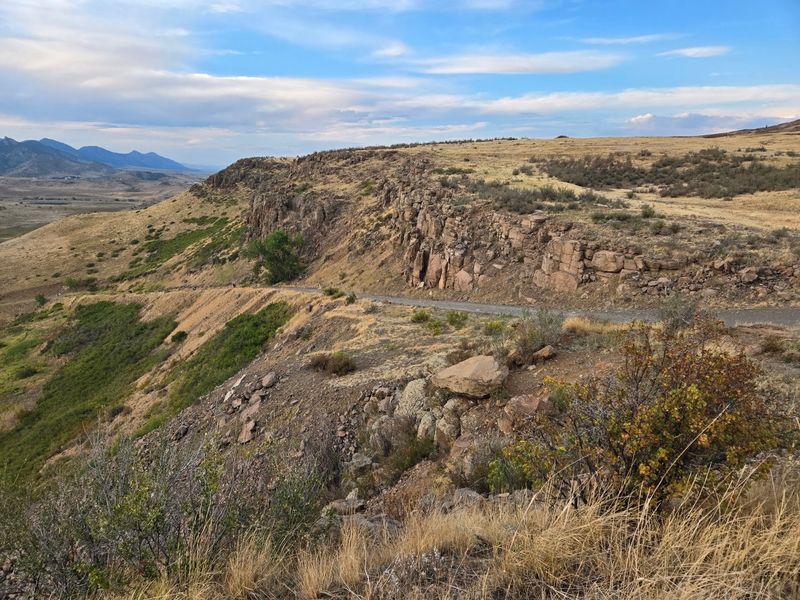
More than 15 miles of trails give a mesa plenty of room to complicate your plans. North Table Mountain Trails explore a Jefferson County park above Golden, where dry grassland and rocky slopes fit prairie rattlesnake habitat.
The flat summit and rock lined approaches distinguish this outing from a shaded mountain forest walk. They also explain why hikers should watch the ground instead of assuming fall scenery comes with a seasonal wildlife shutdown.
Habitat alone cannot tell you how many snakes are active on a particular October day. Nor does it show that Golden residents routinely avoid the park that month.
Choose a route from the official park map and check Jefferson County alerts before leaving home. A large trail network offers options, but an alternate path is useful only when you know where it leads.
Give rock edges and grassy shoulders a careful look before stopping for water. Keep your boots on the established tread rather than cutting across terrain to shorten a bend.
If you encounter a rattlesnake, allow space and wait from a safe distance, or retreat. Never try to move it with a trekking pole.
North Table Mountain rewards planning: know your route, carry water, and let wildlife keep its space.
5. South Table Mountain Trails, Golden
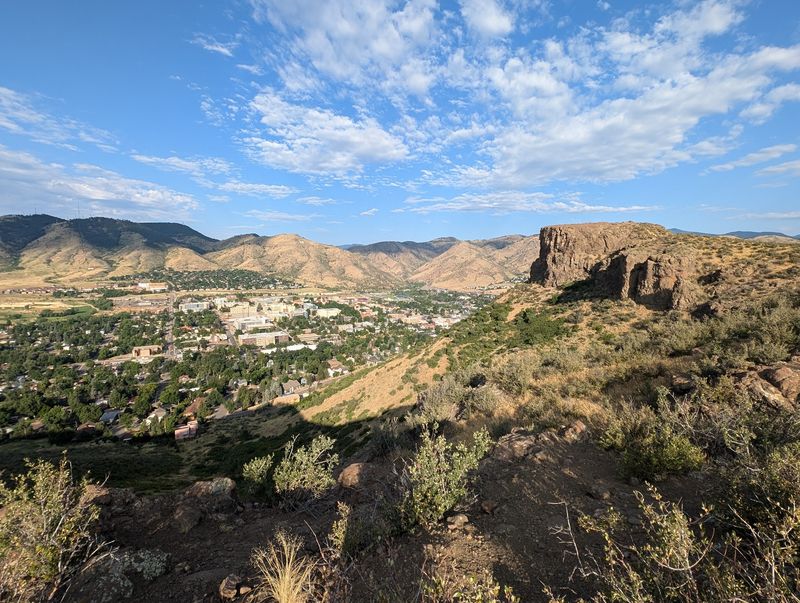
Exposed rock changes how you read a trail. South Table Mountain Trails cross a lower Front Range mesa near Golden, with open slopes and rock outcrops that make rattlesnake awareness a sensible part of the outing.
Jefferson County manages this park, which is separate from North Table Mountain. Their similar names are not interchangeable, so use the correct park map and trailhead information when planning your walk.
The October concern is weather dependent, not a fixed rule written on a calendar. Sunny ground can remain suitable for snake activity during warm fall spells, but that does not establish unusually high activity across the month.
Watch the landing spot before stepping down from a rock. Keep hands away from gaps, and avoid leaning into cracks to steady yourself without first checking them.
For a couple outing, agree that either person can call a pause or a turnaround. Finishing a route is less useful than making a comfortable decision together.
Review current park alerts before travel, including any temporary work that could affect access. Do not assume a maintenance notice means the entire park is closed.
South Table Mountain is a place to stay observant, not proof that Colorado hiking must stop when October warm weather arrives.
6. Mount Falcon Park Trails, Morrison
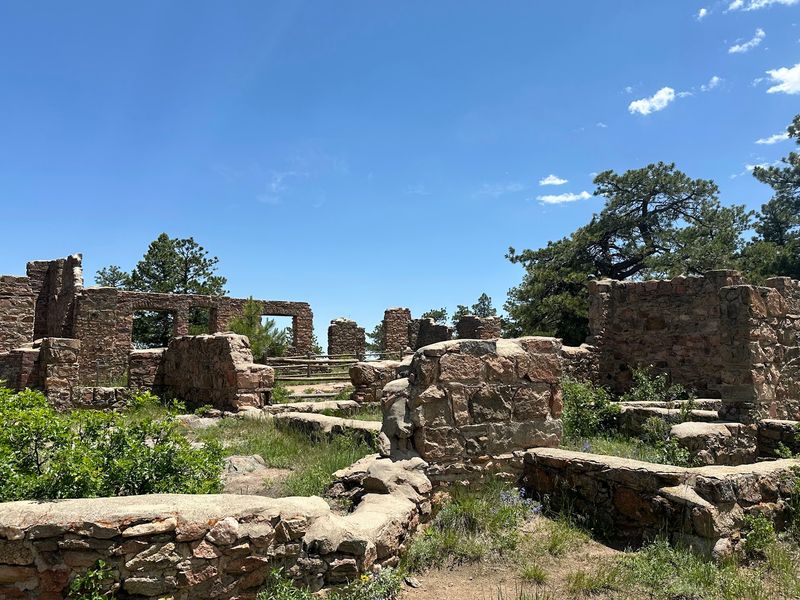
A mountain park does not have one uniform set of conditions. Mount Falcon Park Trails include lower, sunny foothills slopes near Morrison, where rocky ground makes a warm weather rattlesnake encounter biologically plausible.
That matters because hikers sometimes picture only cooler, wooded terrain when they hear a mountain name. The conditions at a lower trail section can differ from those farther uphill.
There is no evidence here that locals abandon Mount Falcon in October because snakes become especially active. The more useful approach is to judge the weather, the route, and your comfort with wildlife.
Check Jefferson County’s park page for current access information before setting out. A closure affecting one area should not be mistaken for a closure of every trail, but it still deserves attention.
Choose footwear with reliable grip so you can stop without scrambling if something appears ahead. Leave enough room between hikers for everyone to see the ground rather than simply following the shoes in front.
Near rocks, pause before reaching for a handhold or sitting down. A quick look is more useful than a quick assumption.
Mount Falcon Park Trails call for ordinary care. Keep your plans flexible, respect temporary restrictions, and give any snake an undisturbed way out.
7. Matthews/Winters Park Trails, Golden
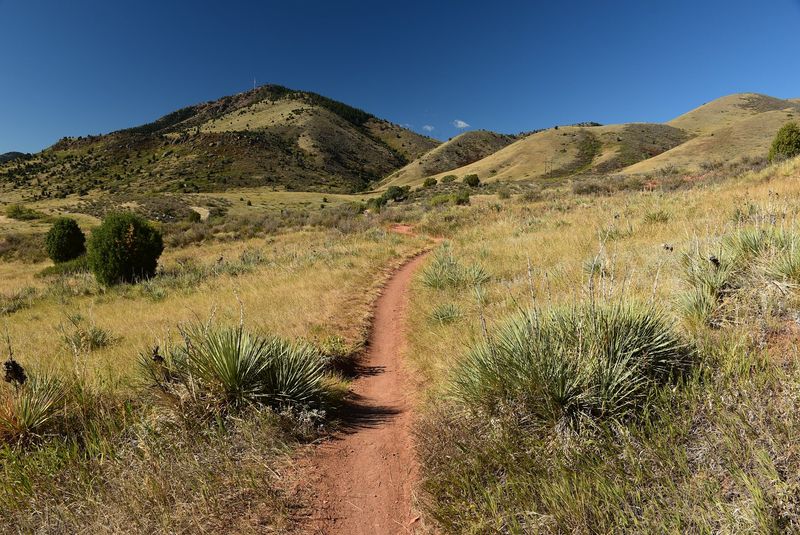
The hogback landscape supplies a reason to keep looking down as well as out. Matthews/Winters Park Trails run through dry foothills near Golden, where rocky ridges and open ground place hikers within prairie rattlesnake habitat.
Those long ridges are part of the setting, not evidence that a snake waits around every corner. October encounters remain possible in suitable weather, but the terrain alone cannot establish how often they happen.
For a road trip stop, resist treating a short hike as a walk that needs no preparation. Bring water, consult the Jefferson County map, and check current park notices before choosing a route.
Avoid stepping into grass to pass another group when a clear spot ahead would work. Remaining on the trail helps protect the landscape and makes your next foot placement easier to see.
If someone spots a snake, tell nearby hikers calmly and give the animal room. Crowding around it turns a manageable pause into an unnecessary problem.
Colorado foothills can hold active wildlife after the season starts looking different to people. Clothing changes faster than animal behavior does.
Matthews/Winters Park Trails belong in a fall caution guide because of their habitat, not because documented local advice says to avoid them throughout October entirely.
8. Mount Sanitas Trail, Boulder
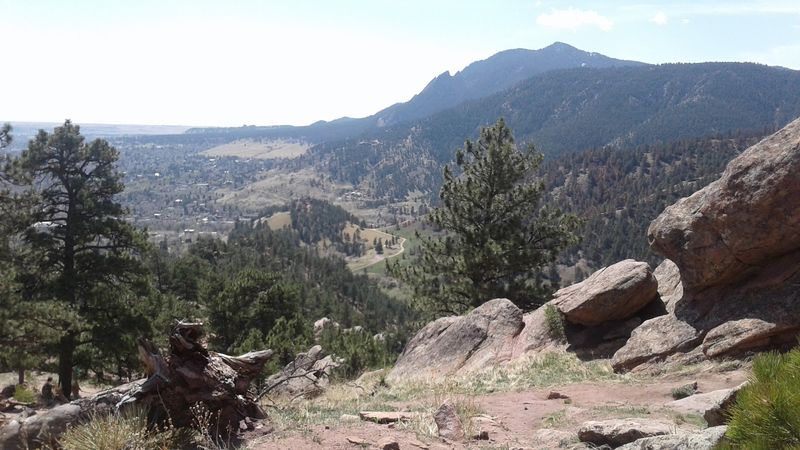
Your feet already have plenty to do on a rugged climb. Mount Sanitas Trail in Boulder includes boulders, exposed rock, and meadow terrain, making careful foot placement useful even before rattlesnakes enter the conversation.
The trail’s lower Front Range setting supports the possibility of snake activity during warm fall weather. That is a caution about habitat and conditions, not a verified claim that October brings unusually frequent encounters.
Use Boulder’s official Open Space and Mountain Parks information to confirm trail status before visiting. An open trail can still require judgment about weather, daylight, fitness, and wildlife.
When climbing rocky sections, inspect a handhold before reaching beyond what you can see. Do the same with the far side of a step, especially where a boulder hides your next landing spot.
Solo hikers should share their route and expected return time with someone. Carry a phone, but do not assume service will be available everywhere you might need it.
If a snake appears ahead, stop rather than attempting an awkward pass on rough footing. Retreat if there is no generous space.
Mount Sanitas Trail needs attention, not alarm. The practical October question is whether today’s conditions suit your plan, not whether the month carries a blanket warning.
9. East Ridge Trail At Mount Sanitas, Boulder
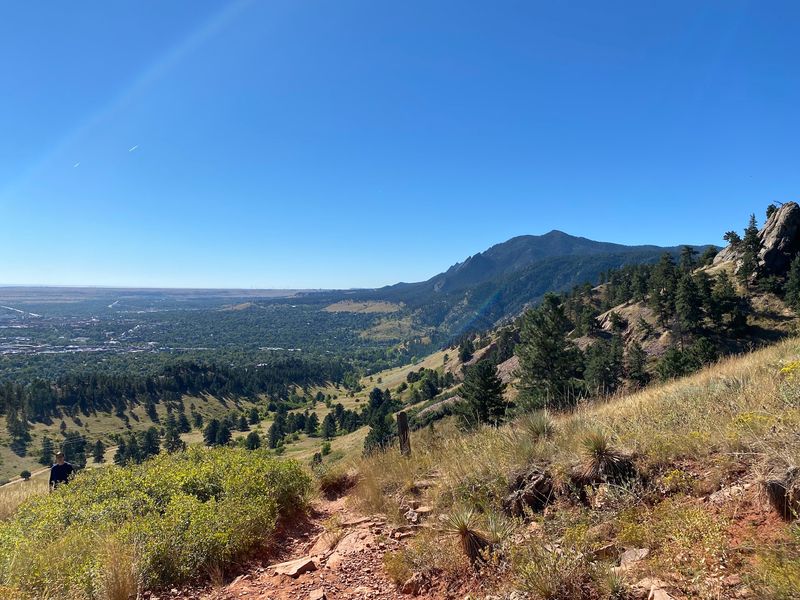
Rock outcrops make a trail interesting, but they also interrupt your view of the ground. East Ridge Trail At Mount Sanitas combines rocky sections with open meadow terrain in Boulder’s foothills.
Its setting makes lingering rattlesnake activity plausible on warm October days. It should not be described as a route residents routinely reject, because habitat is not evidence of local behavior.
Before heading out, check Boulder’s official trail information and understand how your chosen route connects with the surrounding network. Similar destination names can make a casual screenshot less useful than a proper map.
On rough sections, keep a pace that allows you to inspect each step. Fast movement and limited visibility are an unhelpful combination when you are trying to notice wildlife.
Never reach behind a rock to retrieve something without seeing the space first. A dropped snack is not worth turning a simple hike into a risky search.
If anyone is bitten by a suspected rattlesnake, call 911 and limit movement while awaiting instructions. Do not cut the wound, apply ice, or try to remove venom.
Colorado hikers can respect snakes without surrendering every fall outing. East Ridge Trail At Mount Sanitas calls for a realistic plan and room to change it when needed.
10. Sanitas Valley Trail, Boulder
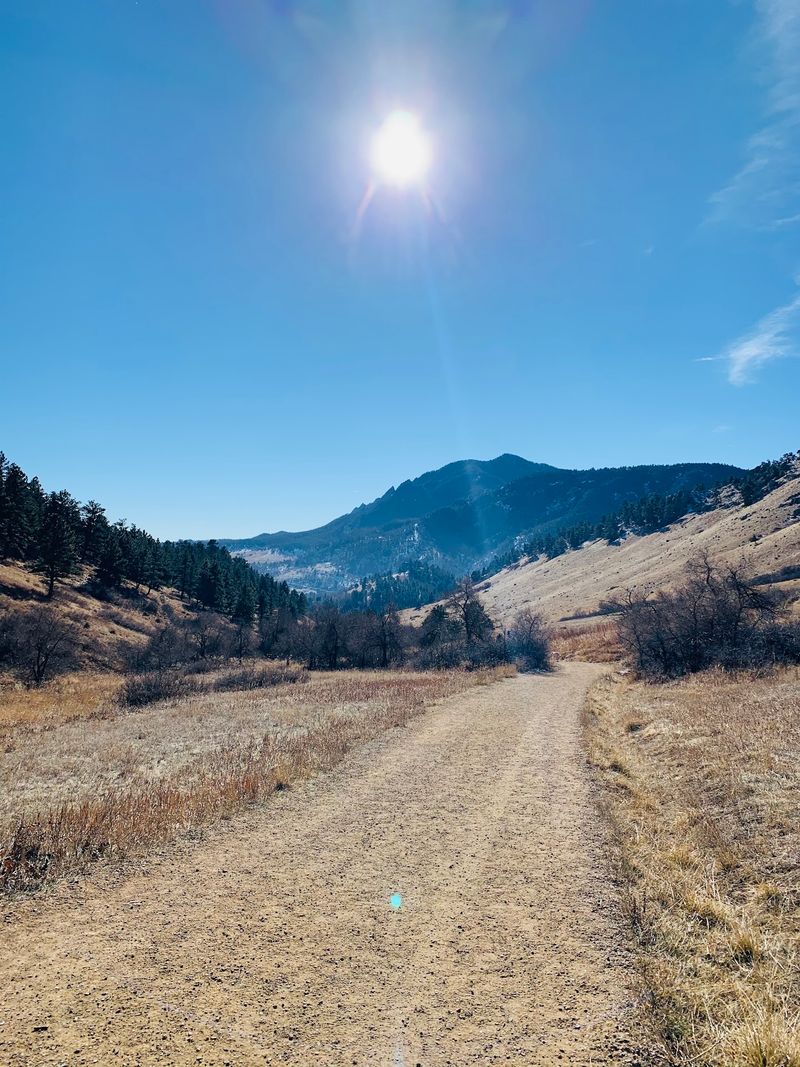
A broad path can feel less demanding than a rocky ridge, but wildlife does not sort routes by difficulty. Sanitas Valley Trail follows an open, sun exposed valley within Boulder’s lower elevation Front Range landscape.
That setting makes warm fall snake activity possible even when the walking surface looks straightforward. It does not prove that rattlesnakes are especially active in October or that residents commonly skip the trail.
For families, the wider route can make staying together easier, but trail edges still deserve attention. Explain that spotting a snake means stopping and telling an adult, not following it into the grass.
Keep dogs close, and avoid letting them nose into vegetation beyond the path. A leash is useful only if it leaves you enough control to prevent an unexpected approach.
Check Boulder’s current trail status before visiting, and choose a turnaround point that fits your group’s energy. Nobody needs to negotiate the return walk after everyone is already tired.
When a snake occupies the trail, patience or retreat is better than trying to clear the way yourself. Allow plenty of distance.
Sanitas Valley Trail closes this list with the right lesson: October changes the season, but it does not switch off every animal’s activity.