
10 Colorado Markets Helping Families Save Thousands On Back-To-School Lunches
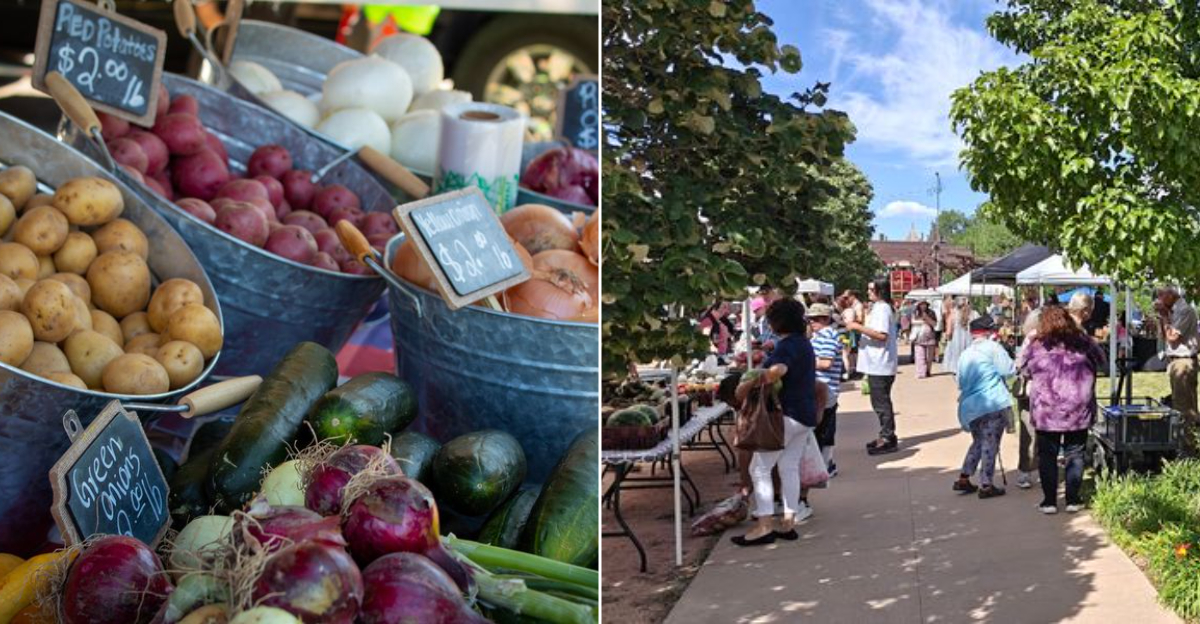
School shopping is expensive enough without watching the grocery bill climb every time the lunchbox needs restocking.
That is where farmers markets can become surprisingly powerful budget helpers, especially when families know which savings programs to use.
Across Colorado, participating markets offer Double Up Food Bucks, a program that can match SNAP spending on eligible Colorado-grown produce, dollar for dollar, up to $20 per visit.
That means a trip for peaches, tomatoes, greens, or other fresh produce can stretch farther than expected, turning a routine market run into a smarter way to prepare for busy school weeks.
The savings may look modest on one visit, but repeated trips can make a noticeable difference when lunches need fresh ingredients day after day.
From the Western Slope to the San Luis Valley, Colorado communities have plenty of opportunities to shop locally while keeping an eye on the household budget.
With August moving quickly, now is the time to mark the markets that fit your routine and make every eligible dollar work harder.
1. Rifle Farmers Market – Rifle

Friday evenings have a certain magic in Rifle, Colorado, and the farmers market running from 4 to 8 p.m. every Friday, June 20 through September 5, is a big reason why. You get that golden-hour light falling across rows of fresh Colorado-grown produce while the whole town seems to slow down just a little.
For a Western Slope community, this market punches well above its weight.
The real headline here is Double Up Food Bucks. SNAP shoppers can receive up to $20 per day in matching funds for Colorado-grown produce, which means a $20 purchase effectively becomes $40 worth of fresh food.
For families building school lunch routines around real vegetables and fruit, that kind of leverage matters enormously.
Rifle is easy to overlook when bigger Front Range markets get all the attention, but that is precisely the charm. Fewer crowds, genuine community energy, and a schedule that fits around a working family’s week.
If you are in the Grand Valley corridor or passing through on a summer Friday, stop here first. You will leave with a full tote bag and, quite possibly, a new favorite weekly habit before school bells ring again.
2. Mancos Valley Farmers Market – Mancos
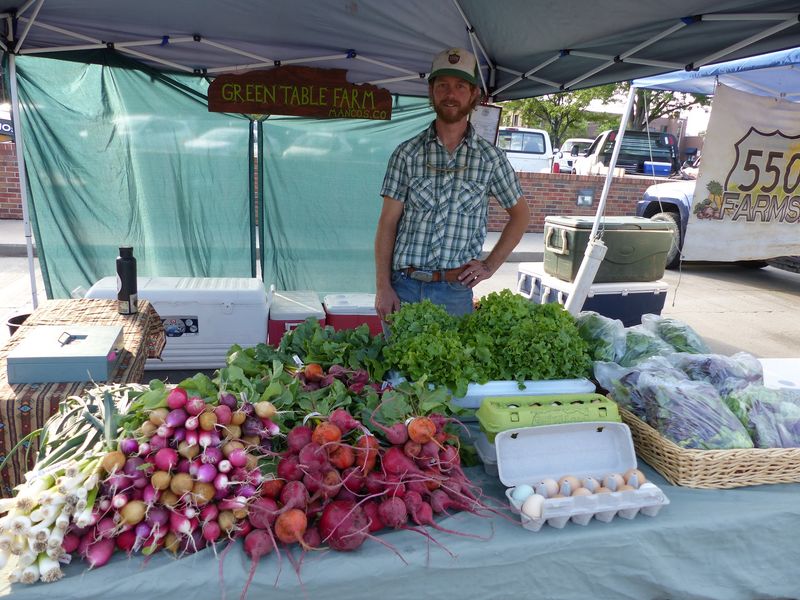
There is something quietly wonderful about a market that does not try too hard. Mancos runs its Thursday market from 4 to 6 p.m., June 5 through October 9, and the vibe is exactly what you would expect from one of Colorado’s most unhurried small towns.
No pretense, no overpriced artisan candles crowding out the carrots. Just good food and neighbors catching up.
Families shopping on SNAP benefits can stretch every eligible dollar through the Double Up Food Bucks matching program, turning a modest grocery run into a genuinely substantial haul of locally grown produce. That translates directly into more variety on school lunch trays without stretching the household budget past its breaking point.
Mancos sits tucked between Mesa Verde Country and the La Plata Mountains, which gives the whole experience a scenic backdrop that bigger city markets simply cannot replicate. The two-hour Thursday window feels tight at first, but it keeps things efficient.
You show up, you fill your bag with real food, and you are home before dinner gets complicated. For families in the Four Corners region looking for a reliable, low-stress market with genuine savings built in, Mancos deserves a regular spot on the weekly calendar.
3. Alamosa Farmers Market – Alamosa
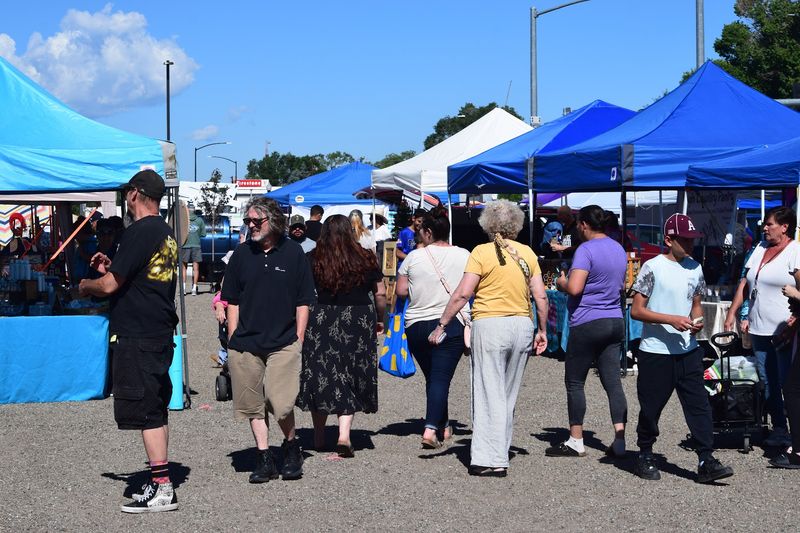
The San Luis Valley grows some of the best potatoes on the planet, and the Alamosa Farmers Market is where that agricultural pride goes public every Saturday from 8 a.m. to 1:30 p.m., July 5 through October 11. That generous five-and-a-half-hour window is a gift for families who prefer a relaxed morning over a frantic grab-and-go.
Double Up Food Bucks participation means a $20 SNAP purchase generates another $20 in eligible produce purchasing power. For a family stocking up on school-week lunches and snacks, that matching benefit can cover a serious chunk of the weekly fresh food budget.
The valley’s farming heritage means local produce here is not a trend; it is a way of life going back generations.
Alamosa itself is worth knowing better. At 7,500 feet of elevation in one of the widest, flattest valleys in North America, it has a frontier-town openness that feels genuinely different from mountain resort communities.
The market reflects that straightforward character. You will not find a lot of fuss here, just honest food at fair prices with a savings program that rewards families who show up ready to shop.
For southeastern Colorado families, this is a Saturday morning well spent.
4. Gunnison Farmers Market – Gunnison
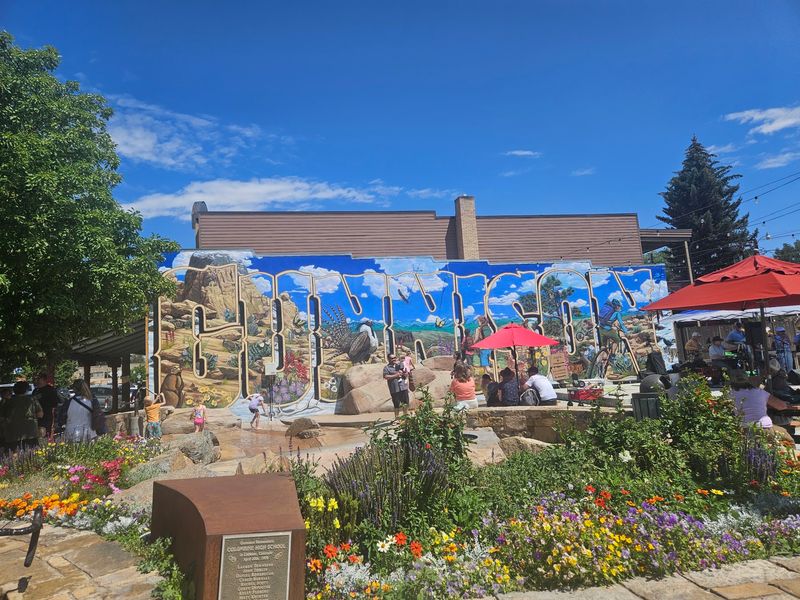
Gunnison sits at nearly 7,700 feet, which means summer arrives fashionably late and the produce season is shorter but sweeter. The market runs Saturdays from 9:30 a.m. to 1 p.m., June 7 through October 18, giving families a solid stretch of the season to build a fresh-food routine before school schedules take over completely.
As a 2026 Double Up Food Bucks location, Gunnison offers SNAP shoppers the same dollar-for-dollar matching on Colorado-grown produce that makes these markets so valuable for budget-conscious households. In a mountain community where grocery options can feel limited, that matching program is not just a perk; it is a meaningful resource.
What I appreciate about Gunnison is that it fills a geographic gap on any honest statewide list. The Front Range gets plenty of attention, and rightly so, but families in Gunnison County deserve a quality local market with real savings built in.
The town has a working, unpretentious energy that Western Slope communities tend to carry well. Saturday mornings here feel purposeful rather than performative.
Load up on whatever is fresh, note the stunning mountain backdrop without overthinking it, and get home in time to prep a week’s worth of school lunches while the vegetables are still at peak flavor.
5. Salida Farmers Market – Salida
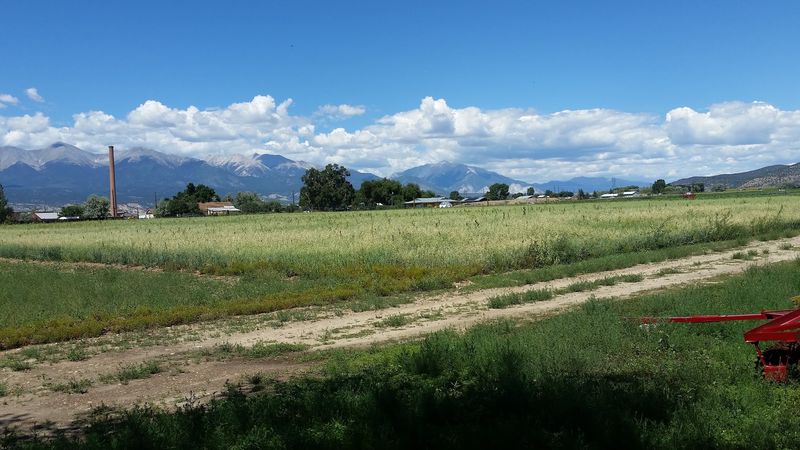
Salida has quietly become one of Colorado’s most beloved small cities, and the farmers market running Saturdays from 8 a.m. to noon, June 7 through October 25, fits that reputation perfectly. The season stretches almost to Halloween, which makes it one of the longer-running markets on this list and one of the most useful for families easing into school routines.
That late-summer timing is genuinely strategic. By mid-August, when back-to-school shopping is in full swing, Salida’s market is hitting its stride with peak-season produce.
Families can stock the refrigerator with Colorado-grown vegetables and fruit while the Double Up Food Bucks program doubles every SNAP dollar spent on eligible produce, up to $20 per visit.
There is a creative, artsy energy in Salida that makes the market feel like more than a grocery run. The town has cultivated a reputation for outdoor adventure and local culture in equal measure, and the market reflects both.
You might arrive for the savings and stay for the atmosphere. Either way, the practical benefit is real: fresh, affordable food for school lunches, sourced locally, purchased with a financial cushion that makes the trip feel less like spending and more like investing in the week ahead.
6. Fruita Farmers Market – Fruita
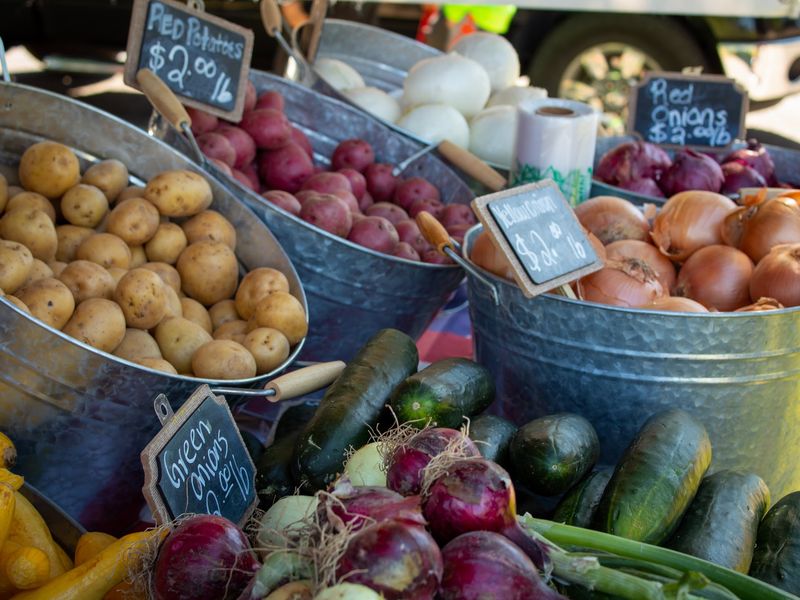
Fruita has a personality all its own, equal parts mountain biking mecca and genuine agricultural community, and the Saturday farmers market captures that mix honestly. Running from 8:30 a.m. to noon, June 14 through October 25, it gives Western Colorado families a reliable weekly source of locally grown food right through the heart of back-to-school season.
Fresh fruit and vegetables are exactly where the Double Up Food Bucks matching program delivers its biggest benefit, and Fruita’s market is well-positioned to take advantage of that. SNAP shoppers can receive up to $20 in matching funds for Colorado-grown produce per visit, which stretches a tight grocery budget in a way that packaged food simply cannot replicate.
What makes Fruita feel different from other Western Slope markets is the sheer agricultural variety of the region. The Grand Valley’s climate produces an impressive range of fruits, from peaches to melons, alongside the expected vegetable staples.
For school lunches, that variety is a genuine advantage. Kids are more likely to eat what they recognize, and a rotating selection of fresh, local produce keeps things interesting week after week.
Fruita is the kind of market you start visiting for the savings and keep returning to because the food is just genuinely good.
7. Pagosa Farmers Market – Pagosa Springs
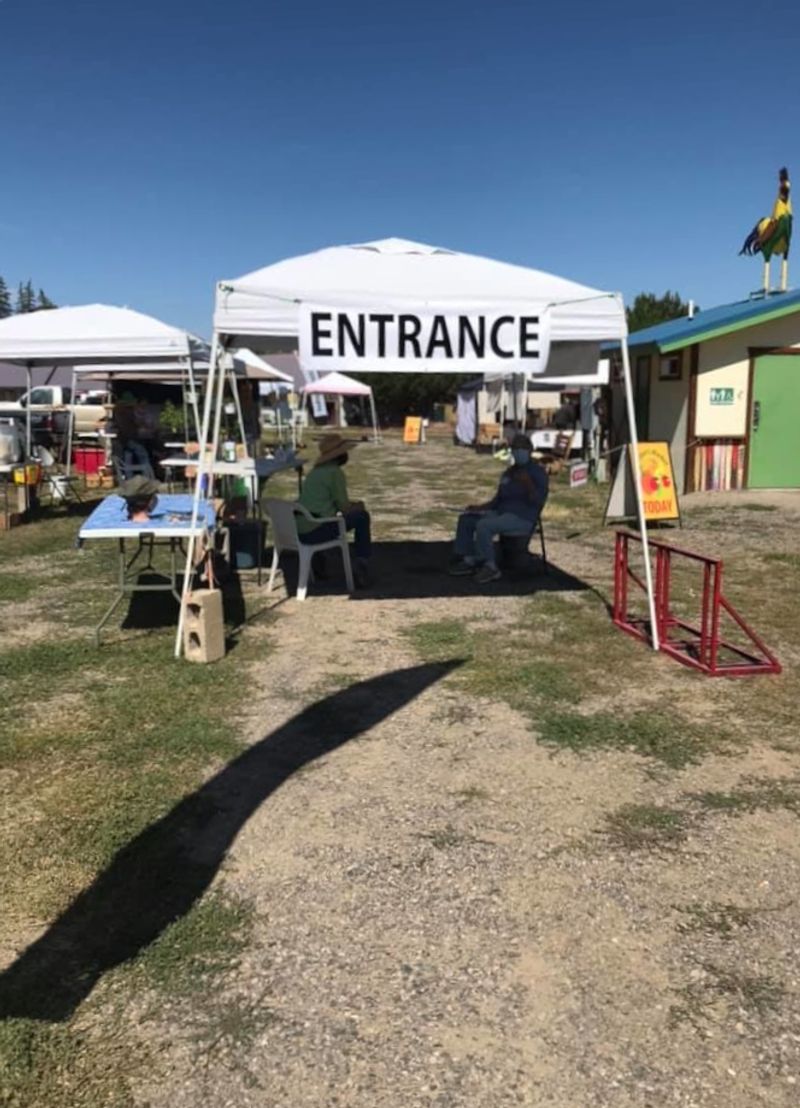
Pagosa Springs is the kind of place that feels like a discovery even when you have been there before. The Saturday farmers market, running from 9 a.m. to noon into late September, carries that same sense of pleasant surprise.
It is not a market built around tourism, and that distinction matters when you are shopping for real food on a real budget.
Participation in Double Up Food Bucks means SNAP shoppers can match their produce purchases dollar for dollar, turning a modest market visit into a meaningful grocery run. For families in Archuleta County, where access to affordable fresh food can be genuinely limited, this is not a small thing.
It is a practical lifeline dressed up as a pleasant Saturday outing.
The market’s scale keeps things manageable. You are not navigating a sprawling event with hundreds of vendors; you are shopping with intention in a community setting where the farmers often know the regulars by name.
That personal connection to food sources is something worth passing on to kids before they disappear into the school-year routine. A Saturday morning at Pagosa’s market, with a bag full of matching-funded produce, is exactly the kind of low-effort, high-return habit that families in the mountains tend to hold onto for years.
8. Trinidad Community Farmers Market – Trinidad
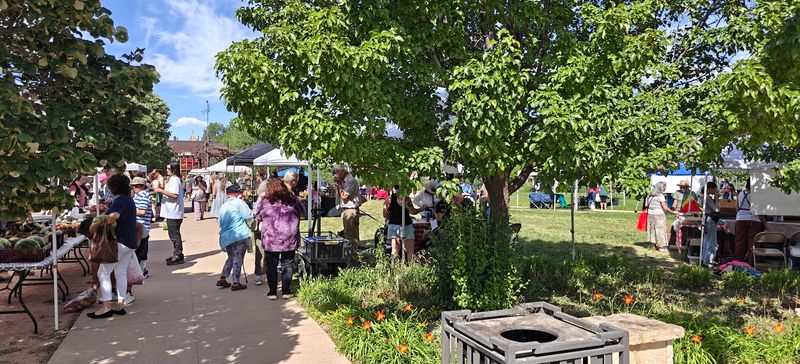
Trinidad does not always make the shortlist when people talk about Colorado farmers markets, and that is a genuine oversight worth correcting. The Trinidad Community Farmers Market runs Saturdays from 8 a.m. to noon, June 21 through September 27, bringing fresh, locally grown food to a corner of the state that sometimes gets left off the map entirely.
Southeastern Colorado has its own agricultural story, and Trinidad is a good place to hear it. The Double Up Food Bucks program means SNAP shoppers can stretch eligible produce purchases through a dollar-for-dollar match, up to $20 per visit.
For families in Las Animas County stocking up for school-week lunches, that matching benefit is a direct and meaningful contribution to the household food budget.
Trinidad itself carries a rich history and a working-class honesty that gives the market a grounded, unpretentious character. Shopping here feels like participating in something real rather than performing a lifestyle.
The season runs through late September, which aligns well with the back-to-school window, giving families enough time to establish a Saturday morning routine before the weather turns and the school calendar gets fully overwhelming. If you have never made the drive to Trinidad for anything, the farmers market is a genuinely good reason to start.
9. Woodland Park Farmers Market – Woodland Park
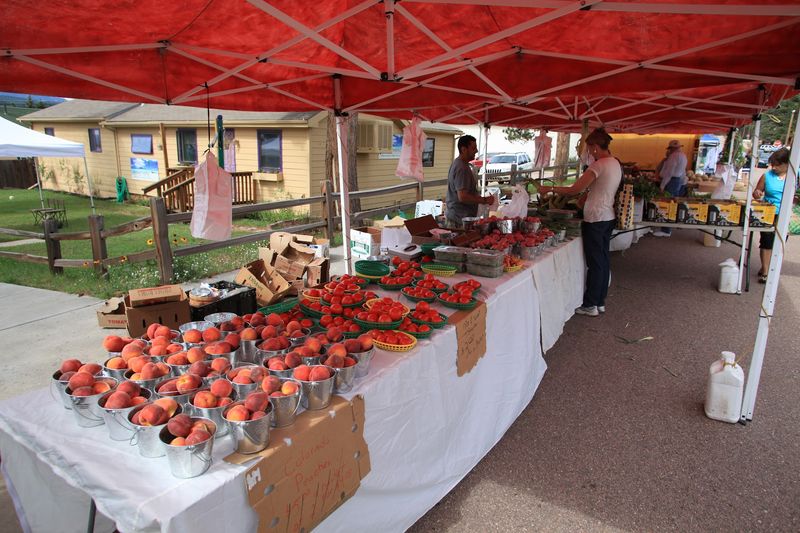
Woodland Park sits just west of Colorado Springs at over 8,000 feet, earning its nickname as the City Above the Clouds. The Friday farmers market, running from 8 a.m. to 1 p.m., June 6 through September 26, gives mountain families a five-hour shopping window that is genuinely generous for a market of this size and character.
Friday timing sets Woodland Park apart from the Saturday-heavy schedule that most markets follow. For families who spend weekends on sports, hikes, or road trips, a Friday morning market fits into the rhythm of the week without competing with everything else.
Double Up Food Bucks participation adds the financial incentive that makes the trip worthwhile beyond just the fresh air and mountain scenery.
This market flies well under the radar compared to the larger Front Range options closer to Denver, and that is precisely what makes it appealing. Smaller crowds, genuine community feel, and a location that rewards the short drive up Highway 24 with mountain views that cost nothing extra.
For families living in Teller County or commuting from the Springs, Woodland Park’s market is an under-the-radar gem that deserves a regular spot on the weekly agenda, especially in those busy weeks right before school starts up again.
10. Grand Junction Downtown Farmers Market – Grand Junction
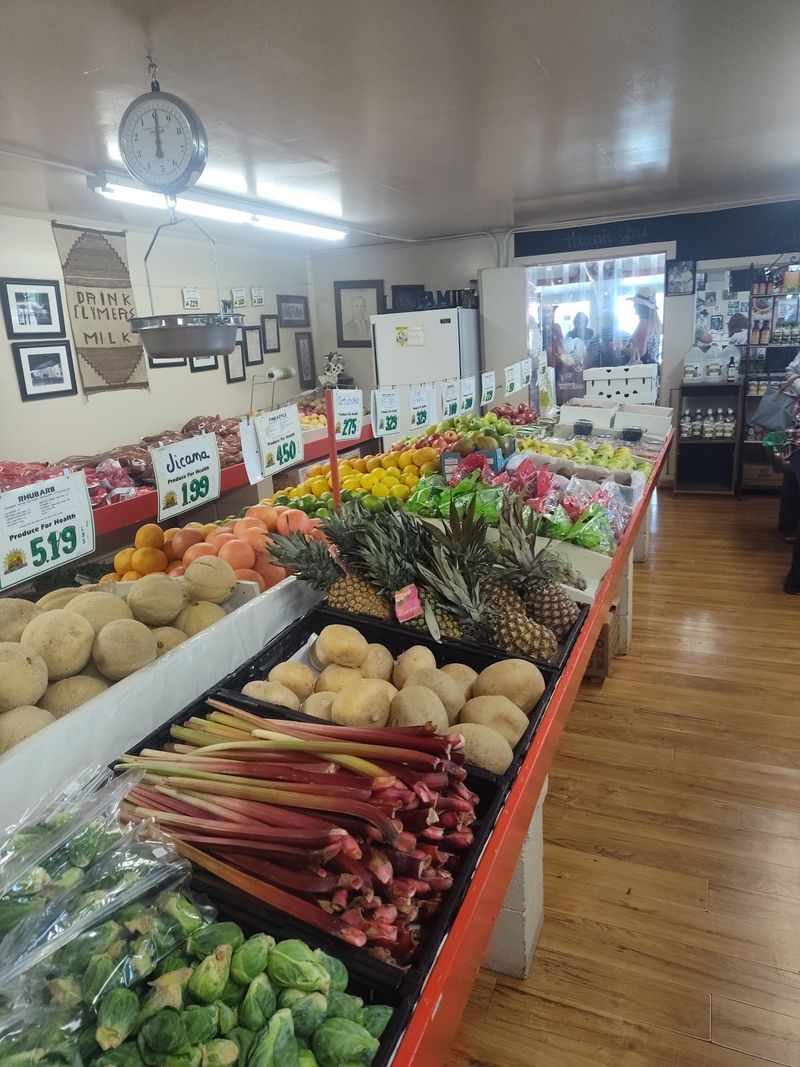
Evening farmers markets are a rare and practical gift, and Grand Junction’s downtown market earns genuine appreciation for offering exactly that. Running Thursday evenings from 5:30 to 8 p.m., July 10 through September 25, it is one of the few markets in Colorado designed around the reality that most families are not free on Saturday mornings all summer long.
That schedule makes it one of the most family-accessible markets on this entire list. Parents who work weekdays can swing by after work, pick up fresh Colorado-grown produce, and still have the evening to prep school lunches before the week’s chaos begins.
Double Up Food Bucks participation means SNAP shoppers can match their produce dollars up to $20 per visit, adding real financial value to what is already a convenient stop.
Grand Junction anchors the Western Slope with a confidence that smaller communities cannot quite match. The downtown setting gives the market a lively urban energy without sacrificing the agricultural authenticity that makes these markets worth visiting in the first place.
Grand Valley produce, particularly the peaches and corn that come into season right around back-to-school time, is among the best in the state. Thursday evenings here feel like a small reward after a long week, and the savings make it even easier to justify the habit.