
Colorado Mountain Towns That Stay Cooler Than The Rest Of The State
Summer heat feels much less intimidating when the road starts climbing. High above the Front Range, several small towns in Colorado spend July and August enjoying temperatures that can feel almost unfair to everyone sweating below.
Elevation does the heavy lifting, trading blazing afternoons for cooler breezes, shaded streets, and evenings that may actually justify a light jacket. That makes these mountain communities perfect when city heat starts wearing out its welcome.
Some sit beside rushing rivers, others cling to dramatic slopes, and a few open onto broad alpine valleys where summer feels noticeably gentler. The best part is that escaping the heat does not require sacrificing character.
You still get walkable streets, mountain views, and plenty of reasons to stay through dinner. For travelers chasing relief without giving up scenery, the high country of Colorado makes a persuasive argument: sometimes the smartest summer plan is simply going higher up.
1. Alma, Park County
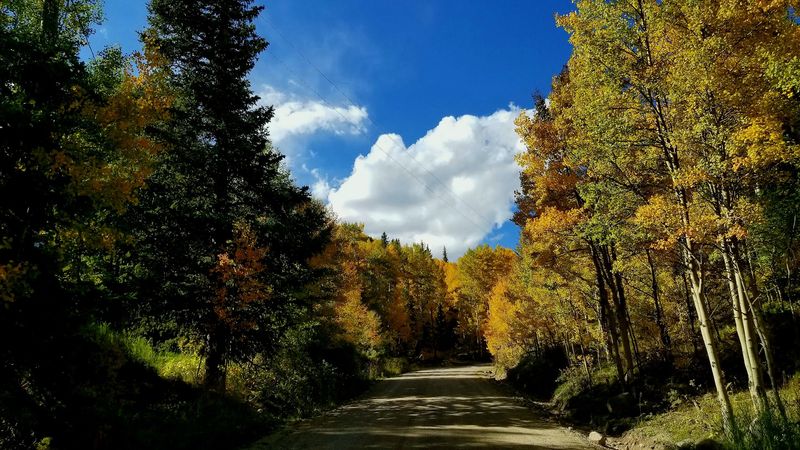
Sitting at roughly 10,578 feet above sea level, Alma has a legitimate claim as one of the highest incorporated towns in the entire United States, and the altitude keeps things bracingly cool even when the rest of Colorado is sweating through its shirt. You almost feel the temperature drop the moment you crest Kenosha Pass heading into South Park basin.
Park County spreads wide around Alma, offering an almost theatrical sense of open sky above and jagged peaks in every direction. The town itself is small, but that’s precisely the point.
You’re not here for a shopping district; you’re here because 50-degree mornings in August feel like a personal gift from the mountains.
Families will appreciate the easy access to hiking trails and the Mosquito Range looming nearby. Couples who like their solitude served cold and quiet will find Alma delivers exactly that.
My honest advice: arrive on a Friday evening, sit outside after dinner, and simply stare upward at the kind of star display that makes you feel briefly and pleasantly small.
2. Pitkin, Gunnison County
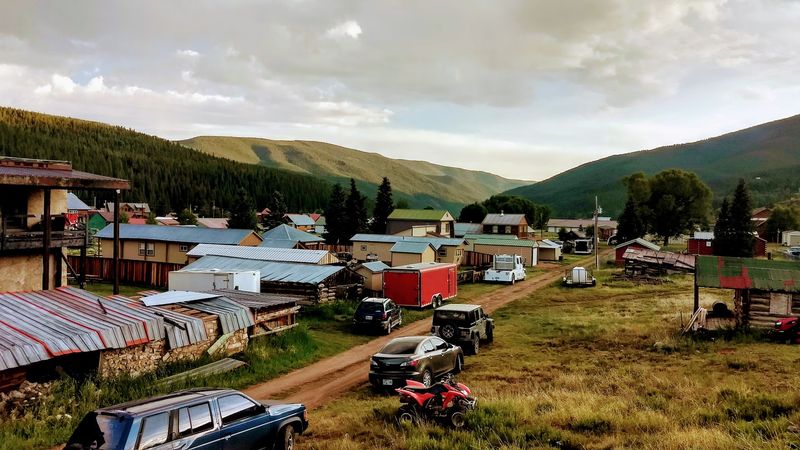
Pitkin is the kind of town that appears around a bend in the road and makes you immediately want to slow down. Nestled in the Quartz Creek Valley at around 9,000 feet, it wears its Gunnison County setting like a well-broken-in flannel shirt: comfortable, unpretentious, and surprisingly warm in personality even when the air temperature is anything but warm.
Summer highs here rarely push past the low 70s, and mornings can feel downright autumnal in the best possible way. The surrounding Gunnison National Forest offers trails that wind through aspen groves and along creek banks, giving hikers and casual walkers equal reason to linger.
There’s something deeply satisfying about a place that hasn’t tried too hard to impress anyone.
What I appreciate most about Pitkin is its refusal to be dramatic about its own appeal. It just exists, beautifully and quietly, at an elevation that keeps the heat at arm’s length from June through September.
Bring a thermos of coffee, a good map of the forest roads, and a willingness to spend an afternoon doing absolutely nothing at pace.
3. Ophir, San Miguel County
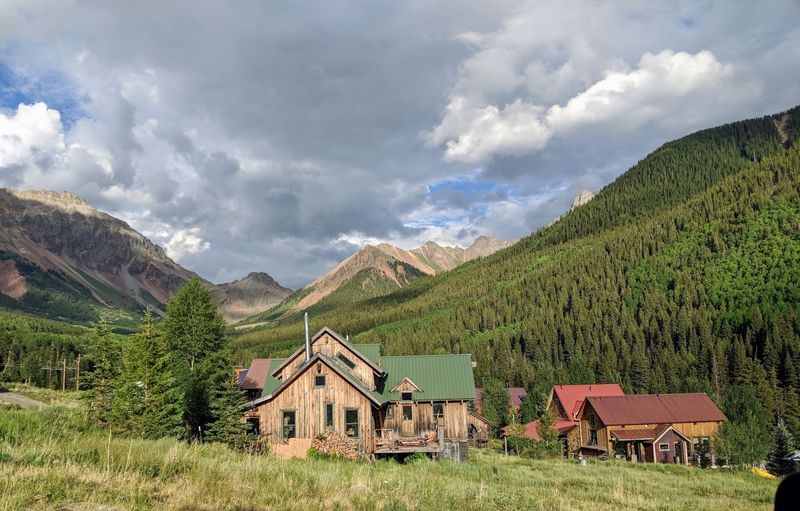
Ophir sits in a steep-walled box canyon in San Miguel County, and the geography alone keeps temperatures several degrees cooler than surrounding towns. At roughly 9,700 feet, the canyon walls shade the village during the hottest parts of the day, creating a natural air conditioning system that no engineer could improve upon.
The population hovers in the dozens, which makes Ophir less a town and more a quiet conversation between a handful of houses and an enormous mountain backdrop. The old mining heritage shows in the architecture, where weathered wooden structures remind you that people once came here chasing silver and stayed because the place gets under your skin.
I find that kind of stubborn beauty very hard to argue with.
Getting to Ophir requires a short detour off Colorado 145, and that small effort keeps the crowds thin. The nearby Ophir Pass road is a favorite among four-wheel-drive enthusiasts, offering high-clearance access to jaw-dropping views.
Even if you never leave the canyon floor, you’ll leave with the particular satisfaction of having found something genuinely off the beaten path.
4. Silverton, San Juan County
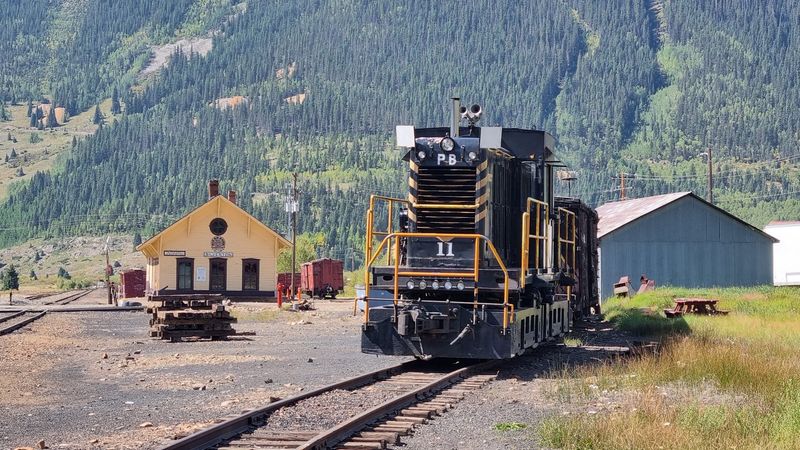
Silverton earns its reputation with cold, hard geography. Parked at 9,318 feet in a valley completely encircled by the San Juan Mountains, it records some of the lowest summer temperatures of any incorporated Colorado town, and locals will tell you about snowfall in July with the casual tone of someone mentioning Tuesday’s weather.
Greene Street, the main drag, is lined with Victorian-era buildings that look as though they’ve been holding their breath since the silver boom. The Durango and Silverton Narrow Gauge Railroad still rolls coal-fired trains into town, depositing visitors who step off looking slightly dazed and immediately grateful for the cool air.
It’s a theatrical arrival for a town that earns every bit of the drama.
For families, the combination of train rides, mining history, and accessible hiking makes Silverton an unusually complete day-trip destination that somehow avoids feeling theme-parky. For couples, an overnight stay lets you experience the eerie, gorgeous quiet that settles over the valley once the day-trippers head back down the mountain.
Either way, pack layers because the evenings here are genuinely cold and completely wonderful.
5. Lake City, Hinsdale County
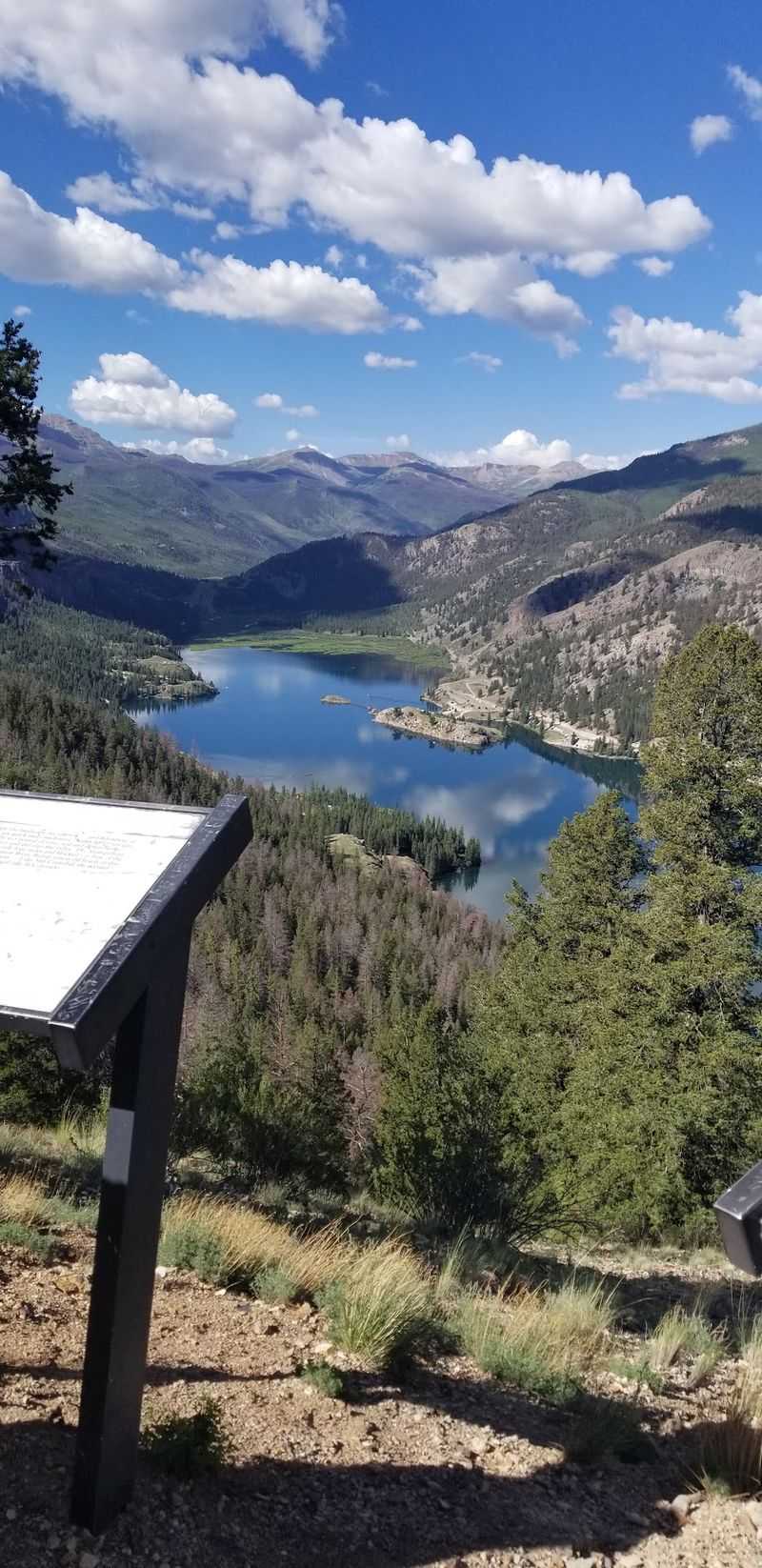
Lake City holds the distinction of being the county seat of Hinsdale County, which is itself the least populated county in Colorado, and that combination of remoteness and altitude around 8,671 feet creates a summer climate so mild it borders on unfair to the rest of the state. The Lake Fork of the Gunnison River runs right through town, keeping things lush and just a touch cooler than the surrounding hillsides.
The Victorian architecture along Silver Street gives Lake City a preserved, almost cinematic quality, the kind of place where you half-expect a horse-drawn wagon to round the corner. The surrounding San Juan Mountains offer fishing, hiking, and four-wheel-drive roads that connect to some of the most remote terrain in the lower 48 states.
It’s genuinely wild country dressed in a surprisingly tidy little town.
Personally, I think Lake City rewards slow travel more than almost anywhere in Colorado. Spend a morning fishing the river, eat lunch on a porch somewhere, and drive the Alpine Loop in the afternoon.
You’ll arrive back at your lodging sunburned on the nose but somehow completely refreshed, which is exactly the kind of paradox only the mountains can deliver.
6. Creede, Mineral County
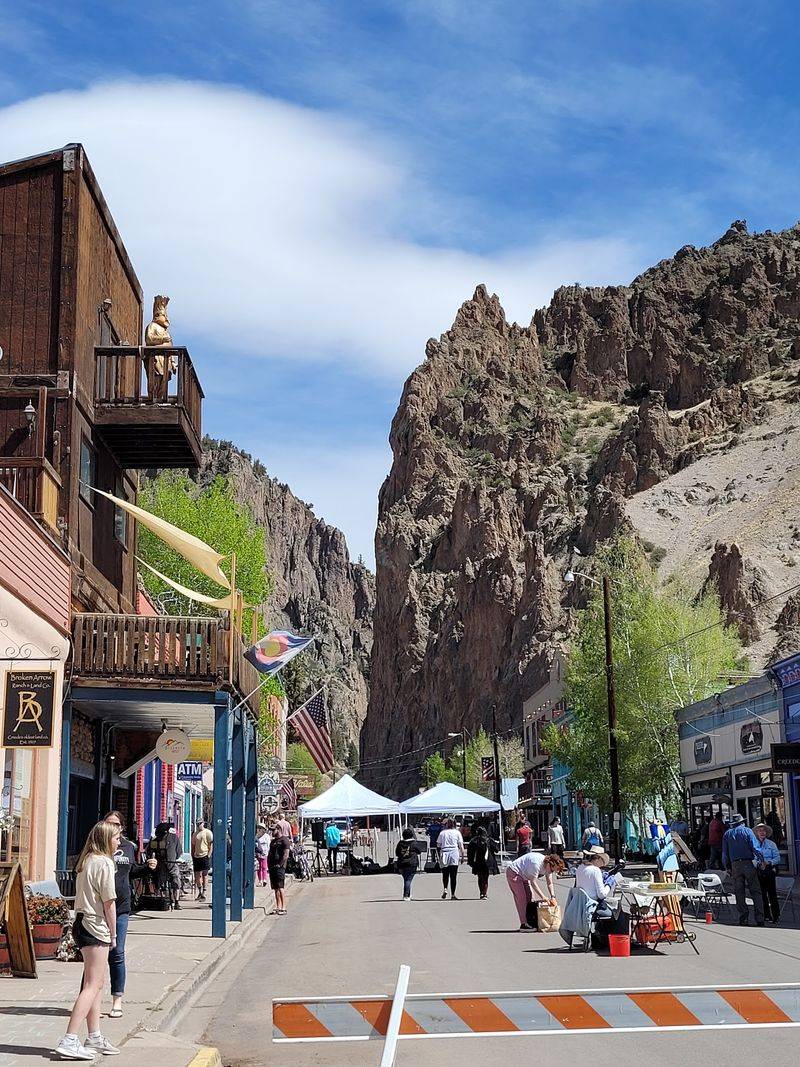
Creede is tucked into a narrow canyon in Mineral County so dramatically that the town essentially has walls for neighbors. The canyon keeps direct sunlight limited and temperatures refreshingly low throughout summer, while the Rio Grande headwaters nearby add a cool, riparian quality to the air that you notice the moment you step out of the car.
The town made its name during the silver rush of the 1890s, and the history here feels genuinely textured rather than curated. The Creede Repertory Theatre has operated since 1966 and draws audiences from across the state every summer, which means this remote canyon town somehow blends frontier mining legacy with legitimate cultural programming.
That combination catches most visitors completely off guard in the best way.
The surrounding Rio Grande National Forest opens up fishing, hiking, and camping options in every direction, and the Bachelor Historic Tour road above town offers a self-guided drive through the old mining district. Families find the mix of outdoor activity and accessible history surprisingly easy to navigate.
My recommendation: arrive for a Thursday evening show, stay the weekend, and leave only when your vacation guilt kicks in.
7. Fairplay, Park County
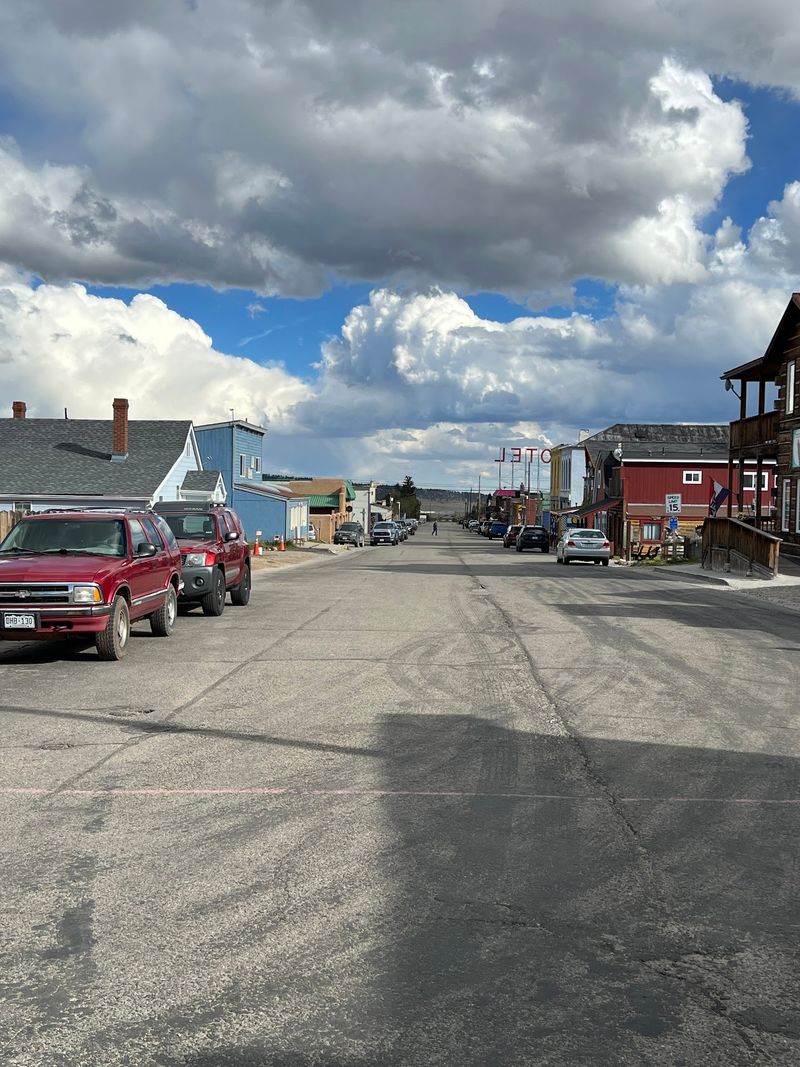
Fairplay sits at around 9,953 feet in the broad expanse of South Park basin, and the altitude keeps summer temperatures modest while the wide-open landscape gives the sky a quality that painters and photographers find almost unfairly beautiful. The town is small but spirited, with a main street that functions as both a practical supply stop and a genuine community gathering point.
The Hand Hotel, a historic property dating back to 1931, anchors the town with the kind of unpretentious charm that chains and resorts spend millions trying to manufacture. Nearby Antero Reservoir and the South Platte River offer fishing that draws serious anglers from across the Front Range, while the Mosquito Range trails above town serve hikers looking for elevation gain and bragging rights.
Park County delivers both with minimal fuss.
Fairplay also hosts Burro Days every summer, a genuinely weird and wonderful tradition involving pack burros racing up and over a mountain pass, which tells you everything you need to know about the town’s personality. Come for the cool air, stay for the burros, and leave with the quiet conviction that Colorado’s best stories happen in the places most people drive straight past.
8. Red Cliff, Eagle County
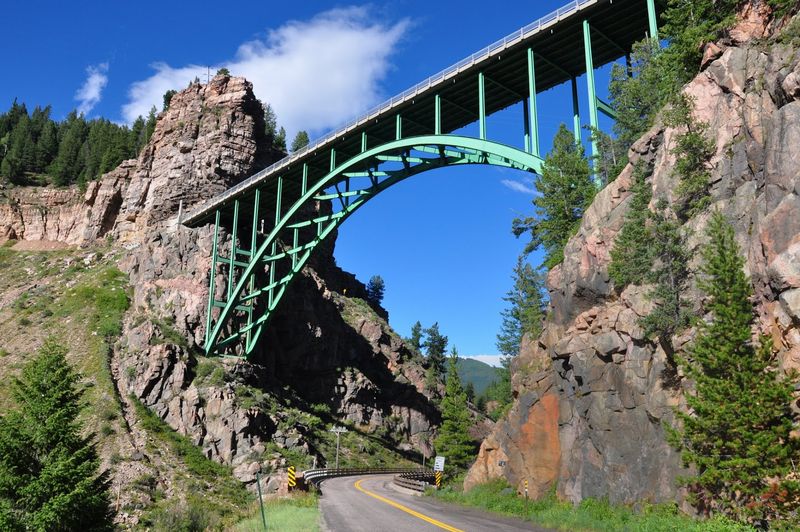
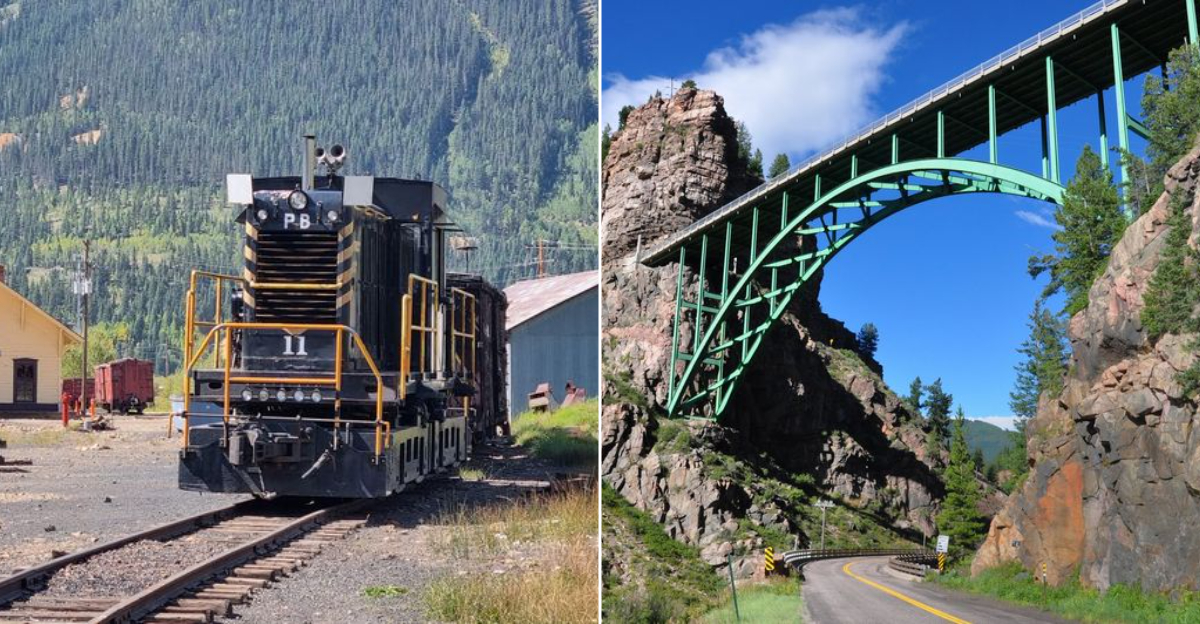
Red Cliff clings to a canyon wall above the Eagle River in Eagle County with the kind of stubborn confidence that only very old mining towns seem to possess. At around 8,660 feet, the canyon setting provides natural shade and cool river air that makes summer afternoons feel several degrees gentler than the nearby resort towns just up the road.
It’s the kind of place that rewards the curious and mildly ignores everyone else.
The historic iron bridge spanning the Eagle River is a genuine landmark, framing a view of the canyon that looks almost too composed to be accidental. The town’s Victorian-era buildings have seen better decades but wear their age with dignity, and a small but dedicated community keeps Red Cliff breathing and occasionally hosting events that draw visitors from nearby Minturn and Vail.
What makes Red Cliff worth the short detour off Highway 24 is the combination of genuine history, cool canyon air, and the satisfying sense that you’ve found something the ski-resort crowd doesn’t know about. Bring a picnic, walk the bridge, explore the handful of streets, and count it as one of those effortless discoveries that make road trips through Colorado feel like treasure hunts.
9. Rico, Dolores County
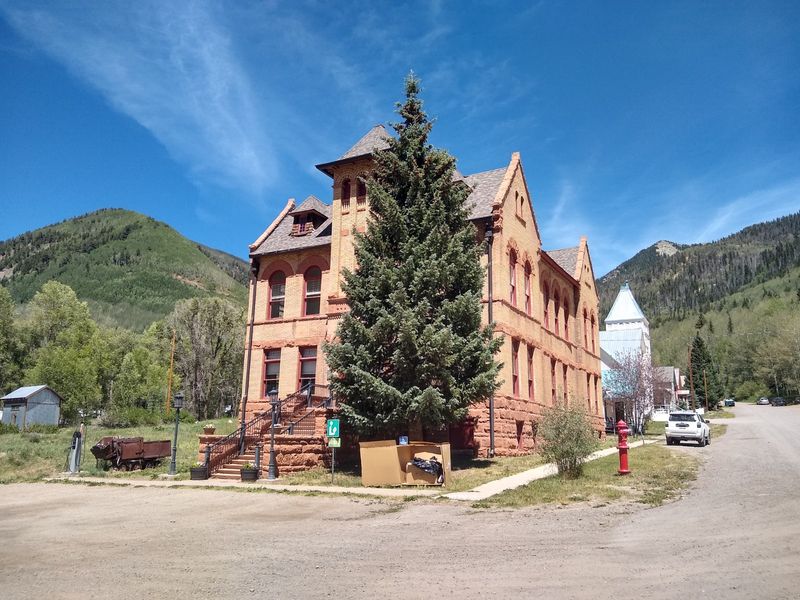
Rico occupies a narrow valley in Dolores County at around 8,825 feet, and its combination of elevation, forest cover, and general distance from everything keeps summer temperatures comfortably cool and the atmosphere blissfully unhurried. The town sits along the Dolores River, and the sound of moving water is a near-constant companion that adds a particular quality to the quiet.
Rico’s mining history runs deep, with silver and gold discoveries in the 1870s shaping the original settlement. The old Rico Hotel, a Victorian-era building that has been through various incarnations, stands as a reminder of boom-time ambitions that the mountains eventually humbled.
There’s a melancholy beauty to that kind of history that I find genuinely moving rather than depressing.
The surrounding San Juan National Forest offers hiking and mountain biking on trails that see a fraction of the traffic found near Telluride, just 25 miles to the north. Rico functions beautifully as a quieter base camp for exploring the broader region.
Families looking for an unplugged weekend and couples seeking a genuinely remote retreat will both find Rico delivers exactly the kind of uncomplicated mountain experience that Colorado does better than anywhere.
10. Silver Cliff, Custer County
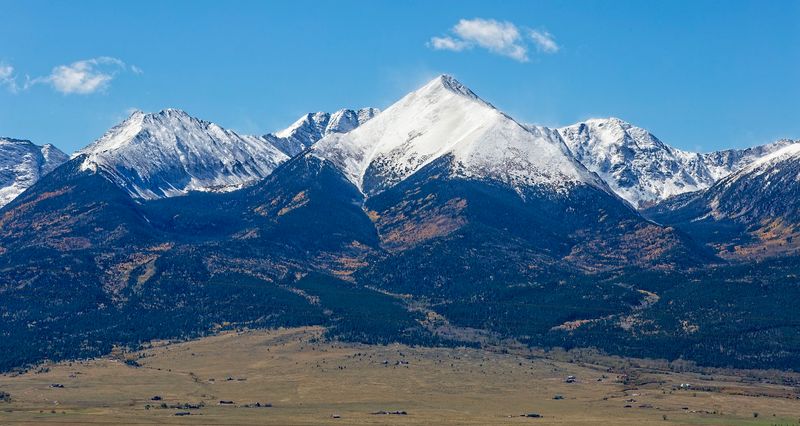
Silver Cliff sits in the Wet Mountain Valley in Custer County, backed against the Sangre de Cristo Mountains in a way that makes the scenery feel almost aggressively dramatic. At around 7,982 feet, it runs slightly lower than some entries on this list, but the valley position and mountain backdrop create a microclimate that keeps summer afternoons noticeably cooler than towns at similar elevations on the plains.
The town was once larger than Denver during the silver rush of the late 1870s, which is one of those historical facts that takes a moment to fully register. Today it’s quiet, unassuming, and genuine in a way that feels increasingly rare.
The old Victorian-era buildings along the main street carry that history without making a fuss about it, which suits the town’s personality perfectly.
Silver Cliff pairs naturally with its neighbor Westcliffe just a mile away, and together they offer a complete weekend with galleries, hiking access into the Sangre de Cristos, and dark-sky stargazing that ranks among the best in the state. Go on a clear night with a blanket and no agenda, and you’ll understand immediately why people fall for this valley and never quite leave it behind.
11. Westcliffe, Custer County
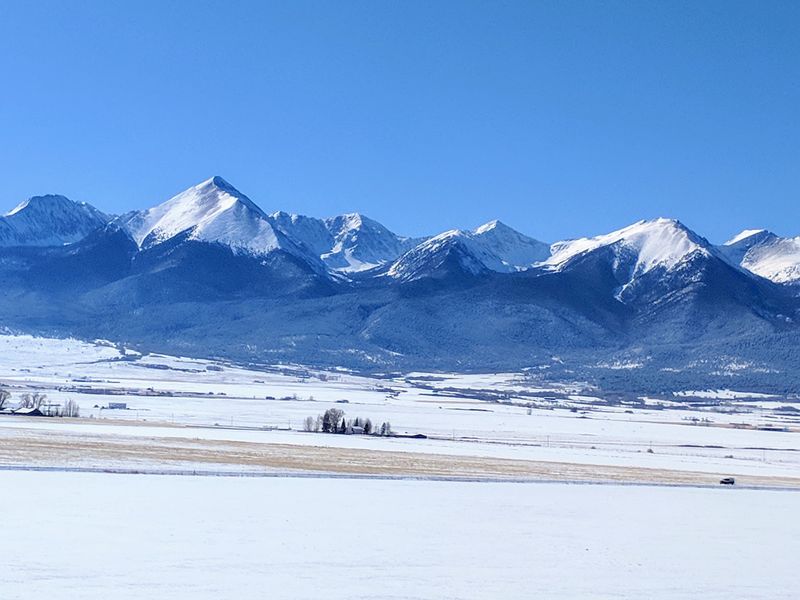
Westcliffe is the kind of town that makes you recalibrate your definition of beautiful. Sitting at around 7,888 feet in the Wet Mountain Valley, it enjoys a broad, open setting with the Sangre de Cristo Mountains rising to the west in a wall of peaks that catches the late afternoon light in colors that seem to have been chosen by someone with excellent taste.
The town has been designated a Dark Sky Community, meaning light pollution is actively managed and the night sky above Westcliffe is genuinely extraordinary. Families and couples who’ve never seen the Milky Way with any real clarity tend to go very quiet when they look up for the first time, and that silence says more than any description I could offer.
Summer evenings here are cool, clear, and worth driving a significant distance to experience.
The main street offers galleries, a handful of good restaurants, and the kind of locally owned shops that feel curated by people who actually live there. Hiking access into the Sangre de Cristos begins practically from town.
My honest take: Westcliffe is one of Colorado’s genuinely underrated mountain towns, and I say that knowing full well that saying so might eventually spoil it.
12. Marble, Gunnison County
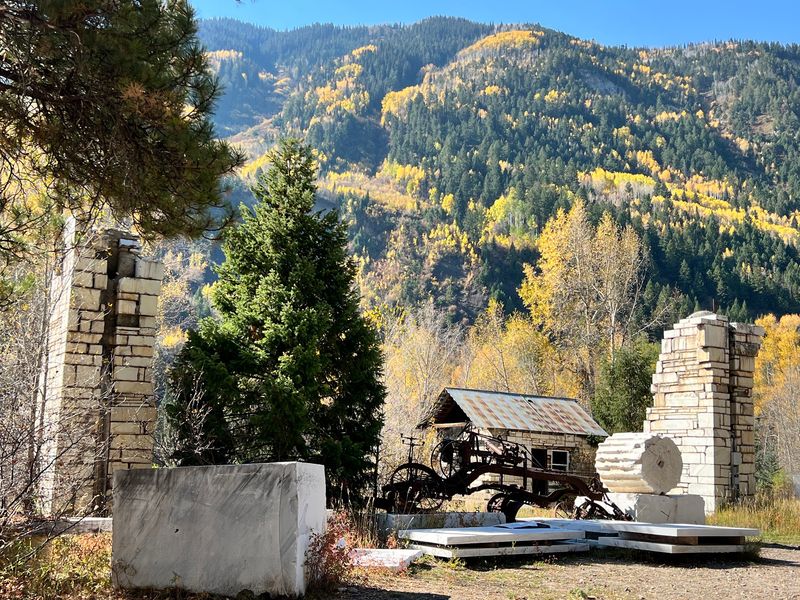
Marble earns its name from the gleaming white stone quarried from the cliffs above town, stone that was used to build the Lincoln Memorial and the Tomb of the Unknown Soldier, which gives this tiny Gunnison County community a quiet but significant place in American history. At around 9,500 feet along the Crystal River, the setting is lush, forested, and reliably cool throughout summer.
The Crystal River runs cold and clear through town, and the sound and sight of it defines the Marble experience in a way that nothing else quite does. The road into town is narrow and winding, which naturally limits traffic and preserves the sense of discovery that makes arriving here feel like a reward rather than a destination.
I’ve driven that road several times and it still delivers a small, genuine thrill each time.
The Yule Marble Quarry above town offers a fascinating hike to active quarry operations where the famous white stone is still extracted today. Families find the history tangible and accessible, while the surrounding Gunnison National Forest keeps hikers and anglers occupied for days.
Marble is the kind of place that earns a return visit before you’ve even finished your first one, and that is a very high compliment indeed.