
10 Colorado Places Where Tick Exposure Is Possible
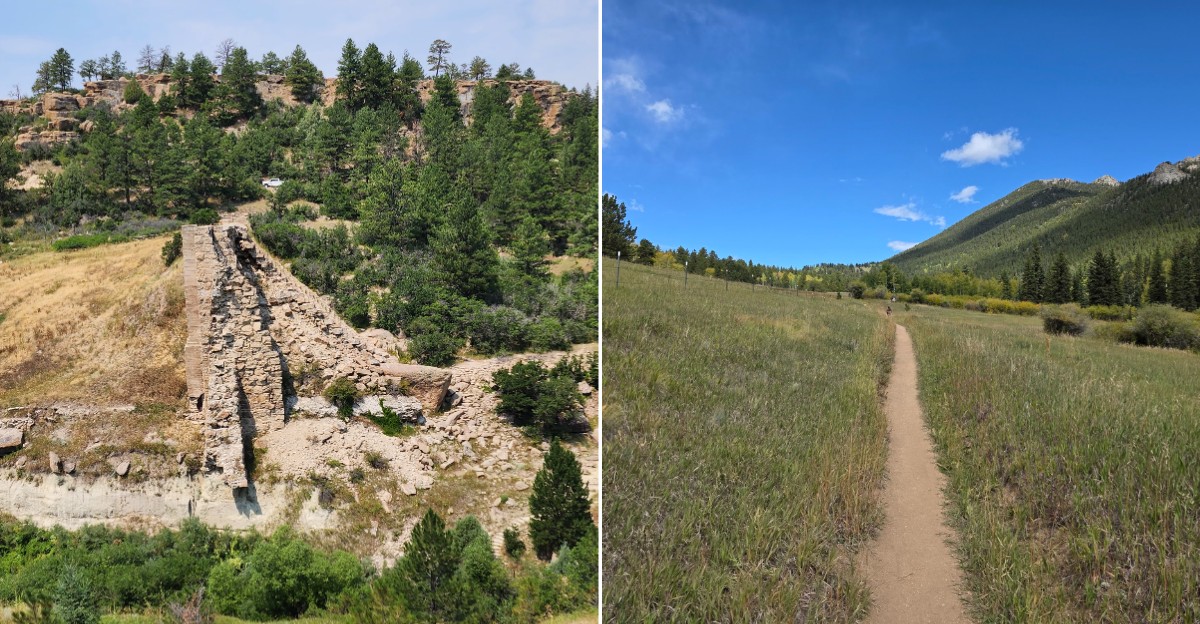
Colorado’s most common tick, the Rocky Mountain wood tick, doesn’t jump, fly, or drop from trees. It climbs a grass stem, stretches out its legs, and waits for you to brush past.
That waiting game is called questing, and I find it oddly impressive. These tiny hitchhikers are most active in spring and early summer, right when trails look their best.
I love Colorado’s trails as much as anyone, so this list isn’t a warning to stay home. It’s a heads-up about scenic spots where brush, grass, and wildlife overlap with your hiking boots.
A quick tick check after a hike takes two minutes. So which beautiful parks deserve that extra glance at your socks?
1. Cheyenne Mountain State Park
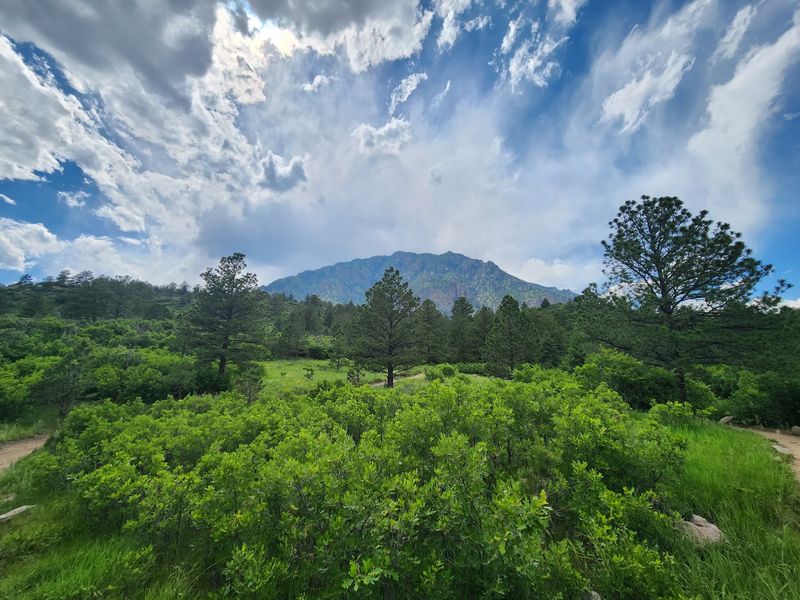
A park nicknamed for its plains-to-peaks scenery gives ticks plenty of real estate. Cheyenne Mountain State Park sits south of Colorado Springs, right under the mountain’s eastern flank.
The park covers about 2,701 acres. It opened in October 2006 on land once known as the JL Ranch.
Trails here run more than 28 miles for hiking, biking, and horseback riding. Many pass through foothill brush and scrub, which is prime tick territory in spring.
Wildlife sightings are a big draw at this park. Deer and other animals moving through the brush can carry ticks right onto the trail edges.
So stick to the center of the path when you can. Brushing past low branches is basically an open invitation.
Families will find kid-friendly hikes, a playground, and picnic tables with grills. Those are great spots for a mid-hike snack and a quick sock check.
Campers can choose from basic walk-in tent sites and full-hookup RV sites. The views of Colorado Springs from up there are hard to beat.
An archery range and a visitor center add even more reasons to linger. Just remember that lingering in tall grass is exactly what ticks hope you’ll do.
Dogs are allowed only on Acorn Alley, Bobcat Way, Raccoon Ridge, and a designated portion of Soaring Kestrel Trail. Run your hands along their ears, neck, and between their toes after the hike.
Hours run from 5 a.m. to 10 p.m. daily, giving you lots of daylight for exploring.
Address: 410 JL Ranch Heights Rd, Colorado Springs, CO 80926
2. Mueller State Park
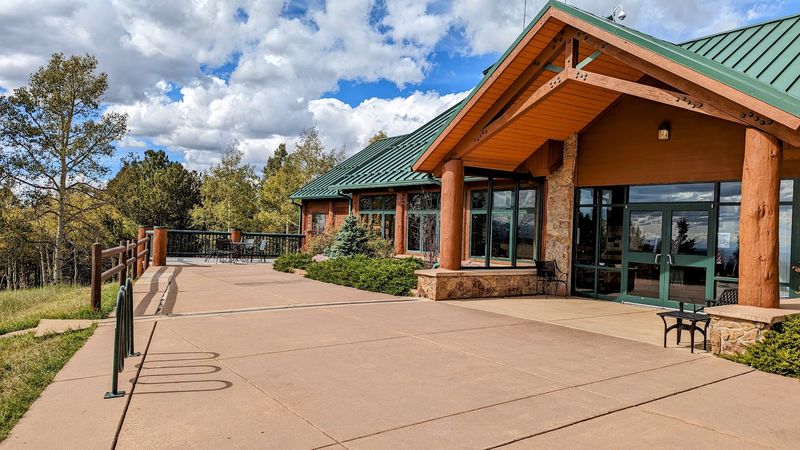
Pikes Peak makes a pretty dramatic backdrop for a tick check. Mueller State Park, near the town of Divide, spreads its trails along the mountain’s western side.
The park works as a wildlife reserve with a huge network of paths. You can hike, bike, or ride horseback through montane forest, meadows, and brush.
That mix of habitat is lovely for elk, deer, and you. It’s also lovely for ticks waiting on grass tips near the trail.
Ready for a smart move? Wear light-colored pants so dark little hitchhikers stand out fast.
Tucking pant legs into your socks looks a bit goofy. Then again, nobody on a mountain trail is judging your fashion choices.
The park is high up in the Rockies and kept in great shape. A visitor center, picnic tables, grills, and restrooms make planning a day trip easy.
Kids get their own trail plus a playground with slides and swings. Have the little ones do a quick tick hunt on each other, like a game.
Campers will find loads of campsites, including pull-through spots for bigger rigs. Shake out sleeping bags and gear before packing up.
Winter visitors can go snowshoeing, and ticks take a break in the cold. Spring and early summer are when you’ll want to stay most alert.
Dogs are welcome in campgrounds, picnic areas, and on paved roads, but they are prohibited on hiking trails and in the backcountry. The park is open daily from 5 a.m. to 10 p.m.
Address: 21045 CO-67, Divide, CO 80814
3. Ridgway State Park
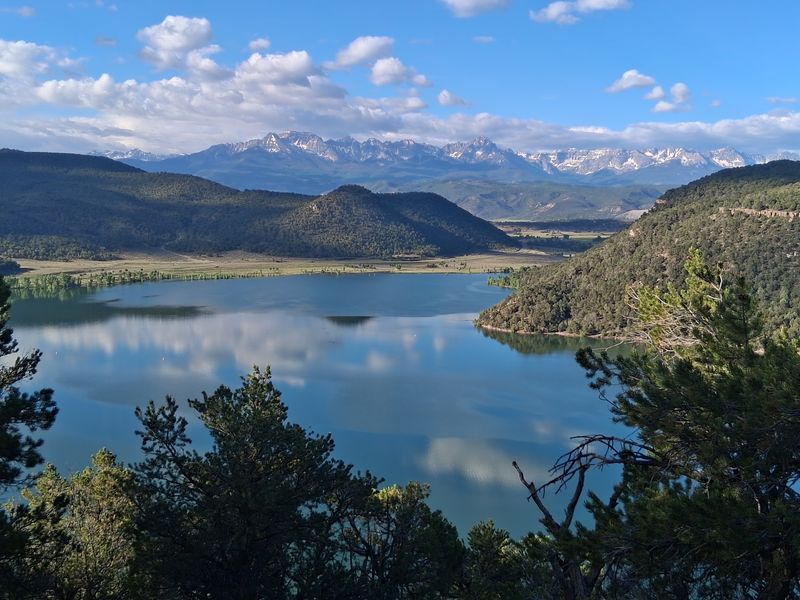
Swimming beaches don’t usually come with tick advice, but Ridgway likes to keep you guessing. This park pairs a large reservoir with grassy river valley trails.
You can rent kayaks and paddleboards to explore the long shorelines. Out on the water, ticks aren’t a concern at all.
Back on land, the story changes a bit. Trails wind through grasses and brush near the river, where wildlife loves to roam.
Birders visit year-round, which tells you how much life fills this valley. More animals usually means more chances for ticks.
A trout stream runs through the park for anglers. Walking the bank means pushing through vegetation, so check your legs afterward.
Campers have plenty of choices here. Options include yurts and sites with full hookups, plus laundry and showers.
Those showers are perfect for a post-hike tick scan. Ticks often hide behind knees, at the waistline, and along the hairline.
The park also makes a handy base for exploring backcountry trails in southwestern Colorado. Some visitors head out from here with Jeeps.
Kids have a playground with slides and swings near the picnic areas. Dogs are allowed too, so give them a once-over before they hop in the car.
The park is open 24 hours, which suits early risers and stargazers. Just keep the tick check on your to-do list either way.
Address: 28555 US-550, Ridgway, CO 81432
4. Rifle Falls State Park
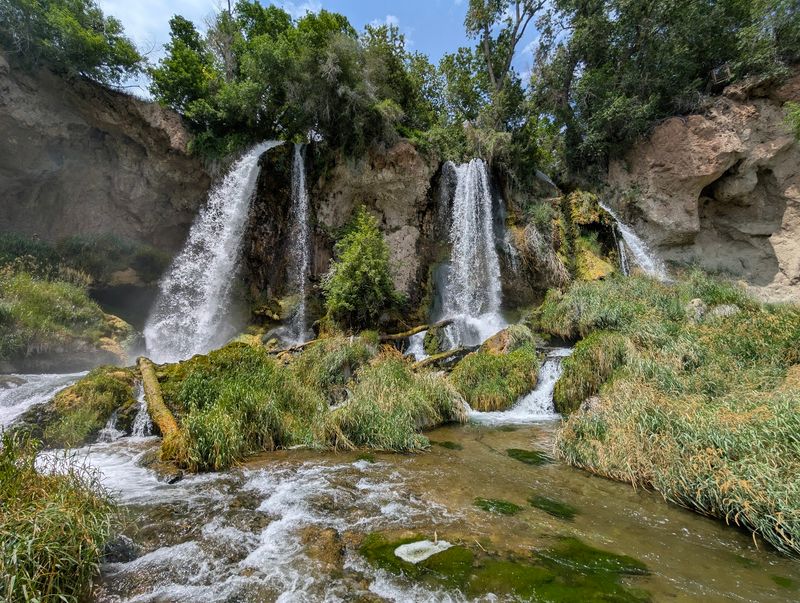
Waterfalls get the spotlight here, but the lush green plants around them deserve a second look. Rifle Falls State Park feels almost tropical by Colorado standards.
Large falls pour over a limestone cliff into a creek below. Limestone caves sit near the falls, waiting for curious explorers.
Short, easy trails lead to different sides of the waterfalls. That means great views from several angles without a huge hike.
All that water feeds dense riparian vegetation along the creek. Thick, damp greenery is a comfortable home for ticks.
Diverse wildlife moves through the park too. Animals brushing through those plants can leave ticks behind.
So what’s the easy fix? Spray an insect repellent made for ticks on your shoes and pant legs before you start.
Kids will love the falls and the caves. Since the trails are short, a quick check at the end won’t spoil anyone’s fun.
Picnic tables and grills make the park a nice lunch stop. Pick a spot away from tall grass to keep things simple.
Campgrounds let you stay overnight near the sound of rushing water. Give tents and packs a shake before you zip up.
Dogs are allowed, and they tend to wander into the green stuff. Check them closely, especially around the ears.
The park is open daily from 6 a.m. to 10 p.m.
Address: 5775 Highway 325, Rifle, CO 81650
5. Golden Gate Canyon State Park
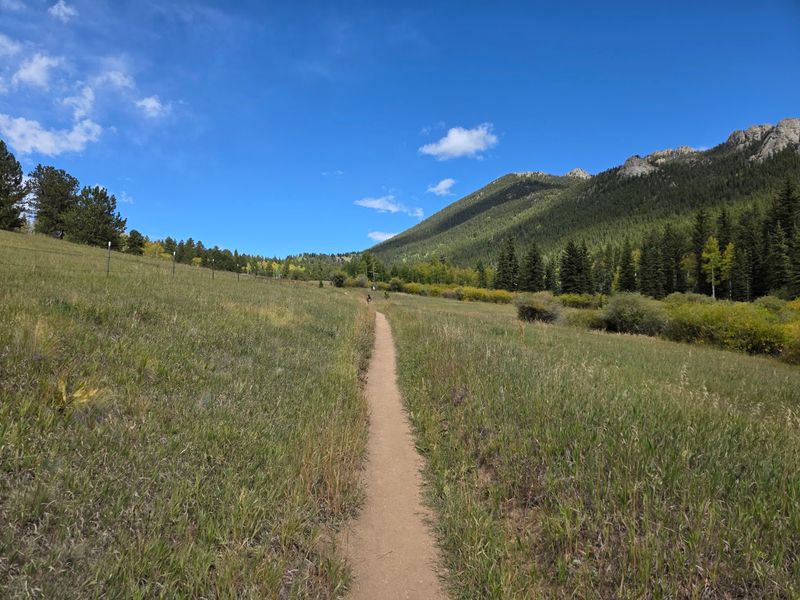
Twelve thousand acres is a lot of room for ticks to hide. Golden Gate Canyon State Park spreads across mountains, forests, and meadows northwest of Golden.
The park was established in 1960.It offers more than 35 miles of hiking trails, approximately 19 of which are open to horses and mountain bikes.
Many trails cross tall grasses and dense woods. Ticks love both, especially in the warmer months.
Panorama Point Scenic Overlook gives you views of the Continental Divide stretching about 100 miles. It’s the kind of spot where you’ll want to stop and stare.
While you’re stopped, glance at your shoes. A tick crawling upward is much easier to flick off early.
Fishing is a big draw thanks to stocked ponds. Anglers often stand in grassy spots, so check your ankles afterward.
Overnight guests can choose from two campgrounds, cabins, and yurts. A cabin night beats a tent if you’d rather not share space with bugs.
A visitor center is open daily from 9 a.m. to 4 p.m. Day use runs from 5 a.m. to 10 p.m.
Winter brings cross-country skiing and ice skating. Ticks don’t do winter sports, so that season gives you a break.
Dogs are welcome on the trails here. A quick brush-down at the car keeps tick passengers from riding home with you.
Address: 92 Crawford Gulch Rd, Golden, CO 80403
6. Castlewood Canyon State Park
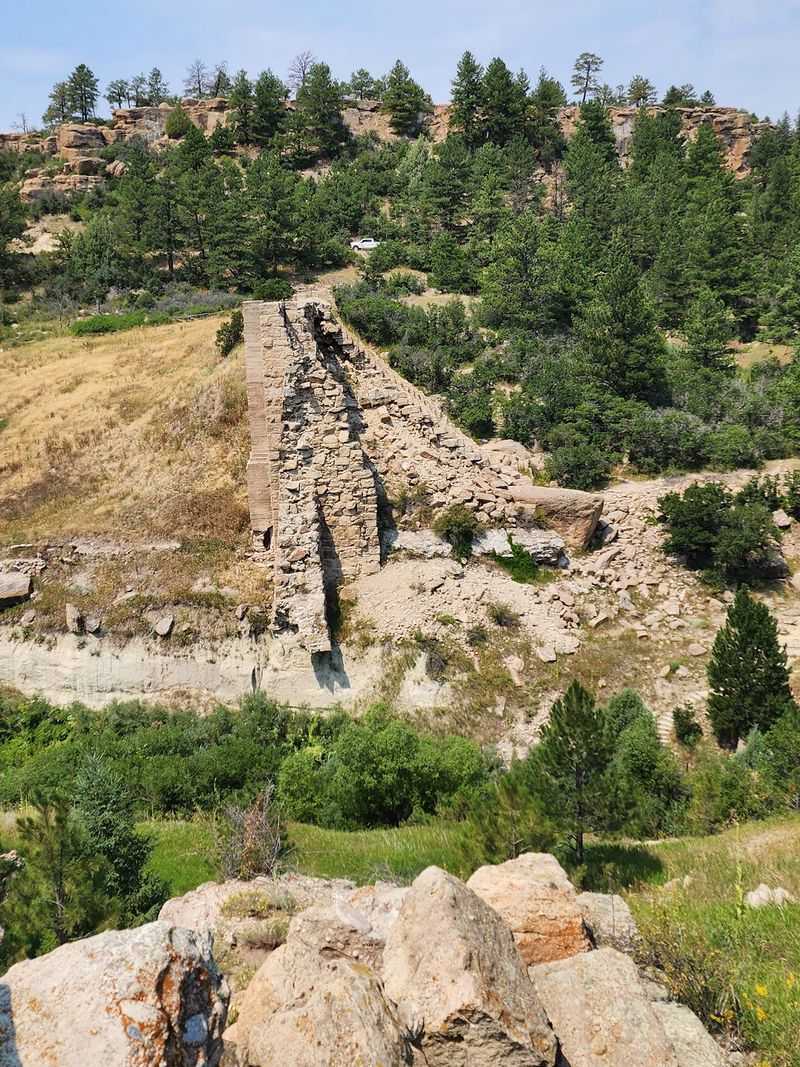
A broken dam from 1933 is the star attraction, and the grass around it is the sneaky supporting cast. Castlewood Canyon State Park sits near Franktown.
The dam burst in 1933 and sent a flood wave all the way to Denver. You can still see the ruins today.
Cherry Creek runs through the canyon below rocky formations. That creek and the tall plains grass create a great habitat for wildlife.
Wildlife and tall grass together? That’s a classic setup for ticks.
The park has about 2,628 acres to explore. Trails range from half a mile to around 4 miles, many easy enough for beginners.
Kids love climbing over the big boulders here. Rocks are fine, but check them after they wander through grassy patches.
A waterfall adds a fun goal for short hikes. Rock climbers can also tackle walls up to about 60 feet.
Dogs are welcome on leash on most trails. Keeping them close also keeps them out of the brushiest spots.
Picnic tables and grills make lunch easy. Choose a table on bare ground instead of spreading a blanket in the grass.
The park is day-use only, so plan for a full afternoon. The park is open from sunrise to sunset.
A visitor center helps you learn about the dam story before you hit the trail. Then grab your hat, your water, and your tick awareness.
Address: 2989 CO-83, Franktown, CO 80116
7. State Forest State Park
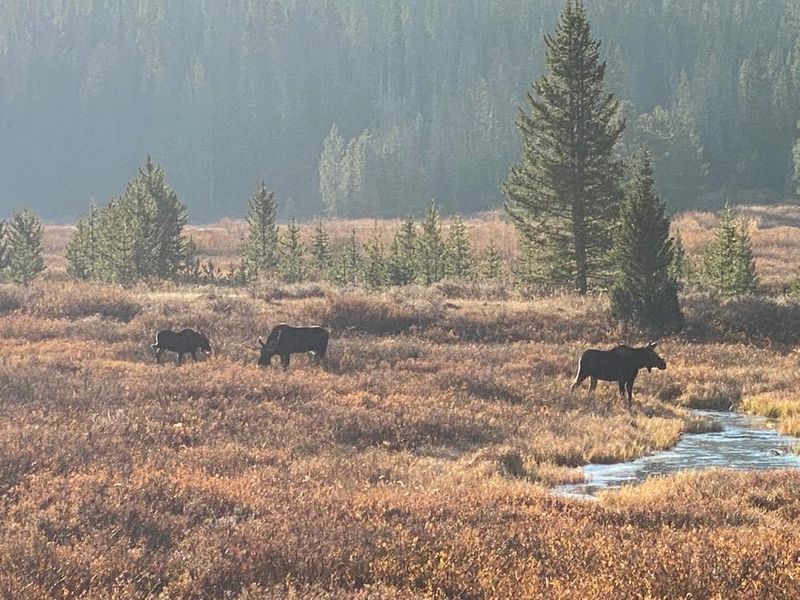
Moose outnumber traffic lights by a mile out here. State Forest State Park, near Walden, is famous for its large moose population.
The park covers more than 71,000 acres of forest, lakes, and wetland edges. Elk and other wildlife roam the area too.
Big animals moving through thick understory carry ticks from place to place. Wetland borders and brushy trails are spots to stay alert.
Of course, you should also give moose plenty of space. They’re huge, and they don’t care about your photo plans.
A moose visitor center teaches you about these giants. It’s a fun stop before heading onto the trails.
Hiking and biking trails lead to lakes and wide views. Fishing is a popular pastime here as well.
Got a 4×4? The park has rugged trails for off-road adventures.
Lodging options include cabins and yurts you can rent year-round. After a long day, use the indoor time for a thorough tick check.
Look at spots ticks love, like the scalp, armpits, and behind the ears. Then relax and listen for wildlife outside.
Kids can enjoy easy hikes and picnic areas. Dogs are allowed, so check their fur after every outing.
The park is open 24 hours a day. This remote corner of northern Colorado rewards those who plan ahead.
Address: 56750 CO-14, Walden, CO 80480
8. Lory State Park
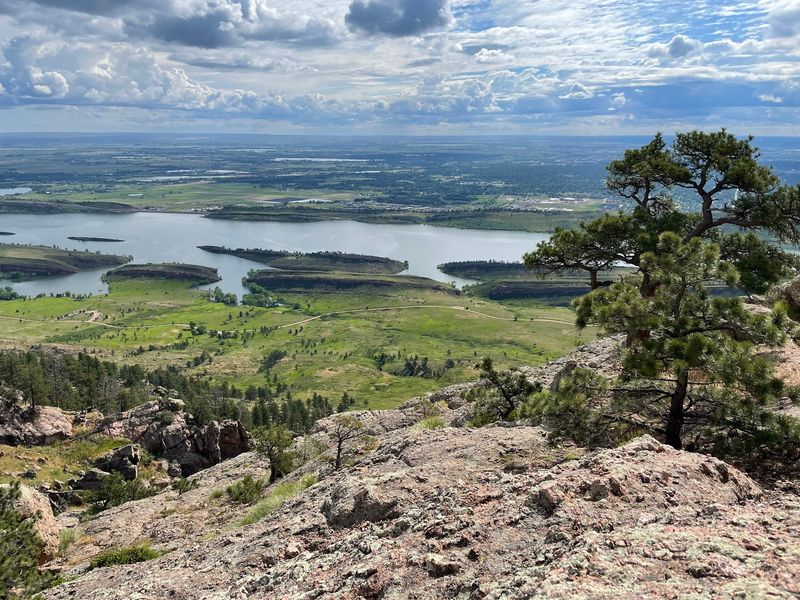
Named for a former Colorado State University president, this park could teach a whole class on foothill habitat. Lory State Park sits west of Fort Collins.
The land was bought in 1967. The park took its name in 1975 to honor Dr. Charles A.
Lory.
It stretches across 2,591 acres between Horsetooth Reservoir and the foothills. Sandstone hogbacks, open meadows, and ponderosa pines fill the scenery.
More than 28 miles of trails serve hikers, bikers, and horseback riders. Many cut through brushy terrain where ticks wait patiently.
Arthur’s Rock is the park’s most famous landmark. The hike there offers big views, and some brush along the way.
Try to avoid sitting on logs or leaning on bushes during breaks. Ticks enjoy those resting spots as much as you do.
The park stays fairly undeveloped, which keeps it feeling wild. Backcountry camping lets you sleep far from crowds.
There’s also great lake access, including wheelchair-accessible water access. Picnic tables and grills make a lakeside meal easy.
A visitor center and clean restrooms help with planning. They also give you a spot to check your clothes before driving home.
Dogs are allowed on the trails. A quick look over their legs and belly can save a lot of trouble later.
Hours run from 5 a.m. to sunset daily.
Address: 708 Lodgepole Dr, Bellvue, CO 80512
9. Eldorado Canyon State Park
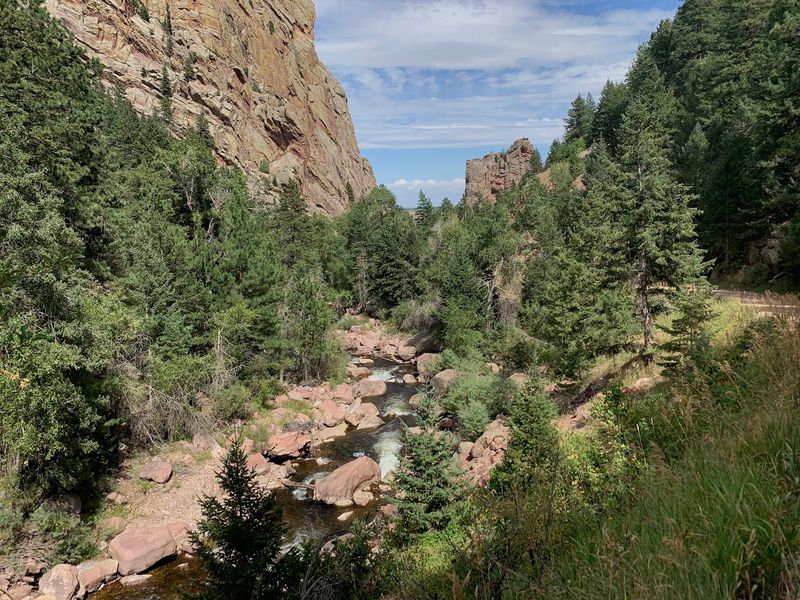
Climbers come for the cliffs, but ticks are more interested in the slopes below them. Eldorado Canyon State Park sits just outside Boulder.
The park is world-famous for rock climbing. Its towering sandstone walls hold more than 500 technical routes.
Getting to those routes often means walking brushy canyon trails. Ticks can cling to packs, ropes, and pant legs along the way.
Not a climber? Hiking trails here suit different skill levels, and South Boulder Creek runs through the canyon.
Boulders along the creek make fun spots to explore. Grassy edges near the water deserve a closer look afterward, though.
The canyon has a long history. Ute people visited it, and it became a resort destination in the early 1900s.
Picnic tables and grills line parts of the creek. It’s a pleasant spot to eat and do a quick gear check.
Mountain biking and fishing add more ways to explore. Winter brings cross-country skiing and snowshoeing when ticks are inactive.
Planning a busy season visit? Timed-entry reservations are needed on weekends and holidays from May 1 through October 1.
That window lines up with tick season in Colorado. Book your entry, pack repellent, and plan a check after your hike.
Dogs are allowed, so include them in your post-hike routine.
Address: 9 Kneale Rd, Eldorado Springs, CO 80025
10. Roxborough State Park
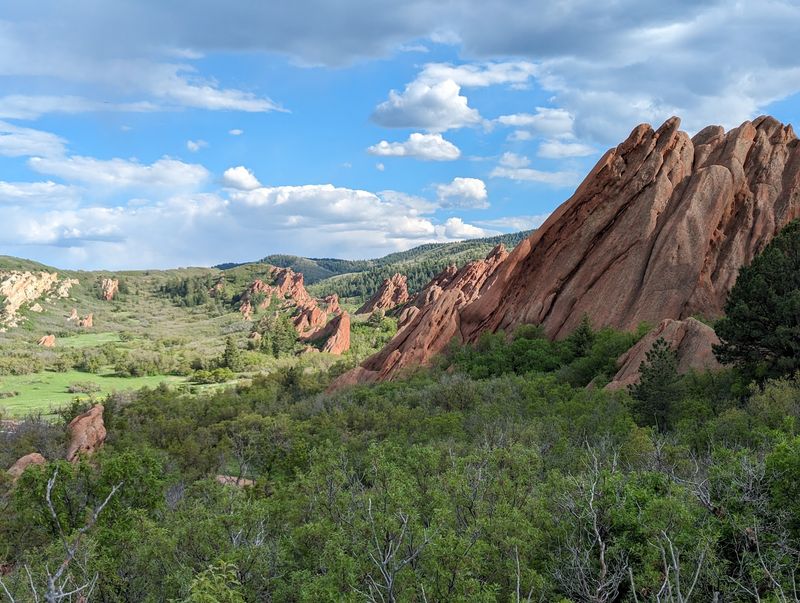
Rocks that are 300 million years old make a stunning backdrop for a simple sock check. Roxborough State Park shows off dramatic red sandstone formations southwest of Denver.
These are part of the Fountain Formation. The park was named a National Natural Landmark in 1980.
Roxborough sits where the plains meet the mountains. That mix creates distinct plant communities, including oak brush and prairie grass.
Wildlife thrives here, from mule deer to black bears. Where deer wander through grass, ticks often follow.
The trails come in many lengths and difficulty levels. They’re kept in great shape, which helps you stay out of the weeds.
Pets and bicycles aren’t allowed on the trails. That protects the park’s natural resources and keeps things quiet.
It also means you only have to check yourself and your hiking buddies. No dog fur to comb through this time.
The park is day-use only, with no camping. Hours run from 7 a.m. to 7 p.m. daily.
A visitor center offers a great intro to the geology and wildlife. Bird watching and photography are popular too.
Bring a camera for those red rocks against a blue Colorado sky. Then take one more look at your ankles before you leave, and enjoy the drive home tick-free.
Address: 4751 Roxborough Dr, Littleton, CO 80125