
11 Colorado Planetariums And Space-Themed Day Trips To Take In 2026
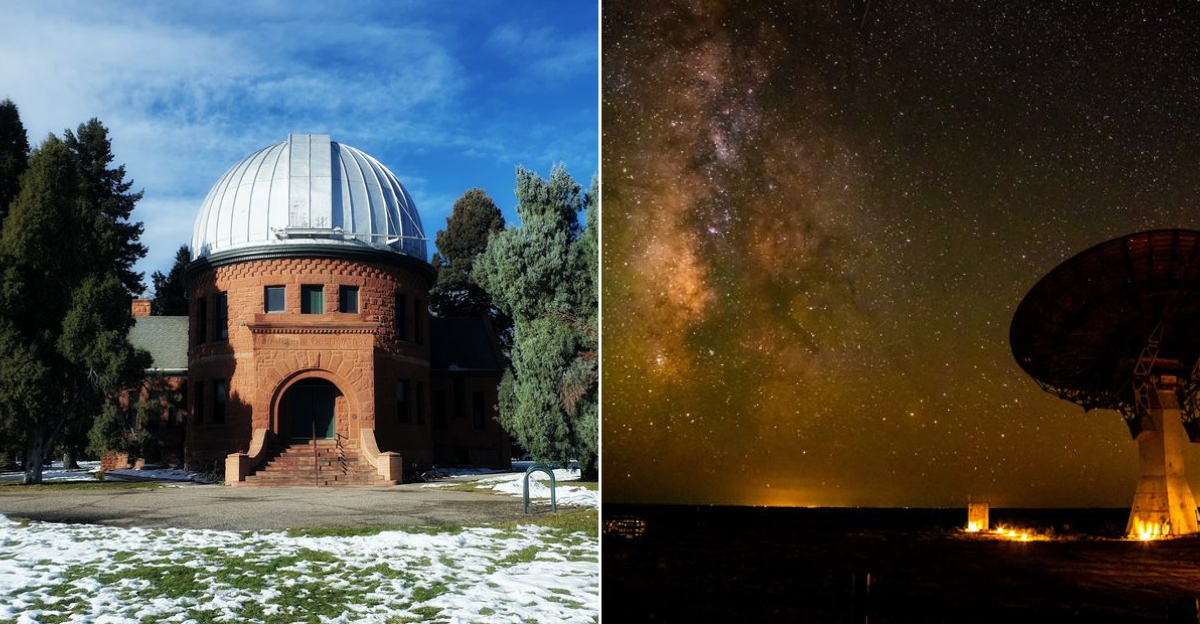
The night sky gets far more interesting when you stop treating it like background scenery. One moment you are watching constellations spill across a projected dome, and the next you are peering through a telescope at a planet hundreds of millions of miles away.
Across the mountain towns and desert valleys of Colorado, astronomy becomes less like a school subject and more like an adventure with excellent timing.
Some stops feel polished and scientific, while others are wonderfully odd, unexpected, and rooted in roadside curiosity.
That mix keeps every outing from feeling predictable. Bring a jacket because clear evenings cool fast, and keep your phone charged for directions, photos, and the inevitable attempt to capture something cameras never quite understand.
By the end of the night, even familiar stars seem newly dramatic. Few road trips in Colorado reward curiosity so quickly, especially when the best view appears only after sunset.
1. Zacheis Planetarium and Observatory
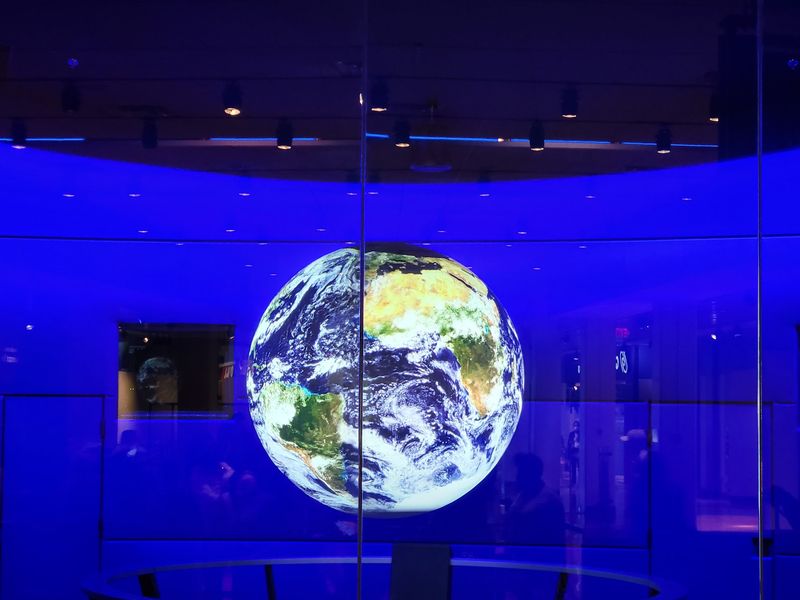
Tucked away at Adams State University on Edgemont Boulevard in Alamosa, the Zacheis Planetarium and Observatory is one of those places that sneaks up on you. You walk in expecting a quiet campus building, and you leave having watched the Milky Way spin overhead like a slow, glittering carousel.
Free full-dome films make this an easy yes for families or couples looking for a low-cost evening that still feels genuinely special. The programming leans educational without feeling like homework, which is a harder balance to strike than most people realize.
Scheduled telescope viewings add a hands-on layer that screen-based experiences simply can’t match.
Alamosa sits at a high elevation, which means the air is thin and the skies are remarkably clear on most nights. If you’re already visiting Great Sand Dunes National Park nearby, folding this stop into your trip takes almost no extra effort.
Arrive a few minutes early to grab a good seat, because the dome fills up faster than you’d expect for a free show in a small college town.
2. UFO Watchtower
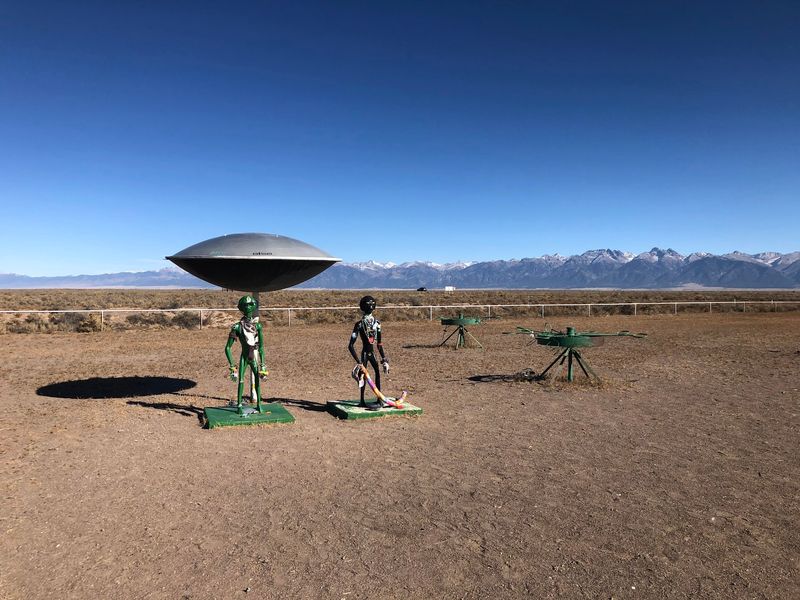
There is exactly one place in Colorado where you can climb a viewing platform, scan the horizon for extraterrestrial activity, and then set up a tent for the night under one of the darkest skies in the state. That place is the UFO Watchtower on County Road 61 in Hooper, and it is gloriously, unapologetically weird.
The San Luis Valley has a long and genuinely puzzling history of UFO sightings, which makes this spot feel less like a tourist gimmick and more like a logical headquarters. Alien-themed displays add a layer of campy fun, and the primitive camping option means you can stick around long after sunset to do some serious sky-watching on your own terms.
Dark-sky conditions here are exceptional, and on a clear night the star count is almost disorienting. Bring a red-light flashlight, a folding chair, and your most open-minded travel companion.
This is the kind of stop that becomes a story you tell for years, not because anything supernatural happened, but because the atmosphere is so genuinely unlike anywhere else you’ve been in the American West.
3. Gunnison Valley Observatory
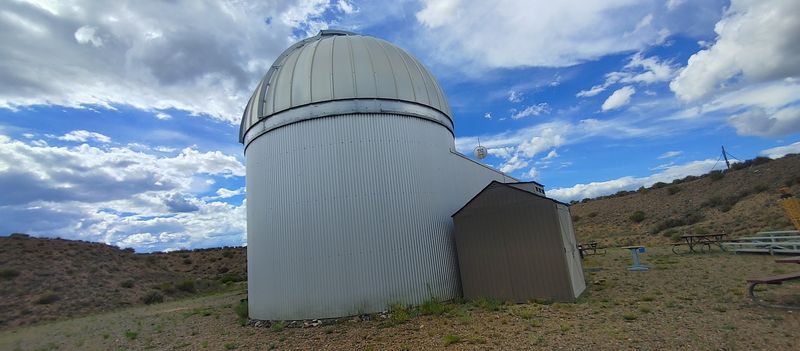
Running from June 12 through September 5 in 2026, the Gunnison Valley Observatory on County Road 38 operates like a well-organized summer camp for people who never quite got over their childhood fascination with space. The season is deliberately short, which keeps things focused and the crowds manageable.
Astronomy talks are woven into each visit, so you’re not just staring through an eyepiece in silence. You actually understand what you’re looking at, which changes the experience entirely.
Museum access and outdoor telescopes round out the visit, and the reservable dome tours are worth booking ahead of time since spots tend to fill up quickly once the season opens.
Gunnison itself is a mountain town with plenty of character, good food options, and a laid-back pace that suits a day trip perfectly. Pairing an afternoon in town with an evening at the observatory makes for a satisfying, full day without any of the logistics headaches that usually come with multi-stop trips.
The elevation here also means cooler summer nights, so bring a layer even in July. Reservations are strongly recommended for dome tours specifically.
4. Ball Observatory at Colorado Mountain College
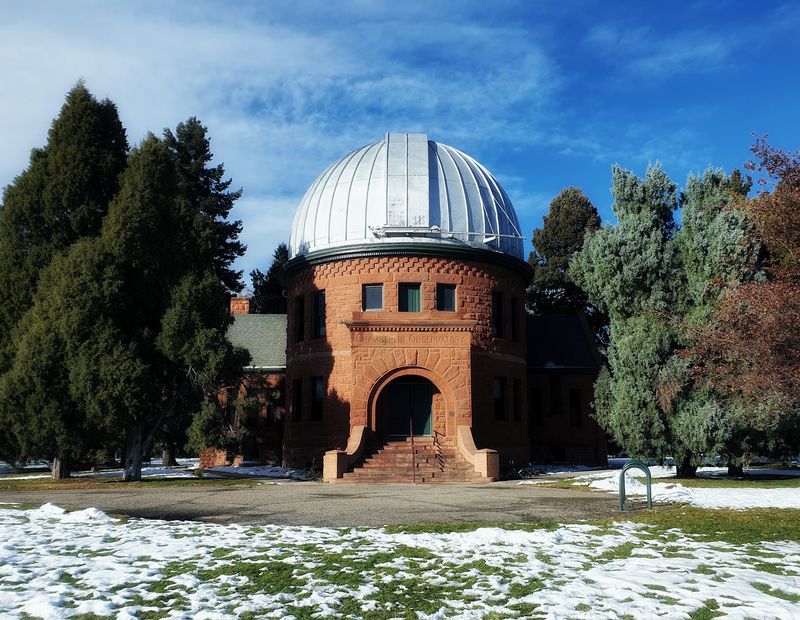
Steamboat Springs is already a town worth visiting for its own reasons, but the Ball Observatory at Colorado Mountain College on Crawford Avenue gives you a genuinely compelling excuse to stay past sunset. Free public star parties are scheduled throughout 2026, with spring and summer viewing nights anchoring the calendar.
What makes this spot particularly appealing is the college setting. Volunteers and students who actually know what they’re talking about are running the telescopes, which means your questions get real answers instead of vague gestures toward the sky.
That kind of knowledgeable, enthusiastic guidance transforms a stargazing session from a passive activity into something closer to a conversation.
Steamboat’s surrounding landscape adds to the appeal. You’re not fighting light pollution from a dense urban core, and the mountain air has a clarity that flatland cities simply can’t offer.
Check the college’s schedule early in the year, because spring nights book up as families start planning warm-weather outings. Parking near the observatory is generally straightforward, and the atmosphere at these star parties is relaxed and welcoming, whether you’re a seasoned amateur astronomer or someone who genuinely cannot tell Mars from Jupiter.
5. Estes Park Memorial Observatory
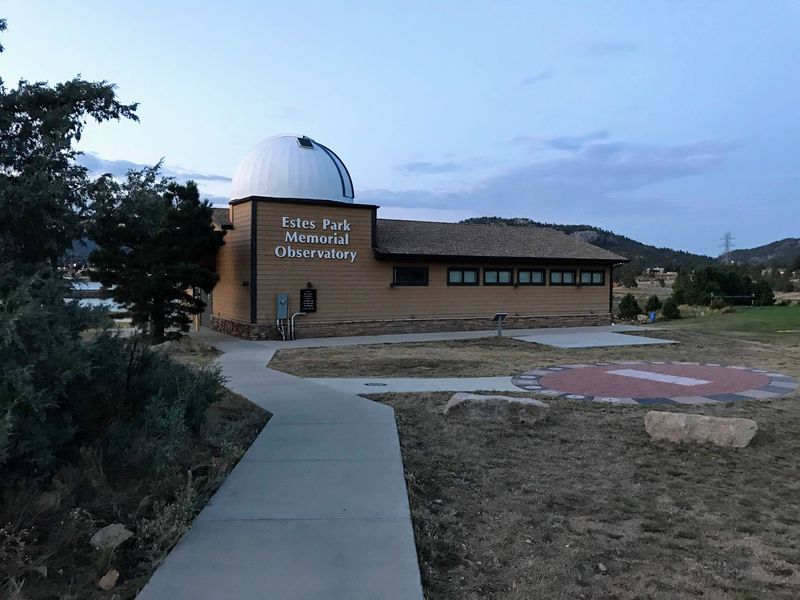
Volunteer-run operations have a particular charm that professional facilities sometimes lose. The Estes Park Memorial Observatory on Manford Avenue runs entirely on community enthusiasm, and you can feel that energy the moment you arrive.
These are people who genuinely love this, and that passion is contagious in the best possible way.
Reservations are open through October 2026, so the season stretches comfortably into autumn, when the crowds around Rocky Mountain National Park thin out and the nights get dramatically cleaner. Free public lectures and star nights round out the programming, giving you more than one reason to make the trip.
Estes Park itself is one of Colorado’s most scenic small towns, with enough restaurants and shops to fill an afternoon before your evening observatory session.
The combination of Rocky Mountain altitude and low surrounding light pollution makes the views here genuinely impressive. First-time stargazers often come expecting a modest experience and leave slightly overwhelmed by how much is actually visible.
Book your reservation early, especially for fall dates, since word has spread among Front Range families looking for something more memorable than a standard weekend outing. Layers are non-negotiable once the sun drops behind the peaks.
6. Little Thompson Observatory
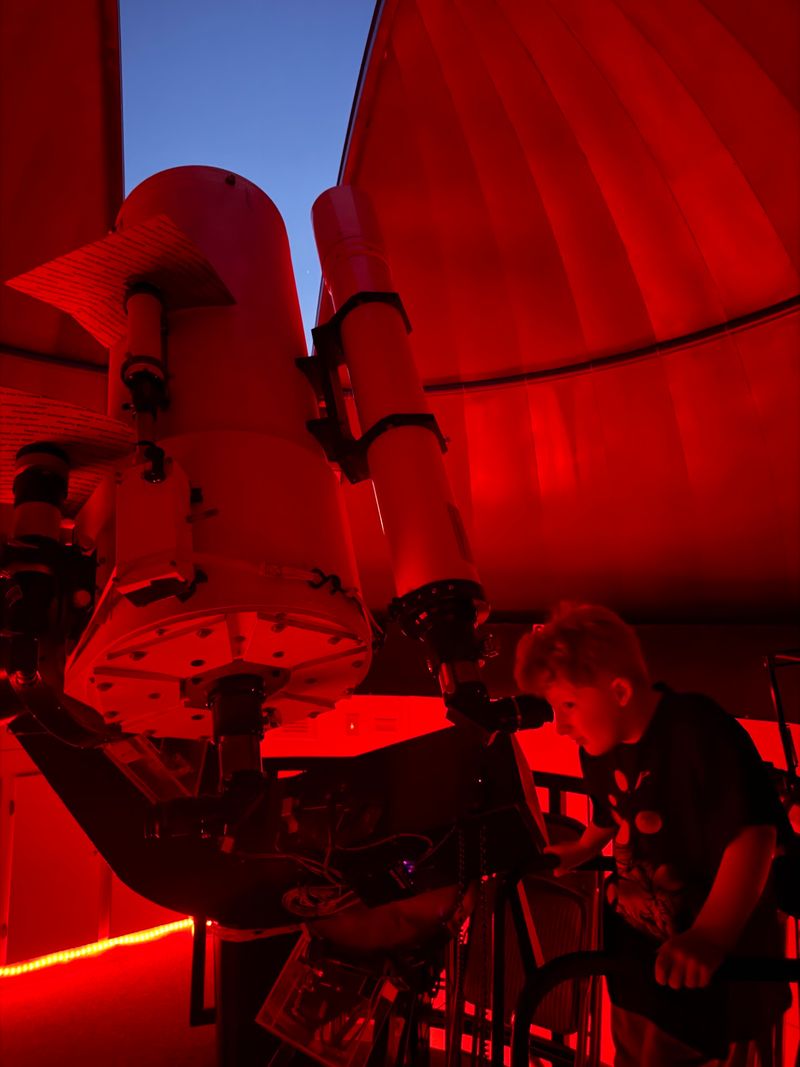
Berthoud might not be the first town that comes to mind when you’re planning a Colorado astronomy outing, but the Little Thompson Observatory on Spartan Avenue makes a convincing case for itself. Large telescopes operated by local volunteers are the main draw, and the scale of the equipment here is legitimately impressive for a community facility.
Active 2026 public star nights and scheduled group sessions mean there’s a structured calendar to work with, which takes a lot of the guesswork out of planning. Group sessions are particularly well-suited for families with kids who need a bit more guidance than a standard open-house format provides.
The volunteers are patient, knowledgeable, and clearly enjoy introducing new people to the hobby.
Berthoud sits comfortably between Fort Collins and Loveland, making it an easy addition to a northern Front Range day trip. If you’re already spending time in that corridor, swinging by the Little Thompson Observatory in the evening adds almost no extra driving.
The community-built nature of this place gives it a warmth that larger, more polished facilities sometimes lack. Show up a few minutes before the session starts to get your bearings and chat with the volunteers before the real viewing begins.
7. Madison-Macdonald Observatory
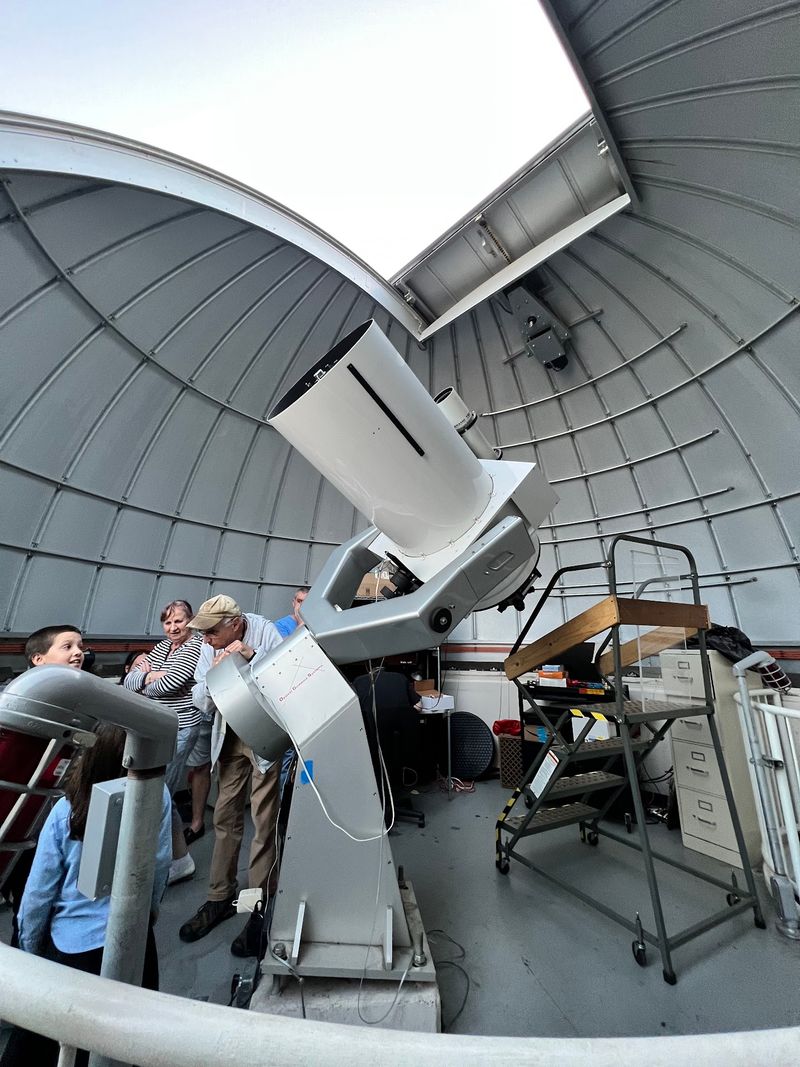
Colorado State University has posted a full 2026 public observing schedule for the Madison-Macdonald Observatory on Libbie Coy Way in Fort Collins, with free sessions running on selected Fridays from April through November. That kind of consistent, long-season schedule is genuinely rare among public observatories, and it makes trip planning significantly easier.
Fort Collins is already one of Colorado’s most livable and enjoyable cities, so building an evening observatory visit into a broader day trip here feels natural rather than forced. Spend the afternoon exploring Old Town, grab dinner at one of the local spots that have made the city’s food scene worth talking about, and then head to campus as the sky darkens.
The transition from city evening to stargazing session has a satisfying rhythm to it.
University observatories tend to attract a mix of curious students, faculty members, and community visitors, which creates an interesting social dynamic that you don’t always find at standalone facilities. Questions are welcomed, and the level of scientific literacy among the staff means conversations can go as deep as you want them to.
Friday night timing also means you don’t have to worry about an early Saturday morning following a late viewing session.
8. Southern Colorado Space Museum and Learning Center
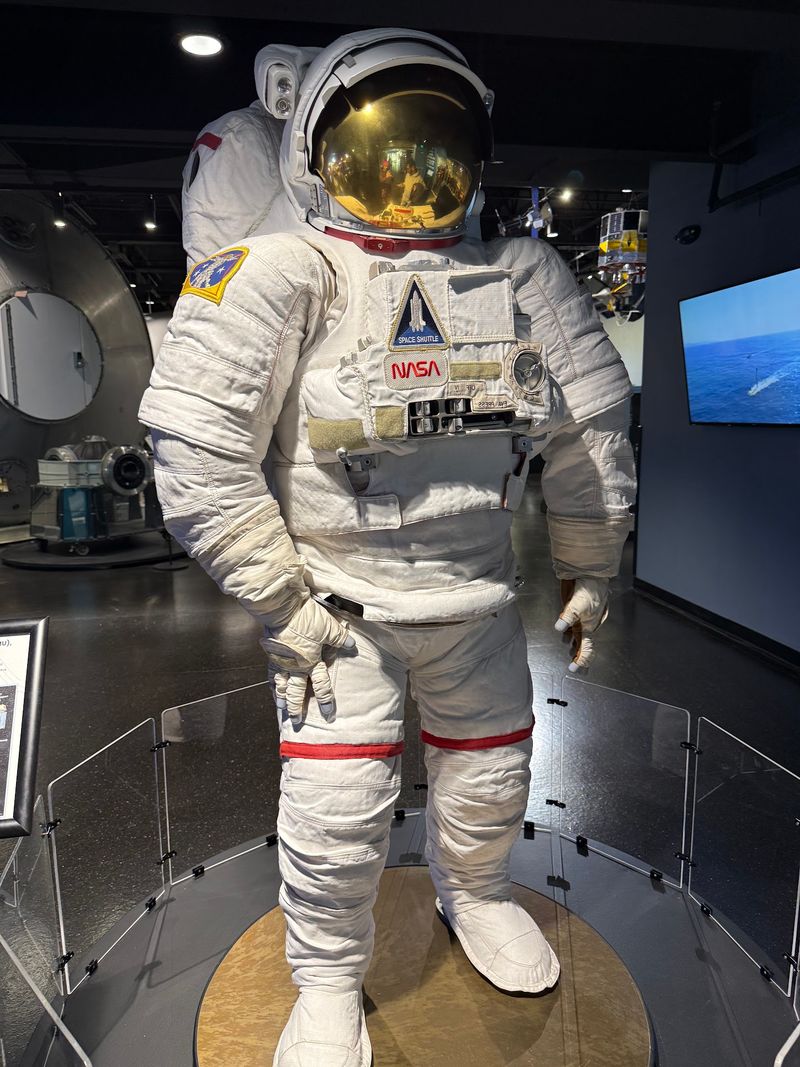
Not every space-themed outing has to happen after dark. The Southern Colorado Space Museum and Learning Center on Magnuson Avenue in Pueblo is open throughout the week, which makes it one of the most flexible options on this list for families with unpredictable schedules or kids who aren’t built for late nights.
Spaceflight artifacts, aerospace exhibits, models, and educational collections fill the space in a way that rewards slow, curious browsing. This isn’t a rush-through-in-forty-minutes kind of place.
Plan for at least a couple of hours if you want to actually absorb what’s on display rather than just tick a box on your itinerary.
Pueblo itself tends to get overshadowed by more famous Colorado destinations, but that’s part of its appeal. Fewer crowds, lower prices, and a genuine local character make it a refreshing change from the more polished tourist corridors along the Front Range.
The museum fits naturally into a broader Pueblo day trip that might also include time at the riverwalk or a stop at one of the city’s well-regarded local restaurants. For space-curious kids especially, this is the kind of museum that plants a seed that doesn’t stop growing for years afterward.
9. Paul Plishner Radio Astronomy and Space Sciences Center
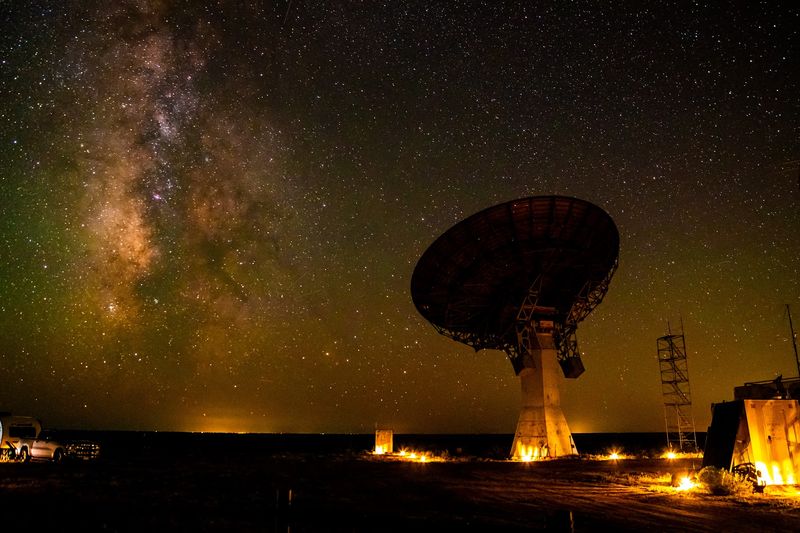
Somewhere out on the high plains east of Pueblo, on County Road 20 near Haswell, sits one of the most unexpectedly compelling scientific facilities in Colorado. The Paul Plishner Radio Astronomy and Space Sciences Center is home to an enormous radio telescope that looks like it belongs in a science fiction film, except it’s entirely real and actively used for research.
This is not a daily drop-in attraction, which is worth stating clearly upfront. Visits work best when arranged around an announced event or official work session, so check the facility’s calendar before making the drive.
The annual public open house is the easiest entry point for most visitors, and it’s worth planning around if you can manage the scheduling.
The remoteness of this location is actually one of its greatest assets. Out here, far from city lights and interference, the sky feels enormous in a way that even experienced stargazers find disorienting.
The scale of the equipment is humbling in the best possible sense. If you have any interest in how radio astronomy actually works, this is the kind of place that answers questions you didn’t even know you had.
Bring your own food and water, because services out this way are minimal at best.
10. United States Air Force Academy Planetarium
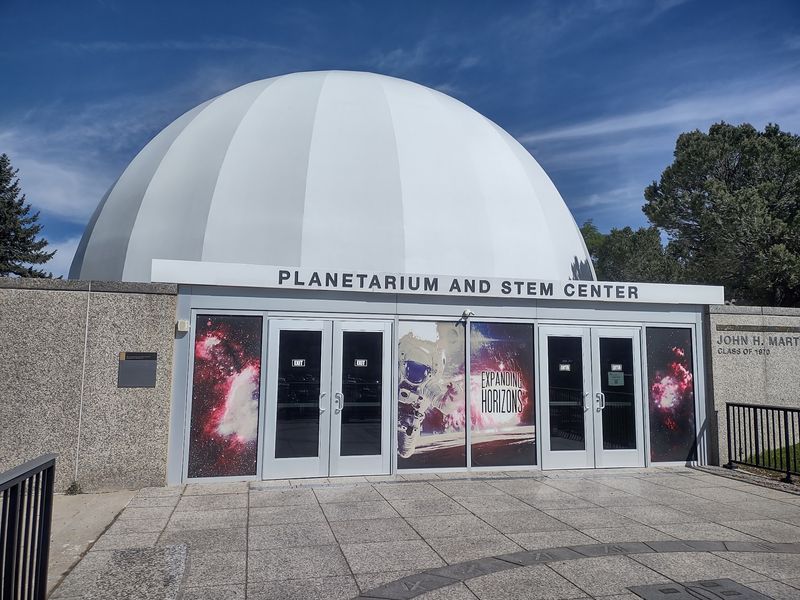
Free public planetarium shows at a U.S. Air Force Academy facility, open to civilians without any military affiliation required, is the kind of thing that sounds too good to be true until you actually show up at 2302 Cadet Drive and find yourself sitting in a genuine military-grade planetarium watching a show about space exploration.
Seating is first-come, first-served, so arriving early is the move.
The programming covers astronomy, aviation, and space, which reflects the academy’s unique position at the intersection of scientific education and military mission. Shows carry a weight and a perspective that you don’t find at purely civilian facilities, and that distinction makes the experience feel genuinely different rather than just another dome show.
The academy campus itself is worth a few extra minutes of your time if you’ve never visited. The architecture, the setting against the Front Range, and the general atmosphere of the place are all striking in ways that are hard to fully anticipate.
Colorado Springs offers plenty of additional stops to round out a full day trip, from garden attractions to historic sites. But the planetarium is the kind of anchor stop that gives a day trip its reason for being, and the free admission makes the value proposition almost impossible to argue with.
11. Chamberlin Observatory
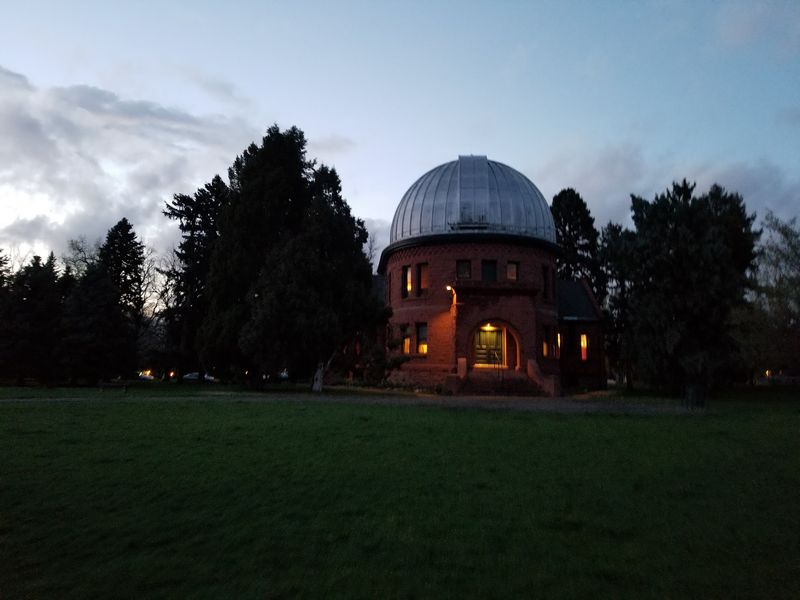
Denver’s Chamberlin Observatory on East Warren Avenue is the kind of place that rewards people who know to look for it. Sitting on the University of Denver campus, this Victorian-era brick building has been pointing telescopes at the sky since the 1890s, which gives it a layer of history that newer facilities simply haven’t had time to accumulate.
Reservable astronomy nights and free monthly open houses with telescope viewing make the calendar flexible enough to suit most schedules. The open houses in particular draw a pleasantly mixed crowd of curious neighbors, university students, and families who stumbled across the listing and decided to give it a try.
That mix of people makes for a lively, unpretentious atmosphere that feels genuinely community-rooted.
As a quieter alternative to Denver’s larger science museum, Chamberlin offers something the big institutions sometimes struggle to provide: intimacy. You’re not shuffling through with thousands of other visitors.
The telescope is close, the volunteers are accessible, and the experience scales nicely whether you’re a seasoned amateur or someone who genuinely can’t remember the last time they looked at the night sky. Denver’s surrounding neighborhoods offer excellent dining options for before or after, making this an easy evening anchor for a city day trip.