
14 Colorado River Walks That Turn Into All-Day Wanders
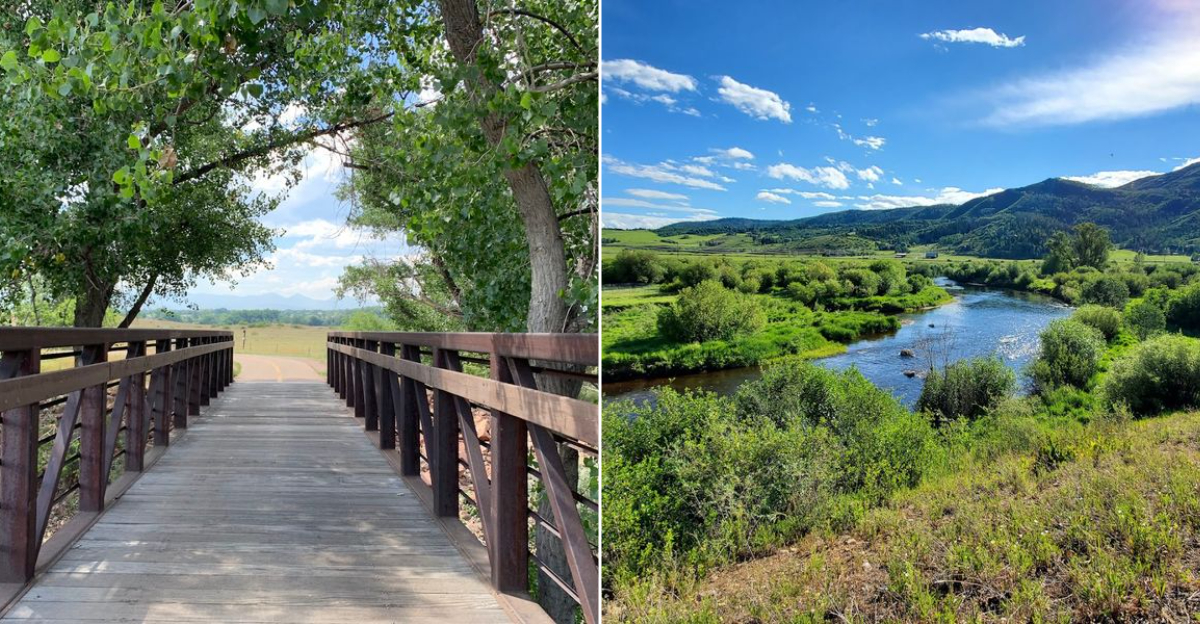
In Colorado, some walks begin with the best intentions and a modest two hour plan, only to quietly expand until the entire day has slipped by. Along Colorado’s rivers and winding creek corridors, that transformation happens more often than you might expect.
The steady rush of water sets a rhythm that makes it easy to forget the clock, while cottonwood groves and sunlit banks invite you to pause just a little longer. Trails trace gentle curves beside clear currents, revealing footbridges, shaded picnic spots, and unexpected views around every bend.
What starts as a simple out and back often turns into an unplanned adventure, with boots carrying you farther than you intended. Colorado rewards curiosity with cool breezes off the water and the calming soundtrack of flowing streams.
Lace up your shoes and clear your calendar, because these fourteen riverside walks have a way of becoming the highlight of your entire week.
1. Colorado Riverfront Trail (Grand Junction / Fruita / Palisade)
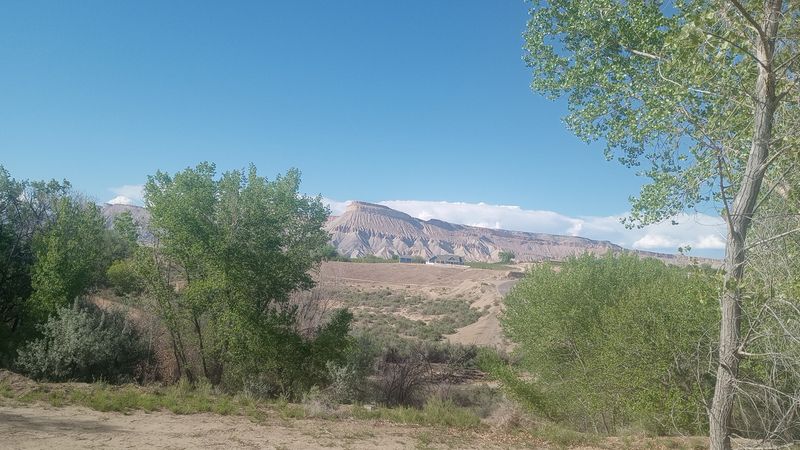
Few trail systems in the state earn the phrase “all-day wander” quite as honestly as this one. The Colorado Riverfront Trail stretches across a sprawling network of connected paths linking Grand Junction, Fruita, and Palisade, covering dozens of miles with river access, wildlife sightings, and canyon backdrops at almost every turn.
You can start from a parking area in Grand Junction and simply follow the river wherever it leads, and hours will pass before you check your watch.
What makes this corridor so addictive is the variety. One stretch feels wild and remote, with cottonwood canopy overhead and the river rushing close beside the path.
Then the trail opens up into wide, paved sections perfect for a casual bike ride or a long, unhurried walk with the whole family. The transitions between wild and accessible keep you curious about what comes next.
Wildlife is a genuine draw here. Great blue herons stand motionless along the banks, and mule deer appear with surprising regularity near the Fruita sections.
Birdwatchers often bring binoculars and lose track of time entirely, which is probably the most honest endorsement any trail can receive.
Palisade, sitting at the eastern end of the network, adds a scenic farming valley dimension that feels completely different from the canyon sections near Fruita. The gentle terrain makes the full corridor approachable for most fitness levels, including older kids and anyone who just wants a long, mellow day outdoors.
Pack a lunch, identify a riverside bench, and plan nothing else for the afternoon. The trail between Grand Junction and Fruita alone can fill six or seven hours if you let it breathe, and most people who visit once find themselves mentally planning their return before they’ve even reached the car.
2. Colorado River and River Run Trail (Glenwood Springs)
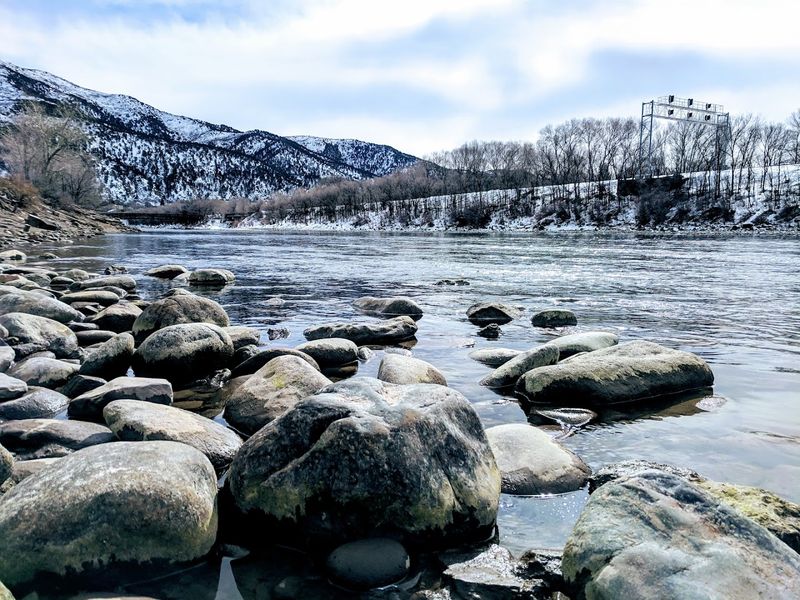
Glenwood Springs sits at the confluence of the Colorado and Roaring Fork rivers, which means the trail options here carry a natural energy that’s hard to replicate. The River Run Trail follows the Colorado through one of the most dramatically framed river corridors in the state, with steep canyon walls rising on both sides and the water moving fast and green just a few feet from the path.
There’s a particular kind of satisfaction in walking a trail that looks like it belongs in a travel magazine but is completely free to access. The terrain here stays gentle enough that you can set a relaxed pace and actually pay attention to the scenery rather than watching your footing.
That’s a rare quality in a state full of technically demanding trails, and it makes Glenwood Springs an easy call for families or visitors who want impact without effort.
Early mornings on this trail carry a cool mist off the river that makes the canyon walls look almost painted. Locals use the path for morning runs and dog walks, which gives it a lived-in, community feel rather than a purely tourist atmosphere.
Stumbling onto a trail that locals actually use is always a good sign.
The section near downtown Glenwood Springs connects well to the surrounding area, so you can naturally extend your walk by exploring the town itself before looping back along the river. Riverside benches appear at thoughtful intervals, which means you can stop, watch the current, and reset your pace without any pressure to keep moving.
The trail works beautifully as a solo morning reset or as a couple’s slow afternoon wander, and the canyon framing makes every photograph look effortless. Plan to stay longer than you intend, because the river has a way of making time feel optional.
3. Tunnel Drive Trail (Canon City)
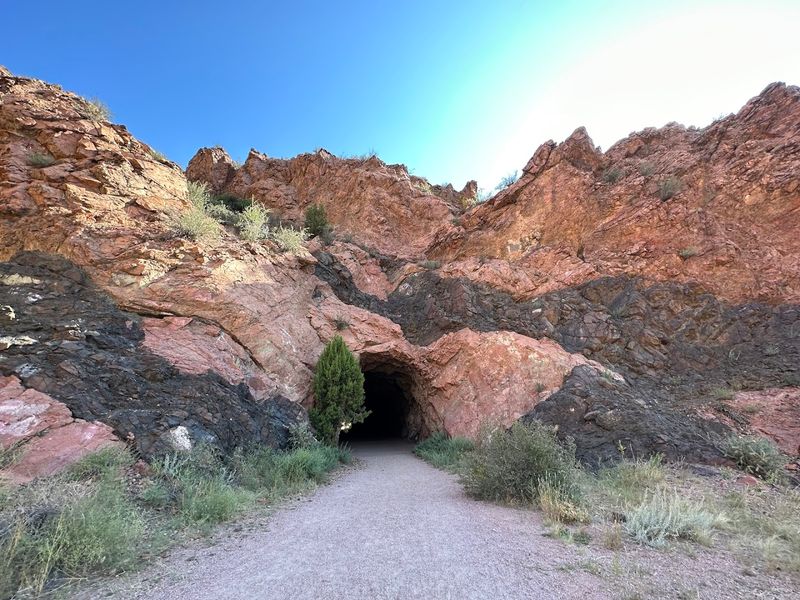
Not many river walks come with tunnels. The Tunnel Drive Trail near Canon City threads its way through a stretch of the Arkansas River gorge where history and geology are stacked on top of each other in the most literal sense.
Old railroad tunnels carved directly through solid rock mark the route, and walking through them feels genuinely unexpected, like the trail is rewarding your curiosity with a small theatrical moment.
The Arkansas River runs close and loud through this section of the canyon, and the rocky cliffs overhead create a sense of enclosure that feels more like adventure than confinement. The trail itself rates as easy to moderate, which makes it accessible to a wide range of walkers, but the dramatic surroundings make it feel more ambitious than the terrain actually demands.
That gap between perceived difficulty and actual effort is part of what makes it so satisfying.
History threads through this trail in ways that reward a little background reading before you go. The tunnels were originally blasted for railway access, and you can still see the engineering ambition of that era written into the rock walls.
Running your hand along the tunnel wall while the river echoes outside is one of those small travel moments that sticks with you longer than a scenic overlook photo.
Canon City itself sits at a comfortable elevation, which means the trail avoids the thin-air challenge that some Colorado hikes bring. Morning light hits the canyon walls at an angle that photographers specifically seek out, and the golden-hour return walk along the river has a cinematic quality that surprises first-time visitors.
Pack layers, bring water, and leave extra time at each tunnel entrance to simply stand and listen to the river bounce off the rock. The acoustic effect alone is worth the detour.
4. Roaring Fork River Trail (Aspen / Basalt Area)
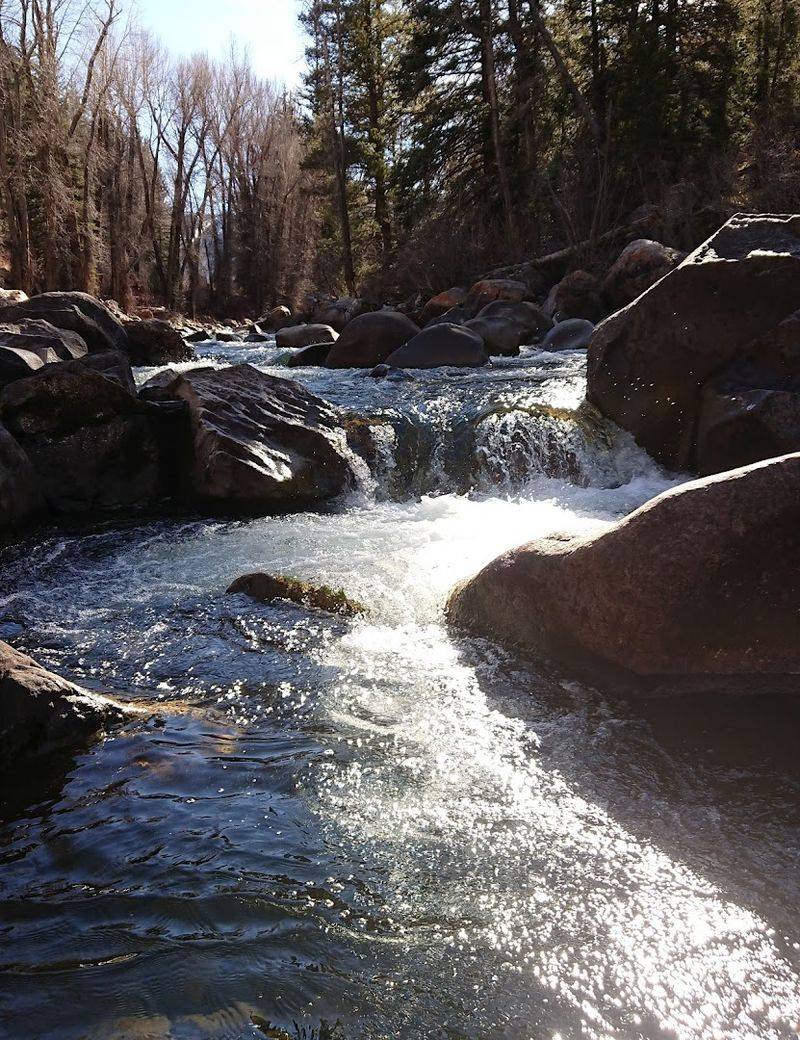
The Roaring Fork River has a reputation for being one of the most beautiful waterways in Colorado, and the trail that runs alongside it near Aspen and Basalt does nothing to argue against that claim. This long riverside corridor hugs the water’s edge through stretches of open meadow, aspen groves, and mountain-framed valley floor, with small wooden bridges crossing tributary streams at intervals that feel almost choreographed.
Starting near Basalt gives you access to some of the most accessible and varied sections of the trail, where the river is wide and clear and the path stays relatively flat. The mountain views that frame the valley here are the kind that stop conversations mid-sentence.
You’ll notice fellow walkers pausing frequently, not from fatigue, but simply because something in the landscape demands a moment of attention.
Wildlife along the Roaring Fork corridor is abundant and unhurried. Osprey hunt the river with precision, and fly fishermen stand knee-deep in the current at intervals that make the whole scene look like a calendar photograph.
The trail respects the river’s character, staying close to the water without ever overwhelming it, which keeps the experience feeling natural rather than developed.
Autumn is the trail’s most theatrical season, when the aspen trees turn the entire hillside gold and the river runs clear and cold between the fallen leaves. But the trail delivers in every season, including summer mornings when the air is still cool and the water level is high from snowmelt.
The Aspen end of the trail carries a more refined atmosphere, while the Basalt sections feel more relaxed and community-oriented. Either direction offers a full day of walking if you’re willing to follow the river’s lead and resist the urge to check the time.
5. Arkansas River Trail (Buena Vista / Salida Area)
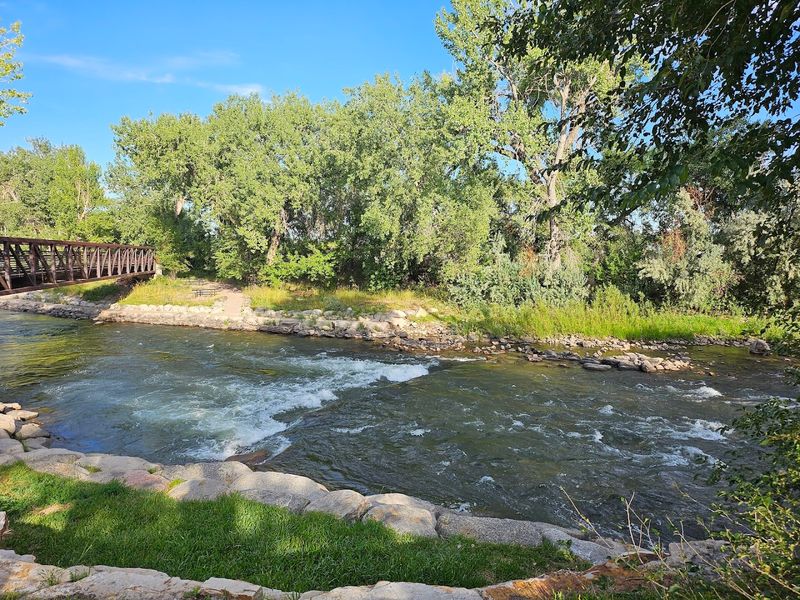
The Arkansas River Trail system between Buena Vista and Salida is the kind of place that serious hikers and casual strollers somehow both end up loving equally. The network of loops and connectors follows the Arkansas River through some of the most open and spectacular mountain valley terrain in the state, with the Collegiate Peaks providing a backdrop that makes every rest stop feel like a reward.
What sets this trail system apart is the flexibility. You can string together a short two-mile loop or connect multiple segments for a full-day river corridor experience that covers well over ten miles.
Picnic spots appear at regular intervals along the bank, and the river here is wide and relatively calm through many sections, which makes stopping to sit by the water genuinely restful rather than just a pause between walking stretches.
Salida has developed a well-earned reputation as one of Colorado’s most livable small towns, and the trail reflects that community investment. The path is well-maintained, the signage is clear, and the overall experience feels thoughtfully designed without losing its natural character.
Arriving in the morning when the river is catching early light and the mountains are still shadow-dark is a particularly good way to start a long day on the trail.
Buena Vista’s section of the trail connects to riverside parks and community spaces that make it easy to build a full-day itinerary around the walk itself. Bring a proper lunch and plan to eat it on a flat rock beside the river, because that kind of spontaneous picnic is exactly what this trail was designed for.
The Arkansas River here is a world-class whitewater destination, and watching rafters navigate the bigger rapids from the calm of the trail is a genuinely entertaining bonus.
6. Saint Vrain Creek Trail (Longmont / Lyons)
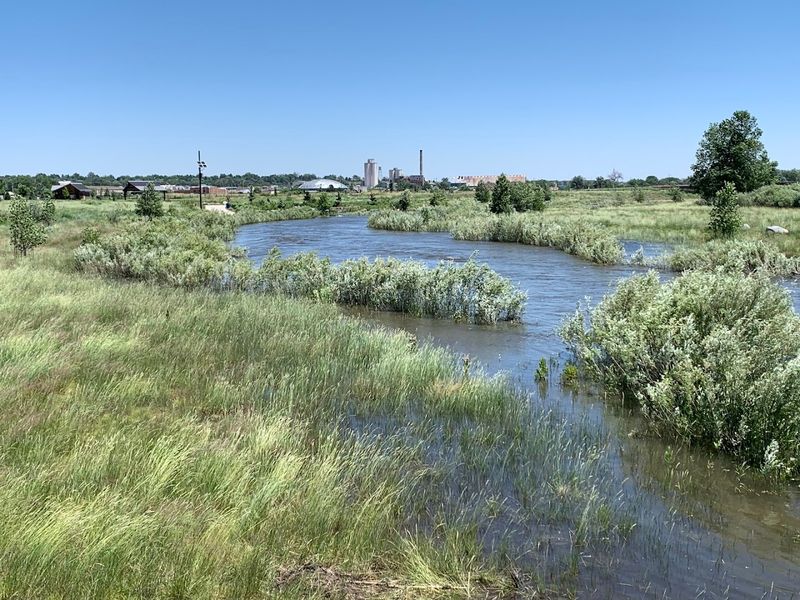
Saint Vrain Creek Trail doesn’t announce itself with dramatic canyon walls or high-elevation drama, and that restraint is precisely what makes it so endearing. Running through the communities of Longmont and Lyons, this trail follows the creek through shaded parks, open green corridors, and quiet stretches where the water moves gently and the surrounding landscape feels genuinely restorative.
It’s the kind of walk that earns its reputation through consistency rather than spectacle.
Families with younger children gravitate toward this trail because the terrain stays manageable and the creek access points are frequent and safe. Kids can wade in the shallower sections, collect smooth stones from the bank, and burn through an entire afternoon without anyone registering a single complaint.
That’s a specific kind of trail success that parents understand immediately.
The Lyons end of the trail carries a slightly wilder character, where the creek narrows and the surrounding foliage thickens into something that feels more remote than the Longmont sections. Lyons itself is a small, arts-oriented town with genuine charm, and combining a morning on the trail with an afternoon exploring the town creates a complete and satisfying day without requiring any serious planning or navigation.
Cottonwood trees line much of the corridor and provide shade that makes summer walking genuinely comfortable even on warm days. The dappled light through the canopy creates an atmosphere that feels almost deliberately peaceful, like the trail was designed as a counterpoint to busy schedules.
Saint Vrain Creek Trail isn’t trying to impress anyone, and somehow that makes it more impressive. It’s the reliable friend of Colorado river walks, the one you call when you want a good day without any complications.
Show up, walk as far as you like, and let the creek set the pace.
7. Yampa River Core Trail (Steamboat Springs)
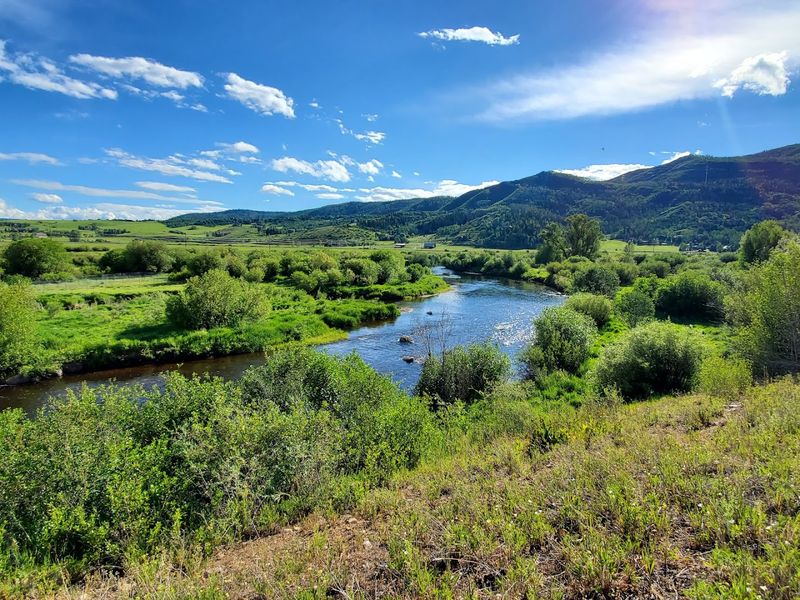
Steamboat Springs has a personality that’s equal parts ski town swagger and genuine mountain-town warmth, and the Yampa River Core Trail captures both sides of that identity with surprising elegance. The trail runs through the heart of downtown Steamboat, hugging the Yampa River as it winds through town before opening into wilder, more rural stretches that make you forget you started in an urban setting.
The transition from the downtown section to the quieter river corridor is one of the trail’s defining pleasures. Within a few minutes of leaving the busier central stretch, the sounds of town fade and the river takes over as the primary soundtrack.
Cottonwood canopy closes in overhead, and the path narrows just enough to feel like a personal discovery rather than a public amenity.
Hot Springs are a short distance from parts of the trail, and some visitors build their day around a morning walk followed by a soak, which is a scheduling decision that requires no justification whatsoever. The Yampa moves through Steamboat at a pace that matches the town’s own rhythm, quick and energetic in some places, calm and reflective in others.
Watching the river from a bridge along the trail gives you a clear sense of its character.
Autumn transforms the corridor into something genuinely spectacular, with the cottonwoods turning gold against the mountain backdrop. But the trail earns its place on this list in every season, including winter, when the bare trees and cold air create a stark, quiet beauty that feels completely different from the summer crowds.
The Yampa River Core Trail works as a standalone day experience or as the connective thread of a broader Steamboat Springs visit. Either way, plan for more time than you think you’ll need, because the river has a reliable habit of making schedules irrelevant.
8. San Juan River Trail (Pagosa Springs)
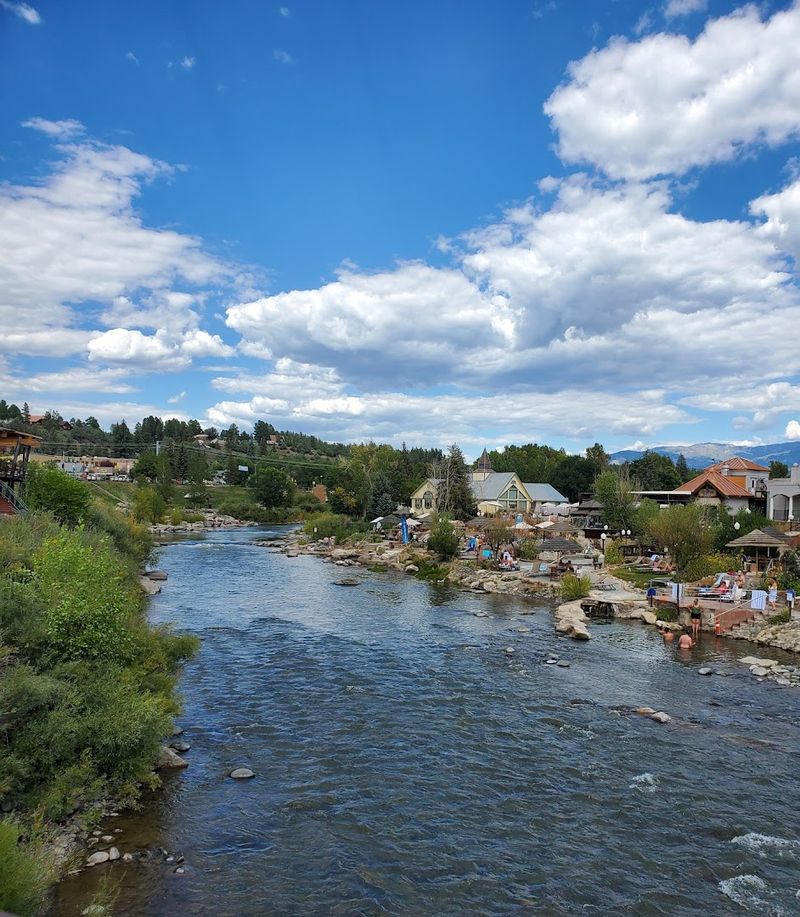
Pagosa Springs sits at an elevation that gives the surrounding landscape a particular quality of light, clear and slightly golden, that makes even a casual walk feel cinematic. The San Juan River Trail winds through this terrain with an unhurried, meandering character that matches the town’s own pace.
The path follows the river through sections that shift from open meadow to dense riverside vegetation, keeping the experience varied without requiring any real navigation effort.
The San Juan River itself is the trail’s main attraction and constant companion. The water here runs cold and clear, fed by high-country snowmelt, and the sound of it moving over smooth stones creates a background rhythm that’s genuinely calming.
Rest spots beside the water appear frequently, and the temptation to simply sit and watch the river is one that most visitors eventually surrender to, usually more than once.
Pagosa Springs is perhaps best known for its hot springs, and combining a morning on the San Juan River Trail with an afternoon soak creates the kind of low-maintenance, high-reward day that requires almost no planning. The town itself is compact and walkable, so extending your river walk into a town exploration adds another layer to the day without adding stress.
Wildlife sightings along this corridor are common and varied. Deer move through the riverside vegetation in the early morning hours, and birds of prey use the river’s open corridor as a hunting ground throughout the day.
The trail’s natural beauty feels appropriately matched to its surroundings, neither over-developed nor difficult to access. First-time visitors to Pagosa Springs often discover the San Juan River Trail almost by accident, wandering down toward the water from town, and then spending the rest of the day following the river further than they ever originally intended.
9. Piedra River Walk (Southwest Colorado)
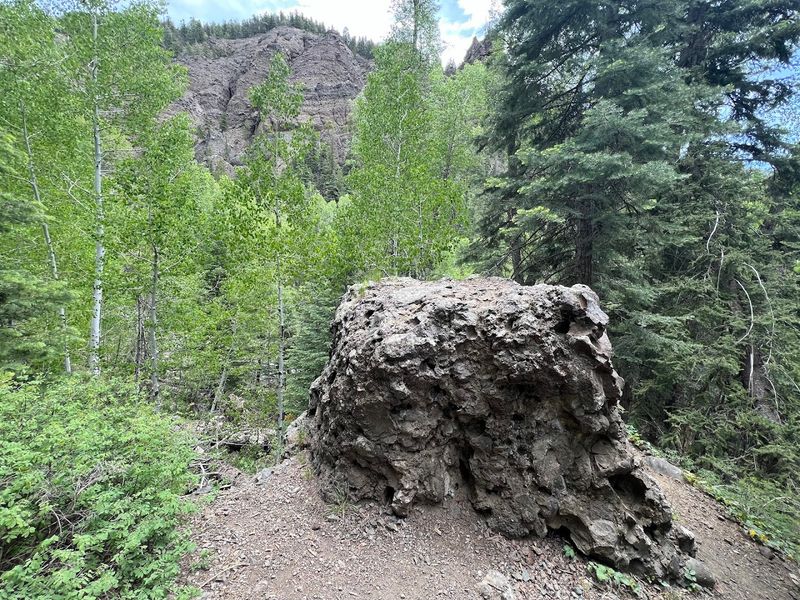
The Piedra River is not a household name in Colorado trail conversation, and that obscurity is its greatest asset. While more famous river corridors fill up with weekend crowds, the Piedra River Walk in Southwest Colorado offers a genuine wilderness experience that rewards walkers who are willing to seek it out.
The terrain here is more rugged than many entries on this list, with the river cutting through forested canyon country that feels genuinely remote.
Old-growth ponderosa pines line sections of the trail, and the river moves through the canyon with an energy that changes character depending on the season and snowpack. Late spring brings roaring, fast-moving water that fills the canyon with sound.
By late summer, the river calms and the pools between the rapids become clear and inviting. Each visit delivers a different version of the same landscape.
The trail demands a bit more attention to footing than the smoother, more developed paths on this list, which actually works in its favor. When you’re watching where you step, you notice more: the lichen patterns on the canyon walls, the small waterfalls feeding the main channel, the way the light filters through the forest canopy and lands on the water in shifting patches.
Attention and reward are closely linked on the Piedra.
This is the trail for people who want their river walk to feel earned. It’s not technically difficult, but the remoteness and the rougher terrain give it a character that more polished trails simply can’t replicate.
Pack everything you need for a full day, including lunch, extra water, and enough layers for afternoon temperature shifts. The Piedra River Walk doesn’t have trailhead coffee shops or interpretive signs.
What it has is the river, the forest, and a silence that feels increasingly rare in a crowded world.
10. North Platte River Trails (Walden / Gould)
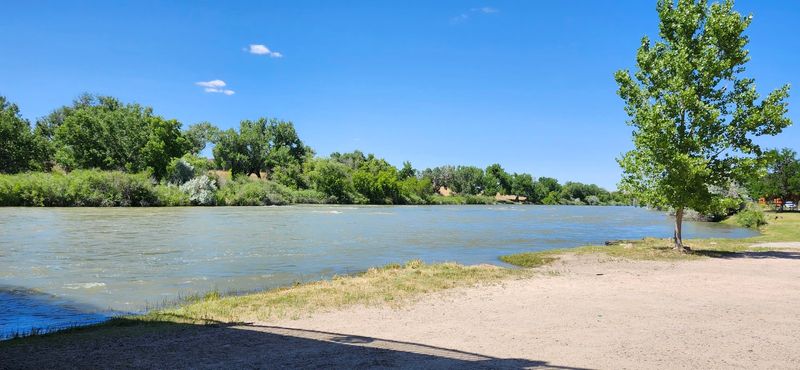
Jackson County, Colorado, is one of the state’s least-visited corners, and the North Platte River Trails near Walden and Gould exist in a kind of beautiful anonymity that feels almost protective. The landscape here is different from the mountain drama of the central Rockies.
Wide, open valley floor stretches in every direction, the sky dominates the view, and the North Platte River moves through it all with a quiet, purposeful grace.
The trails follow the river through meadow and woodland settings that shift gradually as you walk, with willows and cottonwoods clustering near the water and open grassland filling the spaces between. This is prime habitat for sandhill cranes, elk, and pronghorn, and wildlife encounters here feel less like lucky sightings and more like expected parts of the day.
Bringing binoculars to the North Platte is not optional.
Walden itself is a small ranching town with a genuine working-landscape character that adds context to the trails. The North Park area, where these trails sit, has a history rooted in cattle ranching and trapping, and that heritage is visible in the open, utilitarian beauty of the valley.
There’s nothing manicured about this landscape, and that authenticity is exactly what makes it compelling.
Long summer days in this part of Colorado mean you can start a North Platte River walk in the early morning and still have afternoon light when you finally turn back toward the trailhead. The elevation here sits around 8,000 feet, so the air is cool even in July, and the afternoon thunderstorms that roll through the valley in summer add a dramatic punctuation mark to any long day on the trail.
Plan your turnaround time accordingly, and never underestimate how far you’ll walk when the landscape keeps opening up ahead of you.
11. Colorado River Headwaters (near Grand Lake)
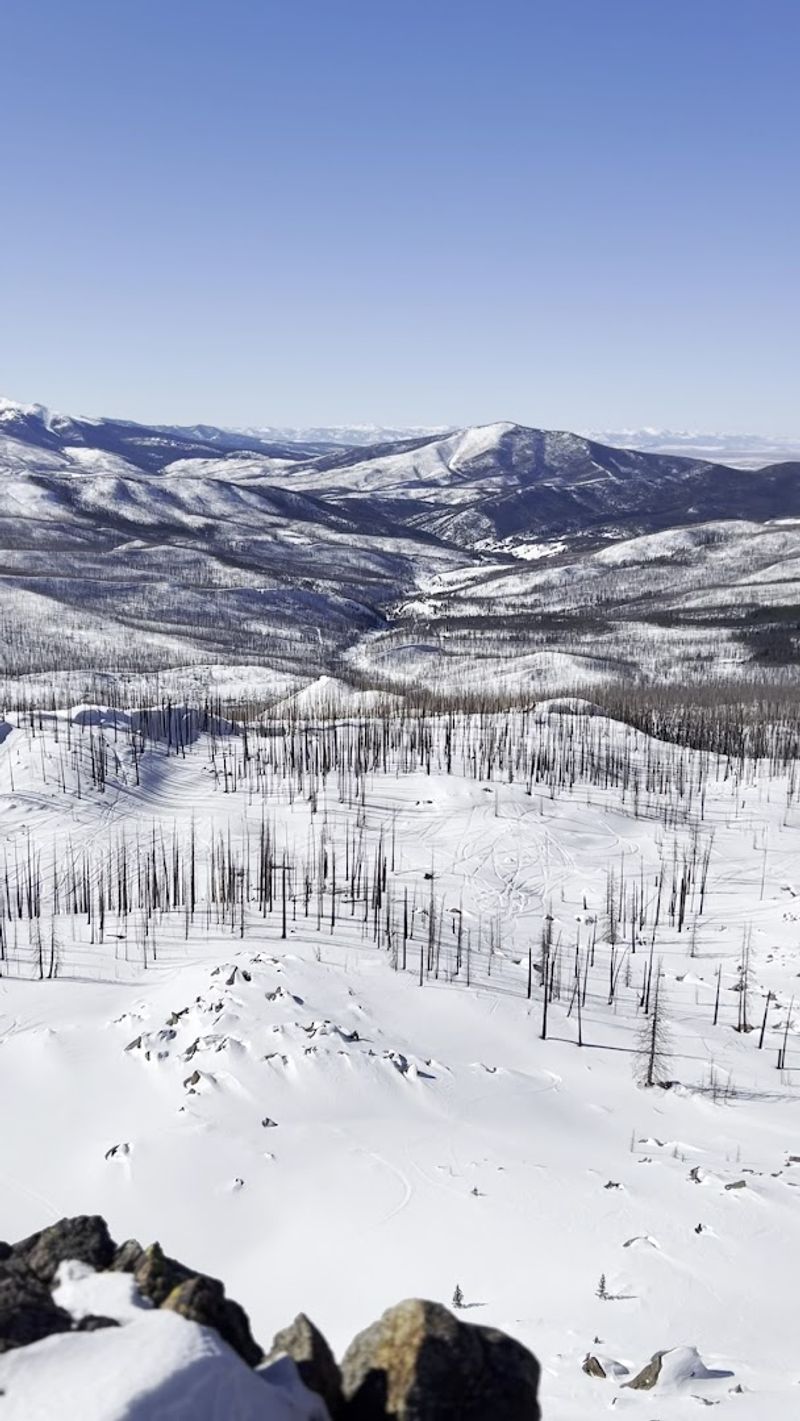
Standing at the headwaters of the Colorado River near Grand Lake carries a particular weight that’s hard to articulate until you’re actually there. This is where one of North America’s most consequential rivers begins, slipping quietly out of Rocky Mountain National Park and into the world.
The pathways around Grand Lake and the river’s source offer a walking experience that combines geological significance with extraordinary scenic beauty in a way that few trails can match.
Grand Lake itself is Colorado’s largest natural lake, and the shoreline paths that connect to the river headwaters section offer a combination of lakeshore walking and rocky riverbank exploration that can easily fill an entire day. The water here is cold and impossibly clear, and the surrounding pine forest creates a canopy that keeps the air cool even on warm summer afternoons.
Every turn in the path reveals another angle on the lake or river that looks like it was composed specifically for a photograph.
Rocky Mountain National Park sits directly adjacent to this area, and the proximity of that wilderness adds an edge of genuine remoteness to the headwaters experience. Moose are a legitimate presence near Grand Lake, particularly in the marshy sections near the river’s origin, and spotting one in the early morning hours is the kind of encounter that travelers talk about for years afterward.
The town of Grand Lake, perched on the lake’s western shore, has a charming boardwalk and small-town atmosphere that provides a natural beginning or end point for a headwaters walk. Starting in town, following the shoreline east toward the river’s origin, and returning along a different route creates a loop that fills a full day without ever feeling repetitive.
The headwaters walk is not just a hike. It’s a conversation with the river at its most honest and unformed.
12. Clear Creek Canyon Regional Park (Clear Creek Canyon)
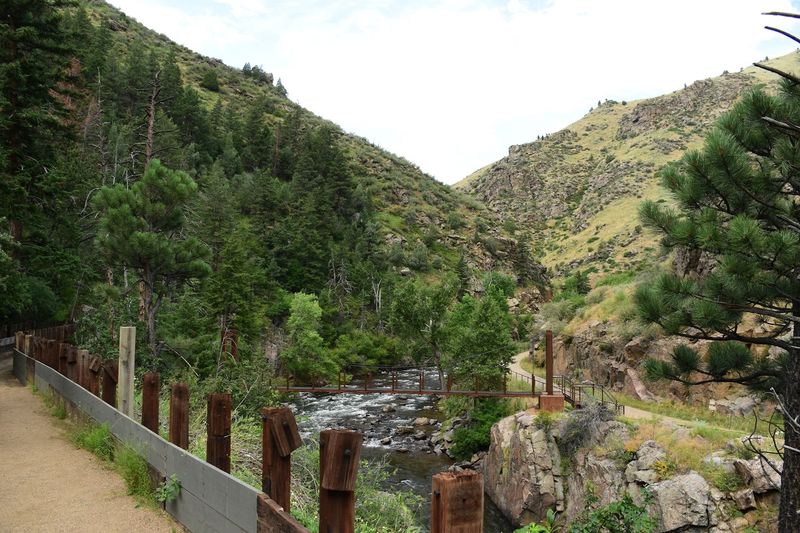
Clear Creek Canyon Regional Park occupies a stretch of canyon west of Denver that feels entirely disconnected from the city that funded it. The creek runs fast and loud through the canyon, the walls rise steeply on both sides, and the trail beside the water links into a network of longer routes that can genuinely occupy a full day for anyone willing to follow the creek’s lead.
The combination of dramatic geology and accessible trail design makes this one of the Front Range’s most underrated full-day destinations.
Rock climbers are a consistent presence on the canyon walls, which adds a kinetic energy to the walking experience that’s entertaining even for people who have no interest in climbing. Watching someone work a difficult route forty feet above the trail while you walk beside the creek is a specific kind of ambient entertainment that requires no participation.
The canyon’s acoustics amplify both the creek and the occasional chalk-bag rattle from above into a surprisingly rich soundtrack.
The creek itself changes character as you move through different sections of the canyon. In the lower sections near the canyon entrance, the water rushes hard over boulders in a series of small rapids.
Further upstream, the canyon opens slightly and the creek finds calmer pools that reflect the canyon walls above. Each transition feels like a new chapter in the same story.
Jefferson County’s investment in trail connectivity here means that Clear Creek Canyon links into broader trail networks, so ambitious walkers can extend their day well beyond the canyon itself. The trailhead parking fills early on weekends, which is reason enough to arrive before 8 a.m. and claim the best part of the morning light on the canyon walls.
The creek rewards early risers with a cool, misty energy that the afternoon crowds never quite experience.
13. Sand Creek Regional Greenway (Aurora / Denver Area)
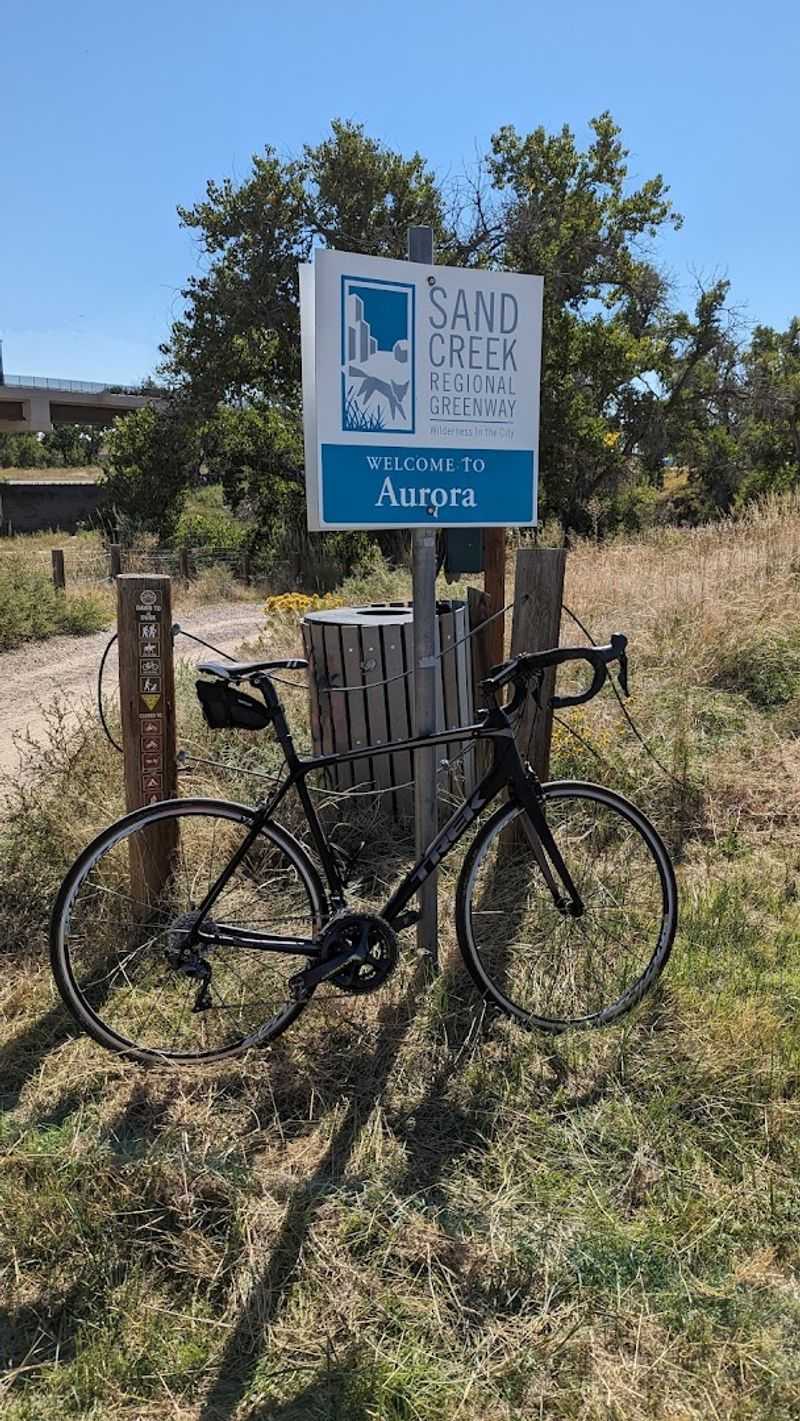
Sand Creek Regional Greenway is the kind of trail that quietly changes how you think about urban landscapes. Running through Aurora and connecting into the broader Denver trail network, this riverside corridor transforms what might otherwise be an overlooked urban waterway into a genuine green escape that’s accessible to millions of people without requiring a car, a trailhead permit, or a two-hour drive.
That accessibility is not a compromise. It’s the whole point.
The trail follows Sand Creek through a varied landscape of riparian vegetation, open parkland, and naturalized creek margins that support more wildlife than most visitors expect from an urban corridor. Great blue herons work the shallower sections with characteristic patience, and red-tailed hawks circle overhead in a way that makes the surrounding city feel temporarily irrelevant.
The creek’s restoration over recent decades has turned this into a legitimate ecological corridor, not just a paved path beside water.
The greenway connects to several parks and community spaces along its length, which makes it easy to build a full day around the trail by incorporating stops at different access points. Families can enter at one park, walk a comfortable distance, and exit at another without retracing their steps, which keeps the energy fresh and the kids engaged.
The flat terrain makes the distance feel manageable even for younger walkers.
What distinguishes the Sand Creek Greenway from other urban trails is the sense of genuine immersion it provides. Once you’re on the trail and the creek is running beside you, the city recedes in a way that feels disproportionate to the actual distance from the nearest intersection.
It’s a useful reminder that nature doesn’t require a long drive to be restorative. Sometimes it just requires following a creek and paying attention to what lives beside it.
14. South Platte River Trail (Denver to Littleton and Beyond)
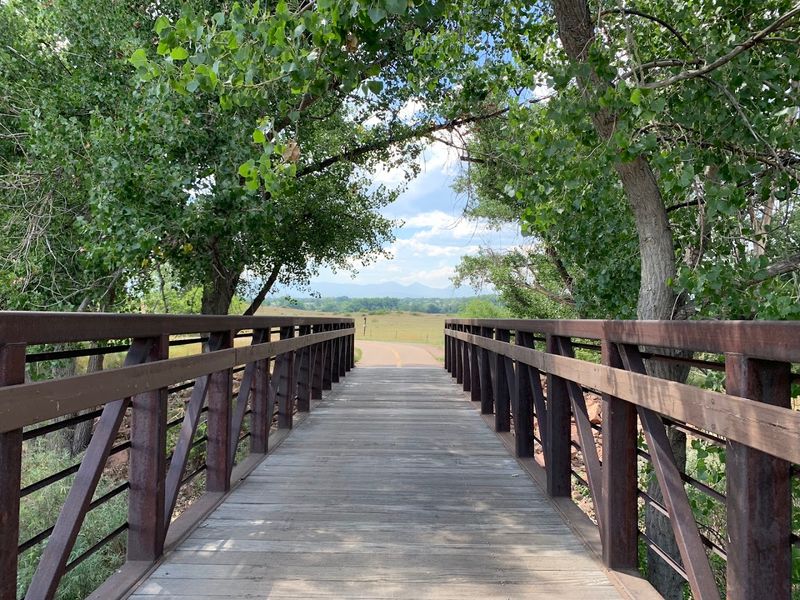
The South Platte River Trail is Denver’s great linear escape, a long, continuous riverside corridor that runs from the city’s core southward through Englewood and Littleton and keeps going further than most people ever bother to explore. The trail follows the South Platte River for miles in both directions, and its greatest quality is this: you can start walking and simply not stop, letting the river set the agenda while the city gradually shifts and changes around you.
Starting in Denver’s Confluence Park, where Cherry Creek meets the South Platte, puts you at the trail’s most energetic and urban starting point. From there, the path heads south through a changing landscape that transitions from industrial-edge urban to park-lined suburban to genuinely open riparian corridor.
Each zone has its own character and its own pace, and moving through all of them in a single day feels like watching a city reveal itself in cross-section.
The trail is wide, well-maintained, and shared between cyclists, runners, and walkers, which means the energy stays lively without becoming overwhelming. Weekday mornings offer a particularly good experience, with the path less crowded and the river catching early light in a way that makes the whole corridor feel quieter and more personal than it does on a busy Saturday afternoon.
Littleton’s river access points allow for a natural turnaround with the option to explore the town before heading back north along the opposite bank. The South Platte Trail’s sheer length is its defining feature.
There is always more trail ahead, always another bend in the river to investigate, always a reason to keep walking. For anyone who has spent a day on it without planning a specific endpoint, the experience of simply following a river through a city until you decide to stop is one of the most quietly satisfying things Colorado’s trail system has to offer.