
11 Colorado Rockhounding Spots Where Agates, Crystals, And Surprising Finds Await
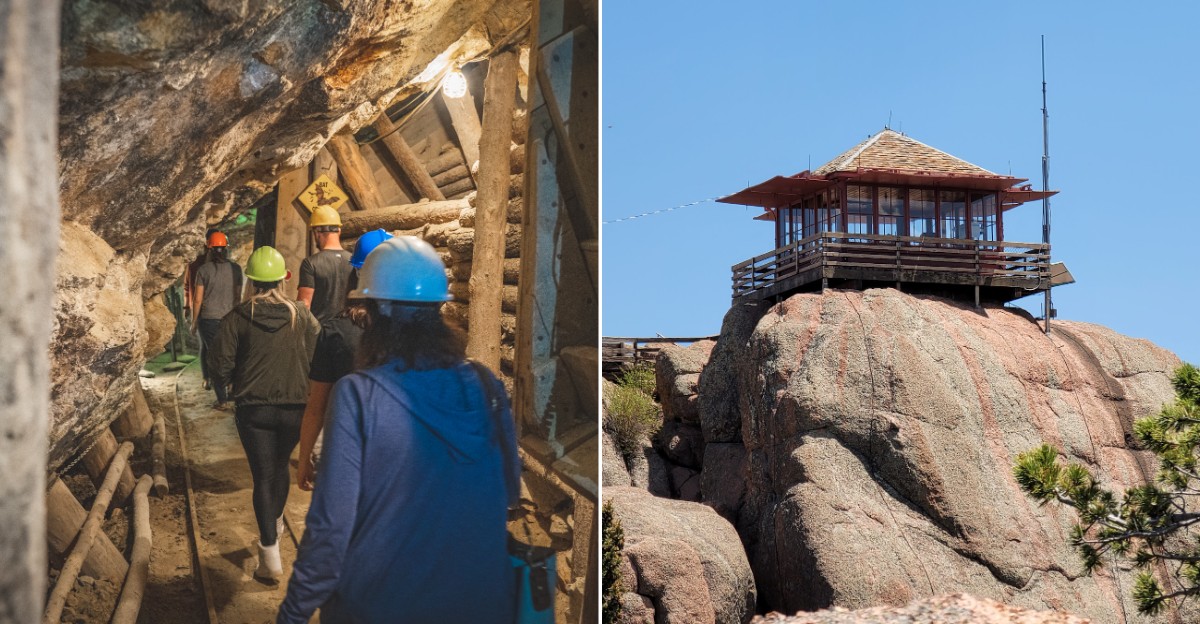
A pocket-sized stone can turn a roadside pause into the most memorable part of the day. That is the fun of rockhounding: you start by looking down and suddenly every patch of ground seems worth a second glance.
For curious travelers, several hands-on stops across Colorado make geology feel less like a textbook and more like a scavenger hunt. One place may let you split fossil-bearing shale, while another offers a chance to pan for gold or study formations without taking anything home.
The rules matter just as much as the rocks. Collecting is not allowed everywhere, and protected sites deserve a camera instead of a hammer.
With so much exposed geology in Colorado, even a stop can reveal layers of mining history, fossils, minerals, and ancient landscapes. Bring patience, read posted rules carefully, and remember that sometimes the best find is the one you leave exactly where it was.
1. Florissant Fossil Quarry, Florissant
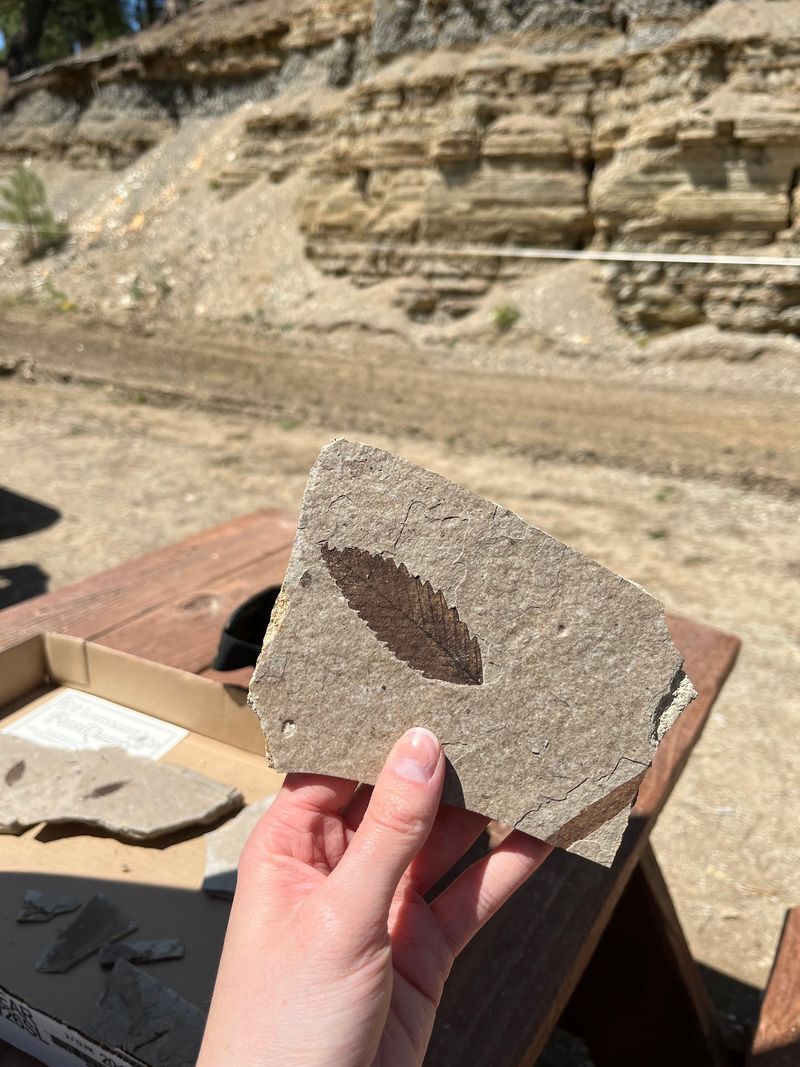
A rock that opens like a book is a fine way to get someone interested in geology. At Florissant Fossil Quarry, the pages are pieces of shale from the Florissant Formation, formed about 34 million years ago.
Visitors split freshly excavated rock and look for fossils themselves, rather than studying finds behind glass. It is a private quarry, not a free collecting site.
The quarry provides tools, personal instruction, and access to shale, so beginners do not need to arrive with a full kit or a polished technique. Take your time learning how the layers separate.
A careful split is more useful than trying to turn every rock into gravel. Kids can join in, which makes the activity a practical choice for families with different levels of patience.
Florissant Fossil Quarry is in Teller County, less than an hour west of Colorado Springs. Reservations are not required; visitors pay when they arrive.
Check current hours and costs before leaving home, since a quarry outing takes a little more planning than a roadside stop. There is no restaurant on site, so bring what your group needs for the visit.
The surprise here is not a glittering crystal. It is the chance to open ancient stone and see what it kept.
2. Last Chance Mine, Creede
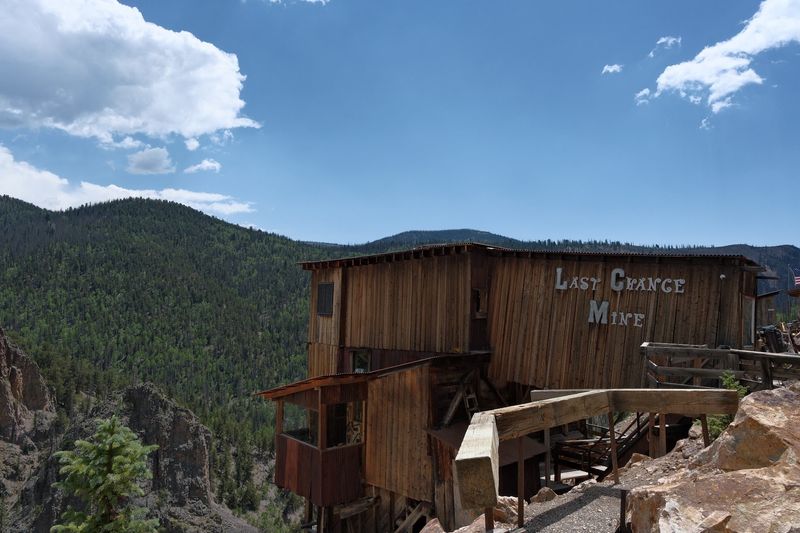
Silver was the main attraction for earlier miners at Last Chance Mine. For a visitor today, the rocks they left behind may be the more interesting part.
The historic Creede mine has a rockhounding hill where guests can dig through tailings and wash specimens. Its collecting experience can turn up a range of mine minerals, with amethyst among the possibilities.
Possible is the useful word: no pile owes anyone a particular prize.
The mine also offers a guided underground tour and a museum, giving the collecting a story beyond the contents of a bucket. A tour helps explain why material ended up in the tailings in the first place.
There is a gift shop with minerals and jewelry, too, if your own search produces more curiosity than keepsakes. On-site parking and a restroom make the visit easier to plan.
Last Chance Mine sits near Creede, a Colorado town shaped by silver mining. Wear clothes that can handle digging, and ask staff where collecting is allowed before starting.
Check the mine’s current tour and collecting schedule rather than assuming the same hours apply every day. Anyone hoping to learn as well as hunt gets both an old mine and a working lesson in what earlier miners valued, or passed by.
3. Hidee Gold Mine Tours and Panning, Central City
Gold hunting sounds wonderfully simple until someone hands you a pan and the material inside looks like ordinary dirt. Hidee Gold Mine Tours and Panning gives that small mystery some context.
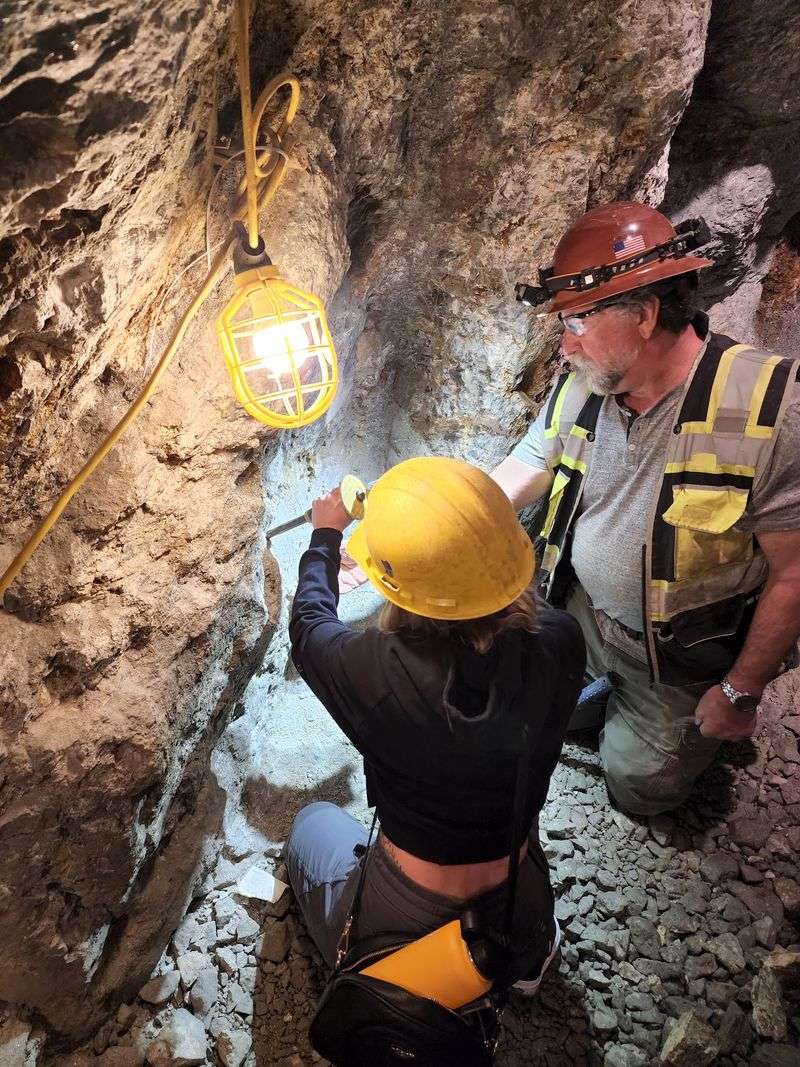
Near Central City, visitors tour a real mine, learn to pan, and get a chance to hand-mine gold-bearing ore to keep. It is a supervised activity, not permission to chip away wherever you please.
Guides explain the mine while guests move through the underground workings. The hands-on part uses a hammer and chisel, giving you a closer look at how an ore sample comes from rock rather than a souvenir shelf.
Panning is a second way to search, and it rewards attention more than speed. For families, the two activities offer different ways to understand the same material.
Hidee Gold Mine Tours and Panning is a controlled choice for someone who wants to try collecting without locating a public claim boundary. The mine is near Central City in Colorado’s historic mining country, but its guided format is the key planning detail.
Booking ahead is recommended, and there is no restaurant on site. Check current tour details before setting out.
The prize may be modest in size, yet having a piece of ore you worked loose yourself gives it a clear story.
4. Bachelor Syracuse Mine Tour, Ouray
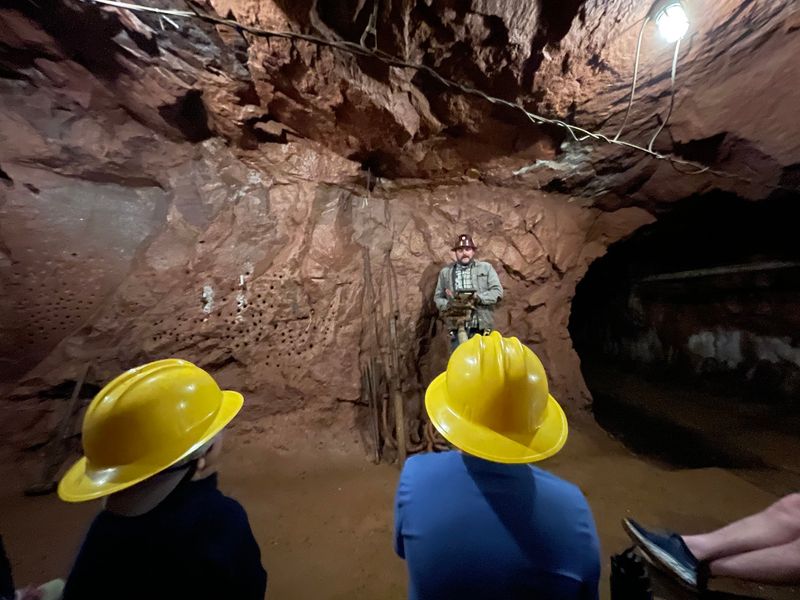
At Bachelor Syracuse Mine Tour, the search for gold begins with a look at where miners once worked. The Ouray attraction takes visitors on guided walks through a restored 1880s gold and silver mine.
Afterward, gold panning stations put a smaller, slower kind of mining in your hands. Together, the tour and activity make a useful contrast: moving rock underground was hard work, while spotting a tiny flake calls for patience.
The guide’s history gives the mine more meaning than a tunnel by itself could. You can learn about mining methods and the people who used them, then consider what a bit of gold in a pan actually represents.
A gift shop is also part of the site. None of that makes this an open hillside for collecting, so keep your search to the visitor activities provided.
Bachelor Syracuse Mine Tour is on Gold Mountain Trail near Ouray, one of Colorado’s mountain mining towns. Tickets in advance are recommended.
Because an underground walk and panning are different from a casual overlook stop, check current tour times and details before building a day around it. Families can use the visit to connect a hands-on find with the larger job of getting ore out of the ground.
A small flake can carry a surprisingly long explanation.
5. Country Boy Mine, Breckenridge
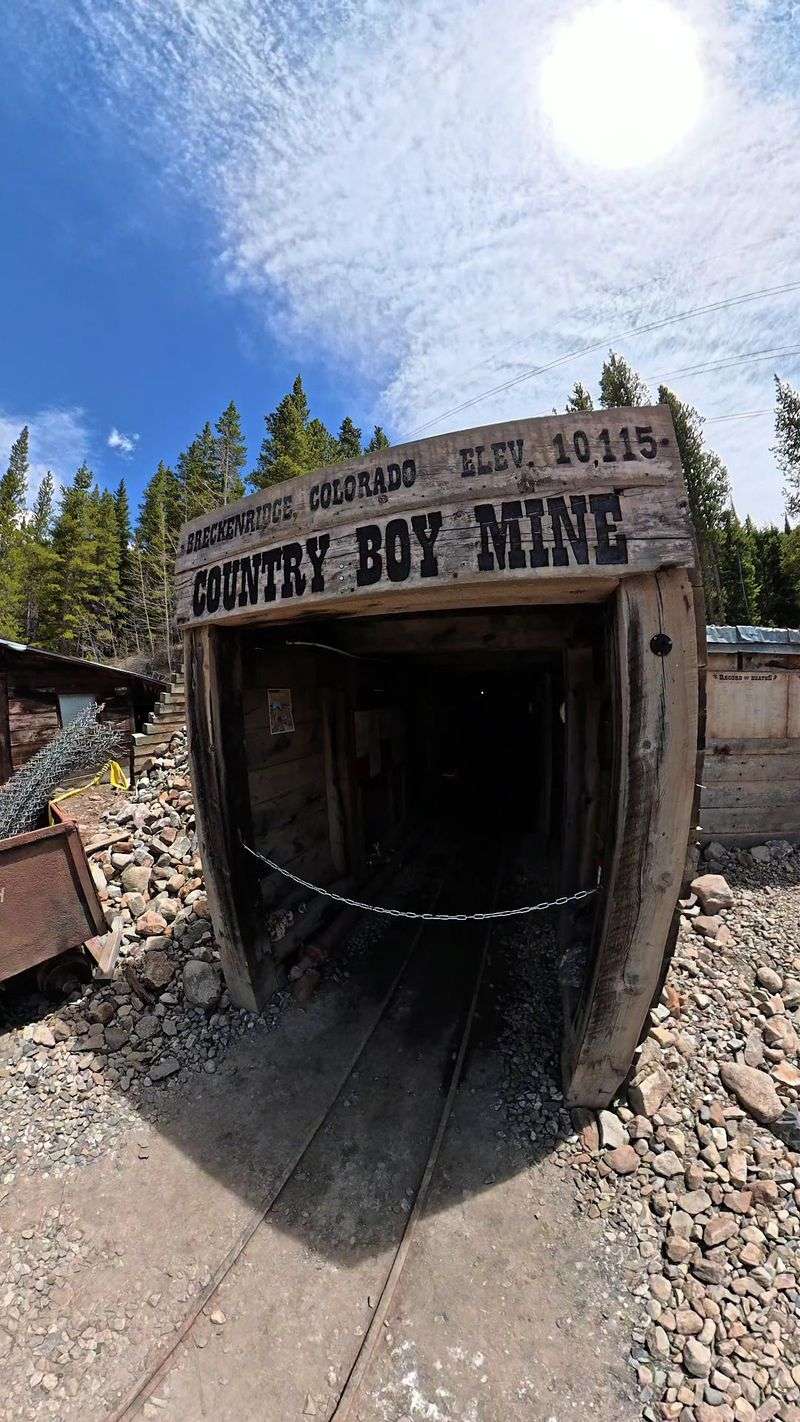
Breckenridge has a mining story that is easier to grasp when you can stand inside a mine. Country Boy Mine, on French Gulch Road, pairs an underground tour with gold-panning lessons.
The tour explains the site’s history and the conditions miners worked in; afterward, a pan gives visitors a chance to search for gold flakes. Finding one takes a steadier hand than the word treasure might suggest.
This is a planned attraction rather than a place to bring a shovel and choose your own patch of ground. An appointment is required, and getting tickets in advance is recommended.
That distinction matters for rockhounds who usually picture public collecting land. Here, the benefit is instruction and access to a historic mine without having to guess where digging is allowed.
Country Boy Mine also has other visitor activities, including a sledding hill and seasonal-style rides, but gold panning is the reason it belongs in a mineral-seeking outing. Confirm which activities are available when you book.
There is a restroom on site but no restaurant, so plan meals separately. For a family or a pair of curious beginners, the strongest combination is the history lesson followed by the careful search in a pan.
Colorado’s mining past can feel distant; a few grains of material make it easier to understand.
6. Phoenix Gold Mine, Idaho Springs
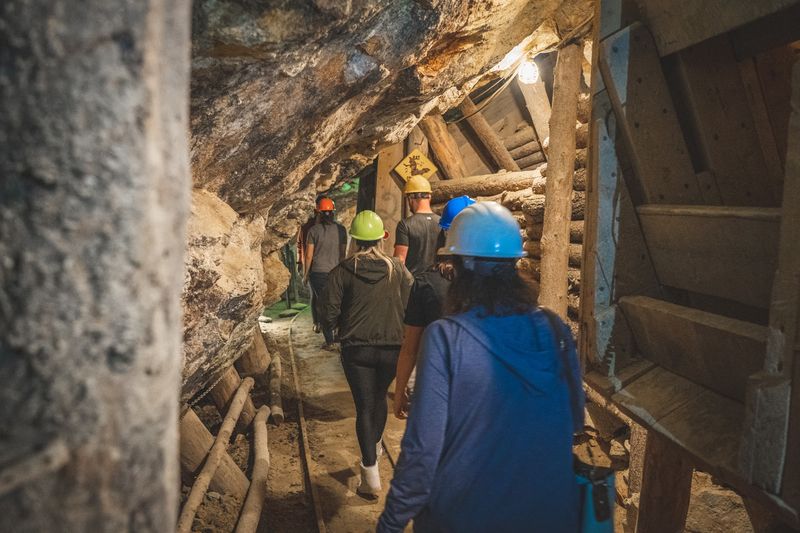
A gold pan makes more sense after you have seen the rock the gold came from. Phoenix Gold Mine offers both sides of that lesson near Idaho Springs: a guided visit to a real underground mine and a chance to try panning.
The family-owned site focuses on Colorado mining history, so the activity is not just a quick hunt for a shiny speck.
Guides lead guests into the workings and explain what they are seeing. Then visitors can practice separating material in a pan, an exercise that tends to reward slow, careful movements.
The mine also has a gift shop. If your group includes someone more interested in machinery or history than collecting, the underground portion gives them a reason to come along.
Stick with the guided activities rather than treating the surrounding ground as an open collecting area.
Phoenix Gold Mine is on Trail Creek Road outside Idaho Springs. Its location calls for a deliberate turn off your regular route, so check directions and current tour availability before heading out.
Advance tickets are recommended, and on-site parking is available. There is a restroom but no restaurant.
Among the guided gold stops on this list, Phoenix makes a clear case for learning before looking: the pan is more interesting once the mine has supplied the background.
7. Argo Gold Mill and Tunnel, Idaho Springs
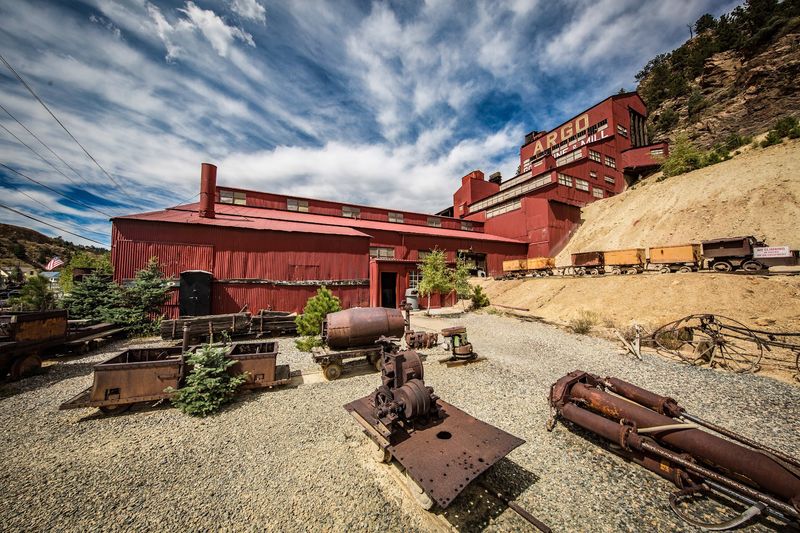
Finding gold is only part of a mining story. Getting it out of ore took equipment, water management, and an impressive amount of problem solving.
Argo Gold Mill and Tunnel puts those less glamorous steps in view. At this Idaho Springs site, a guided tour covers the former gold mill and the entrance to the Argo Tunnel, followed by a gold-panning activity.
The tunnel was built to drain water from mines farther north, while the mill processed material brought out of the ground. Those different jobs make Argo a useful stop for anyone who has wondered what happened after a miner found promising rock.
A museum adds more context, and panning gives guests something to try with their own hands. The activity is organized; the historic structure is not a license to collect from its walls.
Argo Gold Mill and Tunnel stands on Riverside Drive in Idaho Springs, Colorado. Book ahead if you want a particular tour, since advance tickets are recommended.
Parking options are listed as paid, another detail to check before arriving. For rockhounds, the best surprise here may not be in the pan.
It is realizing how much machinery and planning stood between a piece of ore and the gold people hoped to recover from it.
8. Old Hundred Gold Mine Tour, Silverton
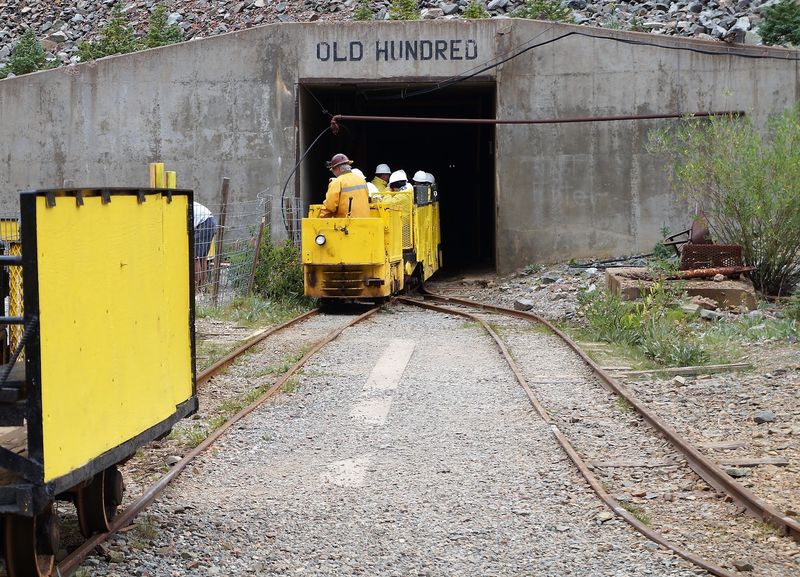
Some mine tours ask you to walk in. Old Hundred Gold Mine Tour starts its underground story with a ride on a mine train.
Near Silverton, the guided trip takes guests into a real gold mine, where equipment demonstrations show how mining tools worked. Panning for metals afterward brings the scale back down from heavy machinery to what you can hold in two hands.
The equipment is a strong reason to choose this stop. Watching a demonstration can make the labor and methods easier to understand than a row of old tools on a shelf.
The guide also explains the mine and its history, giving families a way to connect the ride, the rock, and the search at the pan. This is a managed tour, not independent access to underground workings.
Old Hundred Gold Mine Tour is outside Silverton in Colorado’s San Juan Mountains. Plan around the tour rather than assuming you can arrive at any hour and immediately board.
Check current operations before traveling, especially when a mountain trip depends on one activity being open. Restrooms are available, but there is no restaurant on site.
If your usual rockhounding kit is a bag and a hopeful eye, the mine train offers a different view of how people pursued the same minerals.
9. Mount Antero, Colorado
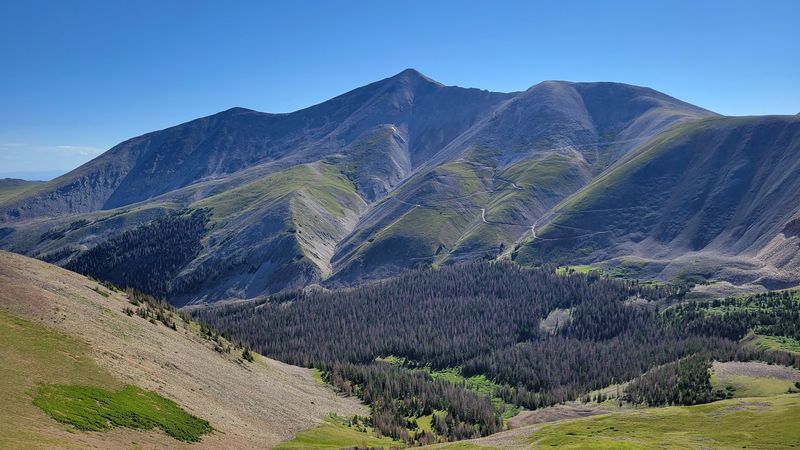
Mount Antero is the entry that calls for the most restraint. At 14,276 feet, this Rocky Mountain peak is known for gemstone mines and hiking trails, but a famous mineral mountain is not the same thing as a public digging area.
Mining claims and private property matter here. Anyone hoping to collect must confirm land status and permission for the exact ground they intend to use before touching a tool.
The mountain’s height also changes the outing. Trails can be strenuous, and loose rock on steep slopes requires care.
High roads near mining areas are not an invitation to wander onto a claim. For many travelers, a hike and a close look at the geology are the realistic goals.
That still makes Mount Antero relevant to rockhounding: its gemstone reputation shows why people have long paid attention to Colorado’s mineral-rich mountains.
Come prepared for a serious mountain route, not a casual stop between errands. Study your route and current access information, and respect any claim markers or private-property boundaries you encounter.
Leave material in place wherever collecting rights are unclear. The mountain offers no guided collecting program in this listing, so beginners seeking a guaranteed hands-on activity may prefer one of the staffed mines above.
Here, the first valuable find is knowing exactly where you may go.
10. Devil’s Head Lookout, Sedalia
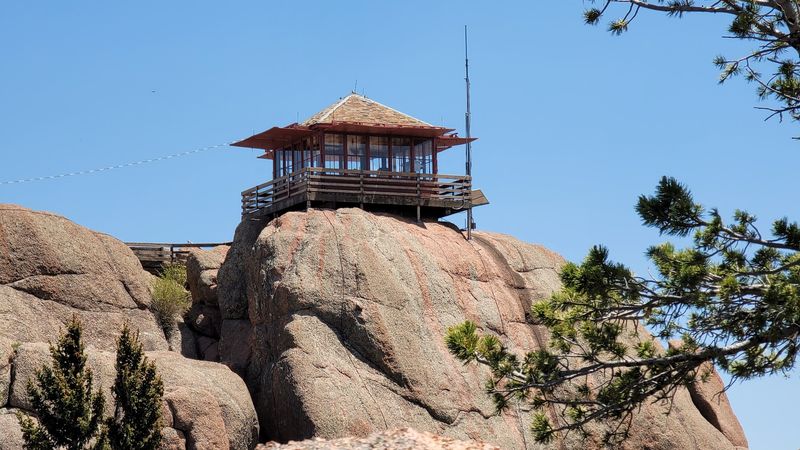
A fire lookout is an unusual stop in a rockhounding list, but Devil’s Head Lookout puts the landscape itself on display. The rocky summit in the Rampart Range overlooks Pike National Forest and nearby peaks.
Reaching the viewpoint involves a hike and a final climb of roughly 140 stairs. The granite terrain gives geology-minded walkers plenty to notice without asking them to carry any of it home.
Make an important distinction before packing a collecting bag: Devil’s Head Lookout is presented here as a hiking and viewing destination, not a confirmed collecting site at the tower. Mineral-seeking routes exist in the broader Devil’s Head area, but access and claim status depend on the exact location.
Do not assume a trailhead or scenic stop gives permission to dig or remove rocks. Check land rules separately if collecting is your aim.
Devil’s Head Lookout is reached from the Sedalia side of Colorado’s Rampart Range. The trailhead has restrooms, but the trail has no water or restrooms, so carry what you need.
Check current road and lookout access before leaving, since the outing depends on reaching a backcountry trailhead. For families, the stairs are a useful reality check when choosing a route.
The reward is a broad view of the rocky country, not a guaranteed pocketful of crystals.
11. North Table Mountain Park West Trailhead, Golden
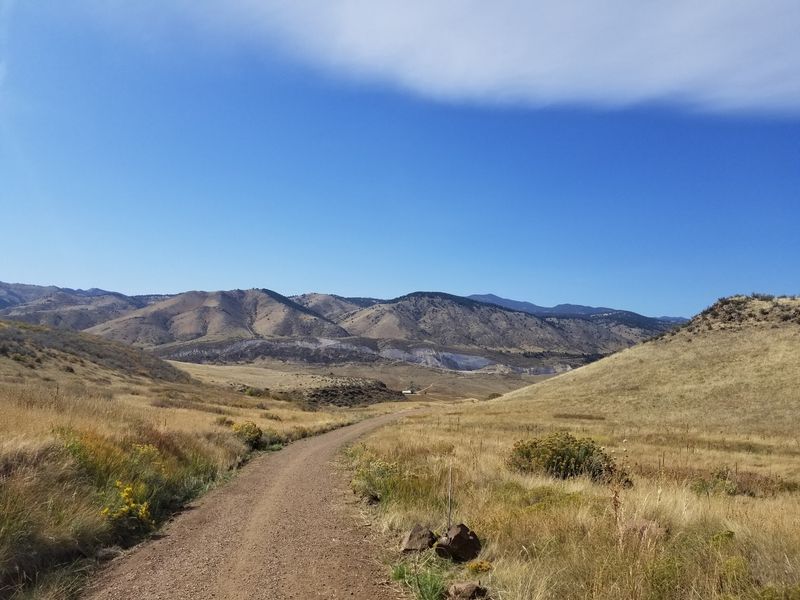
Gold pans and gemstone claims are not the only ways to follow a rock story. At North Table Mountain Park West Trailhead, the headline is an entire mesa shaped by ancient lava flows.
The Golden trailhead leads into a park where hiking offers views of exposed rock and the broad, flat-topped landform. It is a good place to practice noticing geology instead of searching for a specimen to take away.
The climb from the west side gains elevation early, so the short distance to the top should not be mistaken for level walking. Trails also serve cyclists, and dogs are allowed in the park.
Give others room and choose a route that fits your group’s energy. The park has a public restroom, which is useful before heading uphill.
Check posted park rules rather than assuming exposed stone is open for collecting.
North Table Mountain Park West Trailhead is on CO-93 in Golden, Colorado. Unlike the guided mines on this list, the outing does not depend on a tour or a panning station; the rock formations themselves are the subject.
Park hours are posted, so confirm current access if you plan around a narrow window. For someone curious about how a landscape forms, a volcanic mesa can be a satisfying find, even when every rock stays right where it belongs.