
10 Colorado Springs Hidden Gems That Deserve More Attention
A city becomes more interesting once you stop chasing the same postcard view as everyone else. Colorado Springs may be famous for its dramatic scenery, but some of its best surprises are quieter, stranger, smaller, and far easier to miss.
Think curious little museums, open stretches of prairie, historic corners, hands-on stops, scenic pauses, and places that reward people who like wandering with a purpose. This is not the version of the trip built around checking off the obvious stops.
It is for the traveler who likes a good detour, a slower morning, and the feeling of finding something that was hiding in plain sight. Across Colorado’s Front Range, that kind of discovery can turn a familiar city into a fresh adventure.
Skip the predictable itinerary for a few hours, follow your curiosity, and let the lesser-known side of town surprise you.
1. Bear Creek Nature Center
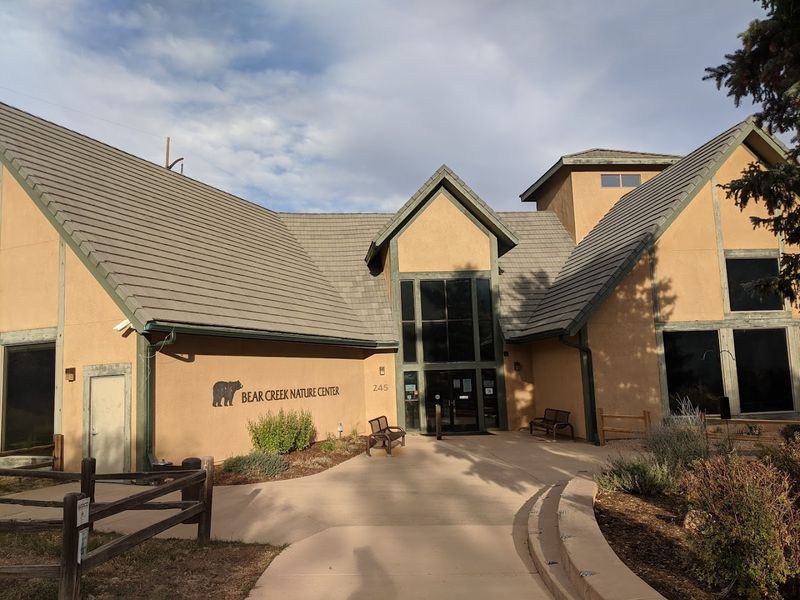
Some places feel like a well-kept neighborhood secret, and Bear Creek Nature Center on Bear Creek Road is exactly that kind of spot. Tucked into the foothills at the edge of Colorado Springs, it offers quiet trails, a gentle creek, and the kind of wildlife encounters that feel earned rather than staged.
I visited on a Tuesday morning and counted three deer before I even reached the trailhead sign.
The nature center itself has a small, welcoming feel, the sort of place where a volunteer might chat with you for twenty minutes about local bird species without you minding at all.
Open Tuesday through Saturday, it draws a steady but never overwhelming crowd of locals, families, and solo hikers who clearly know something the tourist brochures are slow to mention.
The foothill scenery here is softer and more intimate than the dramatic red-rock parks nearby.
Bring water, wear layers in the morning, and plan for at least ninety minutes on the trails. Pairing this stop with a nearby coffee shop afterward makes for a near-perfect low-key Saturday.
Bear Creek is the kind of place that reminds you that not every great outdoor experience needs a parking lot reservation.
2. Sondermann Park
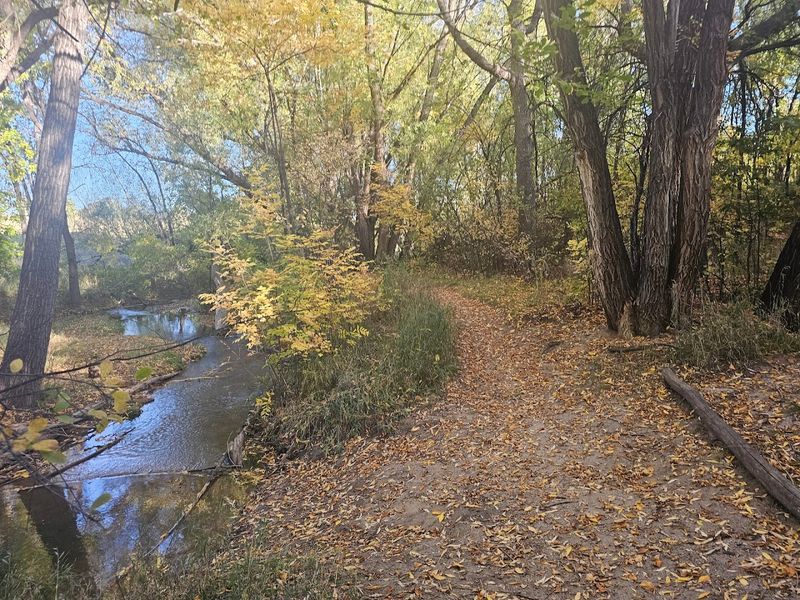
Sondermann Park at 740 West Caramillo Street sits on 97 acres of tucked-away valley that most people drive right past on their way to somewhere louder. That is honestly their loss.
The terrain here has a quiet drama to it, rolling and green in ways that feel almost surprising given how close you are to the city grid. I found myself stopping twice just to watch a red-tailed hawk circle overhead without any particular hurry.
The trails are easy enough for families with younger kids but interesting enough to keep adults genuinely engaged. Birdwatchers especially seem to love this park, and for good reason.
The valley setting creates a natural funnel for migrating and resident species, making it a reliable spot for a casual morning of birding without hauling gear to a trailhead two hours away.
What I appreciate most about Sondermann is its complete lack of spectacle. No gift shop, no entrance fee, no crowd jostling for the same photo angle.
Just trails, wildlife, and that specific kind of urban-edge quiet that feels like a small gift on a busy weekend. Go on a weekday morning if you can, bring binoculars, and let the valley do the rest.
3. Bluestem Prairie Open Space
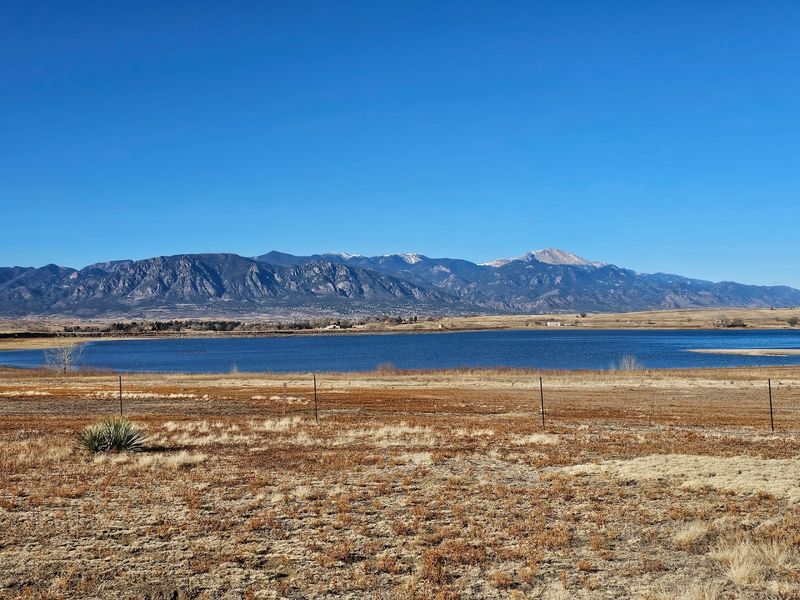
Standing at the edge of Bluestem Prairie Open Space near Drennan Road and Powers Boulevard, the first thing you notice is the sky. Not the mountains, not the trail markers, just this enormous, uninterrupted bowl of blue overhead that makes you feel genuinely small in the best possible way.
Six hundred and fifty acres of native prairie will do that to a person.
Colorado Springs earns most of its outdoor reputation from red rock and mountain scenery, which makes this wide-open grassland feel like a well-guarded local secret. Birders treat it as a serious destination, and the open space supports species you are unlikely to spot anywhere near the more popular parks.
The quieter, flatter terrain is also a refreshing change of pace if you have already done the steep-trail circuit a few times this trip.
Early morning visits are best, both for bird activity and for the quality of the light across the grass. Wear sturdy shoes because the terrain can be uneven, and bring a hat since shade is essentially nonexistent out here.
There is something genuinely restorative about spending an hour somewhere this wide open, far from traffic noise and tourist commentary. Bluestem Prairie deserves a spot on every Colorado Springs itinerary.
4. Heller Center for Arts & Humanities
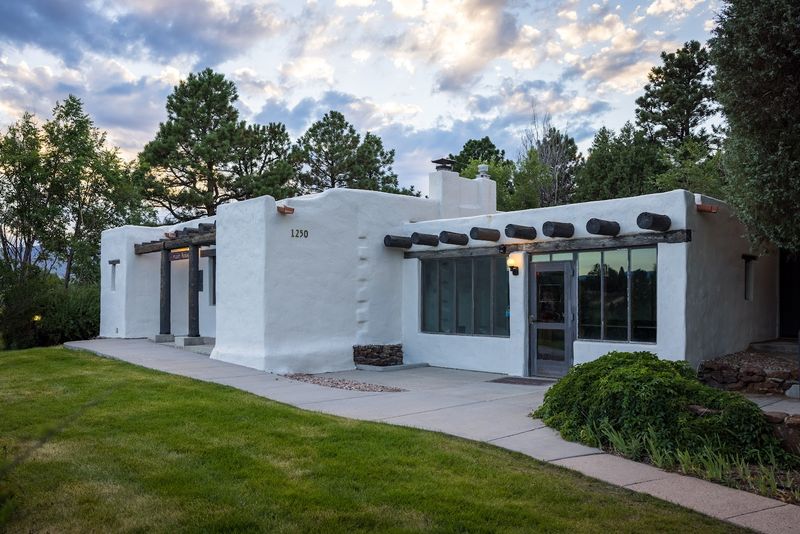
Most people pass through the UCCS campus for graduation ceremonies and parking headaches, not realizing that 1250 North Campus Heights Drive is home to one of the more quietly rewarding cultural stops in the city.
The Heller Center for Arts and Humanities occupies a cluster of historic Pueblo Revival buildings that look like they belong in a New Mexico travel magazine, all warm earth tones and thick walls baking in the Colorado sun.
The small gallery and studio space rotates exhibits regularly, and free public events pull in a crowd that skews local, knowledgeable, and refreshingly unhurried. I attended an afternoon event on a whim and ended up staying nearly two hours longer than planned, which is always the sign of a place doing something right.
The 34-acre nature preserve attached to the property adds an outdoor dimension that most arts centers simply cannot offer.
Walking the preserve trails after browsing the gallery creates an oddly satisfying rhythm to the visit, part cultural afternoon, part gentle nature walk. Admission is free, parking is manageable outside of class hours, and the whole experience carries none of the pressure that larger institutions sometimes project.
The Heller Center is the kind of find that makes you feel genuinely smarter for knowing it exists.
5. Western Museum of Mining & Industry
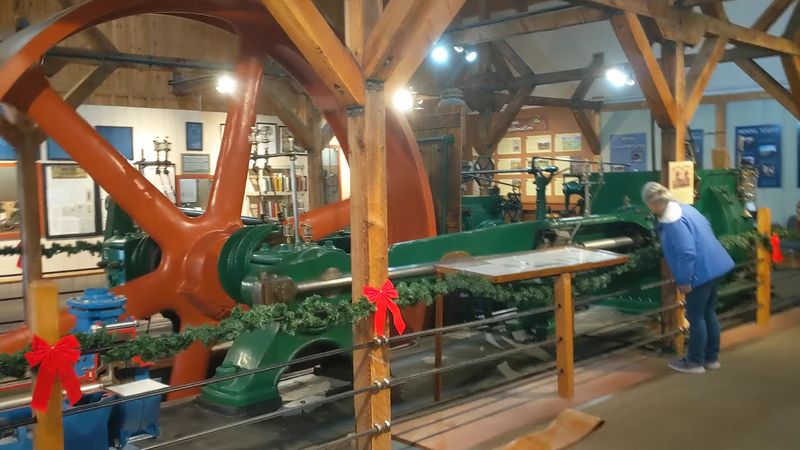
There is a specific kind of joy in watching a massive piece of century-old machinery actually run, gears turning, steam rising, the whole mechanical spectacle operating exactly as intended. The Western Museum of Mining and Industry at 225 North Gate Boulevard delivers that experience in a way that no static exhibit ever could.
Open Monday through Saturday, this is a working museum in the truest sense of the phrase.
The grounds cover an old ranch property and include a mix of restored equipment, mining history exhibits, and hands-on gold panning that kids and adults both take far more seriously than they expect to.
I watched a man in his fifties spend a full twenty minutes hunched over a gold panning station with the focused intensity of someone who had completely forgotten about the rest of his afternoon plans.
Colorado Springs history tends to center on the Gilded Age resort crowd, so this rougher, earthier chapter of the region feels like a genuinely important counterbalance. The pace here is unhurried, the staff are knowledgeable, and the whole property carries a lived-in authenticity that money cannot manufacture.
Plan for two hours minimum, wear comfortable shoes for the uneven terrain, and come with at least a little curiosity about how the West actually got built.
6. Michael Garman Museum & Gallery / Magic Town
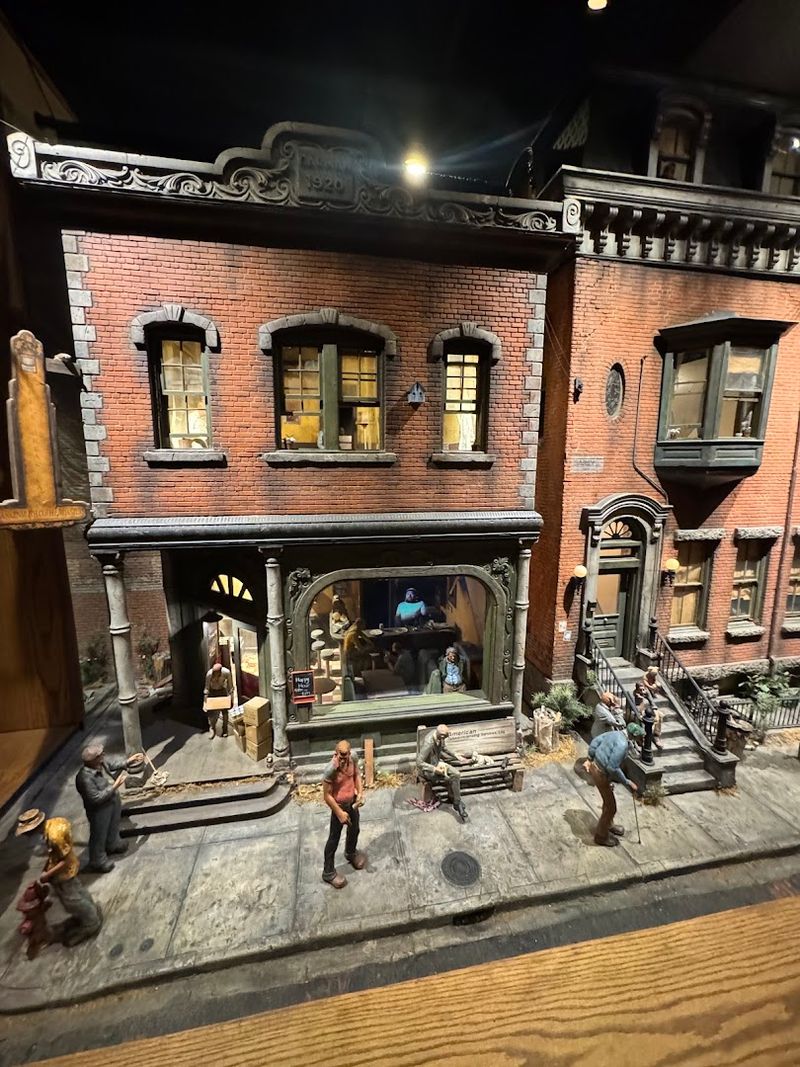
Magic Town is the kind of place that takes about thirty seconds to stop being weird and about thirty minutes to become completely fascinating.
Located at 2418 West Colorado Avenue in Old Colorado City, the Michael Garman Museum and Gallery houses a sprawling miniature city built by hand over decades, packed with street scenes, hidden details, and tiny characters that seem to have entire backstories waiting to be invented.
Artist Michael Garman spent years sculpting the figures and environments that fill this space, and the accumulated effect is something between a folk art installation and a very elaborate fever dream in the best possible way. Every corner of Magic Town rewards close attention.
Lean in near a back alley scene and you will find details that most visitors walk past entirely, small jokes, tiny narratives, and craftsmanship that genuinely earns a second look.
The gallery portion of the space adds context to Garman’s broader work and gives the visit a more complete arc. Old Colorado City itself is worth a wander before or after, with independent shops and coffee spots that complement the offbeat energy of the museum perfectly.
This is not a place for people in a hurry, and that is precisely what makes it so enjoyable. Budget ninety minutes and arrive without expectations.
7. Penrose Heritage Museum
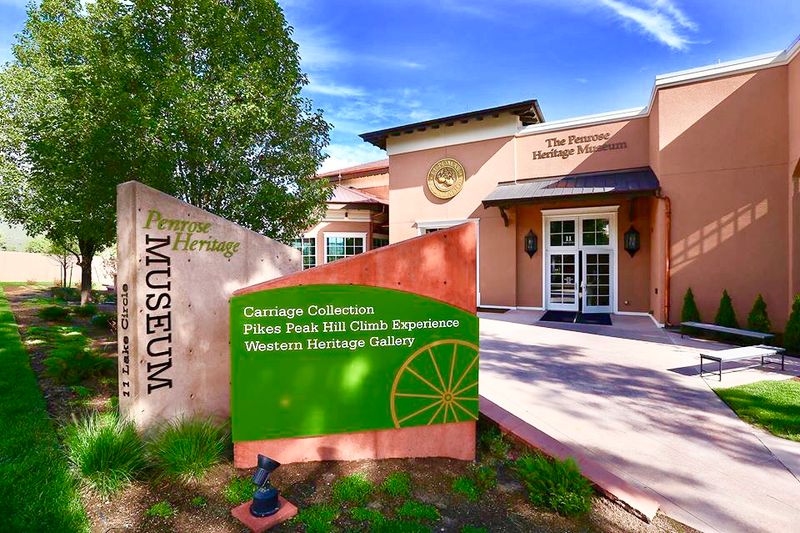
Free admission at a museum this polished feels almost suspicious, but the Penrose Heritage Museum at 11 Lake Circle delivers exactly that without any catch.
Named after Spencer Penrose, the Gilded Age developer behind much of Colorado Springs’ early resort infrastructure, the museum traces his legacy through vintage carriages, historic automobiles, and an impressive collection of Pikes Peak Hill Climb memorabilia that racing fans will find genuinely absorbing.
The Hill Climb collection alone justifies the visit. Photographs, trophies, and race vehicles from across the event’s long history are displayed with real care, and the overall exhibition design feels several notches above what you might expect from a museum that charges nothing at the door.
I spent close to an hour in the racing section alone and still felt like I had moved too quickly through it.
The broader Penrose story is fascinating in its own right, equal parts ambition, eccentricity, and the particular brand of Colorado optimism that built entire resort towns out of raw mountain terrain.
The museum sits near the Broadmoor area, so combining it with a walk around the lake or a stop at a nearby cafe makes for a polished half-day outing.
Do not let the free admission fool you into underestimating this one.
8. Money Museum
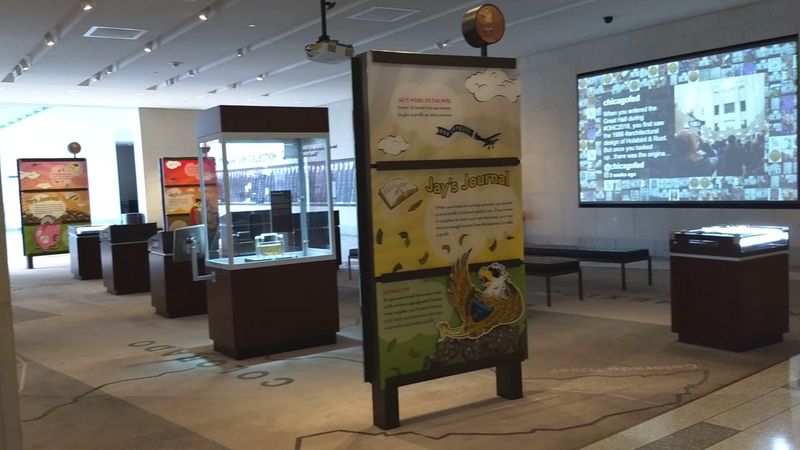
Rare coins and historic currency might not sound like a thrilling afternoon, but the Money Museum at 818 North Cascade Avenue has a way of pulling you in and holding your attention far longer than you planned.
Operated by the American Numismatic Association and open Tuesday through Saturday, this is one of the more genuinely unusual small museums in Colorado Springs, and it earns that distinction without trying particularly hard.
The rotating exhibits keep things fresh across visits, and the permanent collection spans everything from ancient coins to elaborate historical banknotes that look more like works of art than financial instruments.
I found myself reading every single panel in one exhibit about counterfeit detection, which is not a topic I would have predicted holding my interest for more than ninety seconds before walking in.
There is also something quietly philosophical about a museum dedicated entirely to the history of money. The objects on display carry enormous amounts of human story packed into very small physical spaces, wars, economies, empires, and everyday transactions all compressed into metal and paper.
Admission is reasonable, the staff are approachable, and the whole experience has a focused, well-curated quality that rewards genuine curiosity. Pair it with a walk along Cascade Avenue afterward and you have a solid downtown afternoon.
9. Rocky Mountain Motorcycle Museum
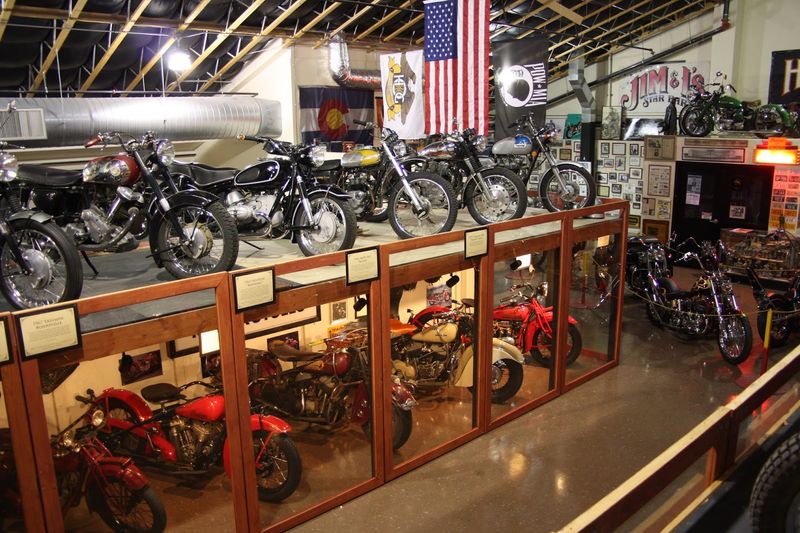
Most people walk right past the building at 19 North Tejon Street without ever looking up, which means most people have no idea that a free motorcycle museum is waiting on the second floor.
The Rocky Mountain Motorcycle Museum is exactly the kind of downtown discovery that makes urban wandering feel worthwhile, tucked away upstairs in a way that rewards the mildly adventurous visitor over the one following a standard tourist map.
The collection leans vintage, with machines that range from early American classics to mid-century European models, each one carrying the particular combination of engineering elegance and mechanical personality that makes old motorcycles so compelling to stand near.
Even people who have never ridden a motorcycle tend to find themselves leaning in close to examine the details, the chrome work, the instrument clusters, the worn leather of old seats.
Free admission removes every last barrier to entry, and the downtown location means you can fold this stop into a broader afternoon without any special logistics. The museum also documents local riding history, which gives the collection a regional identity beyond just the bikes themselves.
I spent nearly an hour here on a visit I had originally budgeted twenty minutes for, which is about the highest compliment I know how to give a place that asks nothing at the door.
10. McAllister House Museum
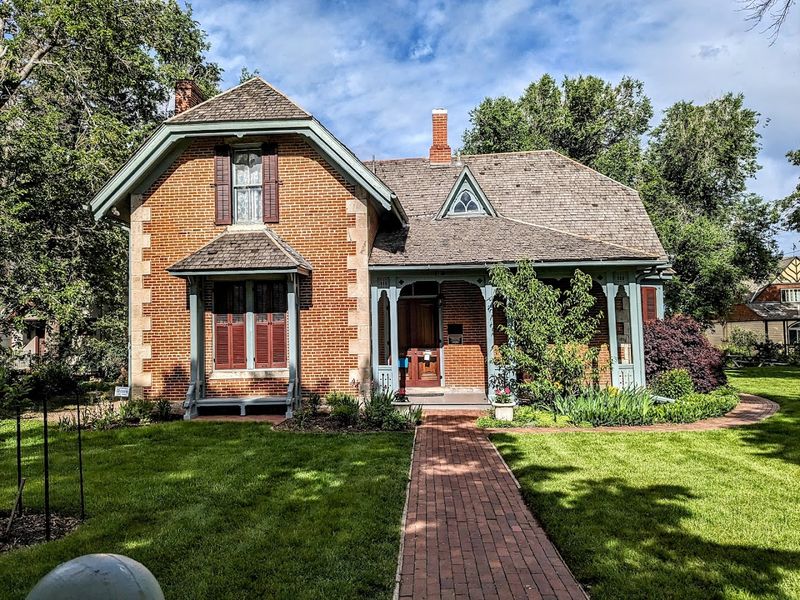
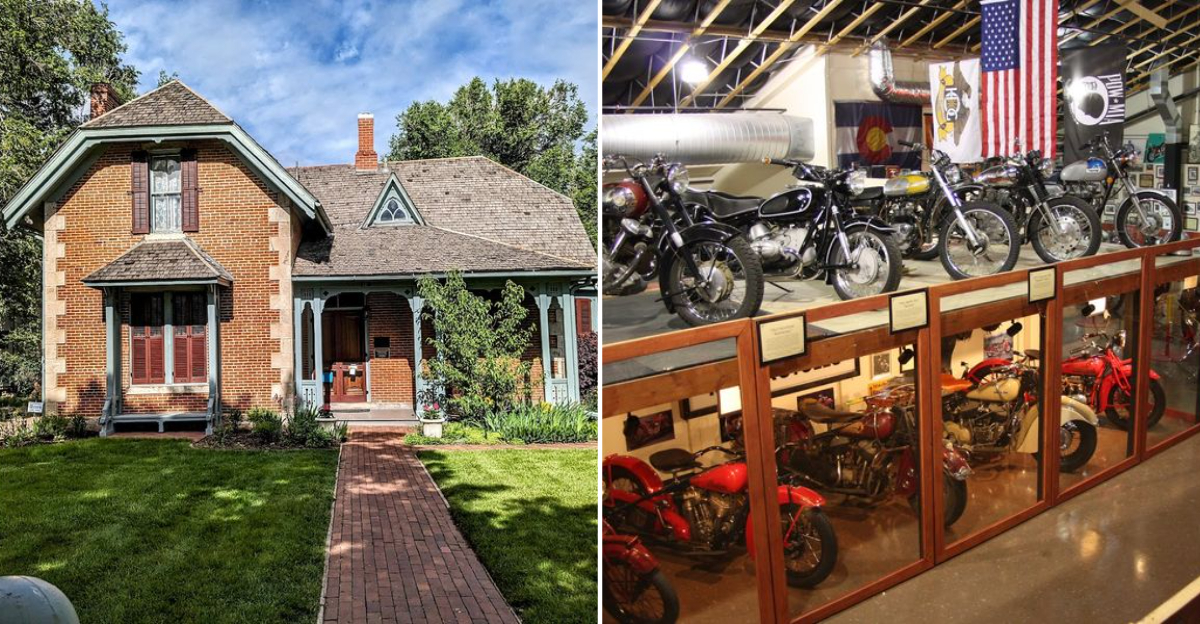
Built in 1873, the McAllister House at 423 North Cascade Avenue is one of the oldest surviving homes in Colorado Springs, and walking through it on a guided tour feels less like a museum visit and more like a quiet conversation with the city’s earliest chapter.
Henry McAllister arrived in Colorado Springs near its founding, and his Gothic cottage has been preserved with the kind of attentive care that makes historic house museums genuinely moving rather than merely informative.
The guided tour format means you actually learn something, not just glance at rope barriers and read small cards.
Docents bring the household’s history to life with details that stick with you long after you have left the building, the social patterns of early Colorado Springs society, the domestic rhythms of a 19th-century family, the specific texture of life in a frontier city trying hard to seem civilized.
Tour times vary by season, and the museum closes in January, so checking current hours before your visit is worth the thirty seconds it takes. The Cascade Avenue location puts it within easy walking distance of several other downtown stops, making it a natural anchor for a history-focused afternoon.
Small, focused, and quietly remarkable, McAllister House is the kind of place that earns its reputation entirely through substance rather than spectacle.