
11 Colorado Western Slope Rockhounding Spots Where Crystals And Hidden Gems Wait

The ground can keep a secret for millions of years, then reveal it with one lucky swing of a rock hammer. Across canyon country, weathered rail grades, creek beds, and mountain passes, mineral hunters can uncover quartz that flashes in the sun, calcite that glows under ultraviolet light, and geodes hiding entire crystal worlds inside plain stone.
Patience matters here, but curiosity matters more. Out in western Colorado, every dusty pull-off can become a geology lesson, a treasure hunt, or the beginning of a collection you never planned to start.
Experienced rockhounds may arrive with tools and maps, while beginners need little more than sturdy shoes and sharp eyes. The thrill is not only finding something beautiful.
It is realizing the landscape has been building that moment for ages. For eleven rewarding stops, the backroads of Colorado turn dirt, stone, and time into an adventure well worth every dusty mile.
Mica Mine Trail in Bangs Canyon Recreation Area
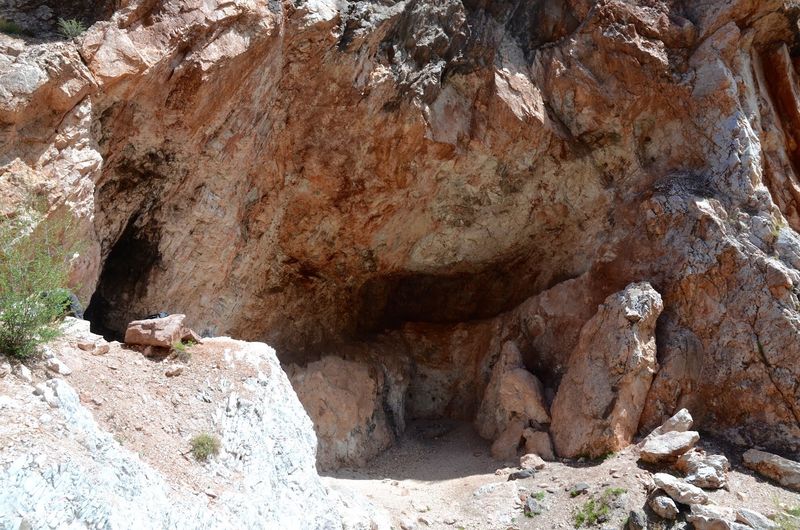
Right outside Grand Junction, the Mica Mine Trail in Bangs Canyon Recreation Area is the kind of spot that makes you feel like a geologist the moment you step onto the path. The trailhead sits off Little Park Road, and the access is straightforward enough for a casual Saturday morning outing without requiring a high-clearance vehicle or a detailed survival plan.
What draws rockhounds here is the combination of mica books and quartz scattered along the trail near the historic mine site. Mica books are those satisfying, layered mineral formations that peel apart like pages, and finding a solid one feels genuinely rewarding.
Loose mineralized rock also appears throughout the area, giving you plenty of reason to slow down and look carefully at your feet.
The trail itself is pleasant, winding through canyon terrain that carries its own rugged beauty. Bring a small daypack, a hand lens, and comfortable boots with ankle support.
Early morning visits keep the heat manageable, especially in summer. Grand Junction has good breakfast options before the drive out, so treat this like a proper expedition with coffee and a full stomach before you start scanning the ground.
Marshall Pass Western Railroad Grade
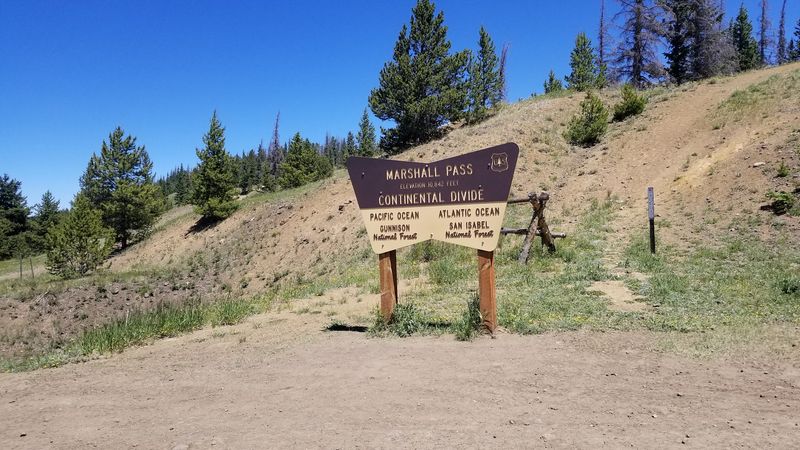
There is something quietly thrilling about rockhounding along an old railroad grade. The Marshall Pass Western Railroad Grade, accessed via Forest Road 243 east of Sargents, carries that specific brand of history where iron rails once ran and now jasper, agate, and marble sit patiently in the exposed ground beside the roadbed.
The Gunnison County side of this route is where the real mineral variety shows up. Rhyolite and occasional geode material have been reported along the grade, which makes every slow walk along the shoulder feel like a small treasure hunt.
The scenery alone justifies the drive, but the minerals sweeten the deal considerably.
A few practical notes worth keeping close: the road is seasonal, and conditions can deteriorate quickly after storms. Always check current road status before heading out, and bring more water than you think you need.
The elevation here earns respect, particularly if you are visiting from lower terrain and plan to spend several hours scanning the ground. A light jacket is smart even in midsummer.
Pairing this stop with a meal in Gunnison on the way back turns a good rockhounding day into a genuinely memorable road trip loop.
Quartz Creek Pegmatite District
Few rockhounding destinations on the Western Slope carry the mineral diversity of the Quartz Creek Pegmatite District. Centered around the National Forest roads surrounding Pitkin and Ohio City, this area has produced beryl, feldspar, mica, lepidolite, tourmaline, and even possible topaz for collectors who know where to look and are patient enough to work the ground carefully.
Beryl alone comes in several varieties depending on trace elements, and finding even a modest crystal here feels like a genuine score. Lepidolite, the lavender-tinted lithium mica, shows up in pegmatite pockets and has a color that photographs beautifully against gray host rock.
Tourmaline adds another layer of excitement, with its characteristic striated columns appearing in matrix specimens that any collector would be pleased to bring home.
The critical rule here is staying strictly within confirmed GMUG National Forest parcels and avoiding patented land and active mining claims entirely. Do your homework before the visit, check current claim boundaries, and when in doubt, leave it in the ground.
Pitkin is a small, welcoming community worth a brief stop, and the drive through the valley leading to Ohio City is the kind of scenery that makes you wonder why you do not come to this part of Colorado more often.
Last Chance Mine Public Collecting Area
If you want a rockhounding experience with actual structure and reliable access, the Last Chance Mine Public Collecting Area just outside Creede is the answer. With a proper address at 504 Last Chance Mine Road and a seasonal schedule running from Memorial Day weekend through early or mid-October, this is the most professionally managed collecting option on this entire list.
The mineral variety here reads like a collector’s wish list. Sowbelly agate, amethyst, quartz crystals, galena, pyrite, and jasper all appear with enough frequency that even a first-time visitor is unlikely to leave empty-handed.
Sowbelly agate in particular has that distinctive banded appearance that makes it immediately recognizable and genuinely attractive as a display specimen.
The managed nature of this spot also means you are not navigating uncertain access or worrying about claim boundaries, which removes a significant layer of stress from the outing. Families with kids tend to do especially well here because the setup encourages systematic searching rather than aimless wandering.
Creede itself is a charming old mining town with good local character and a few solid dining options. Arriving early on a weekend morning gives you the best selection before other collectors work the most productive areas.
Pool Table Road Rockhounding Area
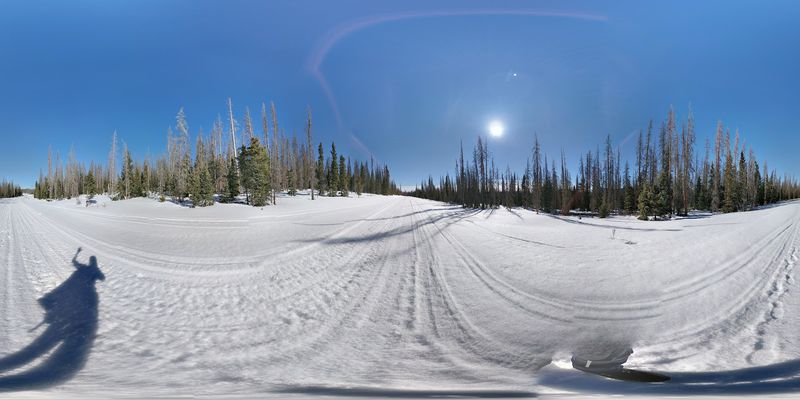
About 4.5 miles from Colorado Highway 149 near Creede, Pool Table Road offers one of those rare rockhounding setups where you can park, step out of the vehicle, and start finding material almost immediately. The open ground near the roadside pullout produces brown, black, red, and white agate and jasper in a color variety that keeps the eye engaged across even a short visit.
There is something particularly satisfying about surface collecting in an area like this. You do not need specialized tools or deep geological knowledge to find good pieces.
A slow walk with eyes focused about six feet ahead and a willingness to crouch down frequently is essentially the entire technique. Red agate specimens from this area tend to be especially photogenic, with the color saturating beautifully when the rock is wet.
The location near Creede makes this a natural companion stop to the Last Chance Mine or the Wason Barn area, allowing you to build a full day of collecting without covering excessive ground. Pool Table Road itself has that high-country character where the views keep competing with the rocks for your attention.
Bring a flat-bottomed container to sort and compare pieces as you find them, and plan for at least two hours to cover the area properly.
Wason Barn and City Dump Road Ravine
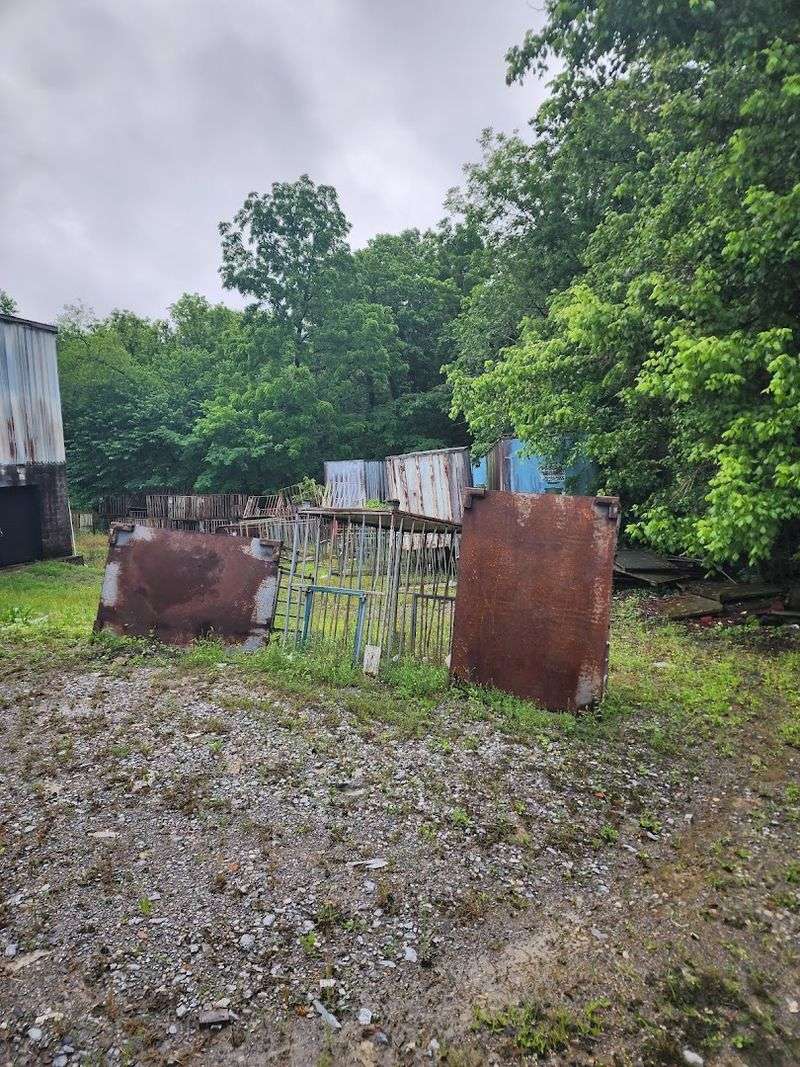
Not every rockhounding find glows in the dark, but the ones that do tend to leave a lasting impression. The ravine roughly 200 yards beyond Wason Barn, accessed via City Dump Road about 1.5 miles southeast of Creede, is known specifically for green and cherry-red fluorescent calcite, including translucent pieces that look almost otherworldly under ultraviolet light.
Fluorescent minerals have a way of making adults behave like children at a birthday party. Bringing a shortwave UV lamp into the ravine at dusk or in shaded conditions reveals the calcite in its full visual drama, with colors that simply do not register in ordinary daylight.
Even the translucent pieces are striking in natural light once you know what you are looking at.
The access is modest and the hike from the road is short, making this approachable for a wide range of fitness levels. City Dump Road is a practical landmark that lacks glamour in name but delivers considerably in results.
A UV flashlight is essentially mandatory equipment for this stop, and if you do not already own one, they are inexpensive and immediately useful. Creede is close enough that you can pair this with a meal and make an easy evening of the whole adventure.
Whited Creek at Phoenix Park

Opal is one of those minerals that consistently surprises people who have only ever seen it in jewelry store cases. Finding it inside a geode in the backcountry north of Creede, along the jeep trail that crosses Whited Creek at Phoenix Park, is a genuinely different kind of experience.
The published directions start where the trail crosses the creek, followed by a half-mile walk upstream to reach the productive zone.
Common opal lacks the fire of precious opal, but it has its own quiet beauty and collecting it in the field carries a satisfaction that no store purchase replicates. The geodes here range in size and the opal content varies, which means patience and a careful eye are your most useful tools once you reach the area.
The Phoenix Park route is a four-wheel-drive track, and that designation should be taken seriously rather than treated as a suggestion. High-clearance vehicles with good tires belong here, and a recovery strap in the back is sensible insurance.
The half-mile walk upstream is easy terrain by comparison, and the creek itself provides pleasant ambient sound while you search the banks. Allow a full morning or afternoon for this stop, accounting for the drive, the walk, and the inevitable time you will spend examining every promising rounded rock along the way.
Farmers Creek Geode Area
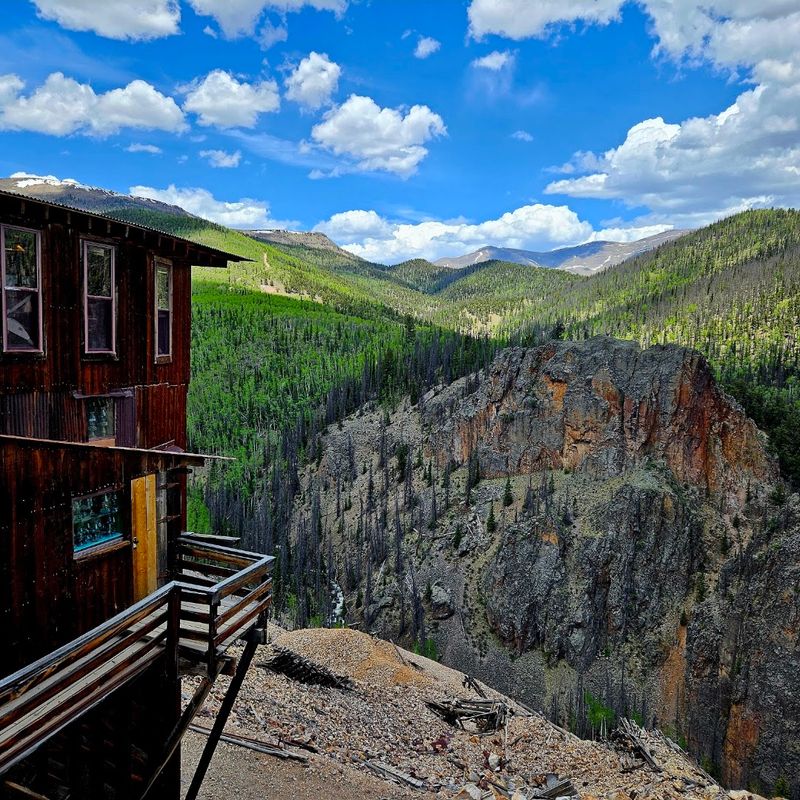
Earning your finds adds a particular kind of satisfaction, and the Farmers Creek Geode Area northeast of Creede requires a genuine multi-mile hike to reach. The reward for that effort comes in the form of geodes filled with gray-to-blue agate or quartz crystals eroding naturally from the creek banks, presenting themselves at intervals that make the walk feel purposeful rather than tedious.
Gray-to-blue agate has a subdued elegance that grows on you the longer you look at it. When the banding is tight and the color is consistent, these geodes produce slabs that look genuinely impressive on a display shelf.
The crystal-lined interiors are equally appealing, with small but well-formed quartz points catching light from the interior walls.
Preparation matters considerably more here than at roadside spots. Several miles of hiking in mountain terrain at elevation demands proper footwear, layered clothing, adequate food and water, and a reliable map or downloaded GPS track.
Tell someone your plan before you go. The backcountry northeast of Creede is beautiful and remote in equal measure, and that combination rewards prepared visitors while punishing the casual and underprepared.
Consider an early start to allow time for both the hike and thorough searching along the productive creek bank sections before afternoon weather builds.
Ute Creek Trail Geode Beds
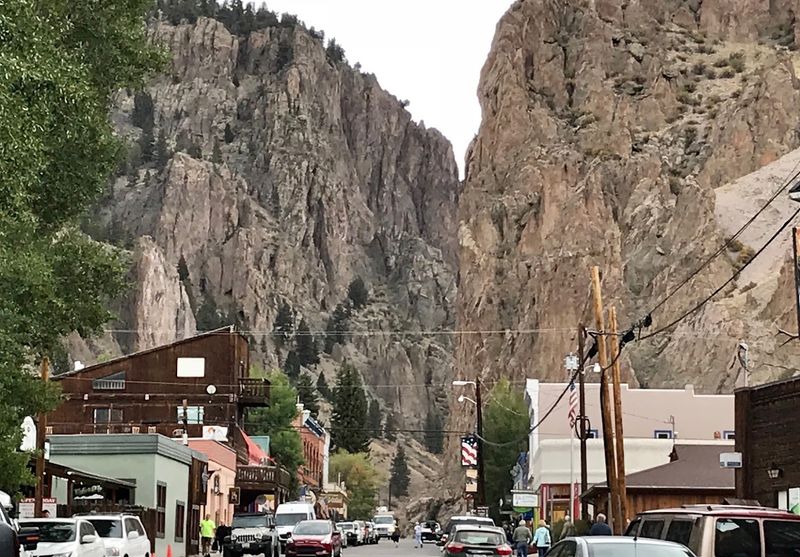
Trail 819 at the upper end of Rio Grande Reservoir, accessed via County Road 520 near Creede, leads to one of the more scenic geode hunting grounds on the Western Slope. Beginning roughly two miles along the trail, quartz-lined geodes, broken agate material, and small pieces of opal start appearing in the terrain with enough regularity to justify the walk many times over.
The combination of geodes and opal in a single trail corridor is unusual and genuinely exciting for collectors at any experience level. Quartz-lined geodes here tend to show clean crystal interiors, and the broken agate material scattered along the route provides immediate surface finds while you work toward the more concentrated deposits further in.
The Forest Service continues to list Trail 819 as an active access route, which is reassuring for trip planning purposes. County Road 520 sets a scenic tone for the approach, running alongside the reservoir in a way that makes the drive feel like its own reward before the trail even begins.
Bring a rock hammer for opening any geodes you collect, wrap specimens carefully for the return hike, and budget extra time for the inevitable slowdown that happens whenever you start finding good material. The upper Rio Grande country has that specific mountain magic that keeps bringing collectors back year after year.
Stony Pass and Canby Mountain Slopes
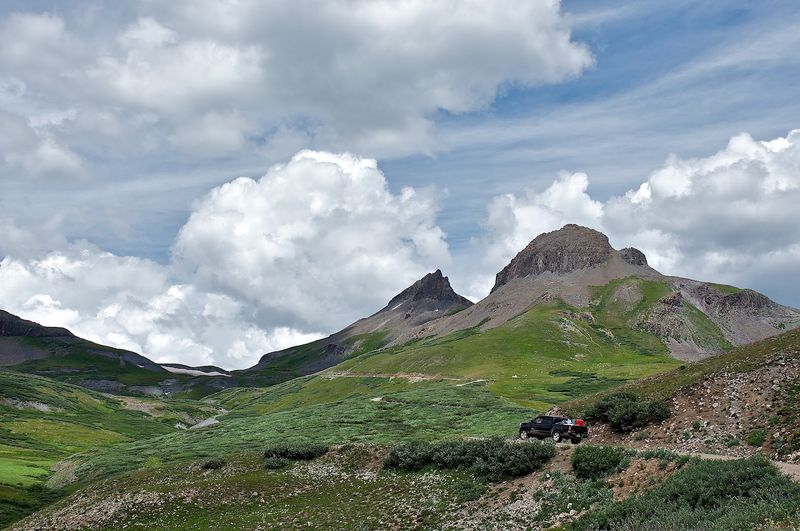
Stony Pass sits at one of those summit elevations where the landscape turns severe and beautiful simultaneously. The pullout on County Road 3 between Creede and Silverton provides access to red jasper and scattered agate, with larger jasper pieces reported higher in the shallow ravine north of the summit.
The color of the jasper here, a deep saturated red against pale alpine rock, is visually striking in a way that photographs do not fully capture.
Getting here requires high-clearance four-wheel drive, and that recommendation carries genuine weight at this elevation and on this road type. The pass connects two historic Colorado mining corridors and the terrain reflects that rugged character throughout.
Arriving prepared means arriving safely, and safety at Stony Pass is a non-negotiable part of the plan.
Weather at summit elevation changes faster than forecasts suggest, so monitor conditions actively and be willing to turn around if clouds build aggressively. The ravine north of the summit rewards the willing climber with progressively better jasper material as you gain elevation, but the footing demands attention.
What makes this spot memorable beyond the minerals is the sheer scale of the surrounding terrain. Standing at that pass with red jasper in your hand and mountain ranges extending in every direction is the kind of moment that makes the complicated drive entirely worthwhile.
Emma Mine Road and Lime Creek Area
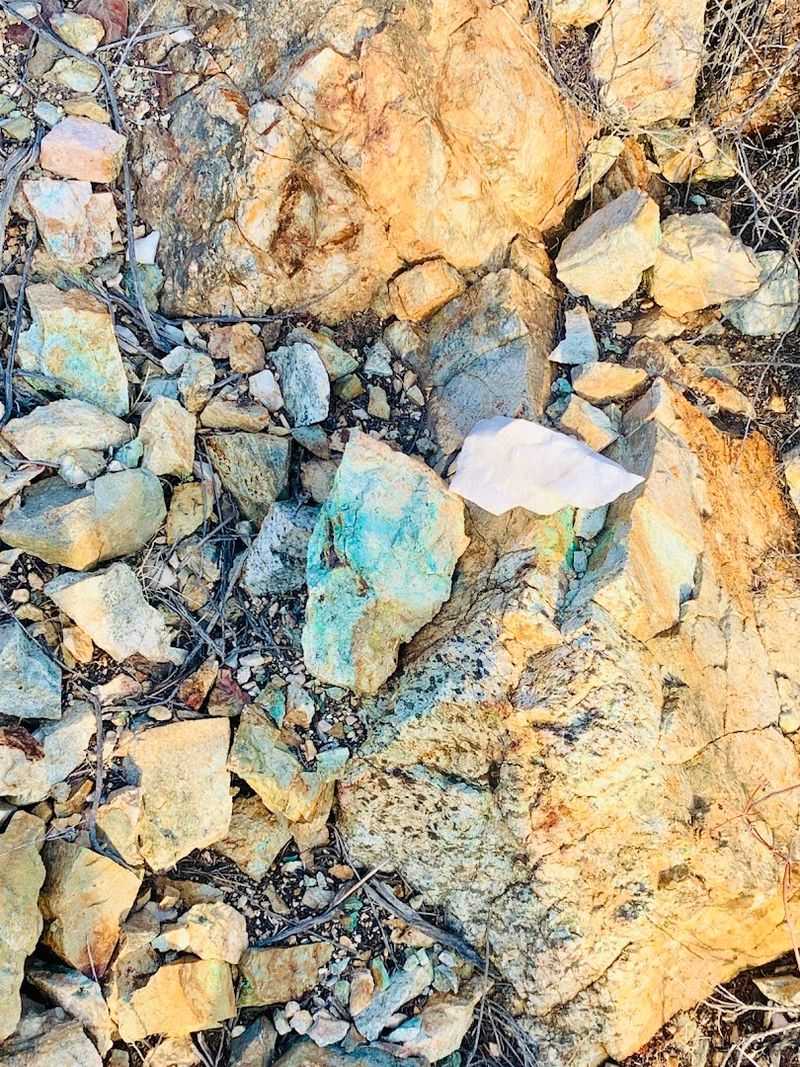
Southwest of Creede, the network of Forest Roads 528, 526, and 527 opens access to the Emma Mine Road and Lime Creek area, where brown jasper, barite, and mineralized mine-rock float appear across the accessible ground. This is a quieter, less-visited corner of the Creede mineral corridor, and that relative solitude is part of its appeal for collectors who prefer unhurried searching.
Barite has an interesting density for its size that surprises most people the first time they pick up a good specimen. The brown jasper here develops in earthy tones that complement the surrounding forest palette, and the mineralized float from historic mine workings adds geological context that makes each piece feel connected to a larger story.
The essential rule at this location is straightforward: remain on public roads and confirmed National Forest ground at all times, and do not enter shafts or cross claimed property under any circumstances. Old mine structures carry real hazards that are not always obvious from the outside, and the mineral collecting is productive enough on accessible ground that there is simply no reason to take risks.
The forest road network in this area is worth exploring methodically rather than rushing, as the jasper and barite tend to appear in concentrated pockets that reward slow, attentive searching over wide, hurried coverage.