
8 Connecticut Places That Look Expensive But Have A More Down-To-Earth Side
The hamburger may have been born in Connecticut, and it showed up on plain toast. A New Haven lunch counter claims it served the first one back in 1900, with no ketchup allowed, ever.
I love that detail so much. This is the same state people picture as a land of hedge mazes, private docks, and golden retrievers with better haircuts than mine.
So what happens when you look past the pricey zip codes? You find public beaches, free concerts, old cannonballs, steam trains, and pizza with a Hollywood past.
None of that needs a trust fund. I can’t imagine a better excuse for a road trip than proving the fanciest towns still know how to keep it simple.
Ready to see which ones pass the toast test?
1. Greenwich
Famous for hedge funds and mansions, Greenwich somehow keeps a surprisingly relaxed side tucked behind the headlines. You just have to know where to point the car.
Start by remembering that Greenwich is not one single fancy street. The town includes neighborhoods like Cos Cob, Old Greenwich, Byram, and Glenville, each with its own small-town feel.
Old Greenwich has a compact little main drag that feels more village than Wall Street. It’s the kind of place where a coffee and a stroll make a perfectly good afternoon.
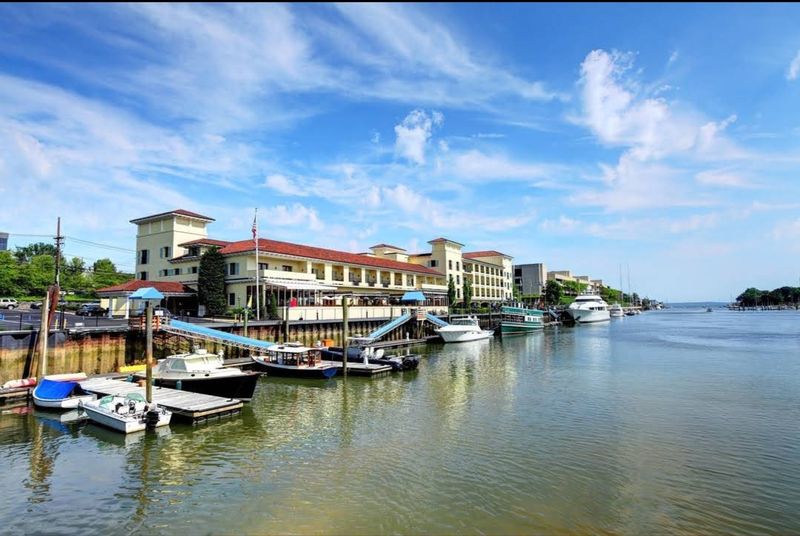
Then there’s the water. Greenwich Point Park stretches out into Long Island Sound with beaches, trails, and wide open views.
Heads up, though, because summer access has rules for nonresidents. Check the town’s beach pass info before you go, so you don’t end up turning around at the gate.
Culture lovers can swing by the Bruce Museum, which mixes art and science under one roof. It’s a fun pick for a rainy day, especially with curious kids in tow.
Greenwich Avenue still delivers the window shopping everyone expects. Nobody says you have to buy anything, and people-watching costs exactly nothing.
Honestly, the best Greenwich trip mixes a little glamour with a lot of sand between your toes. Pack a picnic and let the yachts do the showing off.
2. Westport
Connecticut’s very first state park sits right here, which feels like a pretty humble flex for such a polished town. Sherwood Island State Park opened its gates long before Westport became a celebrity favorite.
That park gives you beaches, picnic spots, and big shoreline views. It’s run by the state, so it doesn’t feel like a members-only club.
Compo Beach is the town’s other summer hangout. Families spread out blankets, kids run toward the water, and sunsets do the heavy lifting.
Want music without the fancy ticket price? The Levitt Pavilion sits along the Saugatuck River and hosts many free outdoor shows in warm months.
Bring a lawn chair and a snack, and you’ve got yourself a concert night. It’s one of the easiest ways to feel like a local in a single evening.
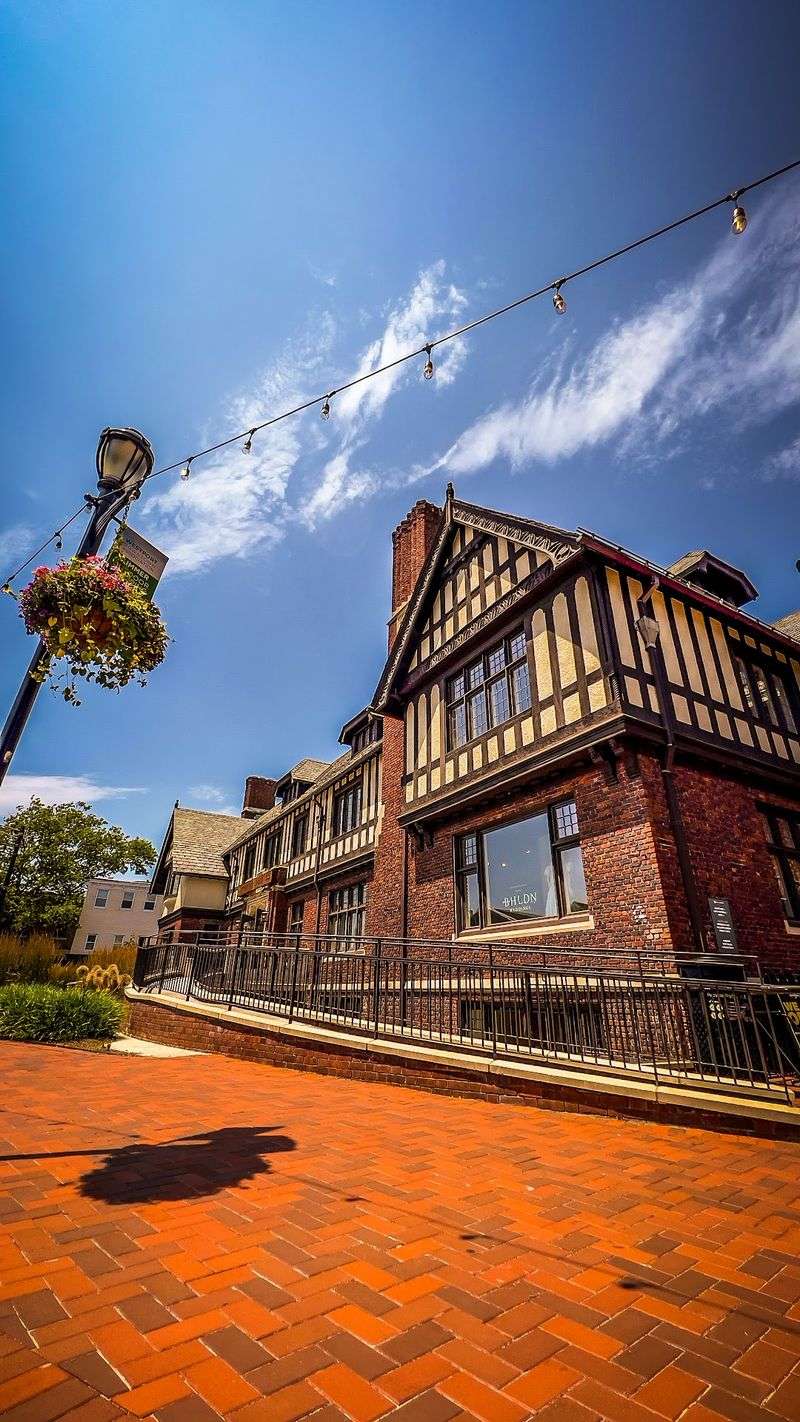
Downtown, the riverside Main Street looks straight out of a catalog. Window shopping is free, and the river walk makes a nice break from the storefronts.
The Westport Library also sits near the water, and it’s far from a dusty book stack. Its modern space hosts events and gives you a quiet place to recharge.
So yes, Westport looks expensive. Spend a day here anyway, and you’ll find the river, the beach, and the music are refreshingly easy on your wallet.
3. Darien
Small but mighty, Darien packs a lot into a town you could cross in a few minutes. Its reputation screams country club, yet its everyday spots whisper neighborhood.
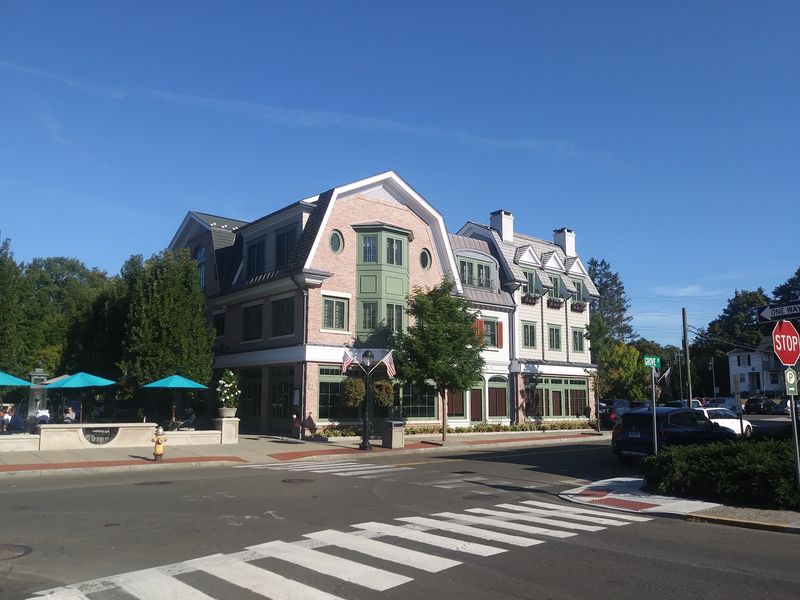
The compact downtown is easy to explore on foot. Grab a bite, poke into a shop, and you’re basically done planning.
Tilley Pond Park sits close to the center of town. It’s a simple patch of green and water that’s perfect for a slow walk or a sandwich break.
Cherry Lawn Park adds more room to roam. Trails, open lawns, and shady spots make it a pleasant stop when you need fresh air.
The Darien Library deserves a mention, too. Libraries in towns like this often run free programs, and it’s worth checking its calendar for talks and kids’ events.
Out on the coast, Weed Beach faces Long Island Sound. Like many shoreline towns here, Darien has beach rules, so check access before you show up with a cooler.
What makes Darien fun is how normal it can feel. Families walk dogs, kids ride bikes, and the town green energy beats the glossy magazine image.
You won’t find a theme park or a giant attraction. You’ll find a calm, friendly suburb that’s happy to share a pond, a path, and a good afternoon.
4. New Canaan
A house made almost entirely of glass might be the most famous thing in New Canaan. Architect Philip Johnson finished his Glass House here in 1949, and it still draws design fans from far away.
Tours of the Glass House require tickets, so plan ahead. It’s a splurge, but it’s also a one-of-a-kind look at modern architecture.
Now for the budget-friendly side. Grace Farms features a long, winding building called the River that curves across rolling fields.
Visiting Grace Farms is generally free, which still blows my mind. You can wander the grounds, enjoy the views, and soak up some seriously cool design.
Waveny Park is another win for your wallet. Its big lawns and walking paths make it a favorite for picnics and long, easy strolls.
The New Canaan Nature Center adds trails, gardens, and outdoor learning. It’s a great pick if your crew likes bugs, birds, and getting a little muddy.
Downtown, the village district keeps a classic small-town layout. Wander Elm Street, admire the shop windows, and stop for a snack.
New Canaan clearly enjoys its fancy reputation. Still, a town with free meadows and walking trails is pretty good at sharing the view.
5. Ridgefield
There’s a British cannonball stuck in a building on Main Street, and it’s been there since 1777. That souvenir comes from the Battle of Ridgefield during the American Revolution.
The building is the Keeler Tavern, now a museum. It’s a fun reminder that this polished town once had a front-row seat to history.
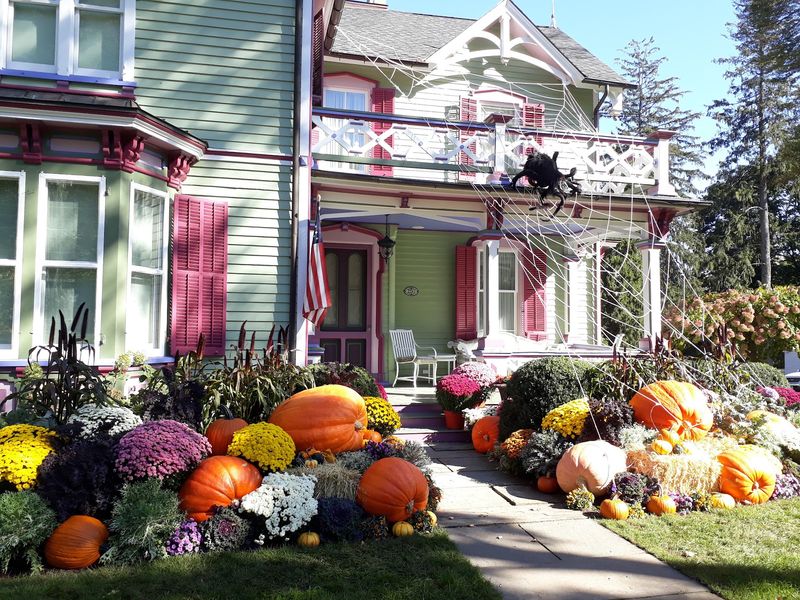
Main Street itself is long, leafy, and lined with old homes. Walking it costs nothing, and fall turns the whole stretch into a postcard.
Art fans should check out the Aldrich Contemporary Art Museum. It focuses on new and current artists, so the exhibits change and keep things fresh.
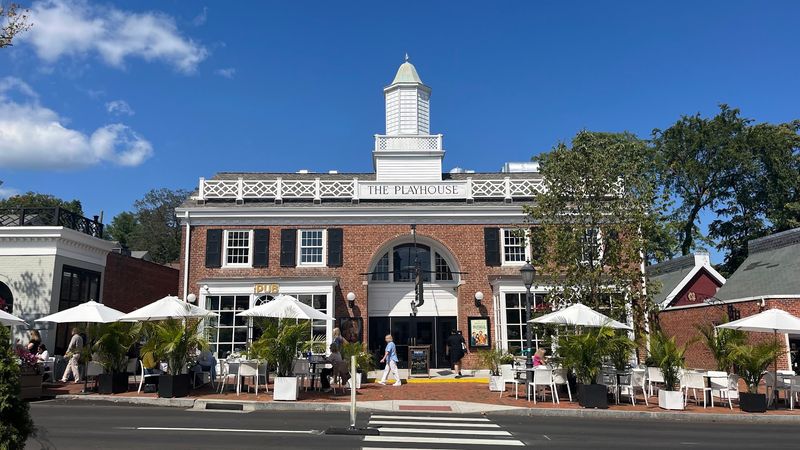
Ridgefield also loves a good show. The Ridgefield Playhouse brings in concerts, comedy, and movies, giving this small town a big entertainment calendar.
Need fresh air after all that culture? The town sits in the foothills, and local parks and trails make it easy to stretch your legs.
What makes Ridgefield feel down-to-earth is its small-town rhythm. People stroll, chat, and treat Main Street like a shared living room.
Sure, the houses are lovely and pricey. But a cannonball, a free stroll, and some fresh art make Ridgefield feel surprisingly welcoming to regular folks like us.
6. Essex
Few towns get to brag about a steam train, a riverboat, and a British raid. Essex has all three stories wrapped into one pretty river village.
Back in 1814, British forces raided Essex during the War of 1812 and burned ships in the harbor. The Connecticut River Museum tells that story right on the waterfront.
The museum also covers life along the river. Kids and history buffs can both find something interesting to point at.
Then there’s the Essex Steam Train and Riverboat. You ride a vintage train through the valley, and some trips include a cruise on the river.
It feels like stepping into an old movie. Honestly, who doesn’t want to hear a real train whistle echo across the water?
Essex also includes the village of Ivoryton, home to the Ivoryton Playhouse. It’s a charming theater that has been part of local life for generations.
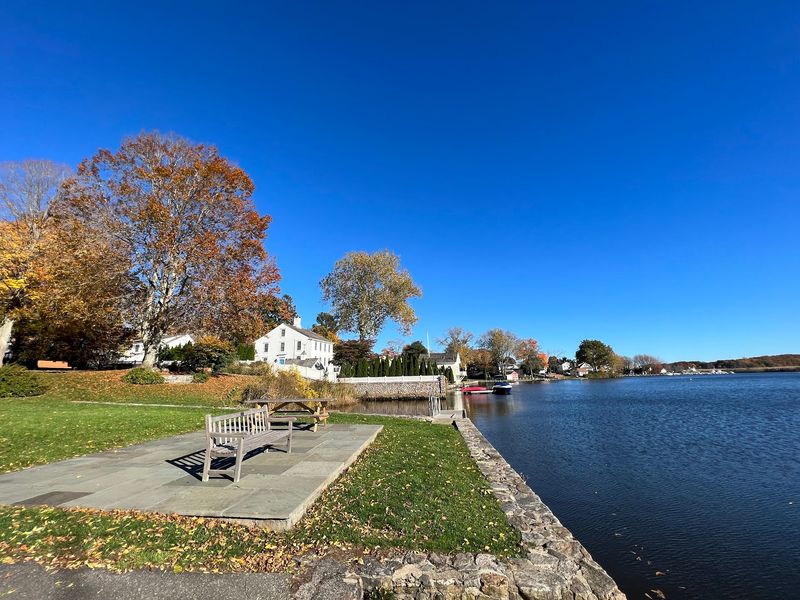
The main village is small and walkable. Main Street runs down toward the river, so a stroll naturally ends with a nice water view.
Big boats and old captains’ homes make Essex look upscale. Yet the trains, the stories, and the riverside strolls feel friendly and wonderfully unfussy.
7. Litchfield
America’s first law school started in a tiny building in Litchfield. Tapping Reeve opened it in the 1780s, and that little schoolhouse still stands today.
That’s a fun fact to drop at dinner. It also explains why Litchfield looks so serious, with its stately colonial homes and white church steeple.
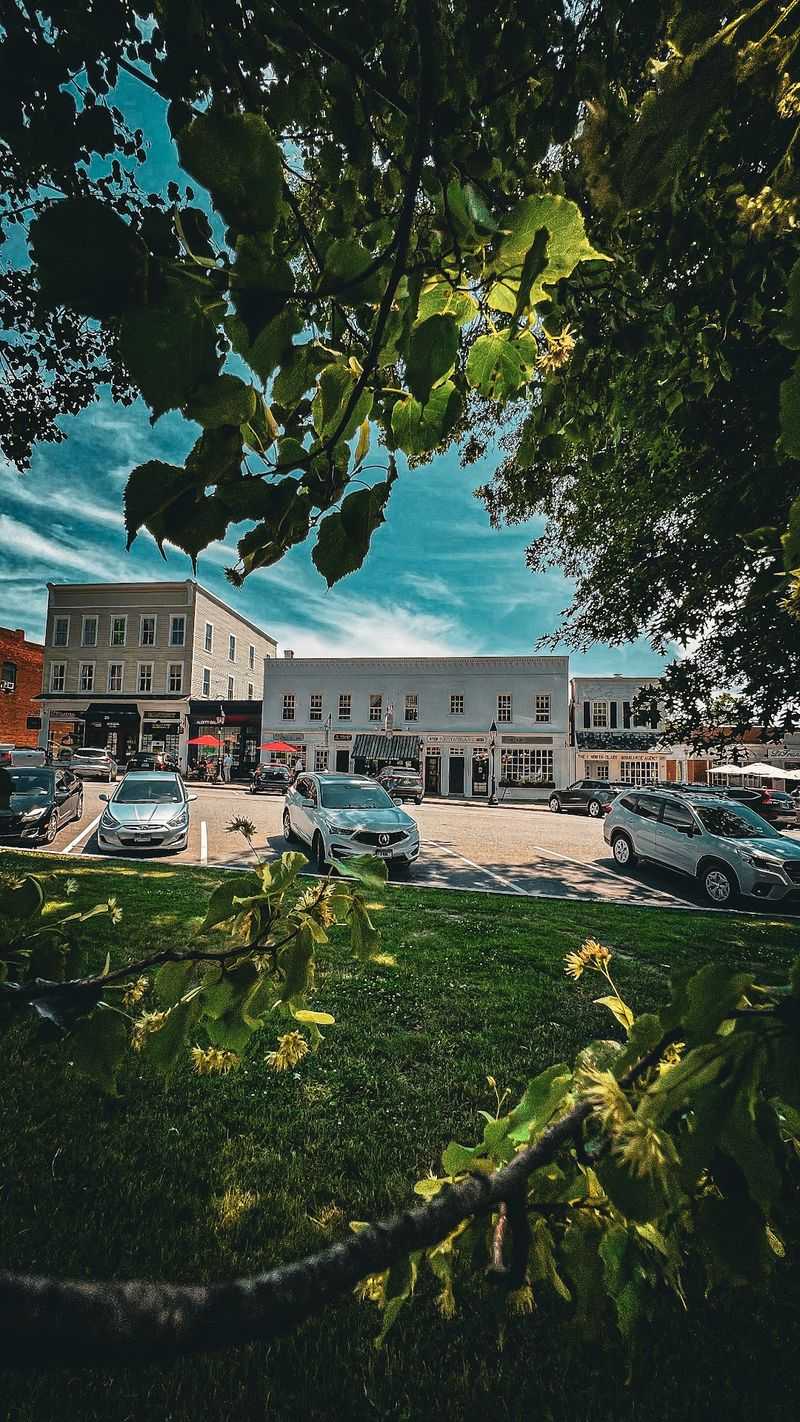
The town green is the heart of it all. It’s a classic New England scene, and wandering around it costs you nothing but a little shoe leather.
Nature lovers get a real treat at White Memorial Conservation Center. Its huge spread of land offers trails, boardwalks, and lots of birdwatching.
Topsmead State Forest is another lovely stop. Rolling meadows and an old English-style cottage make it feel like a storybook setting.
Litchfield sits in Connecticut’s northwest hills, so the drive is half the fun. Expect winding roads, farm fields, and gorgeous color in the fall.
Downtown has shops and places to eat around the green. Grab a snack, find a bench, and let the afternoon slow way down.
Litchfield might look like a fancy country getaway. In reality, its best stuff is outdoors, open, and ready for anyone with hiking shoes.
8. Mystic

Julia Roberts helped put a tiny pizza shop on the map here. The 1988 movie Mystic Pizza took its name from a real spot in town, and fans still come looking.
Pizza fame aside, Mystic is all about the water. The village sits along the Mystic River, split between the towns of Groton and Stonington.
Downtown’s drawbridge is a showstopper. The bascule bridge lifts to let boats pass, and watching it rise is a free little show.
Mystic Seaport Museum brings maritime history to life. It’s home to the Charles W.
Morgan, the last wooden whaleship of its kind still afloat.
Climbing around old ships beats reading about them any day. Plan for a few hours, because there’s plenty to explore.
Mystic Aquarium is another big draw. Beluga whales are among its headline residents, which is pretty wild for a small New England village.
The waterfront downtown is easy to explore on foot. Shops, ice cream, and river views keep the stroll moving along.
With sailboats and old sea captains’ homes, Mystic looks like a postcard for the rich. Then you watch a bridge go up while eating pizza, and it feels like home.