
5 Creepy Maine Locations That Make The State’s Haunted Reputation Hard To Ignore
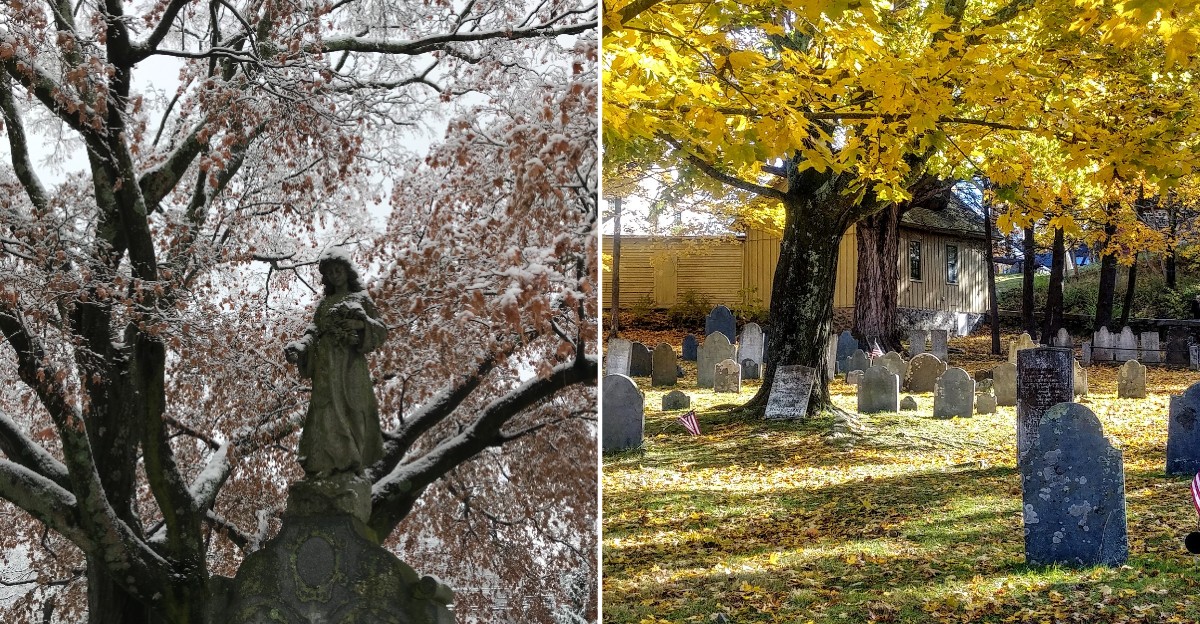
A lighthouse keeper’s wife supposedly played one piano tune so often that the story still floats around an island off the coast of Maine. That single legend got me curious about how many other places here carry stories like it.
Turns out, quite a few. There’s a granite fort that never saw a battle, yet ghost hunters keep showing up with flashlights.
There’s a cemetery where a famous horror movie filmed scenes, which feels almost too perfect.
I find it fascinating that so many of these spots are real, public places you can actually visit. They have museums, gift shops, and visiting hours. They also have stories people can’t seem to shake.
So I went looking at five of them, from a colonial jail to a rebuilt stone tower by the sea. Each one has history you can check and legends you can’t.
Which kind of story sticks with you longer?
1. Fort William Henry
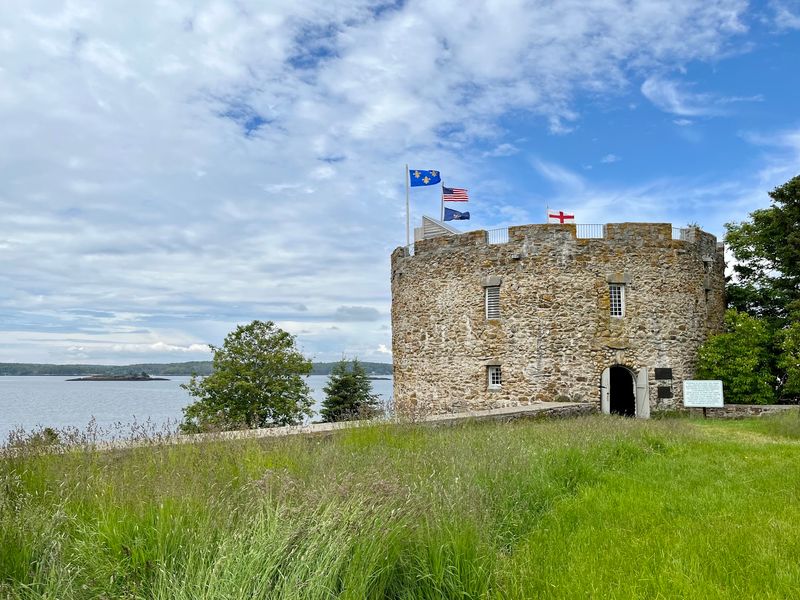
A fort that only lasted four years somehow keeps drawing visitors more than three centuries later. That’s some serious staying power for a pile of stones.
The English built the original Fort William Henry in 1692 during King William’s War. It was meant to guard the northern edge of New England against French and Wabanaki forces.
The plan didn’t hold up for long. In 1696, the fort fell during the Siege of Pemaquid and was destroyed.
So what are you looking at today? The round stone tower is a replica built in 1908, standing near low stone walls that trace the original layout.
The fort sits within the Colonial Pemaquid State Historic Site in New Harbor, part of the town of Bristol. The site preserves the remains of an early English frontier settlement on the coast.
History here goes back much further than the English, though. People lived on this land for roughly 5,000 years before European settlers arrived in the early 1600s.
You can see that long story up close at the small museum and visitor center. Displays include musket balls, coins, pottery, and early hardware dug up from the area.
Now for the part that makes people glance over their shoulders. Stories of strange activity at the fort have circulated for decades, and many of them center on the tower.
One story points to the Abenaki sagamore Edgeremet and his two sons. They were reportedly betrayed during a truce attempt in 1696 by Captain Pasco Chubb, the fort’s commander.
People have also described glowing orbs, cold spots, and shadowy shapes. Others mention voices with no clear source and soldiers or settlers spotted outside the walls.
Do you have to believe any of it to enjoy the trip? Not at all, since the views and the artifacts are worth the drive on their own.
A smart move is to check the season before heading out. The historic site is typically open in the warmer months, so plan your spooky field trip accordingly.
Walk the stone outlines slowly and try to picture the settlement that once stood here. That quiet moment might be the eeriest part of the whole visit.
Address: Old Fort Rd, New Harbor, ME 04554, United States
2. The Seguin Island Lighthouse
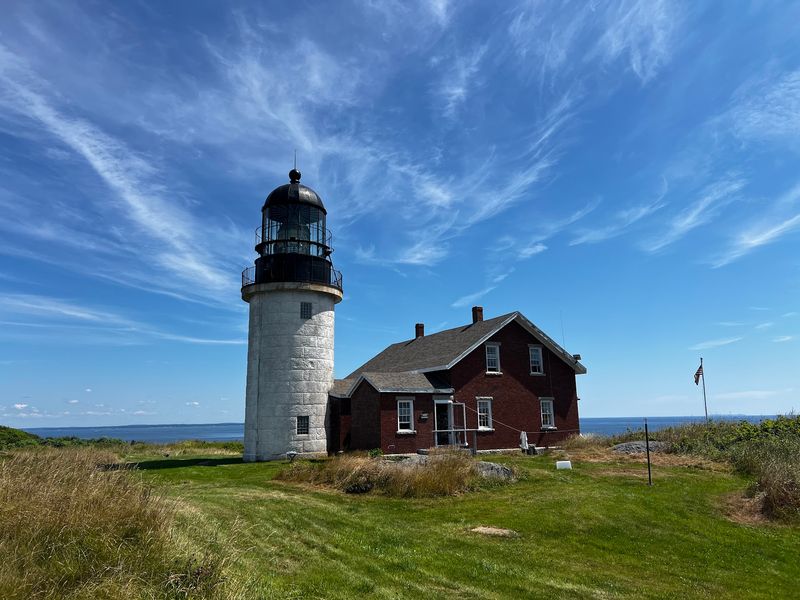
Stand at Maine’s highest lighthouse and you’re about 180 feet above the ocean. No wonder this lonely island collects stories the way a beach collects driftwood.
Seguin Island sits off the coast near Georgetown, close to the mouth of the Kennebec River. George Washington approved the first light station here in 1795, which makes it one of the oldest in the state.
The granite tower you see now dates to 1857. Inside, it holds a first-order Fresnel lens, a huge and rare piece of glasswork for a working Maine lighthouse.
So where does the creepy reputation come from? Mostly from one famous legend about a keeper and his wife.
As the tale goes, the keeper bought his wife a piano to help with the isolation. She supposedly only had sheet music for one song and played it over and over.
The story says the repetition pushed the keeper past his limit. The legend then takes a very dark turn, and people claim the faint tune still drifts across the island.
Historians haven’t confirmed the story, so treat it as classic coastal folklore. Still, it’s hard to hear about it without humming something nervously.
Other tales describe a little girl’s spirit and footsteps in empty rooms. Isolated islands seem to attract these legends, and Seguin has plenty of isolation to go around.
Here’s the fun part for curious travelers. The Friends of Seguin Island Light Station care for the property, and volunteer keepers stay on the island in summer.
A small museum in the keeper’s house shares the island’s history. You’ll also find hiking trails and a steep climb up from the shore to the tower.
Getting there takes some planning, since you’ll need a boat. Visits generally happen in summer, and the ocean has the final say on whether a trip works out.
Pack sturdy shoes, water, and a jacket even on a sunny day. Coastal weather in Maine can switch moods faster than a ghost story at a campfire.
Once you reach the top, take a long look at the open water. You’ll understand why keepers out here might have craved a little music.
Address: Seguin Island, Georgetown, ME 04548
3. Mount Hope Cemetery
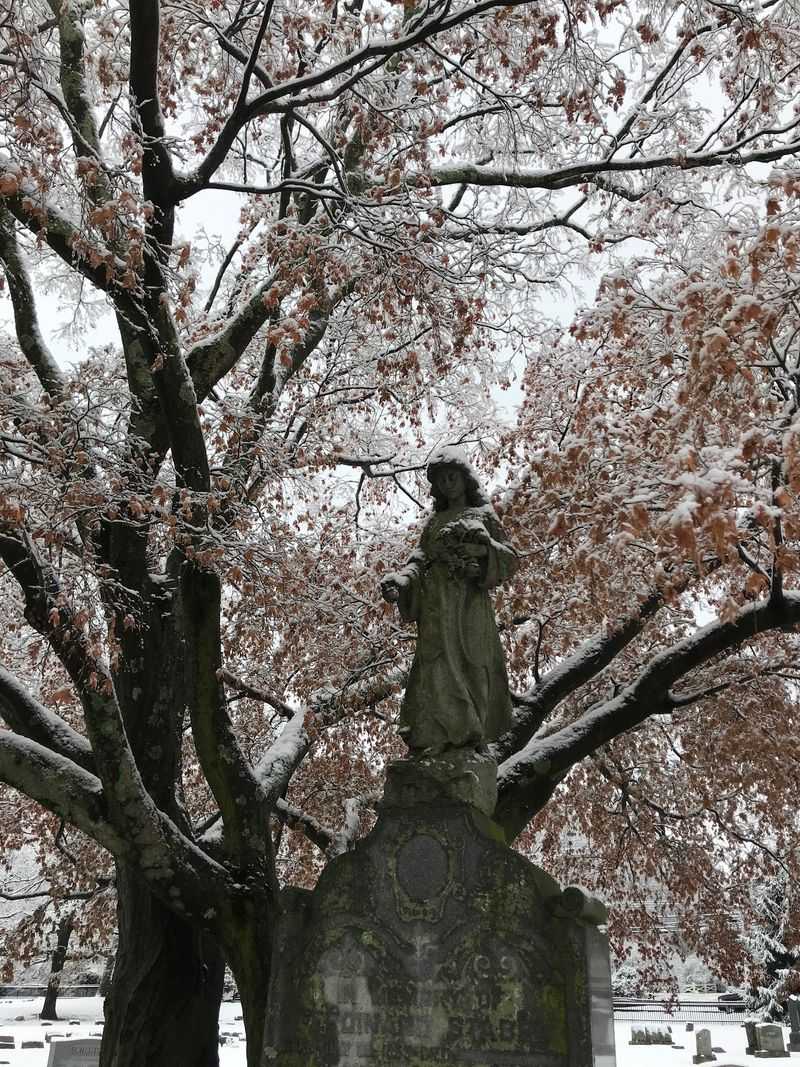
Stephen King fans, this one’s for you. Scenes from the 1989 movie Pet Sematary were filmed right here in Bangor.
That alone gives Mount Hope Cemetery a spooky edge.
The cemetery itself has a long and impressive history. It opened in 1834 and is considered the second oldest garden cemetery in the United States.
Garden cemeteries were designed to feel like peaceful parks. People came to stroll, picnic, and enjoy the trees, which sounds odd today but was popular back then.
Charles G. Bryant, a Bangor architect, laid out the grounds.
The design includes rolling hills, winding paths, and old stone monuments that look striking in fog.
Want a true crime twist? Members of the Brady Gang, a notorious group of 1930s criminals, are buried here.
The gang came to Bangor in 1937 to buy weapons. FBI agents and local police were waiting, and the shootout on Central Street became one of the city’s most famous events.
Today, a headstone marks the spot for Al Brady, and curious visitors still seek it out.
Of course, ghost stories follow naturally. Some visitors report odd feelings, strange shadows, or the sense of being watched among the old stones.
None of that is proven, but the setting sure helps the imagination. Old trees creaking in the wind can sound a lot like whispers.
Mount Hope is still an active cemetery, so please be respectful. Families visit loved ones here, and quiet behavior goes a long way.
Daylight is the best time to explore. You’ll spot more details on the old carvings and avoid tripping over roots.
Bring a camera for the Victorian monuments and the views. Autumn makes the grounds especially photogenic, with color splashed across the hills.
Movie fans can try matching scenes to real spots. Just keep the experience fun and thoughtful, and leave the grounds as you found them.
Address: 1048 State Street, Bangor, ME 04401
4. Fort Knox
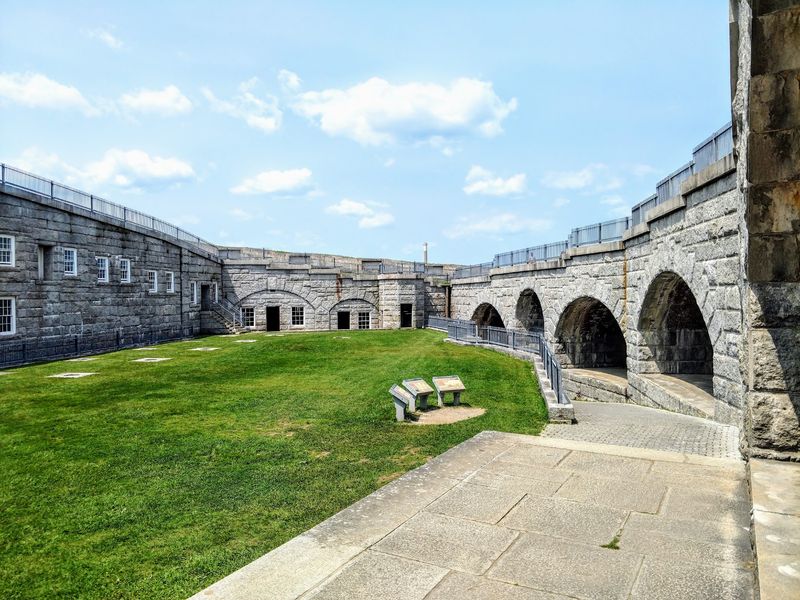
Nope, there’s no gold here. This Fort Knox in Maine guards something else entirely, like echoes, dark tunnels, and plenty of goosebumps.
The fort sits on the Penobscot River in the town of Prospect. Construction started in 1844 and continued on and off until 1869.
Builders used huge blocks of local granite, and the craftsmanship still impresses visitors. It was named after Henry Knox, the first U.S.
Secretary of War.
Funny enough, the fort never saw a battle. Soldiers were stationed here at times, but no enemy ever attacked.
So why does it feel so creepy? Picture long stone passages, spiral staircases, and rooms where sunlight barely reaches.
Sounds bounce around strangely in those tunnels. A simple footstep can echo in ways that make you check behind you.
Paranormal investigators have visited over the years, and the fort even appeared on the TV series Ghost Hunters. Visitors share stories of voices, cold spots, and figures in dark corners.
Whether or not you buy those tales, the atmosphere does a lot of the work. Bring a flashlight, because some passages are very dim.
Every October, the fort hosts a Halloween event called Fright at the Fort. Actors and decorations turn the tunnels into a full-on haunted experience.
It’s popular, so check dates early if you want to go. Some parts may be too intense for younger kids, so plan with your group in mind.
During regular visits, you can explore much of the fort on your own. The views of the river are beautiful, especially when the leaves change.
Right next door stands the Penobscot Narrows Bridge and Observatory. Its tower takes you high above the river for a wide view of the region.
Visiting both makes for a great day trip. You get spooky history underground and sweeping views up top.
Wear good shoes, since floors can be uneven. And keep your phone charged, because those dark corners make great photos.
Address: 740 Fort Knox Road, Prospect, ME 04981
5. The Museums of Old York
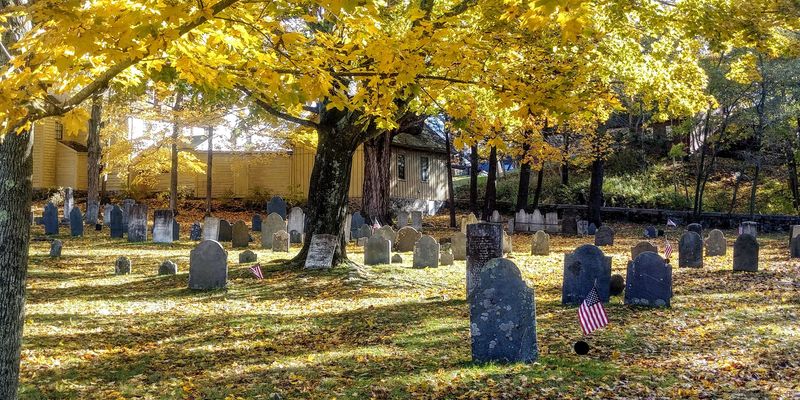
Few places say creepy quite like a jail from the 1700s. In York, you can step right inside one.
The Museums of Old York operate several historic buildings in this coastal town. The star of the spooky show is the Old Gaol, built in 1719.
It’s considered one of the oldest public buildings in the original English colonies. For decades, it held prisoners in cramped, chilly cells.
Inside, you can see the dark dungeon-like cells and the jailer’s family quarters. Yes, the jailer and his family lived in the same building as the prisoners.
That arrangement sounds like the start of a ghost story all by itself. Imagine eating dinner a few walls away from the people you’re guarding.
Some visitors report strange feelings in the old cells. Stories of footsteps and odd noises have helped the gaol earn a haunted reputation.
Historians focus on the facts, and the facts are fascinating enough. The building shows how justice worked in colonial New England, and it wasn’t gentle.
The museum campus includes more than the jail. Jefferds Tavern and the Emerson-Wilcox House offer looks at daily life in early York.
Moving between buildings feels like hopping through time. You get a sense of how families lived, worked, and gathered centuries ago.
Programs and tours change with the seasons, so check ahead before you go. Fall is an especially fun time, with crisp air that fits the old buildings perfectly.
Families will find plenty to talk about here. Kids often love the jail cells, while adults may linger over the old furniture and tools.
York itself is a lovely town to explore. Its beaches and village streets make a nice break after a dose of colonial chills.
Plan for a few hours if you want to see the main buildings. Ask questions too, since the guides know lots of history.
You might leave with more facts than frights. Then again, that creaky floor in the gaol could change your mind.
Address: 3 Lindsay Road, York, ME 03909