
Dare To Tour The May-Stringer House, The Most Haunted Place In Florida
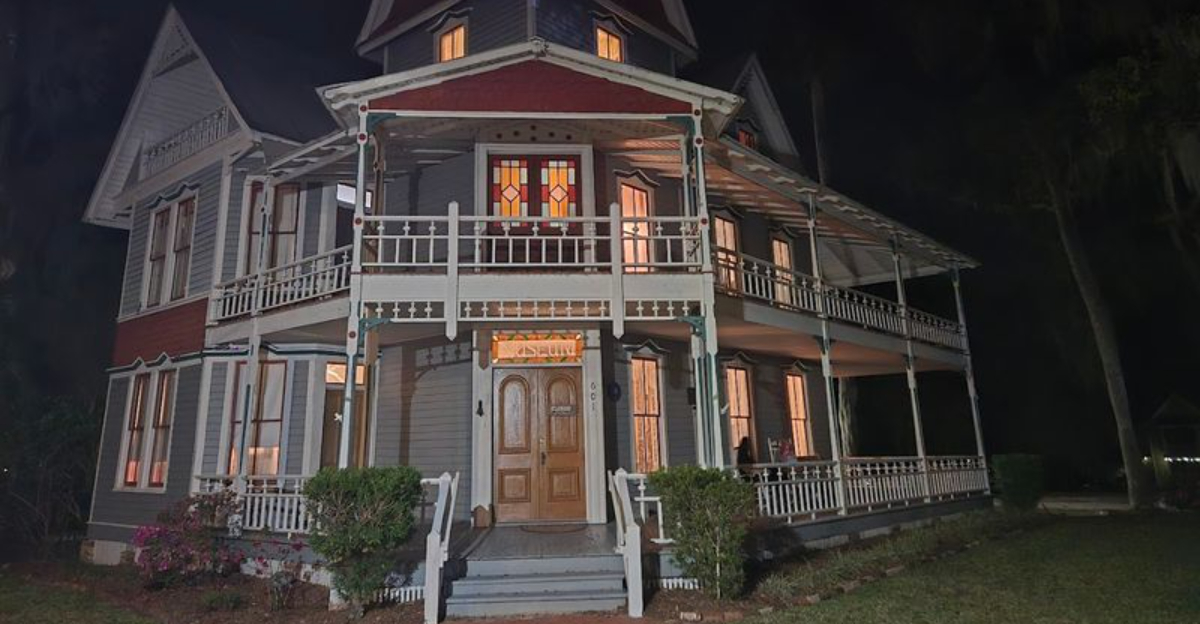
Step inside a Victorian mansion where history lingers in every hallway, and you may start to wonder if something unseen is paying attention right back.
In Florida, the May-Stringer House in Brooksville has earned a reputation as one of the state’s most talked-about paranormal sites, drawing both ghost hunters and curious visitors from across the country.
In Florida, this is the kind of place where history alone would be enough, but the stories are what keep people coming.
Built in the 1850s, this gingerbread-style home has seen generations pass through its rooms, moments of joy, periods of loss, and a long list of experiences that people still talk about today.
Whether you arrive as a skeptic or someone already open to the idea, it doesn’t take long before you start paying closer attention.
And by the time you leave, it’s not just the history you remember, but the feeling that there might be more to this place than meets the eye.
A Victorian Beauty With Secrets In Every Corner
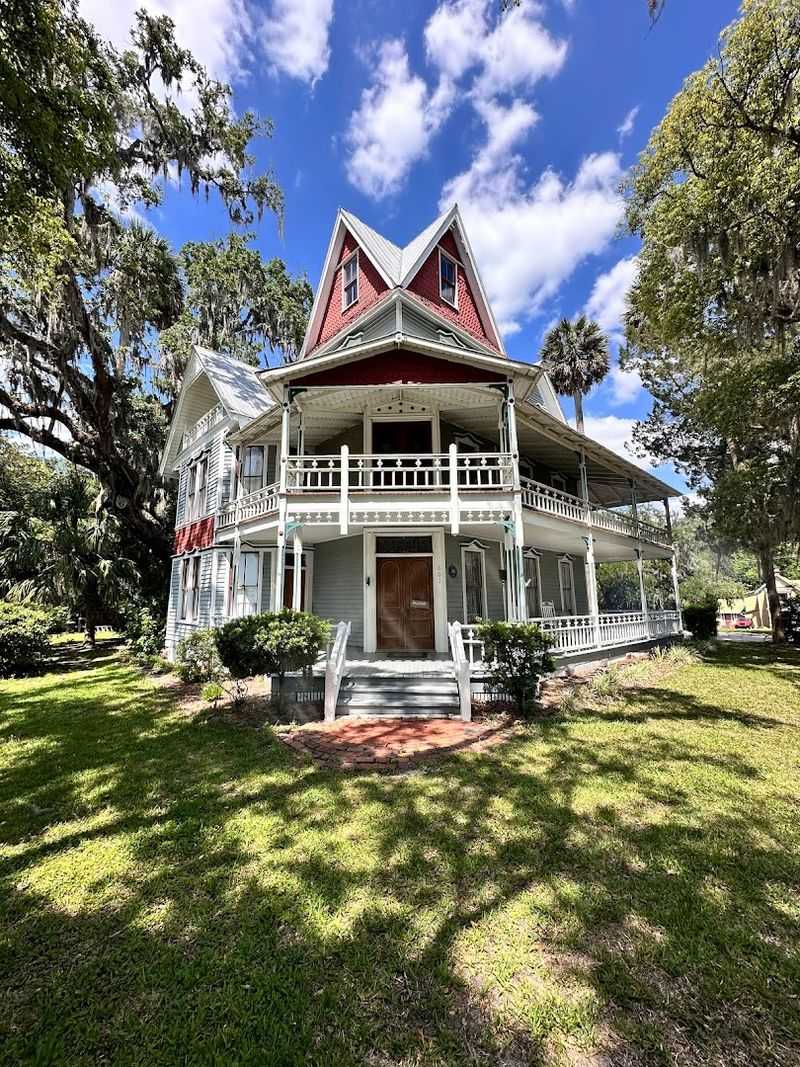
Walking up to the May-Stringer House feels like stepping through a portal into the 1800s. The Victorian gingerbread architecture immediately catches your eye with its intricate wooden details and classic charm.
This isn’t just any historic building—it’s a three-story treasure that has stood since the 1850s, watching Brooksville transform around it.
The exterior might show its age in places, as some visitors note it could use a fresh coat of paint, but that weathered authenticity only adds to its character. Inside, you’ll find room after room filled with period furnishings, antique medical equipment, vintage telephones, and fascinating gadgets from bygone eras.
While not all items belonged to the original residents, every piece fits the time period perfectly.
Tour guides dressed in Victorian attire lead you through the home’s three floors, sharing stories that bring each room to life. The attention to historical detail is remarkable—from funeral card display boxes that once showed social status to round ice boxes that fell out of favor because square ice blocks wouldn’t fit.
Every corner holds something unexpected, making each visit feel like a treasure hunt through time.
The Attic Where Hearts Race And Spirits Linger
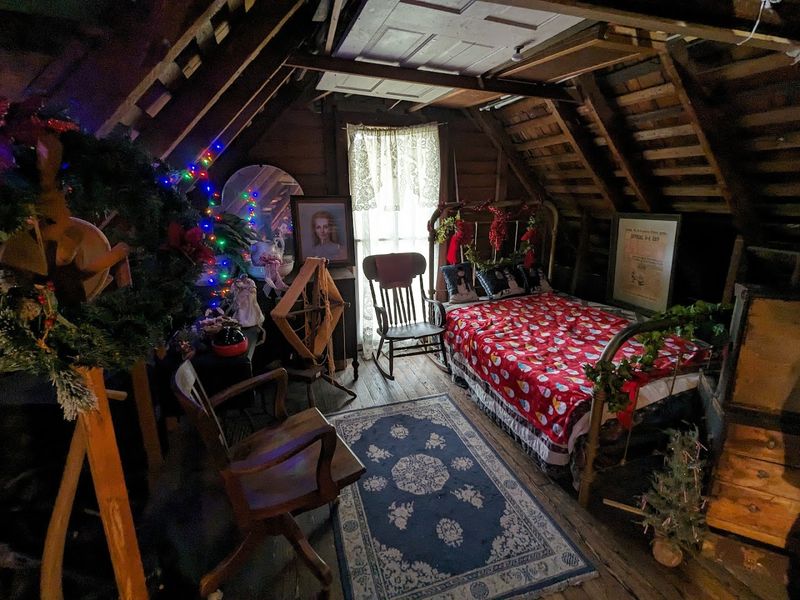
Climb the narrow stairs to the third floor and you’ll understand why the attic is many visitors’ favorite part of the tour. Something about this space feels different—the air seems heavier, the atmosphere more charged.
One visitor’s smartwatch recorded their heart rate jumping to 142 beats per minute in this very room, despite standing perfectly still.
Three incredibly detailed dollhouses occupy the attic space, miniature worlds frozen in time that captivate children and adults alike. The craftsmanship is extraordinary, but many guests find themselves distracted by unexplained sensations.
A six-year-old once pointed to a window and matter-of-factly mentioned feeling the “heebee geebees,” while her mother hadn’t yet mentioned anything about the house’s haunted reputation.
Tour guides report countless experiences here—cold spots that appear without explanation, the feeling of being watched, and occasional unexplained sounds. Even skeptics admit something feels off in this space.
The combination of historical artifacts and persistent paranormal reports makes the attic both fascinating and unsettling. Whether you believe in ghosts or not, standing in this dimly lit space surrounded by antiques and Victorian-era childhood toys creates an undeniably eerie atmosphere that stays with you long after you descend those creaky stairs.
Ghost Tours That Turn Skeptics Into Believers
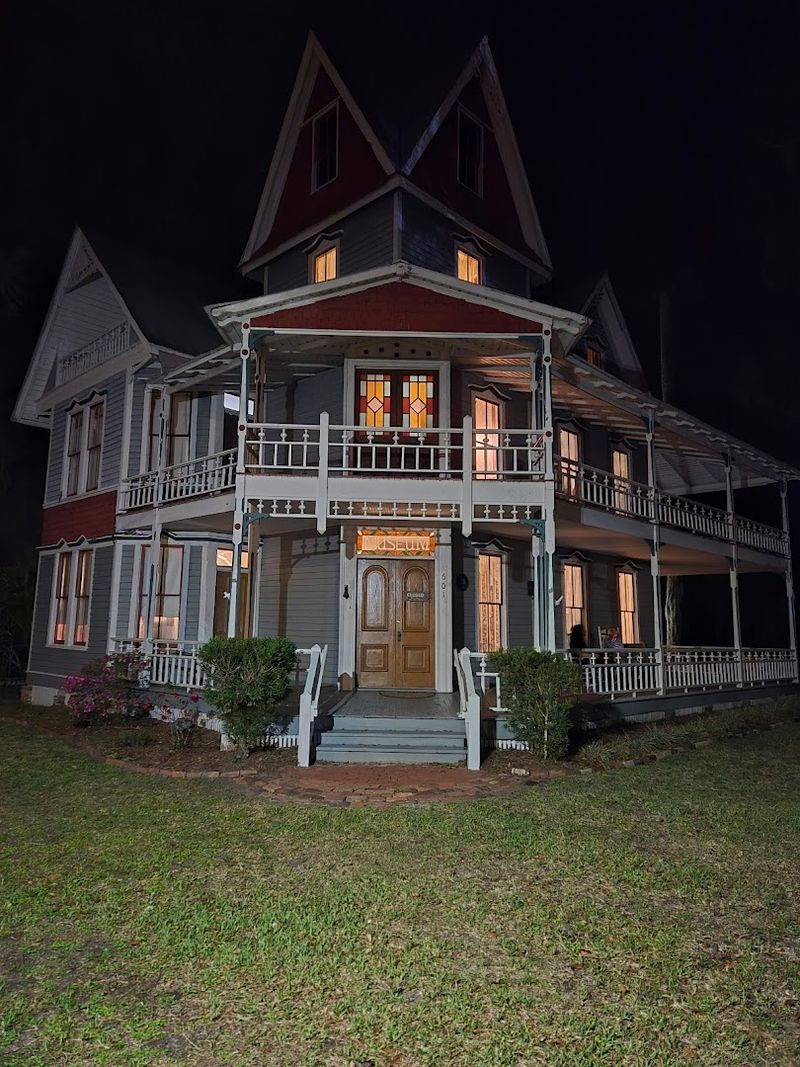
When the sun sets and regular museum hours end, the May-Stringer House transforms into something entirely different. The two-hour nighttime ghost tours and paranormal investigations have earned legendary status among ghost hunting enthusiasts.
With a waiting list that can stretch up to a year, these experiences are clearly doing something right.
Participants receive actual ghost hunting equipment—EMF detectors, temperature gauges, and other paranormal investigation tools. You’re not just hearing stories; you’re actively searching for evidence yourself.
Groups are kept small, usually capped at ten people, ensuring everyone gets a genuine hands-on experience exploring the darkened rooms.
Even self-proclaimed non-believers report having a blast. One visitor compared it to being part of a ghost hunting TV show, creeping through the historic home in darkness with equipment in hand.
The knowledgeable guides share the house’s documented paranormal history while giving you freedom to investigate independently.
Some nights yield dramatic results—unexplained temperature drops, equipment responses with no logical source, or that unmistakable feeling of presence. Other evenings remain quiet, but the thrill of the hunt keeps everyone engaged.
Friday the 13th tours are particularly popular, adding extra atmosphere to an already spine-tingling experience that blends historical education with genuine paranormal investigation.
Passionate Volunteers Who Bring History To Life
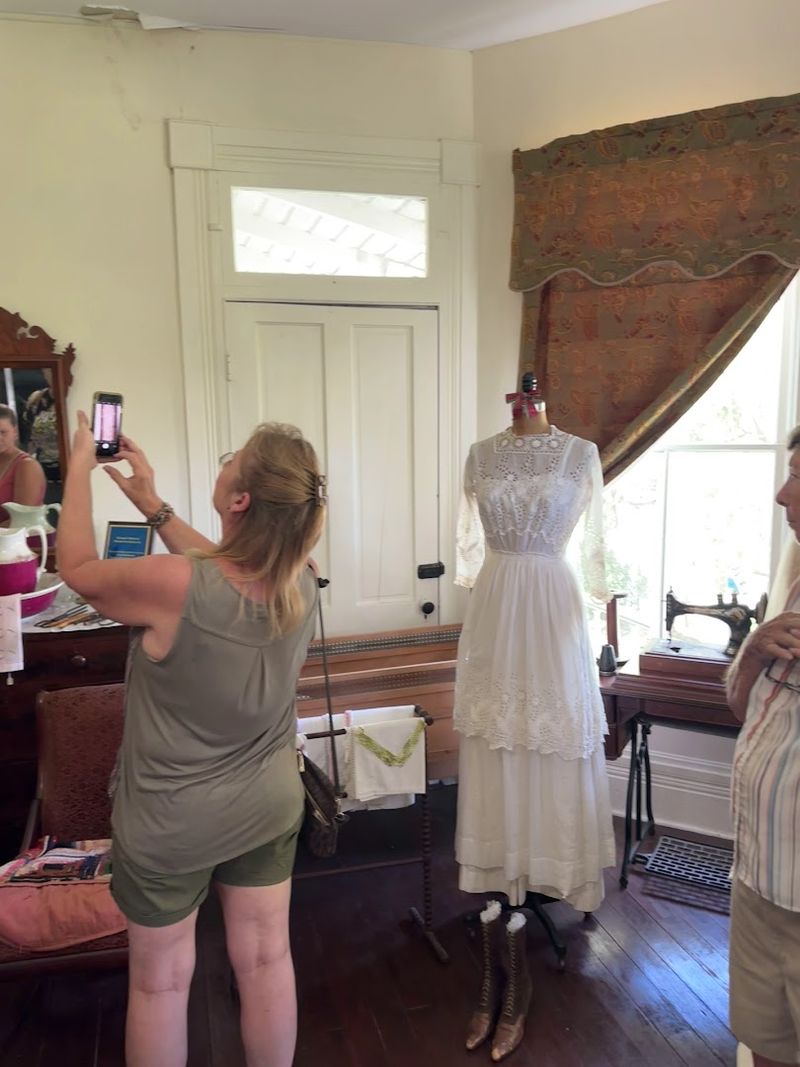
What truly sets the May-Stringer House apart isn’t just the building or the ghost stories—it’s the incredible people who keep its history alive. Volunteers like Bonnie, Karen, Hanna, Donna, and John pour their hearts into every tour, transforming a simple museum visit into an unforgettable journey through time.
These dedicated guides dress in authentic Victorian attire and possess encyclopedic knowledge about the house, its former residents, and the historical context of every artifact. Their enthusiasm is genuinely infectious.
They’ll spend hours answering questions, sharing fascinating details about everything from medical practices of the era to the social customs that governed daily life.
The tours run entirely on donations and volunteer efforts, with all proceeds going toward the house’s ongoing restoration. Despite this volunteer-based operation, the quality of the experience rivals professionally staffed museums.
Guides remember details about nearly everyone who ever visited the house, weaving personal stories into the broader historical narrative.
Medical Mysteries In The Doctor’s Office
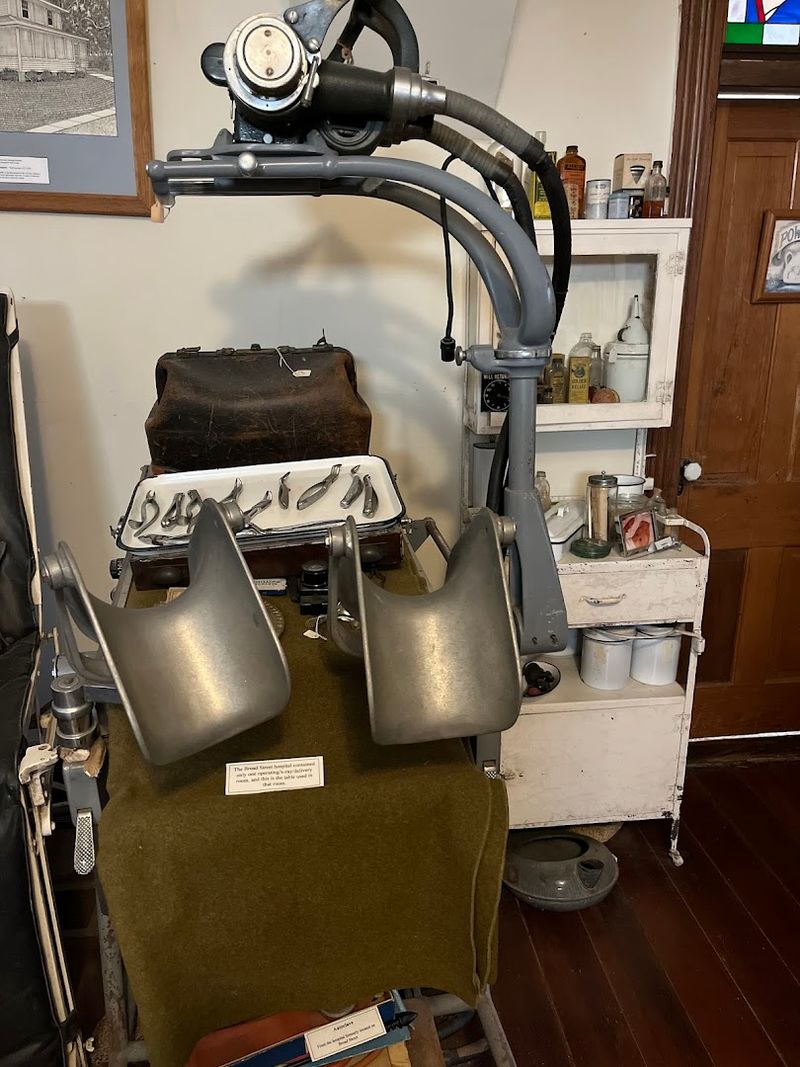
Few rooms in the May-Stringer House capture imagination quite like the physician’s office. Filled with authentic medical equipment from the 19th and early 20th centuries, this space offers a sometimes unsettling glimpse into healthcare before modern medicine revolutionized treatment.
Glass cabinets display surgical instruments that look more like torture devices than healing tools. Bottles of mysterious tonics and elixirs line the shelves, their faded labels promising cures for everything from consumption to hysteria.
The contrast between these primitive implements and today’s advanced medical technology is stark and thought-provoking.
Examining these artifacts raises fascinating questions about how people lived, suffered, and healed in an era without antibiotics, anesthesia, or sterile technique. The doctor who once practiced here treated everything from simple ailments to serious injuries with tools that now seem shockingly crude.
Yet these were the cutting-edge instruments of their time.
Children find this room particularly intriguing, comparing the antique medical equipment to modern doctors’ offices they know.
The Telephone Room’s Communication Revolution
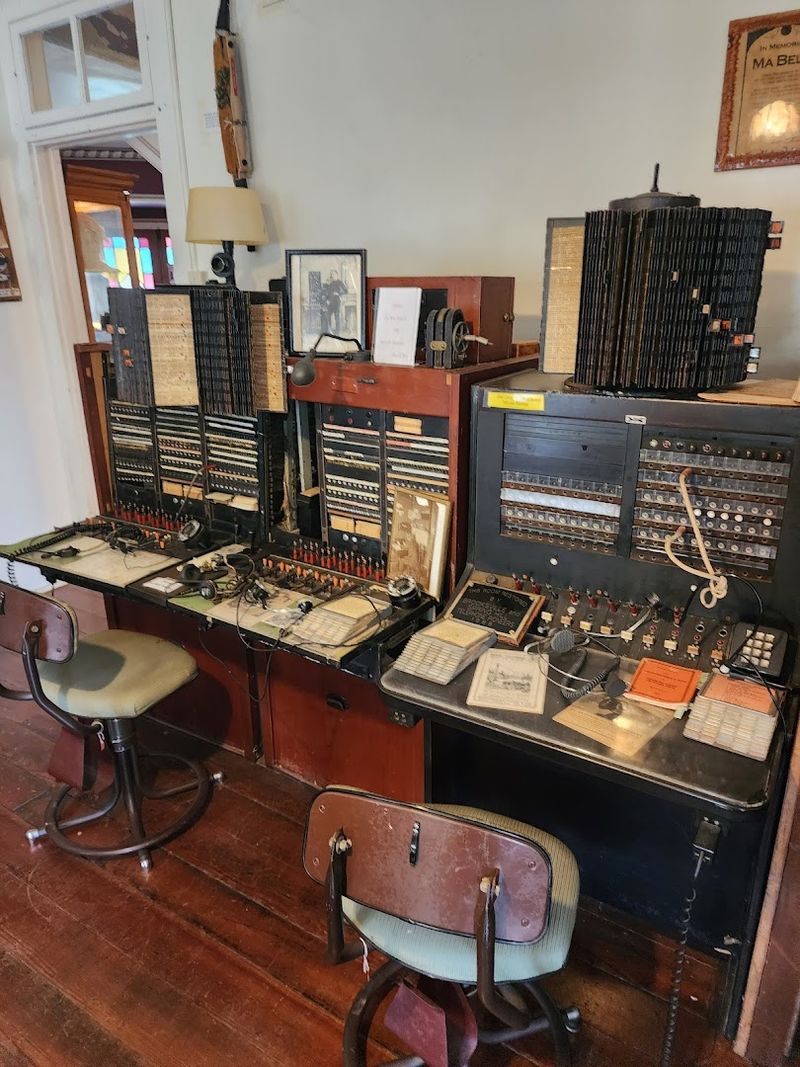
Step into a room dedicated entirely to telecommunications history and prepare for a nostalgic journey through how humans connected across distances. The telephone room showcases an impressive collection of devices spanning decades of innovation, from early candlestick models to mid-century rotary phones that younger visitors have never seen in action.
A phone company’s generous donation helped establish this unique exhibit, and the result is a fascinating timeline of communication technology. Thick phone books with yellowed pages sit available for browsing—one visitor searched for their grandmother’s name, though tracking her down proved challenging given her eight marriages and corresponding name changes.
These directories represent entire communities frozen in time.
The evolution on display is remarkable. You can trace how phones transformed from luxury items owned by few to ubiquitous household fixtures.
Different styles reflect changing aesthetics and technological capabilities, from heavy Bakelite models to sleeker designs that preceded today’s smartphones.
For older visitors, the room triggers memories of party lines, operator-assisted calls, and the distinctive ring of mechanical bells.
Kitchen Gadgets That Revolutionized Domestic Life
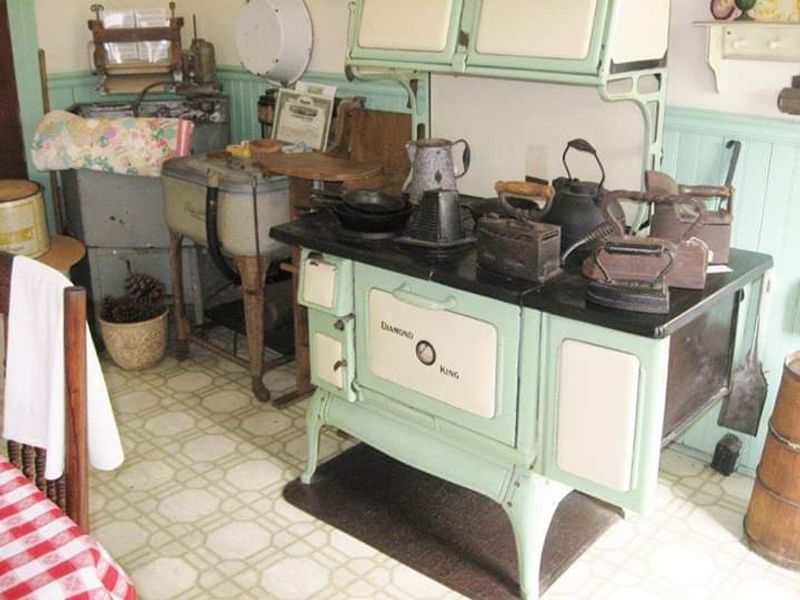
The kitchen area holds some of the most surprisingly interesting artifacts in the entire house. Vintage gadgets that once represented cutting-edge domestic technology now look charmingly primitive, yet they tell important stories about daily life and the mostly invisible labor that kept households running.
The round ice box is a particular conversation starter. This cylindrical cooling device fell out of favor for a practical reason—square ice blocks, which were standard deliveries, had to be laboriously chipped and shaped to fit the round interior.
Housekeepers eventually demanded rectangular ice boxes, and manufacturers listened. This simple artifact illustrates how consumer feedback drove innovation even in the 1800s.
Other kitchen implements demonstrate the physical effort required for basic meal preparation before electricity transformed cooking. Hand-cranked mixers, manual food processors, and elaborate gadgets for tasks we now accomplish with the push of a button fill the displays.
Each tool represents hours of human labor that modern appliances have eliminated.
Comparing these antiques to contemporary kitchen technology sparks appreciation for how much easier domestic work has become.
Documented Paranormal Activity That Defies Explanation
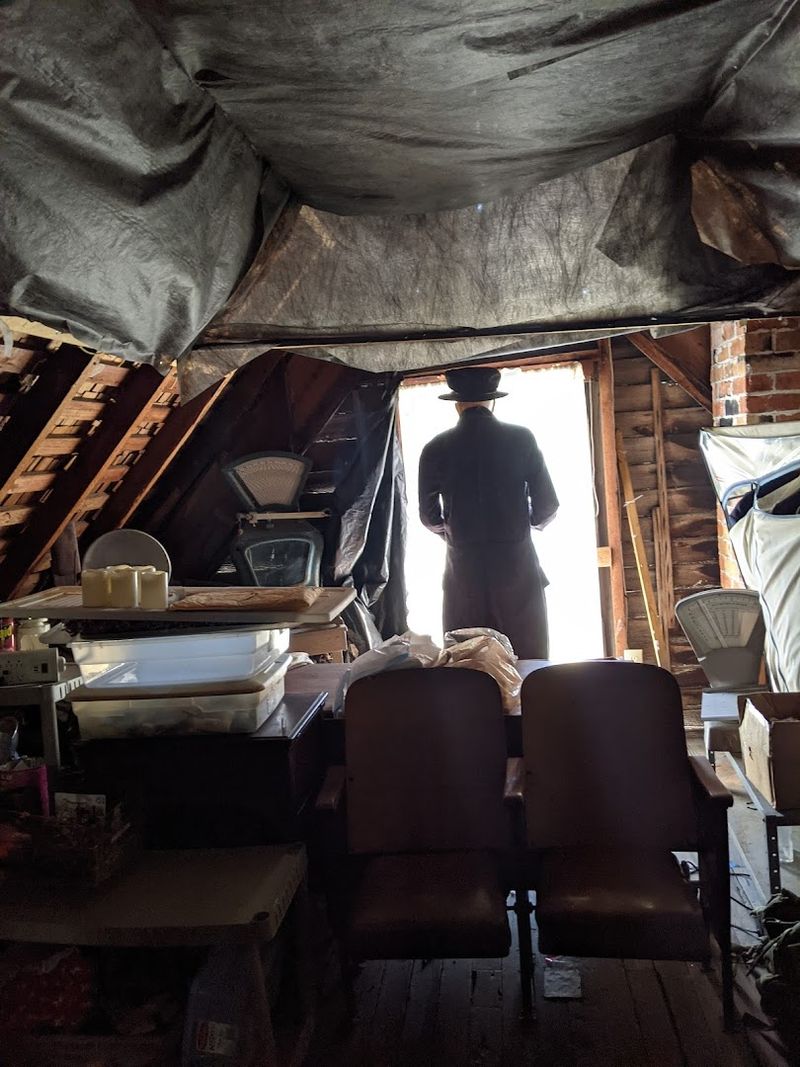
Beyond the anecdotal stories and creepy feelings, the May-Stringer House has accumulated documented paranormal evidence that even skeptics find difficult to dismiss. Multiple independent investigations have recorded unexplained phenomena using scientific equipment designed to detect environmental anomalies.
EMF meters spike without identifiable electrical sources nearby. Temperature guns record sudden cold spots that appear and disappear within seconds.
Audio recordings capture disembodied voices and unexplained sounds during times when the building is otherwise silent and empty. Photography reveals mysterious orbs and shadow figures that weren’t visible to the naked eye.
What makes these findings particularly compelling is their consistency across different investigation teams and time periods. The same areas—particularly the attic and certain bedrooms—repeatedly show activity.
The patterns suggest genuine phenomena rather than random equipment malfunctions or environmental factors.
Paranormal researchers appreciate that the May-Stringer House welcomes serious investigation rather than sensationalizing claims. The staff maintains detailed logs of reported experiences, creating a database that helps identify patterns and hotspots.
Special Events That Make History Interactive
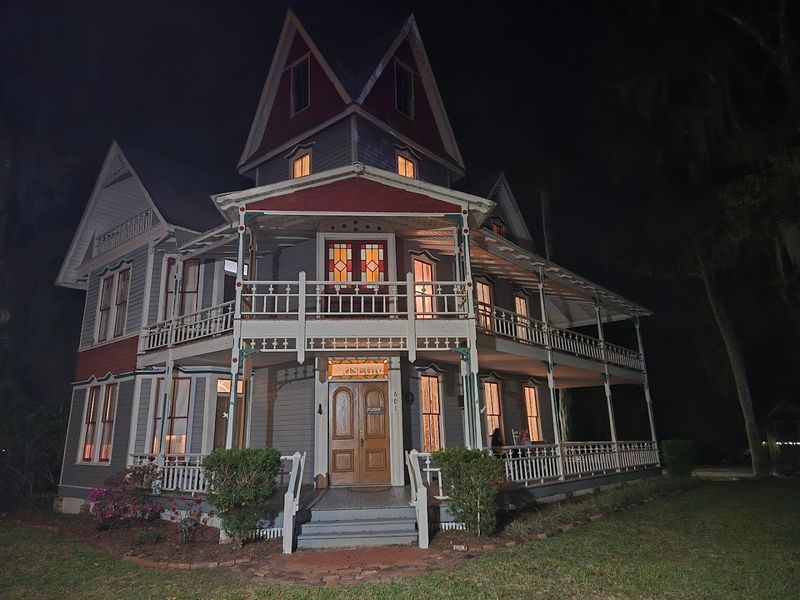
The May-Stringer House isn’t just a static museum—it’s a living cultural venue that hosts creative events throughout the year. From Nutcracker ballet performances to haunted house experiences, the programming transforms the historic space into an interactive stage where past and present collide in delightful ways.
The Christmas holiday productions are particularly charming. Local ballet dancers perform in rooms filled with Victorian-era antiques, creating a magical atmosphere that transports audiences to another time.
Watching ballerinas twirl past century-old furniture and beneath antique chandeliers adds extraordinary dimension to familiar performances. The juxtaposition of graceful movement and historical setting creates memorable experiences that standard theater venues simply cannot match.
October brings special haunted house experiences that lean into the building’s spooky reputation. These aren’t your typical jump-scare attractions—they’re thoughtfully designed to enhance the house’s genuine eerie atmosphere.
Professional scare actors, strategic decorations, and carefully controlled visitor flow create unforgettable experiences. Guests report that knowing the house has real paranormal history makes the theatrical scares even more effective.
Practical Visitor Information For Planning Your Adventure
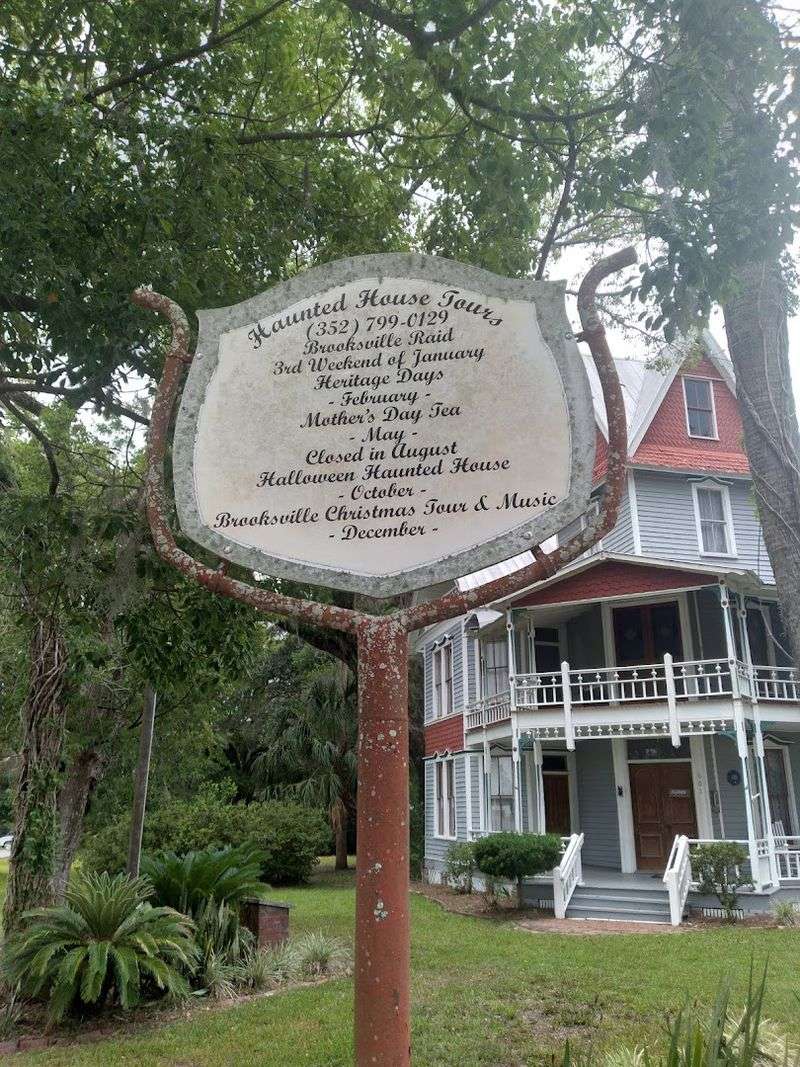
Ready to experience the May-Stringer House yourself? Planning ahead ensures you make the most of your visit to this remarkable destination.
The museum is located at 601 Museum Court in Brooksville, Florida, and operates on a limited schedule that varies seasonally, so checking ahead is essential.
Regular daytime tours typically run Thursday through Saturday from 11 AM to 3 PM, with tours departing on the hour. Admission is remarkably affordable—around $10 for adults and $5 for children twelve and under, though prices may vary for special events.
All proceeds support the house’s ongoing preservation and restoration efforts. Calling ahead at 352-799-0129 is recommended to confirm current hours and availability.
The nighttime ghost tours and paranormal investigations require advance reservations and can book up to a year ahead, so serious ghost hunters should plan accordingly. These special experiences have different pricing and typically last two hours.
Parking is generally available nearby, though space can be limited during popular events.
The house’s three-story layout includes narrow staircases typical of Victorian architecture, which may present accessibility challenges for visitors with mobility limitations. Tours can run anywhere from one hour to two and a half hours depending on your guide and group size.
Most visitors find the experience well worth the investment, rating it 4.7 stars with nearly 600 reviews praising the knowledgeable volunteers, fascinating artifacts, and genuinely spooky atmosphere.