
Dark Skies Over Illinois Beach State Park’s South Beach Reveal Free Meteor Showers
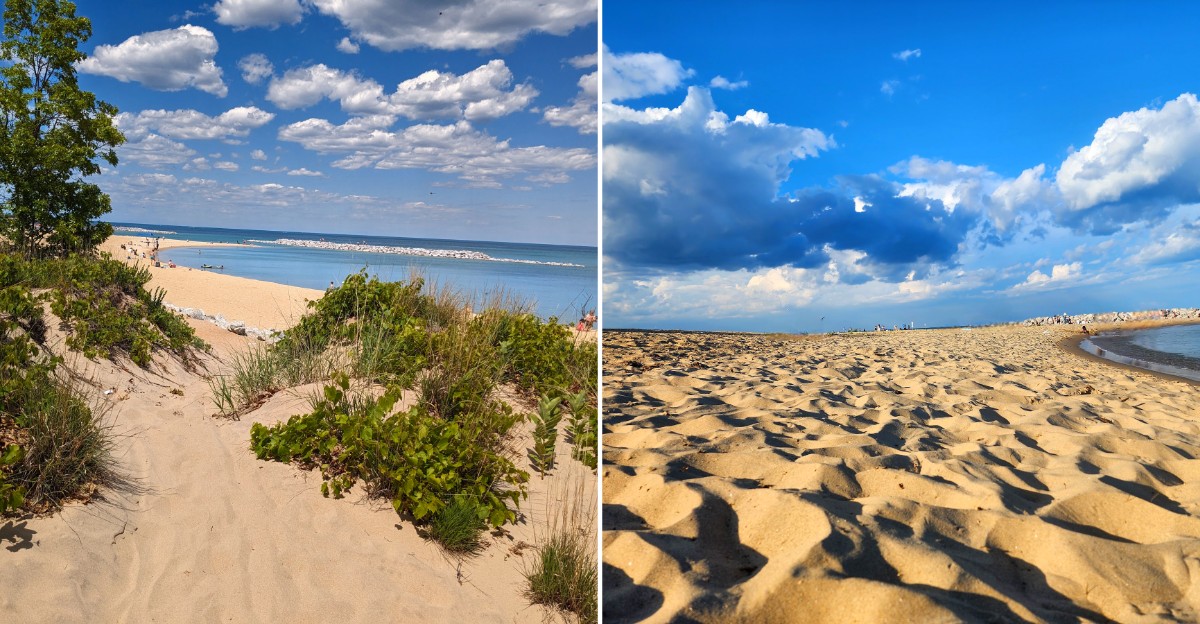
Right here in Illinois, there’s a stretch of Lake Michigan sand where the sky gets so dark you can watch shooting stars streak overhead without spending a single dollar. During the summer meteor showers, dozens of glowing trails can flash across the night, and all you need is a blanket and a little patience.
Families come for the beach by day and stay for the free light show after midnight. It might just become the outing your kids brag about all year long.
Where This Dark-Sky Beach Sits Along Lake Michigan
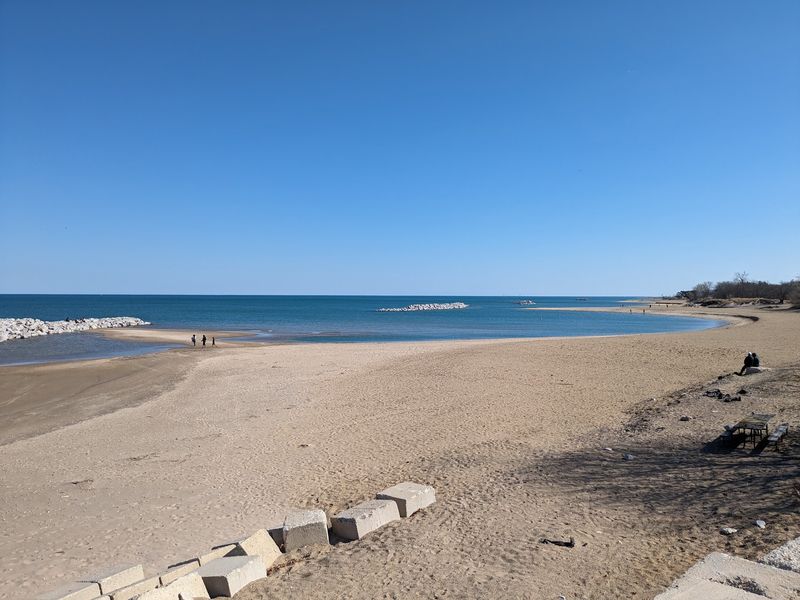
Just about an hour north of the Chicago suburbs, this quiet stretch of shoreline hugs Lake Michigan in Beach Park, Illinois. It sits at the southern end of Illinois Beach State Park, tucked below the main beach area and the hotel, which is exactly why it feels so peaceful.
Regulars love that the South Beach is off the beaten path. Walk south toward the Dead River and the crowds thin with every step, until it can feel like the whole shore belongs to you.
The park itself runs six miles along the water and holds the title of Illinois’ only remaining beach ridge shoreline. That means dunes, wetlands, and sweeping sand that most Midwest visitors never expect to find so close to home.
What makes it special for stargazers is simple geography. Facing an enormous dark lake instead of a glowing city, the horizon stays wonderfully free of light pollution.
When night falls and the meteor showers arrive, that open eastern view over the water becomes one of the best natural theaters in the whole Chicagoland area.
The Story Behind Illinois’ Only Beach Ridge Shoreline
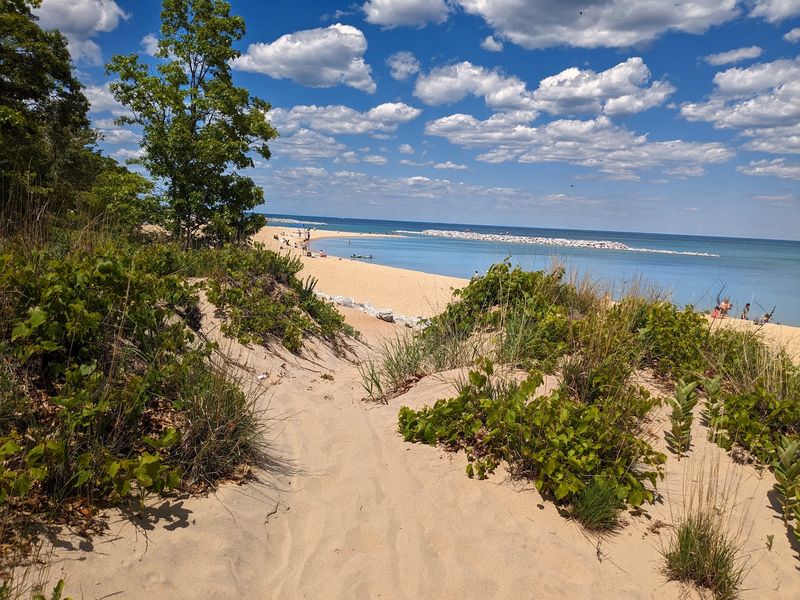
Long before anyone came here to count shooting stars, this shoreline was shaping itself into something rare. The waves and wind built low ridges of sand over centuries, leaving behind the last true beach ridge shoreline in all of Illinois.
Between those ridges you’ll find dunes, marshy wetlands, and pockets of oak savanna. Botanists have recorded more than 650 different plant species across the park, a number that surprises folks who assume a beach is just sand and water.
The South Unit carries a longer name too, honoring Adeline Jay Geo-Karis, and it holds a nature center and a campground for those who want to linger past sunset. The mix of habitats is part of why the area feels so wild and unhurried.
All that protected, undeveloped land does something wonderful for night owls. Fewer buildings and roads mean fewer lights, and fewer lights mean darker skies.
The same natural setting that shelters rare plants and white-tailed deer also shelters the darkness that lets the Perseids and Geminids shine at full strength overhead.
Chasing The Perseids And Other Free Meteor Showers
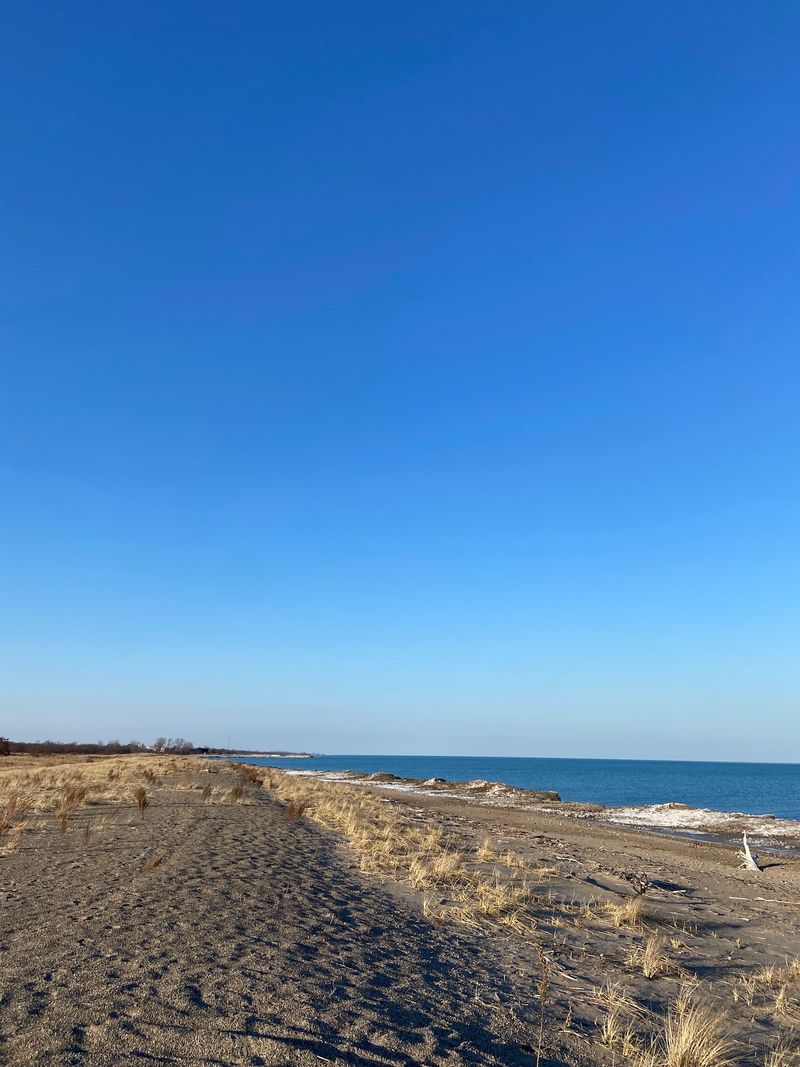
Mark your calendar for mid-August, because that’s when the sky really puts on a show. The Perseid meteor shower peaks around August 11 through 13, and under clear, dark conditions it can deliver 50 to 100 meteors an hour.
Skywatchers often call it the gold standard of the year.
The Perseids are just the headliner, though. July brings the Delta Aquariids and Alpha Capricornids, September offers the Lyncids and Chi Cygnids, and December closes things out with the reliable Geminids.
Timing matters if you want the best view. Most showers reward patience after midnight, when the sky is at its darkest and the meteors come fast.
A night with little or no moonlight makes the faint streaks pop even more.
Here’s the part Illinois families love most: none of it costs a penny. There’s no telescope required, no ticket to buy, and no admission gate.
Spread a blanket on the sand, tilt your head back, and let the free celestial fireworks do the rest. It’s a memory kids will replay for years.
Smooth Stones, Fossils, And The Joy Of Rock Hunting
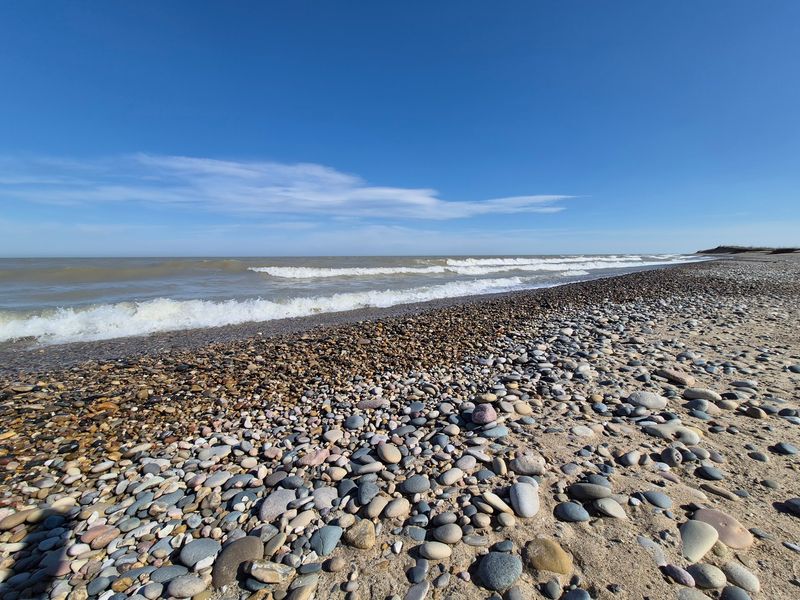
Bend down almost anywhere along this shore and you’ll understand why rock hunting has become one of its signature pastimes. The beach is dotted with smooth, tumbled stones polished by years of gentle Lake Michigan waves.
Collectors quietly comb the water’s edge here, treating the lake like a Midwest ocean full of treasure. Some visitors have even turned up fossils among the pebbles, which turns an ordinary afternoon into a real hunt.
The rockier patches can catch first-timers off guard, so water shoes are a smart move for little feet. Once you settle in, though, the search becomes oddly relaxing, the kind of slow activity that keeps kids busy for hours without a single screen.
Rock hunting also pairs perfectly with a stargazing trip. Spend the daylight hours filling your pockets with keepers, take a break for a picnic, then stay put as the sun drops and the sky darkens.
By the time the first meteor flashes, you’ve already got a jar of souvenirs and a story about the day you found treasure on an Illinois beach.
A Wide Sandy Beach Made For Family Days
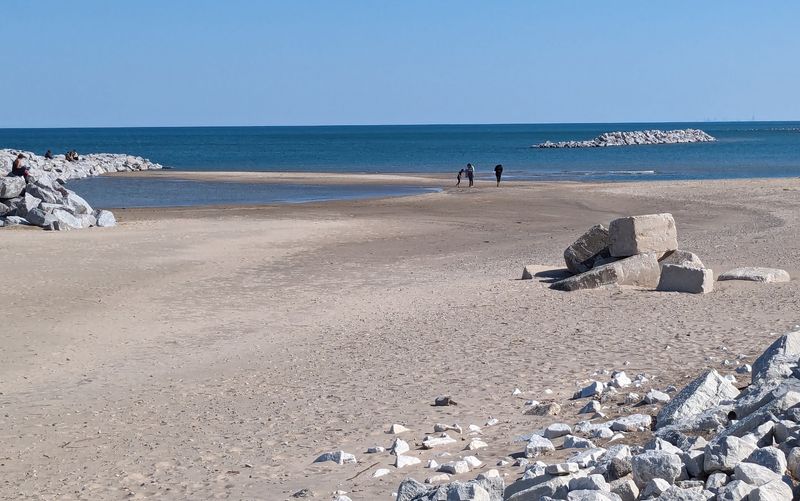
Before the stars come out, the daytime beach earns its own applause. The sand here spreads wide and clean, giving families room to sprawl without bumping elbows with a crowd.
The water gets rave reactions for being clear and, in summer, pleasantly warm, though a few brave swimmers admit it can start out chilly until you adjust after about ten minutes. Lifeguard-free calm makes it feel safe and easy for kids to splash and play.
Plenty of folks call it one of the best beaches in the state for swimming, relaxing, and picnicking. Water quality is monitored during the season, which gives parents a little extra peace of mind.
What really sets South Beach apart is the sense of space. Wander a bit down the trails and the beach opens into quiet pockets where you can spread a blanket and hear more waves than voices.
That same roominess makes it ideal after dark. The families who spend the day building sandcastles can simply stay, watching the same beach transform into a front-row seat for the night sky.
Trails, Wildlife, And Quiet Corners To Explore

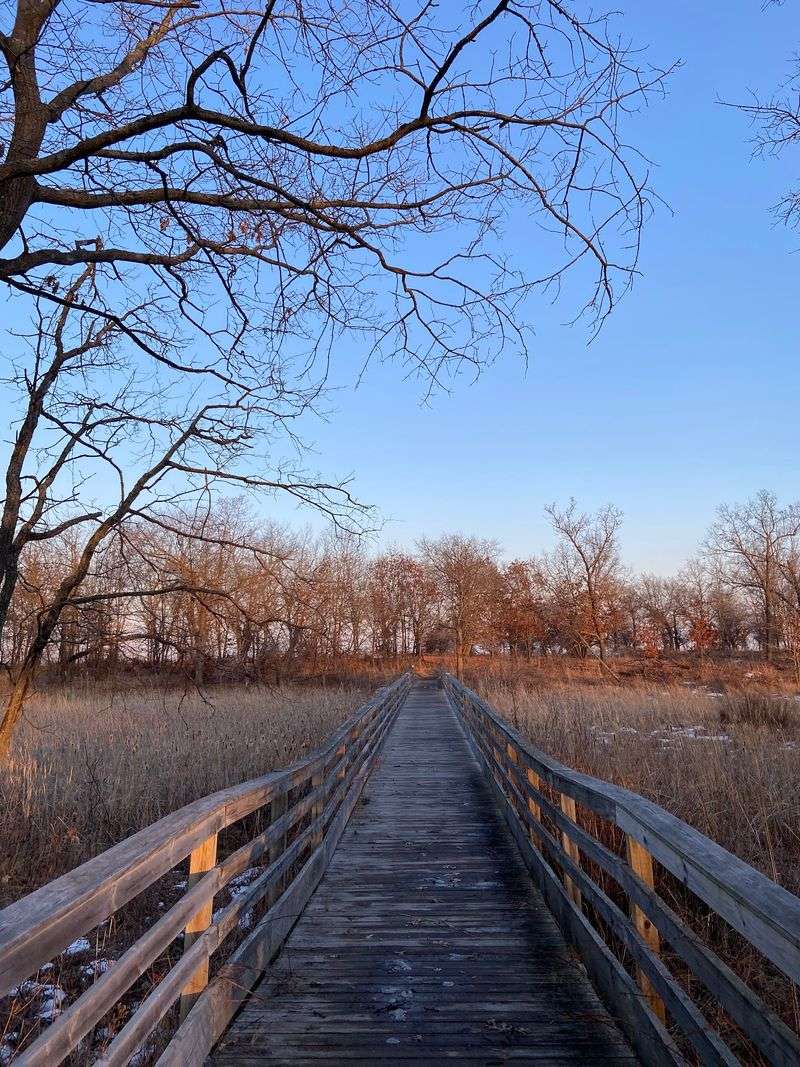
Follow the short trail from the parking area and you might get a surprise greeting. Visitors have spotted white-tailed deer stepping through the forest along the way, a little bonus that makes the walk to the sand feel like a mini nature tour.
Bikers get their own reward too, since the park is laced with pleasant trails that wind through the dunes and savanna. Many people admit they only saw a fraction of the park on their first visit and immediately started planning a return.
The farther south you wander, the more the world quiets down. Near the Dead River, the crowds practically vanish, and a few times each year the river actually stretches close enough to meet the lake.
Birdwatchers find plenty to love in the wetlands and open ground, where the biodiversity keeps things interesting across the seasons.
All this exploring builds naturally toward nightfall. Tucking a walk into your evening means you’re already deep in the park, far from headlights and porch lamps, when the sky finally darkens enough for the meteors to appear.
Hours, Parking, And What A Visit Actually Costs
Let’s talk numbers, because this is where the outing gets even better. Entry and parking are both free, which is close to unheard of for a Lake Michigan beach this pretty.
The beach area keeps regular gate hours of 8 a.m. to 7 p.m. every day of the week, so daytime visits are simple to plan. For serious meteor watching that runs past midnight, the campground in the South Unit is the recommended overnight base, letting you legally stay put under the dark sky.
Parking rarely feels like a headache. There’s ample space right by the beach, plus a short trail from the lot to the sand, so you won’t be lugging coolers for miles.
A couple of honest notes help set expectations. Restrooms exist but aren’t always spotless, and running water for rinsing sandy feet can be scarce, so pack a jug and wipes.
Beyond that, the only real cost is gas and snacks. For a family looking to stretch a budget, a free beach that doubles as a free planetarium is tough to beat.
Why This Free Illinois Gem Is Worth The Drive
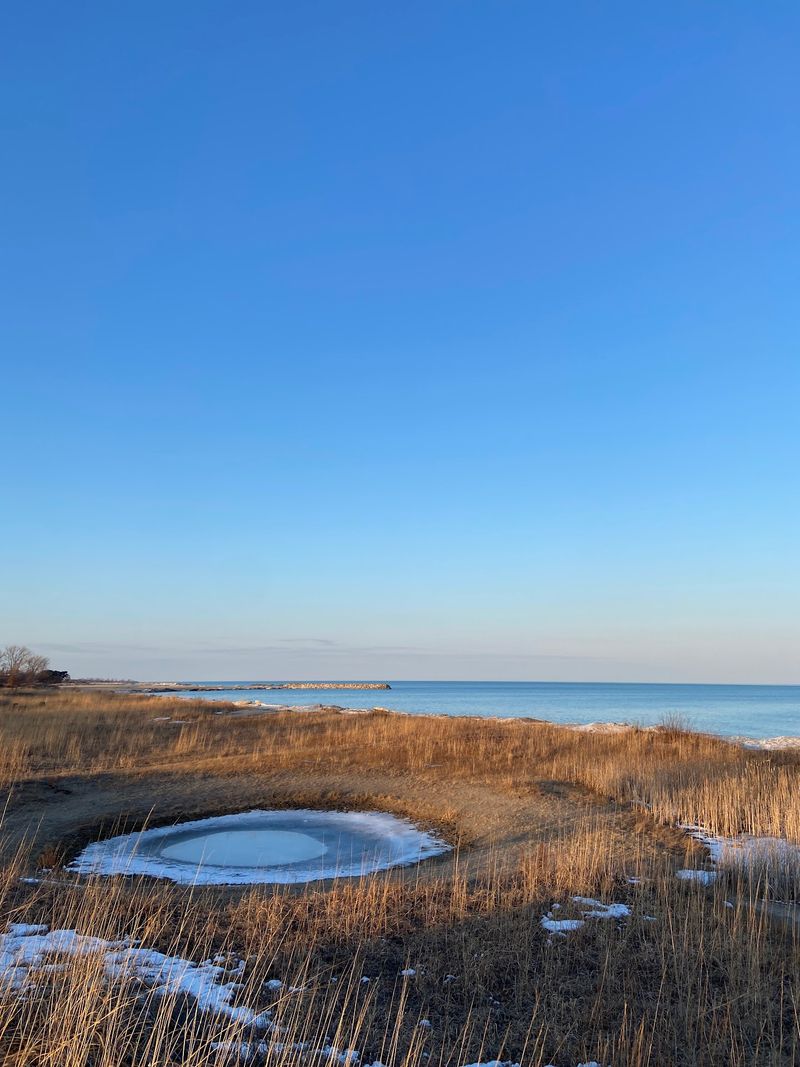
Few day trips give you two completely different experiences on the same patch of sand. By afternoon you’ve got a warm, clean beach for swimming and stone-collecting; by midnight you’ve got one of the darkest, clearest skies in the Chicagoland area.
The people drawn here tend to be the ones who like their outings unhurried and genuine. It suits families with curious kids, couples craving calm, and anyone who’d rather find a quiet corner than fight a crowded boardwalk.
Season by season it shifts, too. Summer belongs to swimming and the Perseids, July and September add their own meteor showers, and even a crisp December night can reward bundled-up Geminid watchers.
Set your expectations right, bring water and a blanket, and pick a night when the moon stays out of the way. Do that, and you’ve handed your family a story worth retelling.
An hour from the suburbs, costing nothing but the drive, this humble southern beach quietly delivers free meteor showers over Lake Michigan. That’s the kind of Illinois secret worth passing along.