
Dark Sky Parks Across Maine With Incredible August Milky Way Views
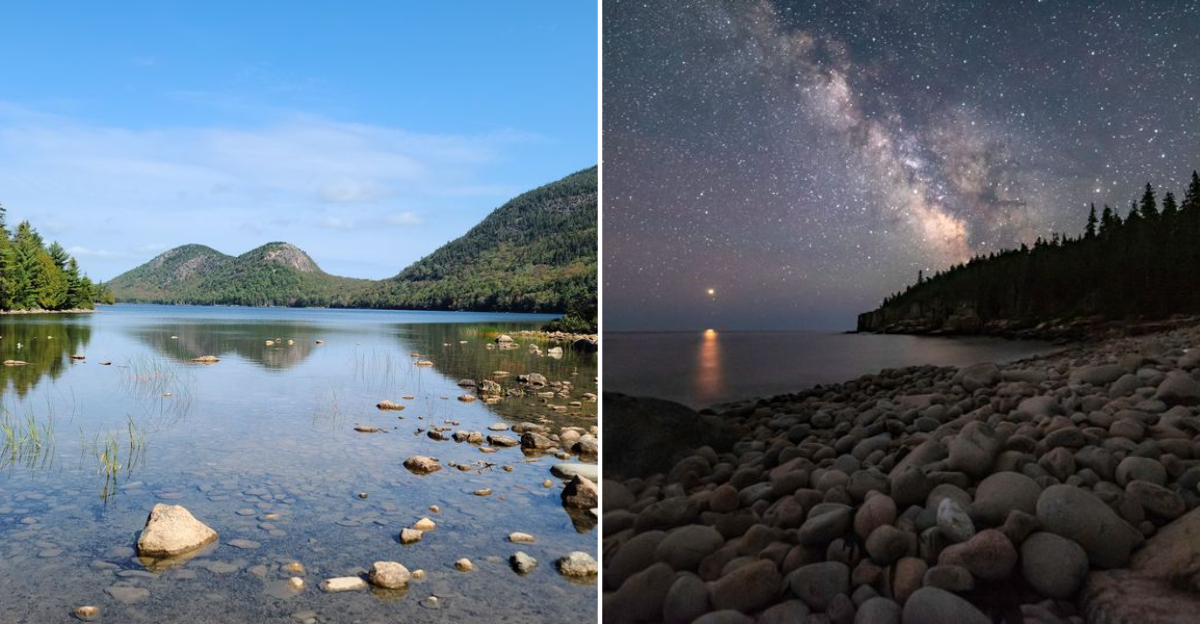
The first time I looked up on a clear August night in Maine, it felt like someone had spilled thousands of stars across the sky. City lights fade into the background here, leaving the Milky Way bright enough to stop you in your tracks.
Long after beaches empty and hiking trails grow quiet, the night’s best attraction is just getting started overhead. Maine offers remarkable places to spread out a blanket, let your eyes adjust, and watch the galaxy stretch from horizon to horizon.
Every location has its own personality, but they all share one thing: skies dark enough to remind you how incredible the universe can look without the glow of nearby cities. Grab a warm layer, stay out late, and enjoy a side of Maine that many daytime visitors never see.
AMC Maine Woods International Dark Sky Park
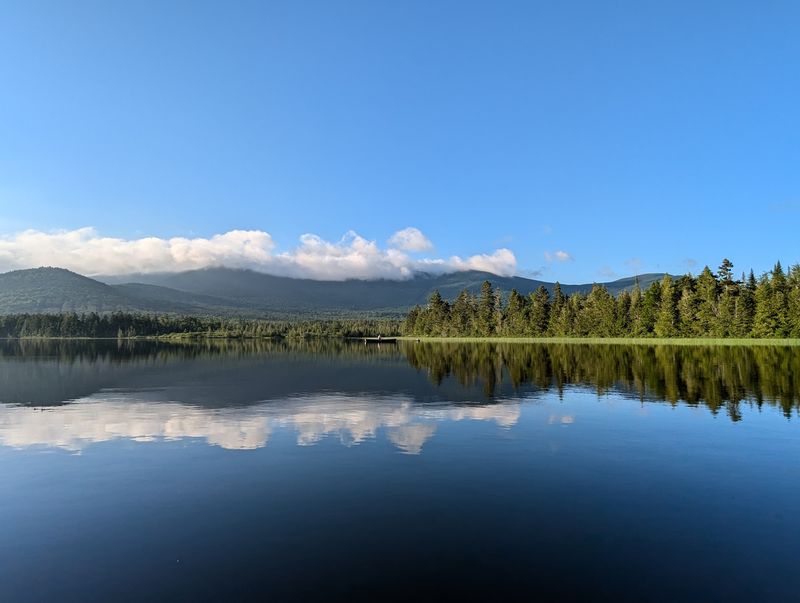
Earning the title of International Dark Sky Park is no small thing, and the AMC Maine Woods reserve in northern Maine wears that badge with full confidence.
Spanning more than 70,000 acres of boreal forest between Greenville and Millinocket, this place sits so far from city lights that the Milky Way actually casts a faint shadow on a clear August night. That is the kind of dark sky most people never get to experience in their lifetime.
The Appalachian Mountain Club manages a handful of remote sporting camps and lodges inside the park, including Little Lyford Lodge and Gorman Chairback Lodge. Staying overnight is absolutely the move here because the skies after midnight are otherworldly.
The Perseid meteor shower peaks around mid-August, and the park’s exceptionally dark skies can reveal numerous meteors under clear, moonless conditions.
Getting here requires a drive on private logging roads, so a high-clearance vehicle is recommended. Bring a red-light headlamp to protect your night vision, a warm layer because temperatures drop fast, and a star chart app to identify the constellations popping out above the treeline.
The reflection of the Milky Way on one of the many nearby ponds is a photography moment you will not soon forget. This is genuinely one of the most remote and rewarding dark sky destinations in all of New England.
Katahdin Woods And Waters National Monument
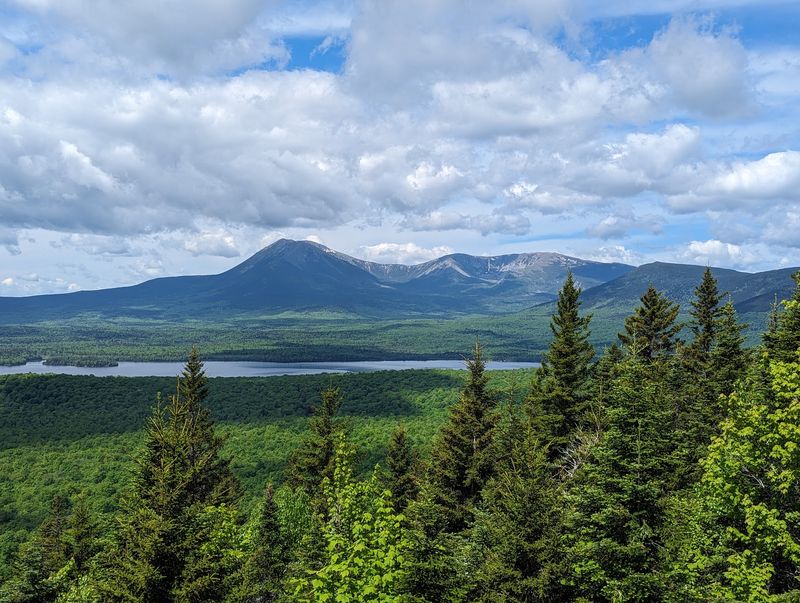
Picture the silhouette of Mount Katahdin beneath a star-filled sky, and it becomes easy to understand why Katahdin Woods and Waters National Monument earned recognition as an International Dark Sky Sanctuary.
Established in 2016 and located northeast of Millinocket in Penobscot County, this monument covers roughly 87,500 acres of wild Maine landscape and has very little in the way of artificial light to ruin the view.
August is a fantastic time to visit because the Milky Way core hangs high and bright in the southern sky, often framed perfectly by the spruce and fir trees that line the monument’s gravel roads.
The Katahdin Loop Road gives you easy access to open meadows and river overlooks that double as prime stargazing platforms. Bring a blanket, lay back, and let your eyes adjust for about 20 minutes before the full spectacle reveals itself.
Wildlife is active at night too, so keep your ears open for loons calling across nearby lakes or moose rustling through the brush.
The monument has primitive campsites that put you right in the thick of the experience. Cell service is basically nonexistent, which sounds like a drawback until you realize it means zero screen glow messing with your night vision.
For photographers, the combination of Katahdin’s dramatic profile and the Milky Way overhead creates compositions that feel almost unreal.
Cobscook Bay State Park
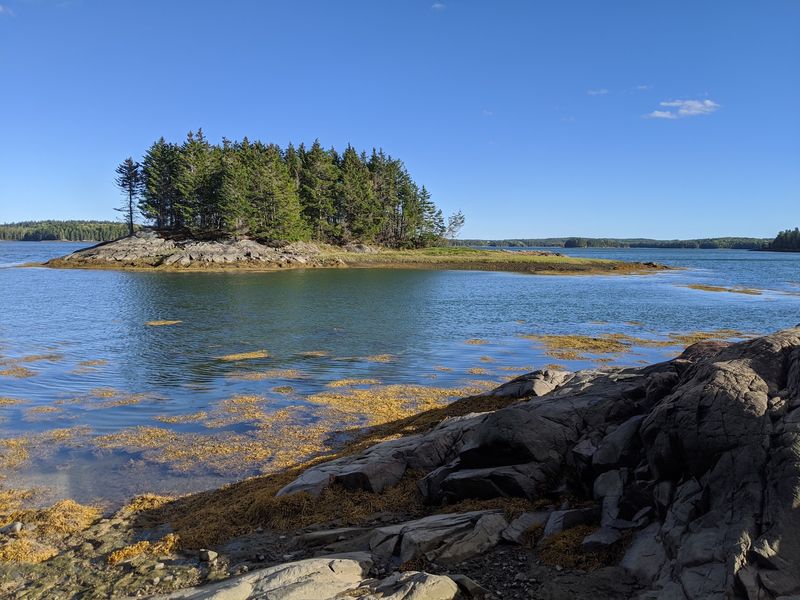
Not every great dark sky location sits deep in the wilderness, and Cobscook Bay State Park proves that point beautifully. Located in Edmunds Township near Dennysville in Washington County, this park sits on the shores of Cobscook Bay, one of the most dramatically tidal bodies of water in the United States.
The tides here can swing by more than 24 feet, and watching that same water go mirror-still on a calm August night while the Milky Way stretches above it is genuinely breathtaking.
Washington County is sometimes called the most rural county in all of Maine, and that rural character means very little light pollution.
The park has 106 wooded campsites, many of them right along the bay, making it easy to set up camp and then wander down to the waterline after dark for unobstructed sky views. The horizon opens up over the water in a way that inland forests simply cannot match.
Cobscook is also wonderfully accessible compared to some of the more remote parks on this list. You can drive straight in on Route 1, set up a tent, and be watching stars the same evening without any special gear or permits.
The park is less than an hour from the Canadian border, and the low population density in this corner of Maine keeps the nights impressively dark. Bring bug spray because the coastal insects are enthusiastic in August, but the sky show more than compensates for that minor inconvenience.
Acadia National Park
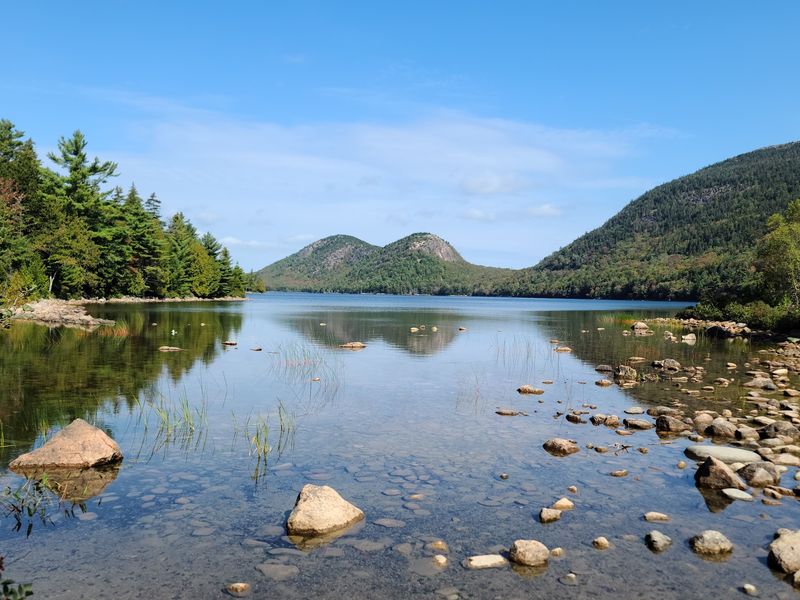
Acadia National Park on Mount Desert Island is Maine’s most famous outdoor destination, and while most visitors come for the sunrise on Cadillac Mountain or the crashing surf at Thunder Hole, the park’s dark sky credentials are seriously underrated.
The National Park Service has made ongoing efforts to reduce light pollution inside the park, and on a clear August night, the results are visible in spectacular fashion from the summit of Cadillac Mountain or the open fields along the Park Loop Road.
At 1,530 feet, Cadillac Mountain is the highest point on Mount Desert Island, and its open granite summit provides expansive views of the surrounding landscape and sky. August nights here cool down quickly even in summer, so a jacket is not optional.
The Milky Way rises in the southeast and arcs overhead, with the Atlantic Ocean visible as a dark shimmer on the horizon below.
The park’s ranger-led Night Sky Programs are held several times each summer and are a fantastic way to learn about what you are seeing above you.
Acadia also hosts the annual Acadia Night Sky Festival, typically held in September, but August visits give you some of the year’s best sky conditions without the festival crowds.
Jordan Pond and Eagle Lake are both excellent spots for low-elevation stargazing with beautiful water reflections. Acadia is accessible from Bar Harbor, Maine, making it one of the easiest dark sky parks on this list to reach.
Lily Bay State Park
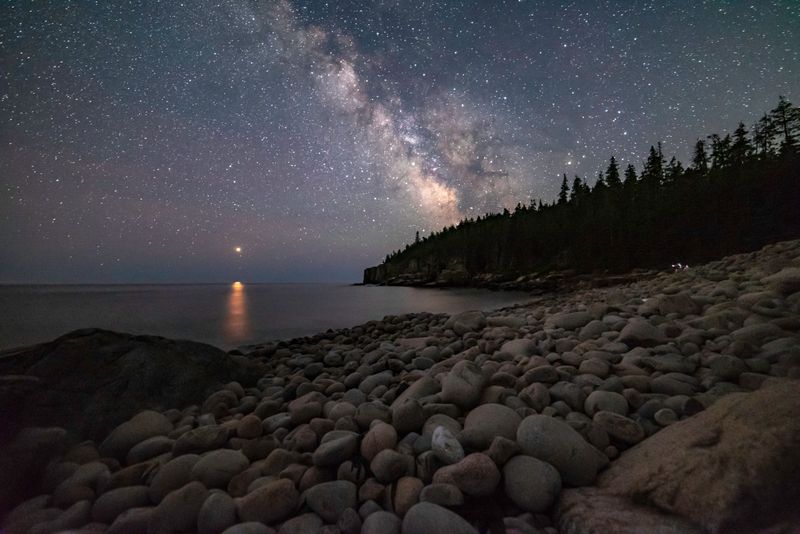
Moosehead Lake is the largest lake in Maine and one of the largest in the entire eastern United States, covering about 117 square miles of cold, clear water.
Lily Bay State Park sits right on its eastern shore near the town of Greenville, and that massive open water surface acts like a natural dark sky enhancer by giving you an unobstructed view of the horizon in almost every direction.
On a calm August night, the Milky Way reflects across the lake surface in a way that makes the whole world feel like one giant star field.
The park has 90 campsites spread between the Rowell Cove and Dunn Point campground areas, both of which provide access to Moosehead Lake. camp near the shoreline allows overnight guests to enjoy broad views of the stars while remaining safely near the campground.
Being out on the water removes every tree obstruction and puts you right underneath the full dome of the sky.
Greenville is a small town with just a few hundred permanent residents, so there is almost no urban glow affecting the skies here.
The Perseid meteor shower peaks in mid-August, and Lily Bay is one of the best spots in Maine to catch it. Keep an eye out for moose wading near the shoreline in the evenings before the stars come out, because this area has one of the highest moose densities in the state.
Aroostook State Park
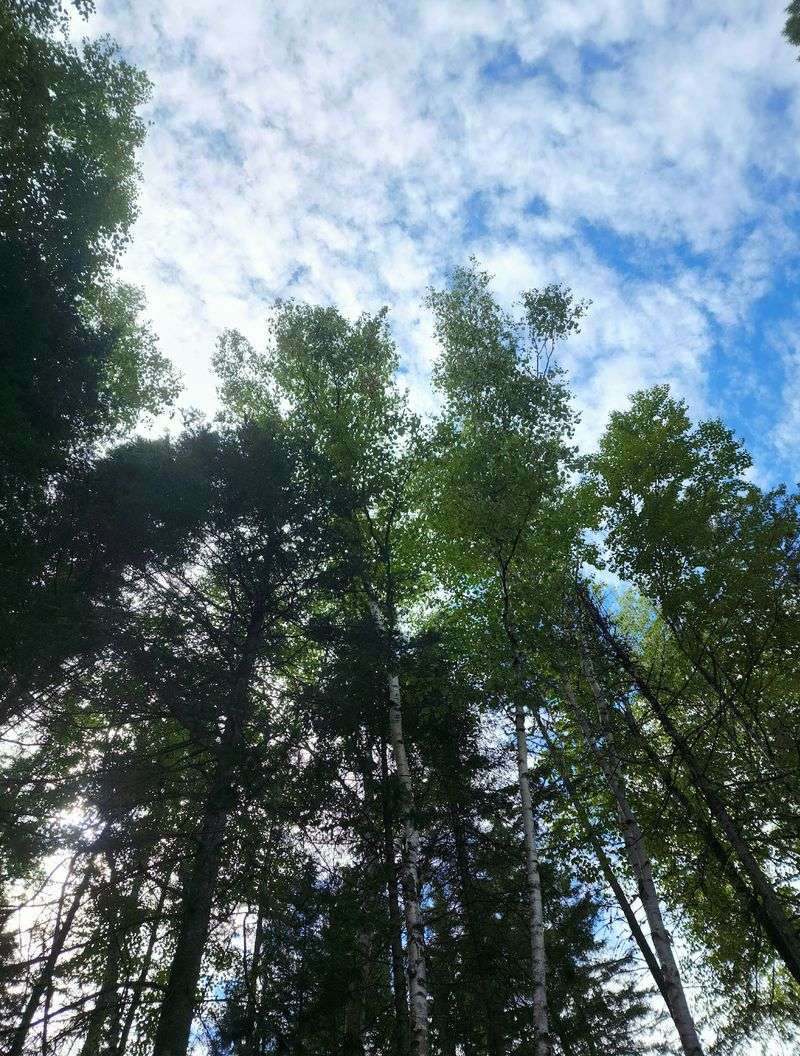
Aroostook County is sometimes called The County by Mainers, and its size says everything: it is larger than the states of Connecticut and Rhode Island combined.
Aroostook State Park, located just south of Presque Isle, was Maine’s very first state park, established in 1938. It sits at the base of Quaggy Jo Mountain, a twin-peaked hill that rises above Echo Lake and gives hikers a rewarding climb with open views that become magical after dark.
The sheer emptiness of Aroostook County makes it one of the darkest regions in the entire northeastern United States. The nearest large city, Bangor, is about three hours south, and even Presque Isle is a small community.
That combination of geographic isolation and low population density means the skies above this park are consistently dark from horizon to horizon throughout August.
Echo Lake adds a reflective surface that doubles the visual impact of the Milky Way on still nights. The park has a small campground with basic amenities, and the hiking trail to the North Peak of Quaggy Jo is only about a mile long, making it an easy after-dinner walk to reach an elevated stargazing perch.
The summit clears most of the surrounding treeline and opens up the southern sky where the Milky Way core is brightest in August. Potato fields surround much of the area outside the park, and their wide-open flatness contributes to the impressively low horizon glow you will notice right away.
Rangeley Lake State Park
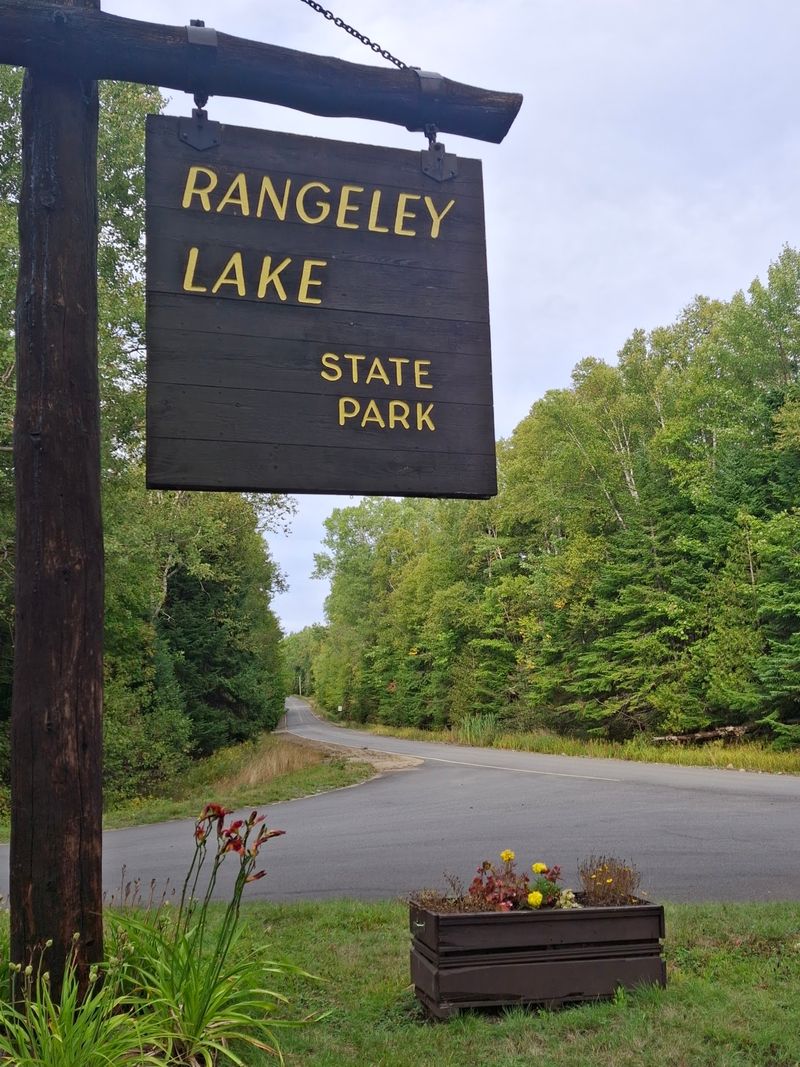
The Rangeley Lakes region in western Maine has been drawing outdoor lovers for well over a century, first as a fishing and hunting destination and later as a hiking and skiing hub.
Rangeley Lake State Park occupies a quiet stretch of the southern shoreline of Rangeley Lake, and when the sun goes down on a clear August evening, the park transforms into one of the finest stargazing spots in the western part of the state.
The lake itself sits at an elevation of about 1,785 feet, which means the air is thinner and clearer than at sea level, and the surrounding hills block out most of the distant town glow from Rangeley village to the north.
The park’s open day-use area near the water gives you a broad, unobstructed view of the sky, and the calm lake surface creates reflections of the Milky Way that look almost painted.
Camping here puts you right at the water’s edge, and the campground has sites suitable for tents and RVs alike. The area around Rangeley is also known for relatively dry summer weather compared to coastal Maine, which means clearer skies on more nights during August.
Nearby Saddleback Mountain provides an even higher vantage point if you are up for a daytime hike followed by a late-night descent under the stars.
The friendliness of the small Rangeley community and the classic Maine camp culture of the area give this spot a warmth that makes the whole experience feel like a true adventure.
Mount Blue State Park
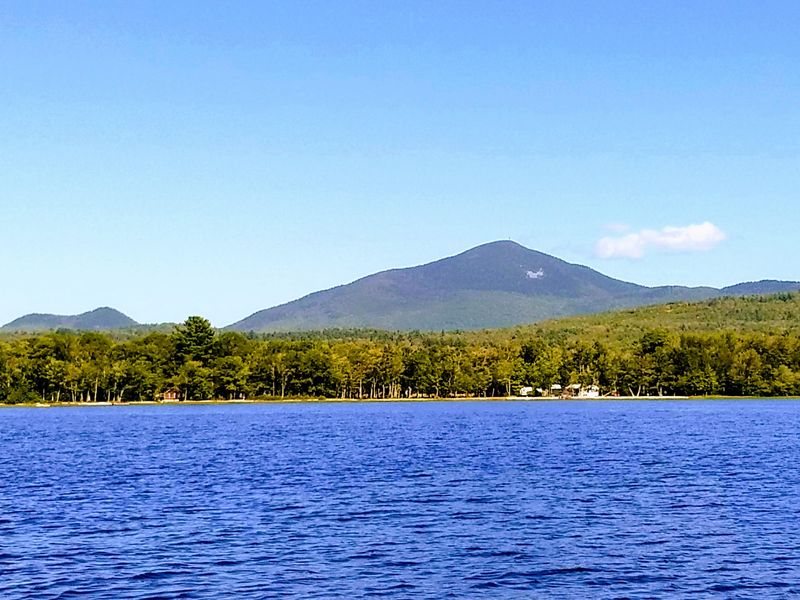
There is something quietly spectacular about Mount Blue State Park that first-time visitors almost always underestimate.
Located near the small town of Weld in Franklin County, this park is one of Maine’s largest at over 8,000 acres, and it sits in a rural valley surrounded by hills that block out what little ambient light exists in this part of the state.
Webb Lake, which anchors the park, is a broad, clear body of water that becomes a stunning natural mirror for the August night sky.
Mount Blue itself rises to 3,187 feet, and the summit fire warden’s trail is a popular daytime hike that rewards you with panoramic views of the surrounding mountains.
Ambitious visitors who time a summit hike to finish at dusk can watch the stars emerge one by one from an elevated open ridge before heading back down to camp.
The Milky Way may be visible near the summit on clear, moonless August nights, though trees, weather conditions, and tower access can affect the view.
The campground at Webb Lake Beach is well-maintained and has over 130 sites, giving you plenty of options for positioning yourself close to the water for optimal sky reflections. The park also has a boat launch, and paddling out on the lake after dark is a favorite activity among visiting stargazers.
Weld is a tiny town with minimal commercial lighting, and the combination of elevation, lake, and rural surroundings makes Mount Blue one of the most complete dark sky experiences in all of Maine.