
Dark Sky Parks In Arkansas Where August Nights Reveal The Full Milky Way
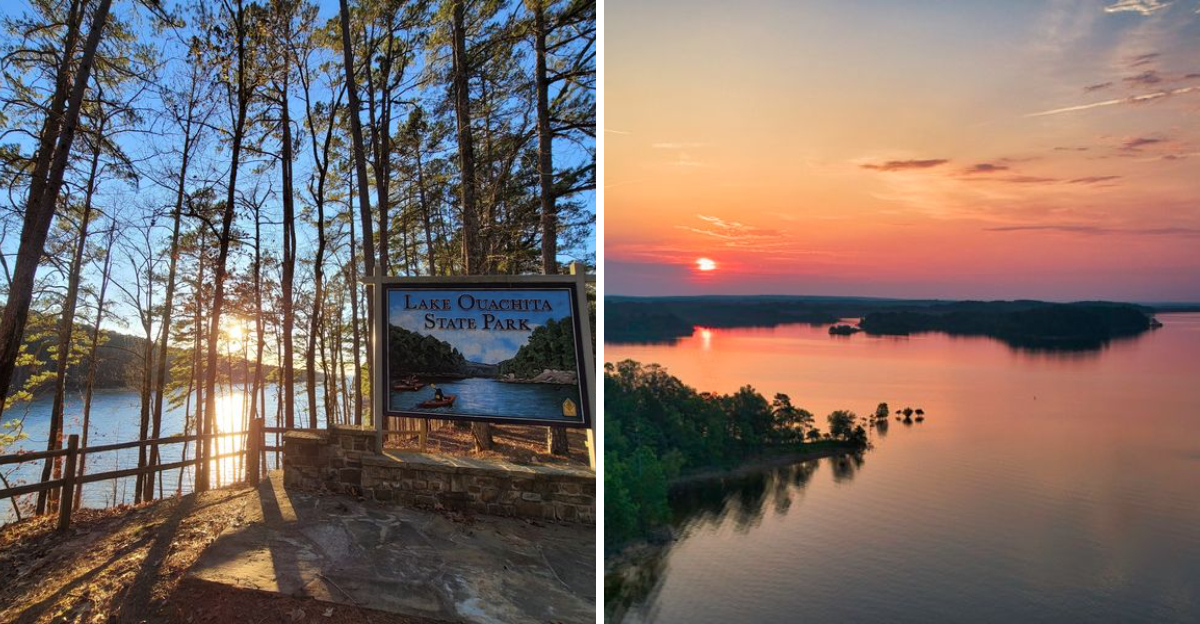
The best part of an August park visit might happen after everyone stops looking at the trail. Night settles in.
Then the sky opens up and the view overhead becomes the main event. Arkansas has several parks where lower light pollution can reveal a far richer night sky than most people see at home.
On a clear, moonless evening, the Milky Way can stretch overhead with enough detail to make you stop talking for a minute. That alone is worth staying out late.
Some parks pair dark skies with open water, while others offer elevated viewpoints that widen the horizon. You can bring binoculars, but you do not need them.
Let your eyes adjust and give the darkness a little time. August also lines up with the Perseid meteor shower, so a quiet night outside can come with a few bright surprises streaking overhead.
That timing feels almost too convenient.
1. Buffalo National River
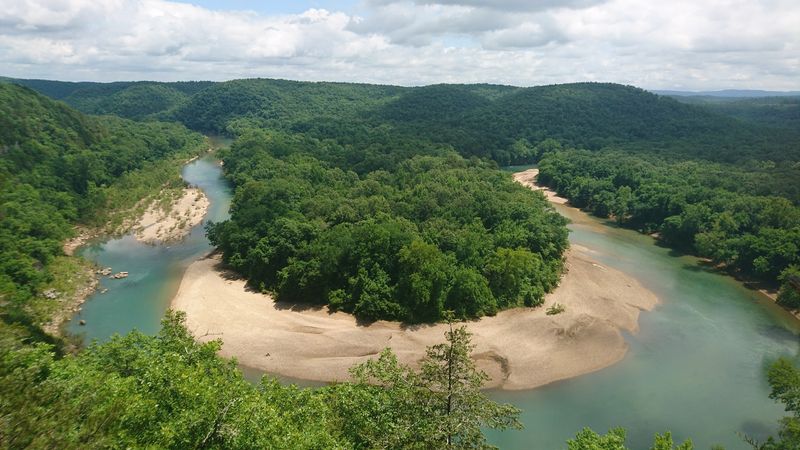
America’s first national river holds another impressive title that most people never expect. Buffalo National River, located at 170 Ranger Road, St. Joe, AR 72675, became Arkansas’s first International Dark Sky Park in 2019.
That designation is a big deal, earned through serious effort and a whole lot of careful planning by dedicated park staff.
The Bortle Scale rating here sits at a jaw-dropping Class 2 to 3. That means the sky above Buffalo National River is genuinely, deeply dark, with the summer Milky Way showing strong structure to the naked eye.
Park rangers have worked hard to replace old lighting fixtures with downward-pointing, low-emission alternatives, keeping light pollution practically nonexistent.
August nights here are nothing short of spectacular. The river’s calm stretches mirror the starry sky above, creating a double dose of cosmic wonder.
Steel Creek Campground and Tyler Bend Visitor Center are two of the best spots to set up your stargazing blanket and let your eyes adjust to the brilliance overhead.
Buffalo Point is another crowd favorite, offering wide-open southern views perfect for catching the galactic core at its brightest. Clear, moonless nights from late July through September deliver the most vivid Milky Way displays.
The park even hosts ranger-led night sky programs during summer, giving visitors a guided tour through the constellations and celestial highlights of the season.
Camping along the river adds another layer of magic to the experience. Falling asleep under a canopy of thousands of stars, with the sound of flowing water nearby, feels like something out of a dream.
No telescope is required here. Your naked eyes are more than enough to take in this breathtaking natural light show that has been wowing visitors for years.
2. Mount Magazine State Park
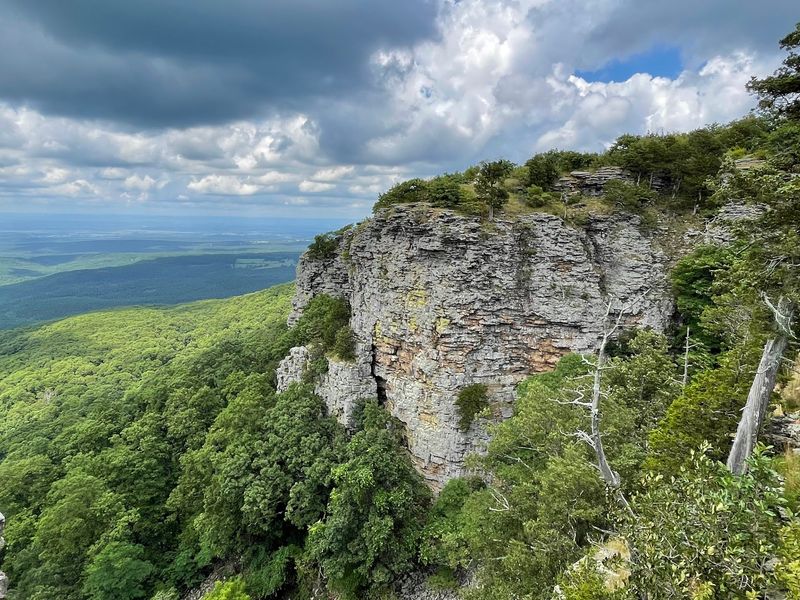
Mount Magazine rises to 2,753 feet above sea level as Arkansas’s highest point, and that elevation makes a serious difference when you are chasing dark skies.
Mount Magazine State Park, located at 16878 AR-309, Paris, AR 72855, puts you literally above much of the light scatter that plagues lower elevations.
Up here, the air is cleaner, the horizon is wider, and the stars feel almost close enough to touch.
The Cameron Bluff area offers one of the most dramatic stargazing backdrops in the entire state. Sheer sandstone cliffs drop away beneath you while the Milky Way arcs overhead in full, glorious detail.
August is prime time here, when the galactic core sits high in the southern sky and the nights are long enough to enjoy hours of uninterrupted viewing.
Astrophotographers absolutely love this location. The combination of elevation, minimal nearby development, and unobstructed southern views makes it a dream setting for capturing the cosmos on camera.
Even a basic smartphone camera with a night mode setting can pull off surprisingly impressive shots from this altitude.
Cameron Bluff Overlook Drive is another viewing area within the park. The north-rim bluffs overlook the Arkansas River Valley and the Ozark Plateau.
Park interpreters regularly lead evening programs that break down the night sky in fun, easy-to-understand ways, making the experience accessible even for total beginners.
Staying overnight in one of the park’s cozy cabins or at the lodge takes the experience to another level entirely. Imagine stepping outside your cabin door and being greeted by a sky absolutely packed with stars.
Mount Magazine does not just offer a view of the Milky Way. It offers a full-on celestial retreat that you will be talking about for years after you leave.
3. DeGray Lake Resort State Park
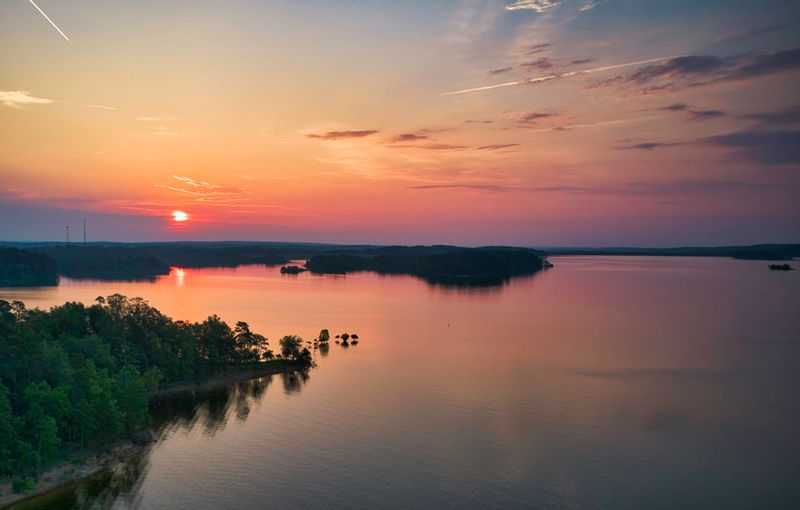
Not every great stargazing spot needs an official dark sky designation to deliver an unforgettable night. DeGray Lake Resort State Park, nestled at 2027 State Park Entrance Road, Bismarck, AR 71929, proves that point beautifully.
Sitting in the foothills of the Ouachita Mountains, this park benefits from its natural surroundings to keep light pollution surprisingly low.
DeGray Lake itself is famous for its crystal-clear waters, and on a calm August night, the lake becomes something truly magical. The Milky Way stretches across the sky and then appears again in the glassy reflection below, giving you a full 360-degree sensation of being surrounded by stars.
Few experiences in Arkansas feel quite as awe-inspiring as standing at the water’s edge during this cosmic mirror show.
The park’s resort atmosphere means you can enjoy comfortable amenities while still getting access to genuinely dark skies. Bring a reclining chair, set it up near the shoreline, and let the universe put on its show.
The surrounding natural forest absorbs stray light from distant towns, helping to preserve the quality of the night sky overhead.
August brings especially warm, clear nights to this part of Arkansas, which are ideal for extended stargazing sessions. The Perseid meteor shower peaks in mid-August each year, and DeGray Lake’s open water views give you a wide sky canvas to catch those streaking meteors.
Spotting a dozen or more meteors per hour is completely realistic on peak nights.
Families with kids will find this park particularly welcoming. The combination of daytime water activities and nighttime sky watching makes for an incredibly well-rounded outdoor adventure.
Pack a pair of binoculars and point them at Jupiter or Saturn, both often visible to the naked eye in August. DeGray Lake Resort State Park is a genuinely underrated gem in Arkansas’s stargazing scene.
4. Lake Ouachita State Park
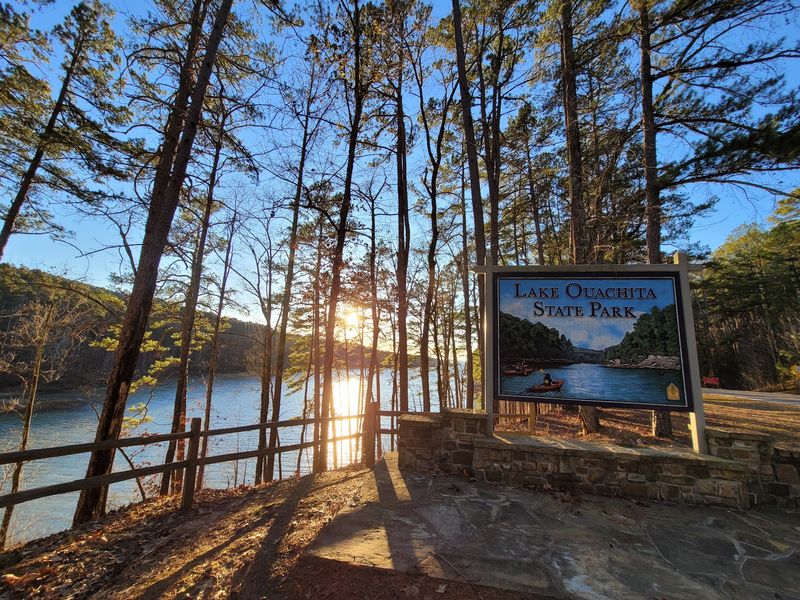
Lake Ouachita is famous for having some of the clearest water in the entire United States, and it turns out that same clarity extends upward into the night sky above it. Lake Ouachita State Park, located at 5451 Mountain Pine Road, Mountain Pine, AR 71956, is one of Arkansas’s most recognized dark sky destinations.
The park draws serious stargazers from across the region, especially during August when the Milky Way is at peak visibility.
The campground sits right at the water’s edge, giving you an extraordinary vantage point for the nightly celestial display. As darkness falls and your eyes fully adjust, the sky above fills with more stars than most people have ever seen in their lives.
The surrounding Ouachita National Forest forms a natural barrier against light pollution, keeping the sky impressively dark even on busy summer weekends.
Wide lake views are available from campsites within Lake Ouachita State Park itself, including sites located directly on the water. These lakeside locations offer open views over the water without leaving state park property.
On a clear August night, the galactic core is easily visible to the naked eye, appearing as a dense, luminous band sweeping from horizon to horizon.
Park interpreters have hosted collaborations with major astronomical organizations in the past, bringing high-powered telescopes and expert knowledge directly to park visitors. Peering through a quality telescope at Saturn’s rings or a distant nebula is an experience that stays with you forever.
Even without organized events, the park’s natural darkness makes solo stargazing deeply rewarding.
Paddling out onto the lake in a kayak after dark is an activity that feels almost otherworldly here. Surrounded by still, dark water with the Milky Way blazing overhead, it is easy to forget that civilization exists at all.
Lake Ouachita State Park offers a stargazing experience that is genuinely hard to top anywhere in the state.
5. Cossatot River State Park-Natural Area
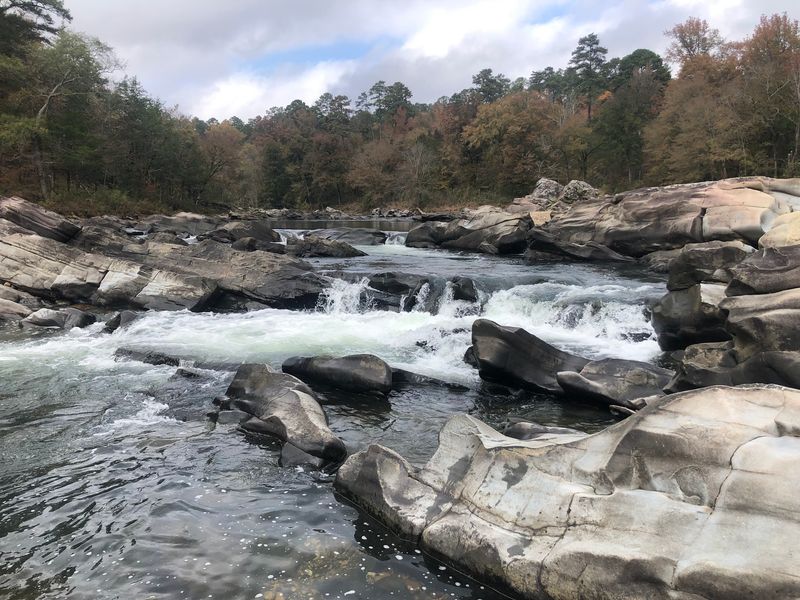
By day, the Cossatot River is one of the most thrilling whitewater runs in the entire South. By night, it transforms into something completely different: a serene, remote sanctuary where the stars come out in full force.
Cossatot River State Park-Natural Area, found at 1980 Highway 278 West, Wickes, AR 71973, is one of Arkansas’s best-kept secrets for dark sky enthusiasts seeking a truly wild experience.
The park’s remote location in the Ouachita Mountains means it is far from any significant urban glow. Light pollution here is minimal, and the sky reflects that in the most stunning way possible.
August nights bring warm temperatures and low humidity, creating ideal conditions for hours of comfortable outdoor stargazing in this rugged natural setting.
Primitive campgrounds within the park put you right in the heart of the wilderness, with nothing between you and the cosmos but open air. The sound of the Cossatot River rushing nearby adds a soothing, almost meditative soundtrack to your stargazing session.
It is the kind of setting that makes you feel genuinely small in the best possible way.
The park regularly hosts Star Gazing Night Walk programs, where knowledgeable interpreters lead small groups on short walks through the park. Along the way, they share fascinating information about constellations, planets, and why protecting dark skies matters for both humans and wildlife.
These programs are free with park admission and are perfect for families or first-time stargazers.
Cossatot River State Park-Natural Area is a protected natural heritage site, which means its wild character is preserved for future generations. That protection extends to the night sky above it.
Bringing a red-light flashlight and a star chart is all you really need to spend a memorable August evening here, marveling at a Milky Way that looks almost too beautiful to be real.
6. Withrow Springs State Park
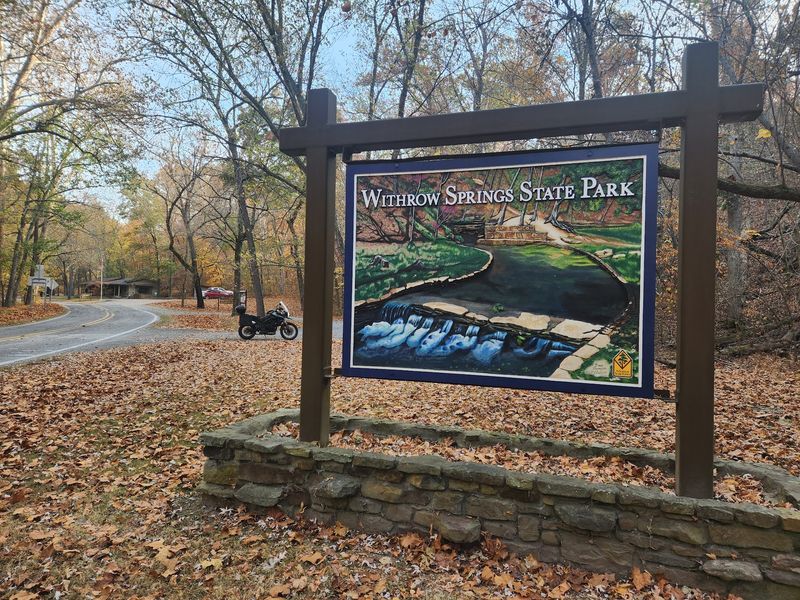
Located in the rolling Ozark hills of Northwest Arkansas, Withrow Springs State Park is the kind of place that surprises you. Most people know it for its spring-fed swimming area and scenic hiking trails.
Fewer people know that after sunset, it becomes one of the most charming and accessible dark sky spots in the entire region. The park is located at 33424 Spur 23, Huntsville, AR 72740, comfortably away from the glow of nearby cities.
The sky here measures around a Bortle Scale of four, which represents a noticeably darker environment than what most people experience in populated areas. At that level of darkness, the Milky Way becomes clearly visible to the naked eye, and fainter objects like the Andromeda Galaxy can be spotted without any equipment at all.
August is the sweet spot for visiting, when the galactic core hangs high and bright in the southern sky.
Withrow Springs has built a genuine community around astronomy by partnering with the Northwest Arkansas Astronomical Society for regular star parties. These events welcome visitors of all experience levels and typically feature a lineup of powerful telescopes pointed at planets, star clusters, and deep-sky objects.
Knowledgeable volunteers are always on hand to answer questions and share their enthusiasm for the cosmos.
The park’s campground provides a comfortable home base for a night of sky watching. Setting up a reclining chair near the open meadow areas gives you an unobstructed view in nearly every direction.
Bring a warm layer even in August, because temperatures can drop noticeably after midnight in the Ozark hills.
What makes Withrow Springs especially appealing is its welcoming, low-key atmosphere. There is no pressure to have fancy equipment or expert knowledge.
Just show up, look up, and let the Milky Way do the rest. This park is a genuine gem hiding in plain sight in Northwest Arkansas, waiting to dazzle anyone willing to stay past dark.
7. Hobbs State Park-Conservation Area
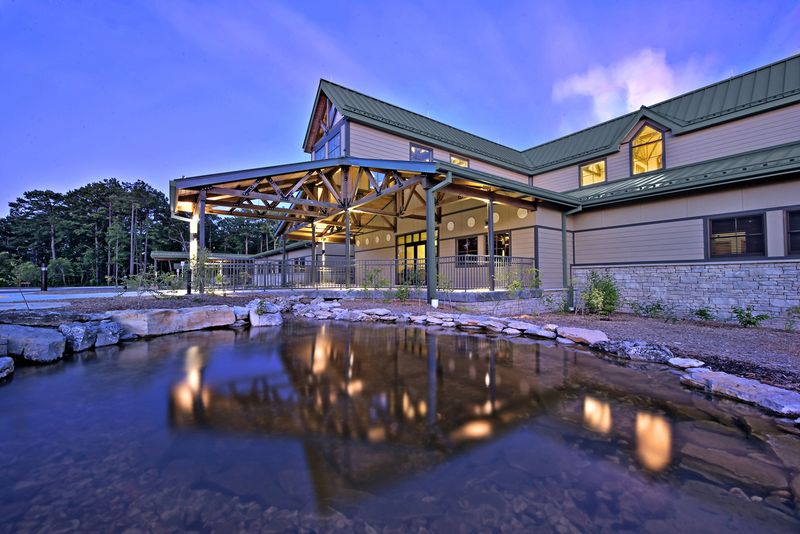
Arkansas’s largest state park is not just impressive in size. Hobbs State Park-Conservation Area, located at 20201 East Highway 12, Rogers, AR 72756, is also a rising star in the Arkansas astronomy community.
Covering more than 12,000 acres along the shores of Beaver Lake, this park offers vast stretches of undeveloped land where the night sky opens up in a big way.
The park sits at a Bortle Class five rating in most areas, which is moderate darkness. Positioning yourself away from the park’s main entrance and other developed areas can help reduce nearby artificial light.
Hobbs State Park is a regular host of astronomy nights and star parties, frequently teaming up with the Sugar Creek Astronomical Society. These events follow a satisfying format: an indoor presentation covering the season’s highlights, followed by outdoor viewing through a fleet of powerful telescopes.
Attendees regularly get clear views of Saturn’s rings, Jupiter’s moons, and even distant galaxies on good nights.
August is a particularly exciting month to visit because the Perseid meteor shower peaks right in the middle of the month. Finding a dark, open area within the park and lying back to watch meteors streak across the sky is one of those simple pleasures that never gets old.
The shower can produce dozens of visible meteors per hour at its peak, making it a thrilling natural event for all ages.
Hiking the park’s trails during the day and then staying for an astronomy event in the evening makes for a perfectly full outdoor adventure. Hobbs State Park proves that you do not have to travel to a remote wilderness to experience genuinely impressive dark skies.
Sometimes the stars are closer than you think, right on the edge of town.