
9 Dark Sky Parks In Michigan Where July Nights Reveal The Full Milky Way
Most people never see the Milky Way. Not because it disappears, but because light pollution drowns it out before it ever reaches the ground.
Standing in a designated dark sky park on a clear July night, the sky shifts from a scattering of bright dots into a textured band of light that stretches from one horizon to the other.
Michigan has protected more dark sky territory than almost any other state, designating parks and preserves where artificial light is deliberately kept to a minimum so the stars can do what they have always done.
Summer brings the best conditions: warm enough to stay outside for hours, late enough sunsets that true darkness arrives just as the Milky Way rises high overhead. It takes about twenty minutes for eyes to adjust, and then the sky opens up.
9. Headlands International Dark Sky Park
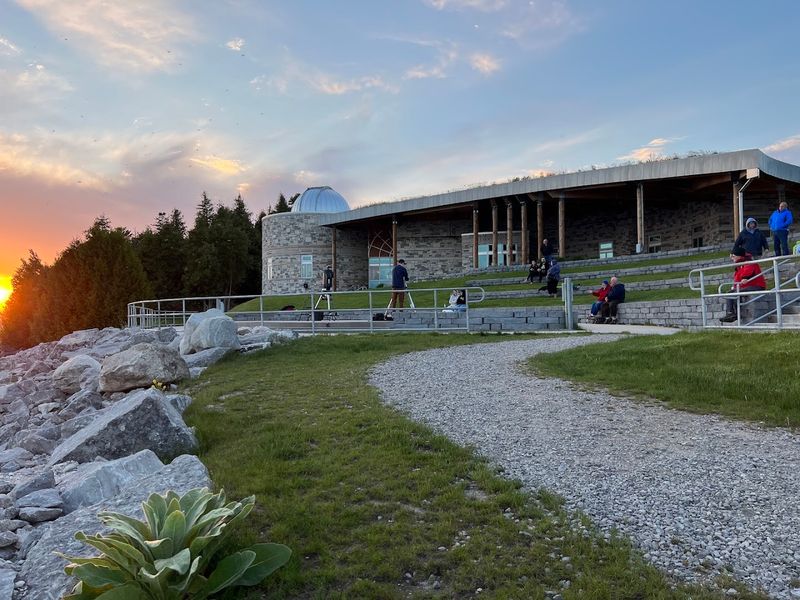
Wide Lake Michigan horizons are the first gift here, even before darkness arrives. The park protects more than two miles of undeveloped shoreline near Mackinaw City, giving stargazers an unusually clean northern view over water, trees, and the Straits.
In July, the wait for true night can feel long, but the payoff is serious once twilight finally drains away.
The setting is famous for a reason. Headlands became an International Dark Sky Park in 2011, and it still feels like one of Michigan’s clearest introductions to protected night.
You do not need a telescope to enjoy it; a blanket, red-light flashlight, bug spray, and patience are enough. Let your eyes adjust before deciding whether the trip was worth it.
Camping is not allowed inside the park, so plan the late drive or nearby lodging carefully. The best visit is slow and quiet: arrive before sunset, settle in, watch the horizon fade, and wait for the Milky Way to emerge as texture rather than dots.
Bring layers, because lake air can cool the mood quickly, even after a warm July afternoon. The sky often feels bigger because the shoreline stays so dark and open for visitors willing to wait in silence.
8. Keweenaw Dark Sky Park
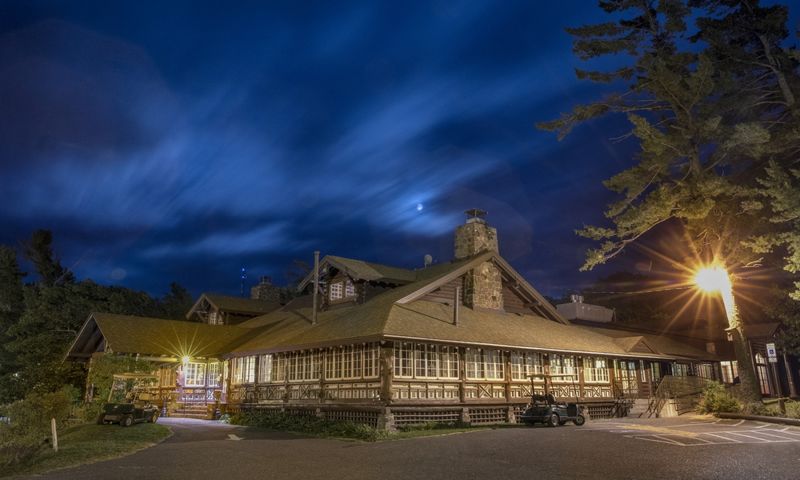
Near Copper Harbor, darkness feels less like an amenity and more like part of the geography. The Keweenaw Peninsula narrows toward Lake Superior, pulling visitors into a landscape of rock, wind, water, forest, and distance from major city glow.
On a clear July night, that remoteness can make the Milky Way look dense enough to have weight.
The park earned International Dark Sky status in 2022, with Keweenaw Mountain Lodge serving as the practical hub for programs, maps, lodging, and night-sky culture. That makes it useful for travelers who want wilderness mood without giving up every comfort.
You can spend the day exploring Copper Harbor, then let the evening shift toward stars.
Pack warmer than the forecast suggests. Lake Superior has a way of cooling even summer nights, and stargazing becomes less magical when you are underdressed.
This is also one of the better Michigan places to hope for aurora, though never to expect it. Treat the northern lights as a bonus and the dark sky itself as the real destination.
Once your eyes settle, the Keweenaw’s edge-of-the-map feeling starts to make complete sense. The silence between waves makes the stars feel even sharper than expected on good July nights.
7. Dr. T.K. Lawless County Park
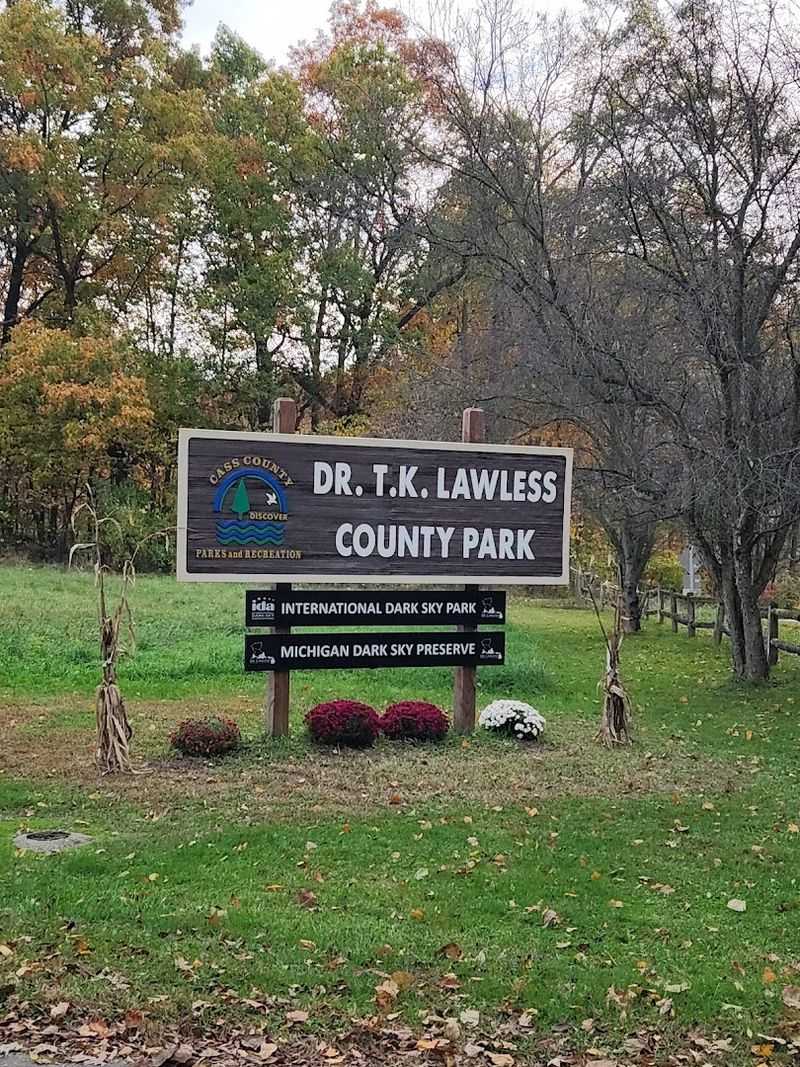
Southwest Michigan makes the surprise stronger. Dr. T.K. Lawless County Park sits in Cass County, far from the usual northern stargazing assumptions, yet its lighting controls and rural setting helped it become an International Dark Sky Park in 2020.
That status gives Lower Peninsula travelers a serious night-sky option without driving all the way to the Straits.
By day, the 820-acre park feels generous and active, with woods, trails, disc golf, water, picnic spaces, and rolling terrain. By night, when access is coordinated through scheduled events, the park’s purpose changes.
The ordinary county-park feeling drops away, and the sky becomes the main feature.
This is the stop where planning matters most. Do not assume you can simply show up at midnight because dark-sky access can depend on posted programs or special openings.
Check the schedule, arrive early enough to settle, and bring a chair rather than trying to stand through the whole event. When the timing works, Lawless offers something quietly valuable: protected darkness in a part of Michigan where people do not always expect it, and that unexpectedness makes the first clear look upward feel especially rewarding.
That nearby darkness feels rare, practical, and worth protecting in southwest Michigan.
6. Lake Hudson Recreation Area
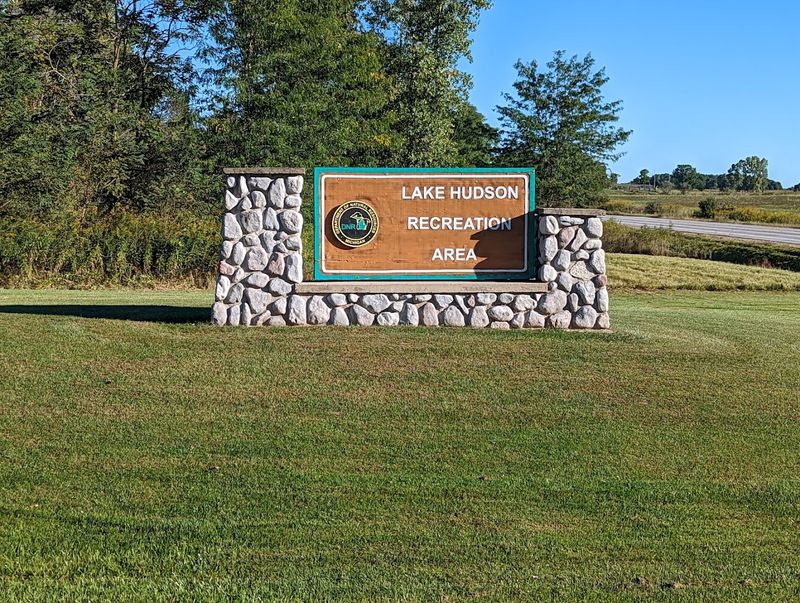
A no-wake lake gives this preserve an old-fashioned calm that suits stargazing beautifully. Lake Hudson Recreation Area, near the Ohio border, became Michigan’s first state dark sky preserve in the 1990s, and that early designation still gives the place a modest but important role in the state’s night-sky story.
The viewing setup is straightforward rather than dramatic. During the day, visitors find fishing, swimming, camping, boating access, grasslands, and a quiet lake culture.
After dark, the preserve becomes a practical southern Michigan place to watch stars without chasing wilderness fantasy. That simplicity is part of its charm.
July brings warmth, insects, and late darkness, so prepare accordingly. Bug spray, a blanket, a red-light flashlight, and patience will matter more than complicated gear.
Let the lake settle into shadow, then look for the Milky Way once your eyes adjust and moonlight stays out of the way. Lake Hudson is not the most theatrical site on the list, but it is one of the most accessible.
It proves that protected darkness does not always need cliffs, dunes, or remote beaches. Sometimes a quiet lake and careful lighting are enough.
That modesty is exactly why the preserve still feels quietly useful for stargazers.
5. Port Crescent State Park
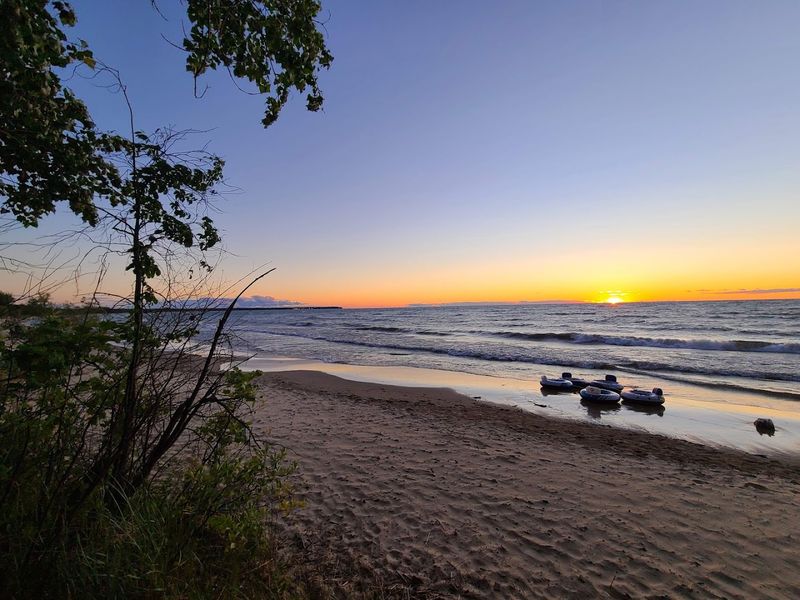
Lake Huron turns the horizon into the main attraction at this Thumb-area preserve. Port Crescent State Park sits near Port Austin with three miles of sandy shoreline, and that open water view gives summer stargazing a clean, spacious feeling.
The dark-sky viewing platform near Parking Lot D makes the experience especially practical.
The park carries daylight appeal too, with beach walks, camping, trails, dunes, and the ghost of the former village of Port Crescent beneath the modern recreation area. That history gives the night a slight echo, as if the stars are rising above more than sand and water.
By July, warm evenings can make waiting for darkness comfortable, though mosquitoes may disagree.
Plan around the moon, because even a beautiful lake night can lose Milky Way detail under bright lunar glare. Staying overnight helps, especially if you book one of the park’s lodging options and let the sky become part of the trip rather than a rushed stop.
Port Crescent is easy to love because it combines beach-town comfort with genuine darkness. The scene feels friendly first, then surprisingly cosmic once the last glow leaves the lake.
Stay a little longer, and the dark feels wonderfully complete over water.
4. Rockport Recreation Area
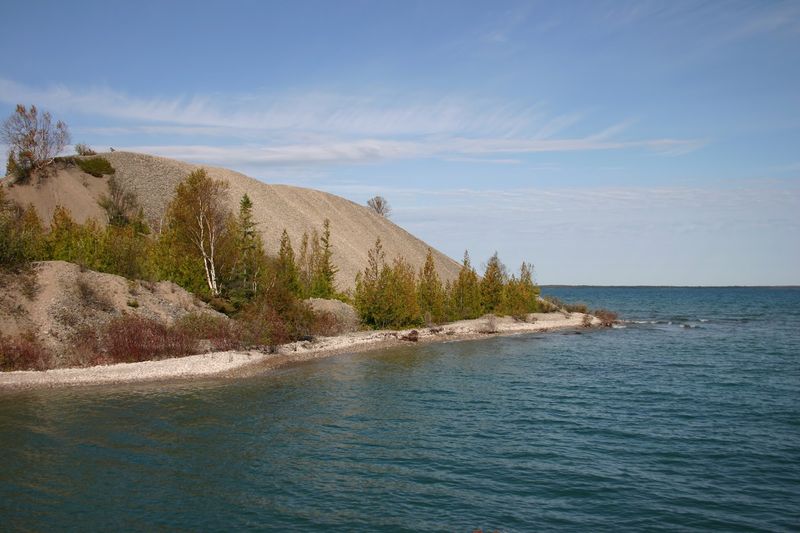
A former limestone quarry gives this dark sky preserve an otherworldly mood before the stars appear. Rockport Recreation Area, north of Alpena along Lake Huron, includes quarry remains, sinkholes, fossil beds, shoreline, trails, and rough industrial traces slowly being softened by nature.
By dusk, the landscape already feels a little lunar.
That geology makes the stargazing feel unusually layered. You can spend the day searching for fossils or walking through terrain shaped by extraction, then watch the same ground disappear into shadow as the sky takes over.
Michigan designated Rockport as a dark sky preserve, and the lack of visual clutter helps the night feel wide and clean.
Bring a flashlight with a red setting and move carefully. Quarry landscapes can be uneven, and the best stargazing night is not the one spent worrying about footing.
July gives long evenings, but it also gives insects and late twilight, so patience matters. Rockport is excellent for visitors who like their astronomy with texture.
The stars are the reason to stay late, but the strange ground underfoot is what makes the night memorable. That combination gives every constellation a harder edge against the quarry’s pale, weathered shapes after twilight fully settles in.
3. Negwegon State Park
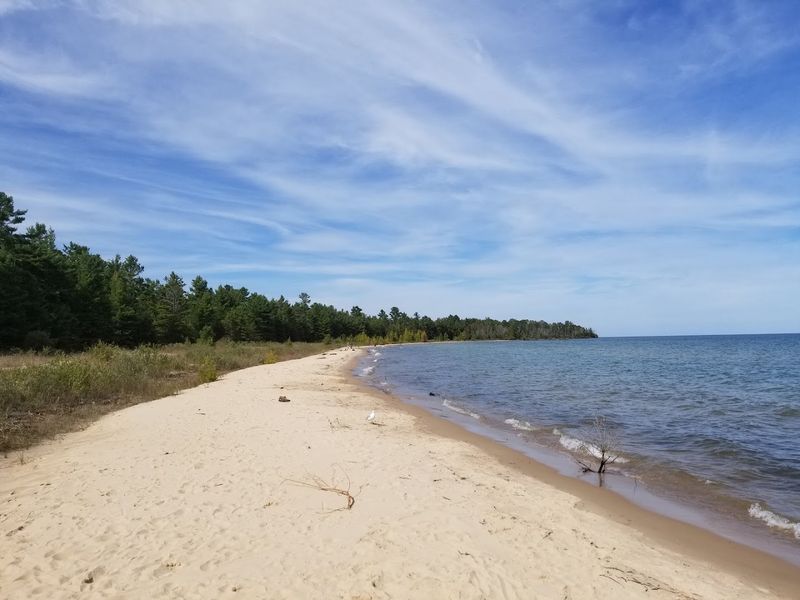
Getting there filters out casual visitors, and that is part of the reward. Negwegon State Park is rustic, remote, and spread along miles of Lake Huron shoreline, with rough access roads, limited services, backcountry campsites, and a dark-sky preserve that feels earned by the time you finally settle in.
The park’s darkness carries a different emotional weight from easier stops. Ancient fishing grounds, undeveloped beaches, forests, dunes, and quiet water make the night feel inhabited by history rather than empty.
In July, the Milky Way can feel less like a special effect and more like company over a shoreline that has been watched for generations.
This is not the place for fragile plans or unprepared visitors. Check road conditions, bring essentials, understand backcountry camping rules, and do not count on convenience.
A high-clearance mindset helps even if the weather has been dry. The payoff is deep quiet, especially if you stay overnight and let the park’s isolation do its work.
Negwegon is for people who want stars with wildness attached, not simply a pretty platform and quick exit. When waves are low and the beach goes quiet, the sky seems to rise from Lake Huron itself above your camp slowly.
2. Thompson’s Harbor State Park
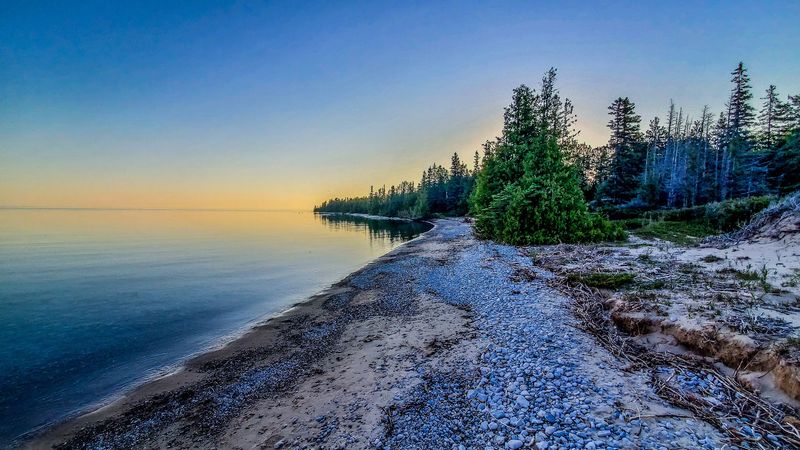
Quiet defines this preserve long before sunset. Thompson’s Harbor State Park protects more than 5,000 acres near Lake Huron, with forests, dunes, marshes, rocky shoreline, cabins, trails, and habitat for sensitive species including dwarf lake iris.
It feels reserved, almost private, in the best possible way.
That low-key character makes the dark-sky experience stronger. There are no grand theatrics, no loud entrance, no sense that the park is trying to sell the night.
Instead, darkness gathers over shoreline and trees until the stars feel like the natural continuation of the landscape. July visitors get warmer conditions, but also the usual northern Michigan reminders: bugs, sudden cool air, and the need to bring more layers than seems reasonable.
The park works well for people who like staying put. Rustic cabins make an overnight sky watch easier, while trails and shoreline wandering fill the daylight hours without exhausting the mood.
Thompson’s Harbor is not the most famous name on Michigan stargazing lists, which helps protect its charm. Come for the quiet, stay for the sky, and leave the place feeling as undisturbed as you found it.
That restraint is the secret, because nothing competes with the widening stars over Lake Huron late.
1. Wildwood State Park
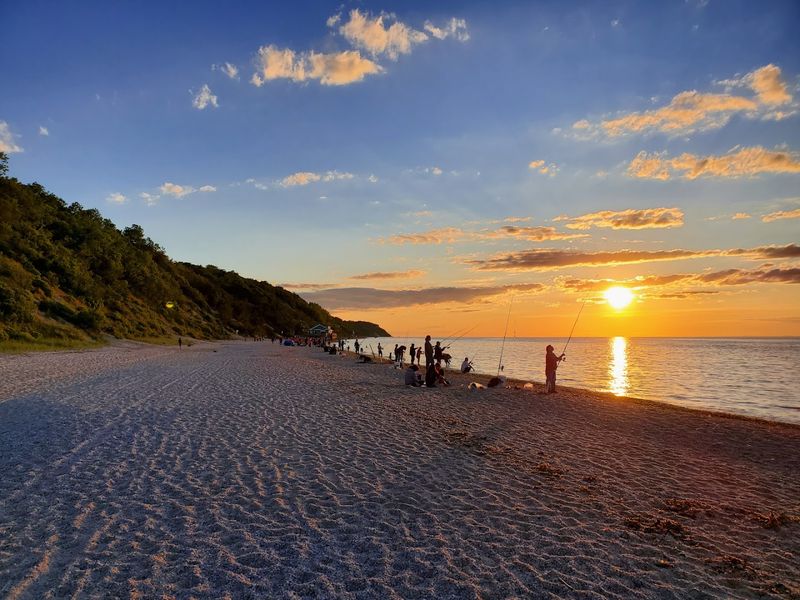
Wide shoreline makes this corrected final stop far stronger than the mistaken name often attached to it. Michigan’s recognized dark-sky destination near Mackinaw City is Wilderness State Park, not Wildwood State Park.
Just west of town, Wilderness protects long stretches of Lake Michigan shoreline, trails, campsites, cabins, swimming areas, and dark-sky preserve views only a short drive from Headlands.
The park is useful because it lets visitors combine stargazing with a fuller overnight trip. You can swim, hike, explore shorelines, watch birds, and then settle in for July darkness without leaving the park entirely.
That makes the Milky Way feel less like a single errand and more like the final chapter of a summer day.
Expect popularity, especially near Mackinaw City, and choose viewing spots carefully to avoid campground lights or busy areas. Red lights, quiet voices, and patience help everyone keep the sky intact.
Wilderness rewards people who want dark views with real state-park infrastructure nearby. It may not feel as secluded as Negwegon or the Keweenaw, but the shoreline gives the night a broad, beautiful stage.
On moonless nights, the open water turns the horizon into a dark rim for the whole northern sky above the quiet park.