
Deep In The Colorado Wilderness, A Haunting Historic Ruin Tells The Story Of A Tragic Past
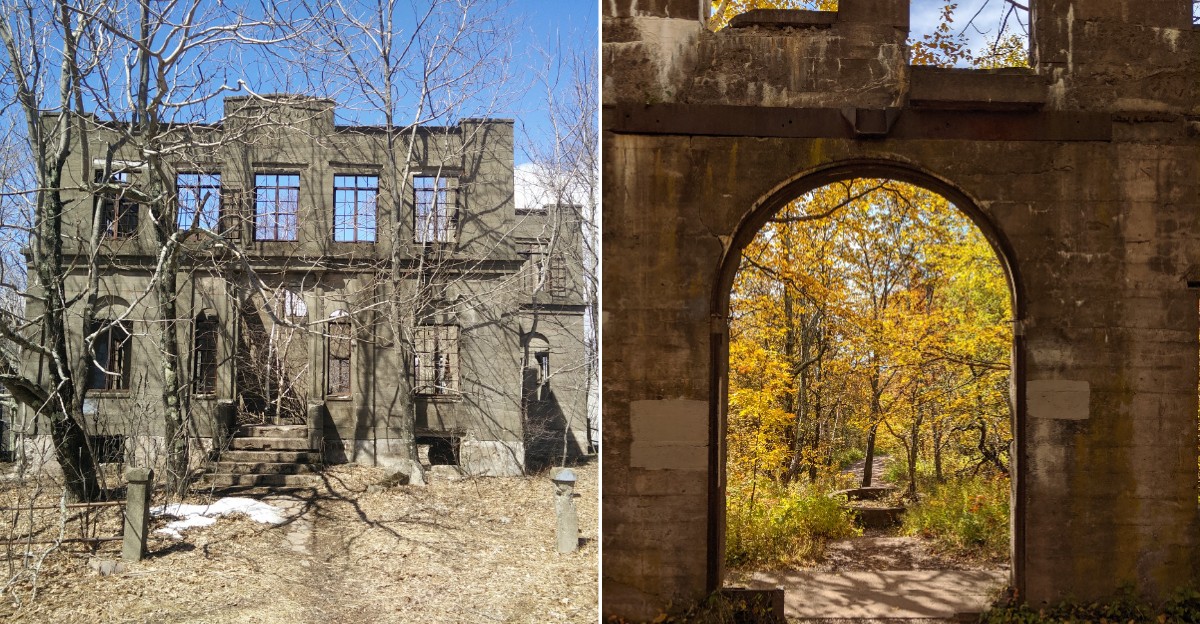
A massive avalanche devastated the railroad town of Woodstock on the evening of March 10, 1884. It happened on March 10, 1884, and the town was never rebuilt.
Thirteen people lost their lives that day. Six of them were children from one family, and their mother survived after being trapped for hours.
Today, the spot sits quietly in the Colorado mountains. Stone foundations and a single sign are all that’s left to tell the story.
I like how the place doesn’t try to be anything more than honest.
I can’t imagine standing there without feeling the weight of that day. The scenery is gorgeous, the history is heavy, and the silence speaks loudly.
So what does a vanished town still have to say?
A Railroad Town That Lasted Just Three Short Years
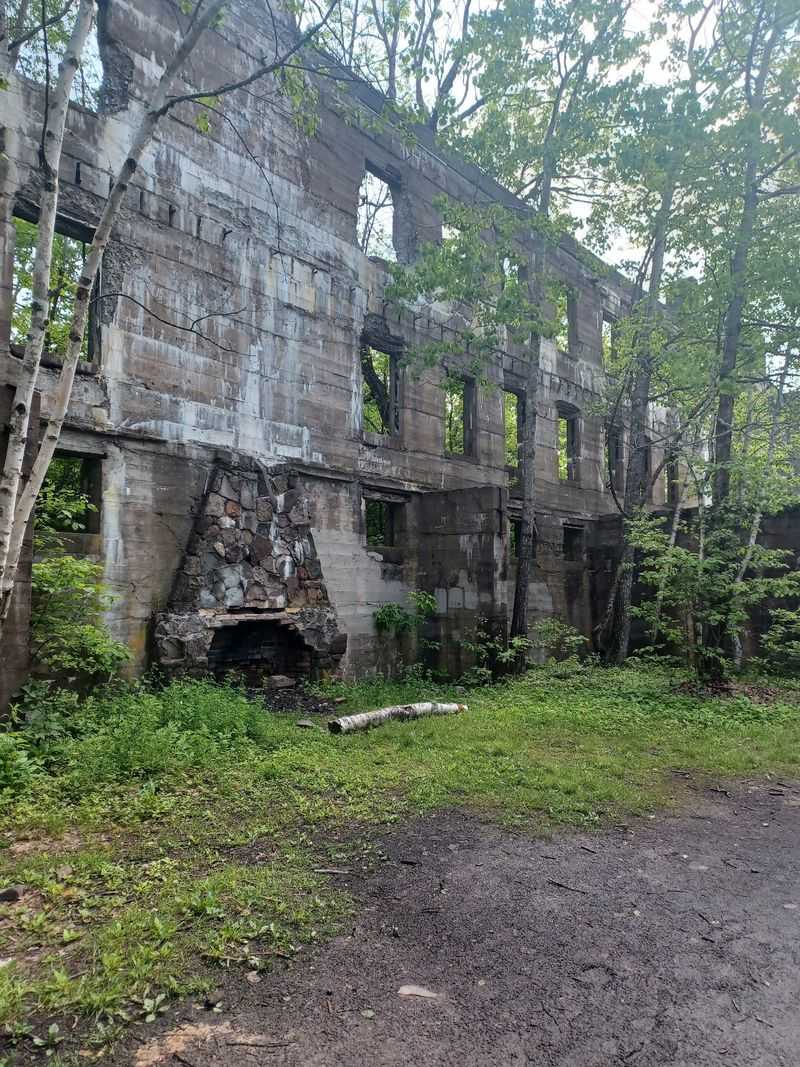
Woodstock Ghost Town Ruins mark a place that rose fast and vanished even faster. The town was founded in 1881 high in the mountains of Gunnison County, Colorado.
Here’s a twist many people miss. Woodstock wasn’t a mining town, even though mining shaped its whole reason for being.
The town served as a railroad stop for the Denver, South Park and Pacific Railway. Most of the folks living there worked for the railroad itself.
Trains needed water, rest, and communication on the climb through the high country. Woodstock helped provide all three for the busy line.
At its peak, roughly 200 people called this rugged spot home. That’s a decent crowd for a place perched on a steep mountainside.
Life here moved to the rhythm of whistles and steam. Workers kept the line running so ore and supplies could reach the mining camps beyond.
Three years doesn’t sound like much time to build a community. Still, families settled in, children played, and daily routines took shape.
Knowing that backstory makes a visit feel different. You’re not just looking at rocks in the grass.
You’re looking at what’s left of real lives.
Cabins, A Saloon, And A Telegraph Office Once Filled This Slope
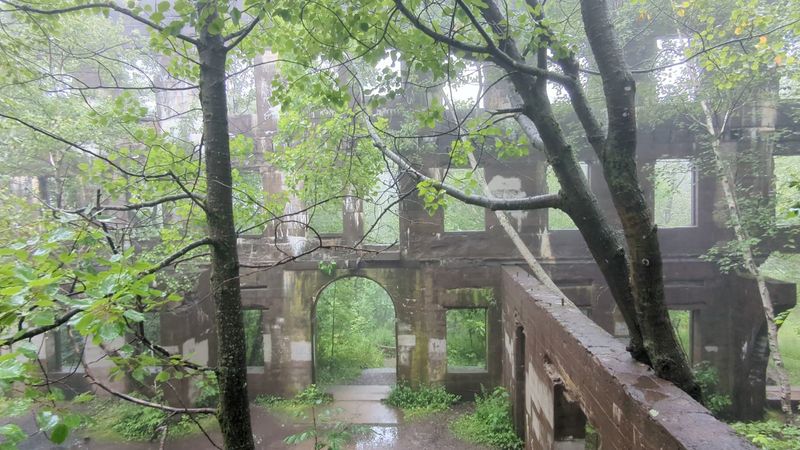
Small towns in the 1880s needed a surprising amount of stuff. Woodstock packed a lot onto one mountain slope for a community of about 200.
The town had cabins for families and workers. It also had a boarding house, a saloon, and a telegraph office.
A water tank stood ready to refill thirsty steam engines. A railroad passing track let trains slip by one another on the narrow line.
The station telegraph office mattered more than you might guess. Back then, it was how messages traveled fast across rugged country with no phones.
Picture the daily chores in a place like this. Meals cooked for hungry crews, wood chopped for stoves, and trains rolling through on schedule.
None of those buildings survive today. That’s what makes learning about them so useful before you go.
When you see a foundation in the grass, try matching it to the town’s old layout in your mind. It turns a quiet field into a puzzle worth solving.
History buffs love that kind of detective work. Kids usually do too, especially when they find a clue on their own.
The Afternoon The White Passing Came Roaring Down
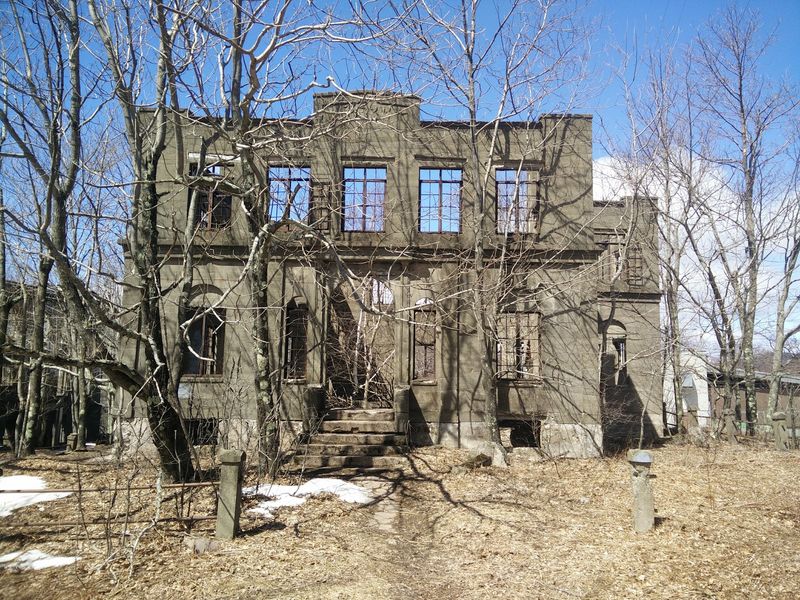
March 10, 1884, changed everything for this little railroad town. An avalanche thundered down the mountain and completely destroyed Woodstock.
People later gave it a chilling name. They called it The White Passing.
The slide buried 18 people in snow and debris. Thirteen of them did not survive.
At the time, that was the highest avalanche toll ever recorded in Colorado. It’s a sobering record for such a small community.
Mountain towns in that era often sat right below steep slopes. Builders didn’t always understand how dangerous heavy snowpack could become.
Woodstock’s location turned out to be right in harm’s way. One massive release of snow was all it took.
Reading about it from a safe distance still gives you chills. Standing on the actual ground hits even harder.
Look up at the slopes above the site when you visit. Seeing the terrain helps the story make sense in a way no book can.
It’s also a useful reminder for modern mountain travelers. Snow in the high country deserves real respect, even on a calm, sunny day.
One Mother’s Story Will Stay With You Long After
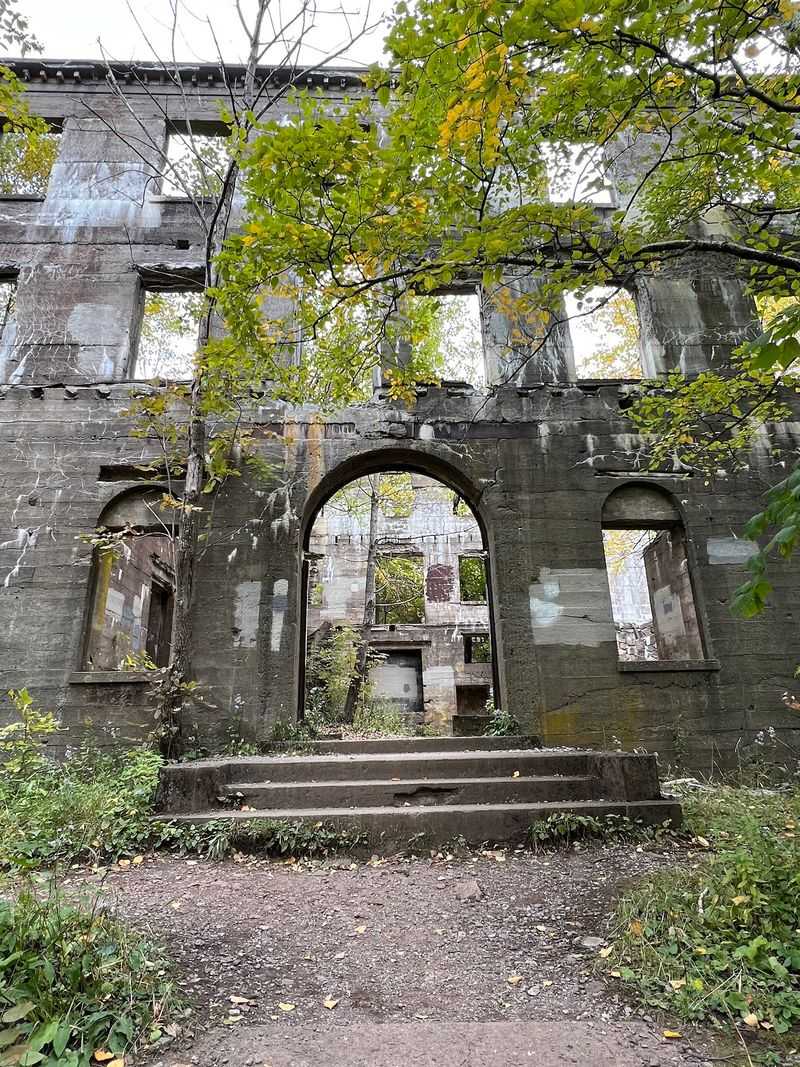
Marcella Doyle ran a boarding house for railroad workers in Woodstock. Her story sits at the heart of this place.
When the avalanche struck, her six children were among those lost. It’s one of the most heartbreaking details in Colorado’s frontier history.
Marcella herself survived the disaster. She was partially buried for 12 hours before she made it out.
Twelve hours trapped in cold snow is hard to even think about. Her strength in that moment says a lot about frontier grit.
Her story didn’t end there, either. Marcella later sued the Union Pacific Railway Company over her injuries and the passing of her six children.
That choice took courage in the 1880s. Railroads were powerful companies, and a boarding house owner was taking on a giant.
I believe her story is why so many people feel moved at the site. It puts a human face on a disaster that could feel distant.
Take a quiet moment when you reach the foundations. Thinking about one family makes the history feel personal, and that’s how it should feel.
Stone Foundations Are All That Stand Today
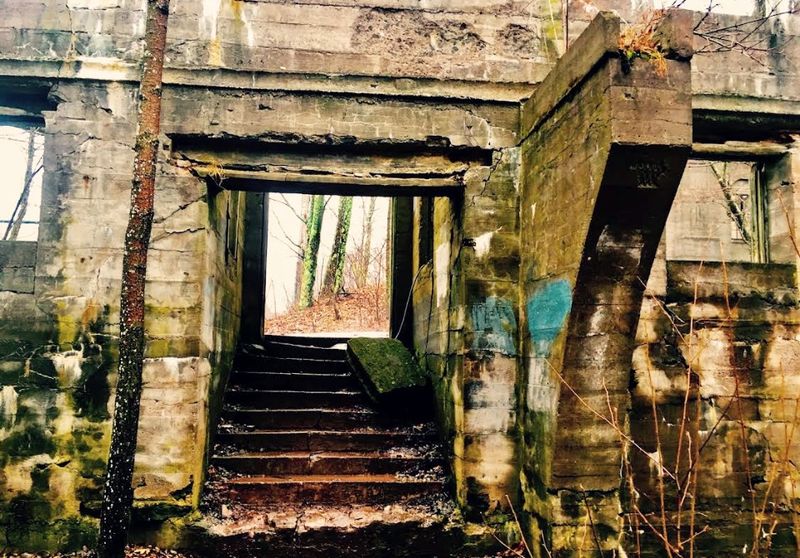
Don’t expect leaning saloons or creaky boardwalks here. Woodstock Ghost Town Ruins are simple, and that’s part of the point.
After the avalanche, nobody rebuilt the town. The location was just too dangerous.
What remains today are stone foundations scattered across the site. Grass and wildflowers have filled in much of the space around them.
Some visitors find the ruins tricky to spot at first. Slow down and scan the ground carefully.
Foundations may look humble, but they tell you where walls and floors once stood. Each one marks a spot where somebody worked, ate, or slept.
Treat these remains gently. Ghost town ruins can’t be replaced once they’re damaged or carried off.
Leave every rock right where you find it. Future visitors deserve the same chance to see the site as it is now.
Bring a camera for the stonework and the mountain backdrop. The contrast between rugged ruins and big scenery makes for striking photos.
A quiet spot like this rewards patience. Rushing through means missing the small details that make it memorable.
Read The Sign Before You Wander Anywhere
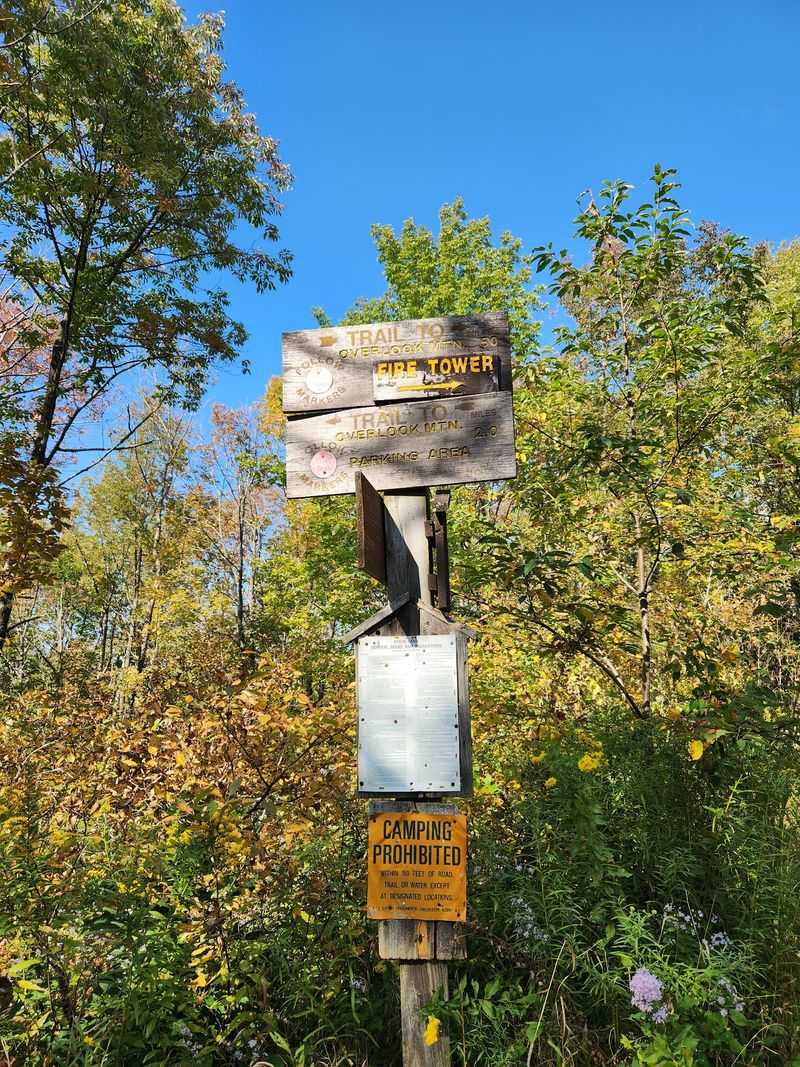
Good news for anyone who forgot to study up. A historical sign at the site sums up Woodstock’s tragic past.
It’s the best first stop when you arrive. A few minutes of reading turns a field of stones into a story you can follow.
The sign explains the town’s history and the avalanche that ended it. Having that context right there on the ground makes a huge difference.
Families with kids will appreciate this part. Reading it together gives everyone something to talk about as you explore.
Snap a photo of the sign before walking around. That way you can check details later while you look for foundations.
Small markers like this keep history from fading away. Without them, places like Woodstock would be easy to drive right past.
Once you’ve read it, the mountain above looks a little different. So does the quiet meadow below.
That shift in perspective is the real gift of the visit. Facts become feelings, and a simple stop becomes something you’ll remember.
Not bad for one roadside sign.
A Spooky Train Legend For Your Campfire Repertoire
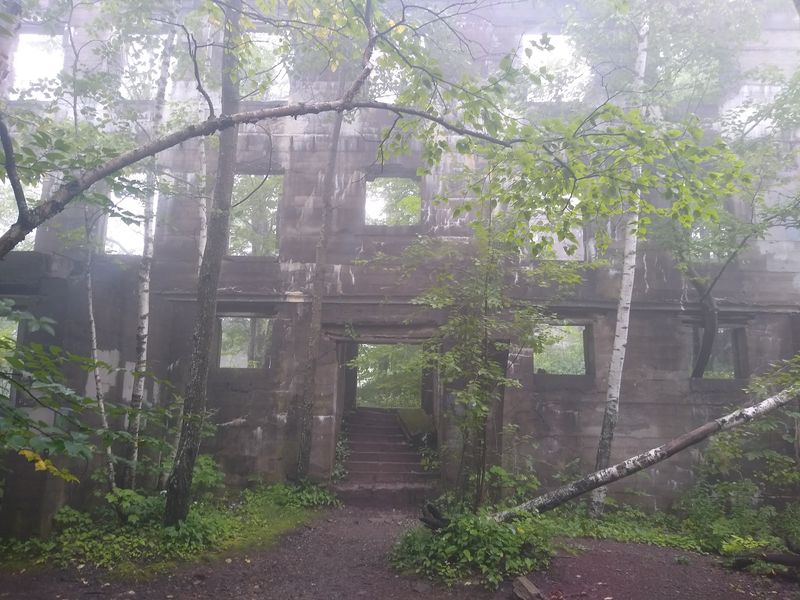
Every ghost town needs a ghost story. Woodstock’s legend comes with a whistle.
According to some accounts, a ghostly train is said to travel through the town on the anniversary of the tragedy. That would be March 10, if you’re keeping track.
No one can prove it, of course. Legends rarely come with timetables.
Still, the tale makes sense for a place built around a railroad. The trains were the heartbeat of Woodstock while it lasted.
Stories like this often grow from strong emotions tied to a place. A sudden loss on this scale left a deep mark on the region’s memory.
Should you go looking for a phantom engine in March? Probably not, since deep winter in the high country brings real hazards.
Save the legend for your drive home or a campfire elsewhere. It’s a fun way to keep the history alive with friends.
Just tell it with care. Real families lived this tragedy, so a little respect goes a long way.
Spooky and thoughtful can share the same story.
Getting There Means A Climb Above Pitkin
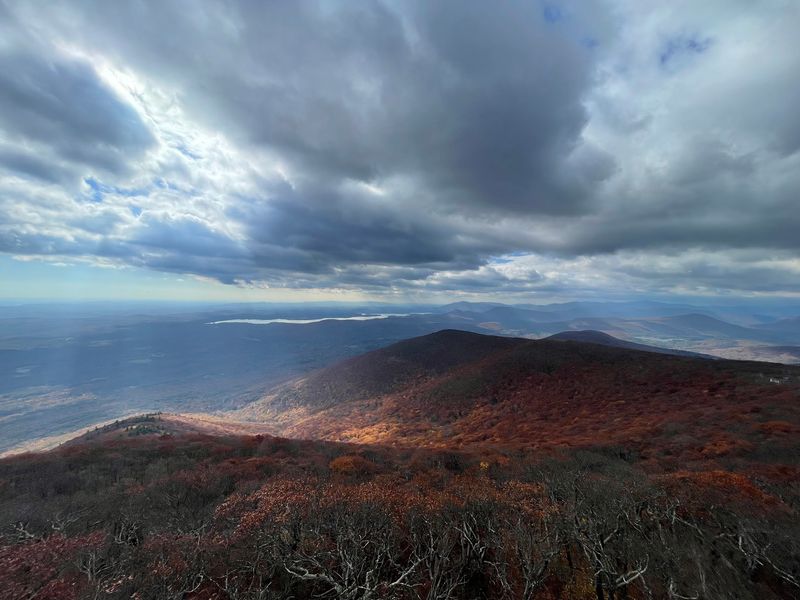
Woodstock sits about 1,000 feet higher than the small town of Pitkin in Gunnison County. That climb is part of the adventure.
The Woodstock ruins can be reached via the Alpine Tunnel Road near Pitkin, but the road can be rough, and visitors should check current conditions and vehicle suitability before traveling. The mapped location is listed as Forest Service Rd 839, Nathrop, CO 81236.
Don’t let the Nathrop address confuse you. The ruins are tied to the Pitkin area history, high in Colorado’s mountains.
Summer is the best time to visit. Snow can linger at high elevation, and winter conditions make this terrain risky.
Download maps before you head out. Cell service can be spotty in remote mountain areas.
Pack water, snacks, and layers for changing weather. Afternoon storms can roll in quickly up high.
The ruins are an outdoor historic site, but access depends on seasonal road conditions, with summer generally offering the best opportunity to visit. Daylight still makes everything easier, especially when searching for foundations.
Drive slowly and enjoy the scenery along the way. The route is half the fun when the views look this good.
Turn This Stop Into A Full Day Of Rail History
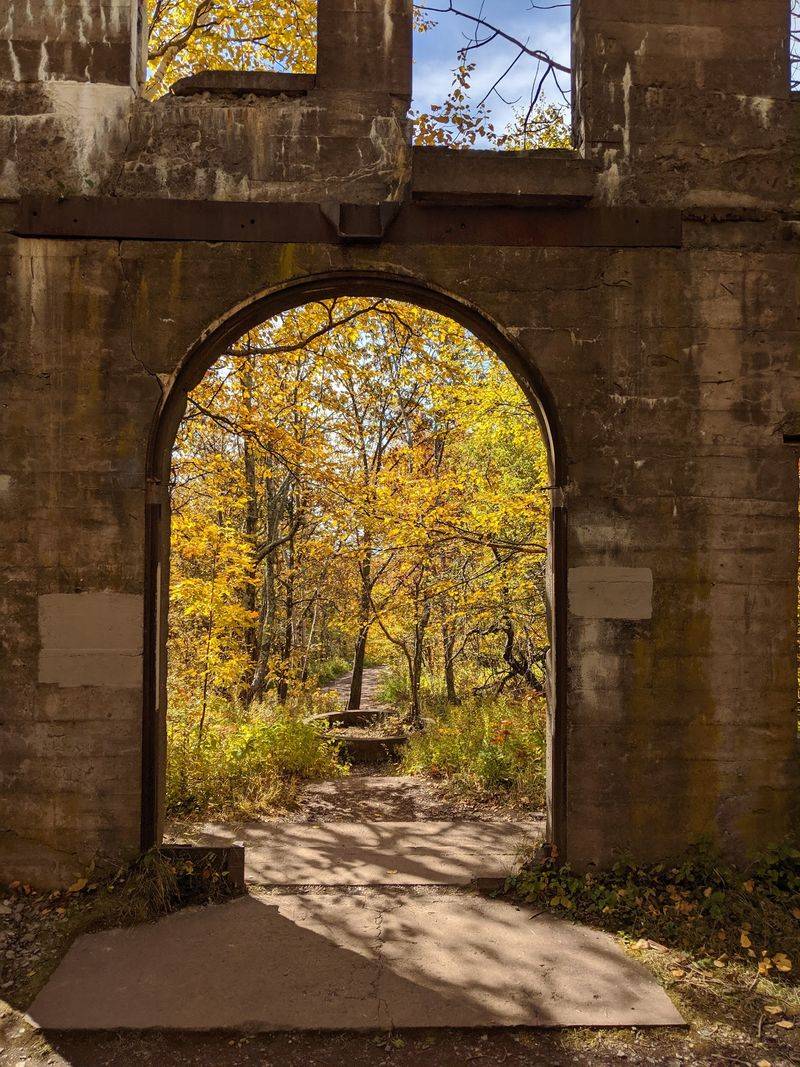
Woodstock was one link in a much bigger chain. The Denver, South Park and Pacific Railway climbed through this country toward the famous Alpine Tunnel area.
That makes the ruins a natural stop on a rail-history road trip. You can follow the story of the line across the mountains.
Tunnel Gulch is another connection worth knowing. After the avalanche, the railroad replaced Woodstock’s water tank there, about half a mile downgrade.
The new spot sat away from the avalanche path. It’s a small detail that shows how the disaster reshaped the railroad’s plans.
The area around the ruins also has a wide network of trails. Hikers and history lovers can easily fill a summer day.
Plan your route ahead so you’re not guessing on the road. Remote mountain drives reward a little homework.
Woodstock Ghost Town Ruins won’t take hours to see. Pairing them with nearby rail sites makes the trip feel complete.
By sunset, you’ll understand Colorado’s railroad era in a whole new way. Not a bad souvenir for a free stop in the woods.