
Denver’s 10 Best-Kept Secret Stores For Colorado’s High-Quality Sewing Supplies
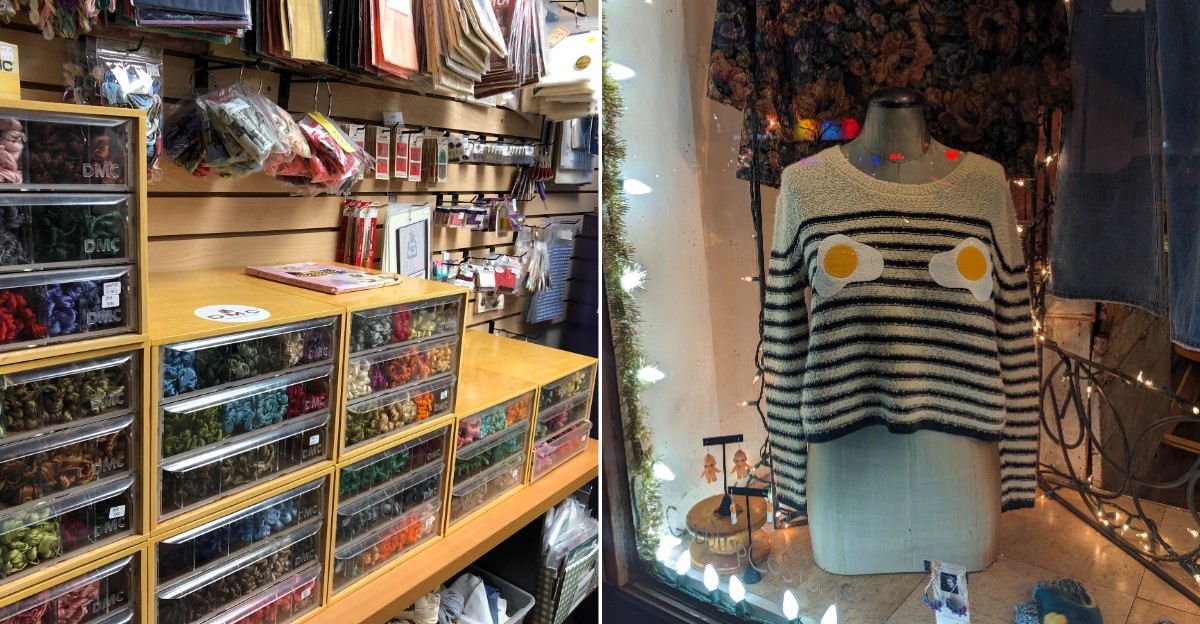
A single button can change the whole personality of a jacket. The right fabric can rescue a forgotten pattern, while an unexpected piece of lace might inspire something you never intended to make.
That’s why exploring independent sewing shops feels less like running errands and more like hunting for possibilities. Throughout Colorado, small fabric stores cater to wildly different creative ambitions, whether you’re dreaming up a wedding dress, piecing together a colorful quilt, or searching for buttons with a little history.
Some shelves hold pristine materials waiting for their first cut. Others give discarded treasures a second chance to become something beautiful.
And the best part? You might walk in with a perfectly sensible shopping list and discover an entirely new project before reaching the checkout.
Colorado’s creative communities keep these hands-on traditions alive through specialty supplies and opportunities to learn. Bring your measurements, trust your imagination, and leave some space for surprises.
1. Treelotta Fabric + Craft Studio, Englewood
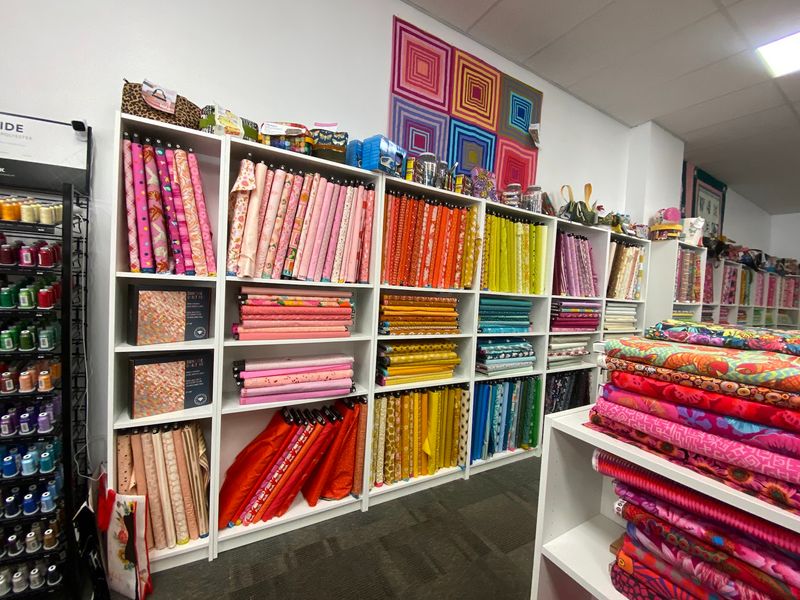
A fabric purchase feels less risky when you can also learn what to do with it. Treelotta Fabric + Craft Studio combines supplies and sewing classes at 3370 S Broadway in Englewood, giving shoppers two reasons to bring their project notes.
The selection includes quilting cottons, patterns, notions, and embroidery supplies. That mix suits a patchwork project, a small handmade gift, or someone ready to add stitched details to plain fabric.
Before shopping, write down your pattern’s fabric needs and bring a sample of anything you must match. Thread colors can look surprisingly different beside the actual cloth, which is why guessing from memory sometimes produces a very creative mismatch.
For beginners, a class may be more useful than buying another tool. Check the current schedule and ask what supplies are needed before signing up, rather than assuming every session includes materials or welcomes every skill level.
Colorado makers planning several projects can use the visit to compare fabric choices and build a sensible supply list. Start with the project you will actually finish, then consider the tempting extras.
A useful pattern, suitable cotton, and the right needle usually do more good than a bag full of cheerful possibilities waiting for attention at home.
2. Sew Haven, Littleton
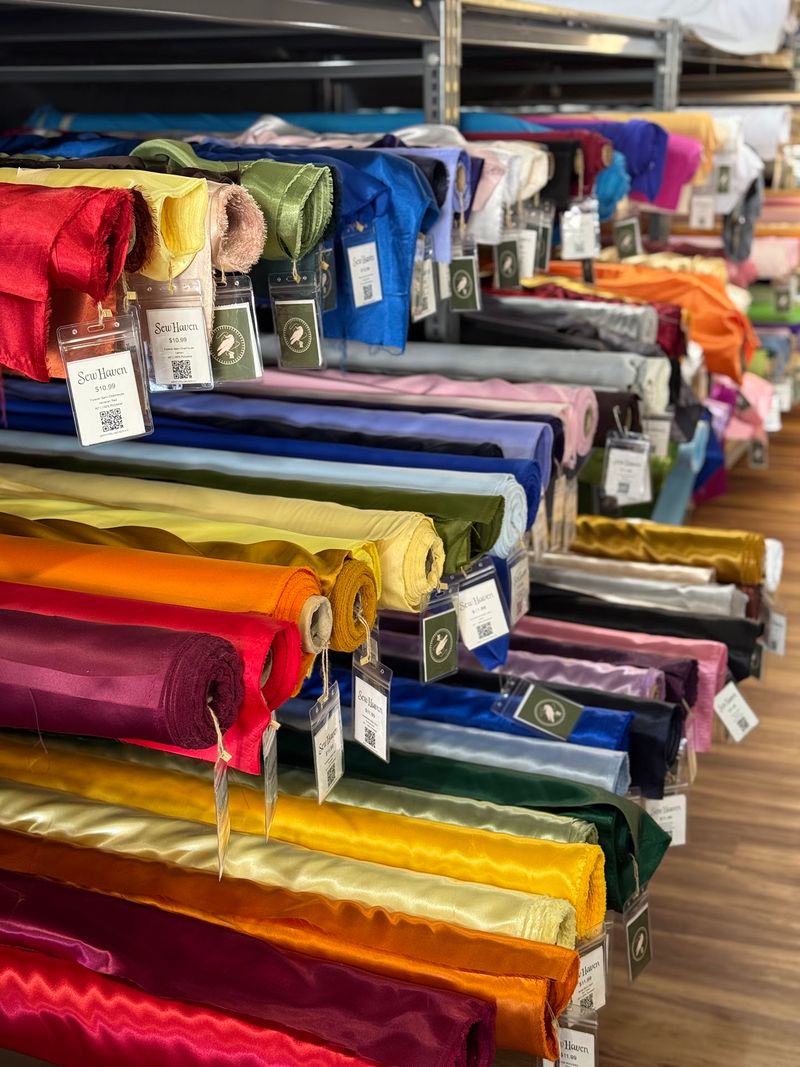
A costume cape and a summer shirt have very different shopping lists. Sew Haven, at 8280 W Coal Mine Ave, Suite 15, in Littleton, focuses on apparel fabrics and specialty garment materials rather than treating every sewing project like a quilt.
Its range includes satins, chiffons, linens, and cosplay materials. Those categories make the shop relevant when your pattern calls for movement, shine, light layers, or a particular costume effect.
Bring the pattern envelope and check its suggested fabrics before choosing by color alone. A flowing chiffon cannot behave like firm linen, no matter how persuasive the shade happens to be.
For formal clothing, consider the whole outfit before buying the main fabric. Ask about suitable lining, closures, and other garment supplies, and confirm what is available for your specific project.
A small swatch can also help you compare shoes or accessories later without carrying several yards around town.
Cosplay shoppers should arrive with reference pictures and a clear idea of which pieces need structure or stretch. Check current hours before heading over, especially when shopping around work or school schedules.
The strongest reason to visit is practical: garment sewing needs fabric chosen for how it behaves, not just how nicely it photographs online.
3. ReCreative Denver, Denver
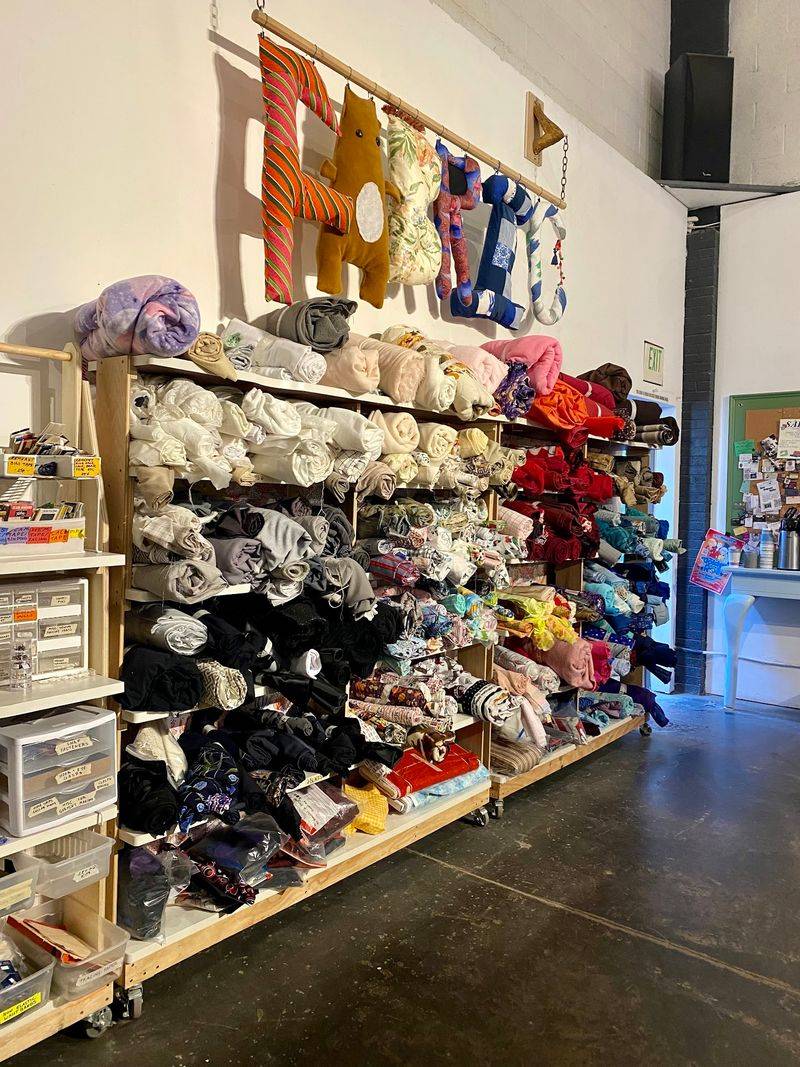
Sometimes the smartest sewing purchase is something another maker no longer needs. ReCreative Denver sells secondhand fabric, yarn, notions, and reclaimed craft supplies at 765 Santa Fe Dr, putting creative reuse directly into a shopping trip.
For Colorado sewists, the draw is both budget minded and practical. Smaller materials can suit repair jobs, test pieces, patchwork, and projects that do not require matching bolts of brand new fabric.
Approach reclaimed stock with measurements rather than a rigid wish list. Check each piece for usable width, marks, wear, and enough length for your pattern before deciding that a bargain belongs in your bag.
Fiber content may be harder to confirm on secondhand fabric, so avoid assuming an unlabeled piece is cotton or wool. For an important garment, uncertainty about washing or shrinkage matters more than a pleasing print.
You can still use an interesting remnant for a less demanding project.
The shop has stated that it remains open during nearby construction, but check current access information before leaving. Pack a flexible plan and leave room for substitutions.
ReCreative Denver rewards the shopper who can see a useful pocket, patch, or pouch in a leftover piece, rather than expecting every visit to produce an exact match.
4. SEWN Denver, Denver
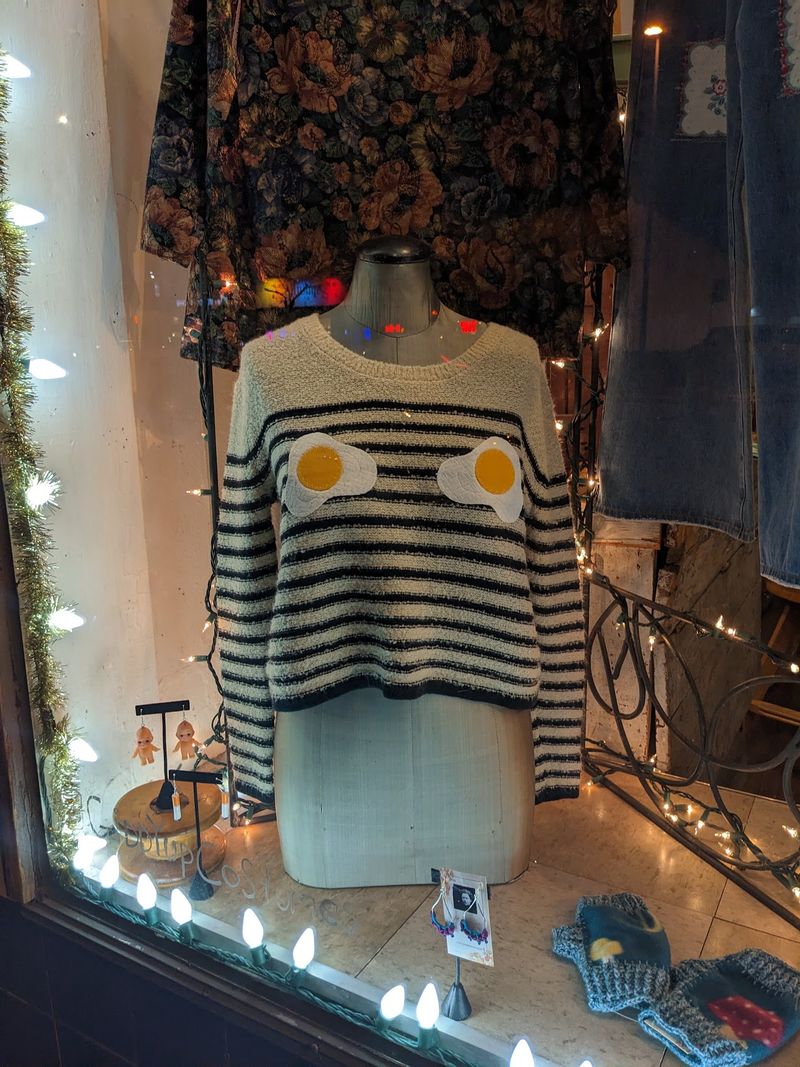
Not every good project begins with a pattern. At SEWN Denver, vintage fabric and deadstock textiles can provide the starting point, especially when an unusual print suggests a skirt, bag, or shirt before you have chosen the design.
The shop at 18 S Broadway also carries handmade clothing. That combination makes it different from a supply store built mainly around standard quilting cottons and rows of basic notions.
Deadstock means unused fabric left from earlier production or inventory. It can offer interesting choices, but do not assume more yardage will be available later if your first cut falls short.
Measure carefully and inspect older materials before committing to a project. Look for fading, weak areas, and changes along folded edges, then consider whether your pattern pieces can avoid any flaws.
These are sensible checks for vintage shopping, not reasons to dismiss an otherwise useful textile.
Bring your required yardage and keep an alternate pattern in mind. A smaller piece might become a pocket or collar rather than the whole garment you first imagined.
SEWN Denver makes sense for shoppers who care about a material’s character and are willing to adjust their plans. Let the fabric influence the design, but let your measurements make the decision.
5. Chasing My Tale, Denver
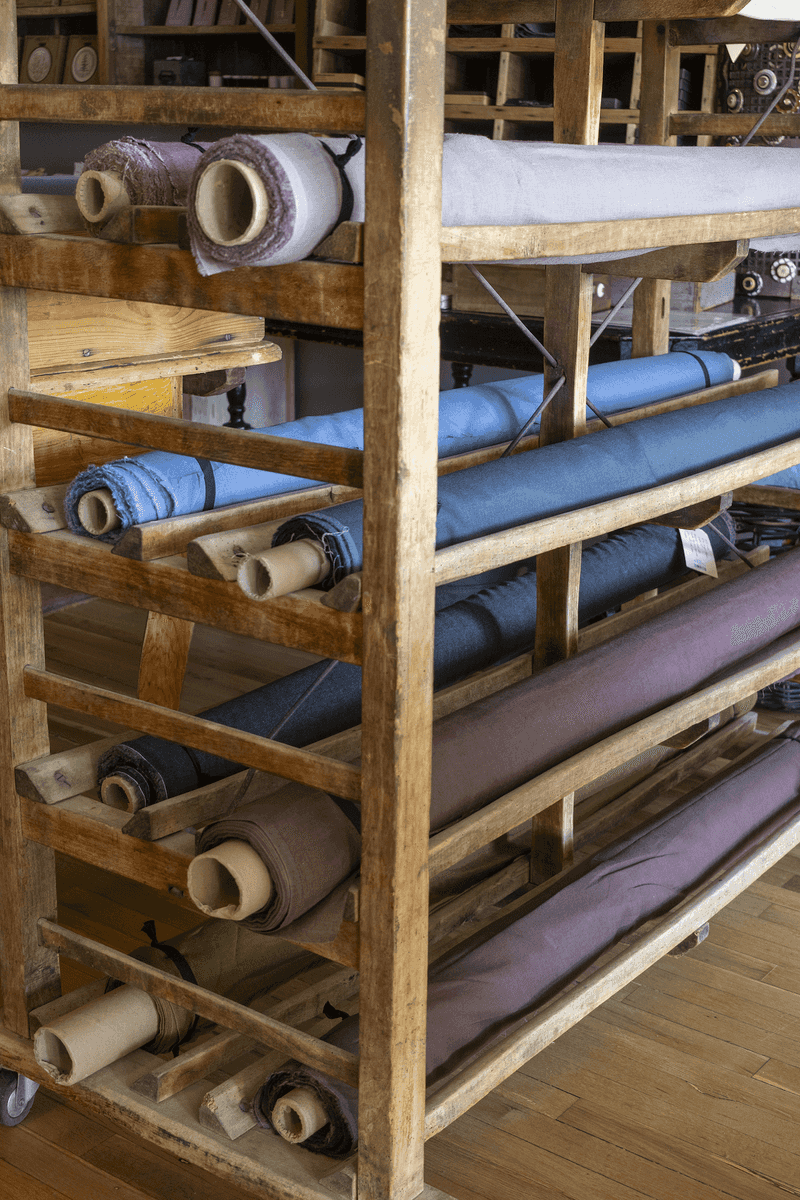
A small project can be a welcome change from the unfinished quilt occupying an entire chair. Chasing My Tale pairs curated fine fabrics and textiles with notions, fiber arts materials, and DIY kits at 2376 S Downing St in Denver.
The kits give the shop a useful angle for people who want a defined project instead of a completely open shopping mission. Still, read the contents carefully, since a kit does not automatically include every tool needed to finish it.
For a gift, think about the recipient’s skill level before choosing the prettiest package. A manageable project with clear instructions is more thoughtful than one that quietly requires equipment the person does not own.
Colorado shoppers working with fine fabric should bring details about the planned use. Ask about care instructions and suitable needles, and check whether the fabric needs lining or other support.
Those questions can prevent an appealing purchase from becoming a difficult project.
The shop also advertises community craft events, so review its current calendar if a shared making session interests you. Confirm the format and any materials requirements before attending.
Between textiles and kits, Chasing My Tale offers a focused way to choose something you can realistically complete and enjoy using.
6. Allyn’s Fabric & Bridal Supply, Englewood
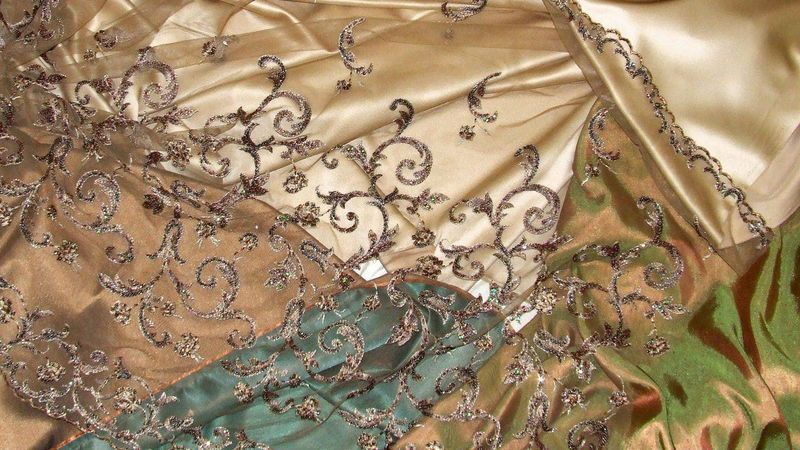
Formalwear asks more from fabric than simply looking pretty on a shelf. Allyn’s Fabric & Bridal Supply specializes in garment, formalwear, and bridal materials, with trims and sewing supplies at 3200 S Acoma St in Englewood.
That focus matters when a project involves layers, careful finishing, or details that will appear in close photographs. A wedding outfit or special occasion dress needs materials that work together, not just colors that happen to match.
Take the pattern, measurements, and any existing fabric samples along. Compare trims against the main material, and consider their weight as well as their appearance before choosing an edge treatment or decorative detail.
Ask about the care needs of each material before combining them in one garment. Different fabrics may need different handling, and a beautiful trim is less useful if it complicates cleaning beyond what you can manage.
Testing a small sample first is sensible for unfamiliar materials.
Leave room in the budget for lining, closures, and finishing supplies rather than spending everything on the outer fabric. Confirm current hours and the availability of any specific material before traveling.
Allyn’s Fabric & Bridal Supply belongs on a focused shopping plan, where the goal is a finished garment rather than an impressive pile.
7. The Craft Box, Wheat Ridge
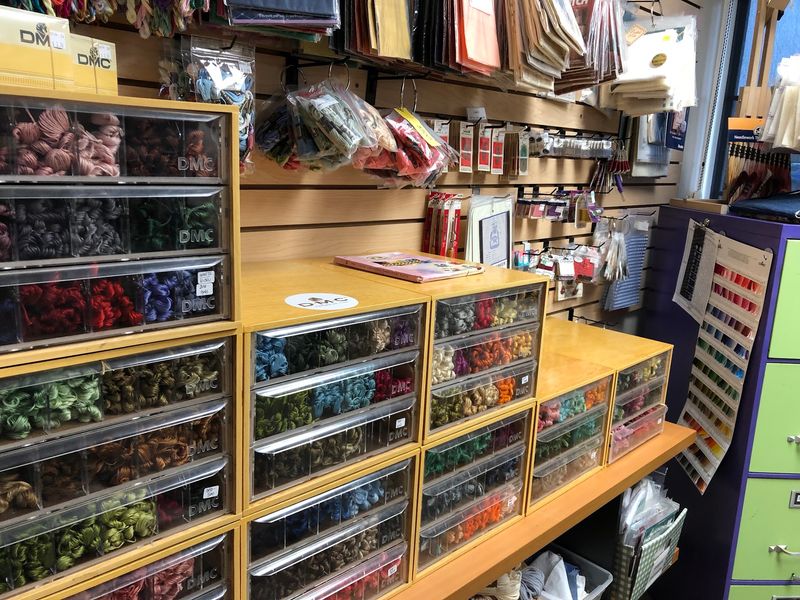
One missing button should not require buying supplies for an entire wardrobe. The Craft Box, at 6191 W 44th Ave in Wheat Ridge, sells secondhand sewing and crafting materials, including buttons and other useful small finds.
Its reuse model suits shoppers who enjoy working with available materials rather than ordering an exact set. The store also offers sewing and mending classes, adding a learning option to the search for affordable supplies.
Bring the garment when matching a button, or carry a clear photo beside a ruler. Size, thickness, and the number of holes matter, particularly if you want a replacement that works with an existing buttonhole.
For Colorado families teaching a child to sew, reclaimed materials can keep practice projects modest in cost. Inspect tools and supplies before buying, and choose projects that fit the learner’s skills.
A basic repair or small fabric pouch can teach useful lessons without needing a large supply haul.
Check the current class calendar for subjects, registration details, and required materials. Secondhand stock changes, so treat the visit as a search rather than a promise of one exact item.
The Craft Box is especially relevant when your goal is to repair, reuse, and finish something already waiting in the sewing basket.
8. The Creative Needle, Littleton
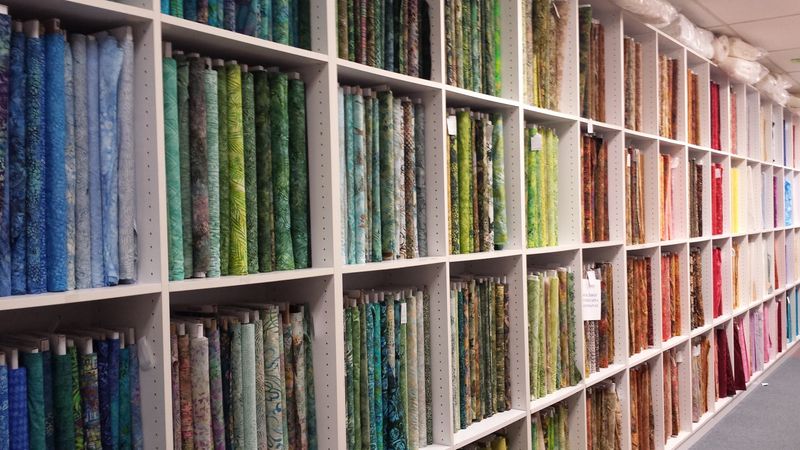
A stubborn sewing machine can make even good fabric feel like a poor purchase. The Creative Needle combines quilting fabric and stitchery supplies with sewing machines, classes, and machine servicing at 6905 S Broadway, Suite 113, in Littleton.
Having supplies and equipment services associated with one shop gives the visit a different purpose from a simple fabric browse. It is relevant when your project needs materials, but your machine also needs attention.
Before arranging service, note the machine’s brand, model, and symptoms. Ask what parts or accessories you should bring and confirm the current intake process instead of arriving with an incomplete setup.
For fabric shopping, take your quilt measurements and check which supplies the pattern requires. If you are considering a machine purchase, write down what you sew most often and which tasks cause trouble.
A long feature list is not much help if it does not solve your actual problems.
Classes can support beginners or makers learning a new technique, but review the current listings for skill levels and equipment requirements. Avoid assuming every class covers basic machine use.
The Creative Needle makes a practical stop for someone building a sewing setup that works together, from the fabric under the needle to the machine.
9. The Quilt Store, Broomfield
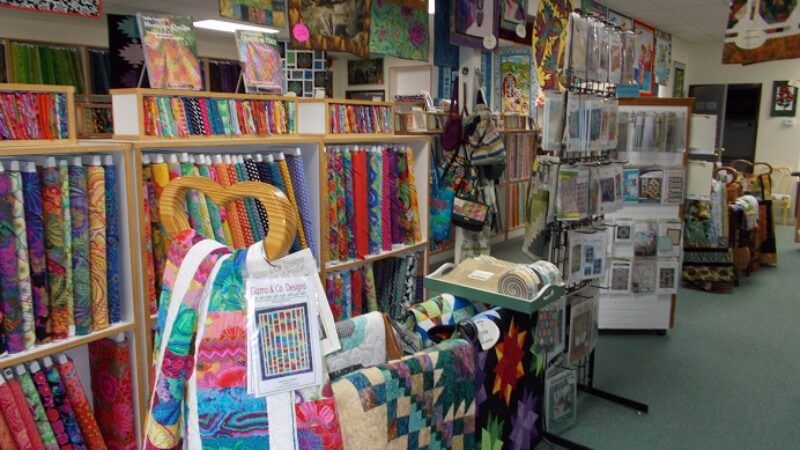
Finishing a quilt requires a different shopping plan from starting one. The Quilt Store in Broomfield carries fabrics, notions, kits, and patterns, but its professional longarm quilting service also addresses the stage when a finished top needs quilting.
You will find the shop at 12716 Lowell Blvd. Its combination of supplies and finishing services makes it relevant to both new projects and the carefully pieced top that has been waiting for months.
Before asking about longarm work, record your quilt top’s measurements and review the shop’s current preparation instructions. Confirm backing and batting requirements, scheduling, and design choices before buying materials or promising someone a completion date.
A kit can simplify fabric selection, but check exactly what it includes. Backing, binding, or batting may need separate purchases, depending on the kit.
Reading that list first is less exciting than opening the package, but considerably more useful.
Colorado quilters can also review the class calendar for help with specific skills. Choose instruction that matches the problem you want to solve rather than signing up only because a sample looks appealing.
The Quilt Store offers a clear reason to think beyond the fabric purchase: a quilt is not finished until its layers are secured and its edges handled.
10. Fabric Play Quilting, Aurora
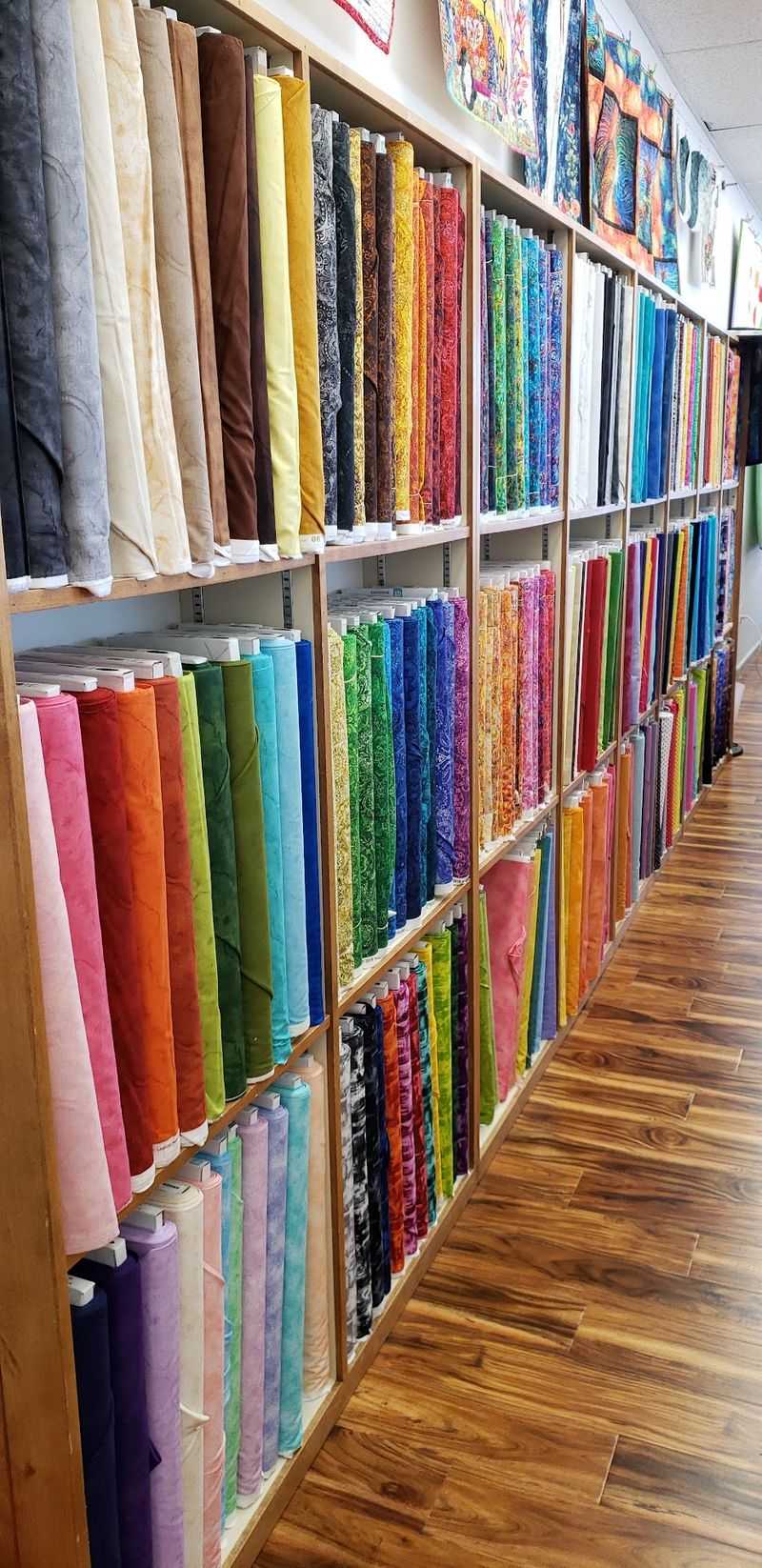
Precut fabric can shorten the path between choosing colors and actually sewing. Fabric Play Quilting carries quilting cottons and precuts alongside appliqué supplies, patterns, and notions at 16653 E Smoky Hill Rd in Aurora.
The shop also lists classes, longarm quilting, and machine rental. Those options give shoppers more to consider than a stack of coordinating fabric, especially when a project needs equipment they do not keep at home.
Check a precut package against your pattern before buying it. Piece size, fabric count, and required yardage still matter, and an attractive bundle is not automatically the right starting point for every quilt.
Appliqué projects benefit from a similarly careful list. Identify the method your pattern uses, then ask about suitable supplies rather than buying every adhesive or stabilizer available.
The right materials depend on how the pieces will be attached and finished.
For machine rental, confirm which equipment is offered, what training is required, and how booking works before planning a session. Ask separately about longarm service if you would rather have the quilting done for you.
Fabric Play Quilting supports several stages of a project, but the best visit begins with one clear goal: selecting fabric, learning a technique, or getting a quilt closer to completion.