
Did You Know Washington Has An Entire Frontier Town Frozen In Time Near Lake Roosevelt?
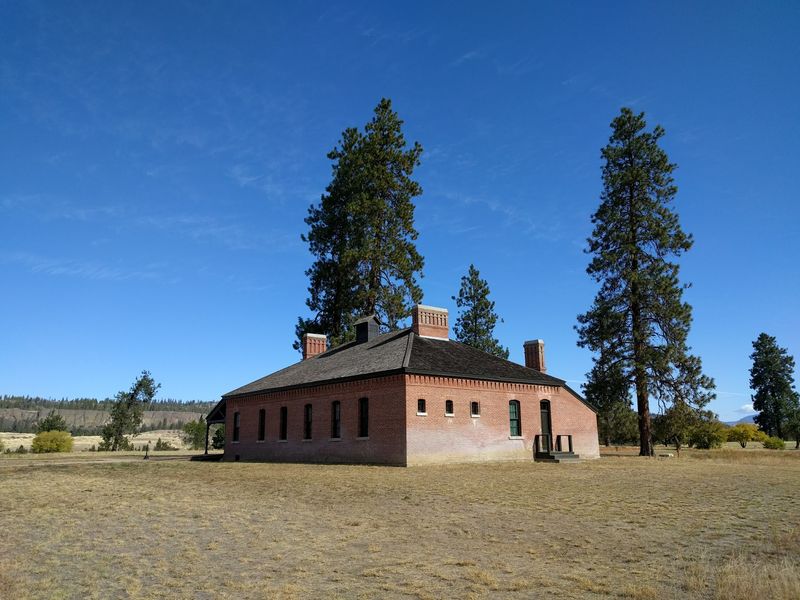
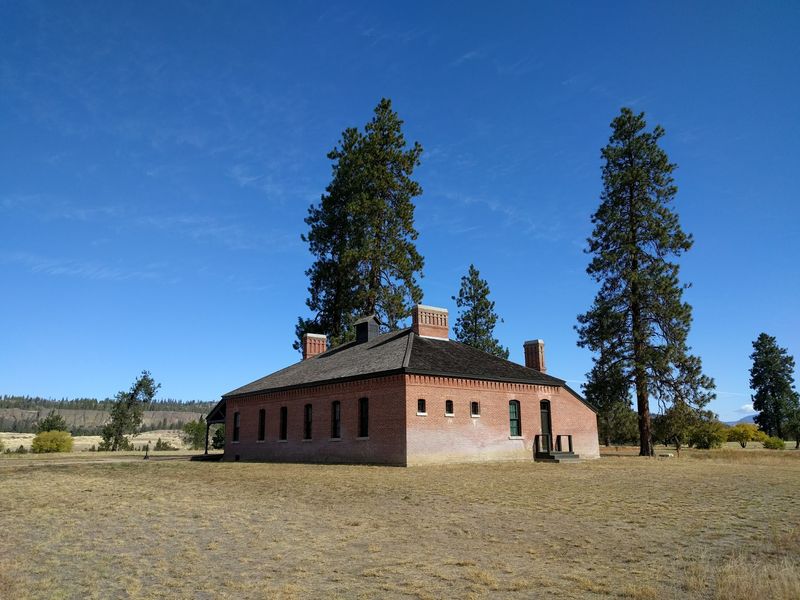
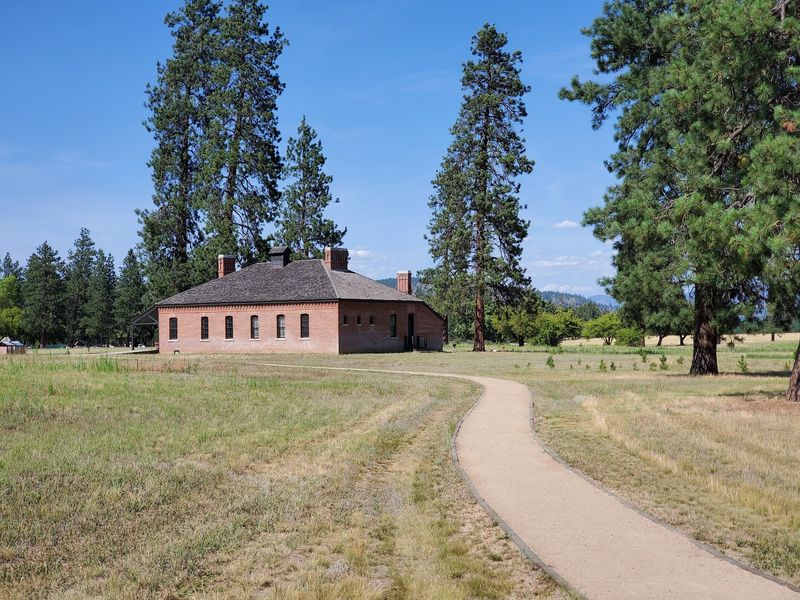
A brick guardhouse built in 1892 now welcomes visitors as a little museum in eastern Washington. Yes, the old lockup became the friendliest building on the grounds.
The U.S. Army built an entire post here in 1880, right where two major rivers meet.
Later, the same grounds became a boarding school for Native American children and then a hospital.
Only a few original buildings still stand, but the wide parade ground remains open to the sky. A trail with signs leads you past old foundations, a stable, and a stone powder magazine.
I like how this spot squeezes more than a century of change into one easy afternoon walk. Add a sandy swim beach just down the hill, and the whole outing starts sounding like a summer plan worth making.
An Old Army Post Where Two Rivers Shake Hands
Fort Spokane sits on a bluff where the Spokane River flows into the Columbia, now part of Lake Roosevelt. The view alone explains why the Army picked this corner of eastern Washington.
Today the site belongs to Lake Roosevelt National Recreation Area, managed by the National Park Service. That means the grounds are cared for, signed, and open for exploring at your own pace.
Calling it a frozen frontier town stretches things a little, and honesty matters here. Most of the original buildings are gone, leaving foundations and outlines in the grass.
Still, a handful of real structures survive from the 1880s and 1890s. They stand around the old parade ground like the last guests at a very long party.
The result feels part museum, part park, and part time machine with the batteries running low. You can stroll the whole layout and actually picture where barracks, officer homes, and offices once stood.
Fort Spokane works best for curious folks who enjoy filling in blanks. Bring a bit of imagination, and the empty spaces start talking.
Why Soldiers Showed Up Here In 1880
Back in 1880, the U.S. Army moved troops to this river junction for a very specific job.
Soldiers were sent to keep peace between incoming settlers and the tribes living on nearby reservations.
The Colville Reservation lies across the Columbia, and the Spokane Reservation sits just to the east. Fort Spokane landed right between them, which tells you a lot about its purpose.
Interestingly, the post never saw major fighting during its Army years. Most days involved drills, chores, supply runs, and the routine of life far from any big city.
At its peak, the fort grew into a busy community with dozens of buildings. Barracks, a hospital, officer quarters, and storage sheds filled the grounds above the river.
By 1898, the soldiers were pulled out for duty elsewhere, and the Army chapter closed. The post had lasted less than two decades, yet its story was far from finished.
Knowing this background makes the walk around the grounds more meaningful. Every foundation marks a place where ordinary people once worked, waited, and wondered about the future.
A Second Life As A Boarding School And Hospital
Soldiers left, but the buildings did not sit empty for long. Starting around 1900, the grounds became a boarding school for Native American children from the region.
That era is an important and difficult part of the site’s story. Children were taken from their families and taught under rules meant to replace their languages and traditions.
The National Park Service shares this history openly through signs and exhibits. I believe that honesty makes Fort Spokane far more valuable than a simple pretty postcard.
After the school closed around 1914, the property served for a time as a hospital. Eventually the federal government shut the whole complex down and many buildings were removed or sold.
So the grounds carry three very different chapters layered on top of each other. Army life, school life, and hospital life all happened on the same patch of Washington ground.
Reading those signs slowly is worth the extra few minutes. The quiet setting gives you room to think about the people behind each chapter.
The Brick Guardhouse That Swapped Jail Duty For Museum Work
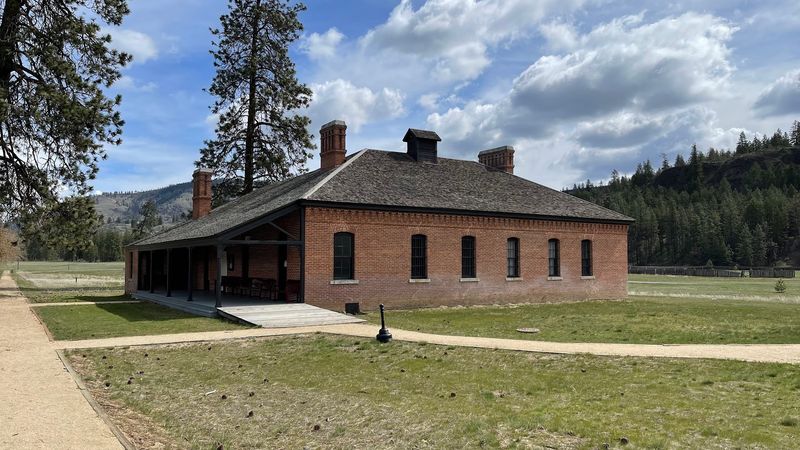
Few buildings get a career change this dramatic. The brick guardhouse, built in 1892, once held soldiers who broke the rules.
Today it serves as the visitor center and museum for Fort Spokane. The former lockup now welcomes guests instead of confining them, which feels like a pretty good redemption arc.
Inside, exhibits cover the Army years, the boarding school period, and life in the region. Displays help connect the empty grounds outside with the people who once filled them.
The red brick stands out sharply against the grass and the dry eastern Washington hills. It’s easily the most photogenic building on the property, especially in afternoon light.
Plan your visit with the building’s schedule in mind. The visitor center typically operates seasonally, mainly during the warmer months, so checking with the National Park Service first is smart.
Starting your walk here gives the rest of the site context. Once you understand the layout, every foundation and sign along the trail makes more sense.
Horses Once Ruled This Long Wooden Stable
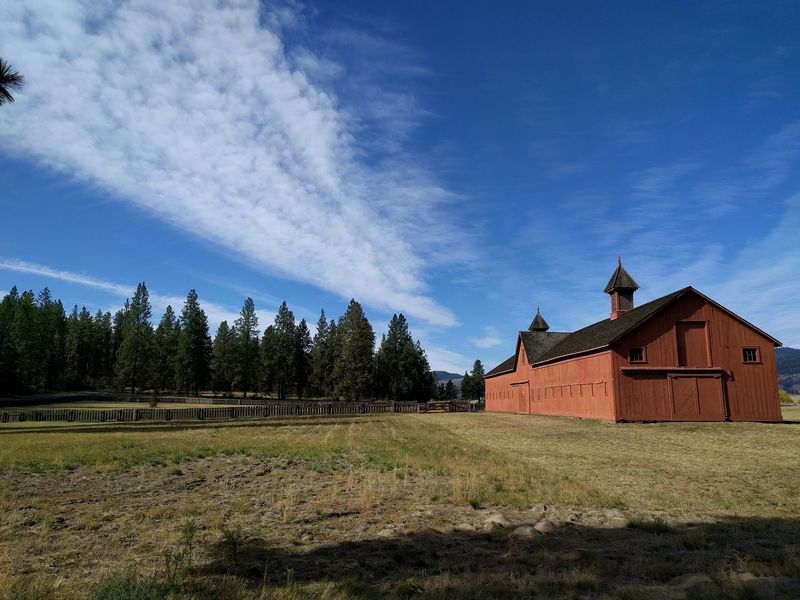
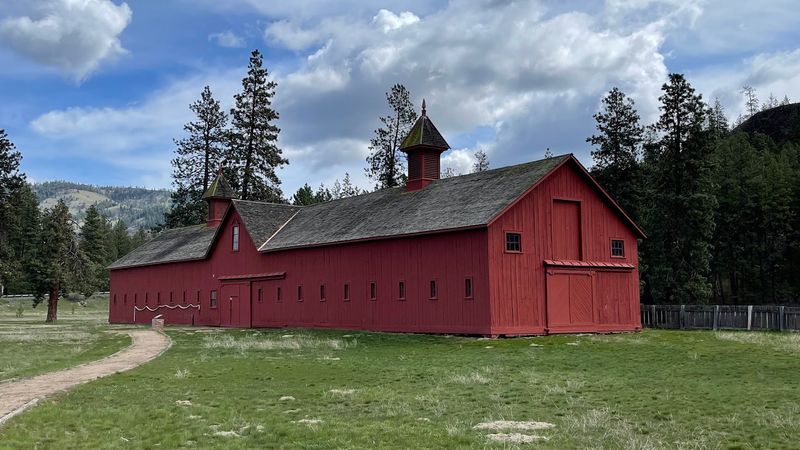
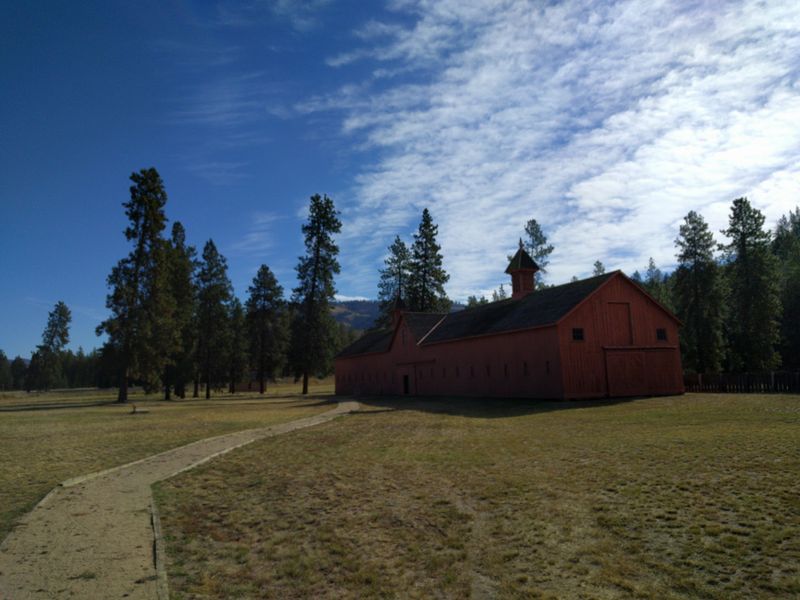
Before trucks and paved highways, a frontier post ran on horsepower of the literal kind. The quartermaster stable at Fort Spokane dates to 1884, making it the oldest surviving building on site.
Mules and horses hauled supplies, pulled wagons, and kept the whole operation moving. Without them, a remote post like this would have struggled to function at all.
The stable’s long shape tells you how many animals it needed to house. Standing beside it, you get a real sense of the scale of daily work here.
Kids especially tend to connect with this part of the story. Animals make history easier to picture than dates and official orders ever could.
Interpretive signs nearby explain how the stable fit into the fort’s routine. They add helpful detail without turning the stop into a lecture.
I can’t imagine the noise and smell this building held back in the 1880s. Now it stands quiet in the breeze, which is probably a welcome retirement.
Small Stone Buildings With Big Jobs
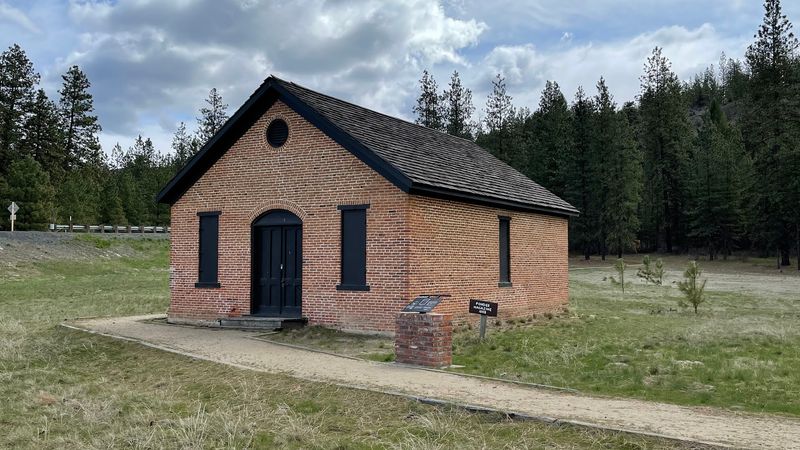
Tiny buildings sometimes carry the most interesting stories. Fort Spokane’s powder magazine is a compact stone structure built to safely store the post’s ammunition supplies.
Thick walls and a separate location kept that storage away from barracks and homes. Smart planning, considering the alternative would have made everyone very nervous.
Another surviving piece is the old reservoir, which helped supply water to the post. Running water on the frontier was no small achievement in this dry part of Washington.
Together with the guardhouse and stable, these structures make up the handful of originals still standing. They act like anchor points while you trace the rest of the layout.
Each one gives you a different glimpse of daily life at the post. Storage, water, horses, and discipline all needed their own spaces.
Spending a moment at each spot turns the walk into a little scavenger hunt. Families might even make a game of finding all the surviving buildings before heading to the beach.
A Self-Guided Trail Through Missing Buildings
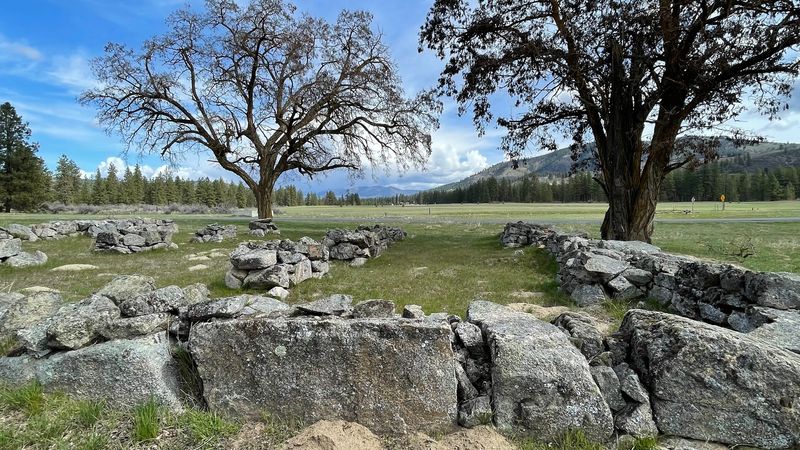
Ghost outlines might be the coolest feature here. A self-guided interpretive trail loops around the old parade ground and past the spots where buildings once stood.
Signs along the way explain what each site held and who used it. Officer quarters, barracks, and other structures come back to life through photos and short descriptions.
The walk is easygoing and fits nicely into a relaxed afternoon. You don’t need hiking boots or a trail map stuffed with switchbacks.
Open views stretch across the grounds toward the water and the surrounding hills. On a clear day, the setting makes the history feel even more vivid.
Grandparents and grandkids can do this one together without anyone running out of steam. Take breaks, read the signs aloud, and let curiosity set the pace.
Shade can be limited across the open grass in summer. A hat and water bottle will make the loop far more pleasant during warm Washington afternoons.
How A Dam Turned The Rivers Into Lake Roosevelt
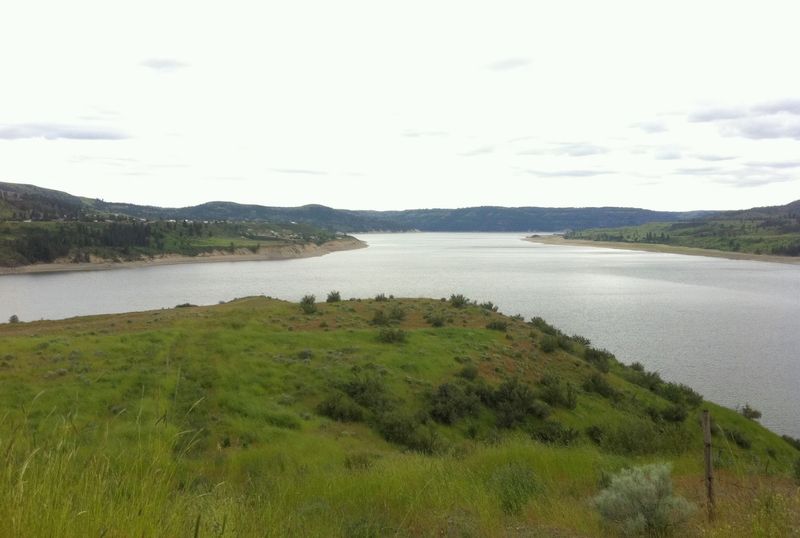
Here’s a twist the original soldiers never saw coming. The rivers below the fort look completely different today because of Grand Coulee Dam.
Completed in the early 1940s, the dam backed up the Columbia into a reservoir stretching roughly 150 miles. That body of water was named Franklin D.
Roosevelt Lake, usually shortened to Lake Roosevelt.
The Spokane River arm now joins the lake right near Fort Spokane. So the confluence that drew the Army in 1880 has become a wide, sparkling waterway.
That change transformed the area into a recreation spot as much as a history stop. Boaters, swimmers, and campers now share the region with history fans.
Lake Roosevelt National Recreation Area protects much of the shoreline today. It ranks among the larger outdoor playgrounds in eastern Washington.
Standing on the bluff, you’re looking at two eras at once. Frontier history sits on the hill, and modern lake life spreads out below it.
Your History Lesson Comes With A Beach
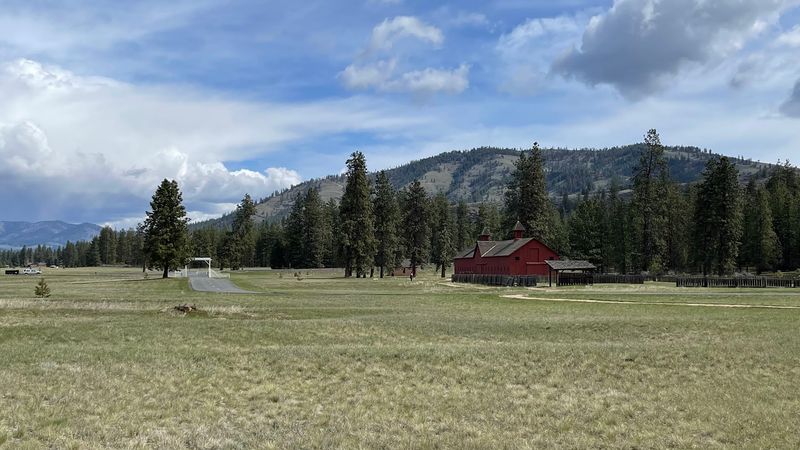
Swimsuits and history signs rarely share the same packing list. At Fort Spokane, they absolutely should.
Just below the historic grounds, the Fort Spokane area includes a campground, a swim beach, and a boat launch. That combo makes it easy to turn a quick museum visit into a full summer day.
The campground sits close to the water, which suits families wanting simple lake time. Picnic spots add another easy option for a lunch break between exploring and swimming.
Boaters can launch onto the Spokane River arm of Lake Roosevelt from here. From the water, you get a fresh perspective on the bluff where soldiers once lived.
Fees may apply for camping and boat launching within the recreation area. Checking current National Park Service information before you go can save surprises at the gate.
For budget-minded families, this setup is hard to beat. One destination covers history, swimming, and fresh air without bouncing between pricey attractions.
Quiet Afternoons For Curious Minds Of Every Age
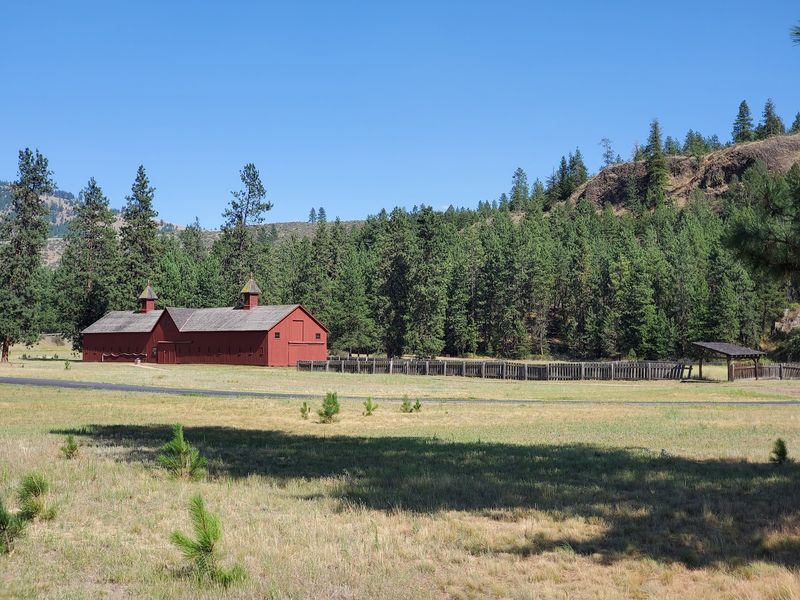
Big crowds and flashing screens are not the draw here. Fort Spokane offers open space, a soft breeze, and room to think.
History buffs will enjoy connecting the Army post to wider frontier stories in Washington. Families can mix learning with lake time and never feel stuck in a stuffy building.
Retirees looking for a calm, affordable outing may find this a great fit. The walking is manageable, and the pace is entirely up to you.
Photographers have plenty to work with too. Red brick, golden grass, and blue water make a lovely color combination in good light.
The mood shifts depending on where you stand. Near the signs about the boarding school, it feels reflective and serious.
Down by the beach, the energy turns playful and summery. That contrast gives the visit surprising emotional range for such a small site.
Anyone who likes stories over spectacle will feel right at home. It rewards people who slow down and read.
Road Trip Notes Before You Head North
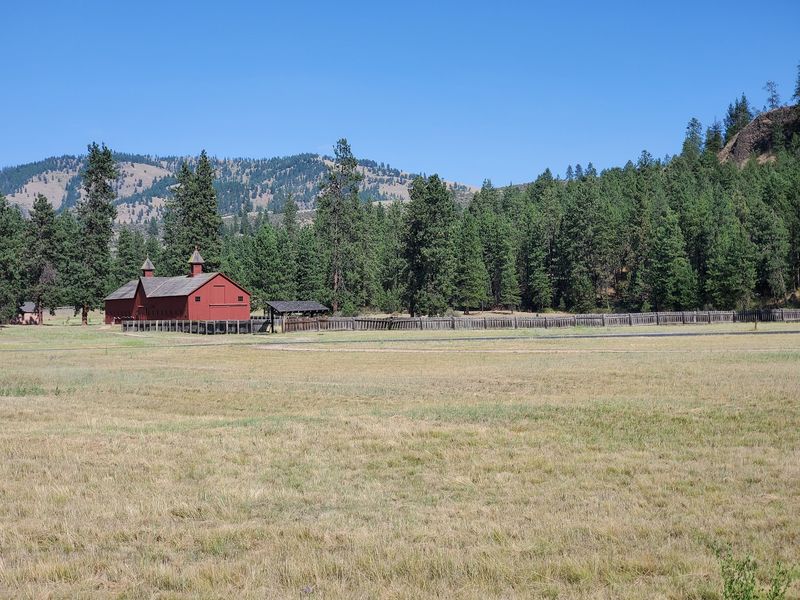
Getting there is part of the fun, honestly. Fort Spokane sits in Lincoln County, with the general address listed as Washington 99122.
Most travelers reach it on State Route 25, heading north from the town of Davenport. The drive runs roughly 20-some miles through wide-open farm country before dropping toward the lake.
From Spokane, plan on a scenic drive of around an hour and a half, depending on your route. Fill up the tank and grab snacks in town, since services thin out quickly.
The historic grounds are generally open for walking year-round. The visitor center and museum usually keep seasonal hours, mostly in summer, so confirm ahead.
Summer brings the most activity, with the beach and campground at their busiest. Spring and fall can offer cooler temperatures for strolling the trail.
Cell service can be patchy in parts of this region. Downloading directions before leaving town is a simple move that keeps the day stress-free.
A Small Fort With A Surprisingly Big Story
So, is it truly a frontier town frozen in time? Not exactly, and that’s okay.
Fort Spokane gives you something more honest than a perfect replica. You get real buildings, real foundations, and real stories that stretch from 1880 into modern lake life.
The guardhouse museum, the old stable, and the stone magazine each add a piece. The interpretive trail ties them together into one easy, meaningful walk.
Then the beach and campground sweeten the deal for summer visitors. Few Washington history stops let you cool off in a lake afterward.
I like that the site doesn’t hide its harder chapters. It treats visitors like thoughtful adults who can handle a full and complicated story.
For families, retirees, and road trippers in eastern Washington, it makes a wallet-friendly day with real substance. Pack a picnic, check seasonal hours, and give the place a slow afternoon.
Odds are you’ll leave knowing far more than you expected. That’s a pretty good trade for one scenic drive north.