
Discover New York’s Hidden Fishing Lake With Stunning Mountain Views And Quiet Campgrounds
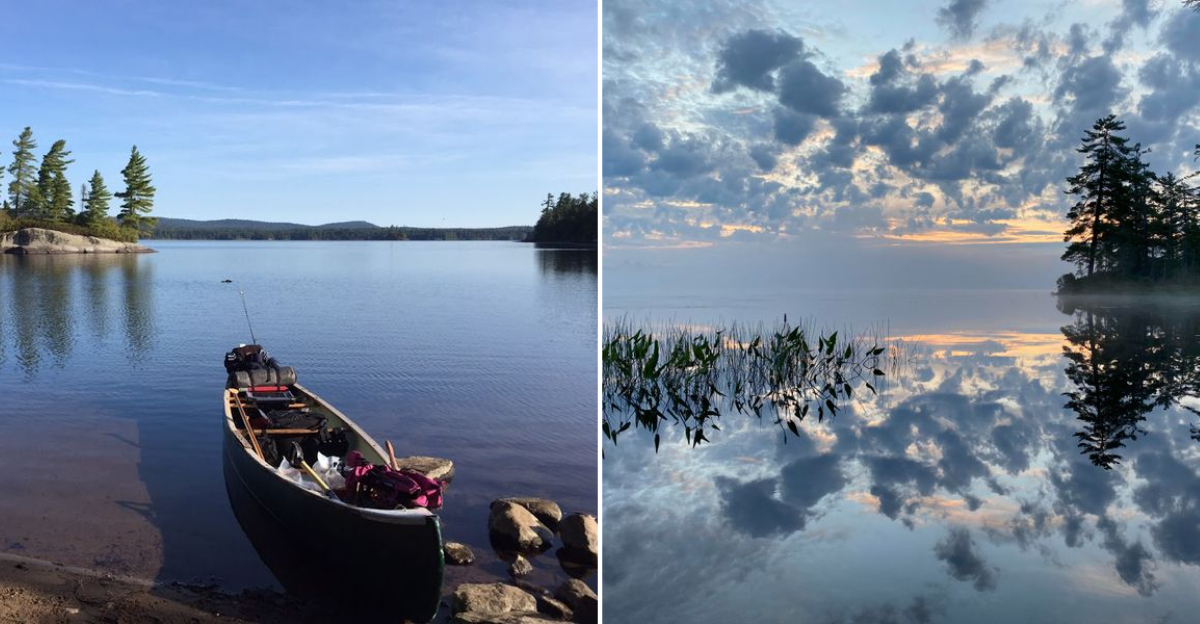
Little Tupper Lake sits tucked into the William C. Whitney Wilderness, a remote corner of the Adirondacks that most tourists skip right past. This 2,300-acre lake offers something rare: true quiet, miles of paddle routes, and backcountry campsites you can only reach by canoe.
If you crave stillness, wild trout, and the kind of solitude that makes you forget your phone even exists, this forgotten gem might just become your new favorite escape. I remember leaning back in my canoe, letting the morning mist wrap around me, and thinking I’d stumbled into my own little piece of paradise.
My Tiny Adventure To Whitney Headquarters (How I Got In)
Getting to Whitney Headquarters means winding through back roads until pavement gives way to gravel, then dirt. The last stretch bounces your suspension and makes you grateful for sturdy tires. Once you park, you’ll hoist your canoe or kayak from the rack and carry it down to the launch, a simple put-in that feels wonderfully unpolished.
I remember tightening the straps on my borrowed Old Town, double-checking my drybag, and feeling that familiar pre-adventure flutter. These small rituals matter. They shift your mindset from everyday hustle to backcountry mode.
Arrive early on summer weekends if you want a good parking spot and first pick of campsites across the water.
A Motor-Free Escape: Why Silence Rules Here
Little Tupper is one of the few Adirondack lakes where motorboats, jet skis, and floatplanes are effectively banned. That absence of engines transforms the entire experience. Instead of roaring outboards, you hear loons yodeling, paddles dipping, frogs croaking, and wind whispering through white pine.
My first morning on the water, I stopped paddling just to listen. The hush was so complete I could hear my own heartbeat. No wakes, no fuel smell, no drone overhead.
Compared to busier lakes like Saranac or Raquette, Little Tupper feels like you’ve slipped off the map entirely, and that quiet is part of its magic.
Canoes, Kayaks, And The Routes I Loved
Dawn loops past the lake’s scatter of islands are pure magic, especially when mist hangs low and the water looks like hammered glass. Paddle southeast toward the outlet that flows to Round Lake, or explore the western bays where herons hunt in the shallows. Multi-day paddlers can use carry-over portages to link neighboring waters.
Islands make perfect lunch stops. Pull your boat onto a rocky shore, stretch your legs, and snack while dragonflies buzz past.
Just remember: most campsites here are boat-access only, so pack your food, stove, and gear in waterproof bags. Plan your route before you push off.
Fishing The Legends: Brook Trout, Bass, And Heritage Fish
Anglers whisper about Little Tupper like it’s a secret handshake. The lake holds smallmouth bass, sunfish, and a heritage strain of brook trout that draws fly-fishing purists from across the Northeast. DEC Region 5 rules apply here, including catch-and-release windows and artificial-lures-only periods, so check current regulations before you cast.
I felt my first tug near a submerged log just after sunrise. Light slanted through the pines, turning the water amber.
The smallmouth twisted free before I could net it, but that brief electric connection was enough. This is fishing at its most honest and rewarding.
Sleeping Under The Pines: The Primitive Campsites I Loved
Camping in the Whitney Wilderness means designated primitive sites only, all first-come, first-served, and all wonderfully rustic. Fires are allowed in established rings, but you’ll need to haul in your own gear by boat. Expect basic pit privies at best, or none at all.
Setting up camp on an island feels like a small triumph. Stars blaze without city light, pine duff cushions your steps, and water laps softly against your tarp edges all night.
The smell of woodsmoke and wet canvas becomes your new favorite cologne. Bring a camp stove, pack out every scrap of trash, and embrace the backcountry vibe wholeheartedly.
The Wildlife, Wildflowers, And Small Ecstasy Moments
Loons call at dawn like they own the place, and honestly, they do. White-tailed deer step cautiously from the tree line at dusk, songbirds flit through the canopy, and dragonflies patrol the shallows like tiny helicopters.
Every season brings its own mood: black-fly chaos in spring, warm perfect paddles in July and August, and brilliant fall color in September and October. One morning I watched two loons duet across the bay, their haunting tremolo echoing off the hills.
That single moment justified every mosquito bite and sore shoulder. These small ecstasies are why we go.
The Little Lessons I Learned Before I Left
Before you go, check DEC regulations and seasonal closures online. Bring bug spray, a reliable water filter, and consider a high-clearance vehicle if you’re visiting in spring when roads turn soupy. Cell service is spotty at best, so download maps and tell someone your itinerary.
Practice Leave No Trace principles religiously. Pack out everything you pack in, use established fire rings, and be self-sufficient.
This is true wilderness, not a state park with flush toilets and rangers on call. Find your own quiet morning on Little Tupper and see why it hooked me so completely.
Why This Lake Hooked Me (And Will Hook You)
Little Tupper gave me something I didn’t know I was missing: permission to slow down. No marina bustle, no weekend party boats, no pressure to post the perfect sunset shot. Just water, wood, and the kind of stillness that resets your internal clock.
Every paddle stroke felt purposeful. Every campfire conversation mattered. The lake’s remoteness forced me to be present, and I left feeling lighter, sharper, and more myself.
If you’re craving an escape that feels genuinely off-grid, this forgotten corner of the Adirondacks is waiting. Pack your boat, bring your curiosity, and let the quiet work its magic.