
Discover 14 Of Florida’s Best Off-The-Beaten-Path Adventures For Nature Lovers

Florida is often pictured as beaches and theme parks, but the state hides wild, lesser-known adventures waiting for nature lovers.
From hidden trails and secret springs to quiet mangroves and untouched forests, these off-the-beaten-path spots offer fresh air, wildlife, and a break from the crowds.
Each destination invites exploration, whether it’s paddling along a winding river, hiking through shaded paths, or spotting birds and turtles in peaceful habitats.
In Florida, the thrill of discovery blends with the state’s natural beauty, rewarding those who seek solitude, unexpected landscapes, and experiences that feel like a private invitation into the Sunshine State’s wild side.
1. Fakahatchee Strand Preserve State Park — Copeland

Ghost orchids bloom in shadowy corners where most people will never tread.
This massive swamp forest near Copeland is known for an extraordinary variety of native orchids, including the legendary ghost orchid that captivated orchid lovers for generations.
Walking the wooden boardwalk feels like stepping into prehistoric times.
Bald cypress trees tower overhead while native royal palms create a rare tropical canopy that stands out in the continental United States.
Black bears, Florida panthers, and white-tailed deer use this roughly 85,000-acre preserve as important habitat.
Winter months bring the best wildlife viewing when water levels drop and animals gather near remaining pools.
Rangers lead swamp walks where you’ll wade through knee-deep water in habitat shared with alligators and rare apple snails.
The preserve sits along Highway 29, making it surprisingly accessible despite its wild reputation.
2. Ten Thousand Islands National Wildlife Refuge — Southeast of Naples
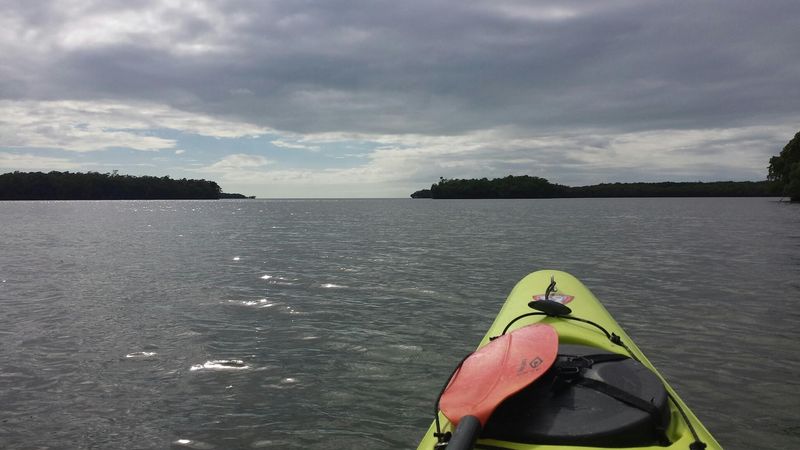
Counting all these islands would take longer than paddling through them.
South of Naples, this watery maze of mangrove islands stretches across roughly 35,000 acres of protected coastal wilderness near Everglades City.
Many visitors never venture beyond the popular beaches, leaving much of this labyrinth to adventurous paddlers and nature enthusiasts.
Bottlenose dolphins may surface near your kayak while manatees use shallow seagrass areas.
The refuge protects critical habitat for species such as loggerhead sea turtles and wood storks.
Paddling the narrow channels between islands can reveal quiet beaches where shells pile up untouched.
Access is typically by boat, with nearby launch areas serving as common starting points for day trips through the mangroves.
Bring plenty of water and sun protection since shade is scarce among the low mangroves.
Tide charts become your best friend when navigating these shallow waters.
3. Chassahowitzka National Wildlife Refuge — South of Crystal River
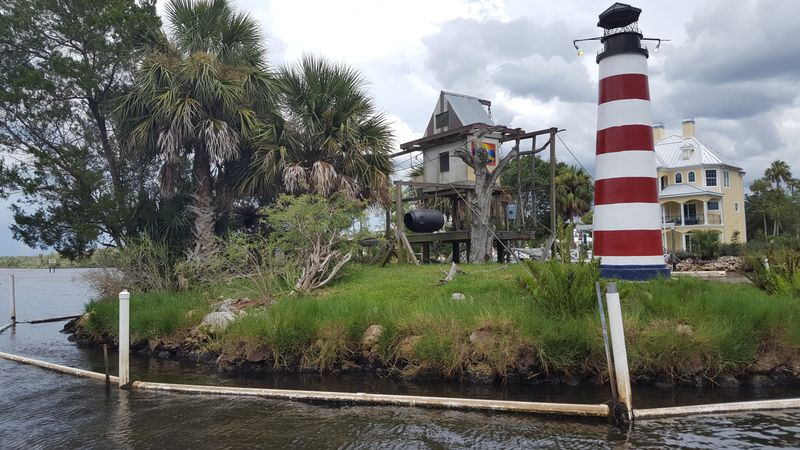
Spring-fed rivers wind through salt marshes where freshwater meets the Gulf of Mexico.
South of Crystal River, this roughly 31,000-acre refuge protects spring-fed waters, coastal marshes, and mangrove-lined channels that remain blissfully uncrowded compared to nearby tourist magnets.
Manatees use warm spring-fed areas during winter, drawn by steady water temperatures.
The name comes from a Seminole word meaning “hanging pumpkins,” referring to wild gourds that once grew along the riverbanks.
Paddling these waters takes you past ancient cypress trees draped in Spanish moss.
Scallop season brings locals who know the best spots, but vast areas remain yours alone to explore.
Access the refuge by boat from public launches in the region, including areas along U.S. 19.
Bring snorkeling gear for clear spring runs and to observe freshwater fish in bright, shallow water, while respecting posted wildlife guidance.
Fall and winter offer the most comfortable temperatures and best wildlife viewing opportunities.
4. Lower Suwannee National Wildlife Refuge — Near Cedar Key
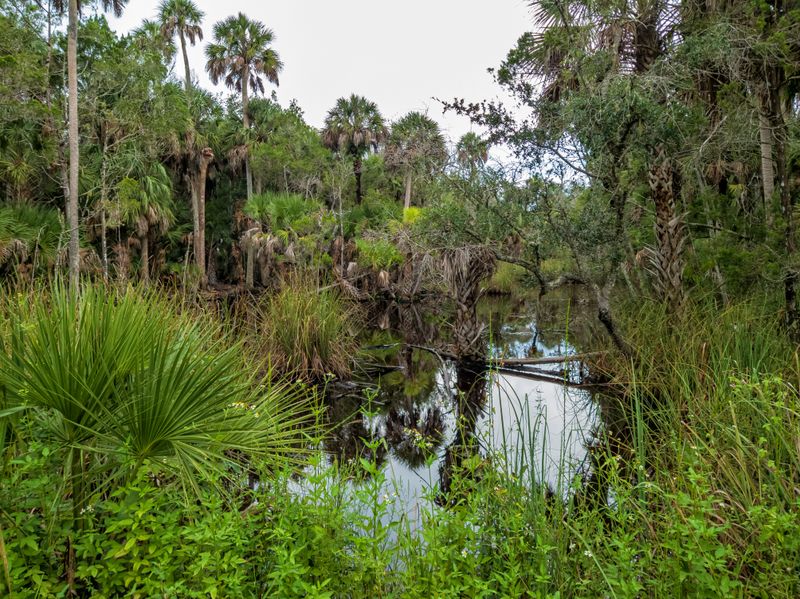
Where the Suwannee River finally surrenders to the Gulf, magic happens daily.
Near Cedar Key, this 53,000-acre refuge protects the river’s vast delta where freshwater swamps transition into coastal salt marshes.
Old Florida lives on here, unchanged by modern development that transformed much of the coastline.
More than 250 bird species pass through during migration, making it a paradise for birdwatchers with binoculars and patience.
The River Trail offers an easy hike through hardwood hammocks where deer browse and wild turkeys strut.
Fishing enthusiasts cast lines for redfish and sea trout in quiet backwaters.
Shell Mound, an ancient ceremonial site built by indigenous peoples, rises from the marshes as testament to thousands of years of human history.
Drive the scenic wildlife drive or paddle the marked water trails for different perspectives on this diverse ecosystem.
5. Kissimmee Prairie Preserve State Park — Okeechobee Area
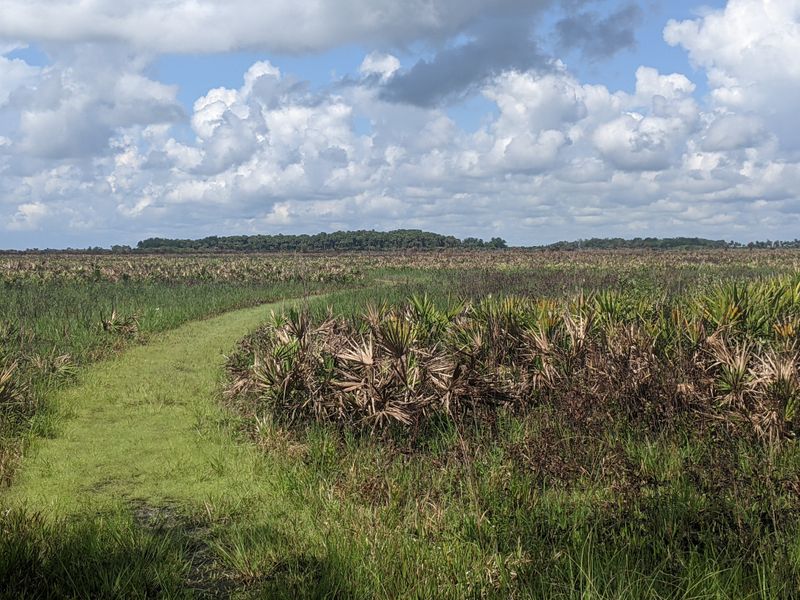
Endless grasslands stretch to the horizon like an inland sea of green.
The Okeechobee area holds this 54,000-acre preserve that protects one of Florida’s rarest ecosystems: dry prairie.
Bison once roamed similar landscapes across the state, but this remnant offers a glimpse of pre-settlement Florida that few people recognize.
Crested caracaras, Florida’s most distinctive raptor, hunt across the open plains alongside burrowing owls and sandhill cranes.
After dark, the preserve transforms into one of the best stargazing locations in Florida, certified as an International Dark Sky Park.
Milky Way views rival anything found out west.
Primitive camping sites let you experience the prairie overnight when coyotes howl and nighthawks swoop overhead.
The park sits northwest of Okeechobee, with access via the park entrance roads rather than Highway 98 between Okeechobee and Yeehaw Junction.
Bring binoculars, insect repellent, and a sense of adventure to this overlooked treasure.
6. Green Swamp Wilderness Preserve — Central Florida
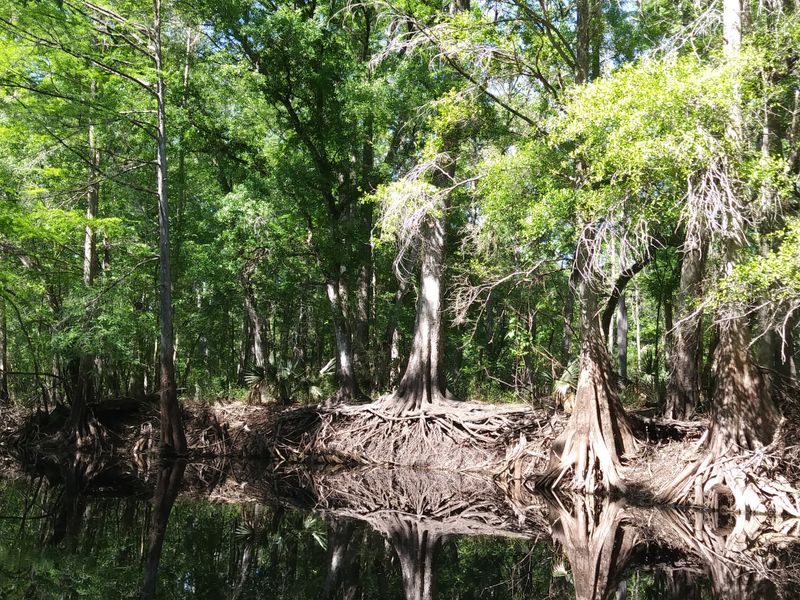
Central Florida’s water supply begins in this soggy wilderness that most residents never visit.
The Green Swamp Wilderness Preserve spans about 110,000 acres and supports headwaters tied to four major river systems including the Hillsborough, Oklawaha, Peace, and Withlacoochee.
Despite sitting near major cities, it remains remarkably wild and empty.
Hiking trails wind through pine flatwoods and cypress domes where black bears leave tracks in the sandy soil.
The preserve protects headwater landscapes that contribute to drinking water supplies downstream. Carnivorous pitcher plants thrive in wet prairies alongside delicate orchids.
Rock Ridge Trail offers the best introduction with a manageable four-mile loop through diverse habitats.
Summer brings afternoon thunderstorms and aggressive mosquitoes, so visit during cooler months.
The preserve has multiple access points, with nearby public lands in the region providing the most developed facilities and parking areas.
7. Disney Wilderness Preserve — Kissimmee

Mickey Mouse has inspired a nature preserve story, and hardly anyone knows about it.
Near Kissimmee, the Disney Wilderness Preserve protects roughly 11,500 acres of genuine Florida wilderness, managed by The Nature Conservancy, connected to conservation mitigation linked to Walt Disney World development.
Unlike the theme parks, this place charges no admission and sees few visitors despite offering some of the region’s best hiking.
Restoration efforts transformed former ranch land back into thriving wetlands and pine flatwoods.
Sandhill cranes nest here, and caracaras hunt across open prairies.
The preserve demonstrates what Central Florida looked like before orange groves and housing developments took over.
Seven miles of trails loop through various ecosystems, including a boardwalk over Lake Russell.
Guided walks happen regularly, led by naturalists who share insights about ongoing conservation work.
Public access follows set daytime hours rather than a full summer closure, so plan with the posted schedule. Find it in the Kissimmee area near Pleasant Hill Road.
8. Tiger Creek Preserve — Babson Park
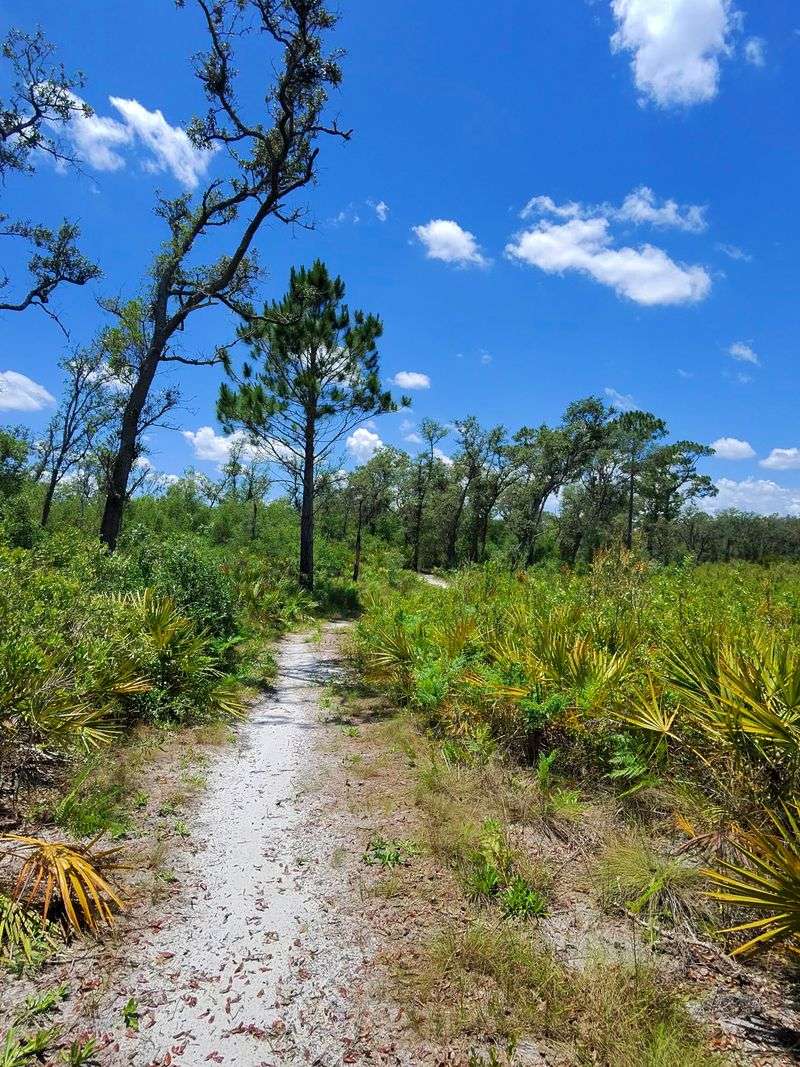
Ancient sand dunes hide in plain sight along Central Florida’s Lake Wales Ridge.
Near Babson Park, Tiger Creek Preserve protects 4,500 acres of endangered scrub habitat perched on sand deposited when ocean levels were much higher.
Walking these trails feels like exploring a beach forest miles from any coast.
Gopher tortoises dig burrows in the white sand while scrub jays hop between stunted oaks.
This globally rare ecosystem hosts dozens of plant and animal species found nowhere else on Earth.
The Nature Conservancy manages the preserve, keeping it pristine for future generations.
Trails range from easy nature walks to challenging treks through deep sand that works your leg muscles like a gym workout.
Visit during spring when wildflowers bloom, or in fall when temperatures drop and scrub lizards remain active.
The preserve entrance sits off Walk-in-Water Road, clearly marked but easily missed if you’re not watching carefully.
9. Apalachicola Bluffs and Ravines Preserve — Bristol
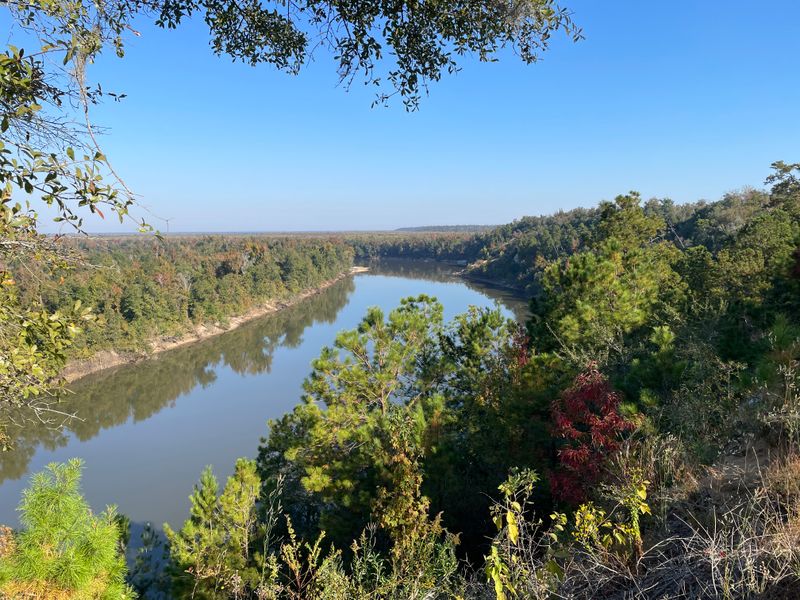
Florida has mountains, sort of. Near Bristol, dramatic bluffs rise above the Apalachicola River, creating some of Florida’s most significant elevation changes and a landscape of steepheads and ravines that feels rare in the state.
These ancient geological formations harbor plant communities more typical of Appalachian mountains than subtropical Florida.
Rare species like Torreya trees cling to steep slopes where they’ve survived since the Ice Age.
The preserve protects over 8,000 acres of this unique landscape managed by The Nature Conservancy.
Hiking the Garden of Eden Trail takes you down into cool ravines where temperatures drop noticeably.
Spring brings spectacular wildflower displays including trilliums and lady slippers rarely seen elsewhere in Florida.
The preserve remains genuinely remote with limited facilities, so bring water and be prepared for rugged conditions.
Find the entrance off County Road 12, about 20 miles northwest of Bristol. Cell service is spotty at best.
10. Bradwell Bay Wilderness — Apalachicola National Forest, Near Sopchoppy
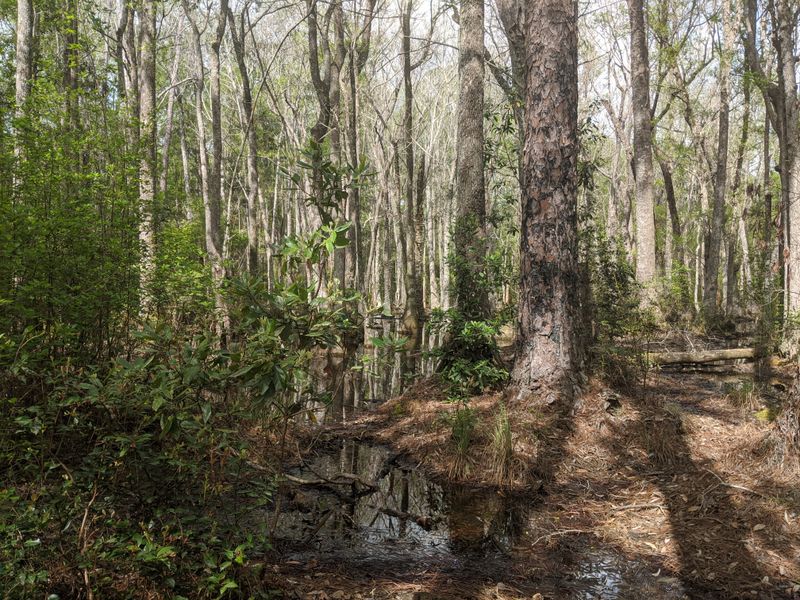
Getting lost here is easier than finding your way out. Near Sopchoppy, Bradwell Bay covers roughly 23,000 to 24,000 acres of demanding wilderness.
This roadless swamp has a reputation among hikers as one of the toughest stretches on the Florida Trail, where knee-deep water and dense vegetation test even experienced backpackers.
Black bears thrive in this rugged sanctuary where human visitors remain rare.
The bay sits in a depression that collects water, creating a vast wetland forest of cypress and tupelo.
Carnivorous plants flourish in acidic soils while alligators patrol dark channels.
Only attempt this wilderness if you’re experienced with navigation and comfortable being wet and muddy for hours.
The Florida Trail crosses through, but many hikers choose to skip this section entirely.
Winter offers slightly drier conditions though the bay never truly dries out.
Access points exist along Forest Road 314 east of Sopchoppy.
11. Torreya State Park — Bristol
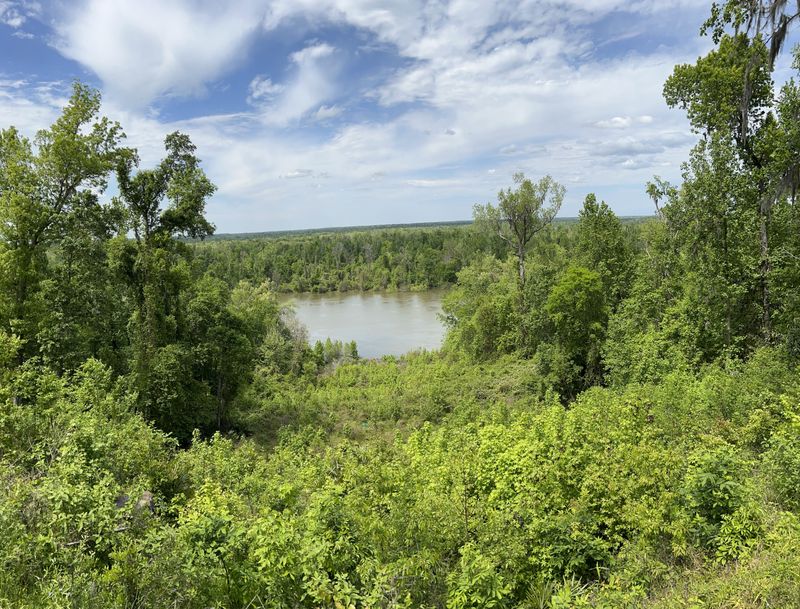
Rare trees cling to life on bluffs that feel more like Tennessee than Florida.
Near Bristol, Torreya State Park protects one of the last refuges for endangered Torreya trees, Ice Age relics that once covered these hills.
The park’s dramatic topography includes some of Florida’s highest elevations along the Apalachicola River.
A restored 1849 plantation house sits atop the bluffs, relocated here to save it from flooding decades ago.
Hiking trails wind through ravines and climb steep slopes that challenge your cardiovascular fitness.
River overlooks span for miles, turning every climb into a payoff moment.
Camping facilities include full-service sites plus primitive backpacking options.
Spring and fall offer the most comfortable temperatures since summer heat combines with heavy humidity in the ravines.
The park entrance sits off Highway 12, about 13 miles north of Bristol.
Bring sturdy hiking boots for the rocky, uneven terrain found throughout the park.
12. Florida Caverns State Park — Marianna
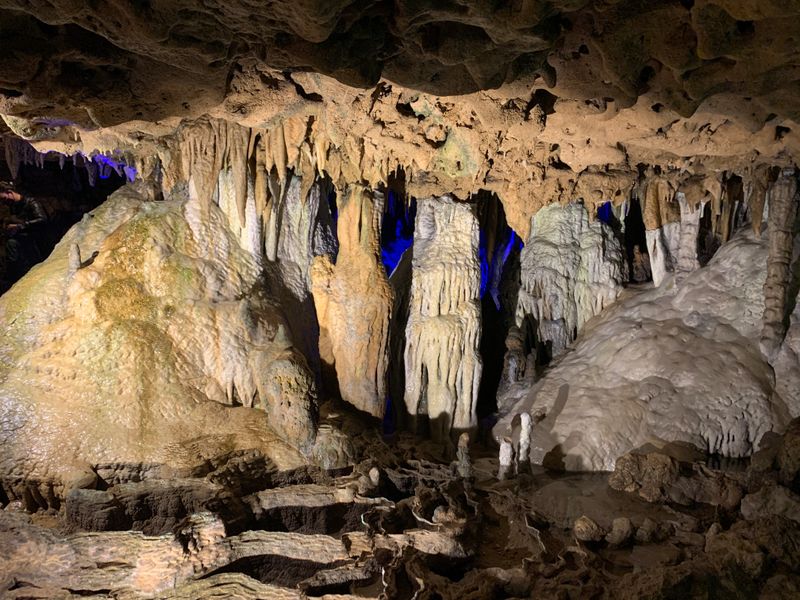
Underground chambers hide beneath North Florida’s rolling hills.
Near Marianna, Florida Caverns State Park showcases the state’s only dry caves open for public tours.
Limestone formations including stalactites, stalagmites, and flowstone create an alien landscape that seems impossible in typically flat Florida.
Guided tours lead visitors through rooms with names like the Cathedral and the Wedding Room, where formations took millions of years to develop.
The constant 65-degree temperature underground provides relief during hot summer months.
Above ground, the park offers hiking trails, swimming holes, and camping facilities along the Chipola River.
Cave tours run regularly but require reservations during peak seasons.
The park suffered damage from Hurricane Michael in 2018 but has since reopened after extensive repairs.
Beyond the caves, the Blue Hole spring offers crystal-clear swimming and excellent wildlife viewing.
Find the park on Highway 166, just north of Marianna.
13. Blackwater River State Forest — Milton
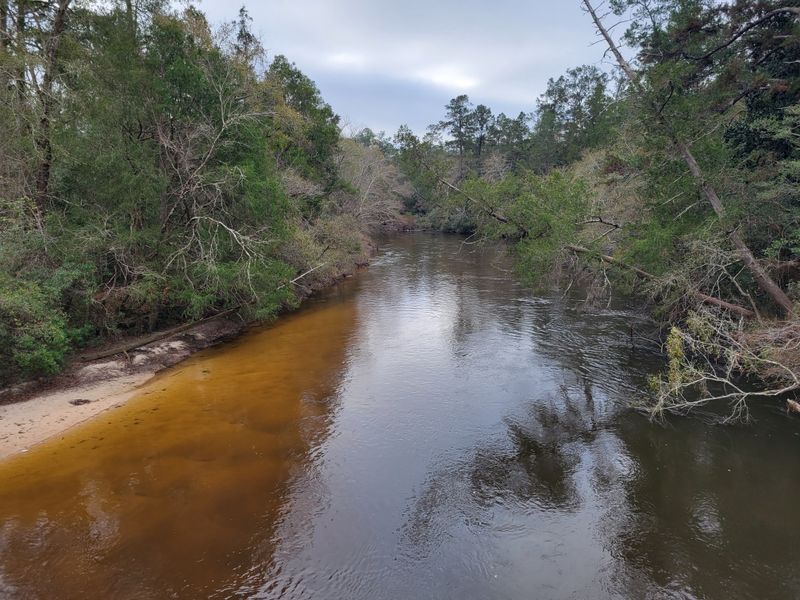
Tea-colored water flows through some of Florida’s purest sand.
Near Milton, Blackwater River State Forest protects over 200,000 acres surrounding one of Florida’s best-known sand-bottom rivers.
The dark water gets its distinctive color from tannins leached from vegetation, not pollution.
Paddling here takes you through wilderness where longleaf pine forests tower overhead and white sandbars invite lunch stops.
The forest contains over 100 miles of trails for hiking, mountain biking, and horseback riding.
Red-cockaded woodpeckers nest in old-growth pines marked with white bands.
Primitive camping spots along the river let you wake to morning mist rising from the water.
The Blackwater River Canoe Trail spans about 31 miles, generally described as running from the upper river put-ins near the Florida-Alabama line down to Deaton Bridge in Blackwater River State Park.
Launch points exist at several road crossings.
Visit during spring or fall when temperatures moderate and water levels remain stable for paddling.
14. Dagny Johnson Key Largo Hammock Botanical State Park — Key Largo

Tropical jungle thrives just off the highway where most tourists speed past.
In Key Largo, this 2,400-acre botanical state park protects the largest remaining stand of West Indian tropical hardwood hammock in the United States.
Rare trees and plants found nowhere else in the country grow in dense tangles.
Walking the nature trails feels like exploring a Caribbean island without leaving Florida.
Lignum vitae trees, wild cotton, and mahogany create a shaded canopy where temperatures drop noticeably.
The park honors Dagny Johnson, a local environmentalist who fought to protect this unique ecosystem from development.
Six miles of trails wind through the hammock, including a paved path suitable for wheelchairs and strollers.
Mosquitoes can be fierce during summer, so bring repellent or visit during winter months.
The park entrance sits on County Road 905, just north of the central Key Largo business district.
Admission is free, making it an affordable natural attraction.