
Don’t Make The Mistake Of Rushing Past These Ancient Arizona Cliff Dwellings Tucked Into A Canyon Wall
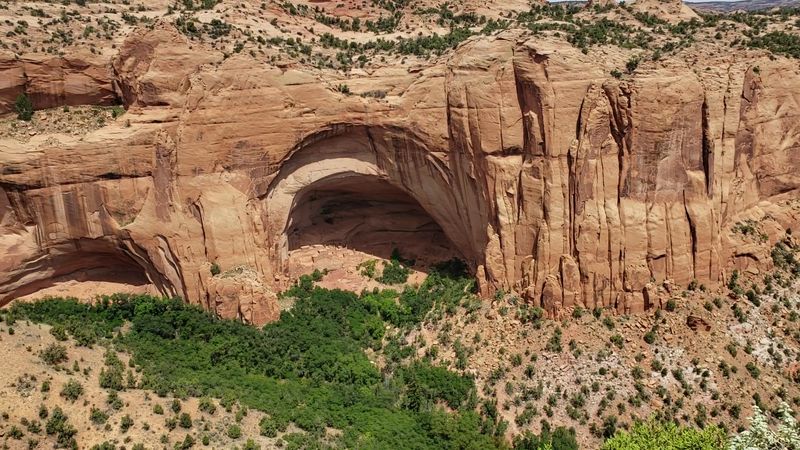
A 17-mile round-trip hike ends at an ancient village you can actually stand inside. A Navajo guide leads the way, sharing the story of the people who built it.
The village rests beneath a towering sandstone cliff in northern Arizona. It has stayed largely intact for more than 700 years, which beats my track record with houseplants by a few centuries.
Not ready for 17 miles? A paved path roughly a mile round trip leads to an overlook facing another massive cliff village across the canyon.
I like how this place asks so little and gives so much back. Entry is free, camping is free, and the night sky feels endless.
So how is it still flying under so many radars?
A Quiet Corner Of Northern Arizona With Very Old Neighbors
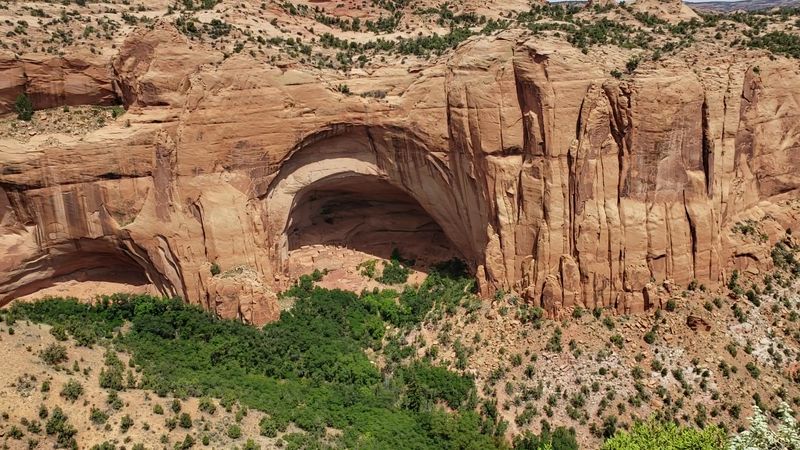
Ancient villages hiding under sandstone arches are the main event at Navajo National Monument, near the small community of Shonto. The monument protects cliff dwellings built roughly 700 to 900 years ago by Ancestral Pueblo people.
Managed by the National Park Service, the site sits on Navajo lands in northern Arizona. That setting gives it a cultural weight you feel the moment you arrive.
Big national parks get the headlines, and their parking lots get the crowds. Navajo National Monument runs at a calmer pace, which makes the canyon views feel almost private.
The landscape here mixes deep canyons, pinyon and juniper woodland, and wide open sky. It’s the kind of scenery that makes you pull over before you even reach the visitor center.
Three self-guided trails start near the visitor center, and they range from easy strolls to a steeper climb. Seasonal guided hikes reach the dwellings themselves, which is where things get truly memorable.
Most people arrive on their way to somewhere else, often Monument Valley. That’s fine, as long as they actually stop.
Rushing past would mean missing one of the most striking pieces of history in the Southwest.
Who Built These Stone Villages, And Why They Matter Today
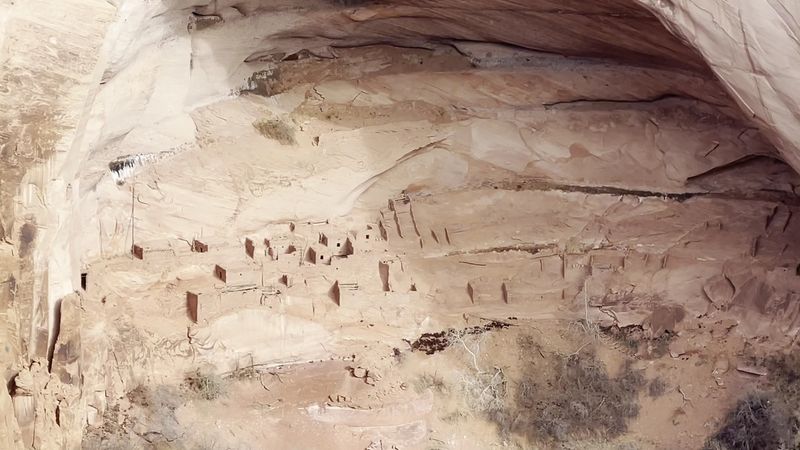
Long before highways crossed the Colorado Plateau, Ancestral Pueblo families farmed, built, and raised children in these canyons. Their stone rooms still cling to the cliffs, sheltered by giant natural alcoves.
The people who lived here are recognized as ancestors of the Hopi. Today the land also holds deep meaning for the Navajo, so the site carries more than one living heritage.
Why would anyone leave such a protected home? A long drought is one likely reason, and that explanation feels uncomfortably relatable in modern Arizona.
What makes the history land so hard is how much survived. Walls, rooms, and doorways remain in place after centuries of wind and weather.
Visitors often describe the stop as more of a cultural experience than a pure nature outing. The canyon is gorgeous, yet the story of the people steals the spotlight.
Respect is part of the visit here. Rangers and guides share the history with care, and the protected status keeps the villages standing for future generations.
Knowing a little background before you arrive changes everything. Those stone rooms stop looking like ruins and start looking like someone’s kitchen, bedroom, and front porch.
The Visitor Center Deserves More Than A Bathroom Break
Plenty of travelers treat a visitor center like a pit stop. At Navajo National Monument, skipping the exhibits would mean missing half the story.
The center holds a small museum filled with displays about cliff dwelling life. Artifacts and exhibits show how families here may have cooked, worked, and lived.
Educational films help set the scene before you head out on the trails. They’re a smart move for kids who need a little context before staring across a canyon.
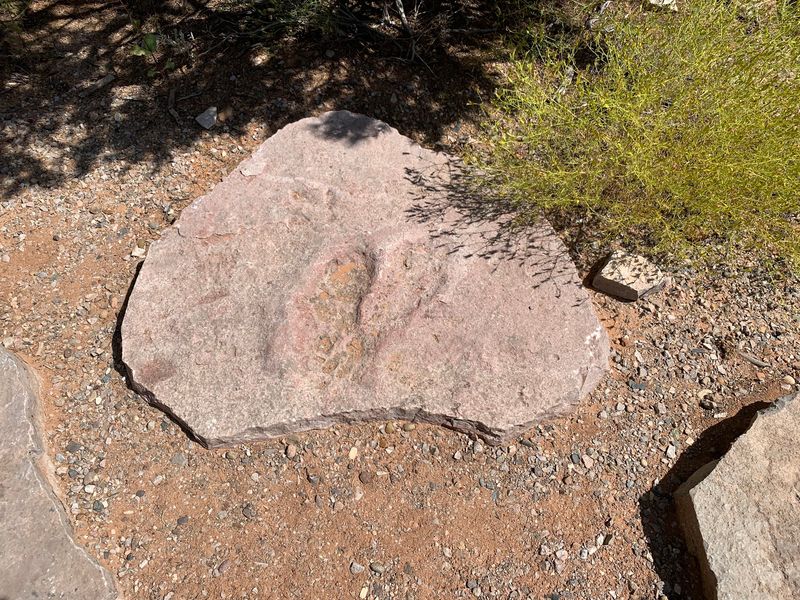
Here’s a fun surprise for dinosaur fans. A dinosaur footprint can be spotted here, which adds a whole extra chapter of time to the visit.
Park rangers staff the center and help sort out which trail fits your schedule. Their friendly, informative style makes planning the day much easier.
Practical perks matter too, especially in the high desert. Filtered drinking water is available inside during business hours, and restrooms sit close by.
Exhibits on Navajo and Hopi findings round things out nicely. Spend at least a few minutes here before hiking, because the overlooks mean so much more once you understand what you’re seeing.
Binoculars Turn The Sandal Trail Into A Front-Row Seat
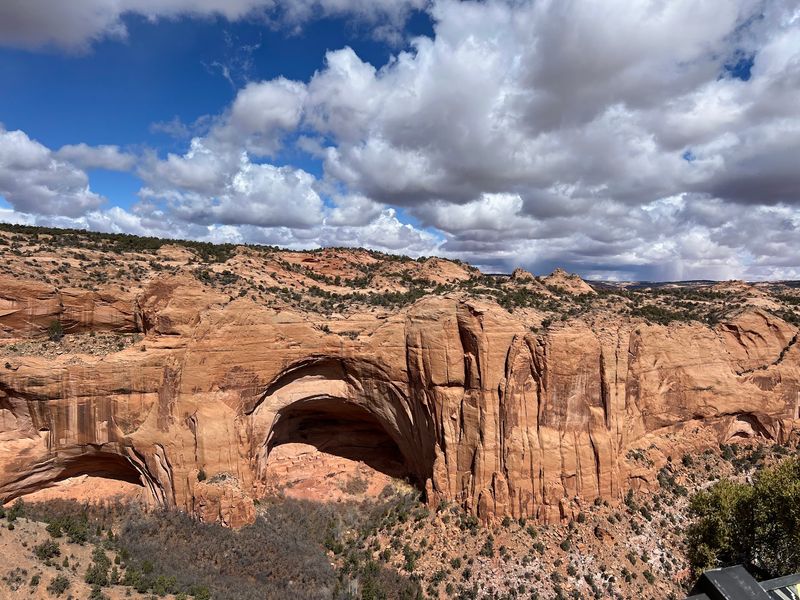
About a mile round trip on pavement is all it takes to meet Betatakin. The Sandal Trail leads from the visitor center to an overlook facing the cliff village across the canyon.
The walk is easy and accessible, which makes it a favorite for families and older travelers. Most people finish it in well under an hour.
Along the way, signs explain local plants and how people used them. Suddenly that scrubby shrub becomes medicine, food, or building material.
Then the canyon opens up, and the view hits hard. Betatakin sits beneath an enormous sandstone alcove, looking almost too perfect to be real.
One catch keeps this from being a quick glance. The village is a fair distance away, so binoculars or a zoom lens make a huge difference.
Without them, you’ll see the shape of the dwellings. With them, you’ll pick out walls, rooms, and the details that make the place feel lived in.
Packing a pair is the easiest upgrade you can make to this trip. Toss them in the glovebox now, before you forget, and thank yourself later at the rail.
Canyon View Trail Lives Up To Its Name
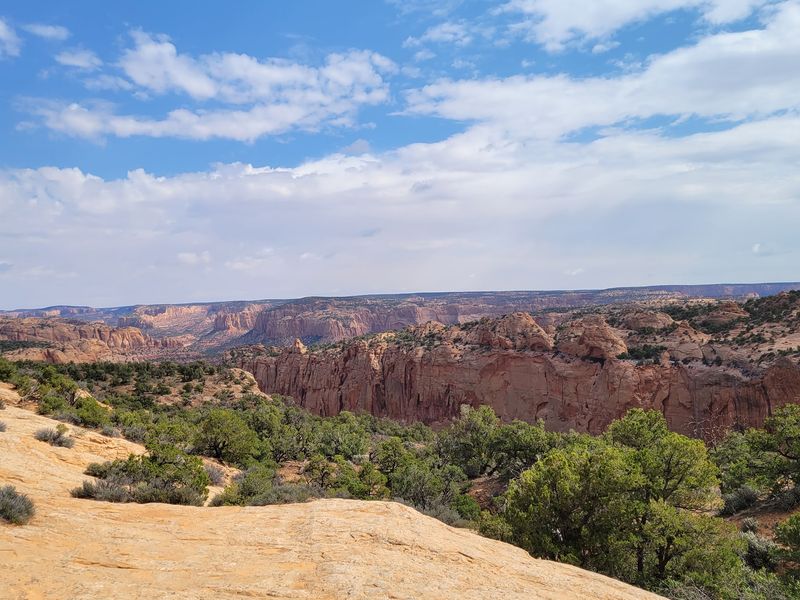
Some trail names oversell the payoff. The Canyon View Trail does exactly what it promises, and then some.
Another of the three self-guided trails, it delivers a wide look into the canyon system that shelters the ancient villages. The scenery leaves a lasting impression without demanding a big effort.
It also tends to be the quieter option. Fewer people mean more room to stand still and take in the layered rock walls.
Shorter visits work well here. If you only have time for two trails, pairing this one with the Sandal Trail covers both history and scenery.
Photographers will appreciate the angles. The canyon’s colors and shadows shift with the light, so morning and late afternoon can look completely different.
Kids tend to enjoy a trail with a clear payoff. Here, the reward arrives quickly, and nobody needs a pep talk to keep walking.
Carry water anyway, since the high desert air dries you out faster than you’d expect. A hat helps too.
Then let the canyon do the talking while you soak up the silence that this side of northern Arizona does so well.
The Steep Trail To A Relic Forest Earns Its Bragging Rights
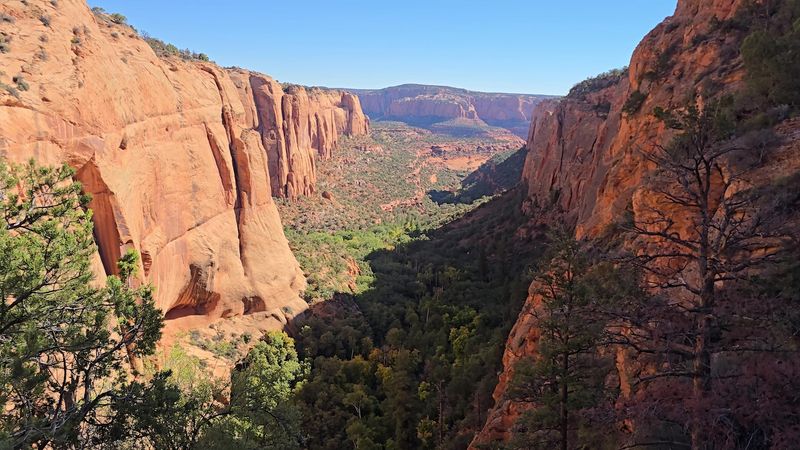
Two of the trails are easygoing. The third, leading to a view of a relic forest, comes with a plot twist on the way back up.
Heading down feels pleasant enough. The return climb is noticeably steep, so save some energy for the second half.
Why bother with the extra effort? A relic forest is a pocket of trees left over from a cooler, wetter past, and spotting one in the desert feels wonderfully out of place.
The view from below the rim also shows the canyon from a fresh angle. You get depth and texture that the flatter overlooks can’t quite match.
Families with energetic kids may find this the most exciting route. It feels like a real hike, even though it doesn’t take all day.
Plan to go slowly on the climb out. Stop often, sip water, and enjoy the excuse to admire the rock walls again.
Comfortable shoes with good grip matter here more than anywhere else at the monument. Sandals belong on the Sandal Trail in name only, not on your feet for this one.
Getting Close To Betatakin Takes A Guide And A Free Afternoon
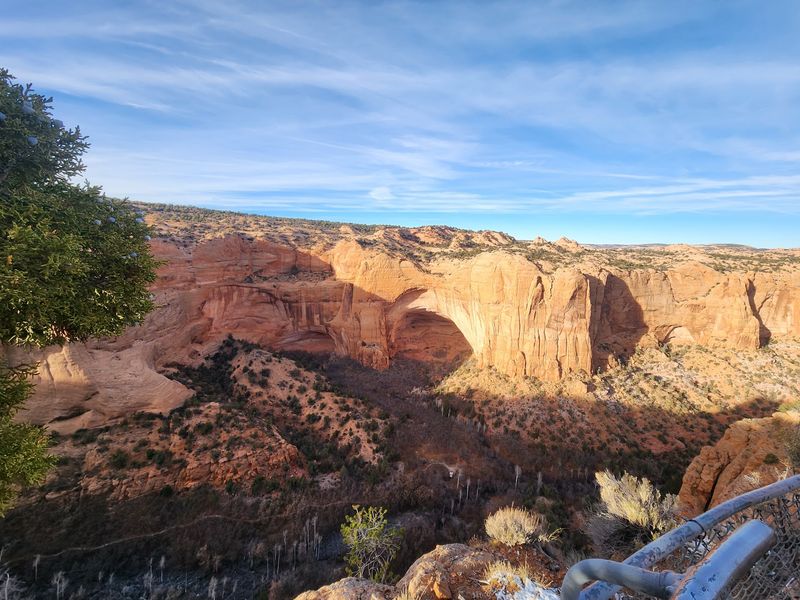
Staring at Betatakin from the overlook is impressive. Walking down to it is a whole different level of wow.
A guided hike of about five hours leads to the village itself. It’s the only way to reach the dwellings, so you can’t simply wander down on your own.
That rule protects the site, and it also makes the trip feel special. Having someone explain what you’re seeing turns old walls into real stories.
Tours are seasonal, so timing matters. Check with the park before you go, since schedules can shift from year to year.
Fitness counts on this one. Five hours on canyon terrain asks more of your legs than a paved overlook stroll.
Still, the effort pays off fast. Seeing the massive alcove rise above you puts the scale of the village into perspective in a way photos never can.
If you’re the type who reads every sign and asks every question, this hike may become the highlight of your Arizona year. Bring plenty of water, snacks, and a willingness to slow down and listen.
Keet Seel Is The Adventure Worth Training For
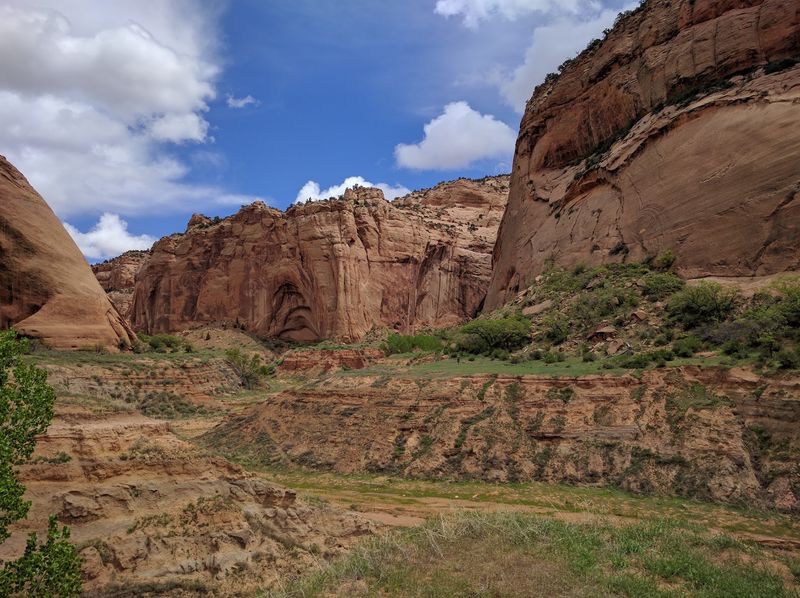
Seventeen miles, round trip, through a canyon with stream crossings along the way. Keet Seel is the bucket-list hike at Navajo National Monument, and it’s not for casual strollers.
The journey winds through the canyon and splashes across the stream multiple times. Then the village finally appears beneath a sandstone cliff, and every mile suddenly makes sense.
Keet Seel is remarkably well preserved. Parts of it have stayed largely intact for more than 700 years.
The best part might be the access. On a guided visit, you can stand inside a dwelling and feel the connection to the people who built it.
Navajo guides lead the way and share the site’s history with knowledge and respect. That guidance adds meaning you simply can’t get from a sign.
Preparation is everything here. Train ahead, pack smart, and confirm seasonal availability with the park well before your trip.
It’s challenging, no sugarcoating it. Yet for anyone who loves archaeology or Native American history, Keet Seel could be the most unforgettable hike they ever take in the Southwest.
Free Campsites Under Pinyon And Juniper Shade
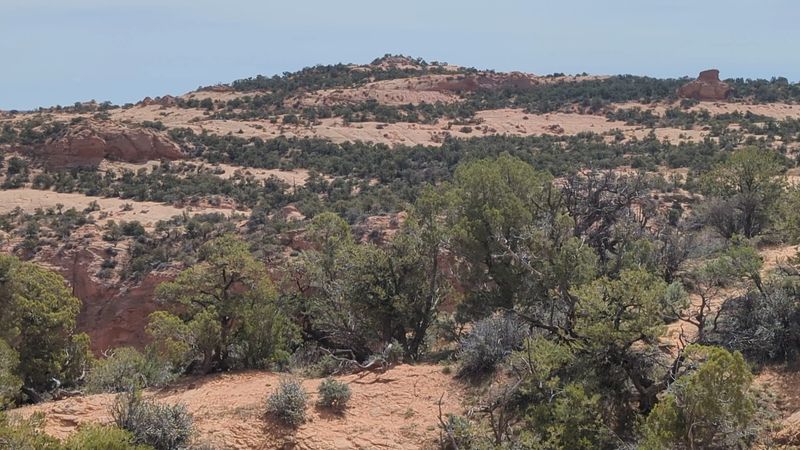
Camping for free at a national monument almost sounds like a typo. At Navajo National Monument, it’s simply how things work.
Sunset View Campground offers 31 sites, many shaded by mature pinyons and junipers. Roads are paved, sites are generally level, and the facilities are clean and modern.
Flush toilets and an outdoor washing sink cover the basics. Showers aren’t available, so plan for a few days of rugged charm.
Sites are first come, first served, with no reservations. A stay limit of seven days per year applies.
Bigger rigs should check before committing, since many pads run short. Canyon View Campground sits higher up on an unpaved road with pit toilets and a more rustic feel.
Campfires aren’t allowed, which keeps the air remarkably clean. That small rule makes the mornings feel crisp and fresh.
An easy walk links the campground to the visitor center and trails. Wake up, grab coffee, and stroll to a canyon overlook before most travelers even reach the highway.
For budget-minded Arizona road trippers, that’s a pretty unbeatable morning routine.
How To Reach The Canyon Without Any Surprises
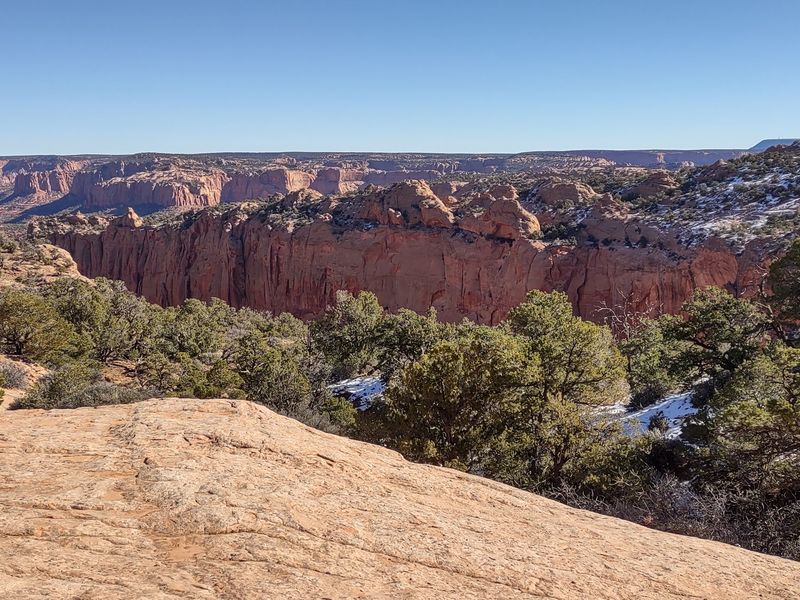
The drive in is refreshingly simple. Navajo National Monument sits at the end of a paved road about nine miles off Highway 160.
The address is AZ-564, Shonto, AZ 86054. Follow it all the way to the visitor center, and the road stays paved the entire time.
Many travelers fold this stop into a larger northern Arizona loop. It pairs naturally with a trip toward Monument Valley.
EV drivers have options too. A DC fast charger in Kayenta has helped some road trippers use the monument as a base.
Entry is free, which still feels slightly unbelievable. That leaves more budget for gas, snacks, and maybe a guided hike permit.
Cell service can be unreliable, so download maps before you arrive. Bringing your own water and snacks is a wise move as well.
Hours and seasonal tour schedules can change, so check with the park before driving out. A quick call to the visitor center or a look at the park service page saves a long, disappointing detour.
Then just enjoy the quiet miles leading toward the canyon.
Slow Down, Look Up, And Let The Canyon Win
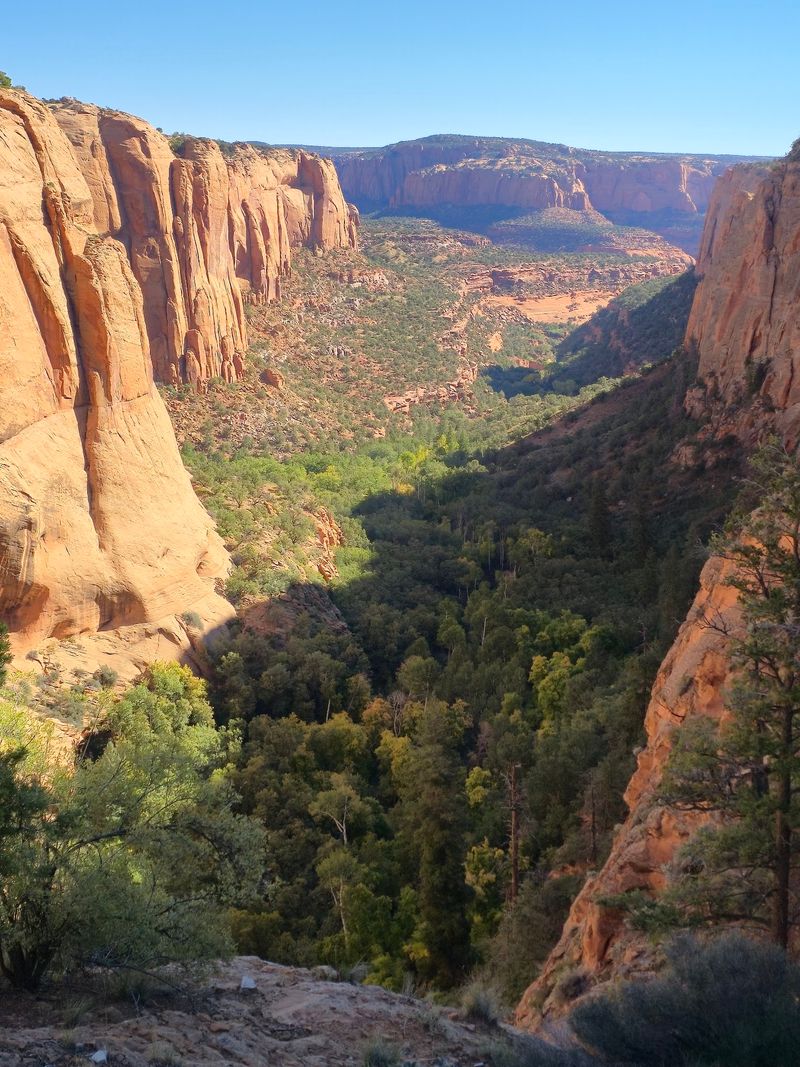
When the sun drops, the show switches to the sky. Dark skies here are a big part of the appeal, especially for overnight campers.
Quiet is the other gift. Navajo National Monument feels calmer than the famous parks, and that peace sticks with you.
Who should go? History buffs, families with curious kids, photographers, and anyone who prefers wonder without a crowd.
Older travelers and anyone avoiding long hikes get plenty, thanks to paved paths and accessible overlooks. Serious hikers can chase Keet Seel and earn a story for life.
Budget travelers will love it too. Free entry and free camping make it one of the friendliest deals in Arizona.
One small wish keeps coming up. Some folks just want to get closer to the ruins, which is exactly why the guided hikes exist.
So here’s my gentle nudge. Next time you’re cruising Highway 160, take the turn, walk to the rail, and give those ancient villages the time they deserve.
They waited centuries, after all, so a single slow afternoon seems like a fair trade.