
Don’t Sleep Through Winter Sunrise At This Arizona Park Where 250-Year-Old Saguaros Glow Gold
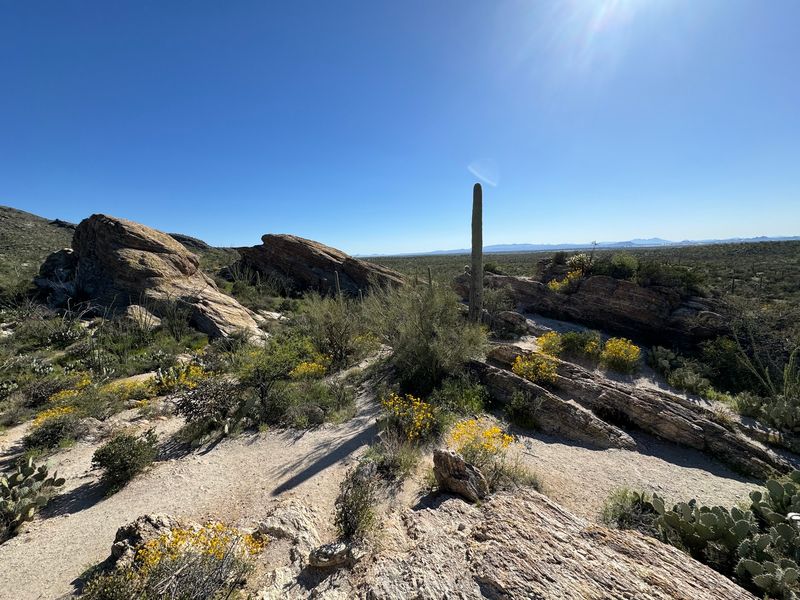
Some of the cacti here are more than 250 years old, and they get their best lighting before most people finish their coffee. That alone makes me want to set an alarm.
These giants grow naturally only in the Sonoran Desert. In Arizona, winter mornings bring mild temperatures and long, golden shadows across whole forests of them.
The roads open early, and the sky does most of the work.
I like how a quiet desert morning can feel almost theatrical. The mountains glow, the cactus arms catch the light, and every pullout becomes a possible photo stop.
I can’t imagine sleeping through that show. Photographers who skip it often end up wishing they hadn’t.
So what does it actually take to catch the desert waking up?
A Park Split Down The Middle By A Whole City
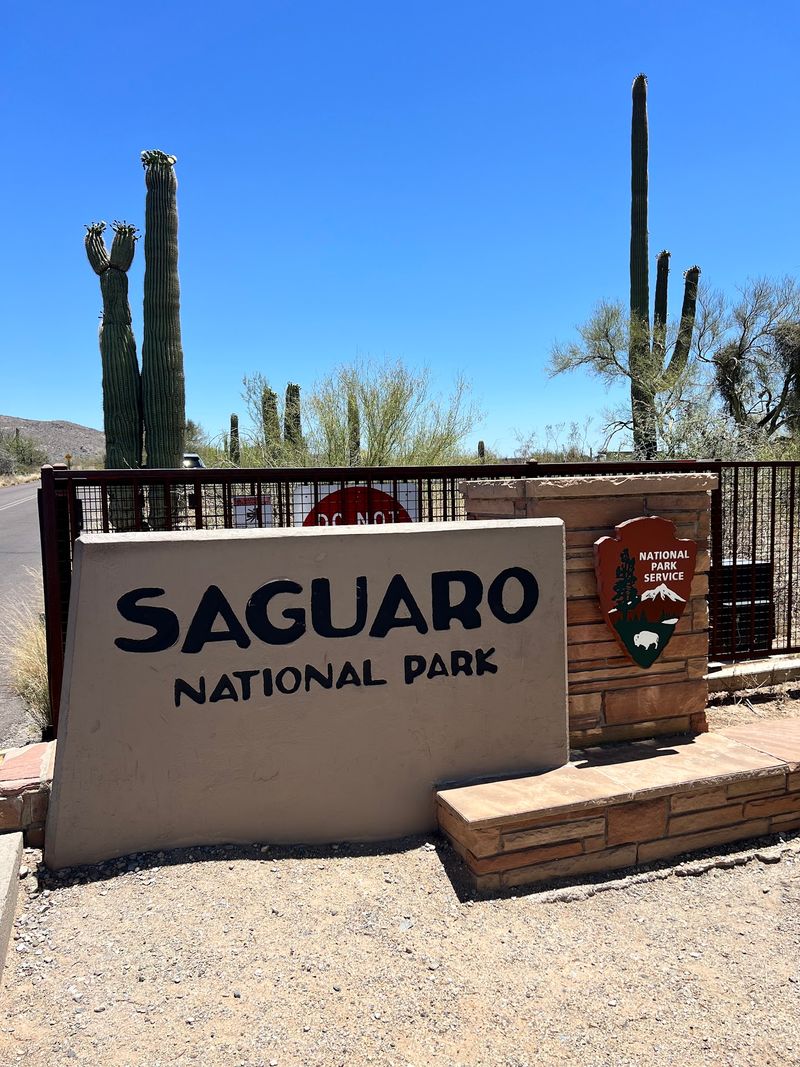
Two parks for the price of one sounds like a sales pitch, but it’s simply how Saguaro National Park works. The park splits into two districts, with Tucson sitting right between them.
The Rincon Mountain District lies on the east side of the city. The Tucson Mountain District sits to the west, roughly an hour’s drive away through town.
Each district wraps around its own mountain range. That means two different backdrops for your sunrise photos, plus two very different moods to choose from.
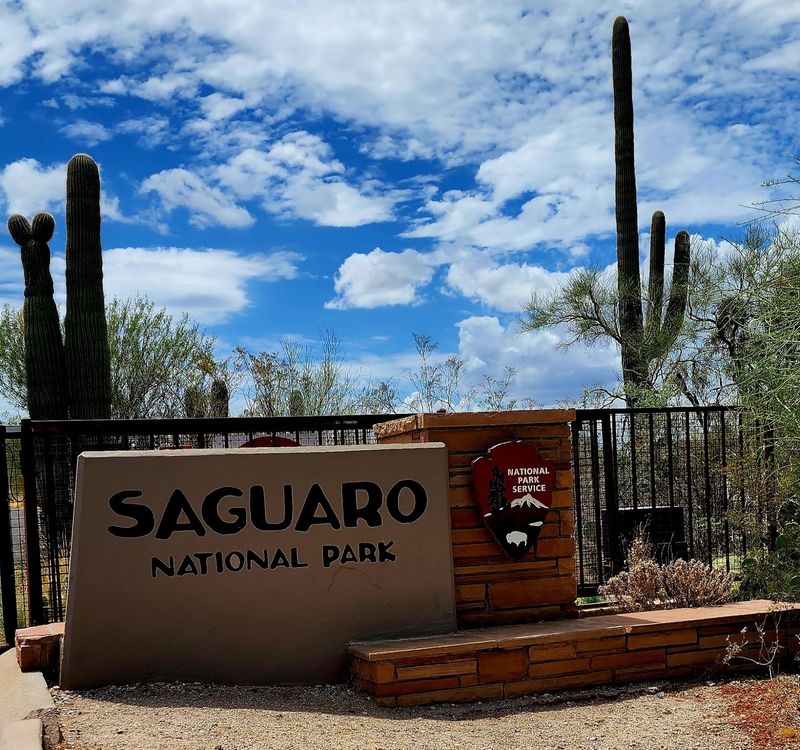
The eastern entrance greets drivers with a park sign right near the turnoff. It sits low to the ground, so it’s easy to roll past if you blink.
A small pullout exists, and it’s best to watch traffic carefully when you stop.
Once you pass that sign, the visitor center parking appears within seconds. Keep going and you’ll reach the entrance booth, then the park itself opens up around you.
A quick sign photo makes a fun bookend for the morning. Grab it on the way out, when the light is brighter and the traffic is easier.
Then you can show off proof that you really did wake up that early in Arizona.
Meet The Desert Giants That Grow Nowhere Else
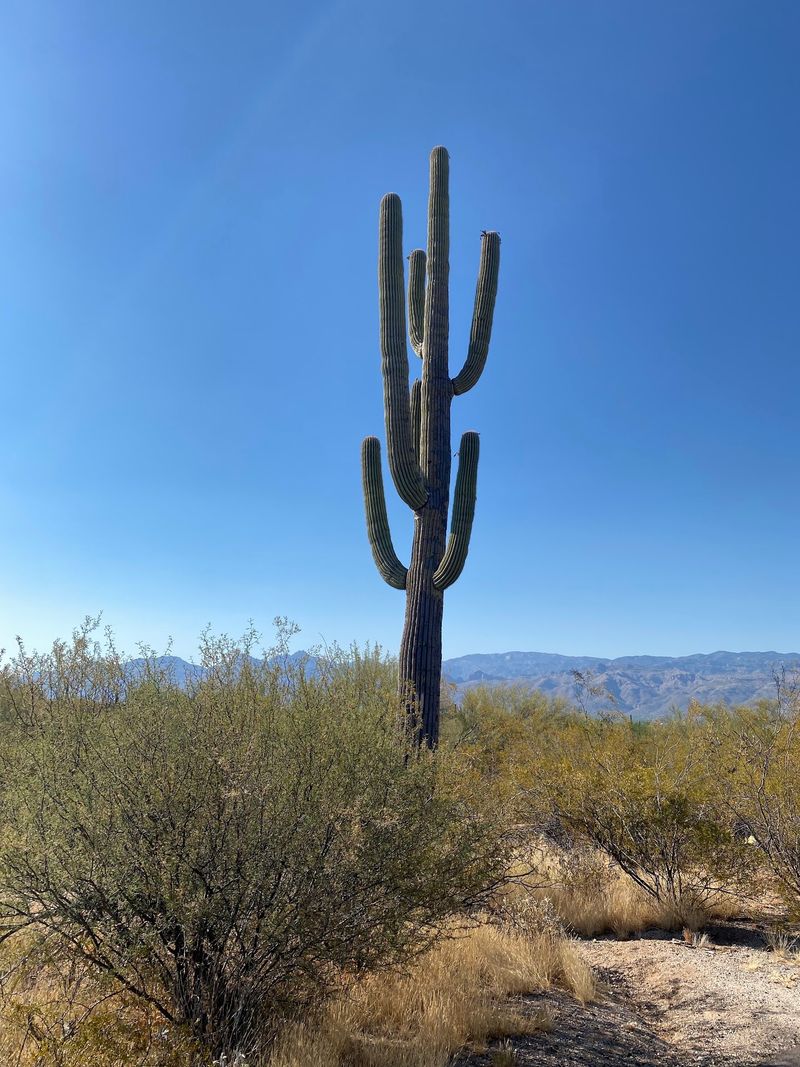
Saguaros don’t do things halfway. The park’s namesake cactus, Carnegiea gigantea, grows naturally only in the Sonoran Desert, so this landscape is truly one of a kind.
Some of these plants are hundreds of years old. A few have been standing for more than 250 years, which makes your favorite old tree seem young.
They aren’t just pretty faces, either. Saguaros provide shelter, food, and nesting sites for many desert animals, so each one works like a tiny apartment building.
For photographers, that age shows up in their shapes. Tall single columns stand beside massive cacti with arms reaching in every direction, and no two silhouettes ever match.
Sunrise turns those shapes into storytelling tools. A lone saguaro against a pink sky looks completely different from a crowded slope of them catching warm side light.
Coming from a land of pine trees, the scene can feel wonderfully strange. Here the cactus are basically the trees, and they stretch across the hills as far as you can see.
Drive about 20 minutes away and you may not spot another one.
Winter Mornings Hand Photographers The Easy Version
Mild weather is the secret weapon here. From November through March, daytime temperatures usually range from the high 50s to the mid-70s.
That’s a huge change from the hot months. You can carry a tripod, wander between pullouts, and stay out longer without feeling baked.
Early mornings still run cooler, so a light jacket earns its spot in your bag. Your fingers will thank you when you’re adjusting camera settings before the sun clears the ridgeline.
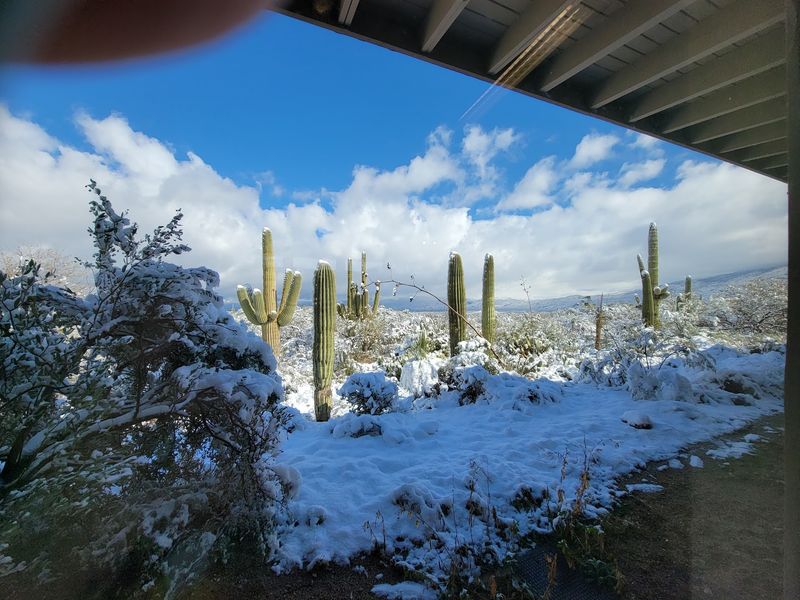
Snow is rare in this part of Arizona. Still, it occasionally dusts the desert, and saguaros wearing a little white cap make for unforgettable frames.
Late winter brings another bonus. By late February and March, some cacti and wildflowers begin blooming, adding color to the desert floor.
Timing your trip matters, but there’s no single wrong winter week. Every month offers clear air, slanted light, and comfortable conditions for exploring the trails afterward.
Spring can heat up fast, sometimes far quicker than visitors expect. Winter keeps your sunrise session relaxed, so you can focus on the view instead of the thermometer.
The West Side Saves Its Best Light For Early Risers
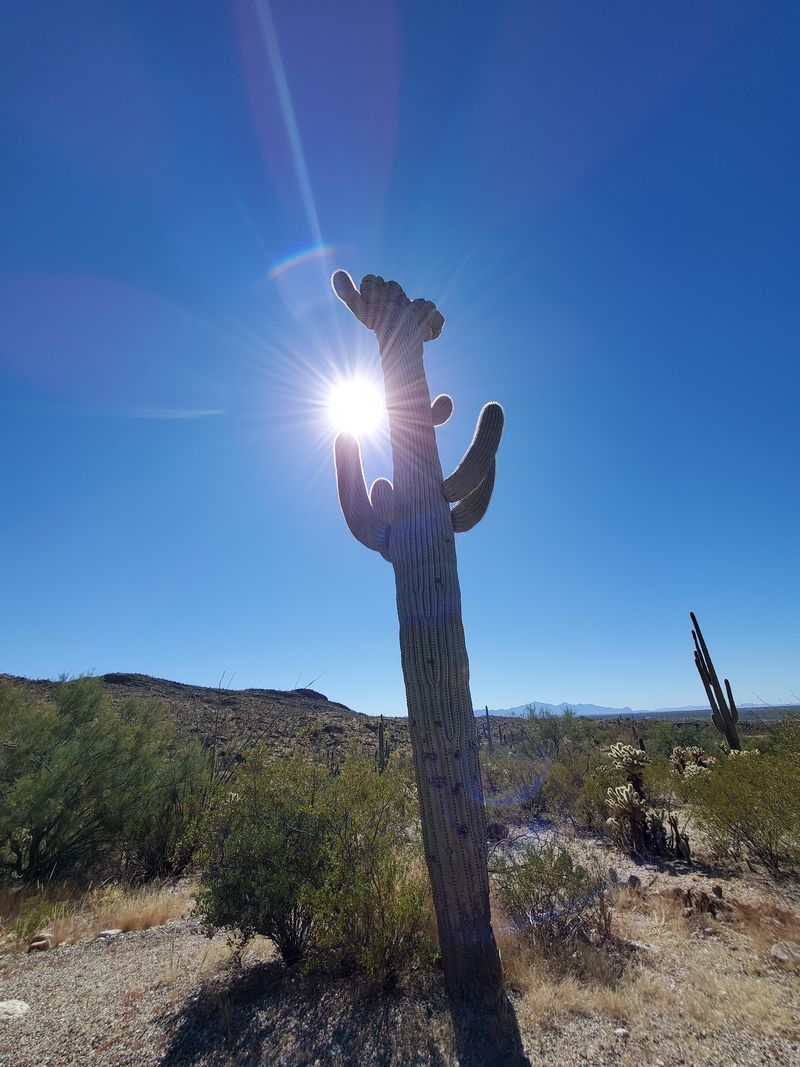
Sus Picnic Area has a reputation among sunrise chasers. It sits in the Tucson Mountain District, the western half of Saguaro National Park.
The West often gives photographers clear views of first light. Warm sun pours over dense stands of saguaros and stretches their shadows across the ground.
Those long shadows add depth that midday light can’t match. Suddenly a flat desert scene gains layers, texture, and real drama.
The district’s address is 2700 N. Kinney Road, Tucson, Arizona 85743.
The Red Hills Visitor Center there makes a handy stop once it opens later in the morning.
Road conditions deserve a check before you go. Storm damage closed much of the Bajada Loop Drive, and Hohokam Road has been open only as far as Sus Picnic Area.
Luckily, that open stretch still leads to the favorite sunrise spot. Arrive with time to scout a composition before the sky starts changing.
Bring a headlamp for setting up in the dark. The best color often appears before the sun actually rises, so early arrival really pays off here.
An 8-Mile Loop Built For Slow, Happy Driving
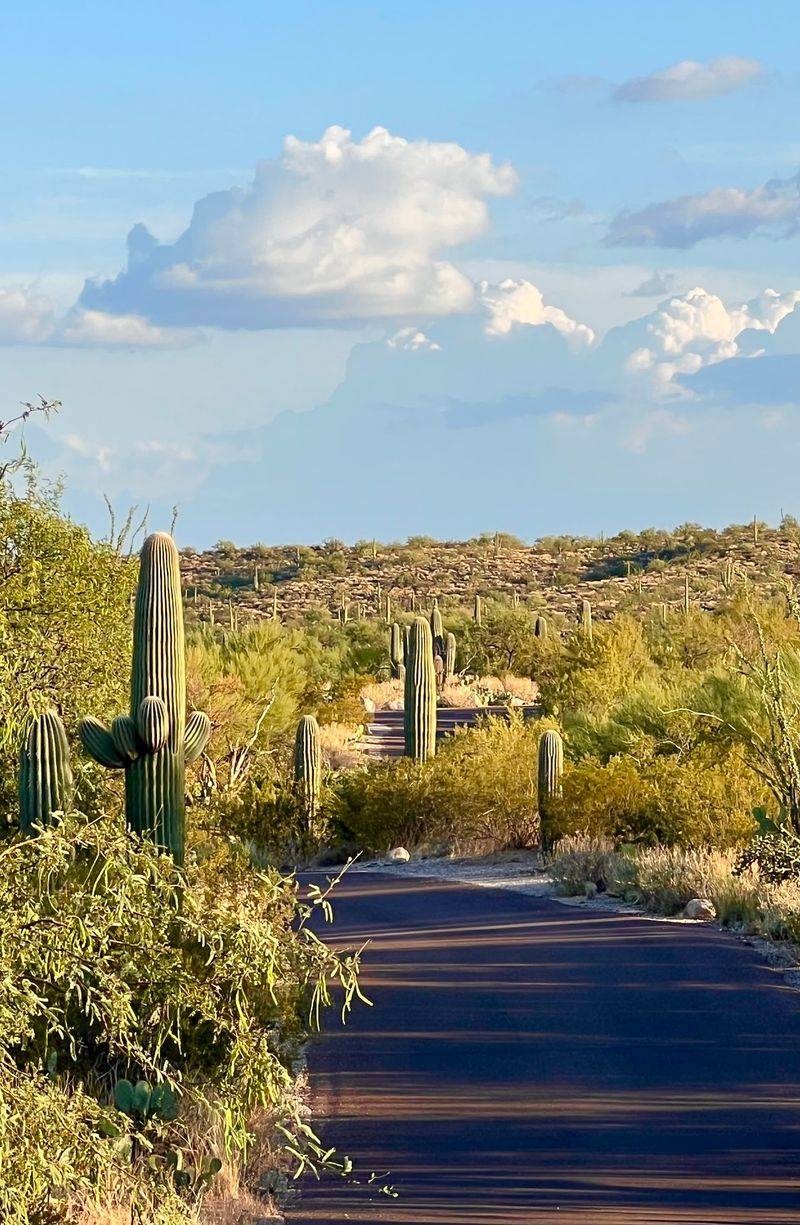
Gas pedal optional. The Rincon Mountain District’s paved Cactus Forest Loop Drive runs 8.3 miles through thick cactus country.
Vehicle hours run from 5:00 a.m. to 8:30 p.m. That early opening gives sunrise fans plenty of time to find a pullout before the light arrives.
The loop connects to picnic areas and trailheads along the way. You can drive a bit, hop out for photos, and wander a short trail before moving on.
Slow is the right speed here. Plenty of folks creep along, stopping often, because nearly every curve offers another view worth photographing.
Cyclists love this paved loop too. It makes a solid workout, but busy seasons bring heavy car traffic, so drivers should give riders room.
An overlook along the route deserves a stop. The views spread across miles of desert dotted with saguaros, with the Rincon Mountains rising beyond.
Keep an eye out for vehicle length limits if you’re driving something large. RVs and trailers may face restrictions or delays on park roads.
A smaller car makes the twists easier and pulloffs simpler.
Trails That Turn A Photo Stop Into A Full Morning
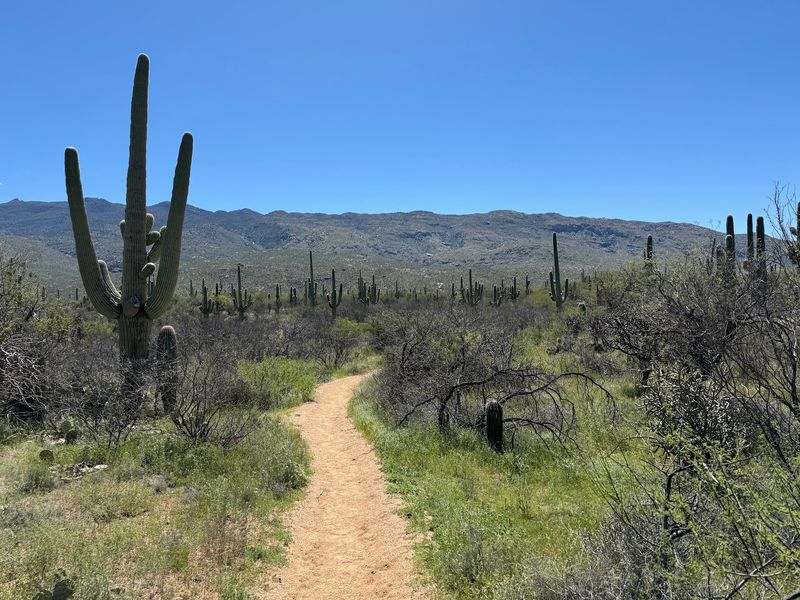
Over 165 miles of trails crisscross Saguaro National Park. That’s a lot of room to chase a better angle after sunrise.
Hikers of all levels can find something here. Some paths make short, easy wanders, while others climb deeper into the mountains.
Many trails are clearly marked, and maps are available when you enter. Those details make early-morning exploring less stressful when you’re still waking up.
Bicycles and horses are welcome on selected roads and trails too. That variety means your crew can split up and reunite for breakfast later.
Craving a true adventure? Backcountry camping is allowed in the Rincon Mountain District, though overnight stays require a permit.
Trailhead parking can fill on weekends. Weekday visits or very early arrivals usually make finding a spot easier.
Some trails close temporarily, including the Javelina Wash Trail in recent updates. Checking conditions ahead of time can save you a disappointing detour.
Pack water, layers, and a snack. Morning light shifts quickly, and a trail can carry you to quieter compositions that drivers simply never see.
Stars First, Sunrise Second, Bragging Rights Forever
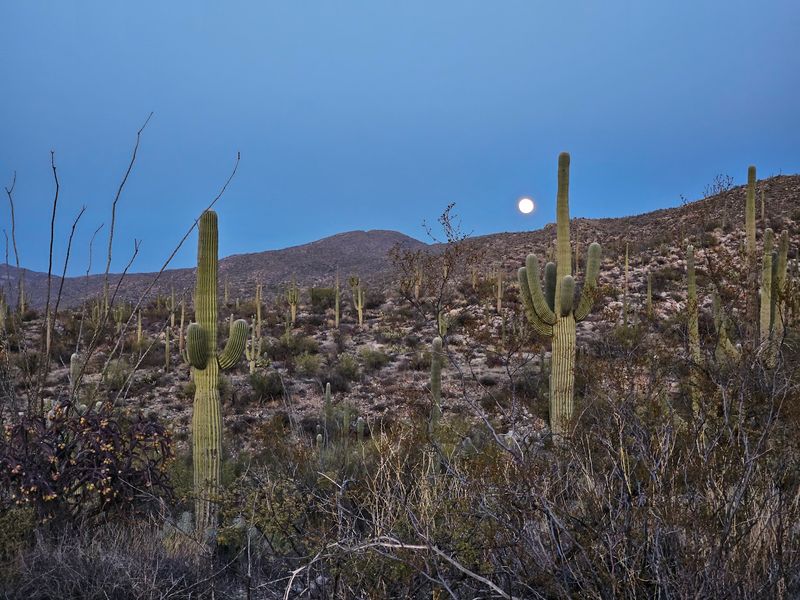
Night skies near a big city usually disappoint. Saguaro National Park breaks that rule as a designated Urban Night Sky Place.
That title is rare. It means stargazing here can be impressive, even with Tucson’s lights nearby.
Sunrise shooters get a sweet bonus from this. Arrive early enough, and you may catch stars above saguaro silhouettes before the horizon starts glowing.
Remember that walking or biking into the park is allowed 24 hours a day. Vehicle access, though, follows set hours, so plan your arrival around them.
The predawn window rewards patience. Shapes slowly appear from the darkness, and the sky moves through deep blues before warmer colors take over.
Wildlife adds another layer. The park protects a rich range of Sonoran Desert plants and animals, and higher elevations in the Rincons support even more diverse life.
A wide lens and steady tripod help in these low-light minutes. So does a quiet attitude, since the desert feels peaceful before the day begins.
Few photo sessions in Arizona let you swap night sky for golden light in one outing.
Handy Stops Before And After The Golden Hour
Restrooms at dawn are a bigger deal than anyone admits. At the Rincon Mountain Visitor Center, restrooms with running water stay open 24 hours.
The eastern district sits at 3693 S. Old Spanish Trail, Tucson, Arizona 85730.
The park sign stands near that entrance, just before the visitor center parking.
Both visitor centers open daily from 9:00 a.m. to 5:00 p.m. between October 1 and May 31. Stop in after sunrise for maps, information, and helpful context.
Visiting the center first can make the drive more meaningful. You’ll know more about the plants and landscapes passing your window.
Don’t count on staying connected, though. Public WiFi isn’t available, and cell service can be spotty in both districts.
Download maps and directions before leaving town. That simple step helps when you’re hunting for a pullout in the dark.
Fees apply at the entrance booths. An annual national parks pass can be a smart choice for frequent explorers around Arizona and beyond.
Plan coffee and breakfast in Tucson afterward. The park keeps things simple, focused on the scenery.
Set The Alarm And Let The Desert Do Its Thing
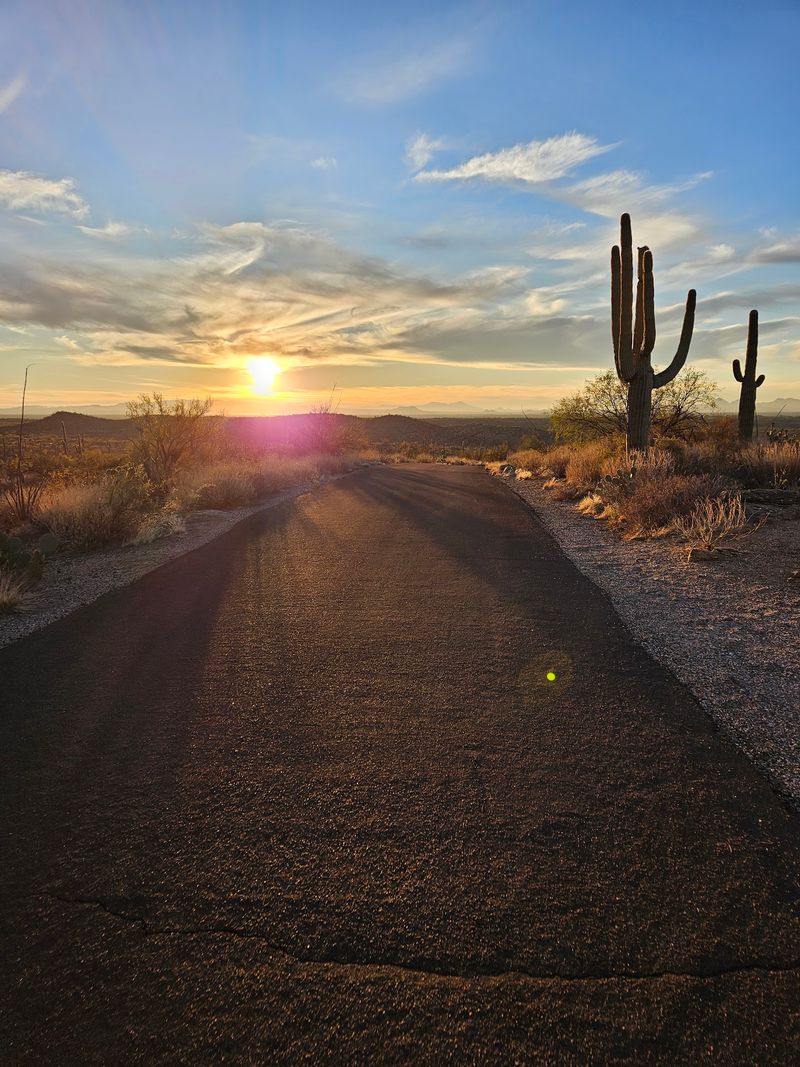
Early alarms rarely feel worth it at the moment. At Saguaro National Park, they usually pay off by the time the first light reaches the cactus arms.
Winter makes the whole plan easier. Comfortable temperatures, early road hours, and long shadows line up for photographers in a way summer simply can’t match.
Choose your side based on mood. The West offers Sus Picnic Area and dense saguaro stands, while the East brings the paved loop and mountain views.
A few smart habits help too. Lock your car, hide valuables at trailheads, and check closures before heading out.
Leave time for wandering afterward. A short trail, a visitor center stop, or a quick snapshot by the park sign can round out the morning nicely.
The best part is how accessible it all feels. You get a world-class desert scene right on the edge of a major Arizona city.
Those ancient cacti have been greeting sunrises for centuries. Joining them for one cool winter morning seems like the least you can do.
Your camera roll will clearly agree.