
Dozens Of Historic Buildings Were Moved From Around The State To Build This Arizona Village
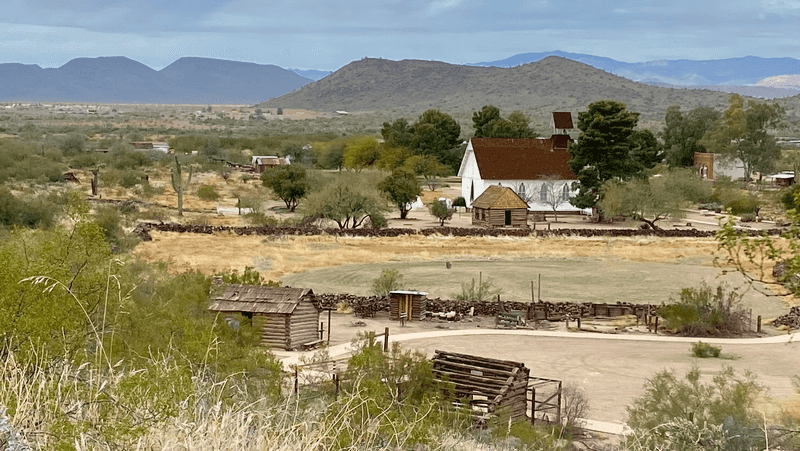
Imagine walking through an entire frontier town where nearly every building was carefully picked up from somewhere else in Arizona and hauled to one spot to be saved. That is exactly what happened at a 90-acre spread just north of Phoenix, where old cabins, an opera house, and a jail all found a new home.
Some of these structures date all the way back to 1875, rescued from the wrecking crew and lovingly preserved. It is a quiet, dusty step straight into the 1800s, and it might be one of the most surprising day trips in the state.
A Frontier Town Rebuilt North of Phoenix
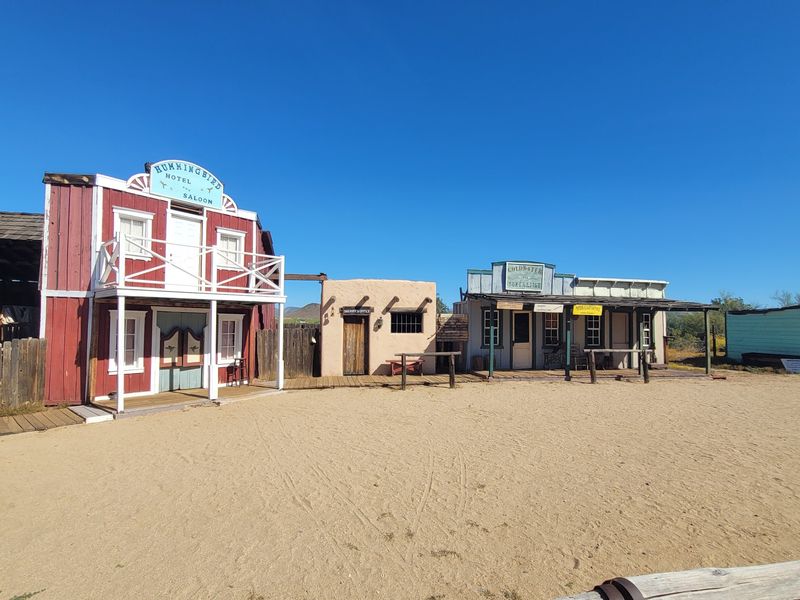
Roughly 30 minutes north of downtown Phoenix, off the interstate near Anthem, sits a full territorial town that never grew here naturally. Instead, it was assembled piece by piece from buildings collected across Arizona.
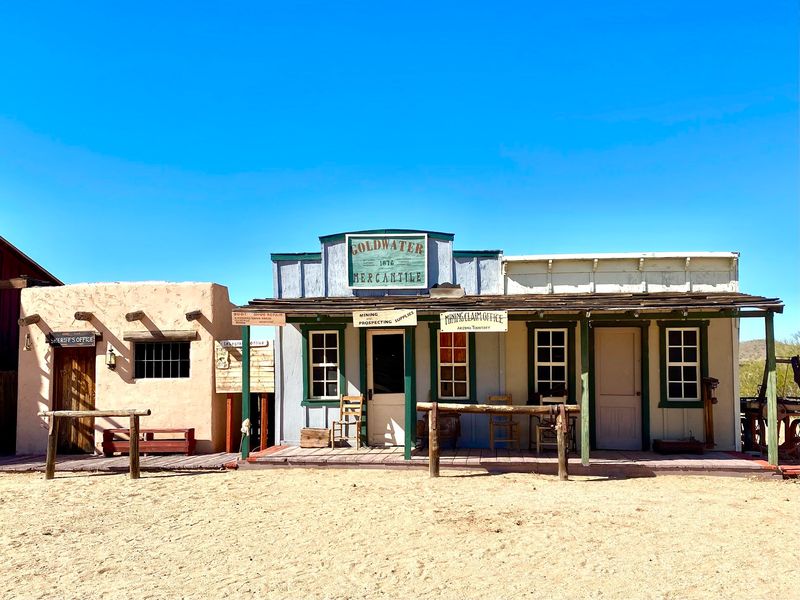
The Pioneer Living History Museum sprawls across about 90 acres of open desert, giving you real elbow room to wander. What makes the place special is that many of these structures are the genuine article, not stage props.
They were donated, dismantled, moved, and rebuilt so future generations could see them.
You will find homes, a church, a schoolhouse, a blacksmith shop, and more, all arranged like a working town from the late 1800s. Visitors say the layout truly makes you feel like a century has quietly slipped away.
Because it sits away from busy city streets, there are no cars or modern noise cutting through the scene. The address is 3901 W Pioneer Rd, and the massive gravel parking lot means space is never a problem.
It is history you can walk right into, at your own unhurried pace.
Buildings Rescued From All Corners of the State
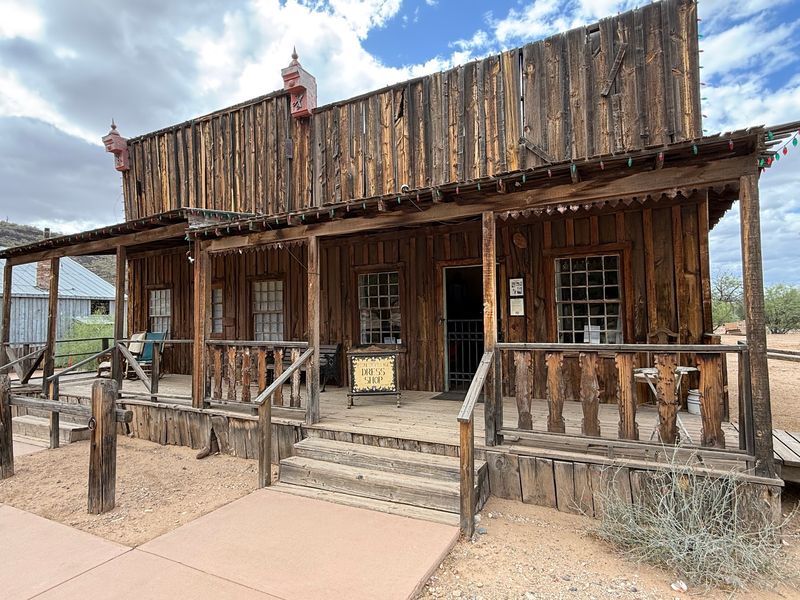
Every crooked doorframe here has a backstory that started somewhere else. The collection grew because folks across Arizona donated old structures rather than watching them fall apart.
Some buildings are true originals, with a few dating as far back as 1875. Others are careful recreations built to match the era, so the town feels complete instead of patchy.
Regulars mention that this mix of authentic and reproduced structures is what gives the place its lived-in charm.
Among the standouts is an 1890s home relocated from downtown Phoenix and a cabin from the Williams area that was the boyhood home of Arizona’s first U.S. senator. There is also a cabin tied to one of the state’s most intense range conflicts.
Signs outside most buildings share a bit of history, and an open door lets you peek at the furnished interiors even when the rooms are roped off. Grab a map at the front gate, since there are none once you are inside.
Wandering between these rescued gems feels like a treasure hunt through Arizona’s past.
The Telephone Museum Everyone Talks About
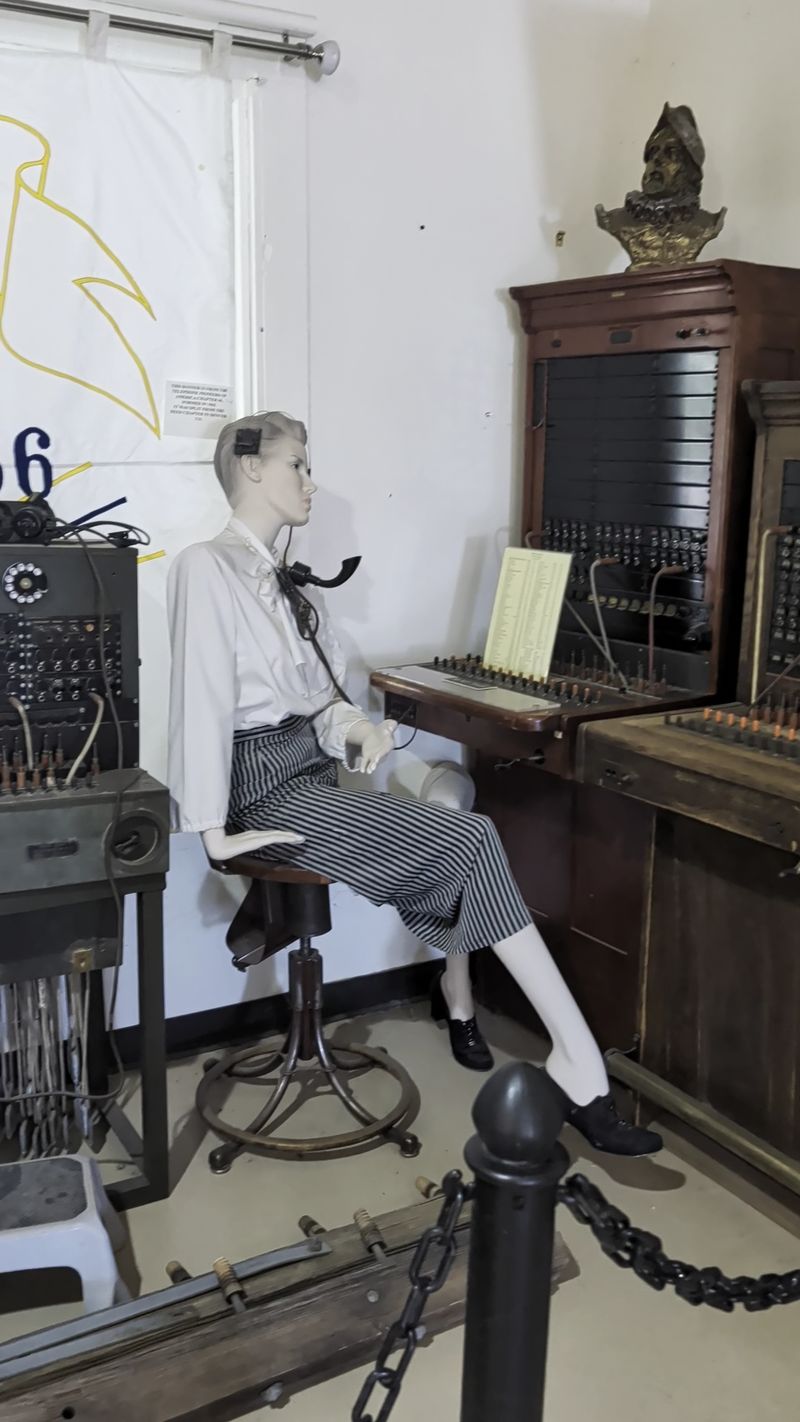
Ask anyone who has visited about their favorite stop, and the answer comes surprisingly often: the telephone and telegraph museum. It is a small building packed with a big surprise.
Inside you will find phones of nearly every kind, from old wall-mounted crank models to full operator switchboards. Watching how people once connected a simple call is oddly mesmerizing, especially for anyone who grew up before cell phones took over.
The exhibit earns high praise because the staff who run it clearly love the subject. Visitors describe leaving with a fresh appreciation for how far communication has come, and how clever those early systems really were.
Kids find the switchboards fascinating, and older guests often feel a wave of nostalgia seeing phones like the ones from their childhood homes. It is easily one of the most mentioned and most beloved corners of the entire village.
If you only have time to linger at one indoor spot, many would point you straight here. Do not let its modest size fool you, because this little museum tends to steal the show.
An Opera House and a Saloon With Stories
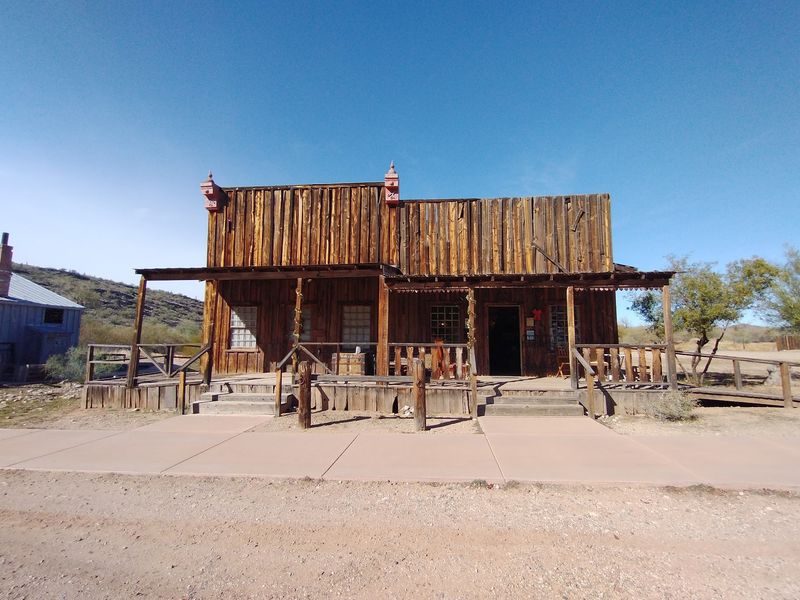
Culture came to the frontier in the form of a genuine opera house, where a famous singer once performed for territorial crowds. Even out in the rugged West, folks craved a night of music and glamour.
The building has been under restoration in the past, so its condition can vary by visit. When it is open, it offers a glimpse of the fancier side of pioneer entertainment, a nice contrast to all the rough cabins nearby.
Then there is the saloon back bar, which comes with one of the wildest tales on the property. Visitors love reading the full story posted right there in person, and many say it is worth the walk just to discover how such a piece ended up in Arizona.
Both spots show that early settlers wanted more than just survival. They built spaces for gathering, celebrating, and enjoying a little polish.
Poking around these two buildings gives you a fuller picture of territorial life, where hard work and lively evenings often went hand in hand under the same desert sky.
Blacksmith Shop, Ranch, and Working Trades
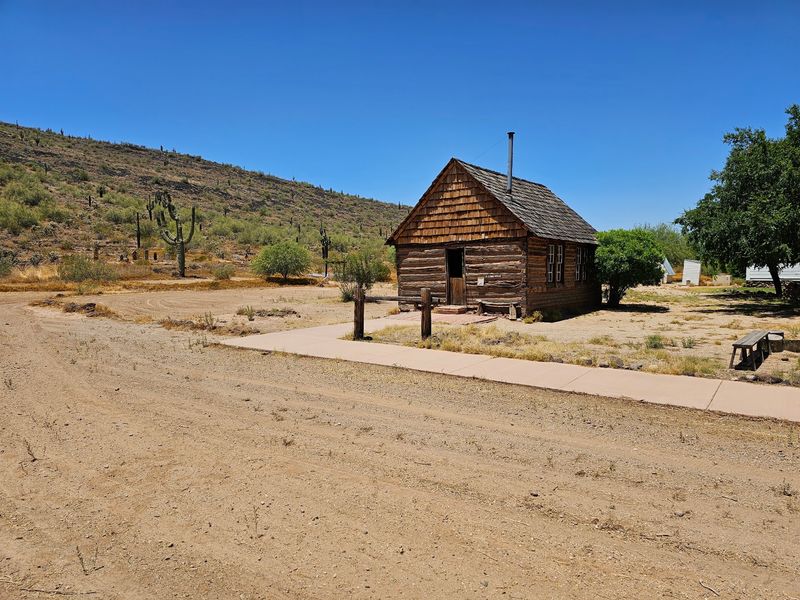
Sparks, iron, and elbow grease kept a frontier town running, and the blacksmith shop here shows exactly how. It is a favorite with children, who love imagining the clang of a hammer shaping horseshoes and tools.
Beyond the forge, a complete ranch complex spreads across the grounds, giving you a sense of how families raised animals and worked the land. Vintage farm equipment sits nearby, weathered but full of character.
The miner’s house adds another layer, with old tracks and ore carts parked outside that hint at Arizona’s mining roots. Each of these working spaces tells a piece of the story about how people actually earned a living out here.
Families with young explorers tend to gravitate toward these hands-on-feeling exhibits, since they make history tangible instead of abstract. You are not just reading dates, you are seeing the tools and trades up close.
Walking from the blacksmith to the ranch to the mining setup, you start to understand the sheer variety of skills a small settlement needed. It is a practical, grounded look at daily frontier work.
Costumed Interpreters and Wild West Shows
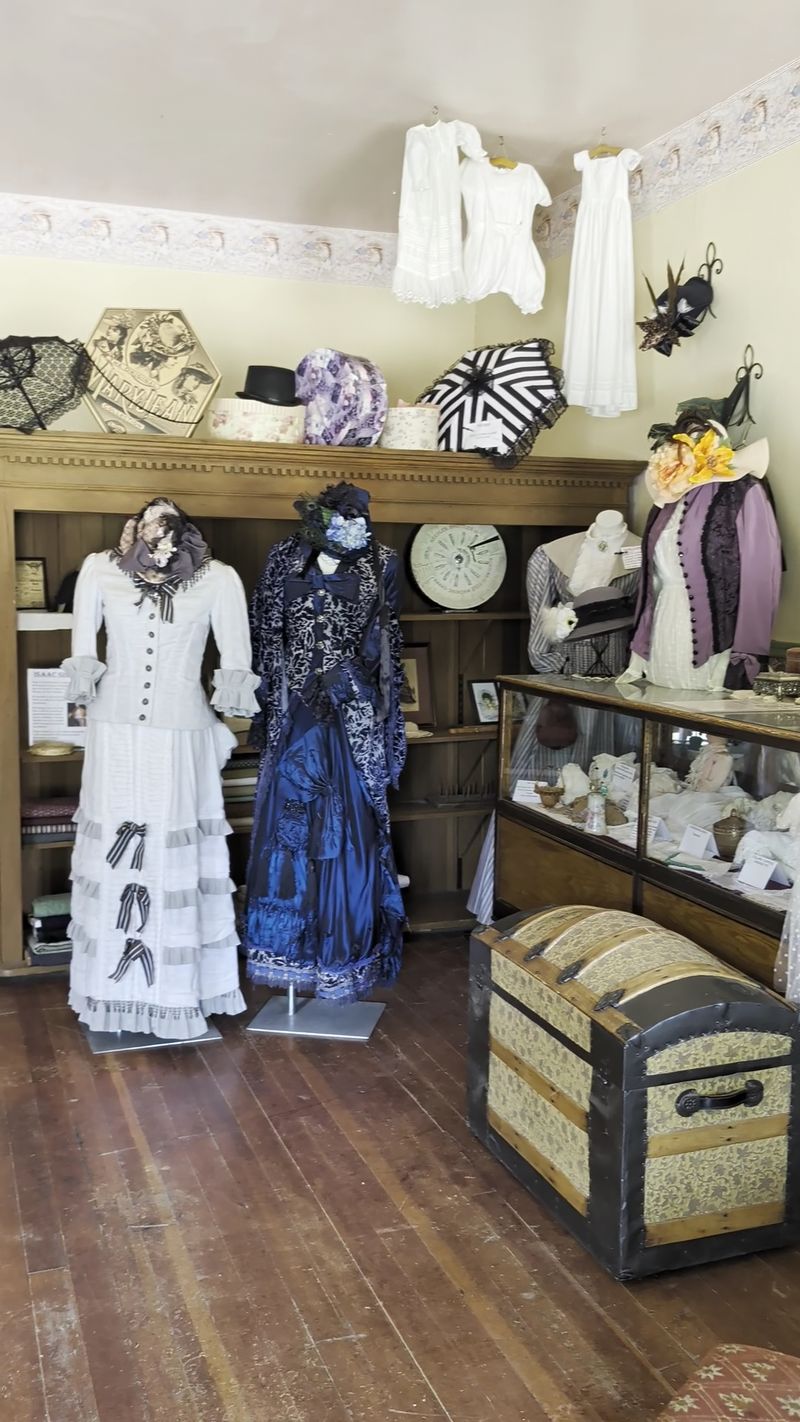
On the right day, the town truly comes alive with costumed interpreters playing cowboys, lawmen, and Victorian ladies. They chat with guests, demonstrate old skills, and bring the quiet buildings to life.
Families rave about the interactive shows, especially the rope, whip, and safety demonstrations that keep kids fully engaged. A Wild West style performance adds a dash of drama, and school groups on field trips consistently have a blast.
Here is the honest heads-up, though. The living portion depends heavily on volunteers, and their presence can vary from day to day.
When the actors and storytellers are on-site, the experience shines brightest.
Because of that, it is smart to call ahead and ask whether hosts and demonstrations will be running during your visit. On a staffed day, the storytelling and character interactions turn a simple walk into a memorable adventure.
Visitors with children especially appreciate how welcoming and knowledgeable the staff tend to be. When the town is buzzing with costumed folks, that magical step-back-in-time feeling reaches its peak, making the timing of your trip really matter.
A Photogenic Backdrop for Weddings and Field Trips
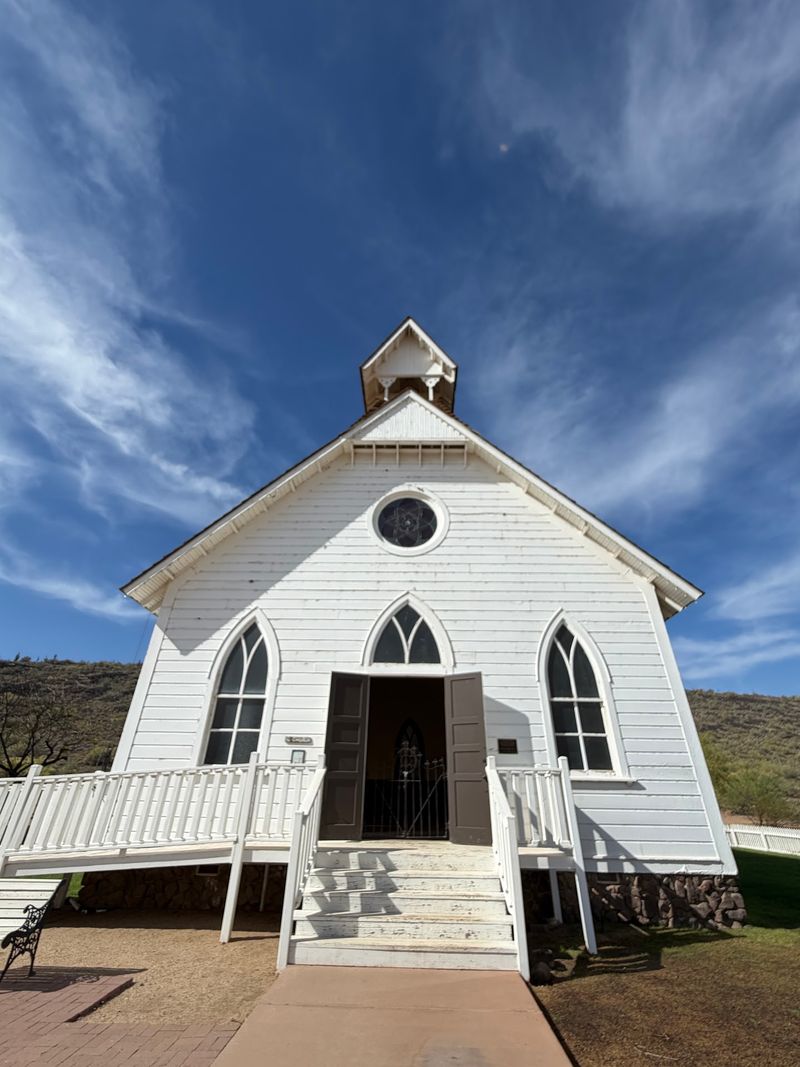
Beyond history lessons, the grounds double as a beloved spot for special occasions. The charming chapel and scenic old-town setting make it a popular wedding venue, with both indoor and outdoor spaces to choose from.
Guests often stumble onto a wedding in progress at the chapel, and most agree it adds a lovely, romantic touch to the scenery. The vintage buildings and open desert create a backdrop that photographers dream about.
School groups are another regular sight, and teachers praise how kind and helpful the staff are with even the rowdiest bunch of middle schoolers. A film project or field trip here tends to leave a lasting impression.
Costumed visitors are welcomed warmly, too, and encouraged to snap photos throughout the historic setting. If you enjoy dressing in old western wear, this is a rare place to do it and feel right at home.
Whether you are planning a ceremony, chaperoning students, or just chasing great pictures, the mix of authentic structures and wide-open grounds makes the village endlessly versatile. It is far more than a static museum.
Hours, Prices, and Tips for Your Visit
Timing your trip well makes all the difference here. The museum is open Wednesday through Sunday from 7 to 11 AM, and closed Monday and Tuesday, so it is very much a morning outing.
Admission has been reported around 12 dollars per person, a modest price for a spot spanning so much ground. Cold sodas and waters have been sold near the entrance for a dollar or two, and you are welcome to bring your own water bottle and lunch bag.
Nearly all of the walking follows paved, level paths, but much of it sits in direct sun. Bring a hat, sunscreen, and water, and strongly favor the cooler months since summer can be brutal out on the open grounds.
Plan on roughly an hour to explore without the live shows, or longer when hosts are present. The place is dog friendly, has clean restrooms up front, and offers picnic tables.
For history lovers, families, and anyone charmed by the Old West, it is an easy, affordable, and genuinely rewarding drive just outside Phoenix.